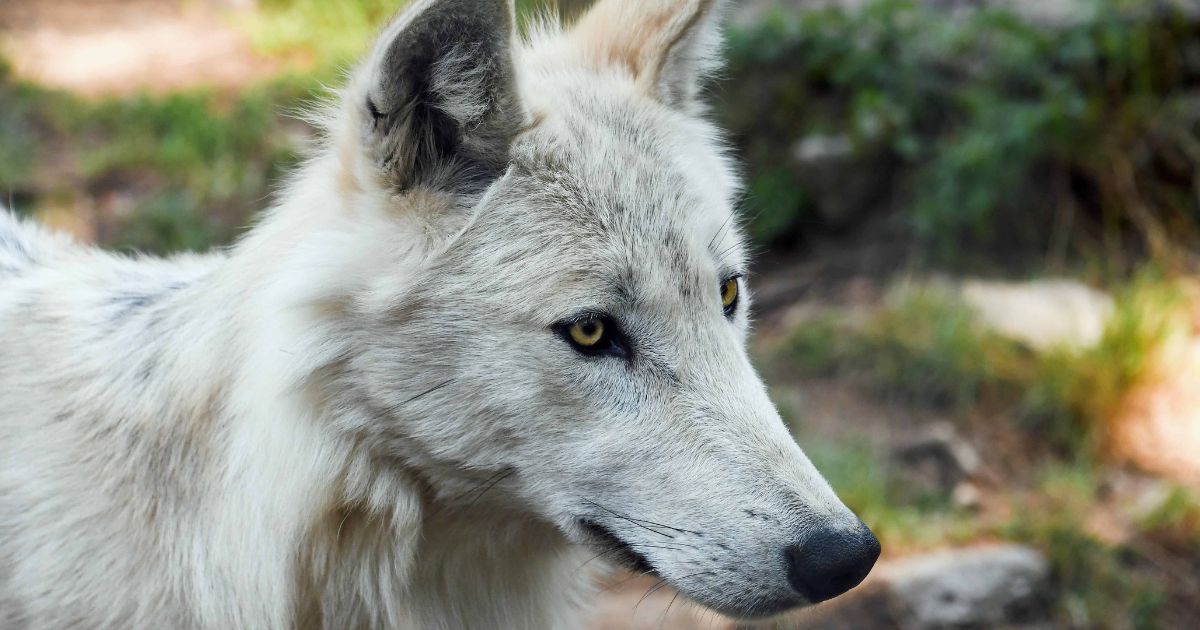
Your feed is packed with dogs that look like they just stepped out of a snowy forest, and it is easy to see why. These wolfish companions blend primal style with loyal, modern pet vibes. From icy eyes to plush double coats, they look wild yet live happily on the couch. Let us explore the breeds everyone keeps double tapping, and help you spot the right fit for your life.
Tamaskan
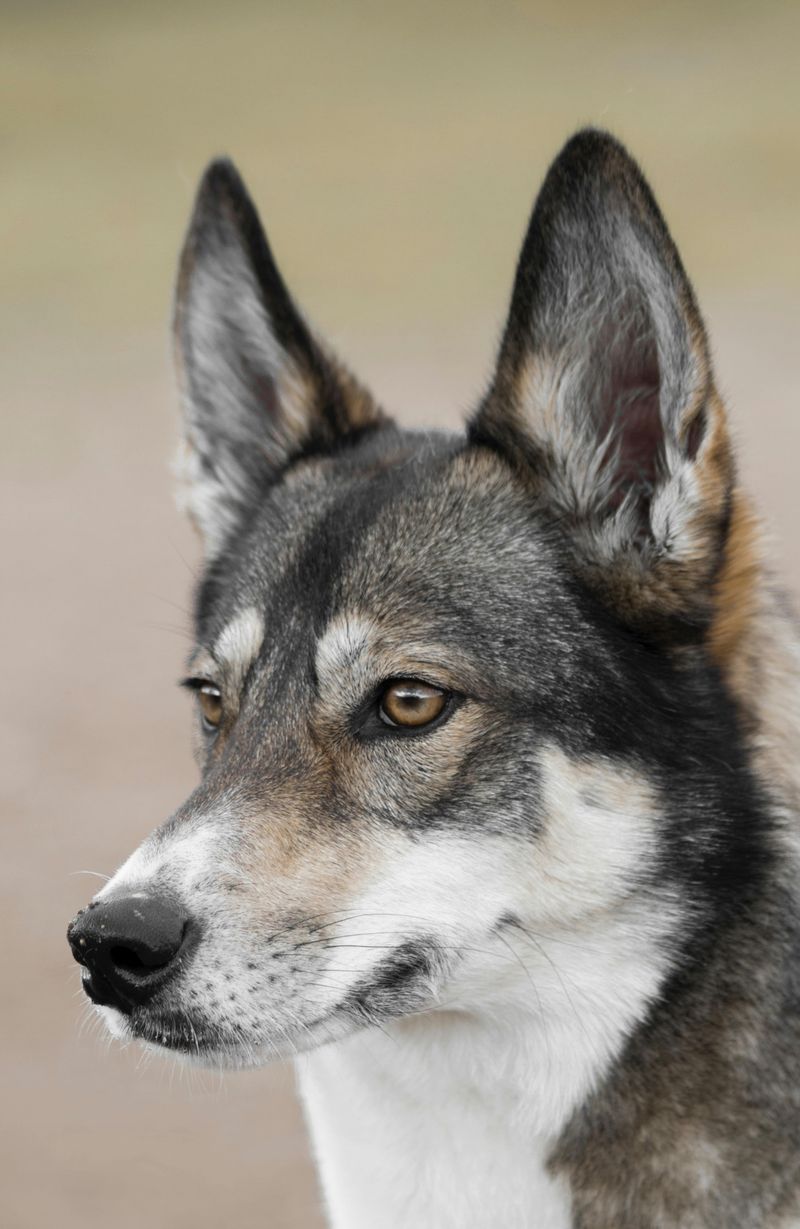
The Tamaskan looks like a movie wolf but feels like your athletic best friend. Bred from northern lines to resemble wolves without the wild temperament, this dog thrives on adventure. Expect a keen mind, strong stamina, and a comforting pack vibe at home.
Daily exercise is non negotiable, especially structured runs or long hikes. Training works best with positive methods and clear routines, since this breed loves having a job. Socialization keeps that curious nature balanced around strangers and other pets.
Grooming is simple yet frequent during seasonal sheds. Brush thoroughly to manage the dense undercoat and keep skin healthy. With commitment, the Tamaskan becomes a loyal, photogenic partner who lives for shared experiences and wide open trails.
Utonagan
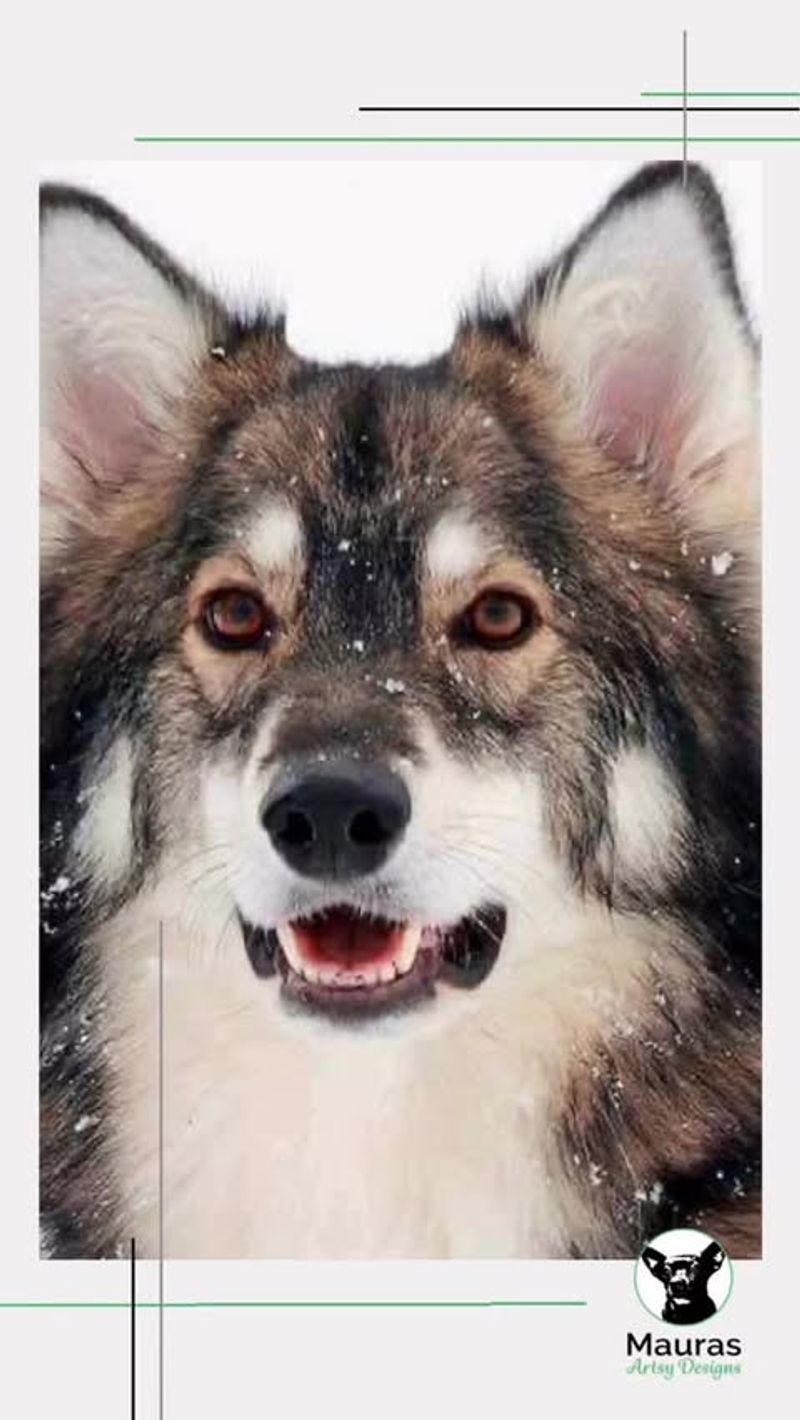
The Utonagan delivers that ethereal, northern aura many people crave online. Developed in the UK, it blends several northern breeds for a wolf-like style and affectionate personality. Gentle with families, it still carries high energy and a working drive.
Plan on daily, varied exercise like trail walks, scent games, and structured play. This breed responds beautifully to consistent, reward-based training. Mental stimulation prevents boredom behaviors and supports a confident, easygoing companion.
Coat care centers on weekly brushing and heavier seasonal maintenance. Expect shedding and invest in good tools. With social exposure and routine, a Utonagan channels its wild look into a steady, loving presence that photographs like a dream while staying grounded at home.
Northern Inuit Dog
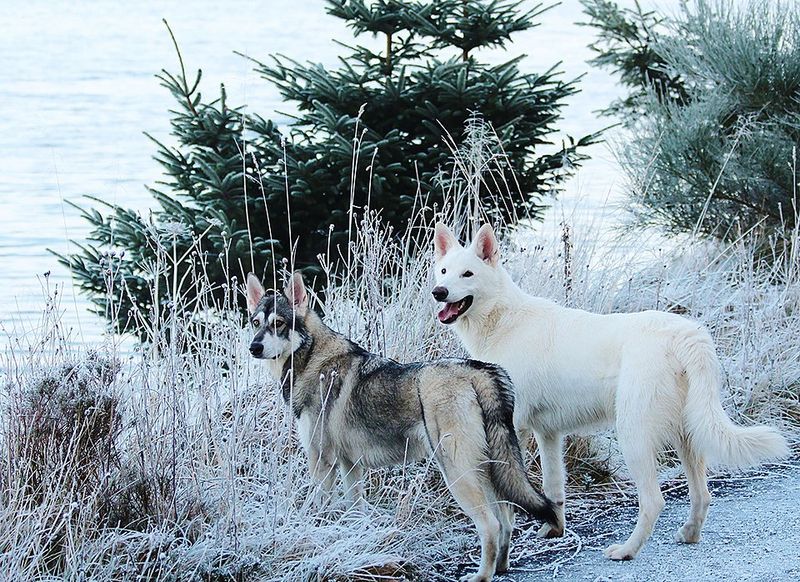
Northern Inuit Dogs are the poster pups for wolfish mystique. Originally bred in the UK to resemble wolves, they balance striking looks with affectionate tendencies. They bond deeply and can be sensitive, so calm guidance matters.
Daily workouts are essential, mixing endurance, obedience, and mental puzzles. Without outlets, they may vocalize or get creative with mischief. Reward-based training and predictable routines help them relax and shine.
Grooming focuses on shedding cycles and regular brushing to keep that double coat healthy. Early socialization builds confidence with visitors, kids, and other animals. Do your homework, commit to structure, and a Northern Inuit Dog becomes that unforgettable, camera-ready companion you are already saving to your favorites.
Czechoslovakian Wolfdog
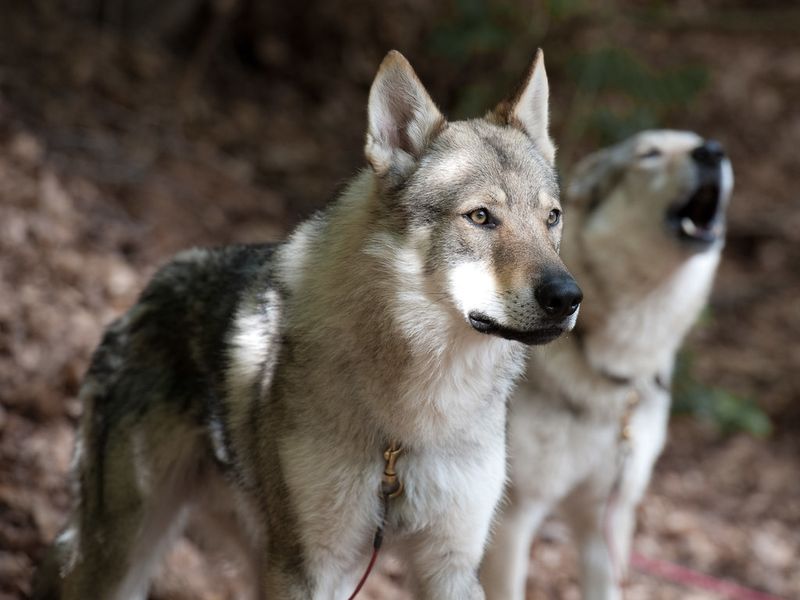
The Czechoslovakian Wolfdog is intensity wrapped in a sleek, feral aesthetic. Created from Carpathian wolves and German Shepherds, it carries serious stamina and drive. This is a specialist breed for highly active, experienced handlers.
Training requires structure, clarity, and patience, with heavy socialization from day one. Expect a curious, independent mind that benefits from scent work, tracking, and technical obedience. Skipping enrichment can lead to restless problem solving that outsmarts unprepared owners.
Grooming is moderate, centered on seasonal sheds and routine brushing. Secure fencing and reliable recall training are must haves. When needs are met, the Czechoslovakian Wolfdog becomes a magnetic, hardworking partner that turns every hike into a cinematic expedition.
Saarloos Wolfdog
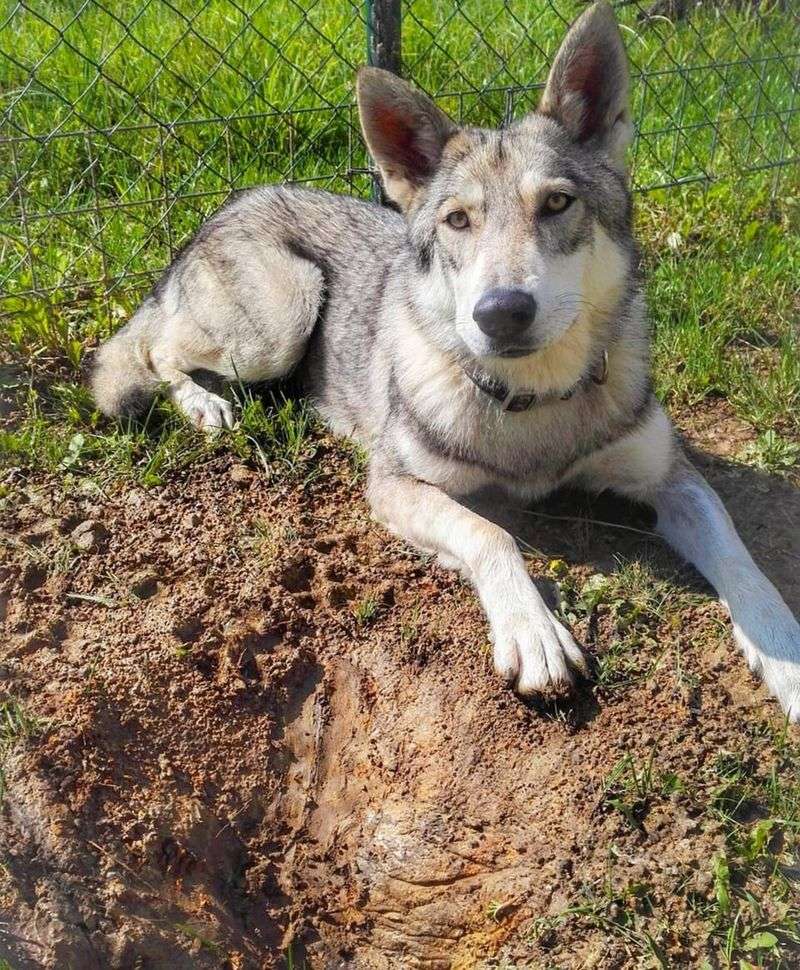
The Saarloos Wolfdog radiates quiet, wilderness energy. Bred by crossing a German Shepherd with a Eurasian wolf, it presents as shy, observant, and deeply bonded to trusted humans. Sensitivity is a theme, so gentle handling is essential.
Structured socialization from puppyhood is critical to build confidence without overwhelming. Use patient, positive training and respect personal space. This is not a casual first-time breed, but it rewards commitment with nuanced companionship.
Exercise should be steady and mentally rich, including tracking games and calm adventures. Grooming focuses on heavy seasonal sheds and keeping that airy coat healthy. If you value subtlety over flash, the Saarloos Wolfdog offers a rare, soulful partnership with a hauntingly beautiful look.
Yakutian Laika
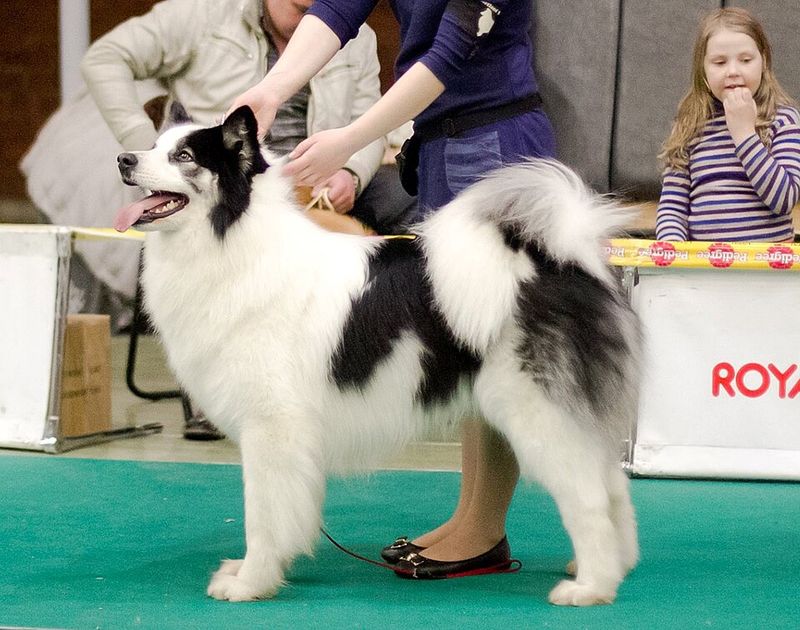
Yakutian Laikas bring polar energy and sparkling eyes that light up any feed. Originating from Siberia, they are versatile sled and hunting dogs with a friendly edge. Expect a cheerful, talkative companion that thrives on activity and routine.
Daily exercise is non negotiable, including pull sports, skijoring, or long, purposeful hikes. Training thrives on upbeat sessions and varied challenges. They can be vocal, so channel that expressiveness into cues instead of complaints.
Coat care centers on de-shedding tools during blowout seasons. Keep ears and paws checked after snowy outings. Given time, patience, and play, a Yakutian Laika turns winter weather into a playground and your camera roll into a gallery of airborne snow and happy grins.
West Siberian Laika
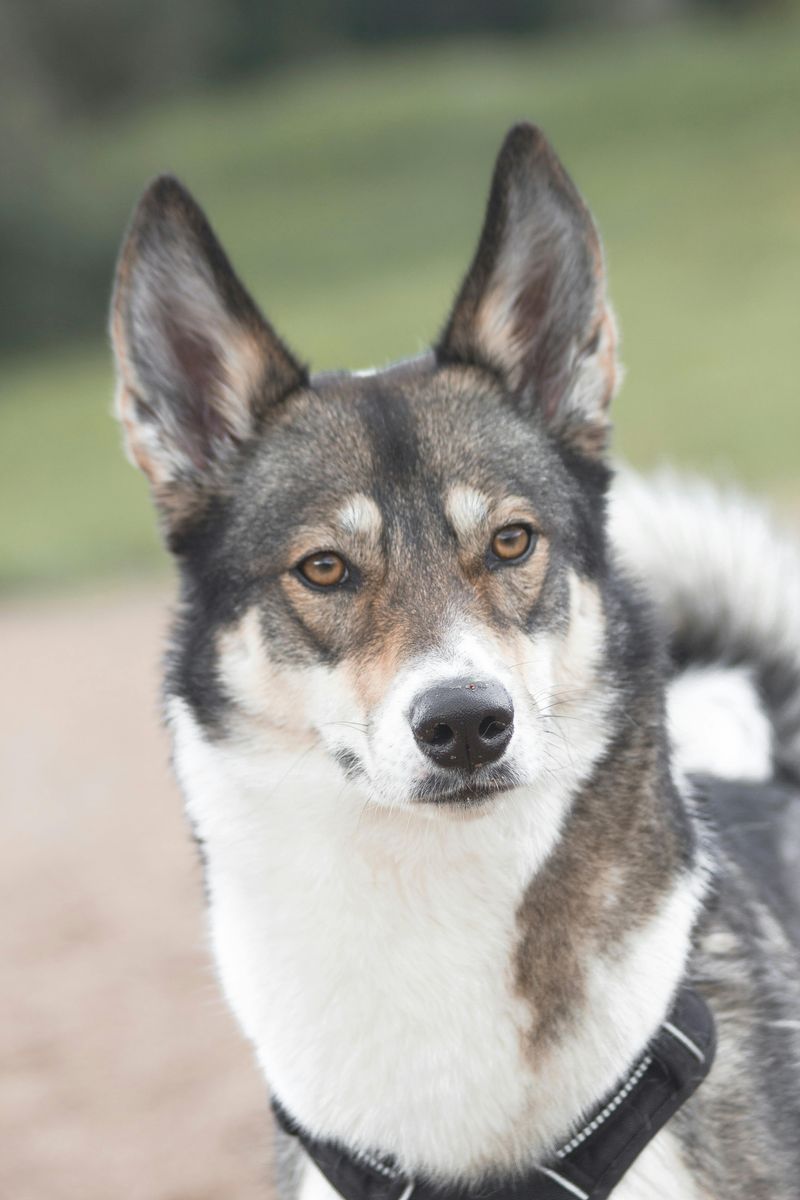
The West Siberian Laika is a traditional hunting partner with sharp instincts and a foxlike face. Its wolfish profile and pricked ears read distinctly northern. Independence runs deep, but loyalty blooms with fair, consistent leadership.
Give this dog real work, whether scent trails, search games, or structured hikes. Boredom is the enemy, and a yard alone will not cut it. Reward-based training that honors natural drive produces the best results.
Grooming is straightforward aside from seasonal coat blows. Expect regular brushing and shedding management. When you respect its purpose and supply adventure, the West Siberian Laika becomes a focused, hardy ally that looks like it stepped out of a taiga legend.
East Siberian Laika
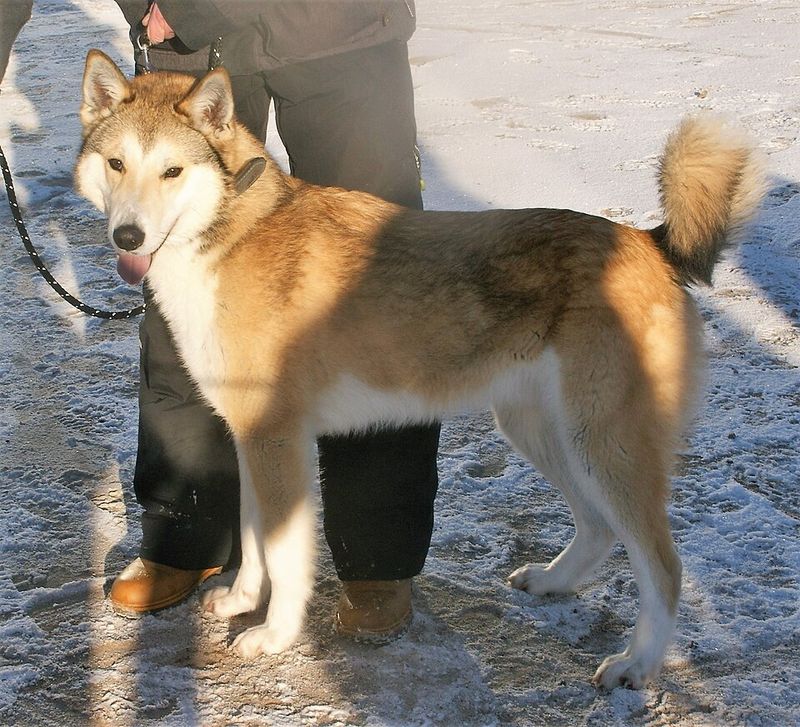
East Siberian Laikas are the rugged, big cousins in the Laika family. Built for harsh forests, they combine endurance with intelligent independence. That wild silhouette pairs with a loyal, practical nature when handled respectfully.
Plan for demanding exercise and jobs that engage nose and brain. Tracking, mushing, and backcountry hikes suit them well. Training should be fair and firm without harshness, channeling initiative instead of shutting it down.
The double coat needs brushing and seasonal de-shedding sessions. Regular health checks support joints that work hard on rough terrain. Give this breed space to perform and you will witness a breathtaking, wolfish worker that turns remote trails into familiar routes.
Karelian Bear Dog
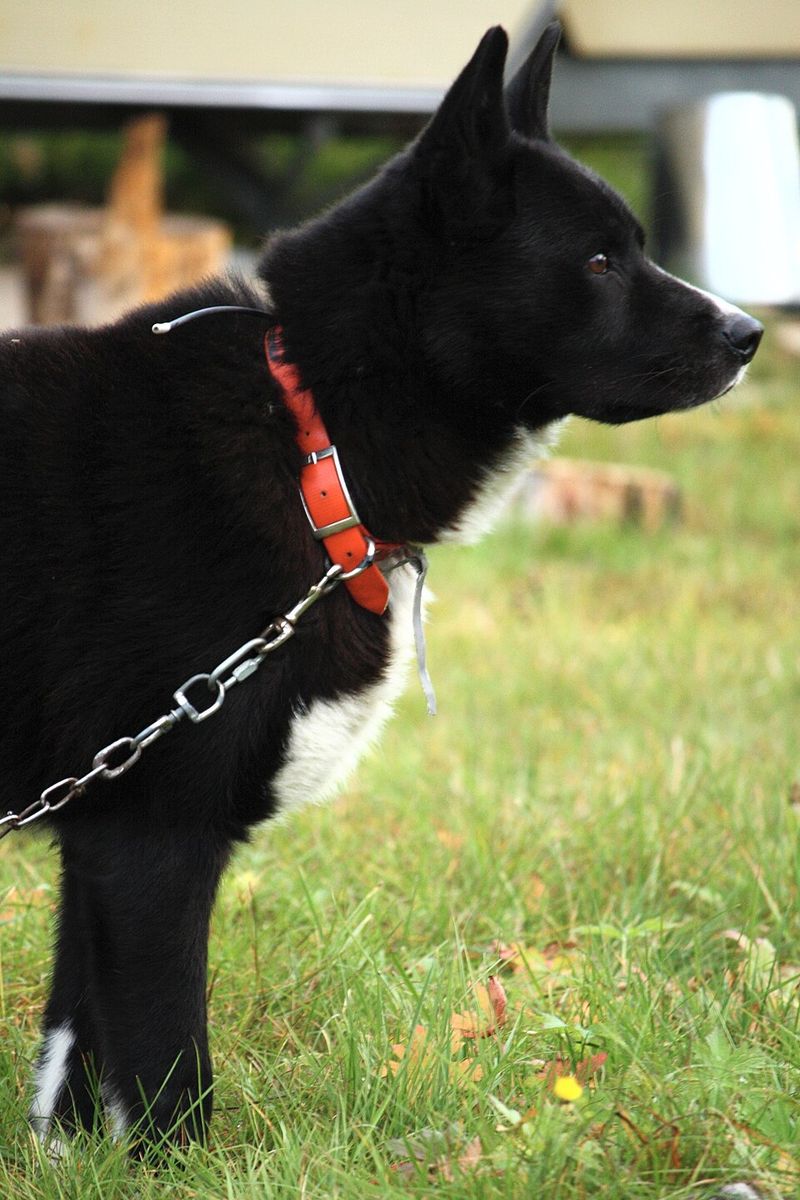
The Karelian Bear Dog is compact, fearless, and unmistakably northern. Bred to confront large game, it packs courage into a sleek, black and white frame. That heritage demands confident handling and purposeful outlets.
Exercise should be vigorous and task oriented, with recall proofing and scent challenges. Early socialization helps balance alertness with polite manners. Expect independence, but also a deep, practical partnership once trust forms.
Grooming is minimal beyond regular brushing and seasonal shedding. Secure fencing and structured training time are must haves. Treated with respect and steady guidance, the Karelian Bear Dog delivers a bold, photogenic presence that channels its wild look into disciplined, real-world capability.
Norwegian Elkhound
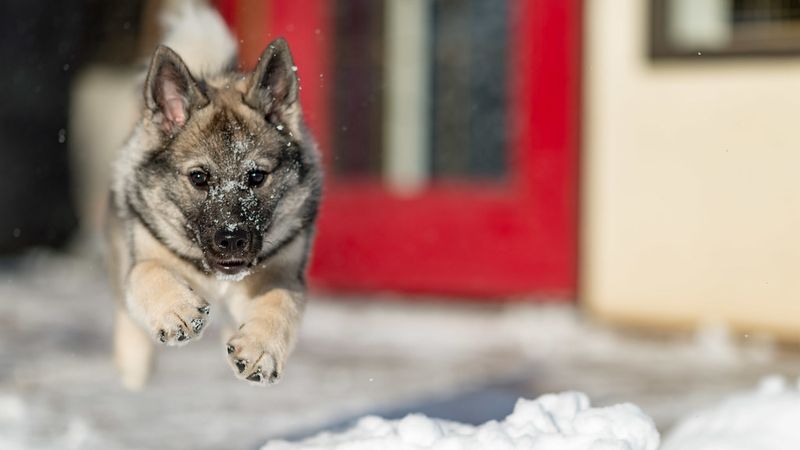
The Norwegian Elkhound carries classic Nordic style with a loyal, upbeat attitude. Historically a moose hunter, it is agile, vocal, and sturdy. The look is wolfish, but the personality is social and energetic.
Plan for brisk exercise, puzzle toys, and consistent training to tame the bark and channel drive. This breed enjoys jobs and thrives on involvement with family life. Positive reinforcement and fun routines work best.
Coat maintenance includes regular brushing, especially during shedding waves. Keep an eye on weight and joints, since the build is robust. When needs are met, the Norwegian Elkhound becomes an easy to love adventurer whose photos glow with frost, sunlight, and big grins.
Finnish Spitz
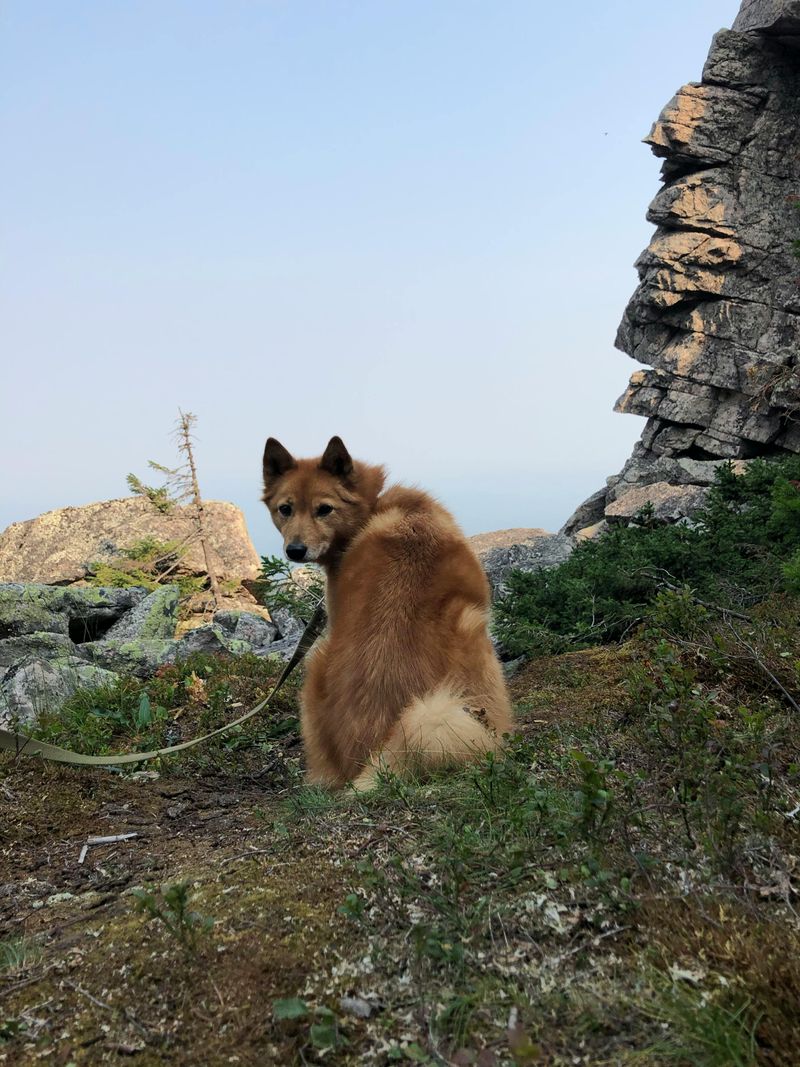
The Finnish Spitz trades gray wolf tones for fox-red sparkle, but the northern vibe remains. Known as a cheerful barker, it once alerted hunters to game with musical yodels. Expect a bright, animated companion that loves attention and activity.
Training should guide voice and impulse control through games and rewards. Daily exercise plus mental puzzles keep that quick mind satisfied. Socialization helps maintain confidence without sass.
Grooming is moderate, with weekly brushing and seasonal coat blows. Keep nails short for nimble trail work. With playful structure and clear communication, the Finnish Spitz becomes a charming, photogenic partner whose fiery coat and foxy silhouette light up every photo you share.