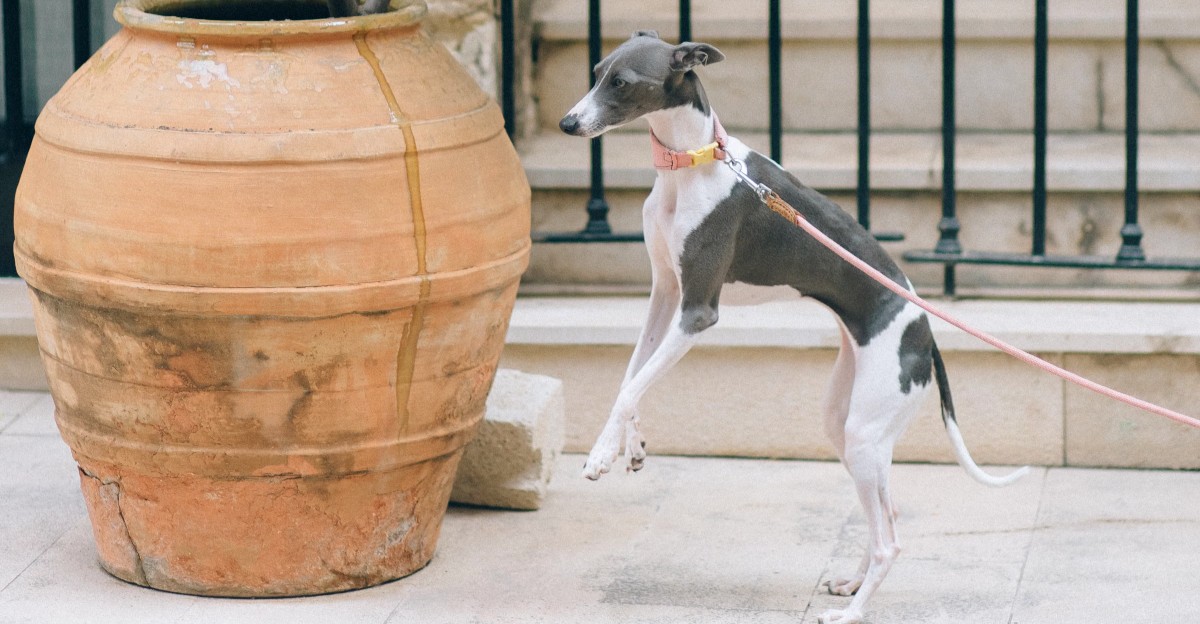
Being away from home for long hours can be tough on certain dogs. Some breeds need more attention, exercise, or mental games to stay happy.
When those needs are not met, behavior problems can pop up. Knowing which breeds struggle most helps you plan smarter and care better.
Border Collie
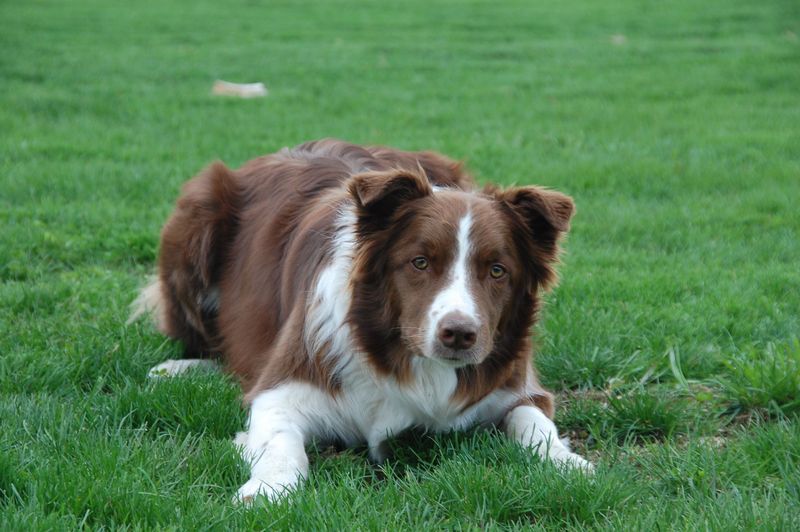
With eyes that seem to read your mind, a Border Collie thrives on tasks and teamwork. Long stretches alone can spark pacing, chewing, or escape attempts.
Plan brain work, not just a quick walk.
Try a morning fetch session, a puzzle feeder, and a midday walker. Rotate scent games and herding-style toys to keep that sharp mind busy.
If your schedule stays heavy, consider dog sports classes on weekends to satisfy drive and bond deeply.
Australian Shepherd
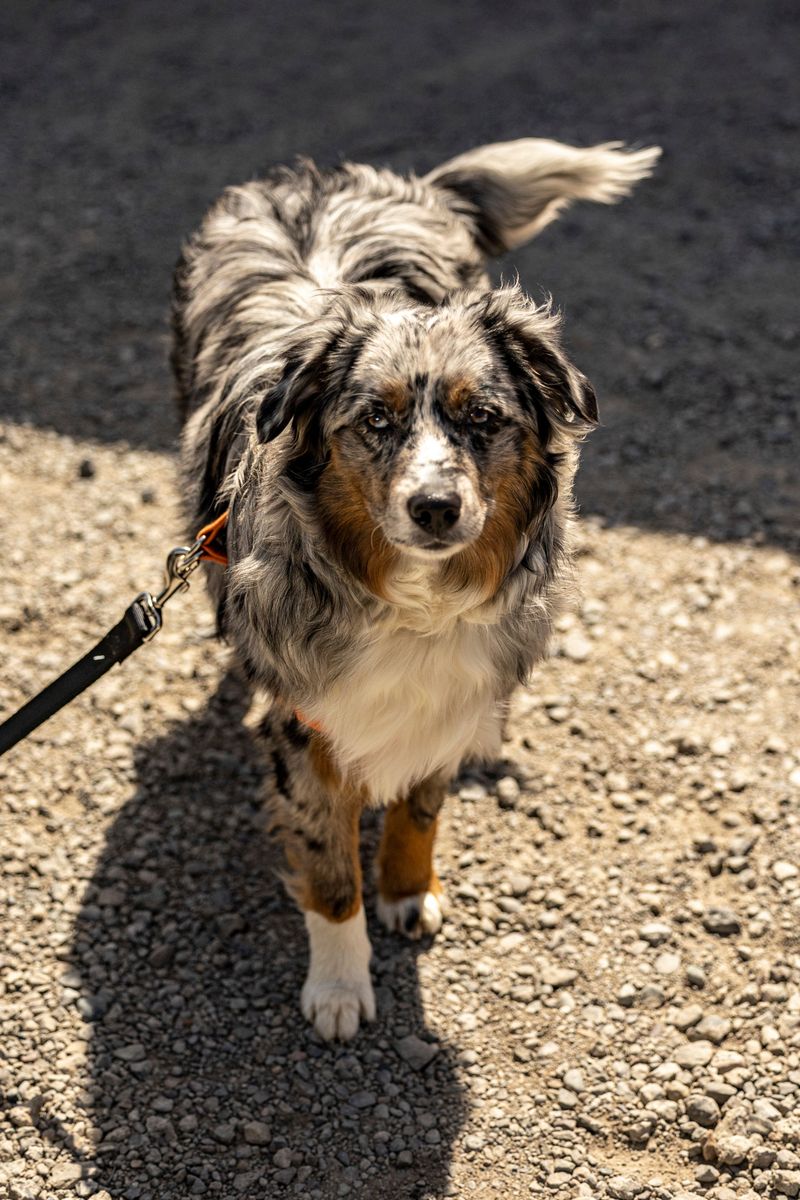
Born to hustle on wide ranches, the Australian Shepherd rarely enjoys quiet days. Hours alone can lead to barking and creative remodeling.
Energy plus smarts needs structure.
Stack the morning with a jog, tug, and five-minute obedience drills. Schedule a trusted sitter, or enroll in doggy day care two times a week.
Mix in trick training, a flirt pole, and nosework kits so effort has a job-like outlet. Evenings should include calm cuddle decompression time.
Siberian Husky
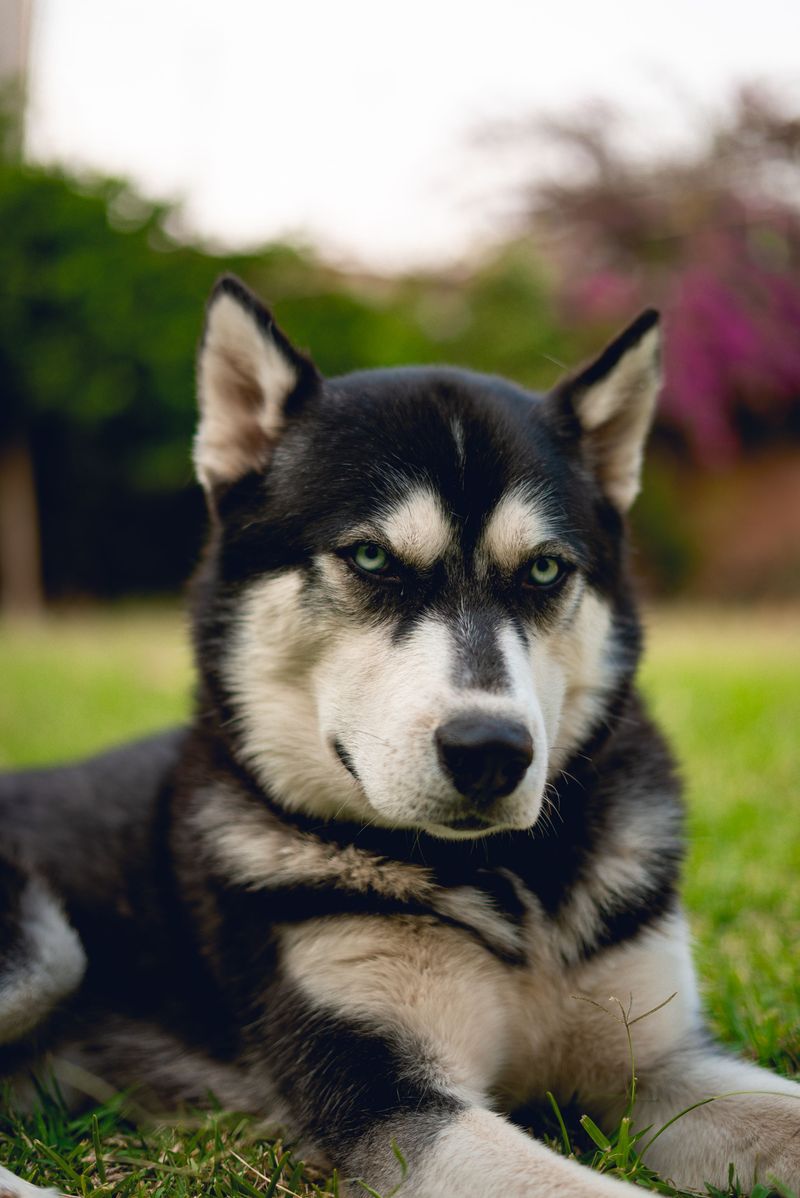
Those glacier-blue eyes promise adventure, not naps. A Siberian Husky left alone too long may sing, dig, and redesign the yard.
Independent yet social, they crave movement.
Think early bike-joring practice, long walks, then a frozen lick mat before you head out. Secure fencing and heavy-duty chew toys help.
Arrange a neighbor check-in, and plan weekend hikes or skijoring to meet that roaming spirit while still keeping your schedule realistic. Consistency beats occasional marathon sessions.
Vizsla
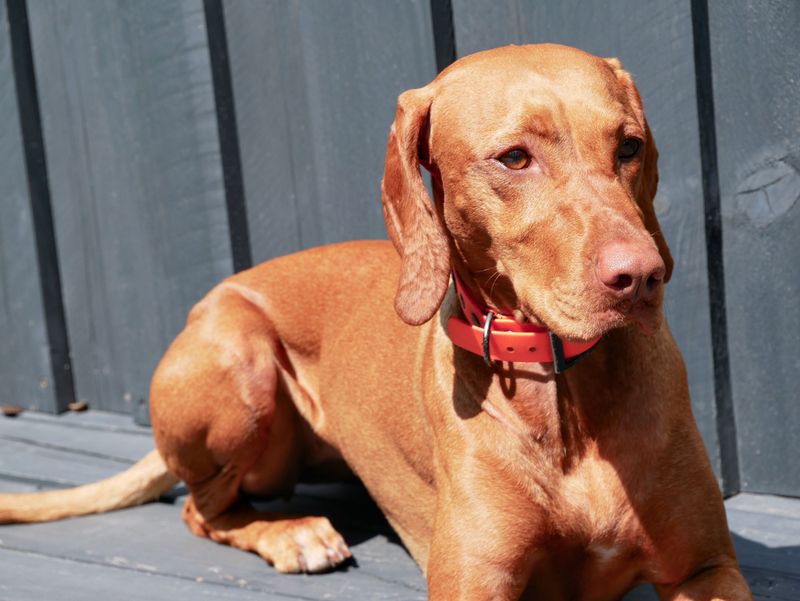
Called the velcro dog by fans, the Vizsla sticks close to heart and heel. Long absences can brew anxiety and whining.
Affection plus exercise keeps balance.
Start with a brisk run and short place-training to build confidence. Leave a worn T-shirt in a safe bed, use white noise, and offer stuffed Kongs.
A part-time sitter or trusted neighbor visit goes far, and weekend field work or canicross channels natural drive kindly. Keep departures low-key routines.
Weimaraner
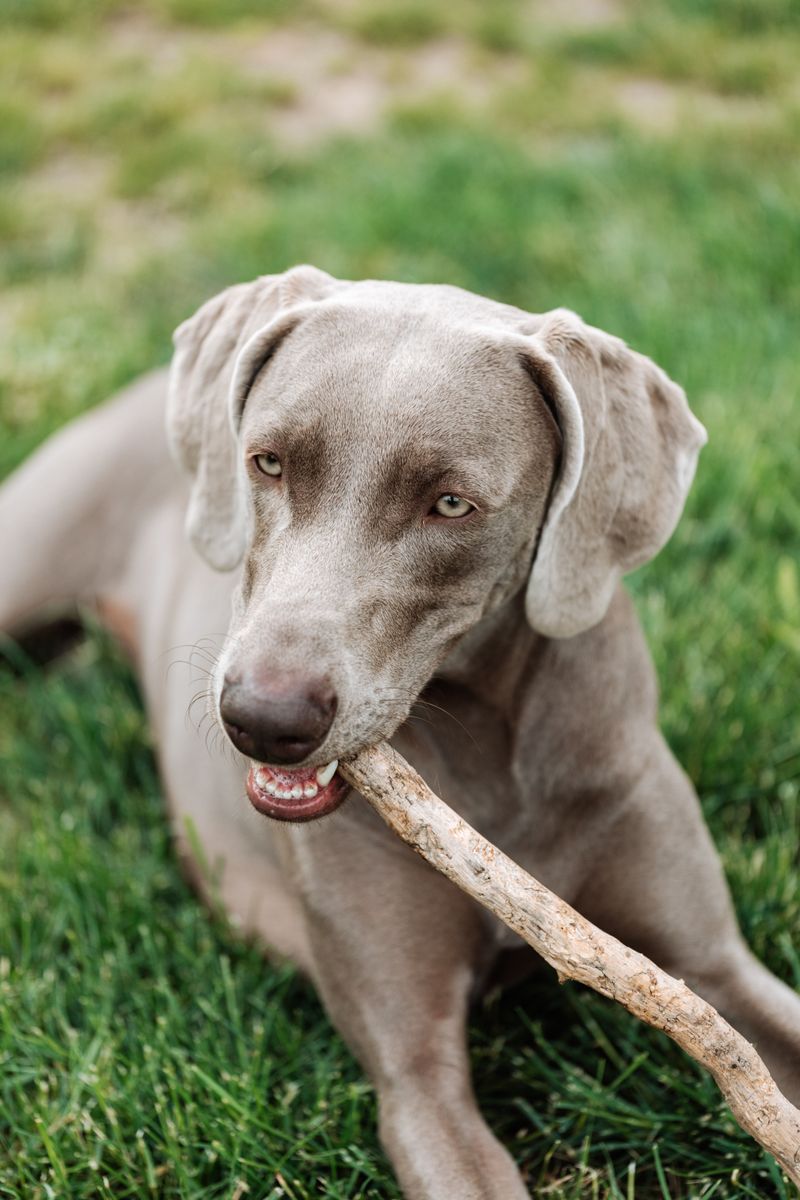
Silver-gray and soulful, the Weimaraner bonds intensely. Boredom can spark counter surfing, door scratching, and dramatic greetings.
They like being part of everything.
Build a morning routine with fetch, obedience reps, and structured sniffing. Hide treats around the house for treasure hunts before you leave.
Midday walks help, but so does crate training that feels cozy and safe. Weekend tracking classes or swimming satisfy their athletic side.
Rotate toys to keep novelty high every day.
Jack Russell Terrier
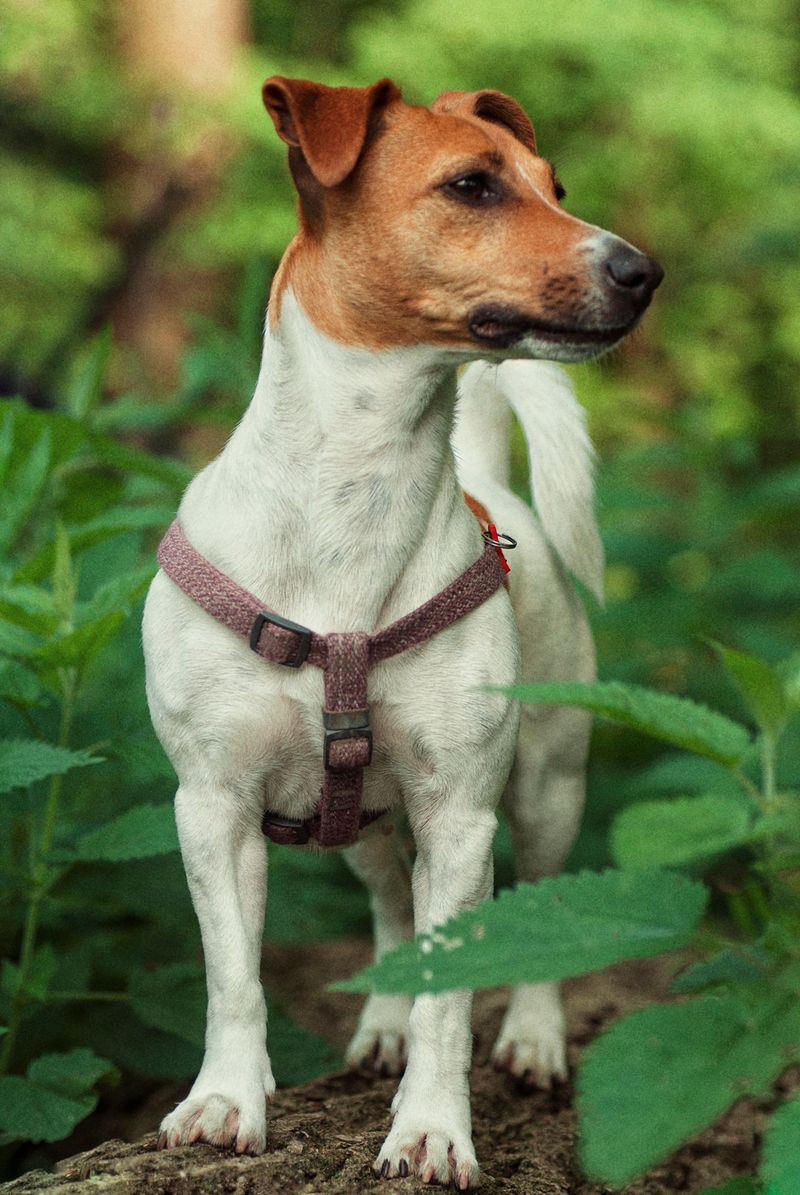
Small body, rocket engine. A Jack Russell can outthink a busy owner and invent its own sports.
Long hours alone often mean digging, barking, and ambitious parkour.
Channel talent with morning scent games, flirt pole bursts, and short training sprints. Food puzzles with hard modes and safe chew options extend quiet time.
A walker at lunch is gold. On weekends, try earthdog or agility to meet their hunty heart without chaos at home, most days.
Beagle
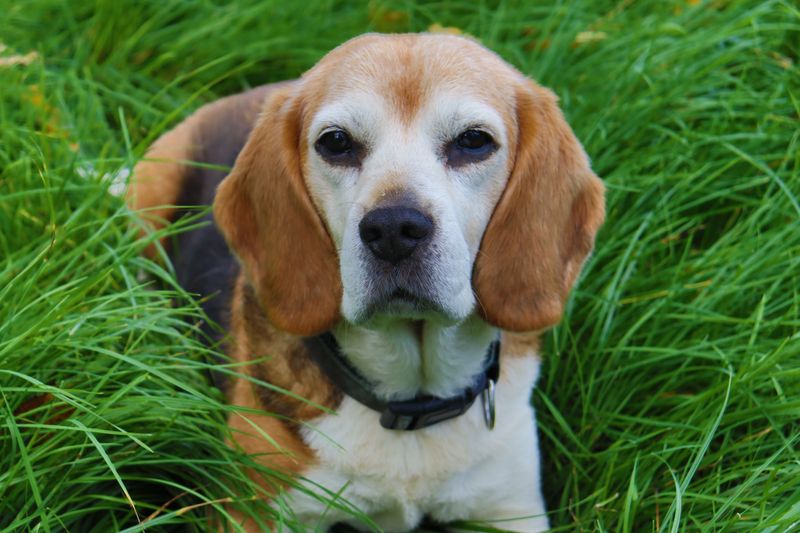
Follow that nose, and off they go. Beagles are social hounds that hate being left behind.
Lonely hours can spark howling, door scratching, and kitchen raids.
Meet needs with sniffari walks, hidden-scent boxes, and a frozen puzzle before work. A buddy dog can help, but only if both get enrichment.
Ask a walker for sniff time, not just distance. Weekend tracking games and park picnics keep their cheerful spirit satisfied.
Practice calm door greetings daily.
Belgian Malinois
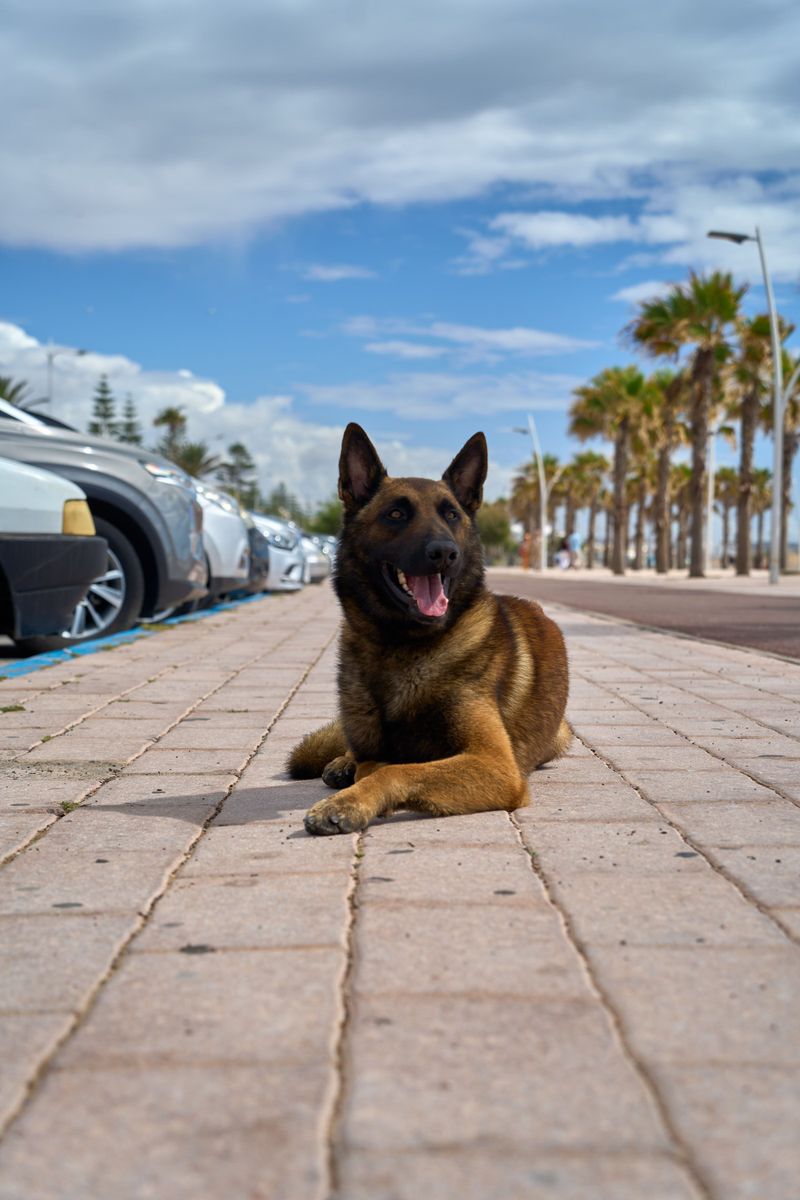
Built like a coiled spring, the Belgian Malinois lives for purpose. Long workdays without structure quickly backfire.
Many end up frustrated and mouthy.
Invest in professional guidance, daily drills, and serious exercise. Morning bite-pillow play, obedience, and treadmill sessions can help, but real outlets such as IGP or protection sports are best.
Hire a skilled handler for midday work. If schedules stay heavy, consider postponing ownership until life slows.
This breed needs purposeful partnership daily.
German Shepherd
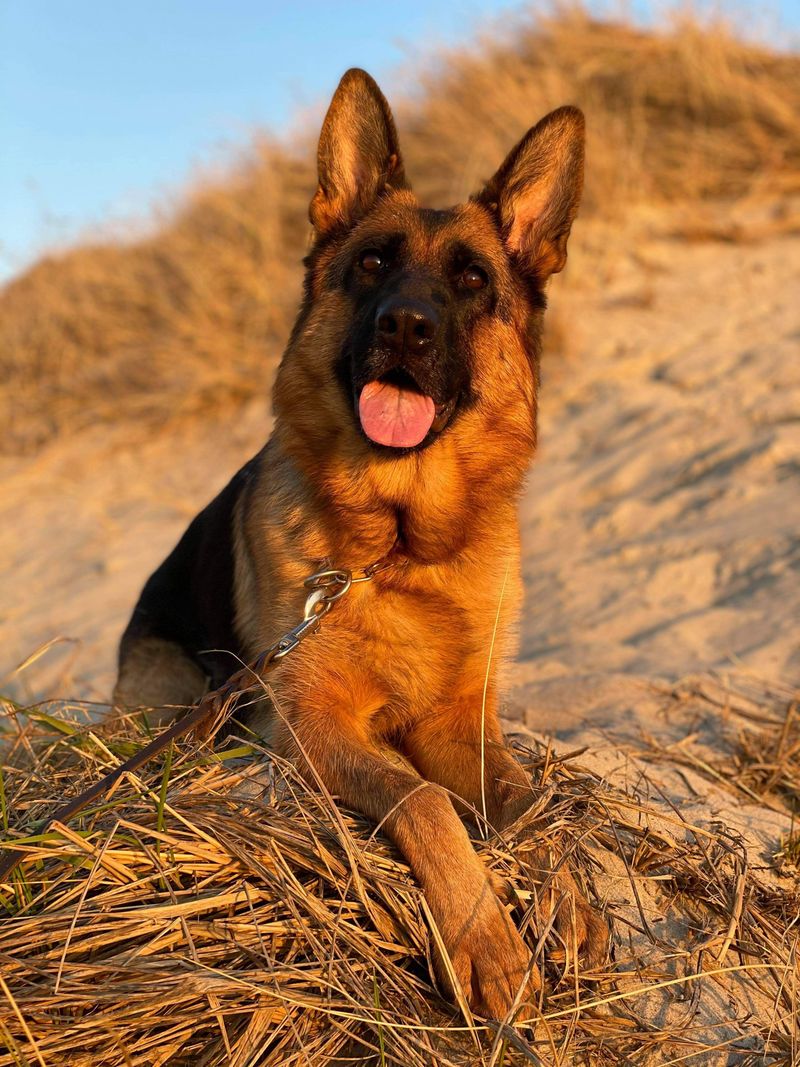
Smart, sensitive, and loyal, a German Shepherd watches the door when you leave. Too many empty hours can build stress.
They need exercise and clear jobs.
Try structured heeling, place work, and tracking games before work. Crate time should feel like a den, not a penalty.
A reliable walker helps break the day. On weekends, dabble in scent work or rally to sharpen focus and deepen your relationship.
Consistent routines reduce anxious guessing at home.
Cavalier King Charles Spaniel
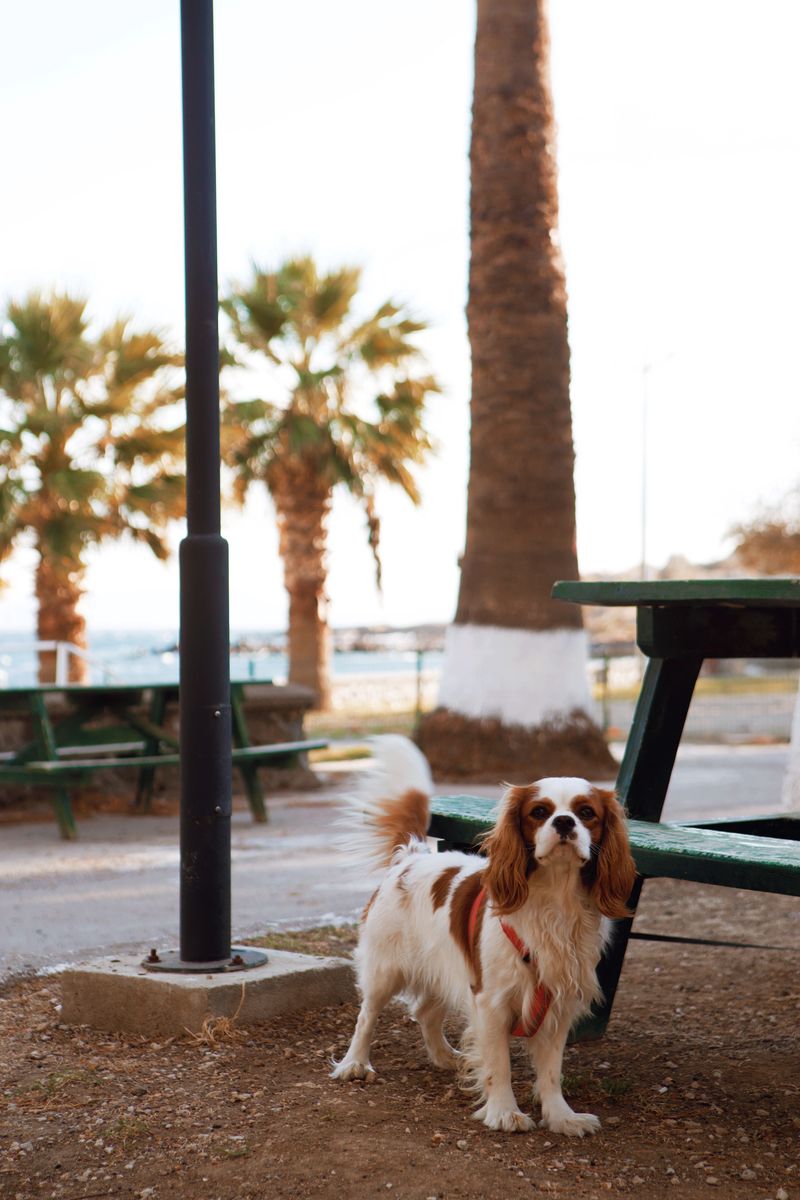
Soft eyes and a lap-loving spirit make Cavaliers wonderful buddies. Long solitude, however, can weigh on their hearts.
Many become clingy or vocal.
Plan gentle morning walks, sniff breaks, and a calming food puzzle. Soothing music and a comfy crate or pen create security.
Arrange a midday visitor, and schedule evening cuddles and grooming for bonding. A second calm dog sometimes provides company, if both personalities truly match.
Watch weight with measured snacks at night.
Italian Greyhound
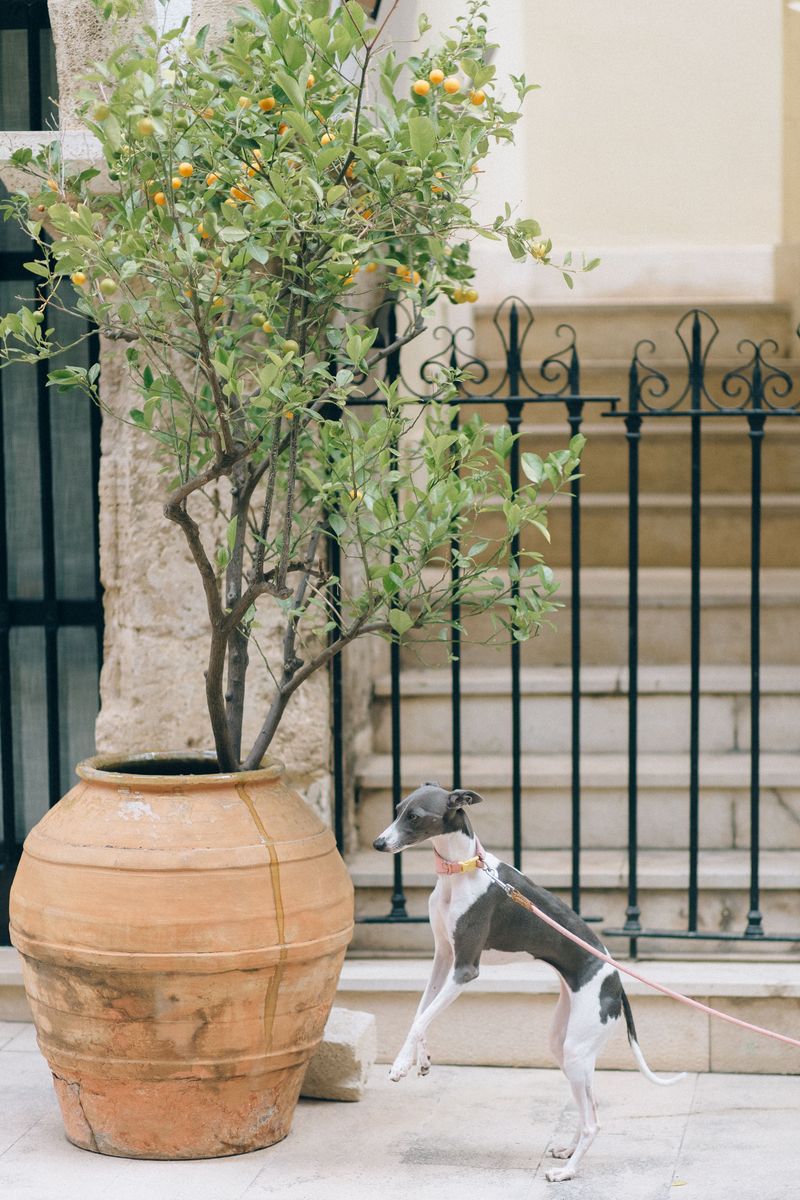
All elegance and noodle limbs, Italian Greyhounds love warm laps. Alone too long, they shiver, worry, and may protest with accidents.
Gentle souls need steady routines.
Create predictability with timed potty breaks, soft sweaters, and sun patches. Start the day with short zoomies, then a snuffle mat.
Use pet cams to check in. Consider a sitter for midday warmth and reassurance, and keep evenings cozy with blankets and quiet play.
Watch fragile legs during play.
Dachshund
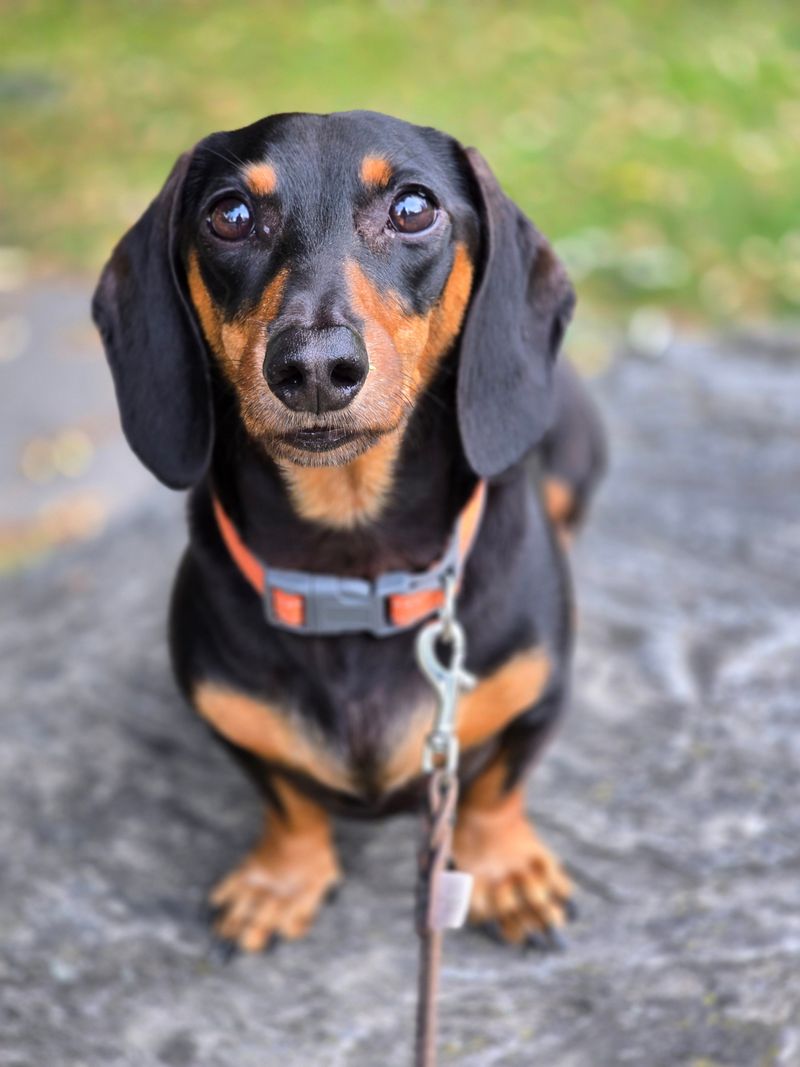
Brave little tunnel hunters, Dachshunds carry big opinions. Left alone without a plan, they bark at shadows and practice couch excavations.
Spines need careful handling.
Morning sniff walks and nosework boxes fit their heritage. Use ramps, keep furniture safe, and offer long-lasting chews.
A midday potty visit prevents strain on backs. On weekends, let them explore low-impact trails, and teach funny tricks that challenge brains without rough jumping.
Routine helps reduce stubborn debates about everything.
Toy Poodle
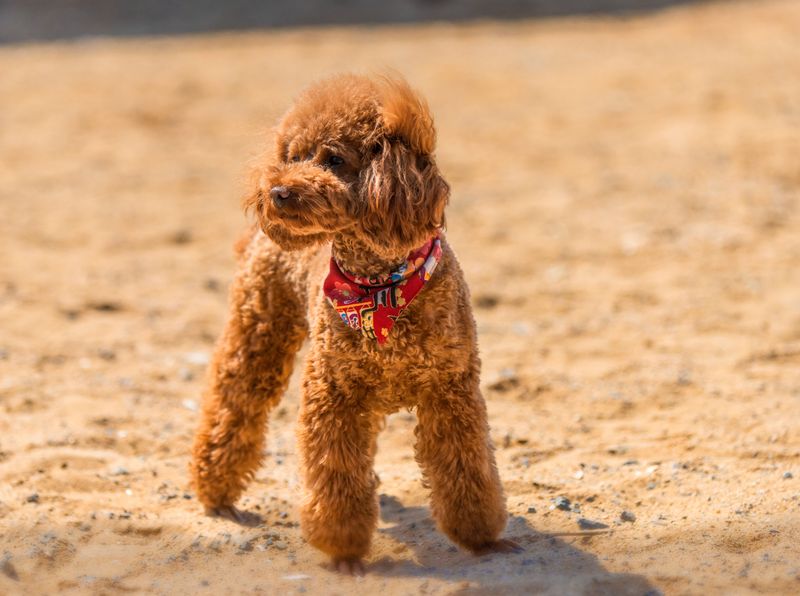
Behind the fancy clips lives a puzzle-loving thinker. Toy Poodles crave mental games and family time.
Long days alone can spark fussing or mischief.
Start mornings with short training chains, perch work, and hide-and-seek toys. Rotate trick cards in a jar for fresh challenges.
A trusted walker can practice cues midday. Consider canine freestyle or rally for weekend fun, which builds focus and confidence while giving that bright brain something satisfying.
Keep sessions brief always.