
Bloat is a serious concern for deep-chested dog breeds. These breeds are prone to Gastric Dilatation-Volvulus (GDV), a life-threatening condition. Let’s explore 11 breeds where prevention is key.
Great Dane
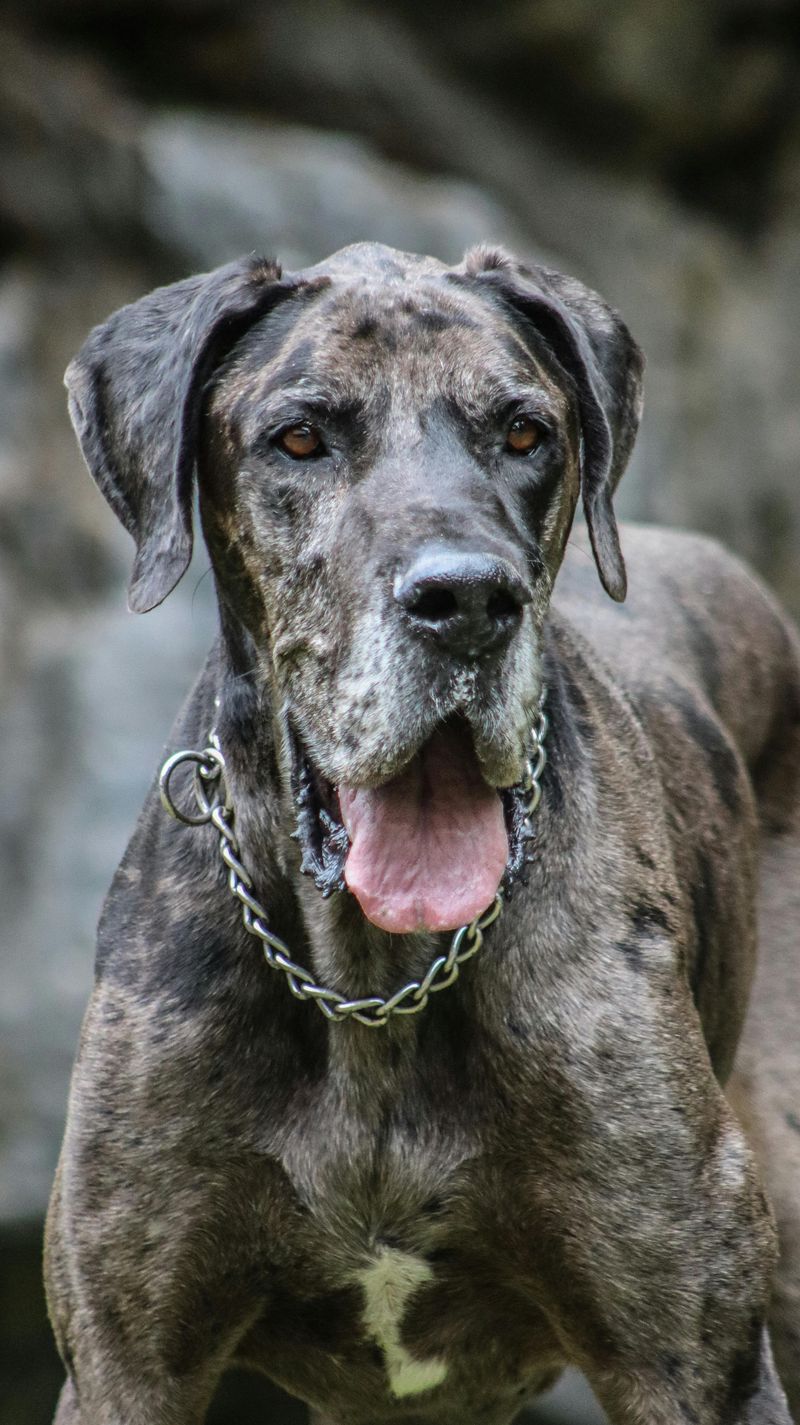
Known for their towering stature, Great Danes are true gentle giants. Their imposing size is matched by an affectionate nature, making them beloved family companions. However, their deep chest predisposes them to bloat, necessitating careful feeding routines.
Great Danes require multiple small meals daily rather than one large meal to reduce the risk of GDV. Elevated feeding bowls and avoiding vigorous exercise post-meal also help. Did you know? Despite their size, they think they’re lap dogs!
Regular vet check-ups and awareness of early bloat signs are crucial. An attentive approach ensures their health and longevity.
German Shepherd

Not just a loyal friend, the German Shepherd is also an emblem of intelligence and courage. This versatile breed excels in various roles, from family pet to working dog. Their deep chest, however, makes them susceptible to bloat.
Feeding schedules and avoiding exercise immediately after meals are essential. German Shepherds thrive on consistency, so maintaining regular feeding times is beneficial.
Fun fact: They were originally bred for herding, but now serve in police and military roles worldwide. Their adaptability is unparalleled, but so is their need for bloat prevention.
Weimaraner
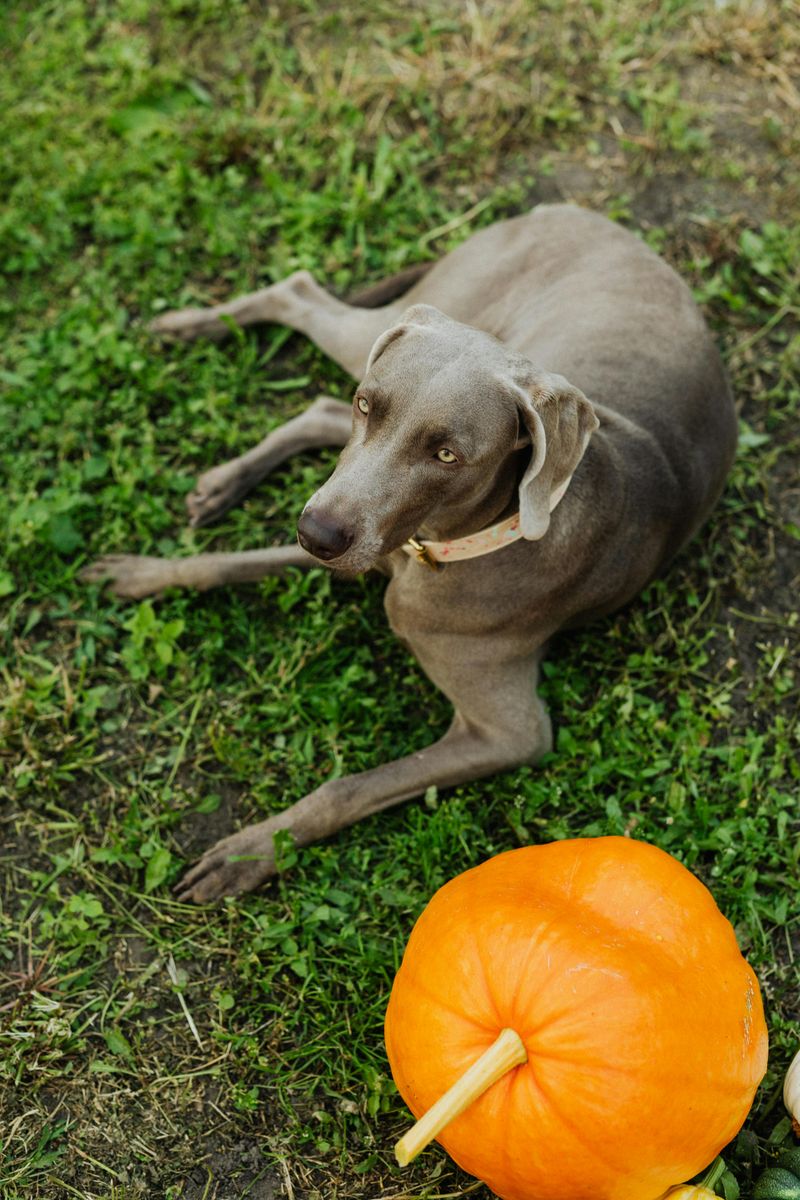
Nicknamed the “Gray Ghost,” Weimaraners are known for their sleek, elegant appearance and boundless energy. This breed is built for endurance and speed but requires attention to bloat prevention.
Feeding them smaller meals throughout the day and ensuring they rest after eating can help reduce GDV risk. Regular exercise is crucial but should be separate from meal times.
Originating from Germany, these dogs were once favored hunting companions for royalty. Their regal bearing is matched by a need for careful dietary management.
Doberman Pinscher
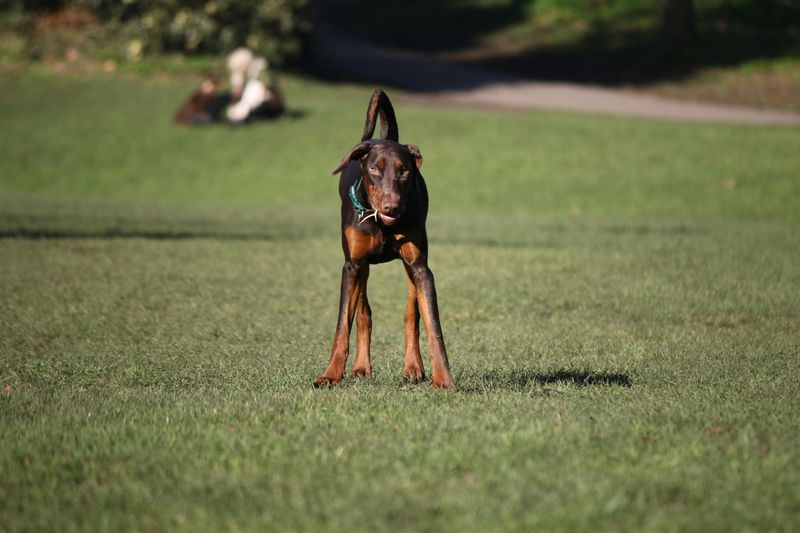
Dobermans are known for their elegance and intelligence, making them excellent protectors and companions. Their deep chests, however, mean bloat is a significant concern.
Preventive measures include feeding them multiple, smaller meals and ensuring they have a quiet place to rest after eating. Engaging them in regular, non-strenuous exercise keeps them healthy.
Did you know? Dobermans were originally bred by a tax collector named Louis Dobermann for protection. Their vigilant nature is paired with a loyal, loving heart, making them family favorites.
Standard Poodle
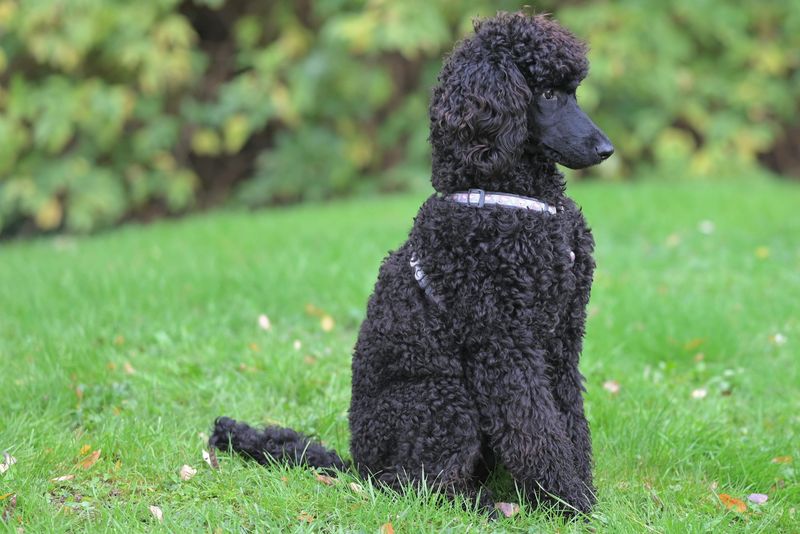
Beyond their stylish looks, Standard Poodles are known for their intelligence and agility. However, their deep chests make them prone to bloat, requiring careful dietary management.
Feeding them smaller, balanced meals and avoiding excessive activity post-meal are essential practices. Regular grooming and check-ups contribute to their overall well-being.
Originally bred as water retrievers, they possess a natural affinity for swimming. Their playful demeanor is best matched with a structured routine that includes bloat prevention measures.
Irish Setter

Irish Setters are beloved for their stunning red coats and friendly nature. Their enthusiastic personality is infectious, but their deep chests necessitate bloat prevention strategies.
Careful feeding practices, including smaller meals and rest periods, are vital. Their love for exercise should be managed to prevent complications.
Fun fact: Irish Setters were once used as hunting dogs, prized for their speed and keen sense of smell. Today, they bring joy and energy to any home, requiring thoughtful care to keep them healthy.
Gordon Setter
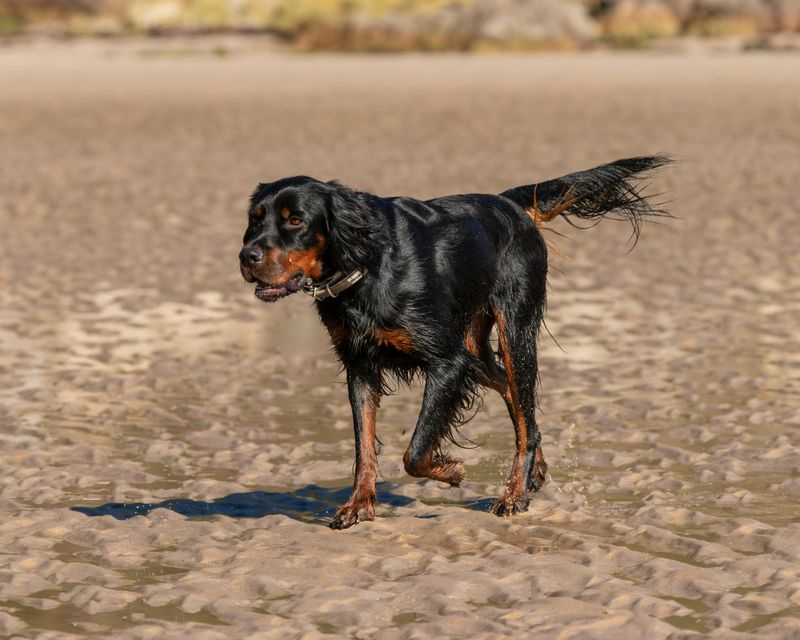
With their rich black and tan coats, Gordon Setters exude an air of dignity. Known for being loyal and affectionate, they make wonderful family pets, but bloat is a health concern.
Dividing their meals and ensuring rest after eating helps mitigate risk. Regular activity should complement their diet to maintain optimal health.
Originating from Scotland, these setters were bred to hunt game birds. Their stamina and steady nature are admirable, reflecting their noble heritage and need for tailored care routines.
Akita
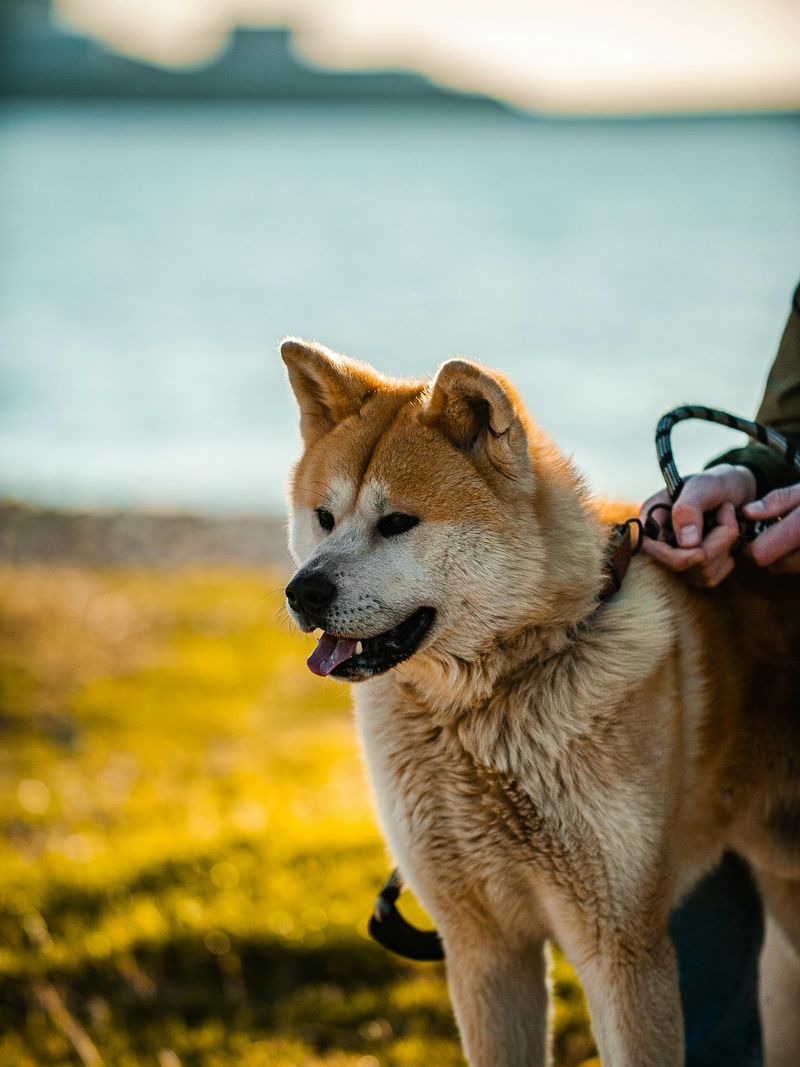
The Akita’s imposing presence is matched by a deep sense of loyalty and courage. These traits, however, come with a risk of bloat due to their deep chest.
Feeding them controlled portions and ensuring they have a calm environment reduces bloat risks. Regular, gentle exercise is beneficial without straining their bodies.
Originally from Japan, Akitas were bred for hunting and guarding. Their strong will and serene demeanor require a dedicated approach to care, including vigilant attention to their dietary needs.
Bloodhound
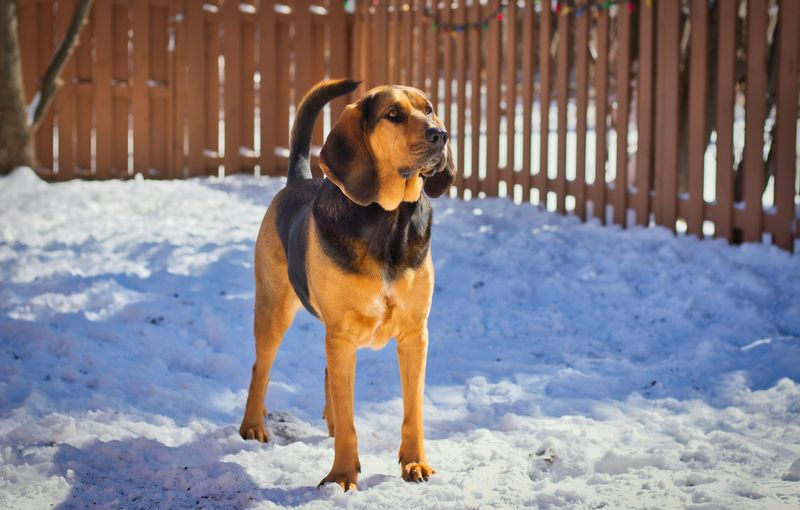
Bloodhounds are famous for their remarkable scent-tracking abilities. Their inquisitive nature is complemented by a gentle disposition, but they are prone to bloat.
To prevent bloat, feed them smaller meals and ensure they rest post-feeding. Their love for tracking should not coincide with meal times.
Did you know? Bloodhounds can follow a scent trail over long distances, making them invaluable in search-and-rescue missions. Their dedication is inspiring, matched by a need for careful management of their diet.
Afghan Hound
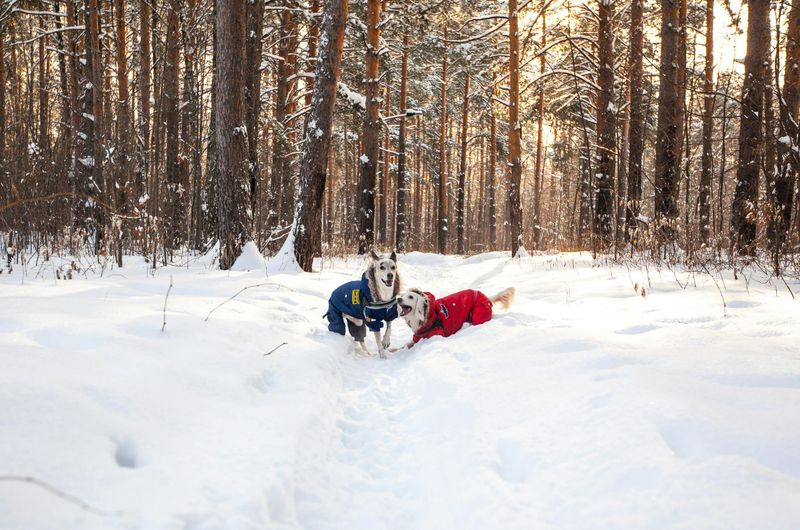
Afghan Hounds are known for their exotic beauty and independent spirit. Their unique appearance is coupled with a susceptibility to bloat, requiring attentive care.
Smaller, frequent meals and calm periods after eating help prevent GDV. Their love for running should be balanced with proper dietary habits.
Originating from the mountainous regions of Afghanistan, these hounds were bred for hunting. Their elegance and grace demand a refined care routine to ensure their health and vitality.
Saint Bernard
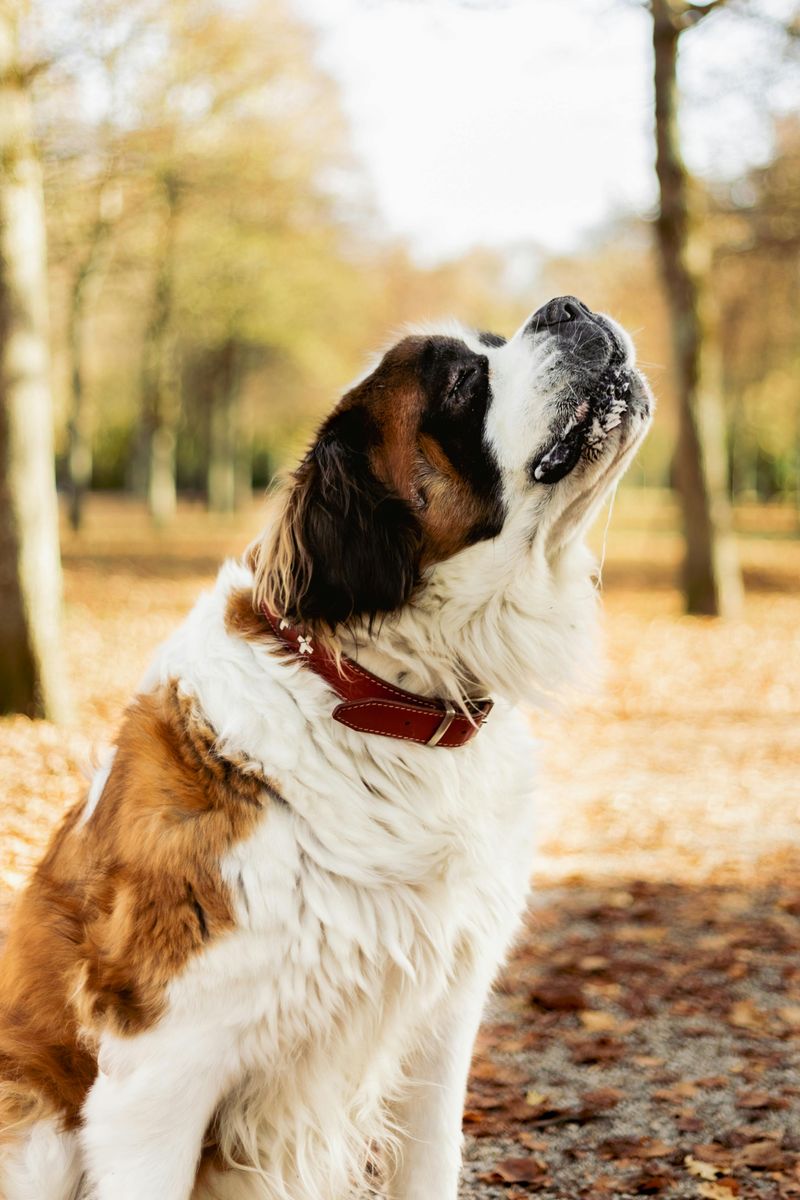
Saint Bernards are gentle giants with a heartwarming presence. Known for their rescue work in the Swiss Alps, they are also prone to bloat due to their deep chests.
Feeding them smaller meals throughout the day and monitoring their rest periods are essential. Their affectionate nature benefits from a structured routine.
Fun fact: Saint Bernards were originally used for rescue missions by monks in Switzerland. Their strong build and kind heart need careful dietary management to maintain their health.