
Your dog does not check the calendar before charging into tall grass, marsh edges, and woodsy trails. Fleas and ticks are active more months than ever, and missed doses are letting pests hitch rides straight into your home.
Vets keep repeating the same line year round flea and tick is not optional, it is daily life. Here is where owners slip up most with high energy outdoor breeds and how to stay ahead of bites, itch, and disease.
German Shorthaired Pointer
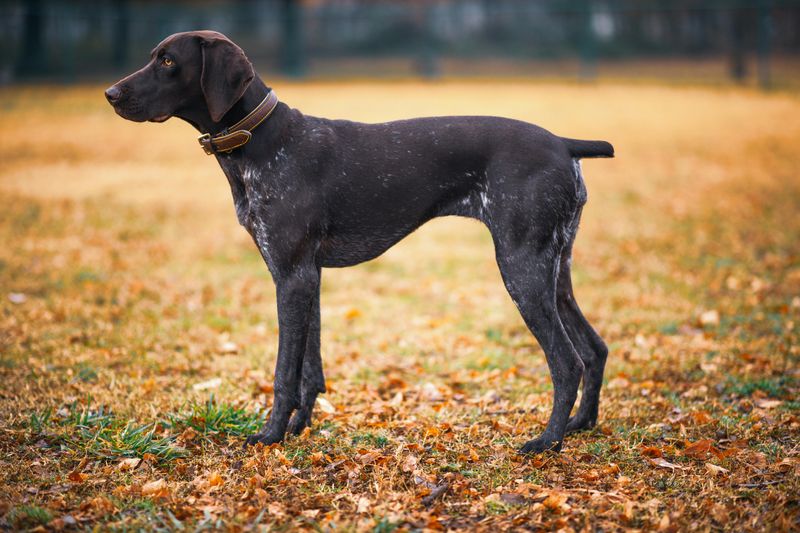
Bird fields, cattail sloughs, and brushy edges are a German Shorthaired Pointer paradise, but they are also parasite magnets. This breed runs hot and hard, splashing through ponds and pushing deep into cover where ticks quest on low branches.
Miss one month, and you might discover a bloom of hitchhikers after a weekend hunt.
Set reminders tied to training days and season changes. Keep a tick key on your vest and do a fingertip sweep along ears, armpits, and tail set after every run.
If you rotate preventives, log the product and date in your phone. A quick rinse, blow dry, and comb out after muddy sessions helps spot issues fast, before they spread indoors.
Wirehaired Pointing Griffon
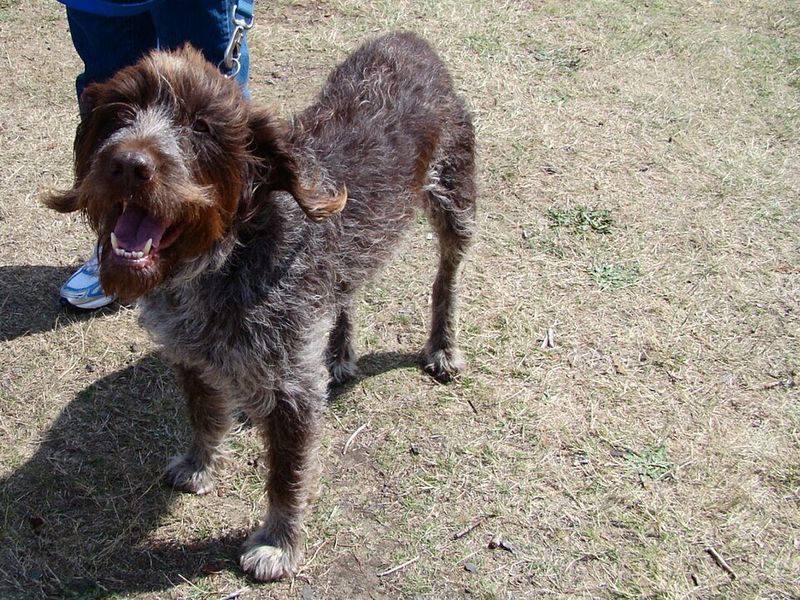
That dense, shaggy coat grabs burrs and, unfortunately, tiny seed ticks. Wirehaired Pointing Griffons thrive in wetlands and hedgerows, where humidity keeps parasites active far beyond summer.
Owners often miss doses during shoulder seasons, thinking cold snaps shut down risk.
Use a year round topical or oral and set recurring reminders. After each hunt, blow out the coat with a dryer on cool and part hair around ears, beard, and groin.
A high visibility grooming mat helps catch crawling stragglers before they vanish. Keep a travel kit with tick tweezers, alcohol wipes, and spare gloves in the truck so you can remove pests the moment you spot them on the way home.
Brittany

Brittanys are pocket rockets that zigzag through bird cover and scrub, brushing every tick perch along the route. Their silky fringes hide tiny parasites near elbows and hocks.
Many owners slack off between hunt tests and real season, leaving a gap that coincides with late fall tick spikes.
Make dosing day the first of every month, no exceptions. Keep a small flashlight near the door to inspect feathering after dusk walks.
Pair your preventive with a tick collar during peak months if your vet approves. Quick daily checks become habit just like leash clipping.
Reward calm stand still behavior during inspections so you can part fur confidently, catch embedded ticks early, and keep those enthusiastic field days itch free.
Weimaraner

Weimaraners blast through brush and swim without a second thought, then curl on your sofa minutes later. Their sleek coat makes ticks easier to see, but owners still miss doses when routines get busy.
Water play can shorten the staying power of some topicals if labels are ignored.
Choose a waterproof product or a reliable oral, and set a reminder after every bath day to confirm coverage. Run hands along spine, chest, and groin after hikes, feeling for tiny bumps.
A light colored towel under them post adventure helps reveal crawling specks. Keep car seat covers washable and shake them outside.
Consistent monthly protection is simpler than broad spectrum treatments after an infestation invades the home.
Vizsla
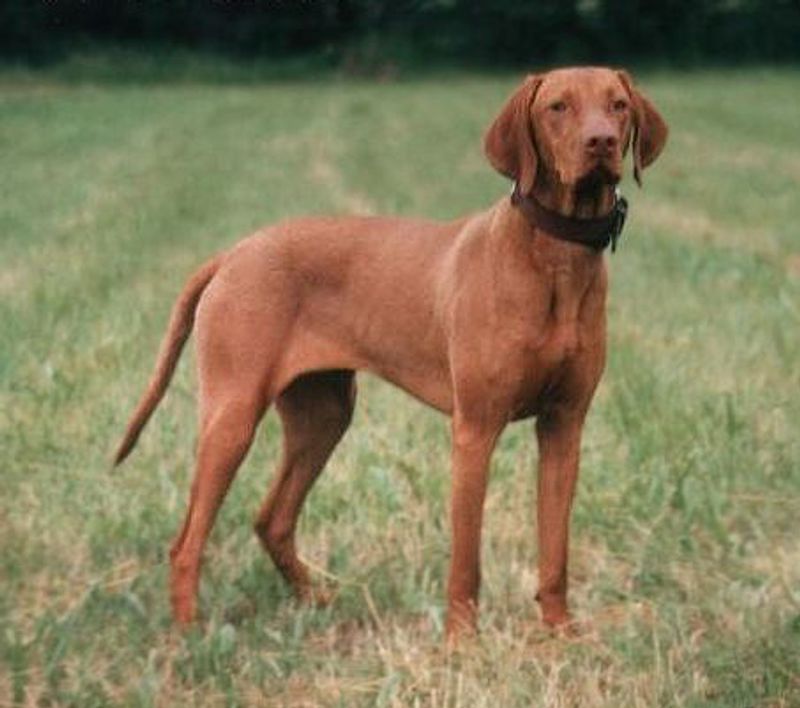
Vizslas shadow you everywhere, so outdoor time is constant. Their short, rust coat feels like velvet but does not deter ticks hiding along trails and prairie grass.
Many owners pause preventives in winter, yet warm spells wake parasites and create surprise exposures during January runs.
Build a never skip calendar and link it to your fitness tracker notifications. After workouts, use a lint roller along legs and chest to catch crawlers before they bite.
Keep a dedicated tick jar with isopropyl alcohol for safe storage in case your vet wants identification. Check ear flaps and between toes where seeds and pests wedge.
Consistency eliminates the roulette of shoulder seasons and keeps that cuddly couch time worry free.
Rhodesian Ridgeback
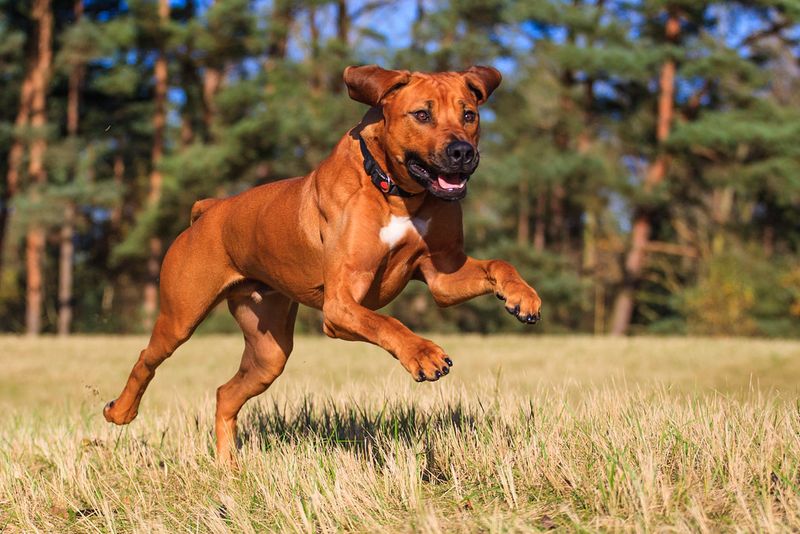
Ridgebacks love sun baked trails and open country, but they also stalk along deer paths where ticks thrive. Their skin is tight and short coated, so you may miss flat nymphs along the ridge line and groin.
Gaps happen when owners think city living reduces risk, then weekend hikes change everything.
Use monthly preventives without breaks and add a post hike routine. Run a damp microfiber cloth over the body to lift loose crawlers.
Inspect tail base, belly, and armpits carefully. Keep extra doses labeled in a travel kit, so vacations do not derail timing.
Ask your vet about regional disease trends. Staying ahead is easier than treating tick borne fevers that can sideline this athletic companion.
Chesapeake Bay Retriever
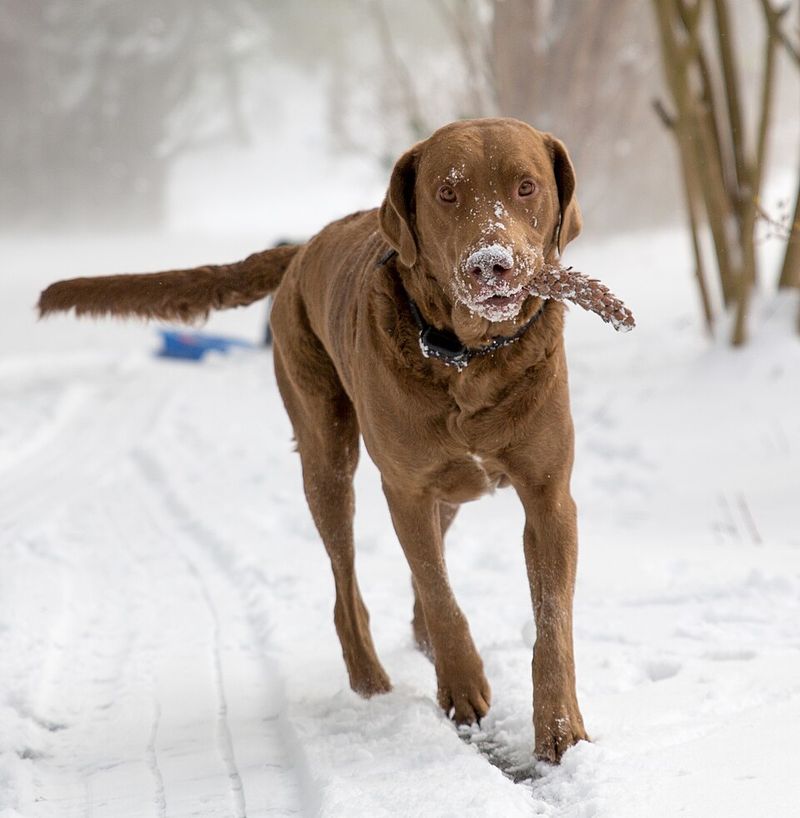
Chesapeakes charge through icy water and marsh grass, exactly where fleas and ticks hang on reeds. Cold does not stop parasites in brackish edges, and missed winter doses create spring infestations.
Their thick, oily coat sheds water and can hide embedded ticks near the neck and shoulders.
Choose vet approved products proven after frequent swims and read reapplication intervals after bathing. Rinse, then towel and comb against the grain to reveal skin.
Keep a waterproof reminder card in your blind bag. Check under the collar and around ear bases after every retrieve session.
A quick routine post hunt protects your dog and your truck interior, saving you from mid season scrambling and expensive deep cleans.
English Setter
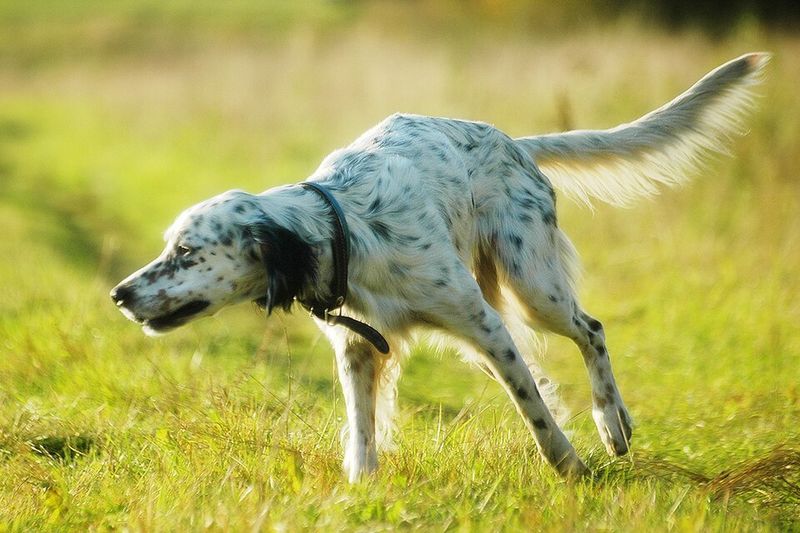
Feathering on an English Setter is gorgeous but notorious for hiding pests. Running fencerows and coverts, these dogs brush hundreds of tick draped stems in a single cast.
Owners often delay refills between trials and hunting road trips, letting timing drift a week or more.
Use automatic pharmacy shipments and two calendar alerts a day before the dose is due. After outings, mist a fine detangling spray, then comb in sections to the skin.
Check under feathering behind knees, tail plume, and chest ruff. Bag burr laden socks separately so you do not carry ticks indoors.
Consistent monthly dosing plus meticulous post run grooming keeps this stylish athlete healthy and itch free.
Boykin Spaniel
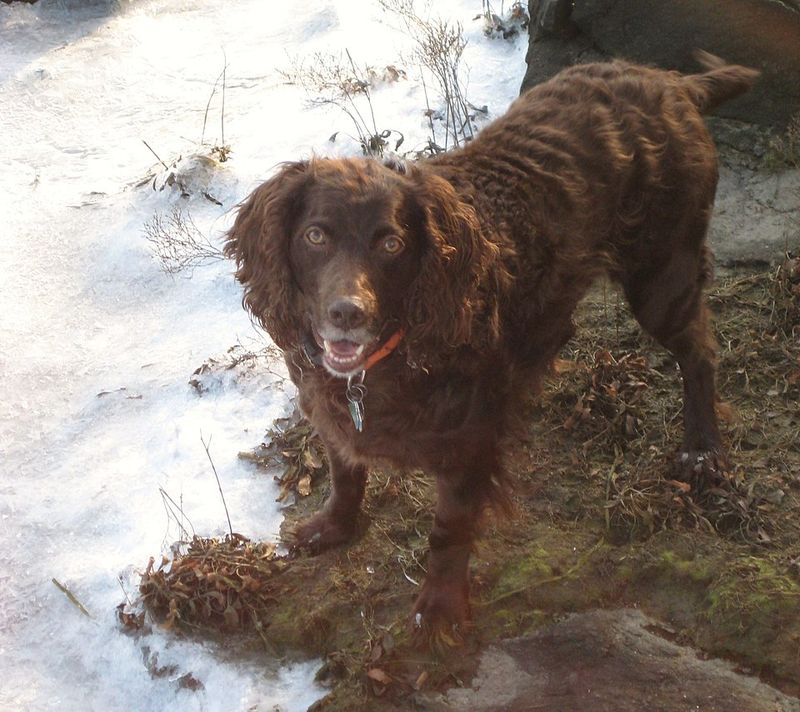
Compact and relentless, Boykin Spaniels dive into swamps and pine thickets where ticks and fleas love the moist shade. Their chocolate coat hides small scabs and seed ticks until you feel them.
Doses are missed on busy workweeks, and weekend boat trips compound exposure.
Store preventive next to the leash and place a monthly sticker on your cooler or tackle box. After launches, rinse off marsh muck, towel dry, and check ear canals, chest, and groin.
A pocket headlamp helps during early morning departures. Keep a spare dose in the glove box for emergencies when schedules slip.
Consistency reduces hot spot flare ups and keeps that friendly, waggy worker comfortable through long training days.
Treeing Walker Coonhound

Night hunts put Treeing Walker Coonhounds into prime tick territory along creek bottoms and hardwood edges. Darkness makes inspections harder, and long chases through briars increase exposure.
Skipped doses stack risk, leading to swollen bite sites and potential tick borne illness.
Set a strict monthly schedule and add a head to tail lighted check after each run. Use a lint roller on legs and chest to snag crawlers before crating.
Keep kennels and bedding washed hot, and bag leaves away from runs. Ask your vet about seasonal boosters and regional pathogen trends.
With discipline and good lighting, you can keep this high drive tracker protected without sacrificing those thrilling treeing nights.