You finally brought home a shiny new vacuum, and your dog is staring at it like it just robbed a bank. To us, it is a cleaning tool, but to a dog, it is a loud, rolling stranger that eats crumbs and never says hello.
Some breeds bark, some hide, and some try to herd it across the living room. Here is how twelve popular small and medium breeds might react, plus simple tips to help everyone make peace with the new machine.
Chihuahua: The Tiny Security Guard
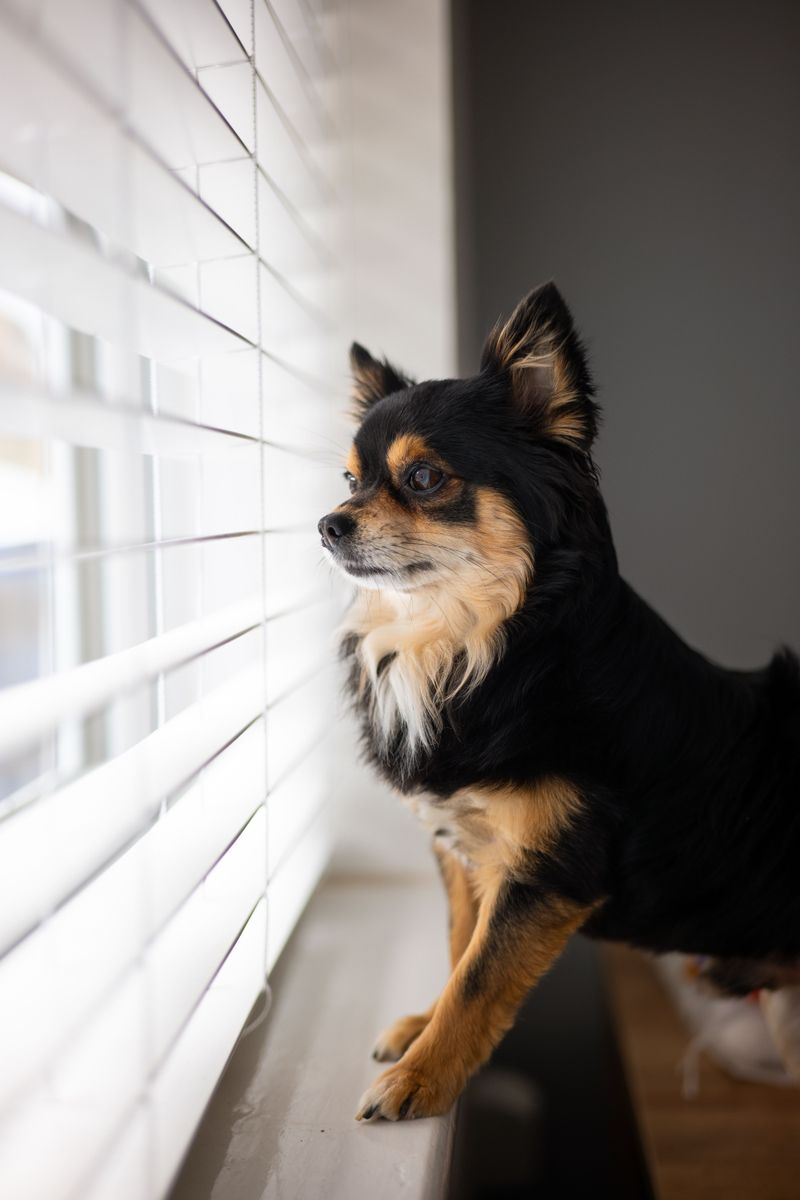
Four pounds of pure courage, the Chihuahua treats any new vacuum like an invader. Expect loud barking from behind the couch, followed by a bold charge and a fast retreat.
Small dogs often feel threatened by big, noisy objects because everything looks huge from down there. Try leaving the vacuum turned off in the room for a few days.
Let your pup sniff it freely, and reward calm moments with tiny treats.
Dachshund: Born to Battle Burrowing Beasts
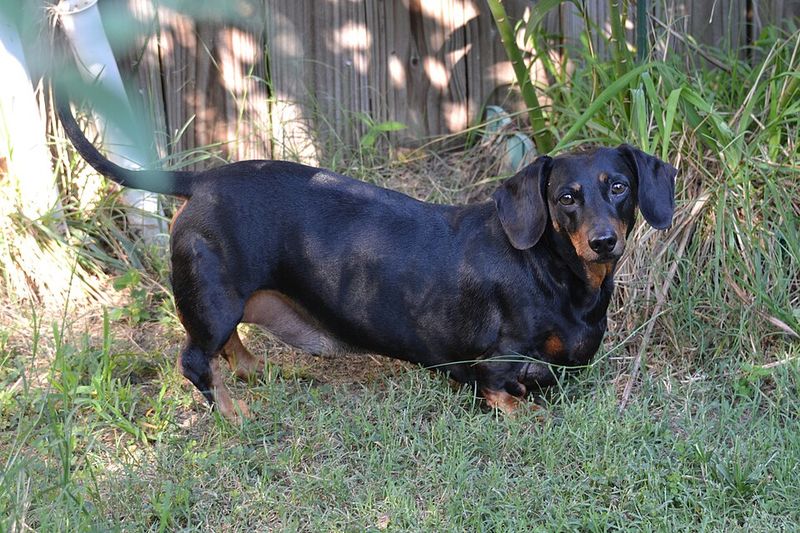
Fun fact: Dachshunds were bred in Germany to chase badgers into tunnels. So when a low, rumbling machine rolls across the floor, their hunting brain lights up like a pinball machine.
Robot vacuums especially drive these long dogs wild. Many will stalk, bark, and even nip at the bumper.
Give your wiener dog a chew toy during cleaning time. Redirecting that brave energy works far better than scolding.
Yorkshire Terrier: Small Dog, Big Opinions
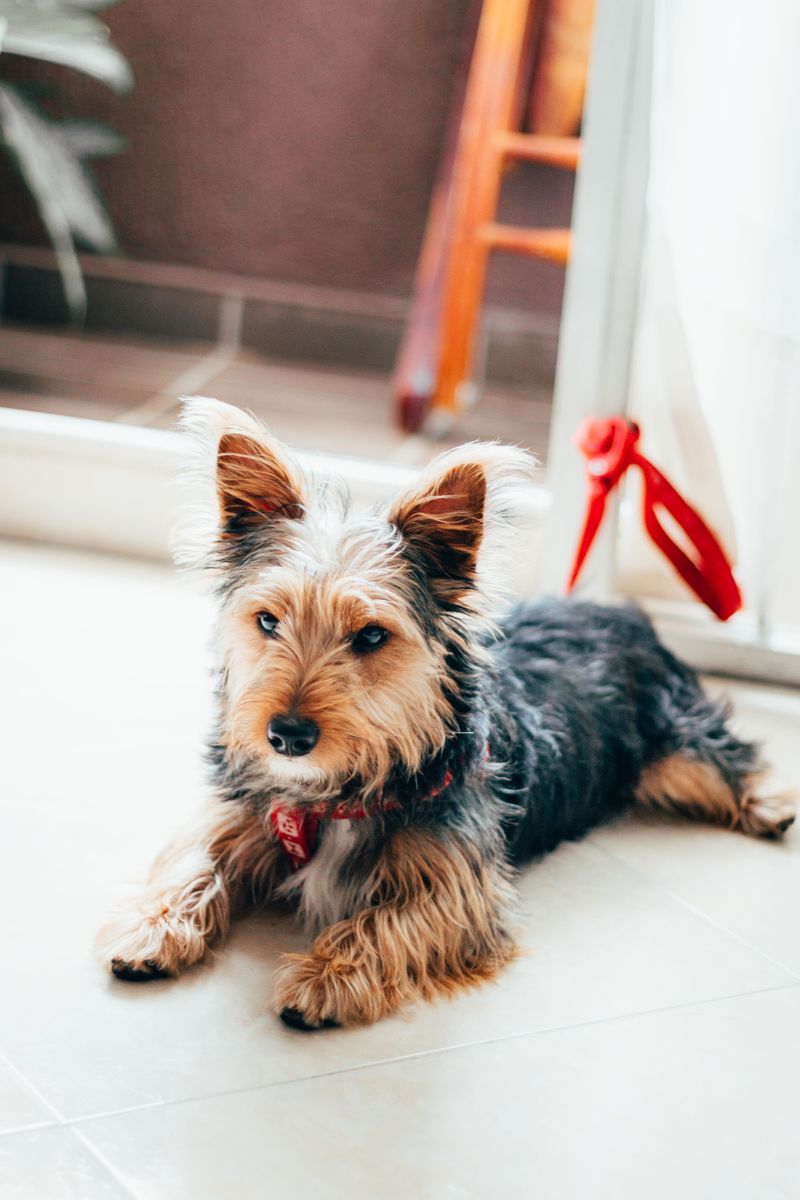
Yorkies have never met a situation they did not want to comment on. A new vacuum?
That calls for a full speech, delivered in high-pitched yaps.
These spunky pups were once rat catchers in English mills, so noise and movement trigger their alert mode quickly.
Keep sessions short at first. Vacuum one room, then take a break for praise and play.
Over time, your Yorkie may decide the machine is boring instead of scary.
Pomeranian: The Fluffy Drama Queen
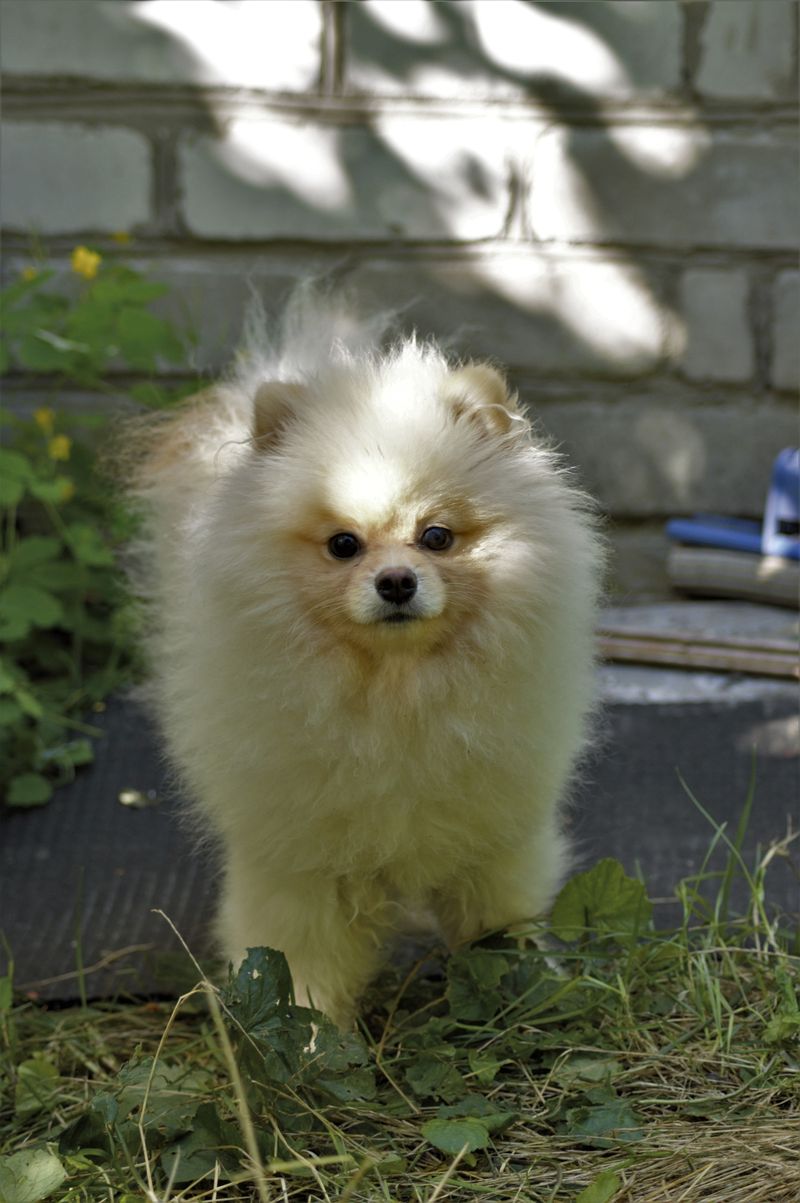
Picture a cotton ball with a megaphone. That is basically a Pomeranian meeting a vacuum for the first time.
Poms are smart and sensitive, and sudden loud sounds can make them anxious. Some owners notice spinning, whining, or hiding under the bed.
Here is a helpful trick. Play recorded vacuum sounds at a low volume while feeding dinner, then slowly raise the volume over a couple of weeks.
Your fluffball learns that the noise means something good.
Miniature Schnauzer: The Bearded Inspector
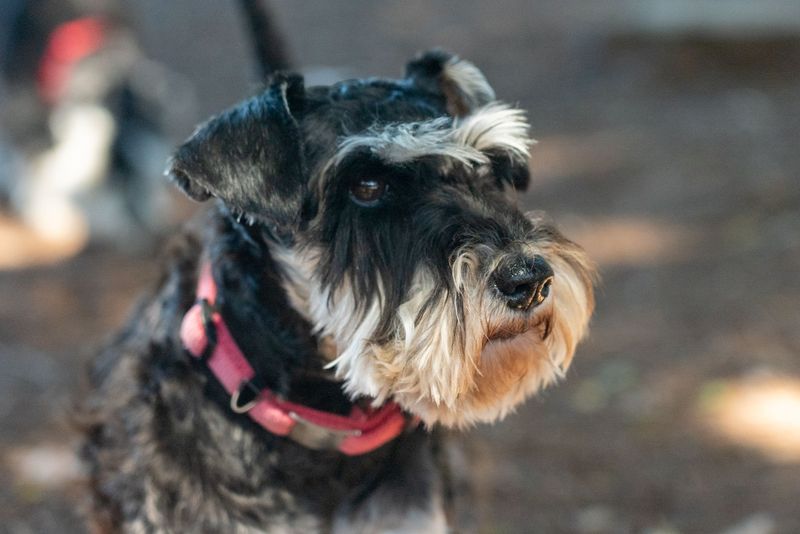
With that serious beard and those bushy eyebrows, the Miniature Schnauzer looks like a detective examining evidence. And honestly, that is what is happening.
Schnauzers are curious watchdogs. They want to inspect the new arrival before deciding if it belongs.
Let the inspection happen. Unbox the vacuum slowly while your dog watches, and allow plenty of sniffing.
Once the machine passes the smell test, many Schnauzers simply supervise the cleaning from a safe distance with one raised eyebrow.
Jack Russell Terrier: Game On!
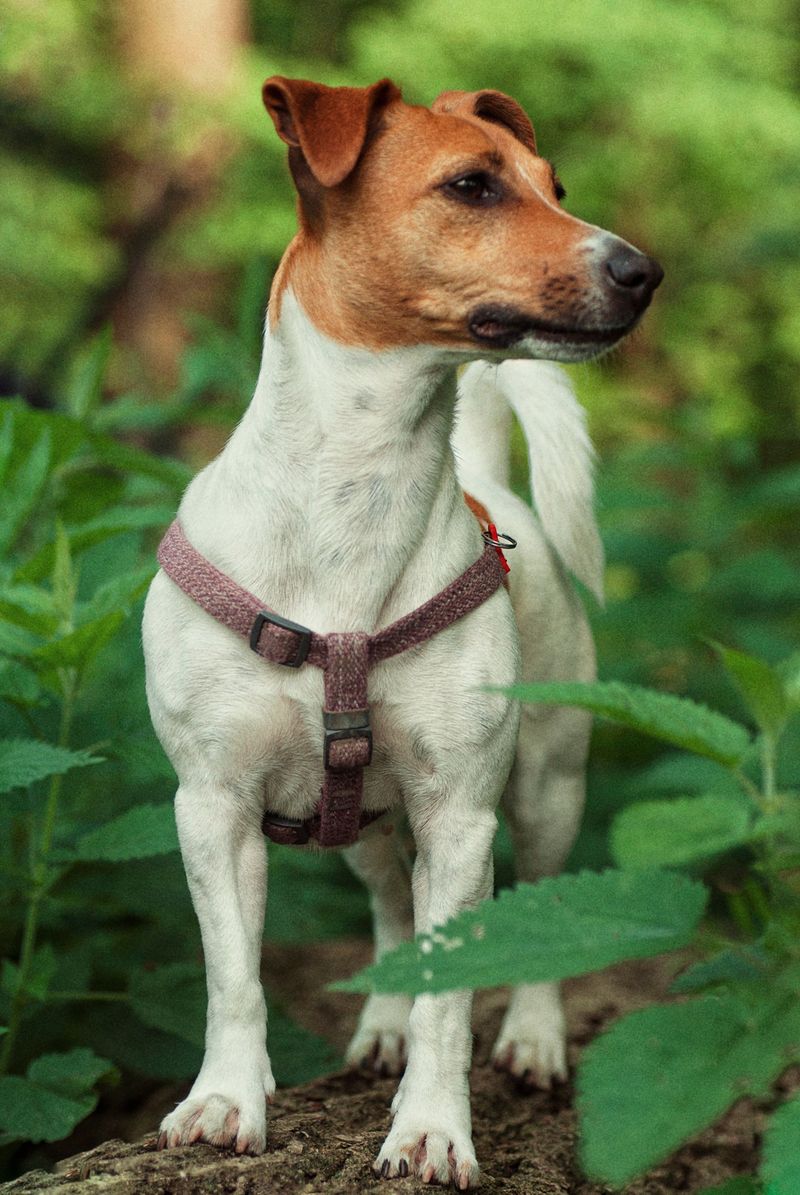
Ask any Jack Russell owner, and they will laugh. To these bouncy dogs, a vacuum is not a monster.
It is the greatest squeaky toy ever invented.
Jacks have endless energy and a powerful chase drive. They may leap at the hose, bite the brush, or race it down the hallway.
Tire your terrier out with a long walk or fetch before cleaning. A sleepy Jack is much less likely to wrestle the vacuum.
Shetland Sheepdog: Herding the Wrong Flock
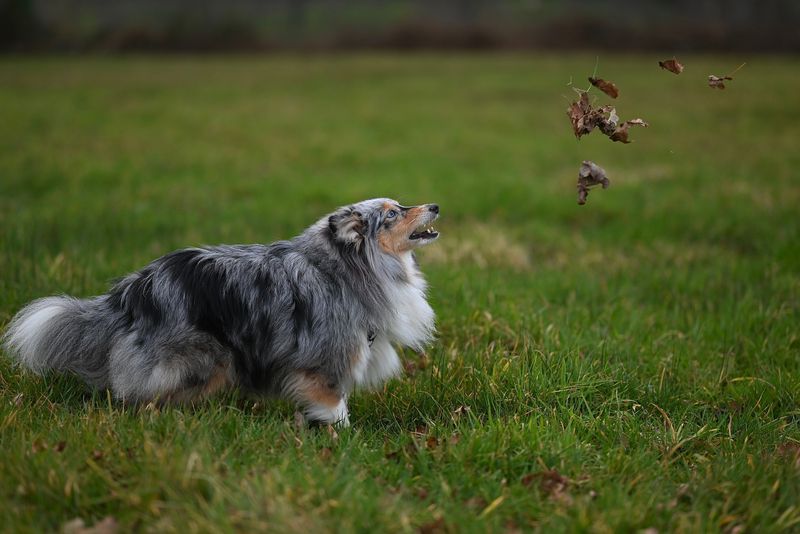
Sheltie owners often report a funny sight. Their dog runs circles around the vacuum, trying to steer it like a lost sheep.
Shelties come from Scotland’s Shetland Islands, where they guarded and herded flocks. Moving objects spark that old instinct, and loud barking usually joins the party.
Teach a solid place command, like go to your mat. Practice it daily without the vacuum, then use it during cleaning so your herder has a job.
Pembroke Welsh Corgi: Ankle Nipper on Duty
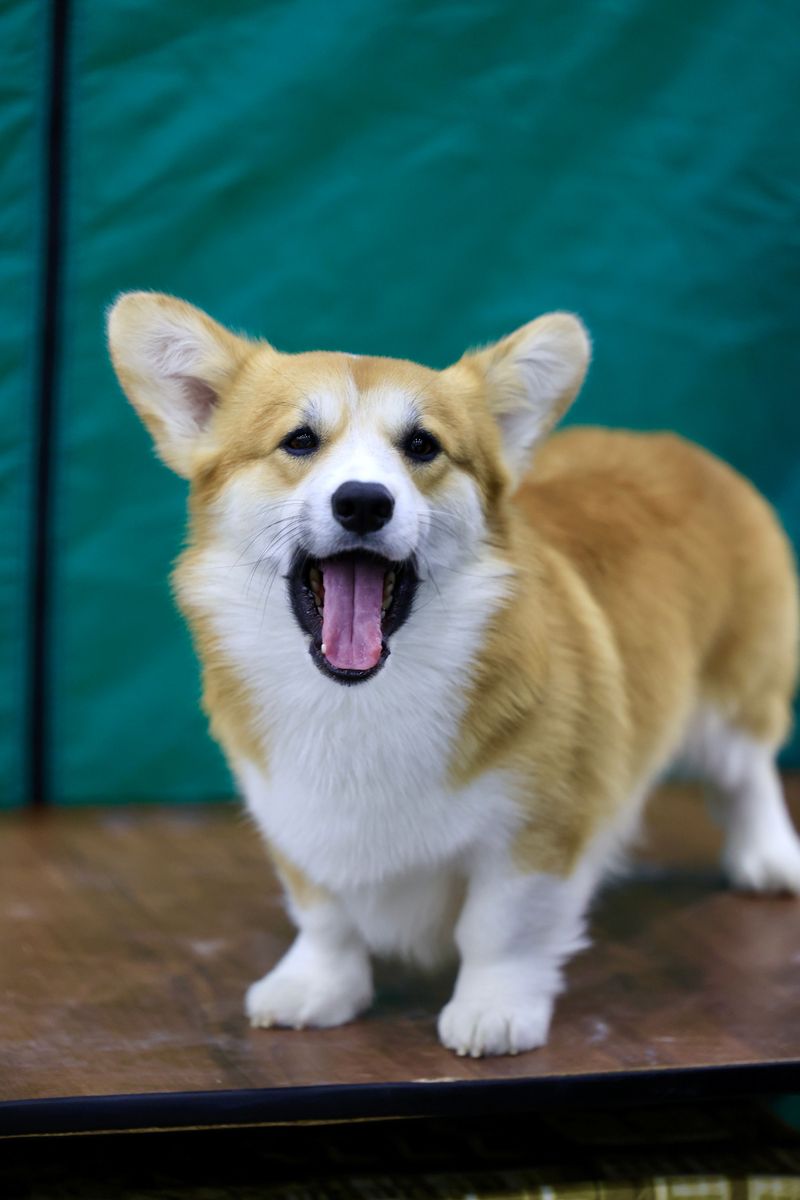
Did you know Corgis herded cattle by nipping at their heels? Now imagine that talent aimed at the wheels of your new vacuum.
These short-legged herders are clever and bossy in the cutest way. Many Corgis try to control the machine by barking and biting at its base.
Keep treats in your pocket while cleaning. Reward your Corgi every time it stays calm.
Consistency matters, since Corgis learn fast but test the rules often.
Beagle: Sniffing Out the Crumb Thief
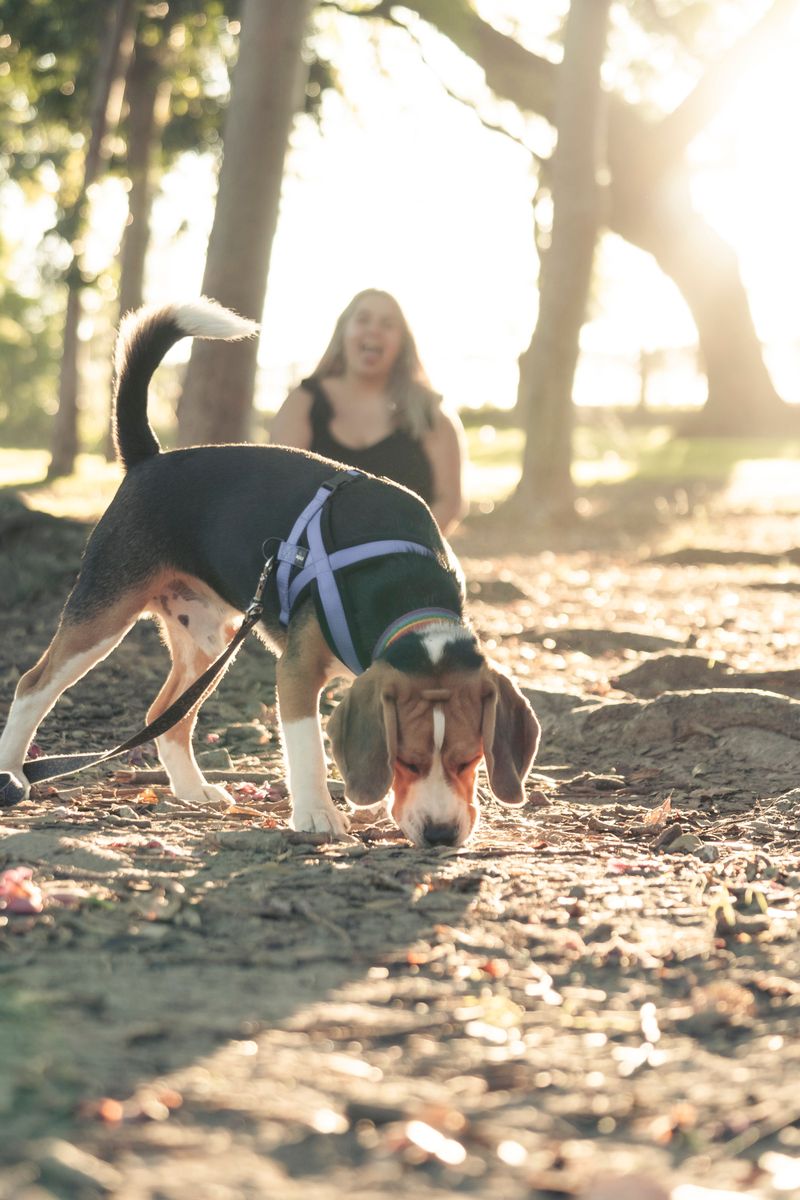
Something smells amazing, and it is coming from inside that machine. For a Beagle, the vacuum is a stolen snack vault.
Beagles have around 220 million scent receptors, so crumbs trapped in the dust bin are hard to ignore. Some may howl with that famous baying voice when the motor starts.
Empty the bin outdoors and store the vacuum in a closet. Out of sight and out of sniff range usually means less drama.
Boston Terrier: The Tuxedoed Comedian
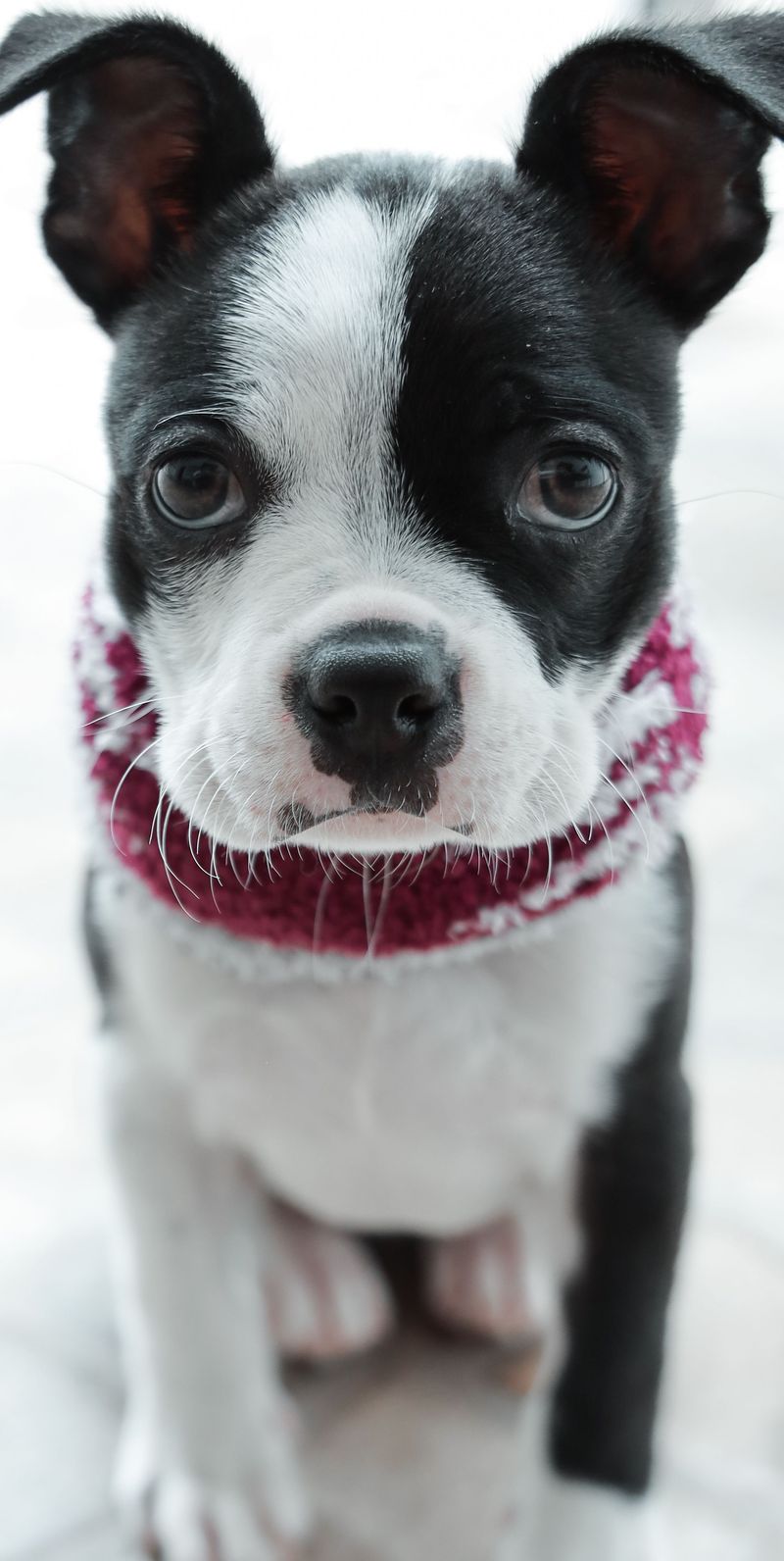
That famous head tilt says everything. Boston Terriers often greet a new vacuum with pure confusion, then quickly switch to silly zoomies.
Nicknamed the American Gentleman, this breed is usually friendly but can get overexcited by strange sounds.
Stay relaxed yourself. Dogs read our body language, and if you act nervous, your Boston will too.
Hum a tune, move slowly, and turn the vacuum on in short bursts until your pup relaxes.
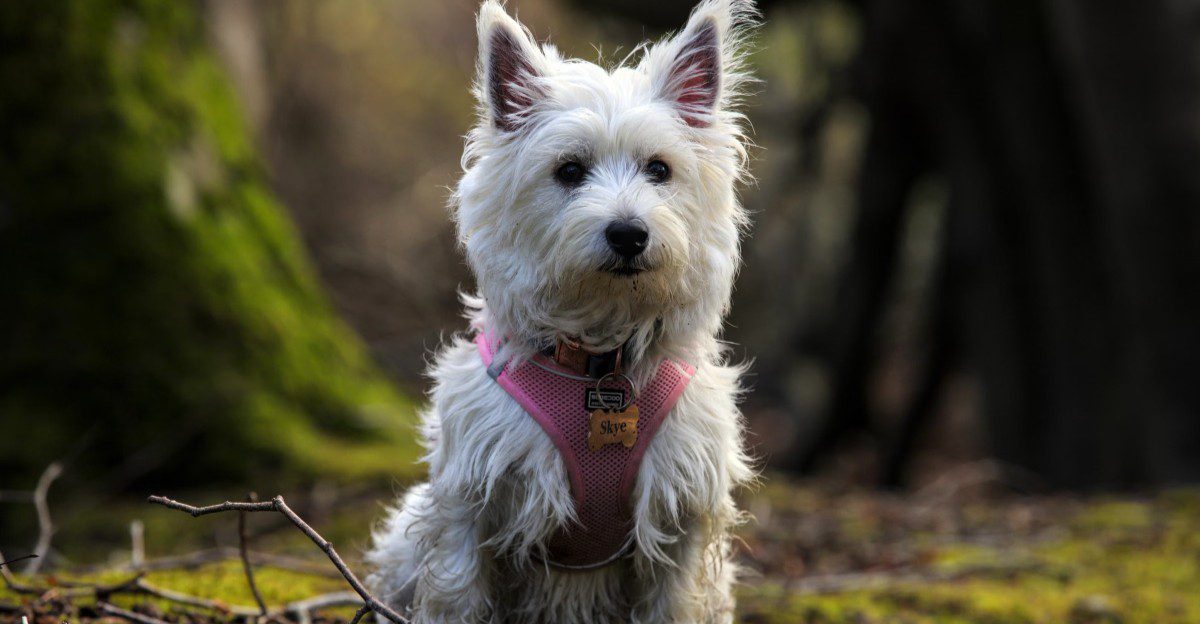
West Highland White Terrier: Fearless Fluff
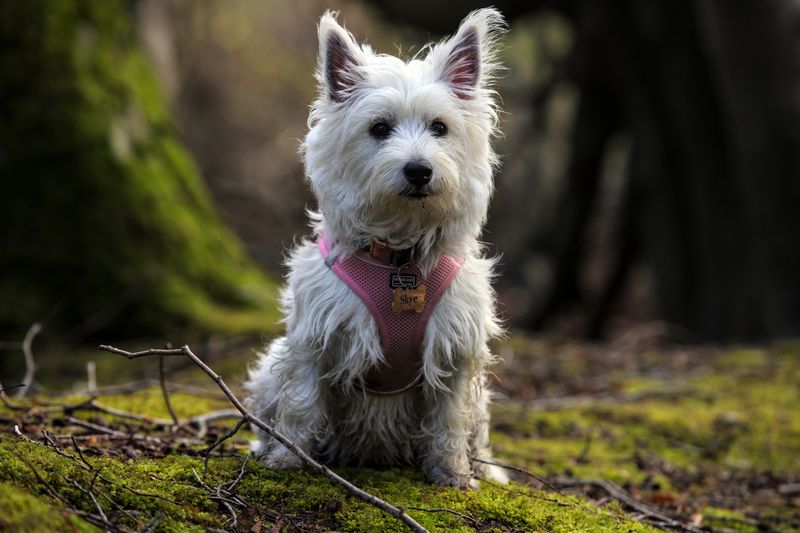
Westies may look like stuffed animals, but inside beats the heart of a Scottish hunter. They were bred white so hunters could spot them in the brush.
Faced with a vacuum, a Westie rarely hides. Instead, it plants its feet and barks back with total confidence.
Avoid chasing your dog with the machine as a joke. It can build real fear.
Instead, reward quiet watching and give praise when your Westie ignores the noise.
Shih Tzu: Royal Disapproval
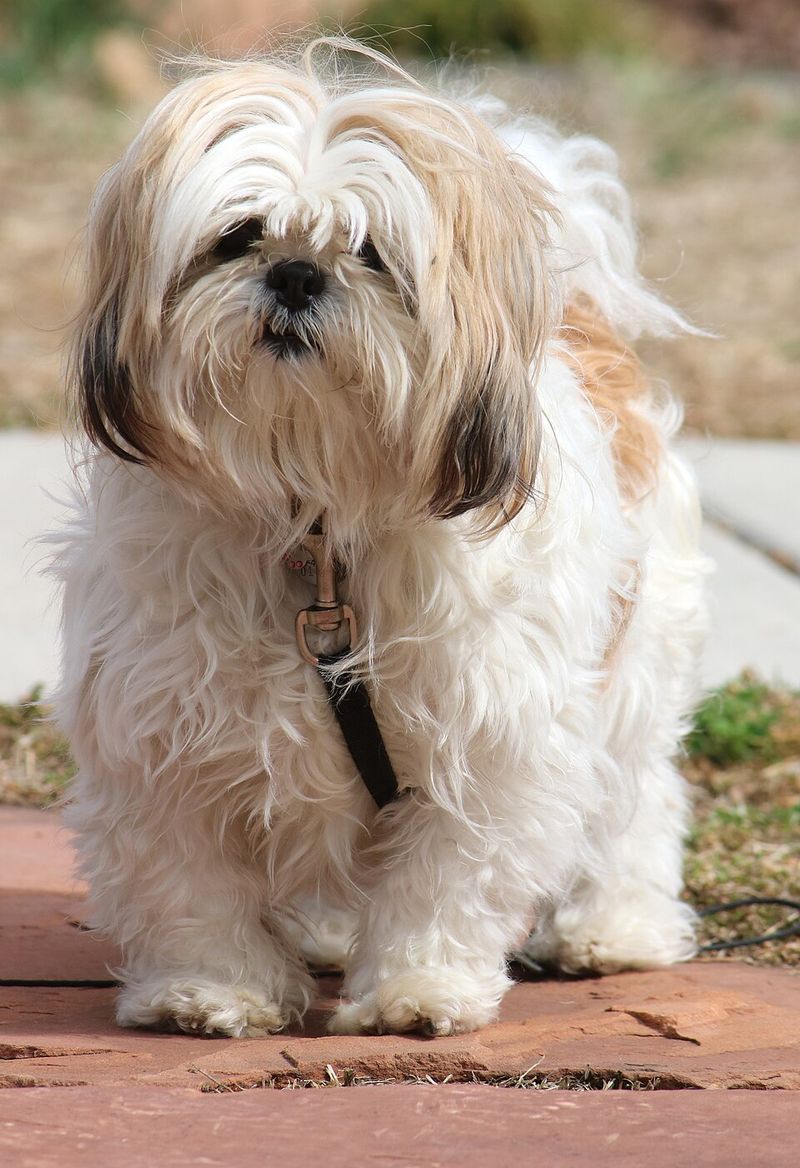
Once pampered in Chinese palaces, the Shih Tzu expects peace and quiet. A roaring vacuum?
Simply unacceptable, your majesty.
Many Shih Tzus respond with a hard stare or quietly leave the room. Others may tremble if the sound is sudden.
Consider a quieter robot vacuum and run it while your pup is on a walk or in another room. A comfy bed with a favorite toy can create a calm royal retreat during cleaning.