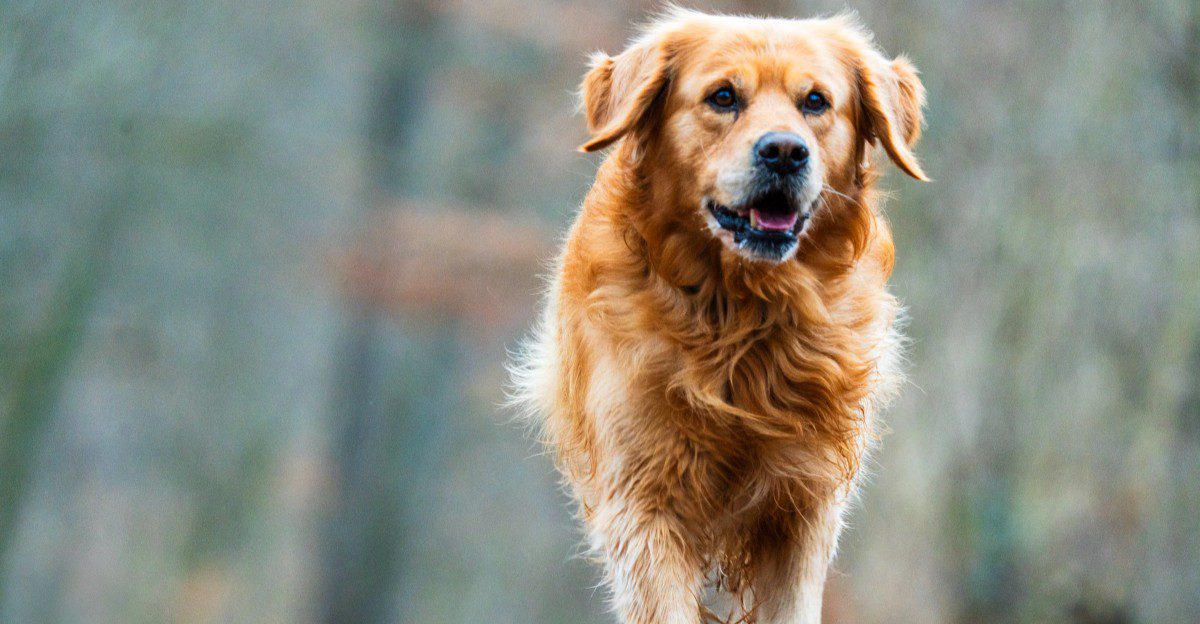
Grooming keeps dogs healthy, but many owners overlook one small spot that causes big trouble: the ears. Warm, dark ear canals can trap moisture and dirt, which leads to bad smells, itching, and infections.
A few minutes each week can save your dog pain and save you a vet visit. Here are popular breeds that need extra ear attention, plus simple habits to keep them comfortable.
Cocker Spaniel
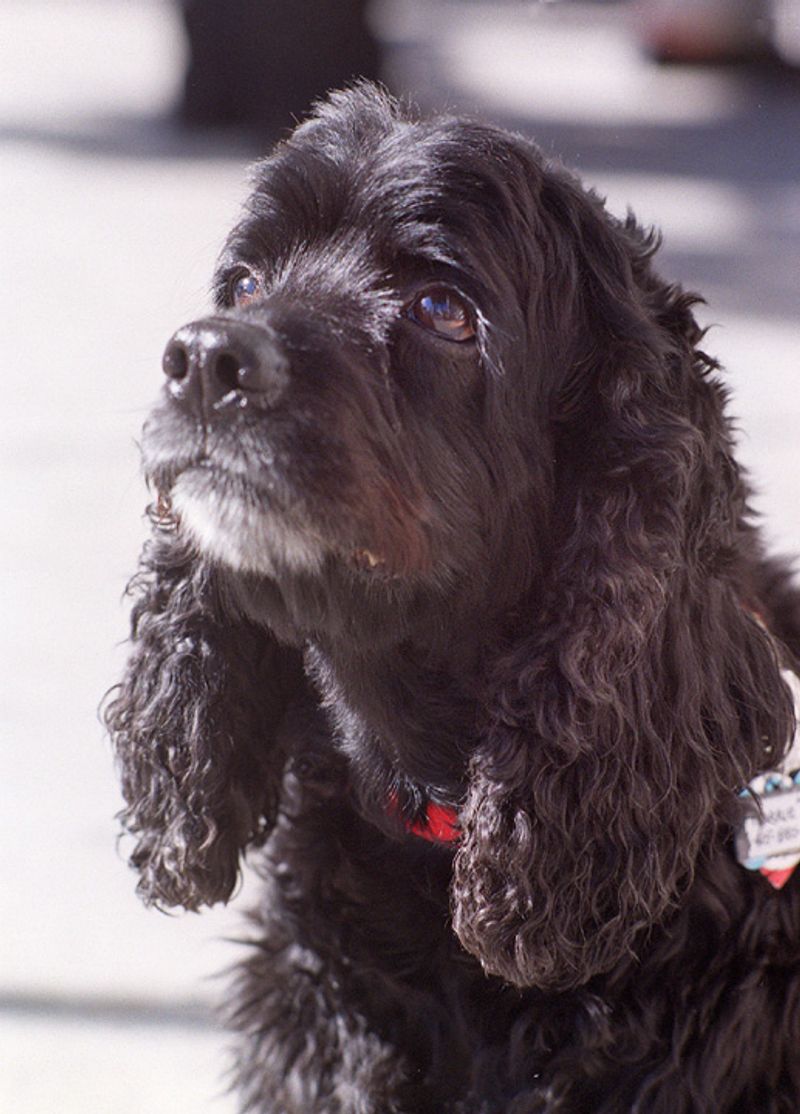
With feathered ears like silky curtains, the Cocker Spaniel looks storybook sweet. Hidden under that flow, though, wax and moisture collect fast, especially after play or baths.
Clean weekly with a vet-approved solution and cotton pads, not cotton swabs. Keep ear hair trimmed for airflow, and dry the canals gently after swimming.
Redness, head shaking, or a sour smell means a quick call to the vet. Regular checks keep that cheerful wiggle worry-free.
Beagle
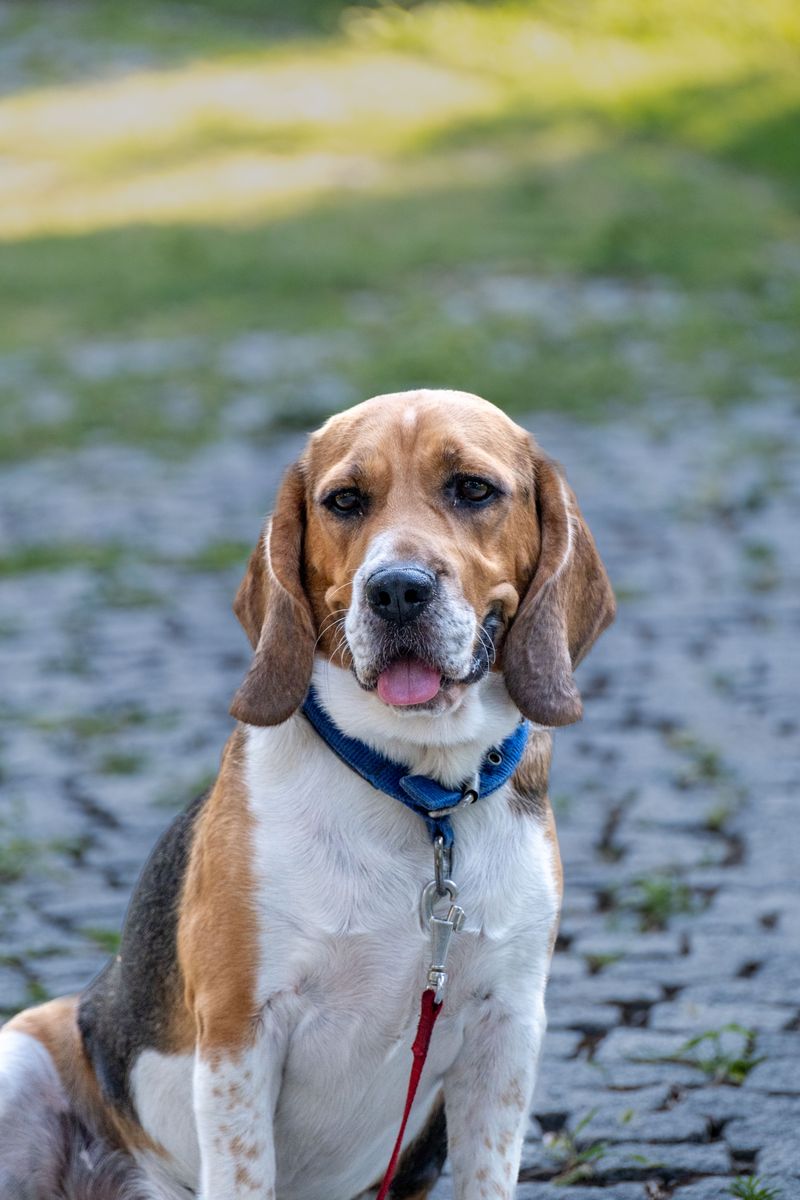
Nose to the ground and ears sweeping the trail, the Beagle is a scent detective. All that sniffing stirs up dust and pollen that settle inside the ear folds.
Wipe the outer ear after hikes, and rinse with cleaner after muddy adventures. Keep treats handy to make ear time happy.
If scratching ramps up or a yeasty smell appears, schedule a vet visit. Consistent care helps your hound hear the dinner bell loud and clear.
Basset Hound
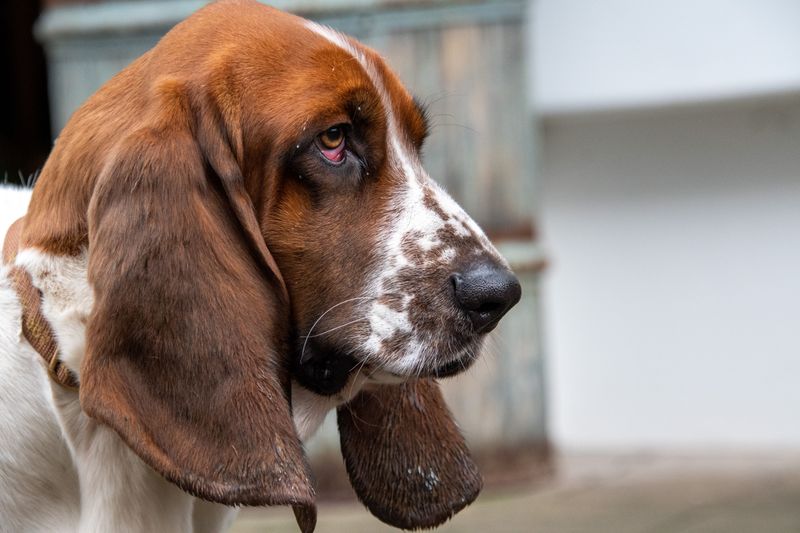
Those floor-sweeping ears are charming, and they behave like dust mops. The Basset Hound often drags ear tips through grass, leaves, and puddles, which invites grime.
Check daily for burrs and dampness. Clean every few days, and use a drying solution after baths.
Keep the ear leather off wet surfaces with a soft bandana during meals. Watch for redness along the edges and foul odor.
Small daily habits prevent big, stubborn infections.
Golden Retriever
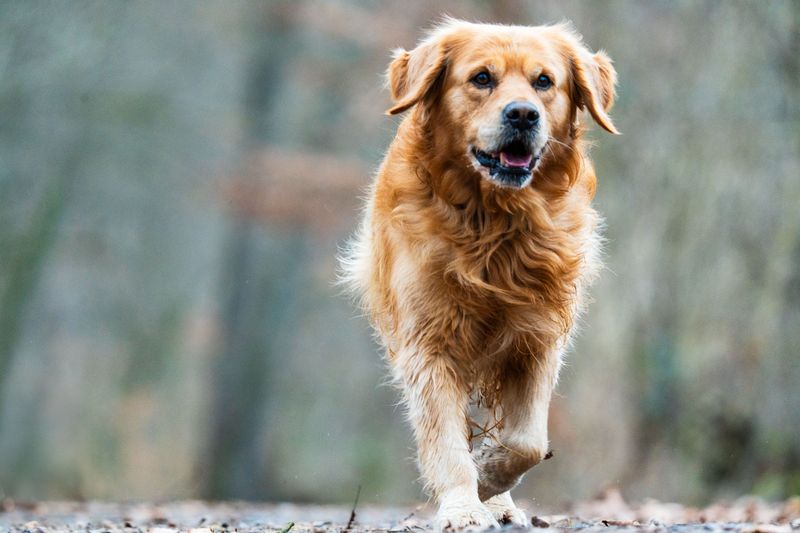
Lake day joy can turn into itchy ears by bedtime. Goldens have soft, folded ears that trap leftover water and bits of plant material after swimming.
Rinse canals with a vet-approved drying cleaner right after water play. Gently massage the base, then let the dog shake.
Trim inner ear fluff for airflow, and schedule monthly checks. If you notice head tilts or dark discharge, see the vet.
Clean ears keep the fetch sessions rolling.
Labrador Retriever
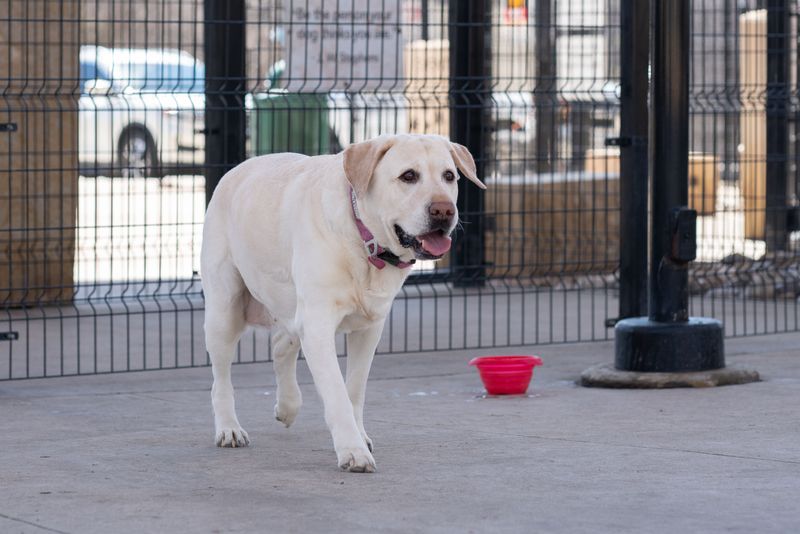
Labs live for water, from puddles to waves. Moisture plus warm ear folds makes a perfect spot for yeast and bacteria to grow.
After any splash, use a cleanser that contains a drying agent. Keep ear checks part of the cool-down routine, just like rinsing sand off paws.
Reward calm behavior to build a positive habit. Brown debris, redness, or a head shake marathon signals a vet visit.
Active dogs need active ear care.
Cavalier King Charles Spaniel
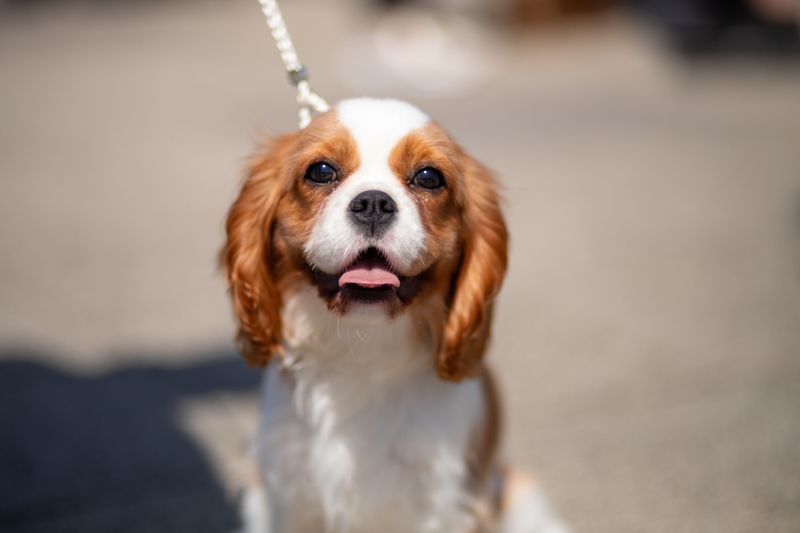
Royal looks come with royal ear coats. Cavaliers grow lush feathering that reduces airflow and hides buildup, especially in humid homes.
Comb ear feathering daily and trim just enough to let air in. Ask your groomer or vet about gentle plucking if recommended.
Clean weekly, and keep an eye on wax color changes. A sweet, sour, or fruity odor can be an early alert.
Comfortable ears mean more cozy couch cuddles.
English Springer Spaniel
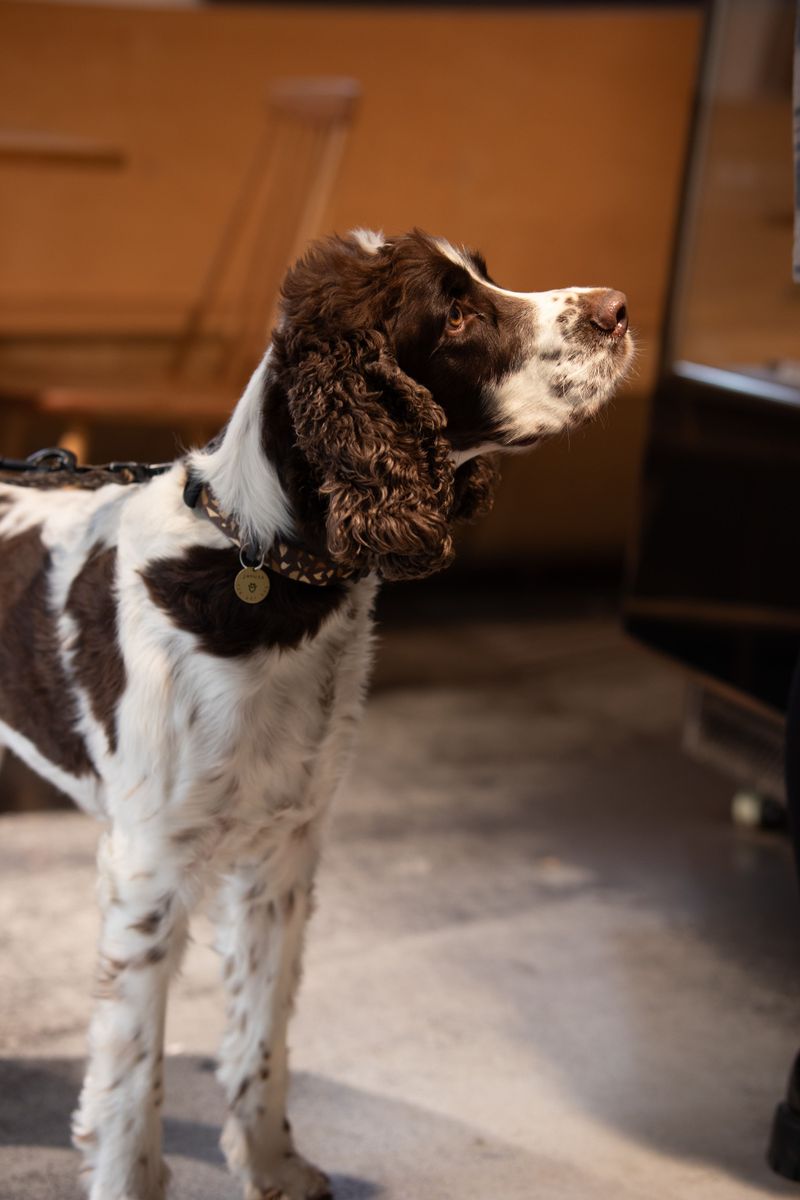
Born to spring through fields, Springers collect grass seeds and foxtails in their floppy ears. Tiny barbs can travel inward and cause painful infections.
Do a quick sweep after every hunt or hike. Use a flashlight and remove visible seeds with fingers or blunt tweezers.
Rinse with cleaner if debris is heavy. Keep feathering neat to reduce snagging.
If your dog is pawing at one ear or crying, head to the vet promptly.
Dachshund
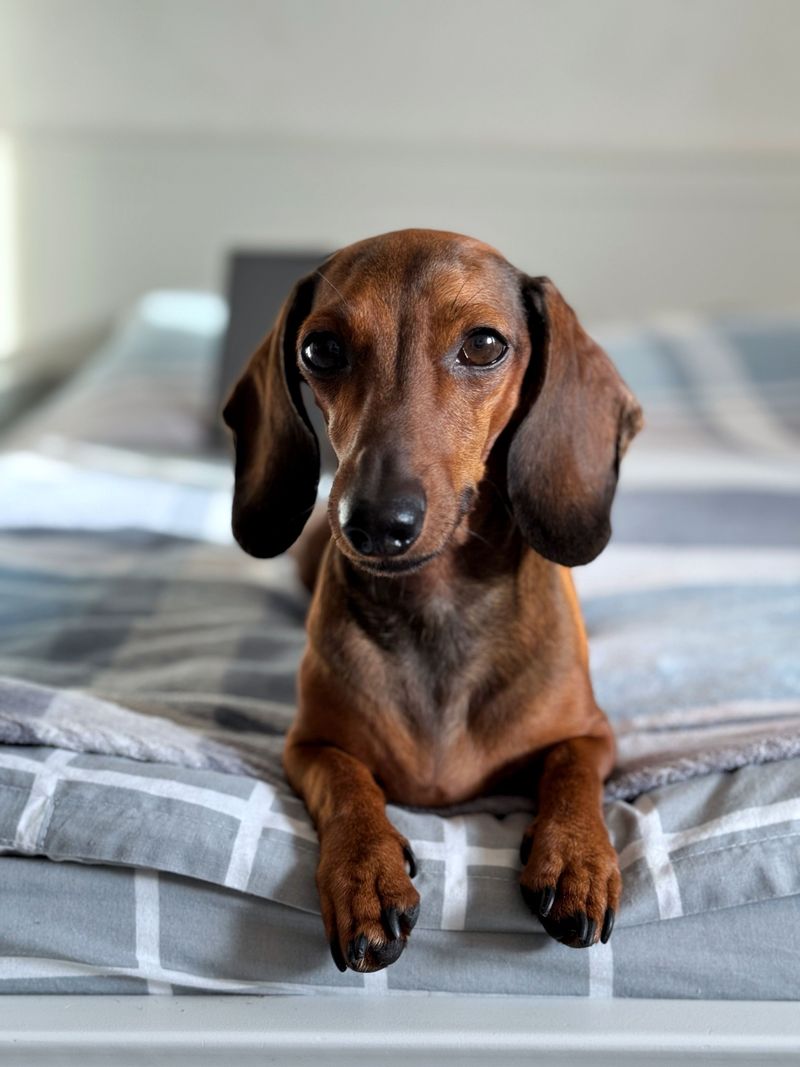
Small body, big personality, and ears that fold like little pockets. Dachshunds can trap heat, which lets yeast flourish if cleaning is skipped.
Pair ear care with nail trims or brushing so it becomes routine. Offer a lick mat to keep wiggles down.
Choose a mild cleaner, and avoid pushing swabs into the canal. Any reddish-brown gunk or strong odor deserves attention.
Keeping those “long-dog” ears fresh makes cuddle time sweeter.
Poodle
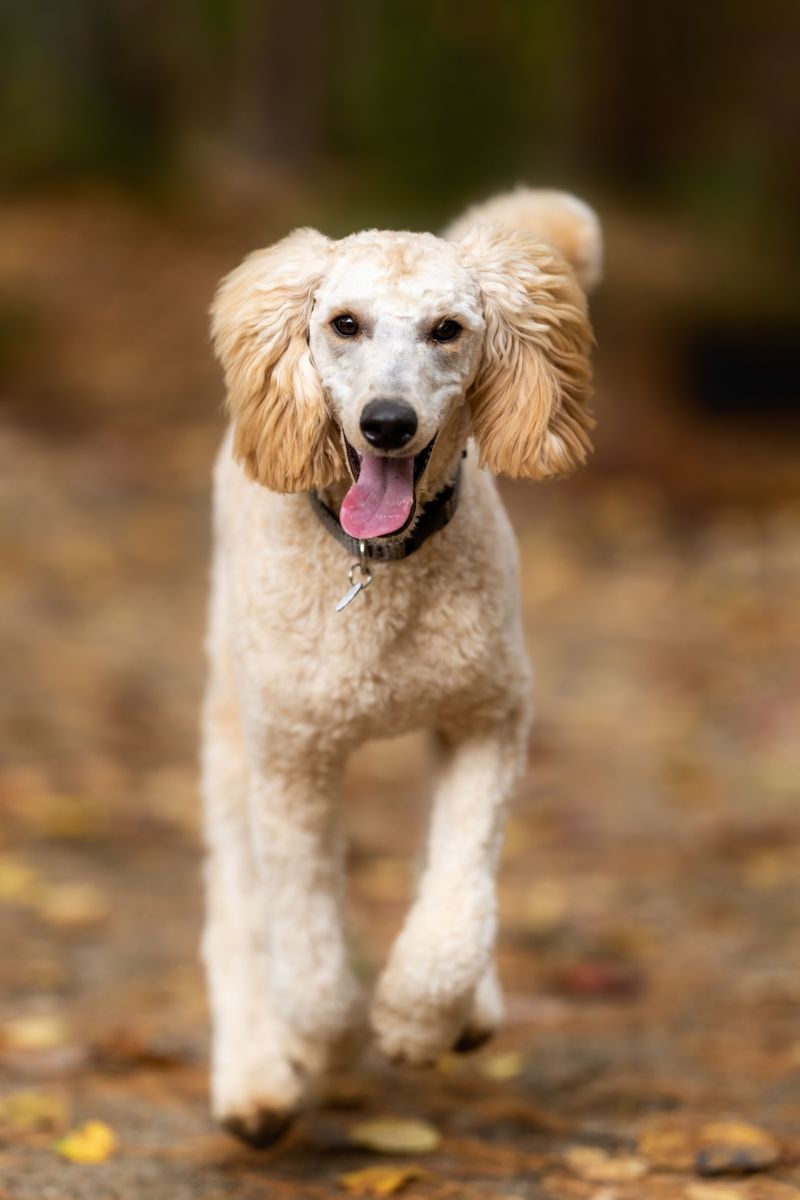
Poodles often grow hair inside the ear canal, which can trap wax and block airflow. Some need careful plucking, while others do better with just trimming and cleaning.
Talk with your vet and groomer about the right plan for your dog. Clean after baths and before blow-drying to prevent moisture lock-in.
Keep sessions calm and short. Redness or discomfort after plucking means pause and reassess.
Smart, stylish ears should feel as good as they look.
Shih Tzu
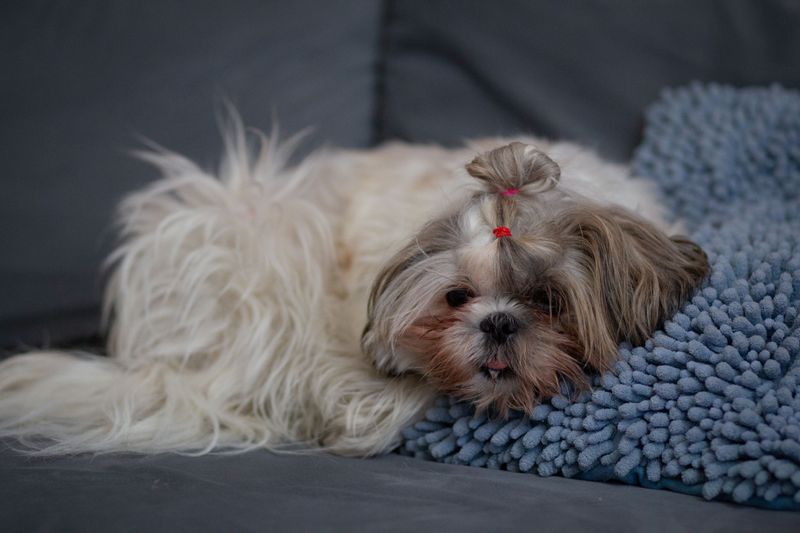
Fluffy faces and drop ears make the Shih Tzu adorable, but airflow is limited. Tear stains, face washes, and bath water can sneak into the ears and linger.
Blot ears dry after grooming, then use a cleaner to remove residue. Trim surrounding hair to keep the area neat.
Build a cheerful routine with praise and breaks. If scratching or head shaking starts, check sooner rather than later.
Happy ears match that friendly, upbeat vibe.
Bloodhound
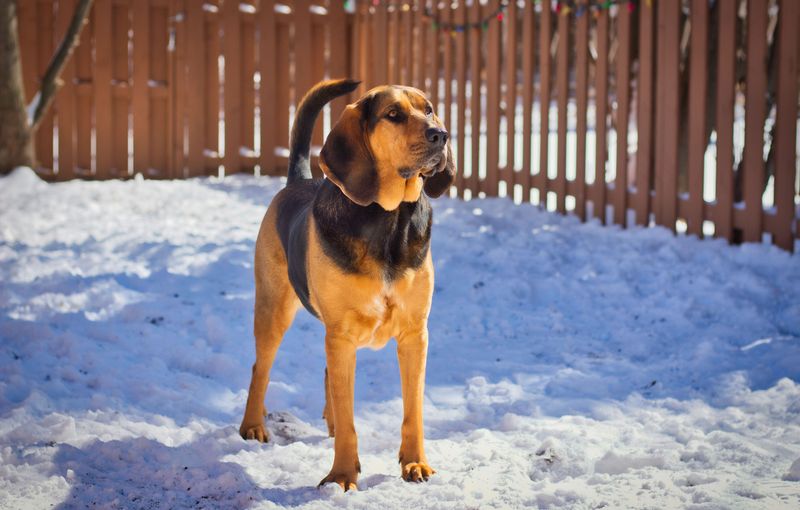
Built for scent work, the Bloodhound’s sweeping ears stir up odors and dust. Skin folds add warmth and moisture, so infections can brew quietly.
Inspect daily, especially the ear edges and deep creases. Clean several times a week and dry thoroughly.
Use a veterinarian-recommended solution with gentle acids to control yeast. Keep weight and skin health in check to reduce inflammation.
A tidy ear routine helps this tracker stay comfortable on the trail and at home.
English Setter
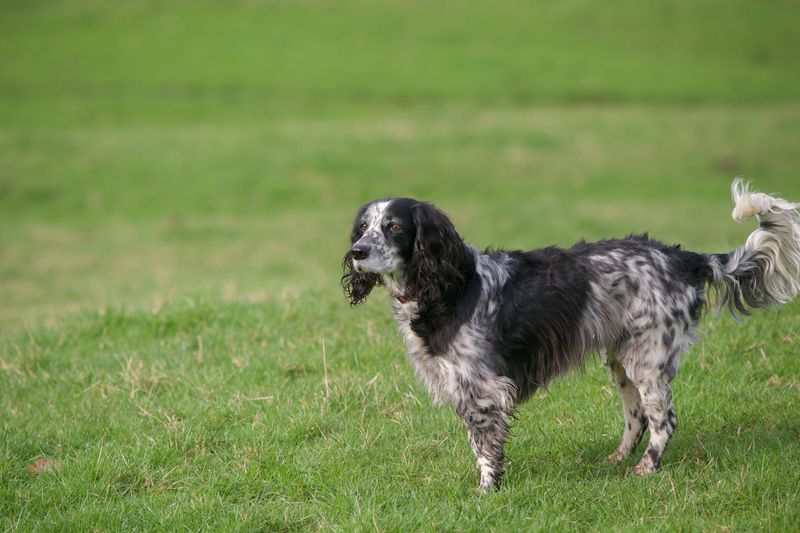
Elegant feathering frames the Setter’s face, but those silky ears can hide burrs and pollen. After field play, debris and moisture settle in the folds.
Comb through the ear fringes, then clean the canal with a mild solution. Keep feathering lightly trimmed to improve airflow without spoiling the look.
Build a weekly reminder on your phone to stay consistent. If you spot swelling or your dog shies from touch, consult your vet promptly.