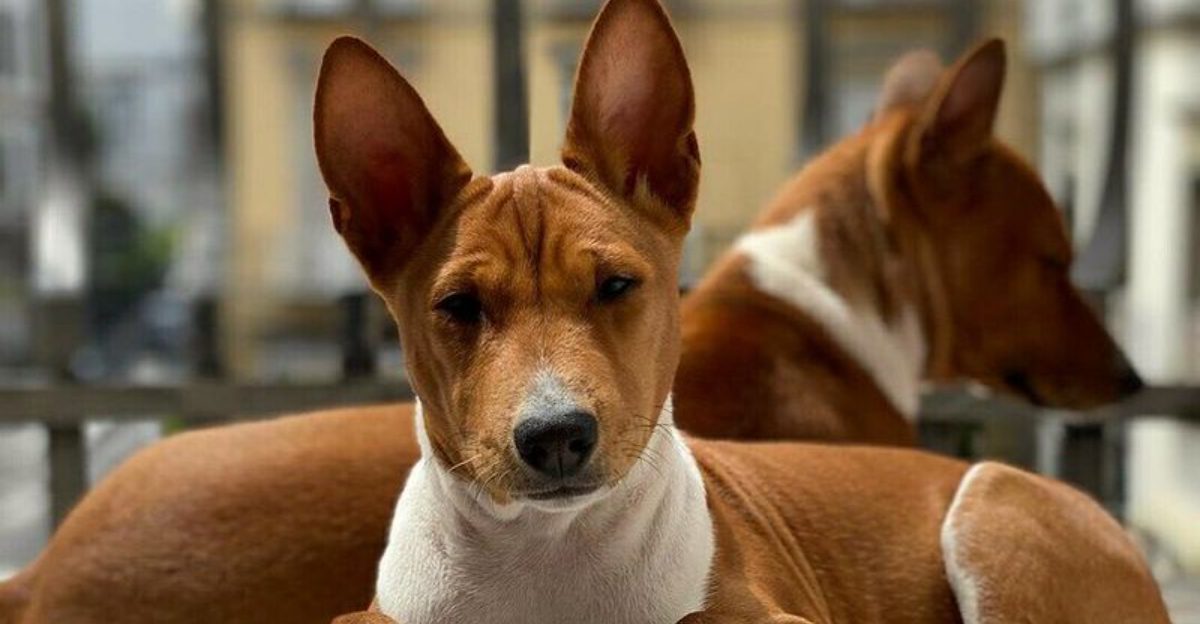
Some dogs greet everyone like a long-lost friend. Others take a little time to size you up before they share their trust.
That careful nature can be smart, loyal, and very protective. If you like earning a dog’s respect, these breeds might be your kind of challenge.
Shiba Inu
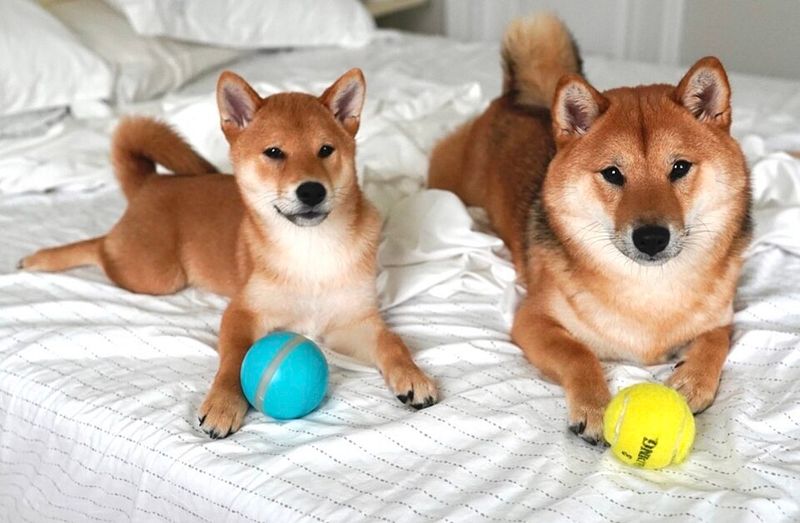
Cat-like confidence shows first with a Shiba Inu. They watch before they welcome, judging your energy and timing.
A calm approach, a sidelong glance instead of a reach, and a few tasty treats go far. Patience turns suspicion into a polite head tilt.
Daily structure helps, like short training bursts and predictable walks. Let them choose the first sniff.
Keep greetings brief and upbeat. Earn a repeat tail curl, not a forced cuddle, and you will see their playful spark.
Chow Chow
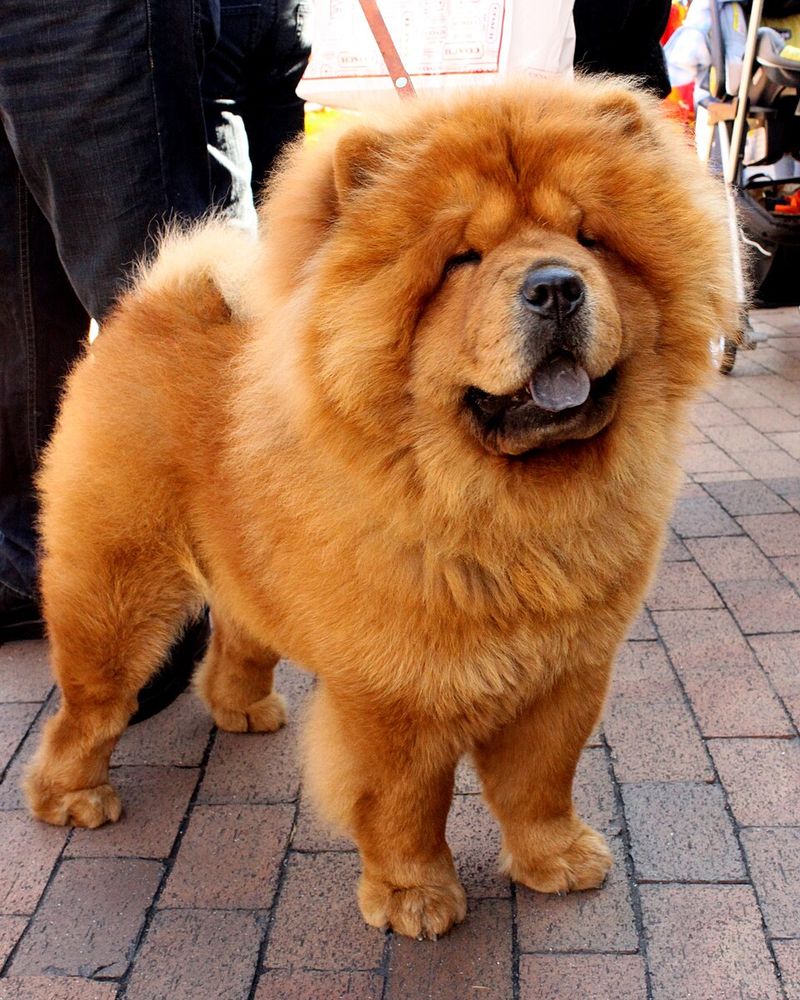
Dignity is the Chow Chow calling card. They prefer to meet people slowly, almost like a royal greeting.
Skip the quick head pats. Instead, offer space, let the dog sniff a hand at their pace, and keep your voice low and steady.
Strong socialization from puppyhood shapes their outlook. Keep visits short, use high-value rewards, and model calm behavior.
Consistency and clear boundaries build trust, and soon that serious face melts into quiet acceptance by your side.
Shar-Pei
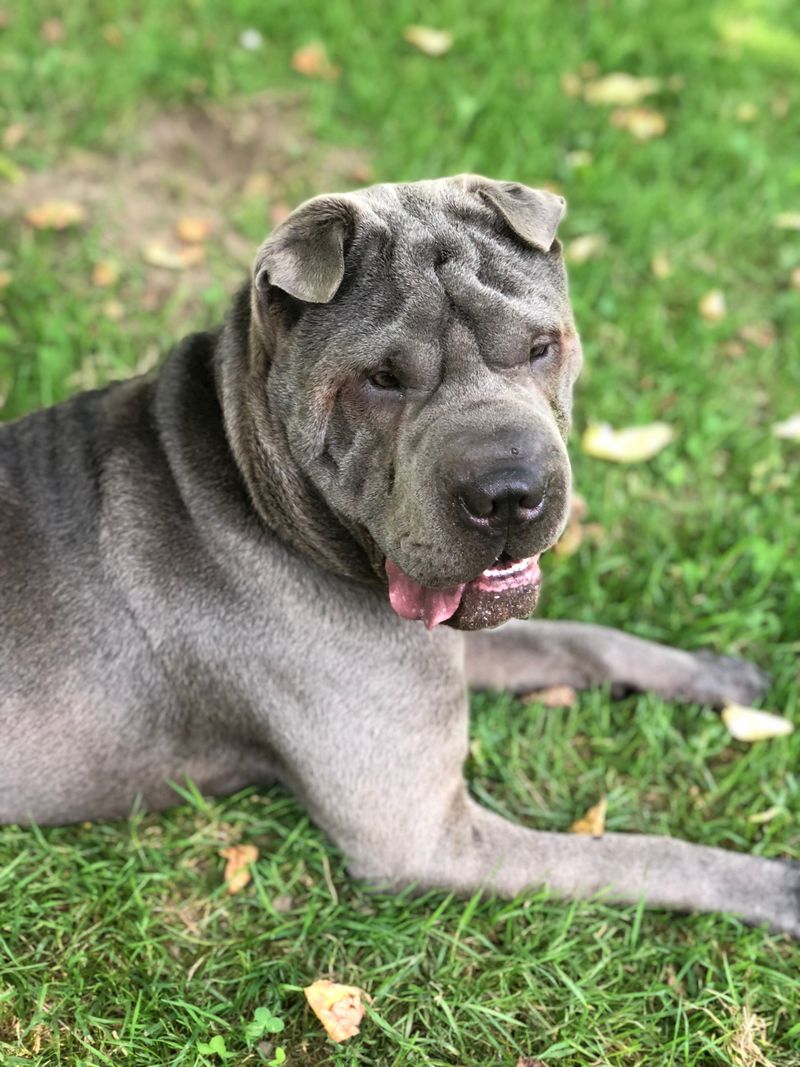
Those famous wrinkles frame a thoughtful mind. A Shar-Pei studies new people like a security guard, looking for respectful manners.
Do not crowd their space. Let them circle, sniff, and decide.
Treats dropped near your shoes work better than hands reaching over their head.
Confidence grows with routine and clear cues. Practice neutral park meetups, reward calm glances, and keep greetings short.
With time, that watchful stare softens, and you earn a steady, loyal walking buddy.
Great Pyrenees
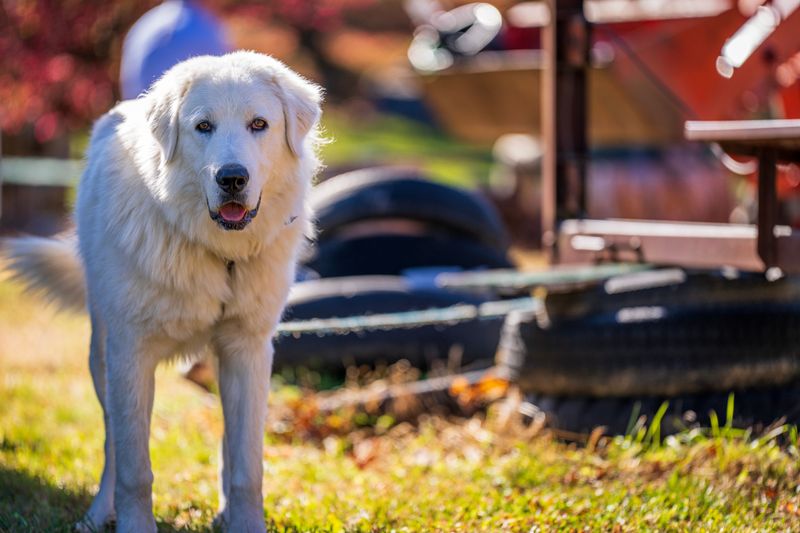
Born to guard flocks, the Great Pyrenees treats your home like a hillside. Strangers get a slow once-over, sometimes a deep rumble.
Respect that job mindset. Ask visitors to move calmly, avoid staring, and let the dog settle before contact.
Training should be steady and kind. Short obedience drills, quiet praise, and leashed introductions help.
Nighttime alertness is normal. With fair leadership, they share their gentle side, lounging like a cloud after the storm passes.
Scottish Terrier
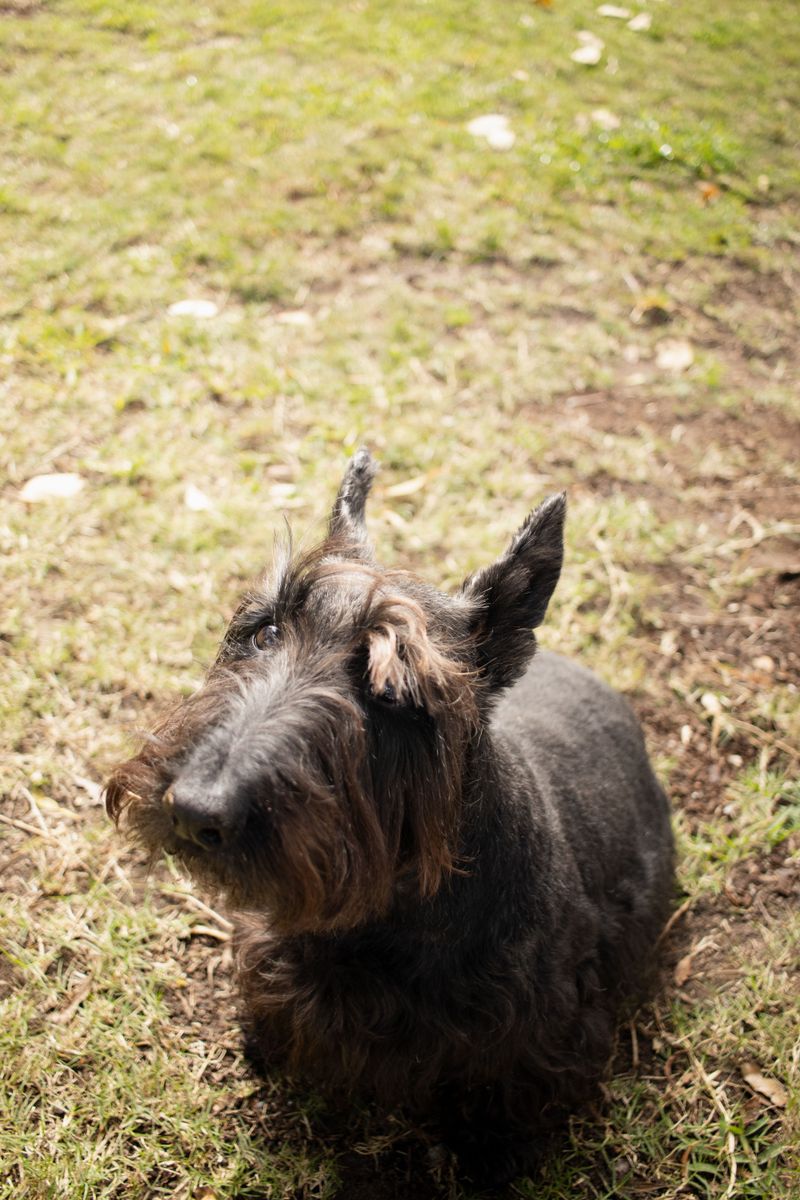
Small in size, big in backbone, the Scottish Terrier has a detective’s focus. New folks get a suspicious squint and a stout stance.
Crouch sideways, let them sniff, and speak softly. Quick movements and high voices can feel rude to this proud little hunter.
Games that use their nose, like treat trails, build trust. Keep greetings short, reward a relaxed tail, and offer breaks.
Earn a nod from a Scottie and you have a witty, faithful pal.
Cane Corso
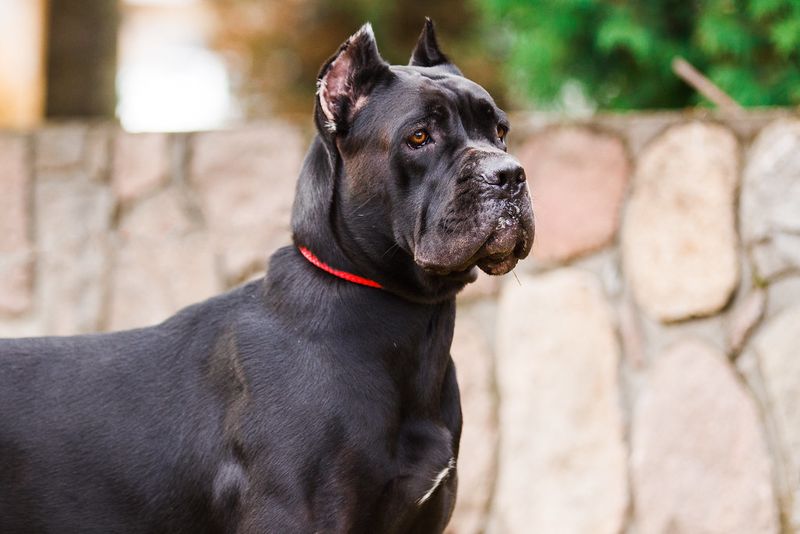
Guarding heart, athlete body, and a sharp brain define the Cane Corso. They appraise newcomers like a bouncer at a calm club.
Keep introductions controlled on leash, ask guests to ignore at first, and reward the dog for quiet focus, not barking.
Confidence comes from training that mixes obedience, impulse control, and neutral social time. Predictable rules at home reduce stress.
Earned respect unlocks an affectionate side, and that giant head will rest lightly on your knee.
Anatolian Shepherd Dog
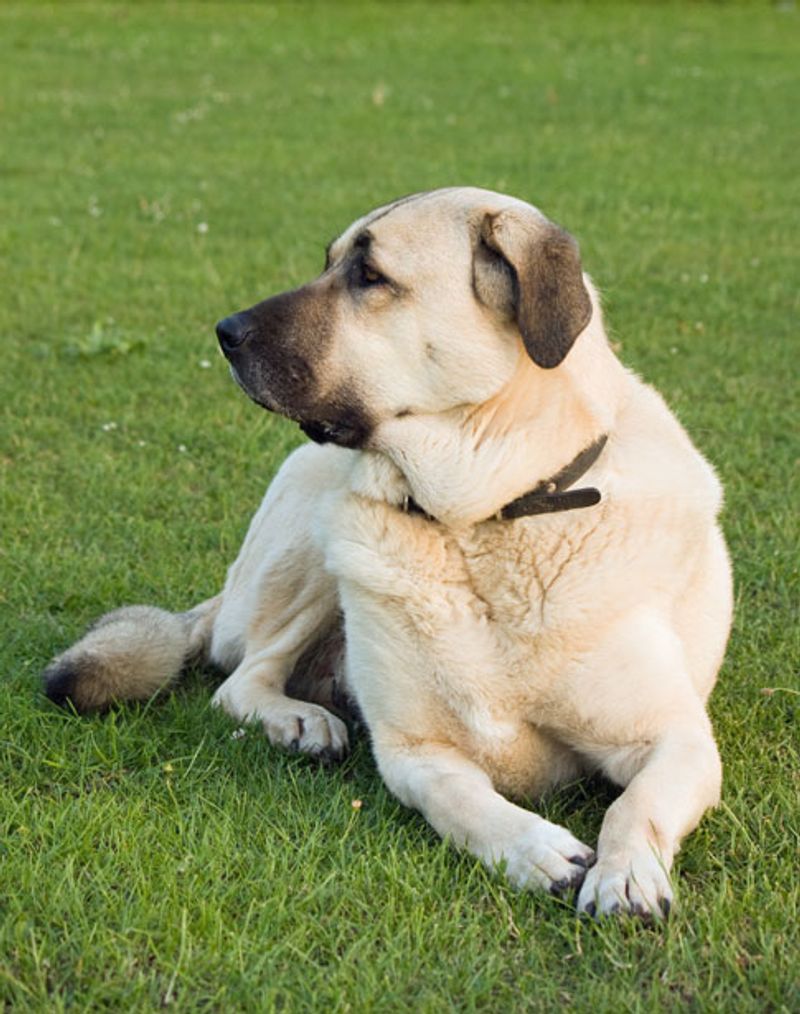
Centuries of livestock duty taught the Anatolian Shepherd to think first and act carefully. Visitors land in their mental check-in line.
Keep greetings structured at a distance, use a place mat or bed cue, and pay for calm with great treats.
Long walks and brain games prevent edgy energy. Rotate friendly guests for short, planned sessions.
With patient guidance, they accept your friends like trusted neighbors and then nap, satisfied that the fence line is secure.
Rhodesian Ridgeback
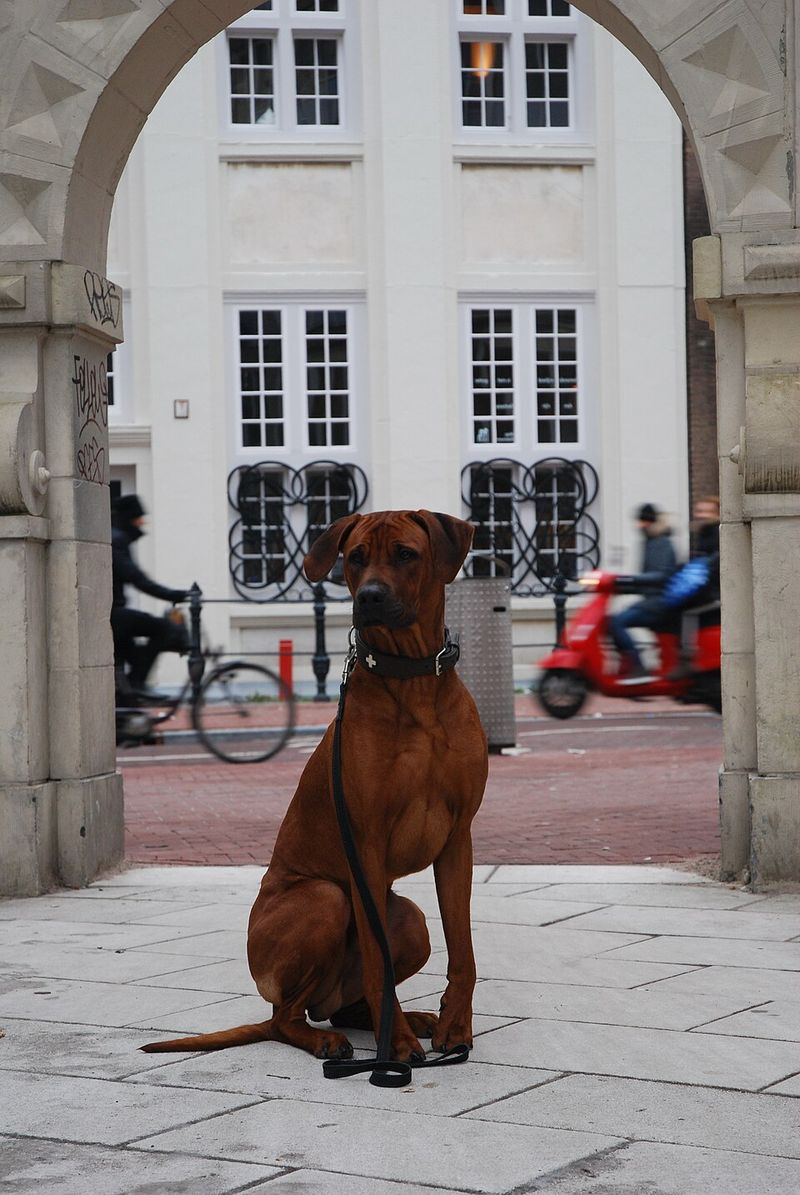
Built for endurance, the Rhodesian Ridgeback is cool and measured with new people. They prefer to read the room before they relax.
Skip the front-on approach. Angle your body, offer a gentle hello, and practice short focus games to build comfort.
Exercise is key, but so is quiet downtime. Teach a solid place command for guests.
Reward steady eyes and soft body language. Earn trust, and you will see a playful athlete with a tender side.
Giant Schnauzer
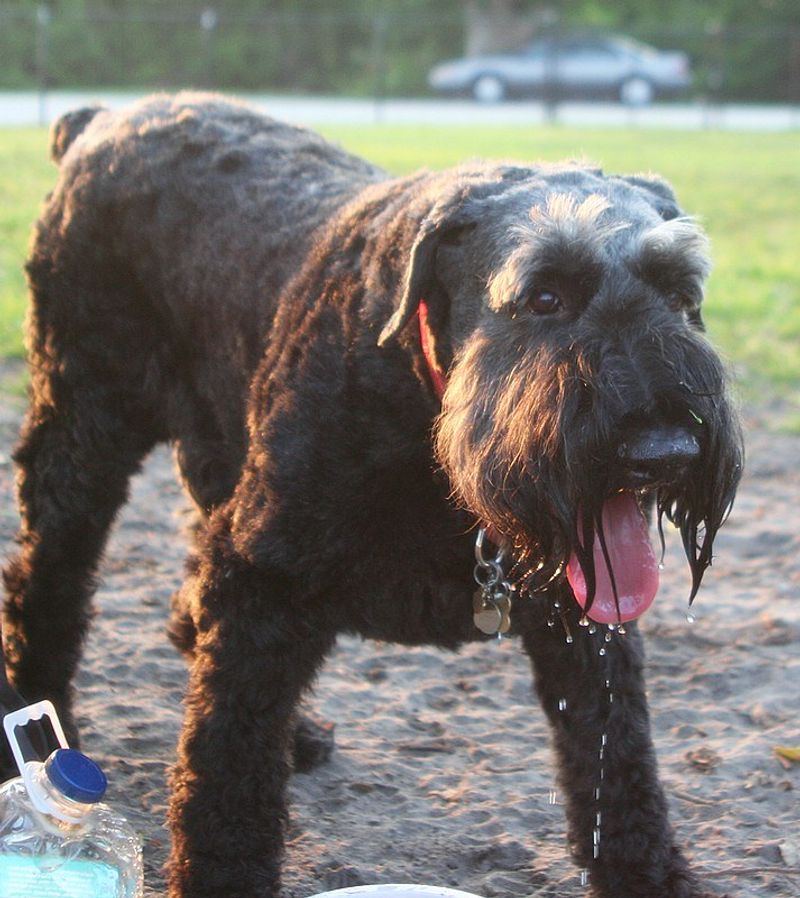
Imagine a wise bouncer with a sense of humor. The Giant Schnauzer sizes up strangers calmly, then decides if playtime is allowed.
Structured obedience shines here. Practice heelwork past guests, reward quiet sits, and release to sniff only when relaxed.
Mental workouts matter. Use scent games, puzzle toys, and short, challenging training.
Clear routines turn wariness into controlled curiosity. Soon you get a bright partner who watches the door while still wagging at your cue.
Lhasa Apso
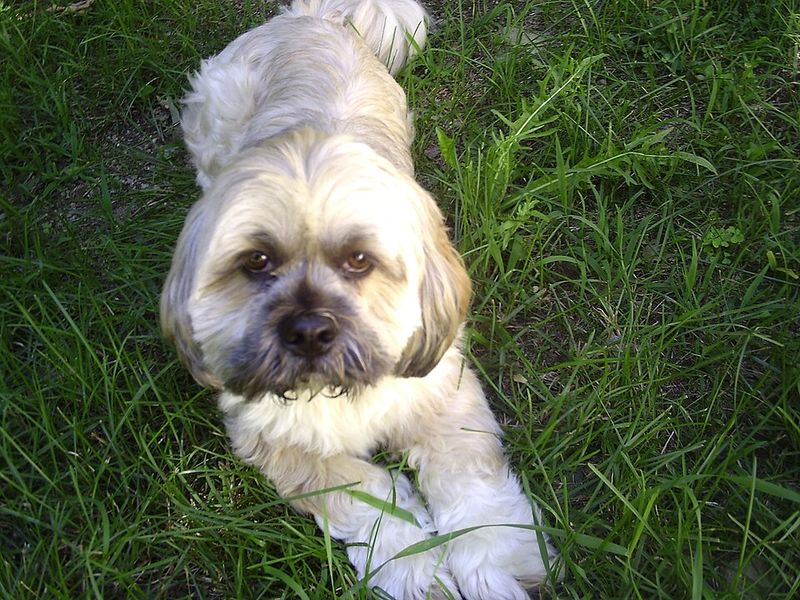
Temple sentinel roots give the Lhasa Apso a wise, watchful vibe. They often treat newcomers like a puzzle to solve.
Let them approach on their terms. Keep your hands low, offer gentle praise, and never rush the first touch.
Daily grooming time can double as bonding and handling practice. Pair brush strokes with treats to build trust.
Short visitor sessions with quiet games help too. Earn their nod, and they become charming, chatty house guides.
Tibetan Mastiff
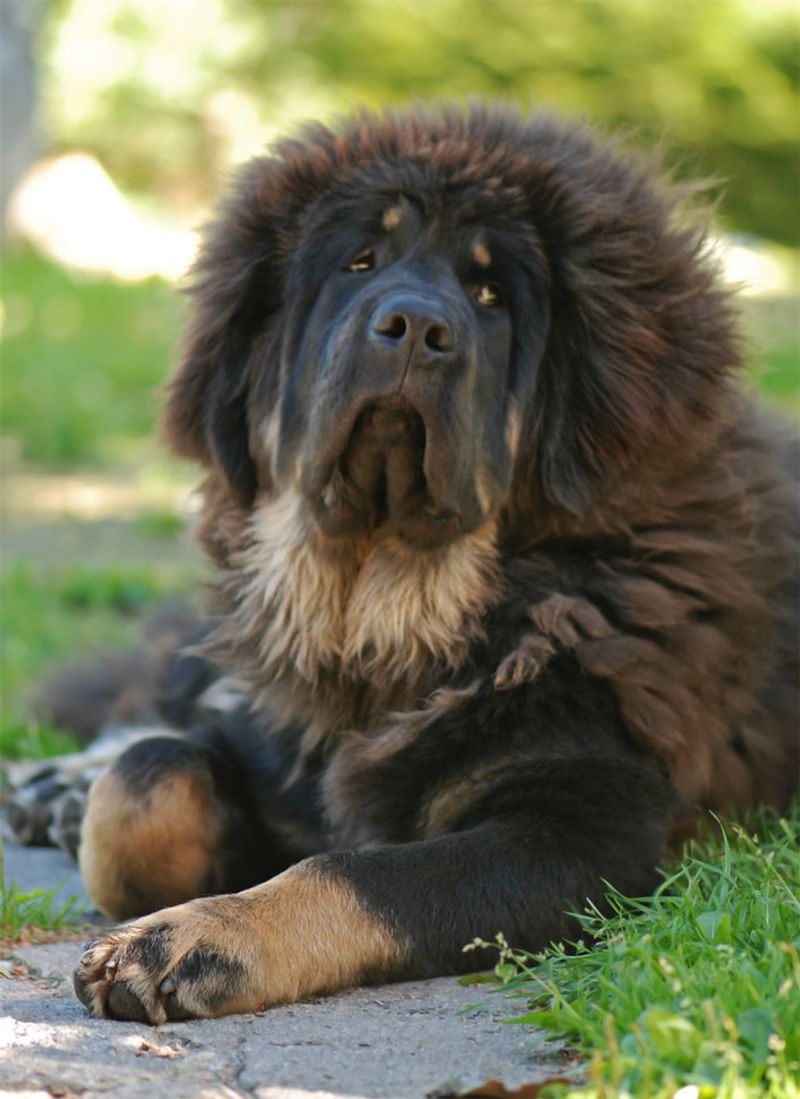
Majestic and thoughtful, the Tibetan Mastiff treats your yard like a fortress. Guests are screened with slow blinks and a serious stare.
Start introductions behind a barrier or on leash. Reward quiet observation, not barking, and let the dog choose when to approach.
Late evening energy is normal for this guardian. Provide secure fencing, solid recall practice, and routine social outings.
Earned trust reveals a gentle giant that lounges near you like a soft, watchful shadow.
Basenji
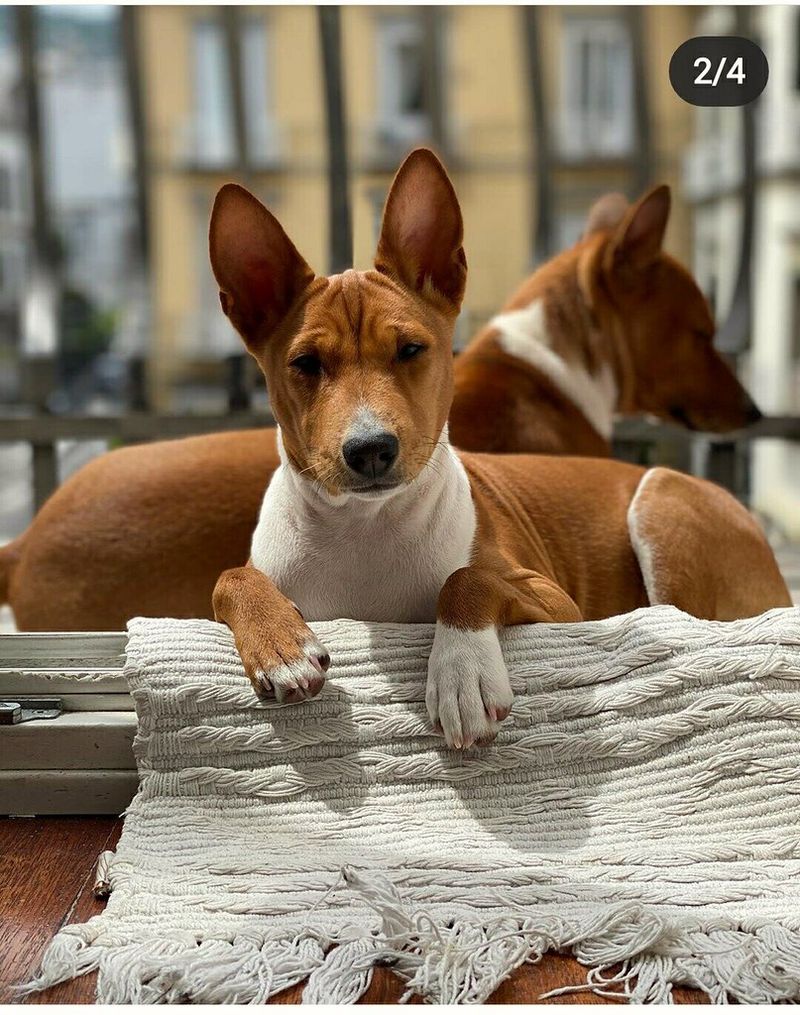
Known as the barkless dog, the Basenji still has plenty to say with body language. New people get a careful sniff and a quick step back.
Sit sideways, toss a treat behind you, and let curiosity pull them closer.
Short training games suit their bright, independent mind. Teach hand targets and calm eye contact for greetings.
Keep things light and fun. Win them over and you gain a clever companion with a sprinter’s spark.
Afghan Hound
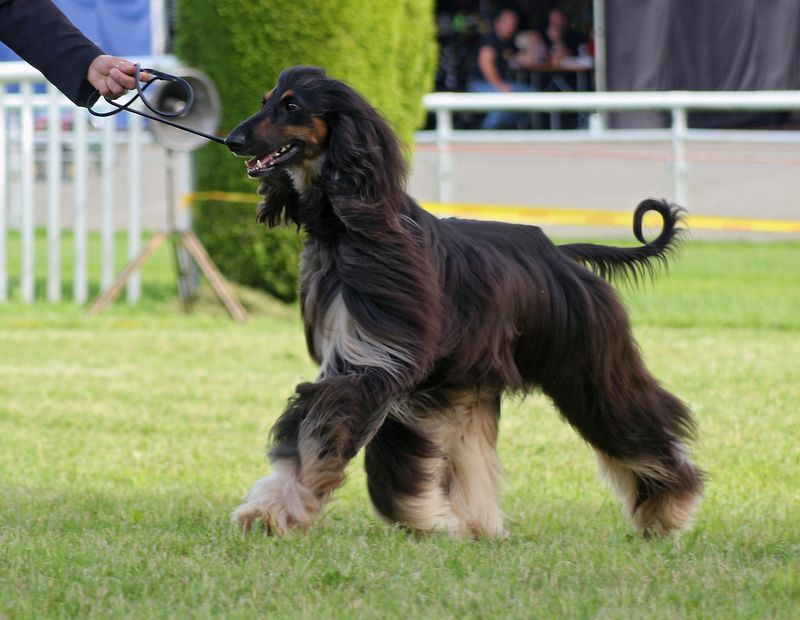
Grace on legs, the Afghan Hound floats by strangers like a model on a runway. They notice everything yet keep emotions tucked away.
Approach with quiet confidence. Avoid grabbing at their coat, and let them circle gently until curiosity wins.
Sighthound brains love games that reward calm focus. Use lures, recall practice, and relaxed walking patterns.
Respect their space and tempo. When trust blooms, you get playful zoomies and warm, surprising bursts of affection.
Belgian Tervuren
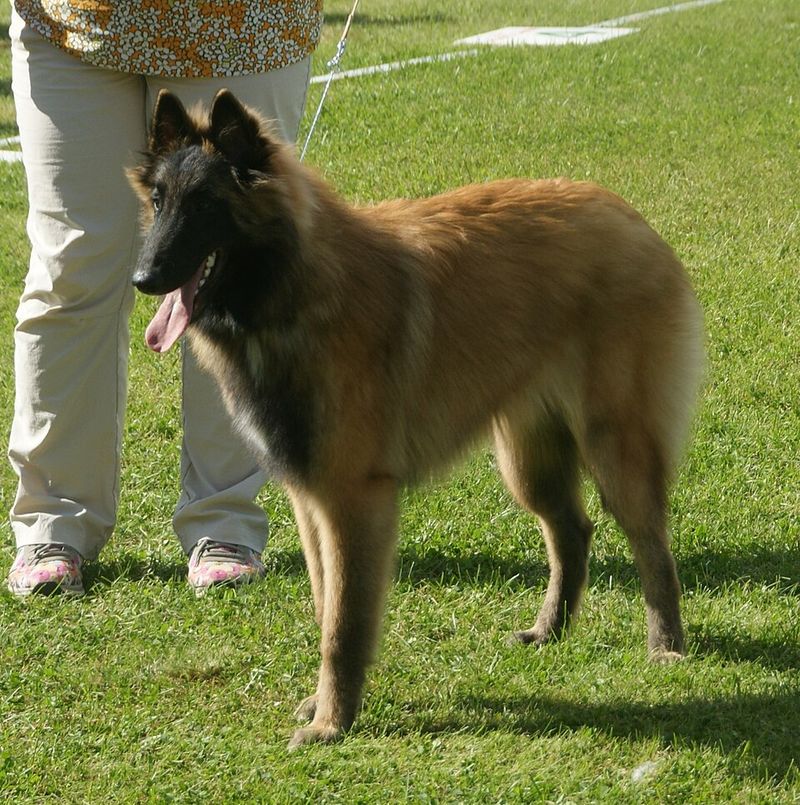
Brains and drive power the Belgian Tervuren. With new people, they watch for clear signals and confident handling.
Give them a job at greetings, like a sit or heel, then reward with a tug or treat. Structure lowers stress and builds trust.
Daily training prevents nervous habits. Rotate obedience, scent work, and fun agility basics.
Invite friendly guests to practice calm routines. Earn their approval and you unlock a brilliant, devoted teammate who thrives on purpose.