Some dogs seem to know when your smile is missing. They may hear changes in your voice, notice slower movements, or sense when your mood feels heavy.
For many people, that quiet comfort can make a hard day feel less lonely. Certain breeds are especially tuned in to human feelings, and their caring habits can be surprisingly helpful.
Rough Collie
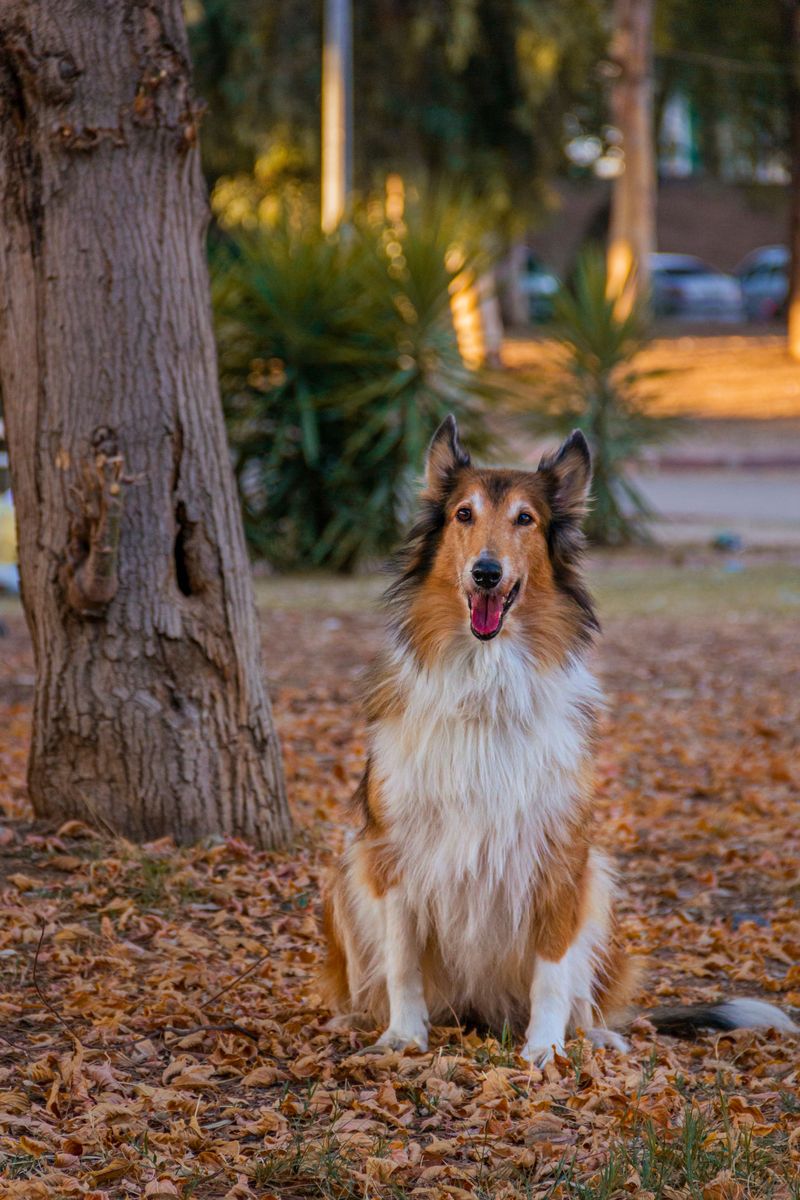
With storybook looks and watchful eyes, the Rough Collie often seems to read the room before anyone speaks.
Bred to guide sheep, this breed pays close attention to movement, tone, and routine. If you come home quiet or move more slowly, a Collie may stay close, rest nearby, or gently nudge your hand.
Give praise for calm support, and offer a short walk together. Shared routine can help both of you feel steadier.
Standard Poodle
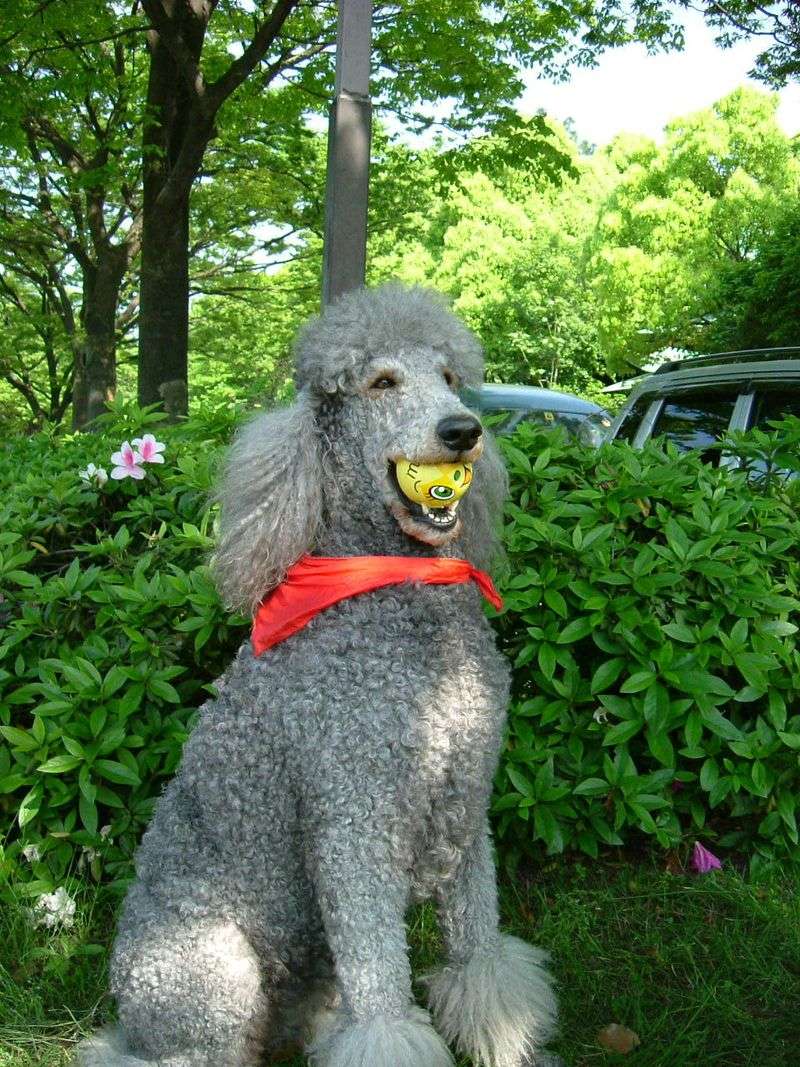
Brains, curls, and a surprising soft side make the Standard Poodle more than a fancy haircut.
This clever dog often learns the tiny signs of a rough day, like dropped shoulders, a lower voice, or skipped playtime. Because Poodles enjoy problem solving, they may bring a toy, sit close, or try to cheer you up.
Keep their mind busy with simple training games. A few minutes of focus can lift your mood too.
Vizsla
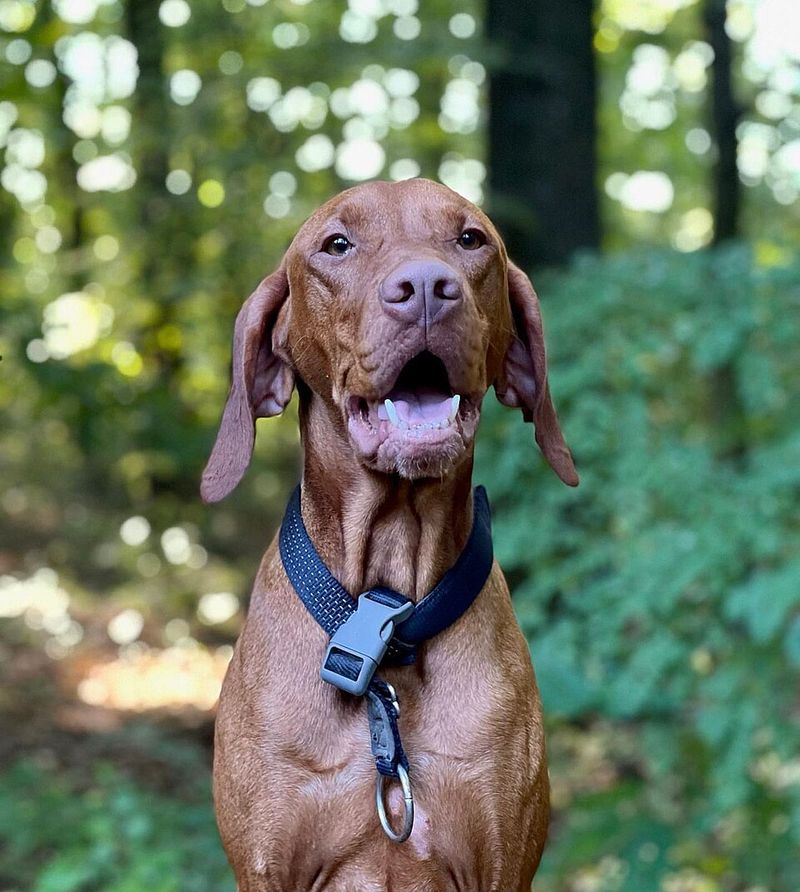
Nicknamed the Velcro dog, the Vizsla may notice your bad day because it is usually right beside you.
This athletic breed forms strong bonds and often wants steady contact with favorite people. A change in your mood may bring a warm lean, a head in your lap, or soft staring eyes.
Since Vizslas need activity, try a peaceful walk or backyard fetch. Moving together can release stress and reassure your sensitive shadow.
Shetland Sheepdog
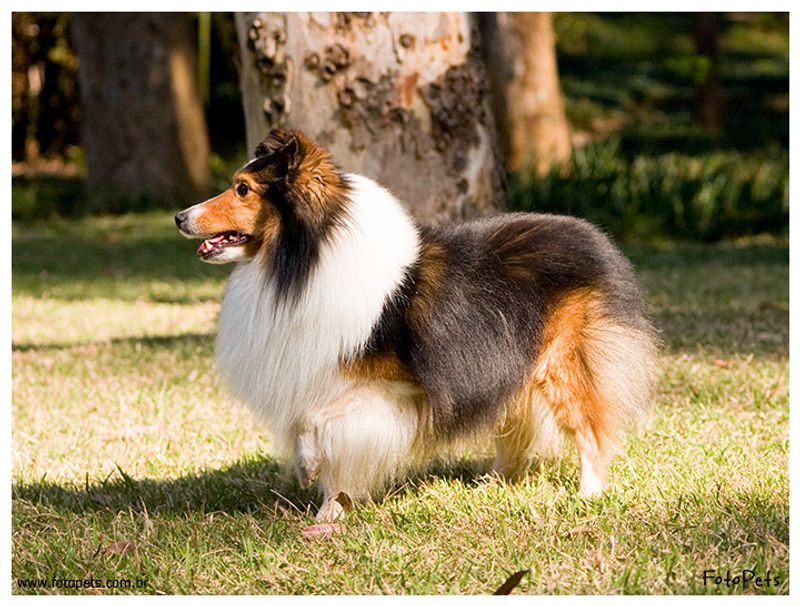
A Shetland Sheepdog can act like a tiny weather report for feelings, noticing emotional clouds fast.
Shelties were bred to herd on the Shetland Islands, so they are quick, alert, and tuned in to people. If your routine feels off, they may follow you from room to room or offer little barks of concern.
Speak softly and keep changes gentle. Puzzle toys, brushing, or quiet training can help this bright dog relax with you.
Doberman Pinscher
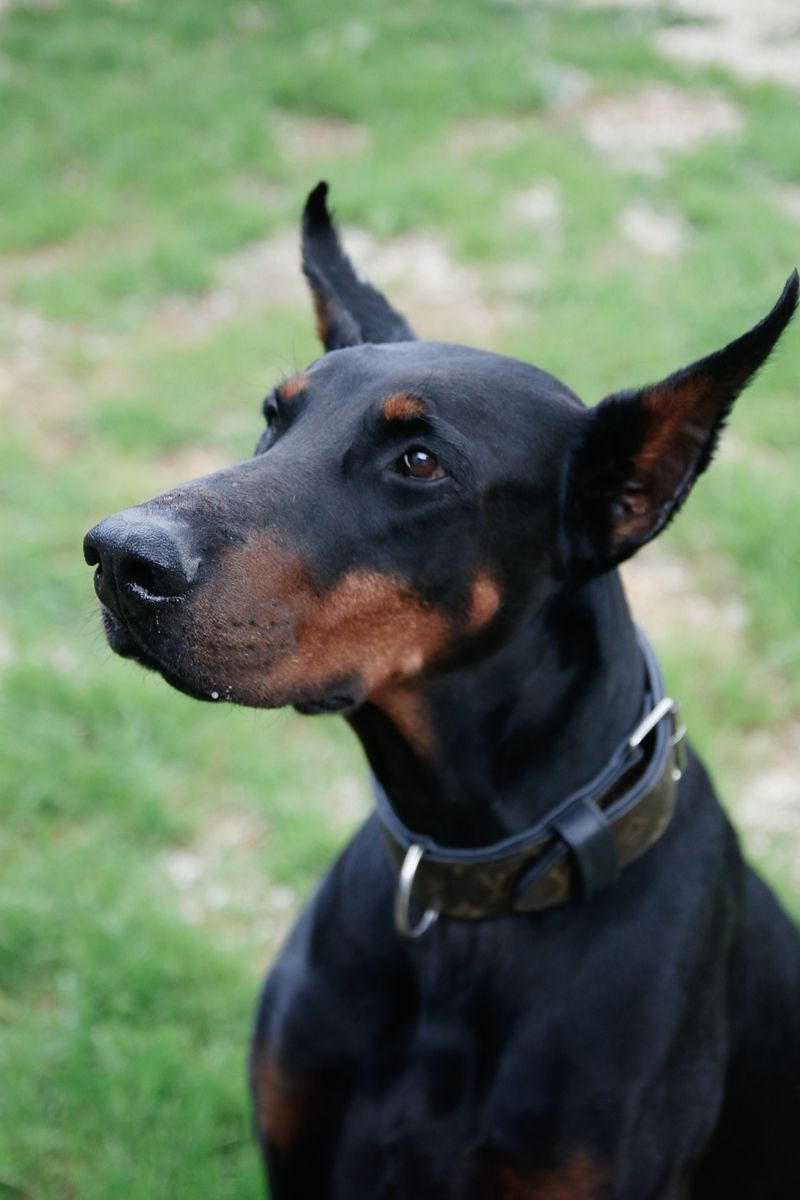
Behind the strong guard dog image, the Doberman Pinscher can be deeply tuned to its family.
Dobermans often watch faces, posture, and household patterns with serious focus. When you feel upset, they may become extra watchful, stay near doors, or lean against your legs like a silent bodyguard.
Clear training matters, because this smart breed likes knowing its job. Reward calm closeness, not anxious pacing, so support stays steady and safe.
English Cocker Spaniel
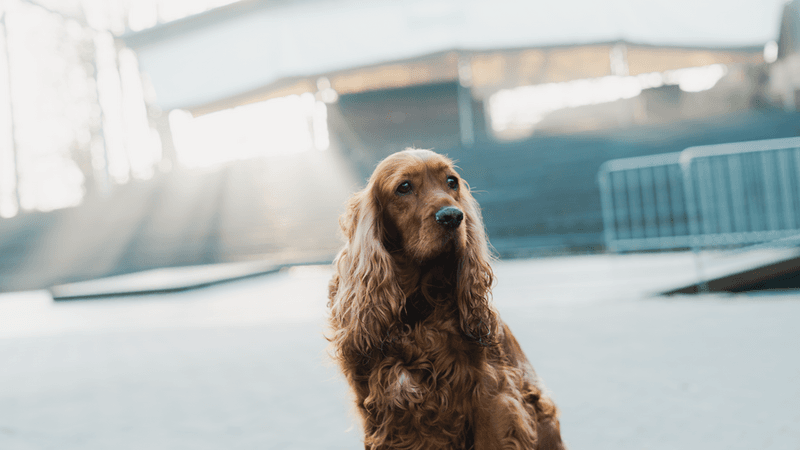
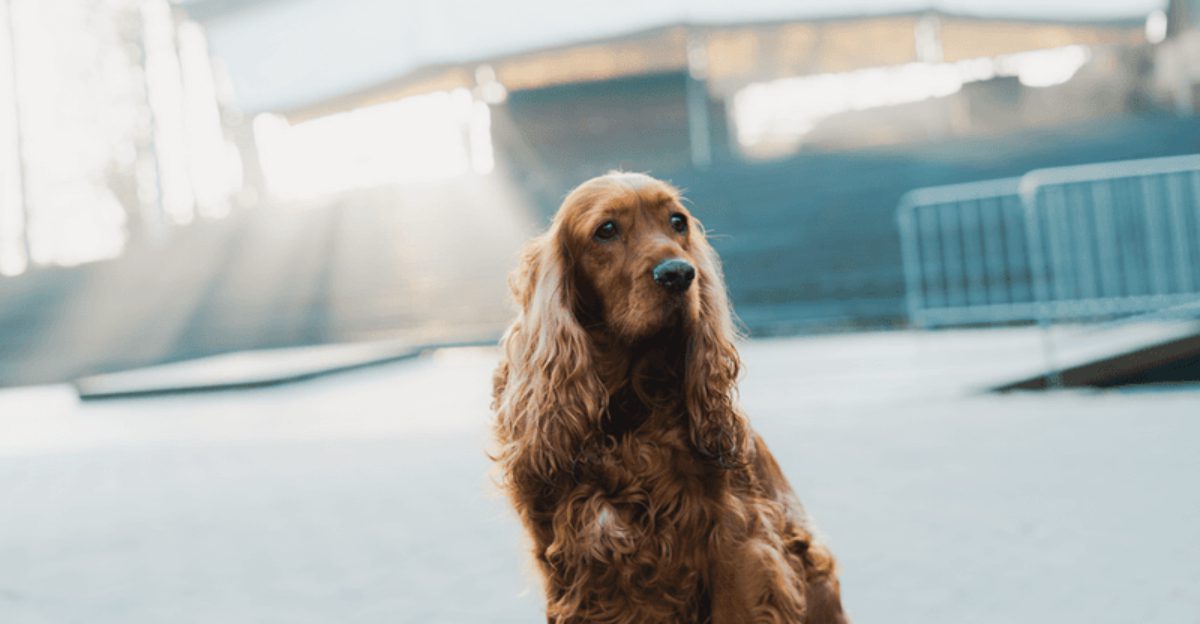
Those soft eyes and swinging ears can make an English Cocker Spaniel feel like a walking comfort blanket.
Originally used as a hunting dog, this spaniel learned to work closely with people and respond quickly to signals. At home, that people-focus can show up as cuddles, tail wags, or a quiet place beside your chair.
If the day feels heavy, try slow petting or a short sniff walk. Spaniels often relax through shared attention.
Golden Retriever
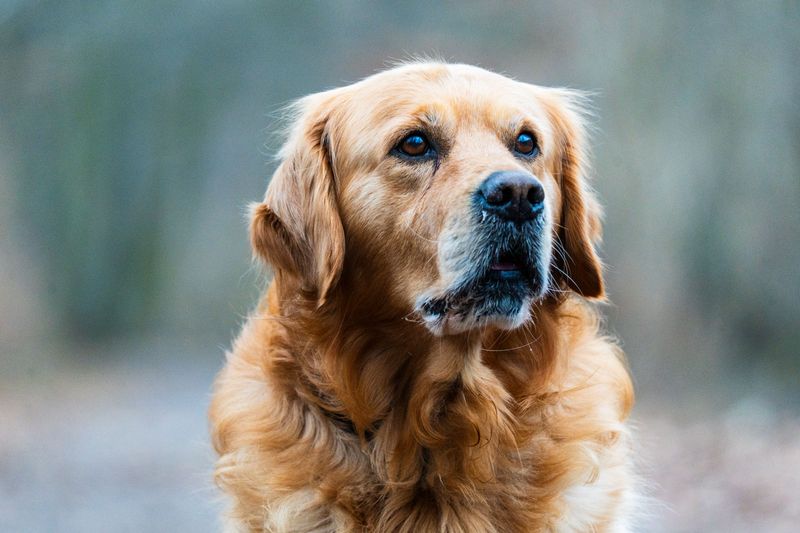
Few sights feel as comforting as a Golden Retriever bringing sunshine into a gloomy room.
Goldens are famous for their friendly spirit, but their real gift is how closely they connect with people. Many notice tears, silence, or a tired walk and answer with a toy, a paw, or patient closeness.
Because they love purpose, teach a comfort cue such as snuggle or visit. It gives their kindness a clear, helpful job.
Papillon
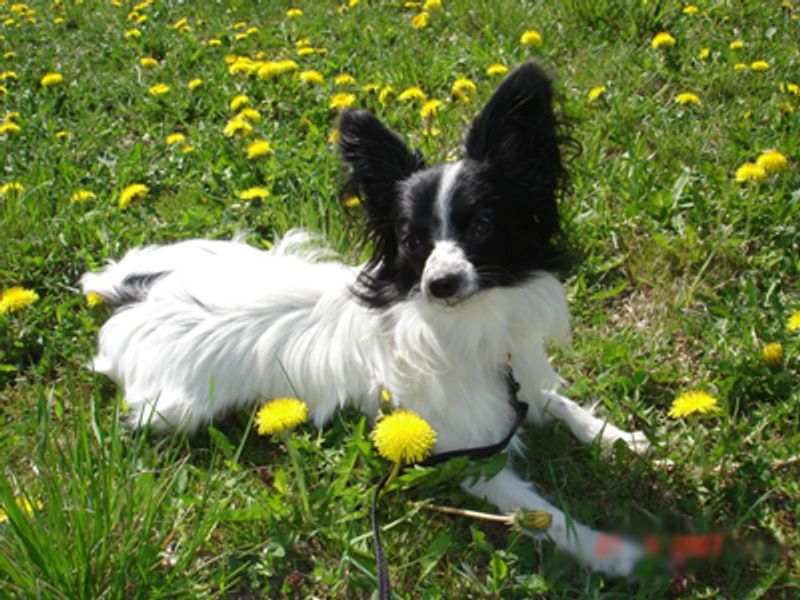
Small enough for a lap but sharp enough to catch every mood shift, the Papillon is easy to underestimate.
Its name means butterfly in French, thanks to those bright, wing-like ears. Papillons often study their people with lively attention and may hop closer when voices grow quiet or energy drops.
Use their cheer in simple ways. Teach tiny tricks, reward gentle cuddles, and let their playful spark bring a little light back.
Australian Shepherd
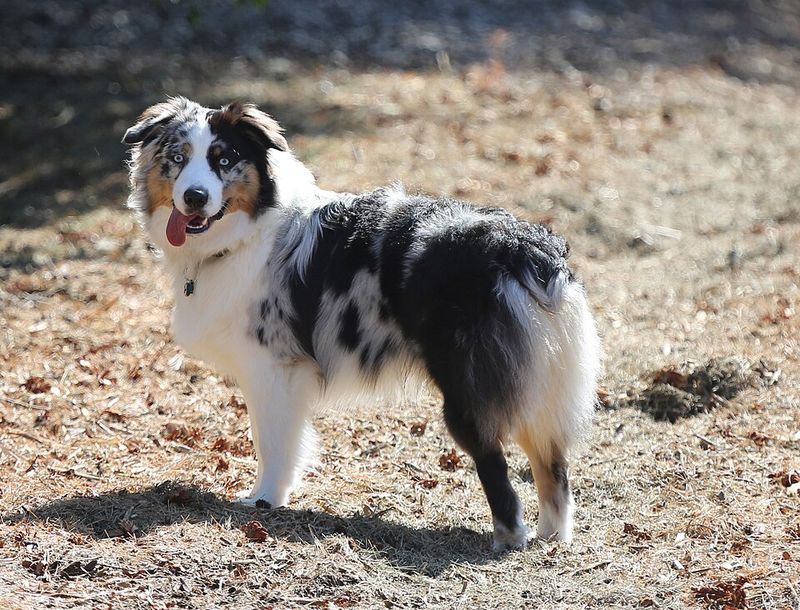
An Australian Shepherd may notice a bad day the way a good friend notices an unfinished sentence.
Built for herding, Aussies track motion, mood, and energy with almost nonstop attention. If you are restless or sad, they may circle close, offer a toy, or look for a task to share.
This breed needs both exercise and brain work. A training session, scent game, or calm walk can turn nervous energy into teamwork.
German Shepherd
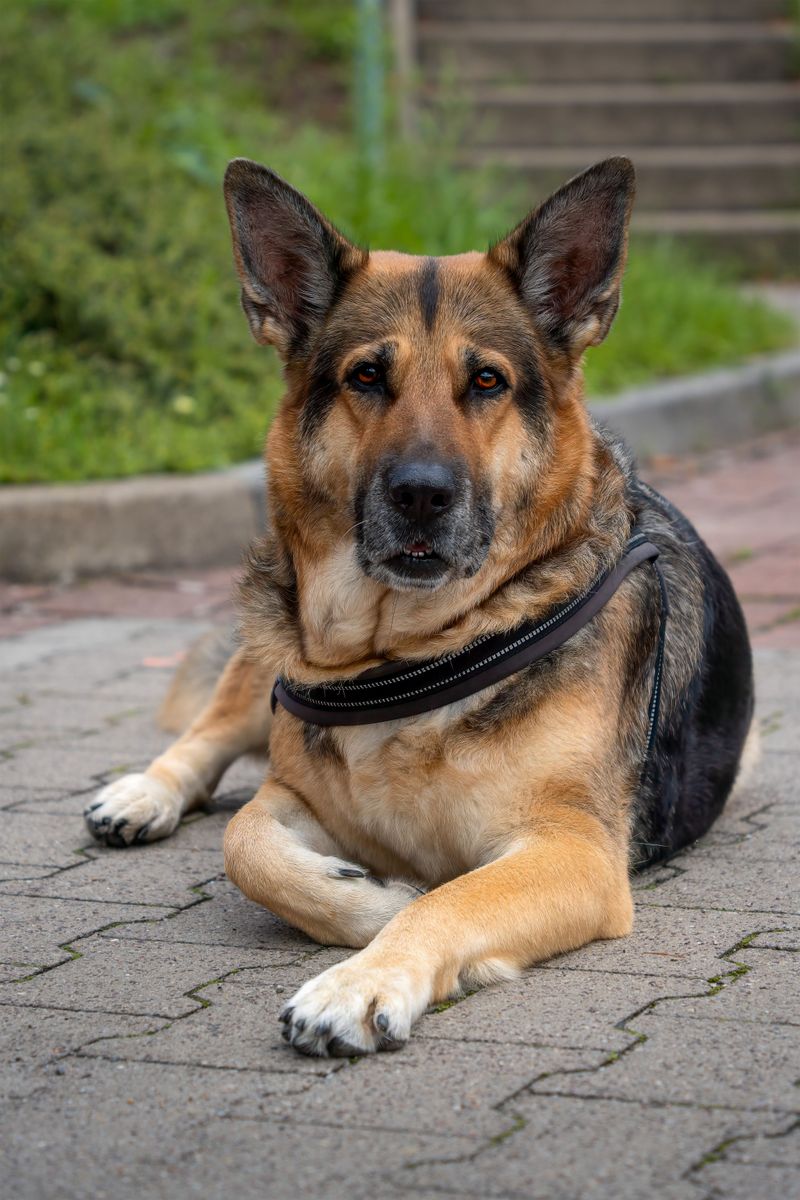
A German Shepherd often carries itself like a guardian, but its loyalty can feel deeply personal.
This breed is used in service, police, and search work because it reads people and situations well. At home, that awareness may help it notice stress, sadness, or unusual quiet before others do.
Offer steady rules, exercise, and calm praise. When a Shepherd understands what helps you, it can become a reassuring presence during difficult evenings.