
Some dogs seem to know someone is coming before the doorbell rings. They sense footsteps, hear car doors, and read tiny clues.
That early warning can keep your home calm, safe, and ready. Meet breeds that excel at spotting visitors and learn how to guide their instincts in a friendly, useful way.
German Shepherd – The alert analyst
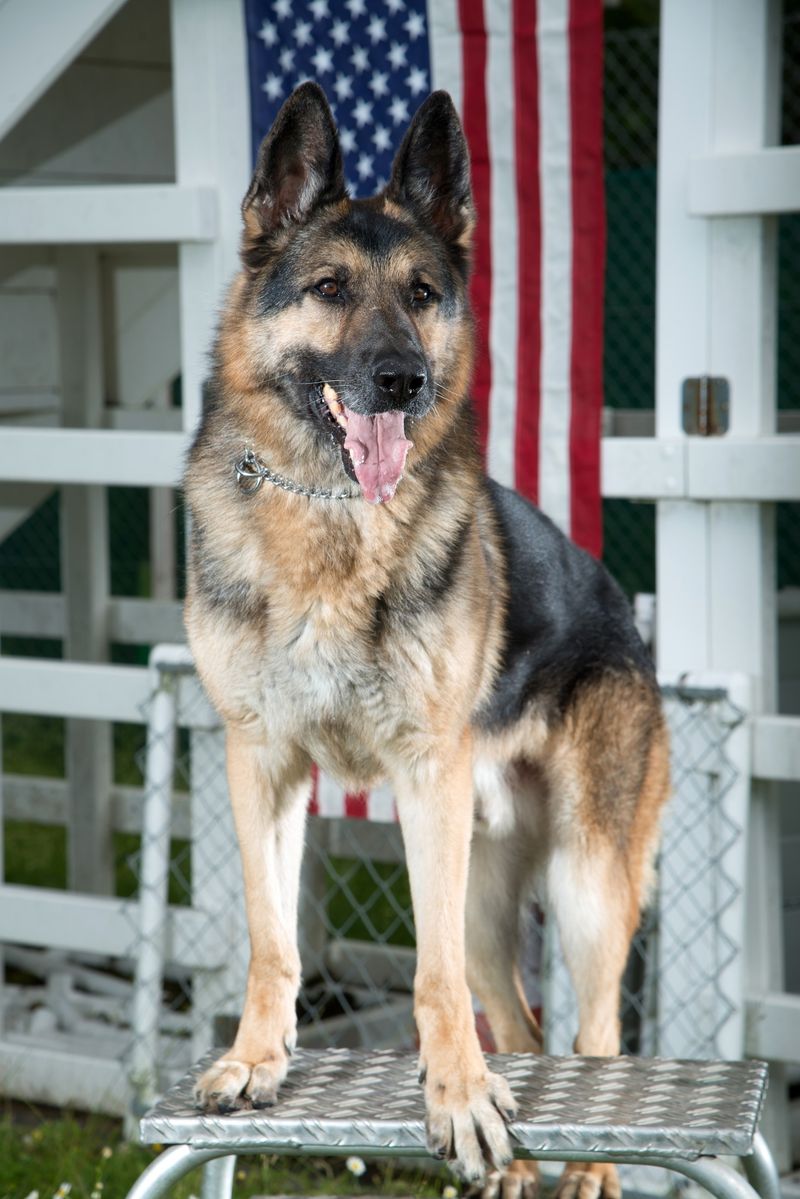
Before you notice a distant car door, a German Shepherd often freezes, listens, and maps the sound. Their smart, careful nature makes them great at sorting harmless noises from real changes outside.
Give clear jobs, like a quiet sit when footsteps approach. Reward calm focus.
Short practice sessions near the door teach manners without dulling their sharp senses. A simple phrase, such as “place,” can help them wait politely until you invite a greeting.
Rottweiler – The steady sentinel
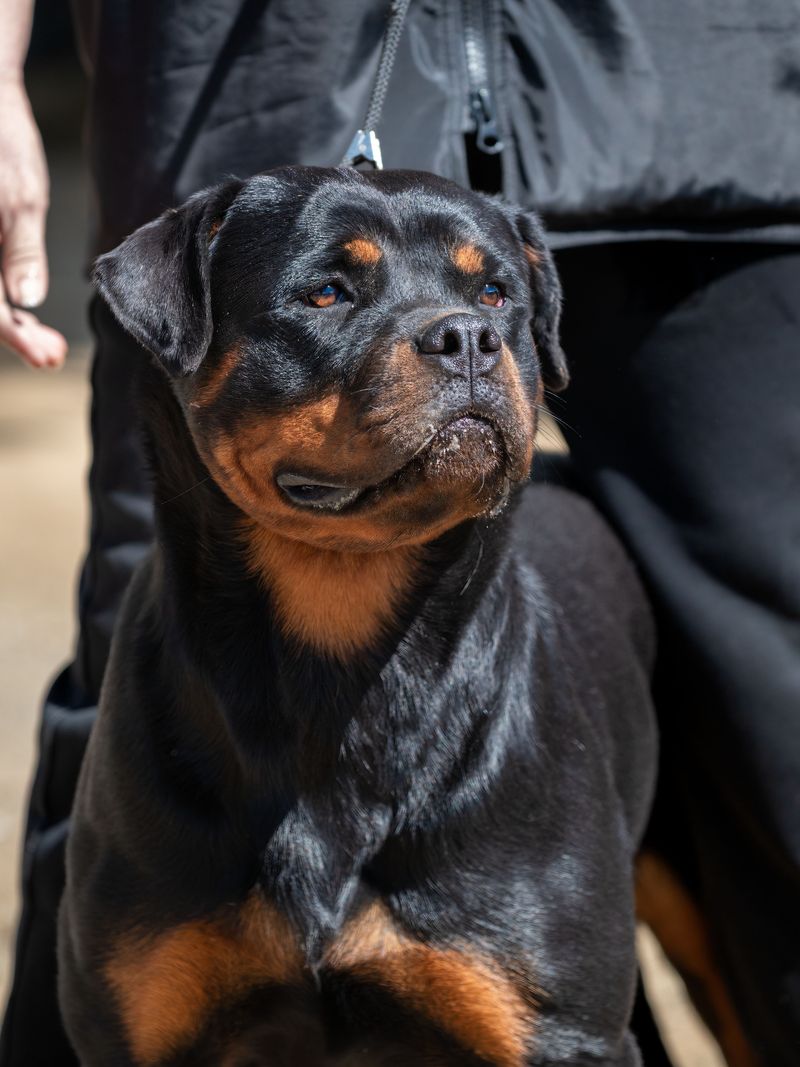
Big presence, quiet mind. A Rottweiler often notices the mail carrier’s rhythm or the neighbor’s gate click long before anyone else.
Rather than rush, many hold their ground and observe first.
Channel that calm power with a routine. Ask for a sit or down when knocks happen, then praise steady behavior.
A textured chew or lick mat away from the door can lower excitement. Predictable rules build trust and keep door greetings smooth and safe.
Doberman Pinscher – The swift responder
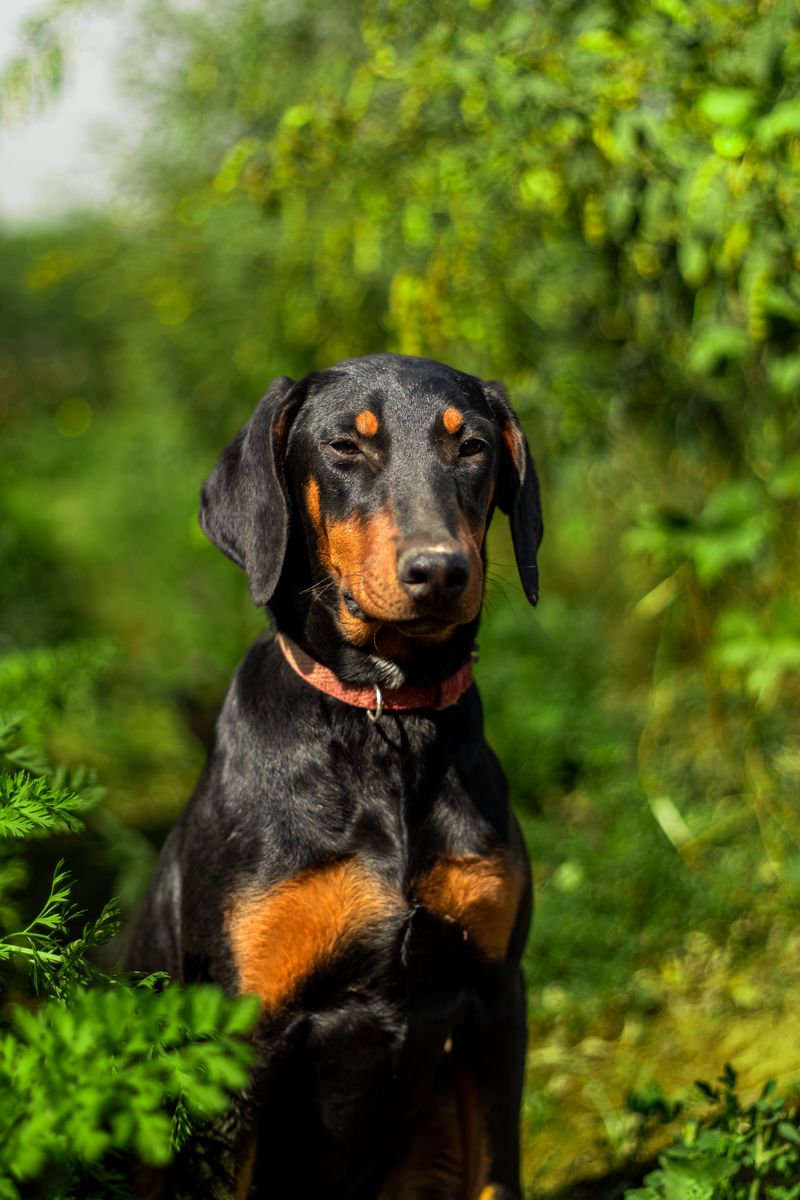
Like a sprinter off the blocks, a Doberman catches tiny cues and moves fast. They notice the soft crunch of tires or a shadow on the porch, then pivot from room to door in a blink.
Speed needs structure. Teach a quick recall and a “wait” before opening the door.
Use short leashed practices to shape calm approaches. Plenty of mental games, like scent work with hidden treats, satisfy their sharp minds and smooth their reactions.
Boxer – The cheerful lookout
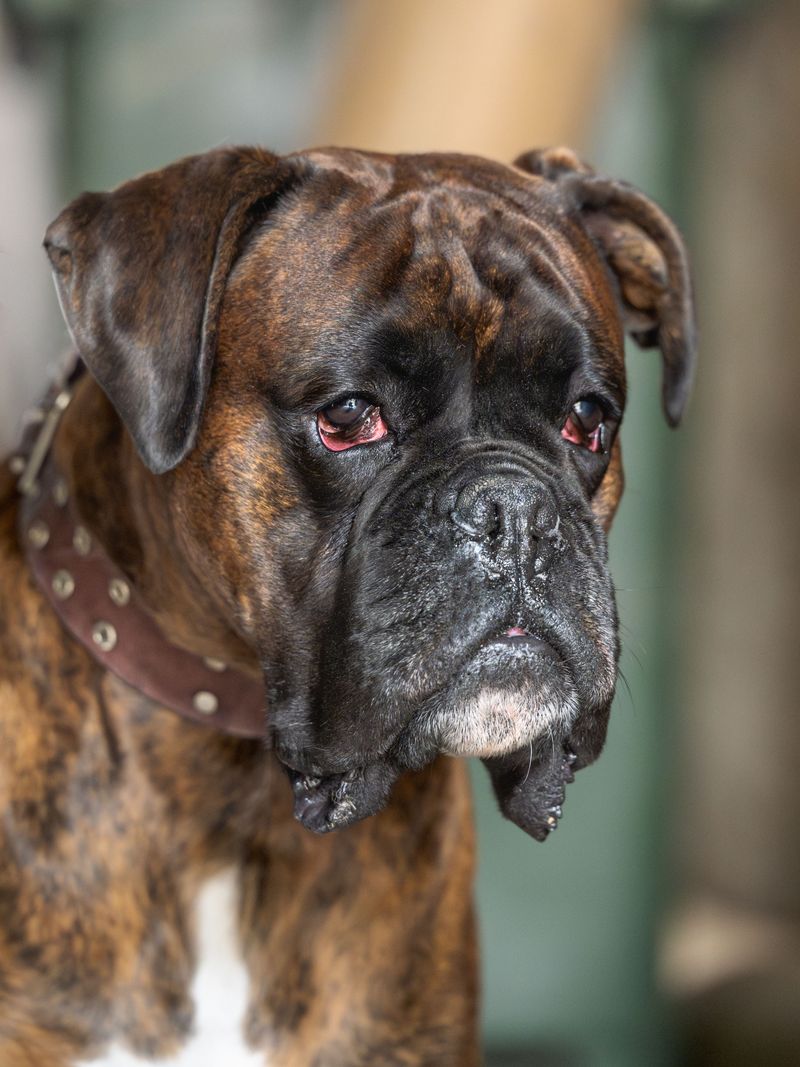
Joy first, questions second. A Boxer often spots movement at the window and turns it into a bouncy announcement.
Their expressive face and wiggly body can be your early doorbell.
Direct that happy energy. Practice a sit-to-greet routine with tiny treats and a calm voice.
A quick game before visitors arrive can take the edge off. If excitement rises, guide to a mat for a brief settle, then release for a friendly hello.
Cane Corso – The composed guardian
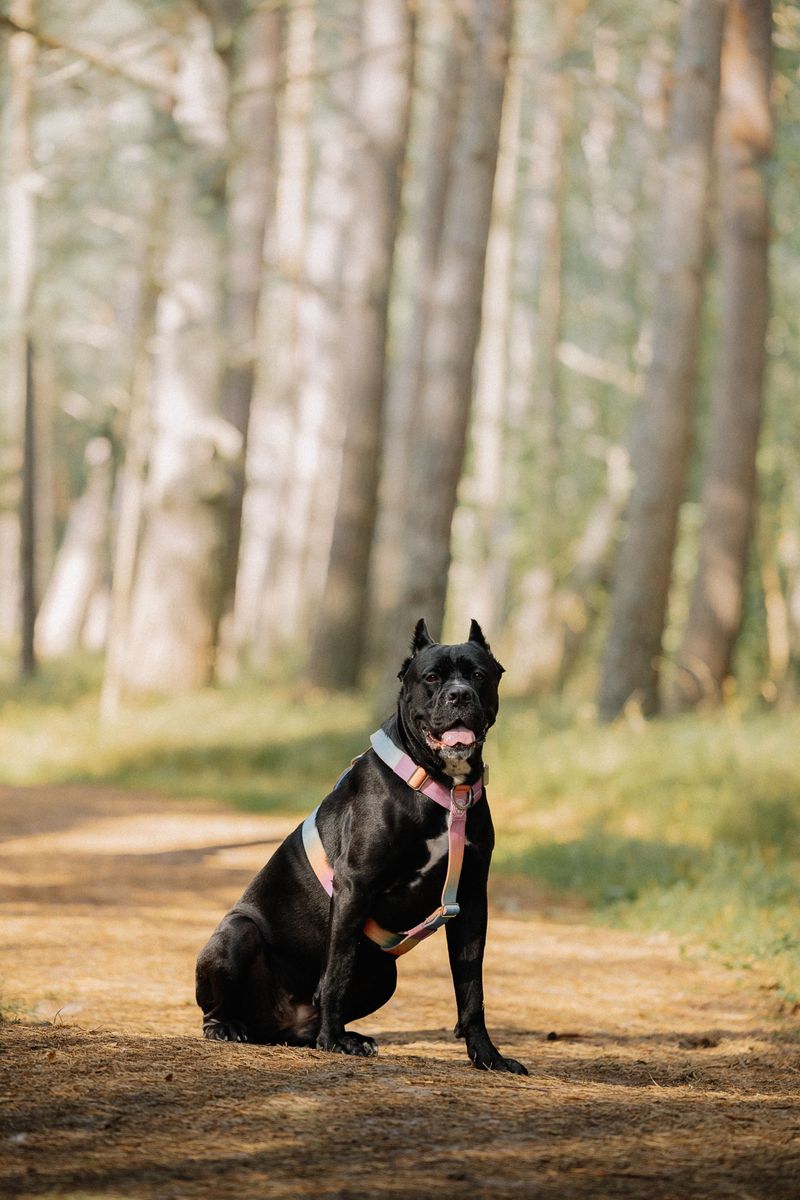
Confidence shows in stillness. A Cane Corso often claims a quiet spot with a full view of the entry and simply watches.
Footsteps down the walkway do not startle them, yet nothing escapes their attention.
Respect that thoughtful nature. Teach a solid stay and a release cue for controlled greetings.
Keep training short and purposeful. A quick sniff of a visitor’s hand by invitation can confirm safety, then a calm return to their post keeps order.
Akita – The reserved observer
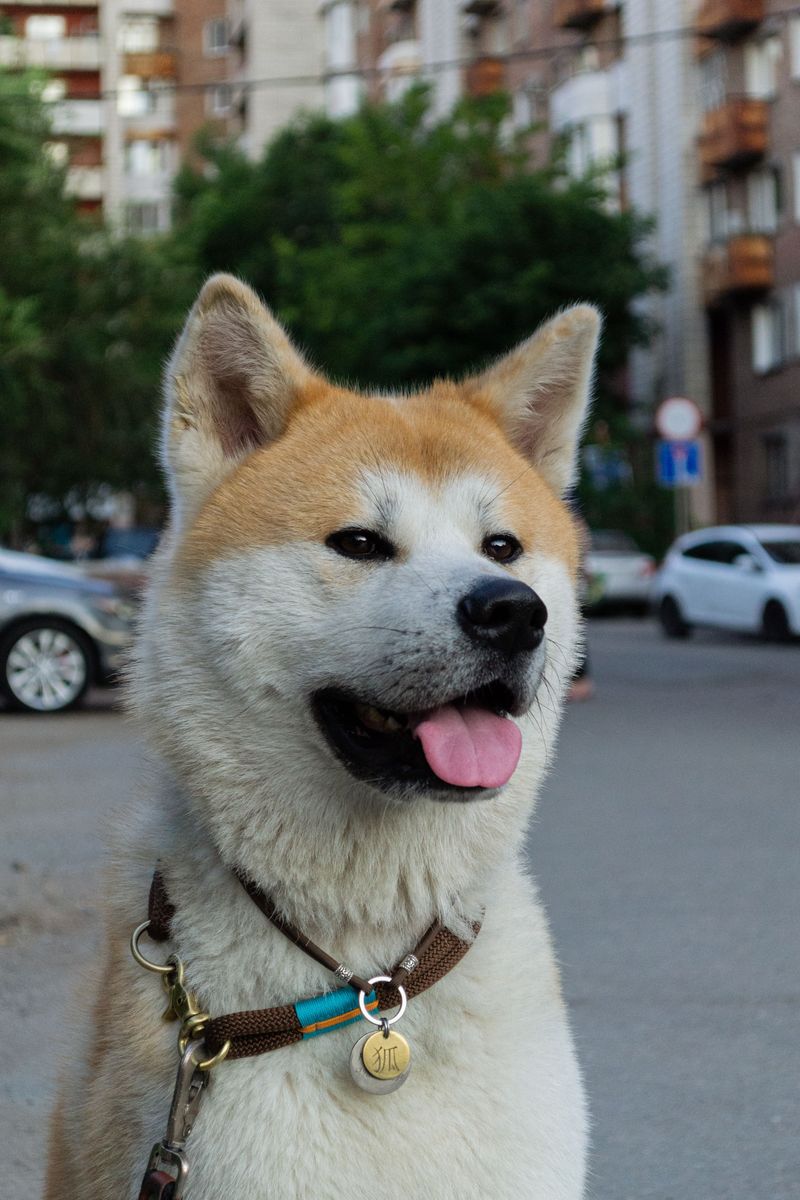
Silence can speak clearly. An Akita may watch the door without a sound, measuring patterns outside and deciding when to alert.
They value space and thoughtful responses over noise.
Build trust with predictable routines. Offer a designated lookout spot and reward quiet checks with gentle praise.
Practice calm leash introductions for guests. Respect their independence while guiding polite choices, and you get a steady partner who signals early but avoids unnecessary fuss at the threshold.
Giant Schnauzer – The industrious inspector
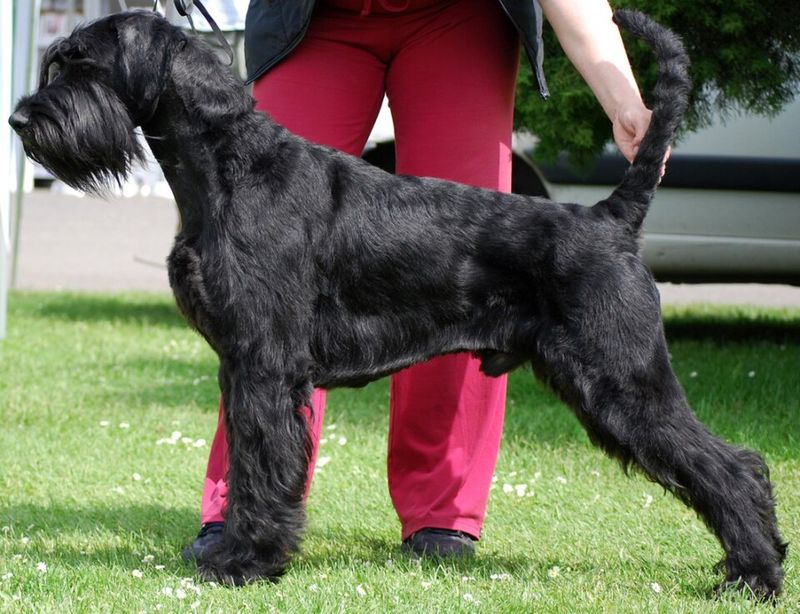
Work first, play later. A Giant Schnauzer treats the doorway like a checkpoint, scanning scents and sounds.
They notice routine delivery times and respond with focused intensity.
Give tasks that channel drive. Teach a pattern: alert, go to mat, wait, then release to greet.
Rotate puzzle feeders and scent games to keep their mind busy between shifts. Consistency turns their natural vigilance into a helpful, polite system that makes arrivals smooth for everyone.
Great Pyrenees – The calm night watch
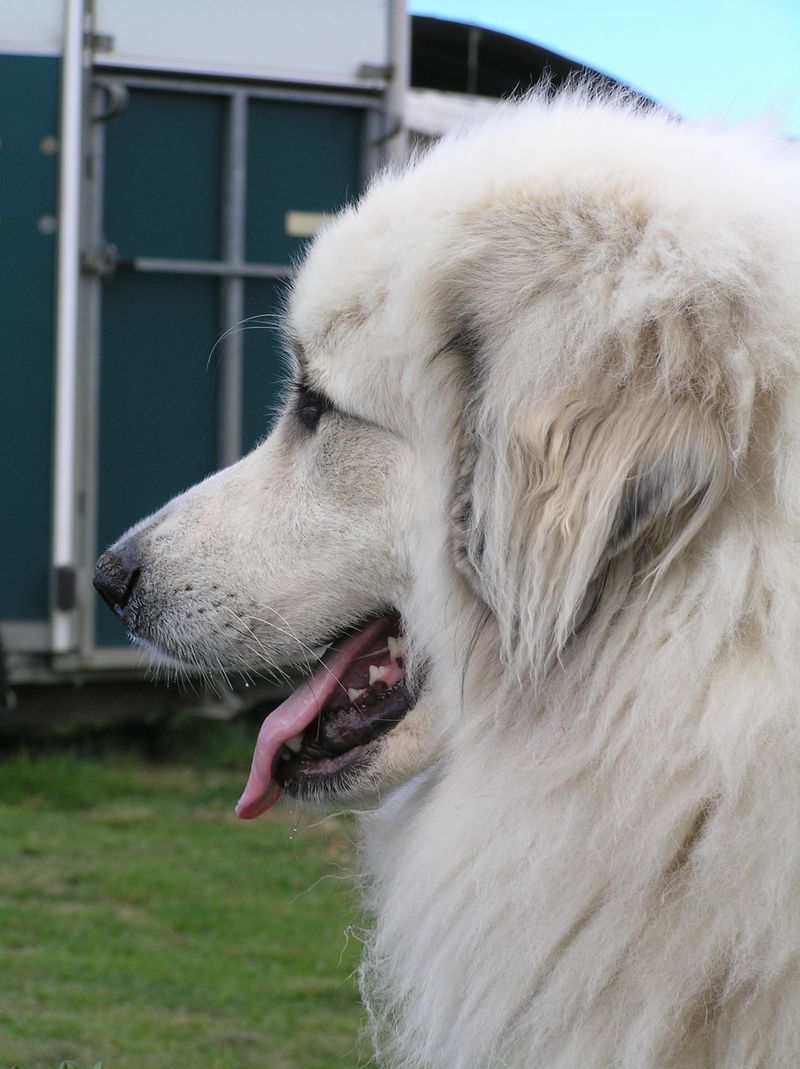
Nighttime is their favorite shift. A Great Pyrenees listens from a cozy post, catching distant sounds you miss.
They were bred to watch flocks, so slow and steady suits them well.
Encourage quiet alerts. Reward a soft chuff or sit, not loud barking.
Keep walks and sniff time generous to meet their need to patrol. A comfy bed near the entry helps them relax while still keeping tabs on whoever approaches after dark.
Rhodesian Ridgeback – The poised scout
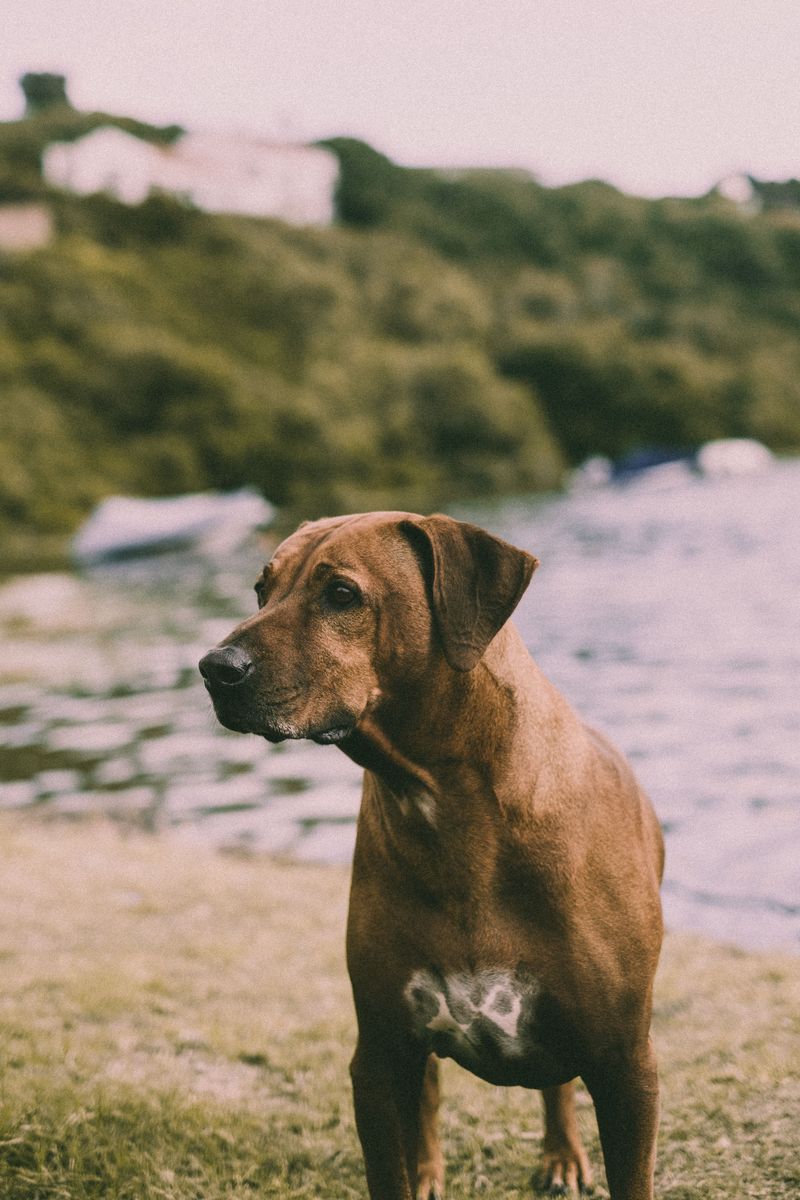
Nothing flimsy about their focus. A Rhodesian Ridgeback reads the world with quiet strength, noticing a jogger’s pace or a delivery cart well before the bell.
Many prefer to verify calmly, then decide.
Shape that poise with simple rules. Ask for a stand-stay or a sit at the side of the door.
Reward delayed reactions and eye contact. Short sprints or scent games before guests arrive help take the edge off, keeping greetings cool and controlled.
Standard Schnauzer – The bright doorman
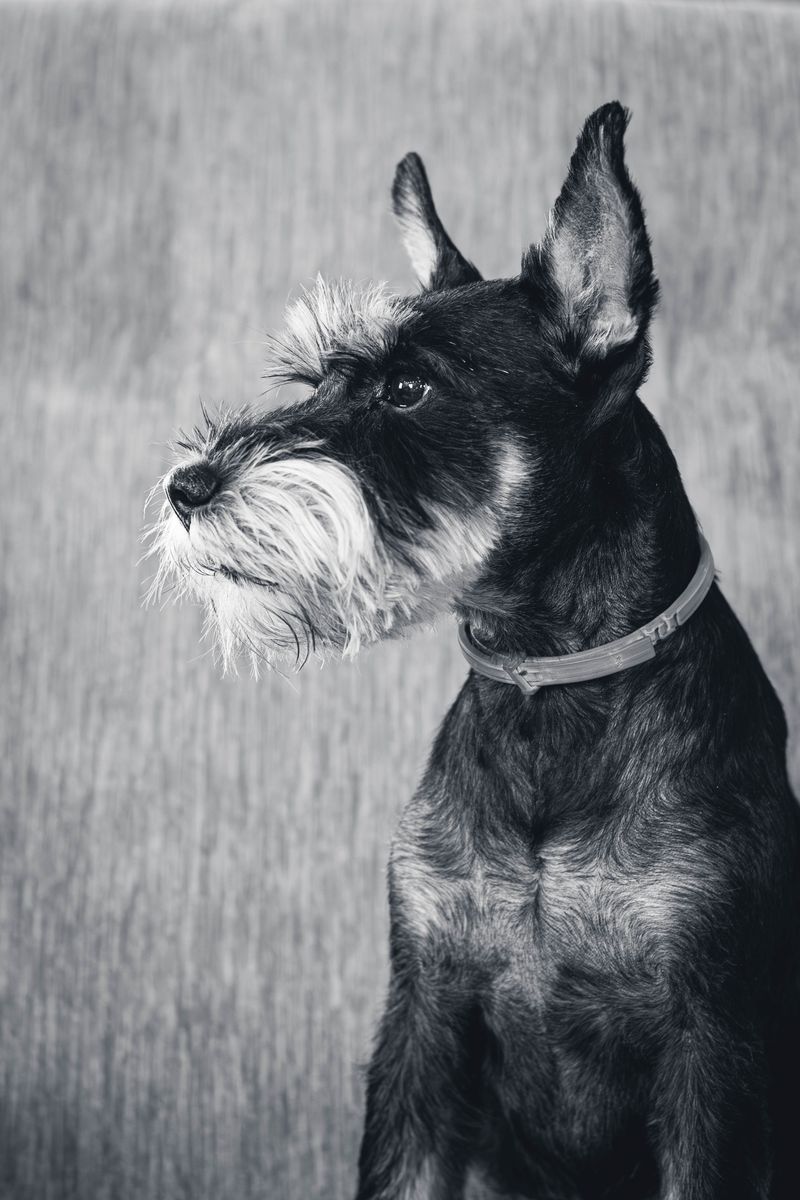
Curiosity powers their patrol. A Standard Schnauzer notices patterns like the neighbor’s stroller or the school bus stop.
Quick learning makes them eager to help manage the door routine.
Teach a greeting script: two quiet alerts, then to the station. Use hand signals to reduce noise and keep them engaged.
Rotate simple tricks, like touch or spin, to redirect excitement. With practice, they become a smart helper who welcomes guests without chaos.
Bullmastiff – The gentle wall
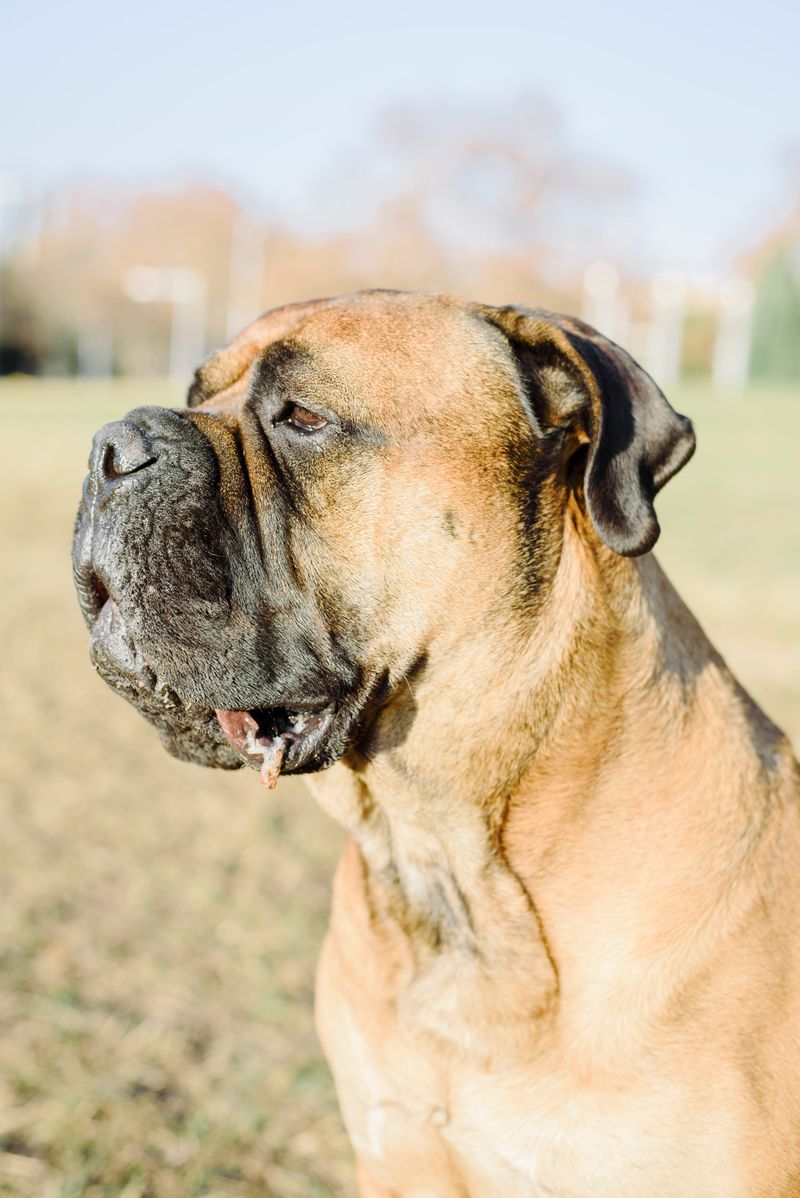
Like a sturdy shield, a Bullmastiff often positions their body between family and entry. They rarely waste energy.
Instead, they monitor quietly and step forward only when needed.
Support that steady style. Practice quiet sits and slow walks to the threshold.
Reward soft eye contact and patient waiting. A calm greeting cue prepares them for friends while keeping boundaries clear.
With simple structure, their natural restraint becomes a reliable early warning without unnecessary fuss.