
Think your daily dog walk is already dialed in? Small mistakes can quietly undo training, raise stress, and even risk safety.
The good news is a few simple tweaks can transform every step into calmer, happier progress. Here are the most common slipups you can fix starting today.
Letting your dog pull constantly
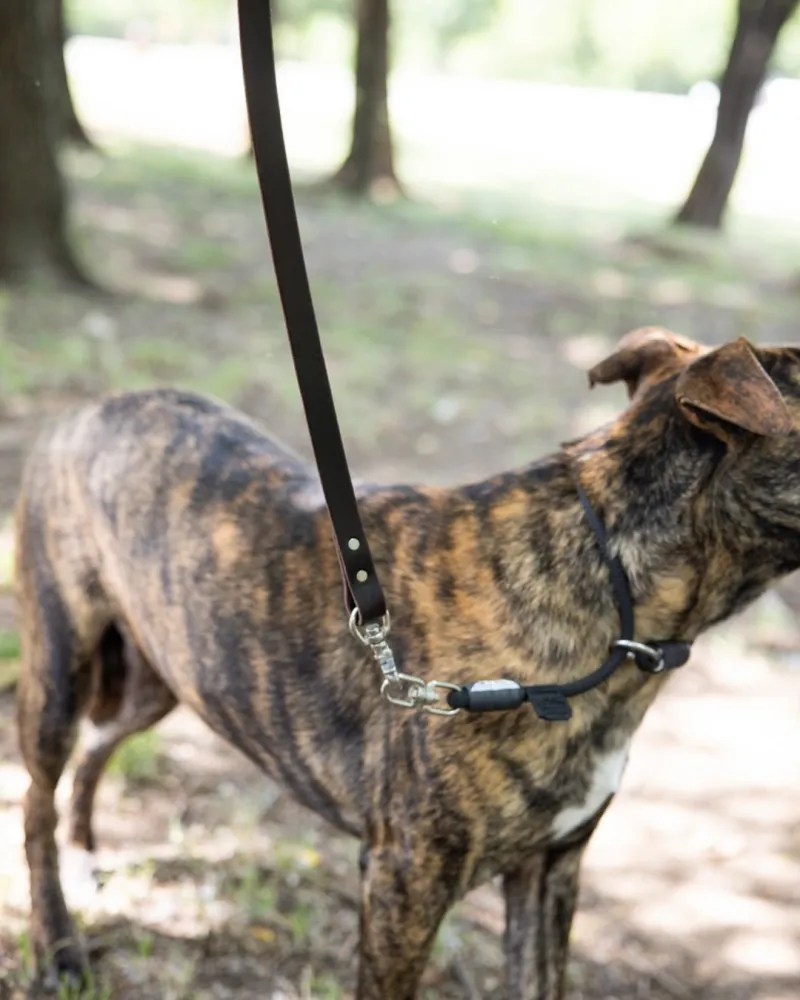
Letting your dog drag you turns every walk into a stressful tug of war. It rehearses frantic energy, tightens the leash, and actually rewards pulling with forward movement.
Over time, muscles tense, joints strain, and manners disappear. You also lose the chance to teach calm focus.
A pulling habit can escalate into reactivity because your dog is already over aroused.
Teach a reliable stop and go routine. Reward slack-leash steps, then pause when tension appears.
Use a front-clip harness for leverage and clarity. Change direction often so your dog checks in with you.
Practice in low-distraction areas before tackling busy sidewalks. A few consistent sessions beat one long battle.
Soon, you will feel proud momentum instead of exhausting resistance.
Skipping sniffing time
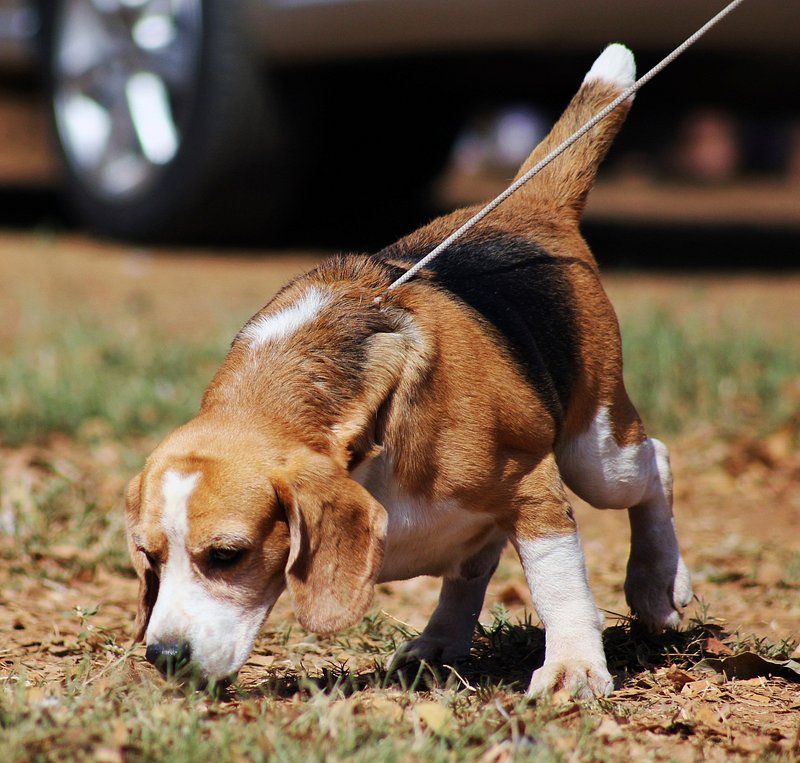
Rushing past every lamppost steals your dog’s main source of news. Sniffing is how dogs read the world, lower their heart rate, and process stress.
Without it, walks become pure cardio with no mental satisfaction. You might notice more pulling, barking, or post-walk restlessness.
Denying this need is like scrolling past every headline and pretending you still understand the story.
Build structured sniff breaks into your route. Mark a start cue, give two to three minutes, then cheerfully say all done and move on.
Use a longer leash where safe to allow freedom with boundaries. Choose sniffy zones like grass edges and tree bases.
You will see softer eyes, looser movement, and fewer meltdowns. A decompressed nose equals a cooperative walker.
Using the wrong leash or harness
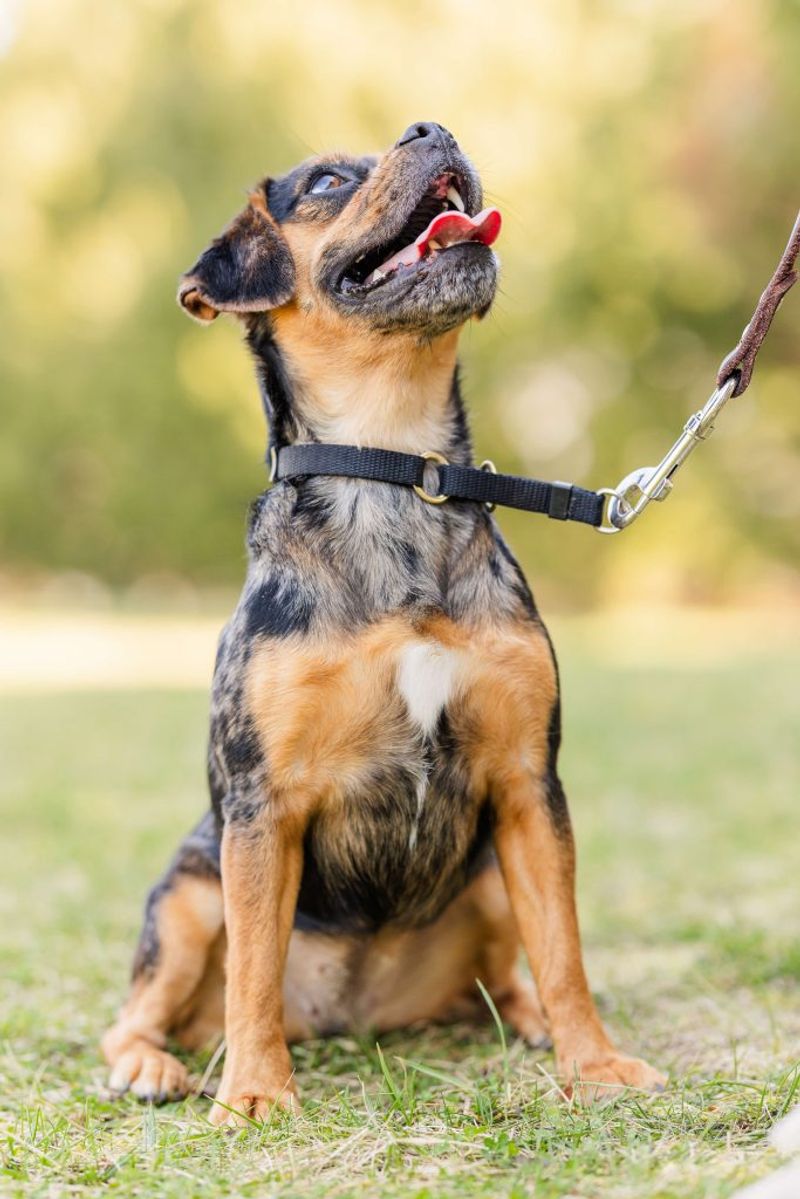
Gear shapes behavior more than people realize. A back-clip harness can encourage sled-dog power, while a front-clip design redirects momentum toward you.
Retractable leashes add tension, teach constant pulling, and reduce control near traffic. Chain collars risk injury and confusion without expert handling.
When tools send mixed signals, your dog experiments with everything except the calm, consistent pace you want.
Start with a sturdy six-foot leash and a well-fitted front-clip harness. Test adjustments in a quiet space before heading out.
Reward position beside your leg, then gradually add distractions. If pulling persists, consult a certified trainer who can fine-tune fit and technique.
Good gear does not replace training, but it removes friction. Clarity turns every step into a teachable moment.
Walking during extreme heat
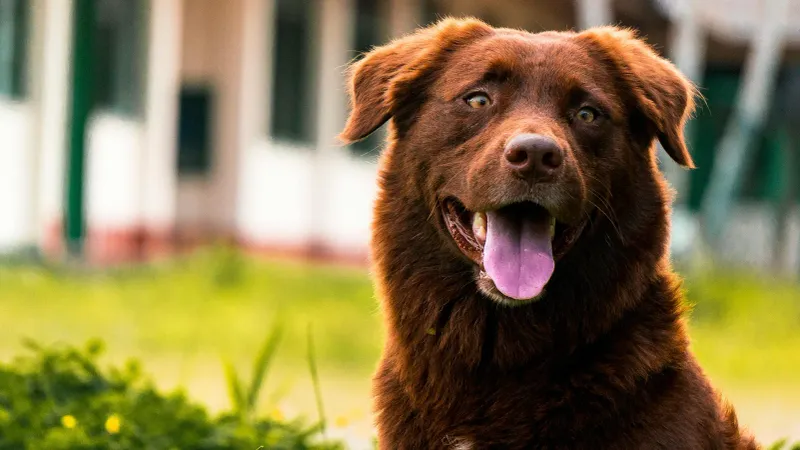
Hot pavement can scorch paws in seconds, even when air feels merely warm. Dogs cool poorly compared with humans and often hide discomfort until it is serious.
Heat stress sneaks up with heavy panting, glazed eyes, wobbling, or refusal to move. Dark coats and brachycephalic breeds struggle fastest.
Afternoon loops that seemed fine last week can become dangerous on surprising days.
Shift walks to early morning or late evening. Test asphalt with the seven-second hand rule before stepping off.
Bring water, seek shade, and limit fetch or jogging. Choose grassy routes and shorter intervals, then monitor recovery at home.
If overheating appears, cool paws and belly with water and call your vet. Safety-first timing turns summer strolls into happy adventures.
Ignoring your dog’s body language
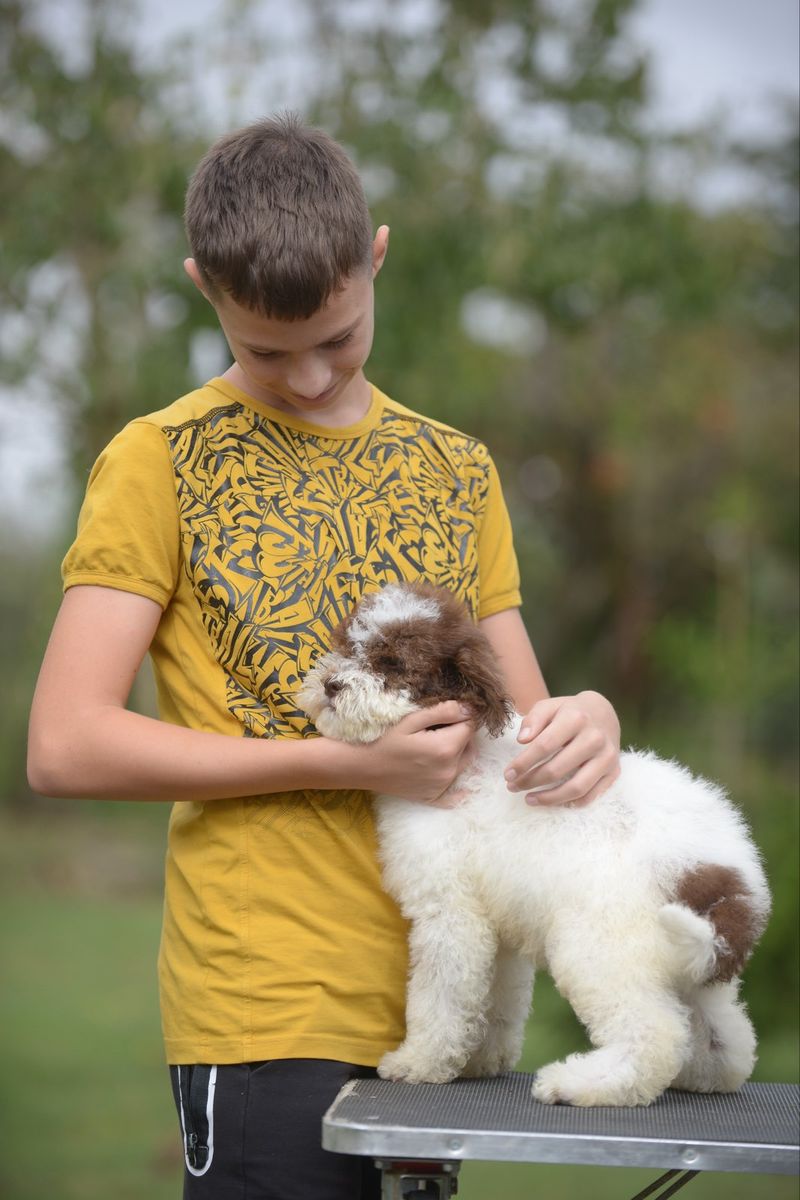
Your dog is constantly whispering with ears, tail, eyes, and weight shifts. Lip licking, yawning, whale eye, or sniffing the ground can signal stress, not stubbornness.
Tight mouths and stiff tails predict explosions. When you miss these hints, situations escalate from polite to panicked.
Listening earlier lets you pivot before trouble starts, saving everyone from frayed nerves and awkward encounters.
Start a habit of scanning every few steps. Ask yourself if posture looks loose, ears are neutral, and tail swings softly.
If tension builds, create space, change direction, or cue a sniff break. Praise small relaxations so your dog learns balance.
Over time, you will trust what you see. Communication turns into teamwork that makes every walk smoother.
Rushing every walk
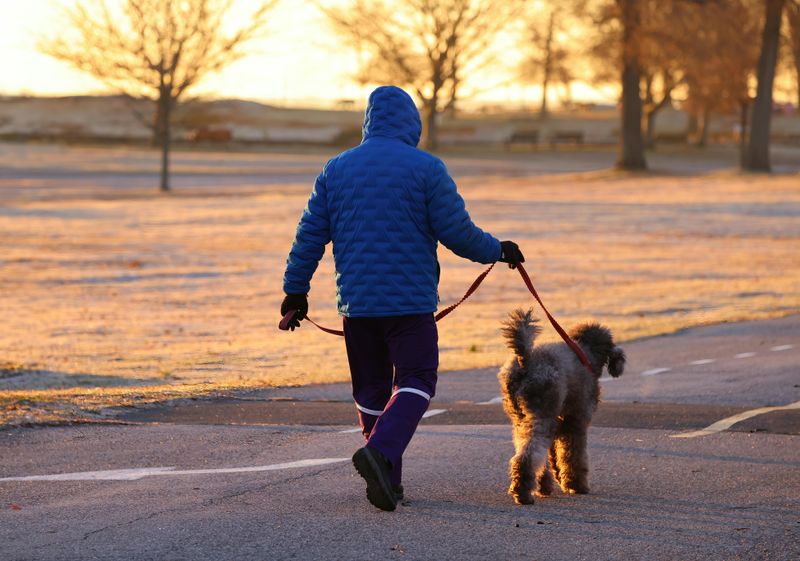
Speed walking might burn your calories, but it often burns your dog’s patience. Constant hurrying ignores bathroom timing, sniffing needs, and processing time after surprises.
When pace outruns comfort, frustration grows and manners fall apart. You will see weaving, lunging, or frozen feet.
A rushed loop can undo a week of training because stress memories stick harder than praise.
Try a rhythm of move, pause, explore. Build five-minute segments that mix walking, sniff breaks, and simple cues like sit or touch.
Celebrate cooperative steps, then breathe with your dog. Shorter circuits with better quality beat endless marching.
On busy days, trade distance for enrichment. When you slow down, your dog relaxes, learns, and comes home satisfied instead of wired.
Allowing unsafe greetings
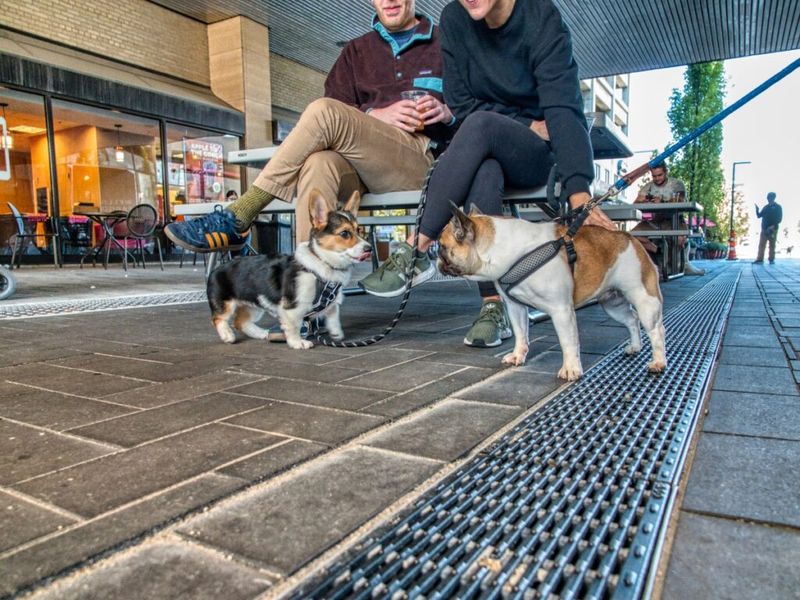
Friendly does not mean safe when leashes tangle and arousal spikes. Running straight in, face to face, is rude dog etiquette and can trigger snapping.
Tight leashes add pressure that removes escape options. Some dogs are recovering from injuries or fear, and surprise meetings set them back.
When greetings go wrong, both dogs learn the wrong lessons about strangers.
Ask before approaching, then arc in parallel while watching body language. Keep leashes loose and short enough to prevent wrapping.
Give three-second sniffs, then cheerfully separate and reward calm. If tension rises, create space and move on without apology.
Your job is advocating for safety. Planned, brief hellos keep confidence high and prevent rehearsing messy social skills.
Not bringing water
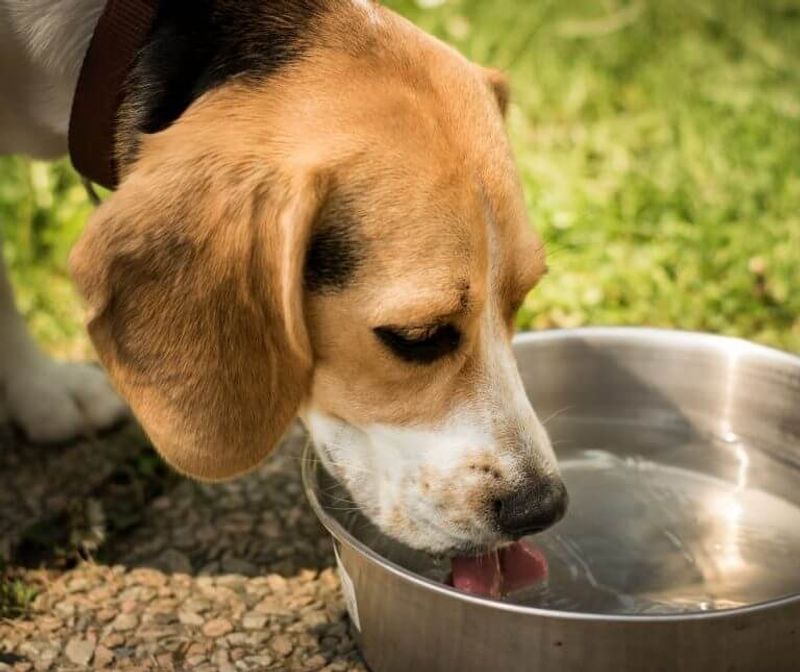
Even on cool days, steady movement and sniffing dehydrate dogs faster than you think. Panting releases moisture with every breath, and small breeds or seniors feel it quickly.
Waiting until a dog gulps at home can invite headaches, tummy upset, and fatigue. Water supports joints, temperature control, and recovery.
Skipping it turns a pleasant loop into a risky gamble.
Pack a collapsible bowl and a lightweight bottle. Offer small sips at regular intervals, especially after play or long sniff sessions.
Choose shaded spots for water breaks so heat does not stack. Add electrolyte solutions made for dogs if your vet approves.
You will notice smoother energy and happier pacing. Hydration is the simplest upgrade most walkers overlook.
Repeating the same route every day
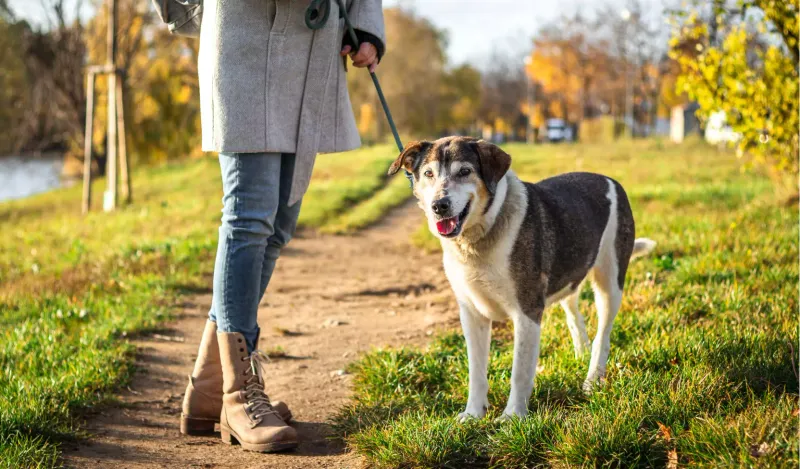
Familiar paths feel easy, but repetition can dull your dog’s brain. Predictable turns mean fewer decisions and less problem-solving.
Boredom breeds scanning for trouble, and then minor triggers stand out sharply. Without novelty, enrichment drops and stubborn behavior rises.
Your walk becomes a routine chore instead of the highlight that nourishes curiosity and confidence.
Shake things up with micro-changes. Reverse the loop, start on a different block, or add mini detours through alleys and parks.
Hide treats to create treasure stops. Rotate surfaces like grass, gravel, and stairs for balanced muscles.
Aim for a few fresh elements each week. Variety builds resilience, sharper focus, and a happier partner who looks forward to exploring.
New sights and smells reset motivation.
Using walks only for bathroom breaks
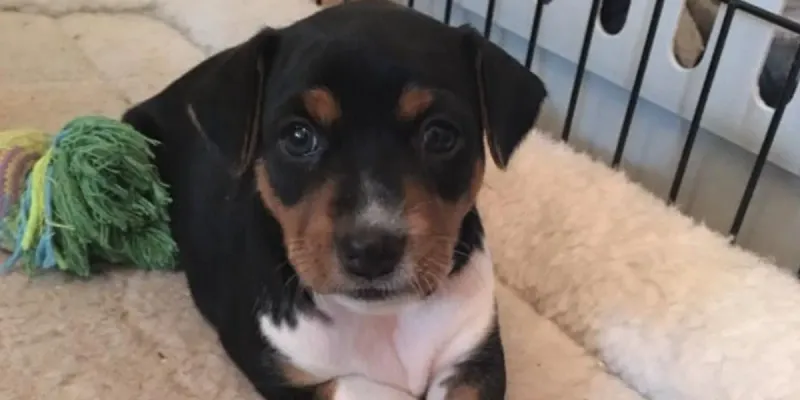
When toilet duty becomes the only goal, your dog learns to rush out, eliminate, and drag home. That habit steals enrichment and reduces stamina.
It also makes bad weather harder because your dog associates outside with pressure. Without variety and play, confidence shrinks.
Walks are a training budget you keep skipping, so results never compound into easier days.
Flip the script. Add games like find it, hand targeting, and hop on a mat.
Sprinkle brief training, then grant sniffing as a paycheck. When elimination happens, calmly praise and continue exploring so the fun is not over.
On stormy days, do a tiny loop with big engagement. Soon your dog views outside as opportunity, not just a bathroom.