
You probably pass dogs on the street every week and guess what they are without a second thought. A lot of the time, that guess is wrong.
Many popular dogs look so much like other breeds that people mix them up all the time. Knowing the real breed helps you understand how a dog acts, what it needs, and why it looks the way it does.
Belgian Malinois
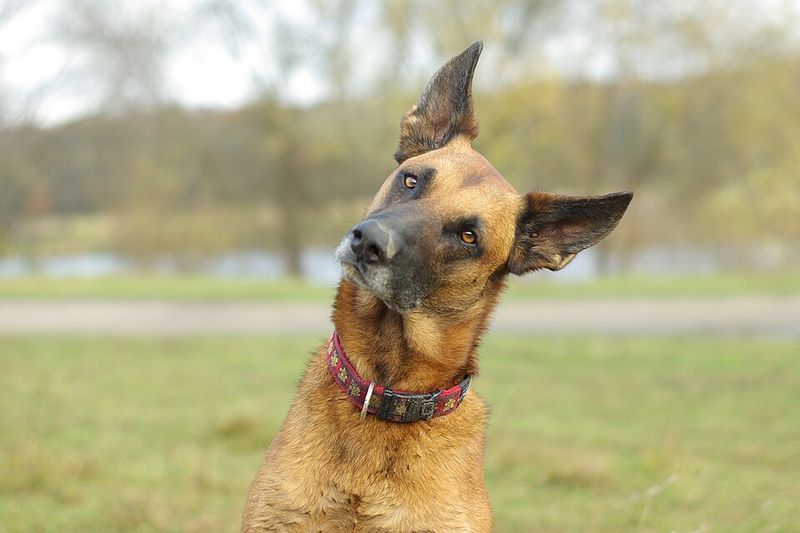
Most folks spot a Malinois and shout German Shepherd. Close, but not quite.
The Malinois is lighter, leaner, and usually has a short fawn coat with a dark face.
Police and military teams love this breed for its speed and focus. One even helped in the 2019 raid that made headlines worldwide.
Thinking of owning one? Be ready for hours of daily training and exercise, or this brainy dog will invent its own fun.
Staffordshire Bull Terrier
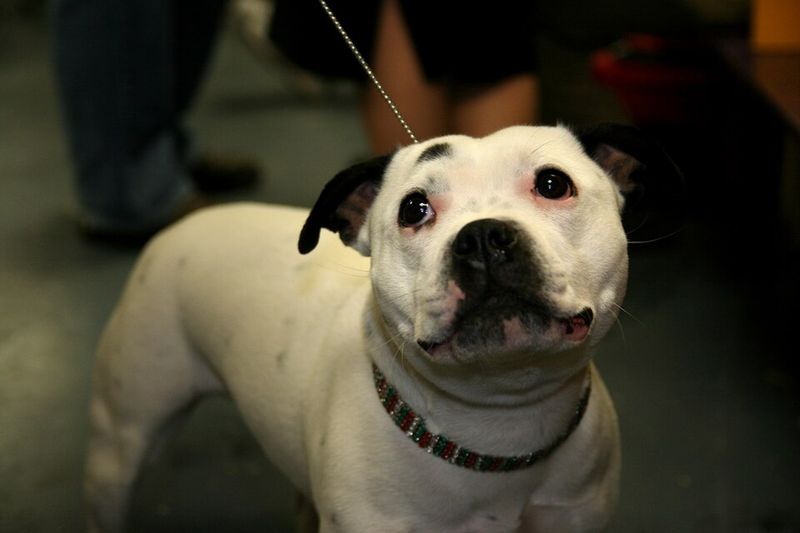
That stocky, smiling dog at the park you called a pit bull? Good chance it was a Staffy.
These pups stand only about 14 to 16 inches tall, much smaller than many people expect.
In Britain, they earned the nickname nanny dog for their love of family. They crave human attention and hate being left alone for long.
Give a Staffy sturdy chew toys, because those powerful jaws can shred soft ones fast.
American Staffordshire Terrier
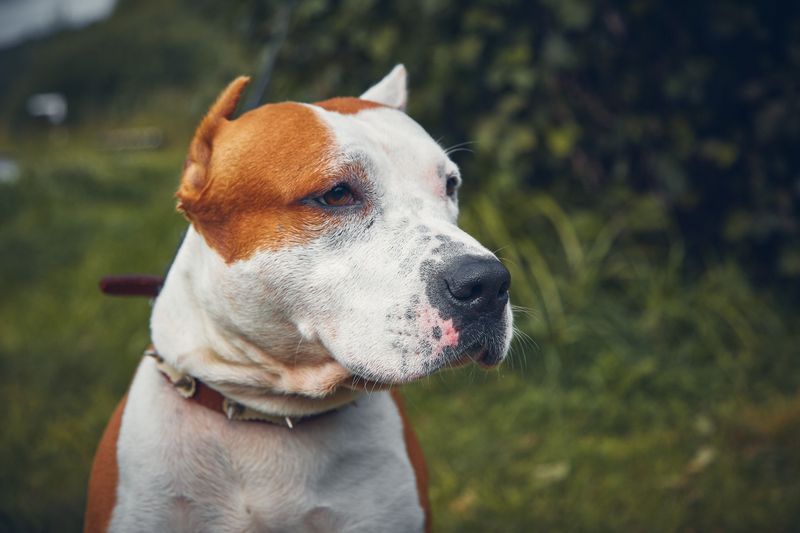
Here is a fun puzzle. The AmStaff and the American Pit Bull Terrier share the same family tree, yet they are registered as different breeds by different kennel clubs.
AmStaffs are taller and heavier than their Staffy cousins from England. They bring tons of energy, loyalty, and a goofy streak to any home.
Early socialization matters a lot here. Puppy classes and meeting new people help them grow into calm, confident adults.
English Springer Spaniel
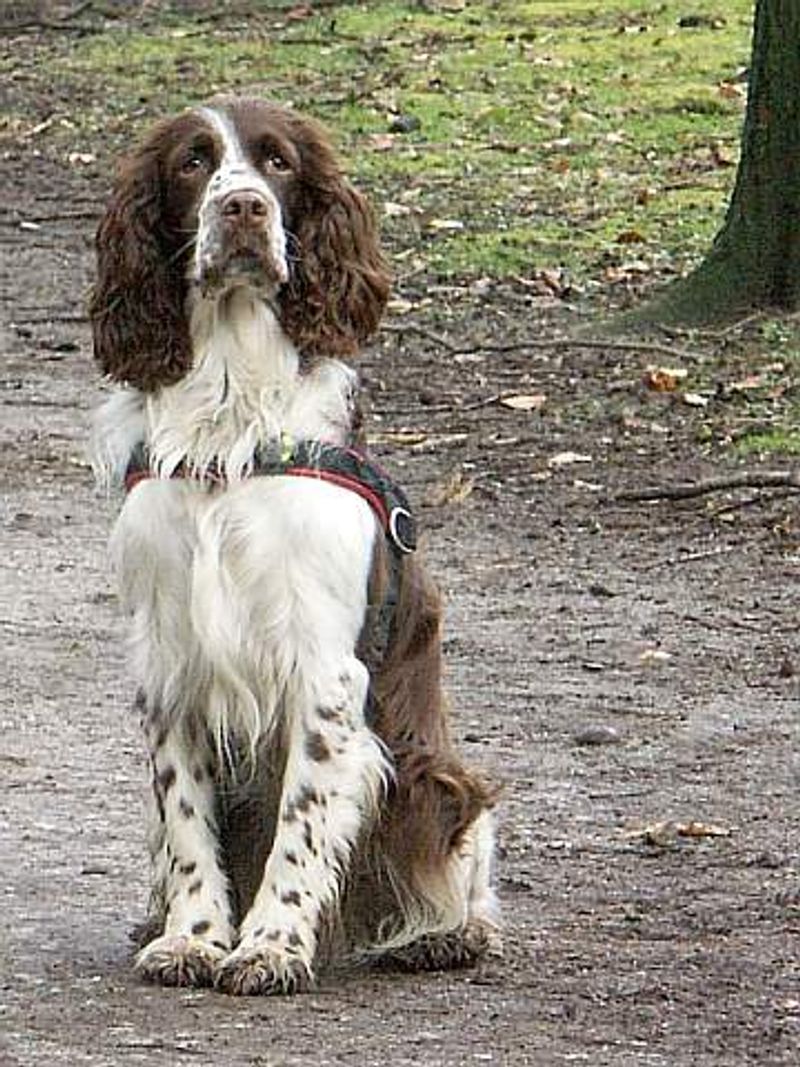
Picture a happy, floppy-eared dog leaping through tall grass. Plenty of people would call it a Cocker Spaniel, but Springers are bigger and longer-legged.
Their name comes from their job. Hunters used them to spring birds out of bushes so they would fly up.
Springers usually come in liver and white or black and white. Weekly brushing keeps their silky coats from tangling, and checking those long ears prevents infections.
Brittany
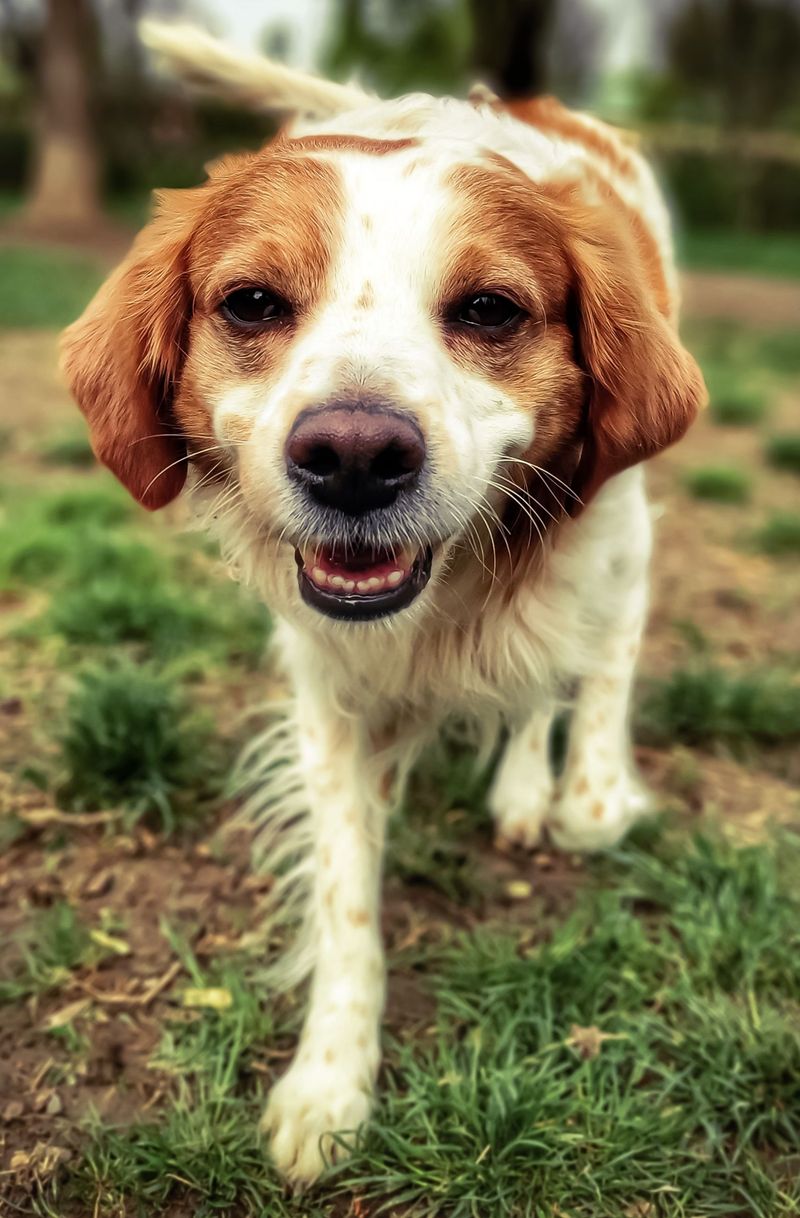
Orange and white, bouncy, and always on the move. Many people guess Brittanys are some kind of spaniel, and for years they actually were called Brittany Spaniels.
In 1982, the American Kennel Club dropped the word spaniel because these dogs hunt more like pointers. They freeze and point at birds instead of flushing them.
A Brittany needs a big daily run. Without one, expect zoomies around the kitchen table.
Miniature Pinscher
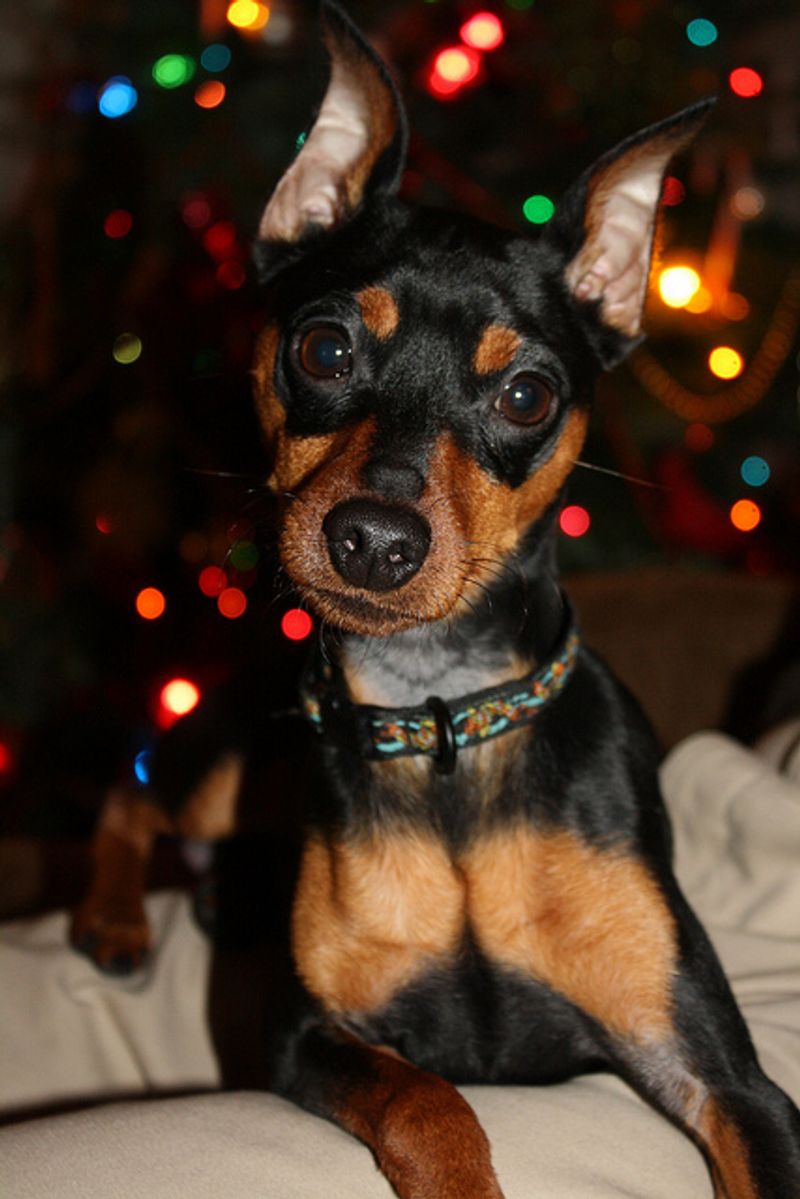
Nope, it is not a tiny Doberman. The Min Pin is actually an older breed from Germany, and it may have existed long before the Doberman did.
Fans call it the King of Toys because it struts with a proud, high-stepping walk like a little show horse.
These small dogs are fearless escape artists. Check your fence for gaps and keep the front door closed, since a Min Pin will dash out in seconds.
Bull Terrier
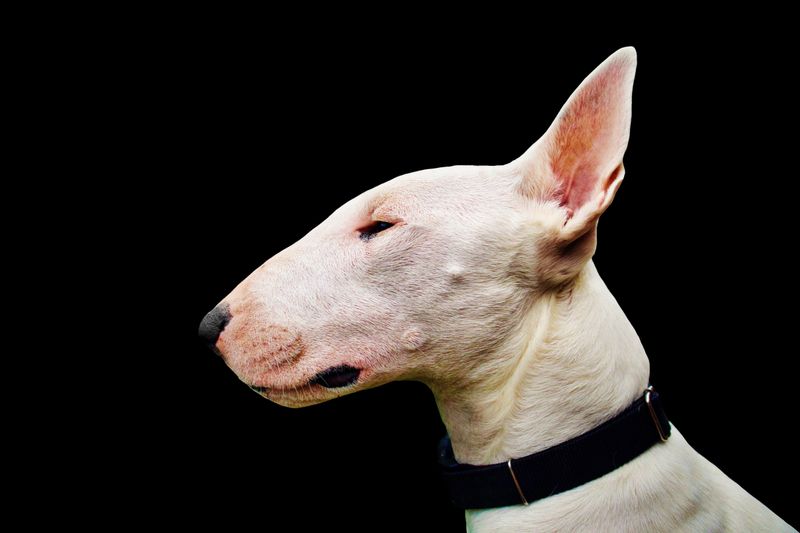
Remember the Target dog with the red circle around its eye? That famous mascot, Bullseye, is a Bull Terrier.
The breed is known for its egg-shaped head, which no other dog really has. Small, triangle-shaped eyes add to that silly, cartoon look.
Bull Terriers are clowns at heart. They chase their tails, play rough, and can be stubborn, so short and upbeat training sessions with treats work best.
Cane Corso
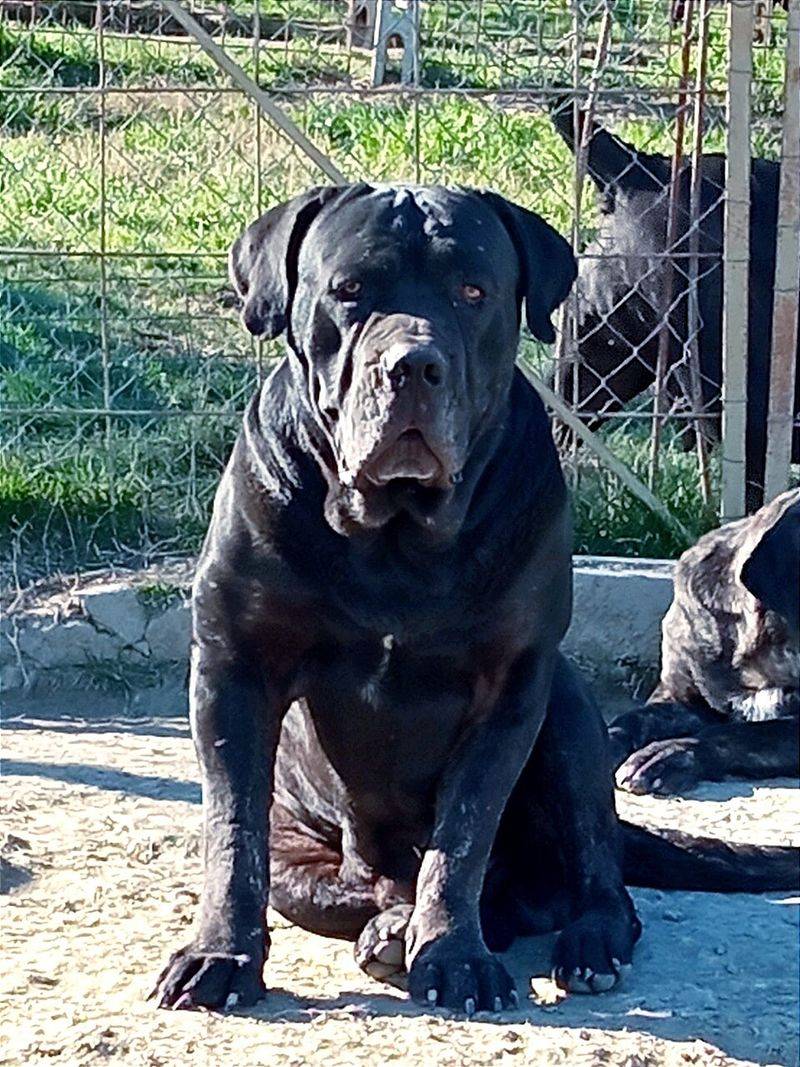
Big, black, and seriously impressive. People often guess Mastiff or Rottweiler when they see a Cane Corso, but this giant hails from Italy.
Its name roughly means bodyguard dog in Latin. Romans once used its ancestors to guard farms and property.
A Corso can top 100 pounds, so training must start early. Calm, firm leadership turns this powerful dog into a loyal and steady family protector.
West Highland White Terrier
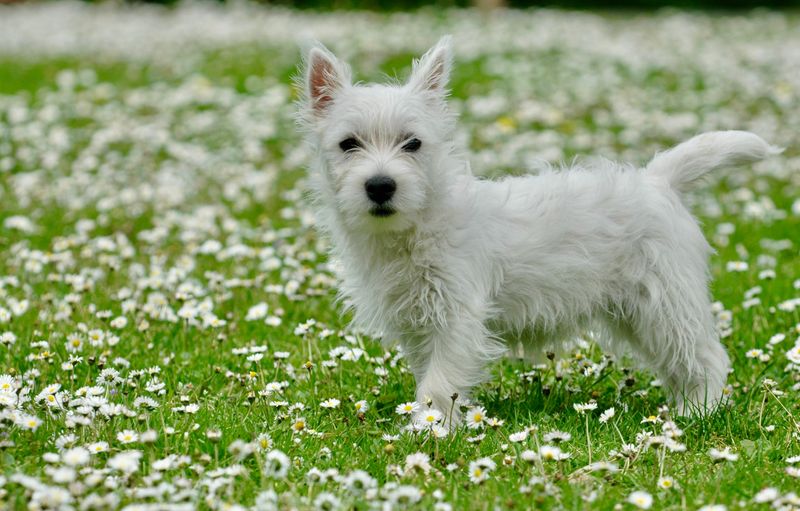
Ever seen the little white dog on Cesar dog food cans? That fluffy star is a Westie.
People sometimes mix them up with Maltese or Bichons, but Westies have a rougher coat and pointy, upright ears. They were bred in Scotland to hunt rats and foxes.
Because of that history, Westies love to dig. A sandbox in the yard can save your flower beds from becoming their next project.
Australian Cattle Dog
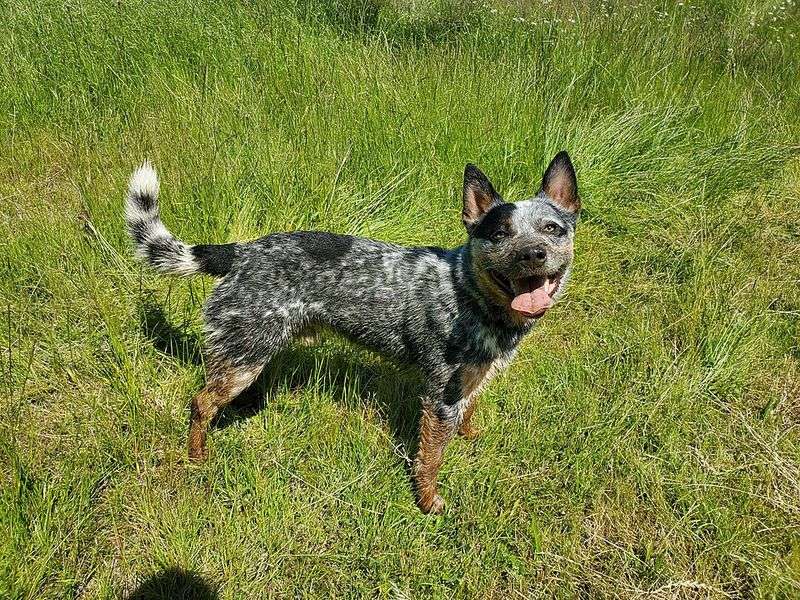
Spot a speckled blue or red dog riding in a pickup truck? It is likely a Blue Heeler, also called an Australian Cattle Dog.
Here is a wild fact. A heeler named Bluey lived almost 30 years, one of the oldest dogs ever recorded.
Their puppies are also born white and get spots later.
These ranch workers nip at heels to herd cattle. Give them puzzles and jobs to keep that habit away from kids.