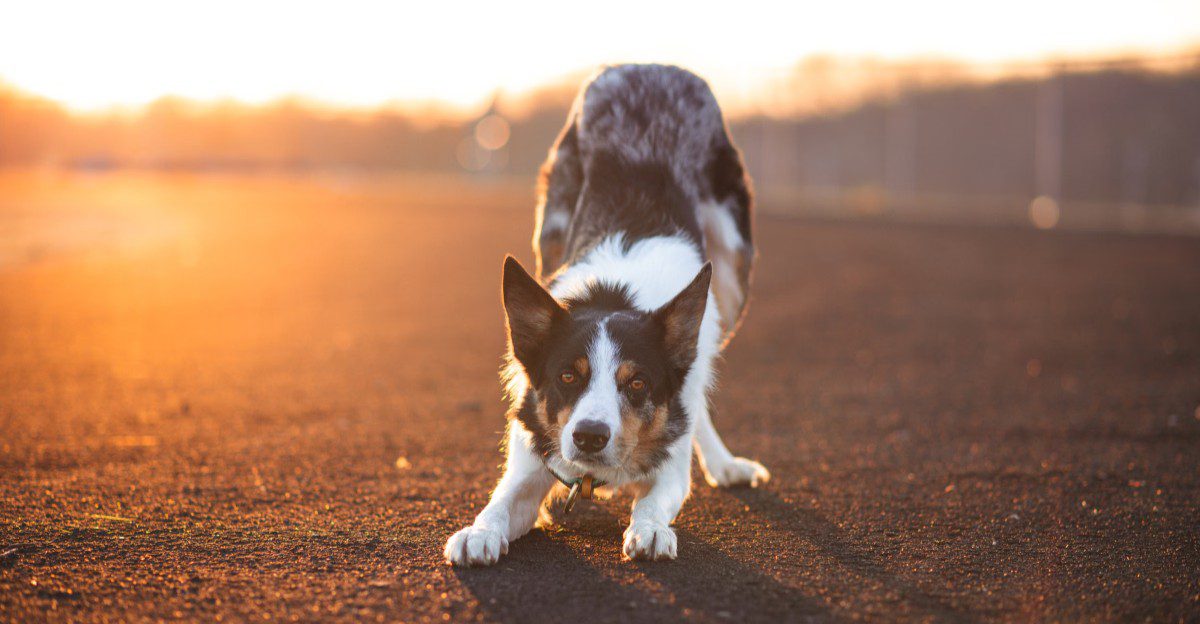
A herding dog does not stop thinking about work just because it lives in a house. Without sheep or cattle to move, that busy brain may turn to chasing, barking, or rounding up family members.
The good news is that everyday games and training can give these dogs a job they enjoy. Here is what different herding breeds need to stay happy at home.
Border Collie: Give that focus a target
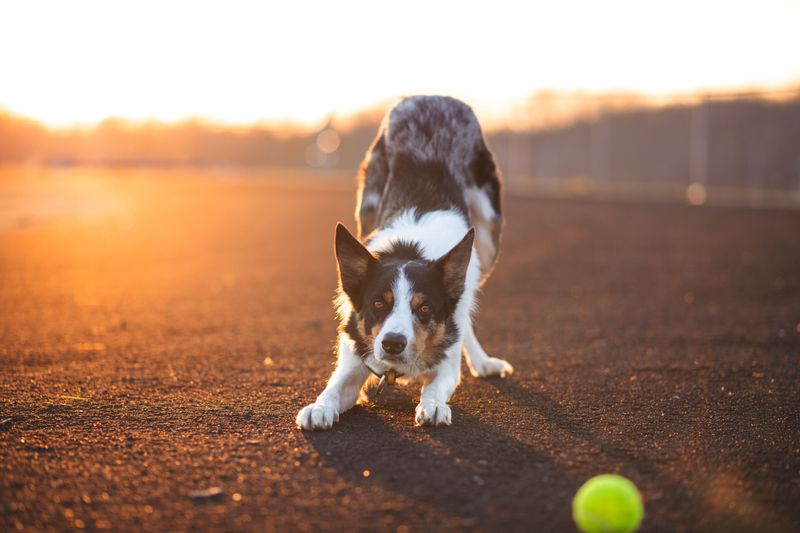
A Border Collie may spot a rolling ball before you even notice it moved. Bred to watch and guide sheep, this dog often enjoys tasks that demand quick choices, not just fast legs.
Try teaching toy names, then ask your dog to bring one from another room.
Keep lessons short and end while the game is still fun. Add calm breaks, too.
A dog that learns to settle is better prepared for ordinary family life.
Australian Shepherd: Make room for teamwork
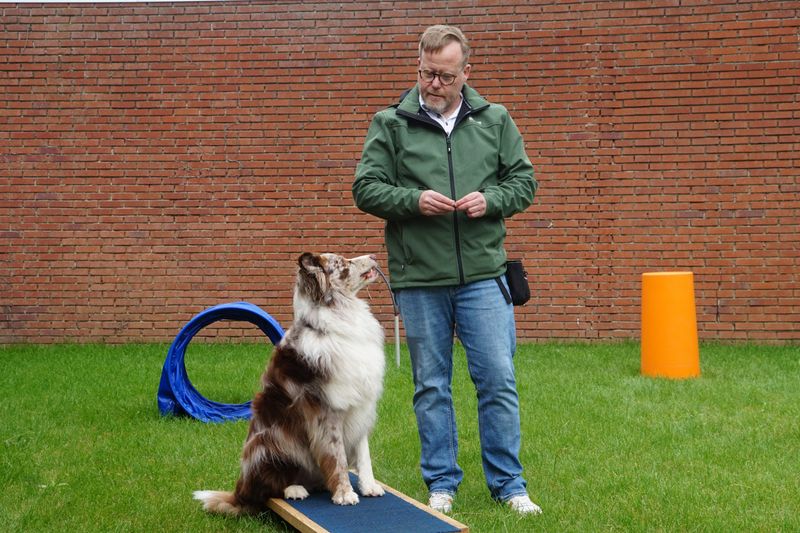
That Australian Shepherd watching your every step is probably hoping to join in. Many Aussies love working closely with their people, so a backyard obstacle course can feel like a real assignment.
Guide your dog around cones, over low poles, and onto a safe platform.
Change the order once your dog learns the basics. Reward careful listening rather than speed alone.
On quiet days, practice a few tricks indoors and finish with a peaceful rest.
German Shepherd: Pair purpose with patience
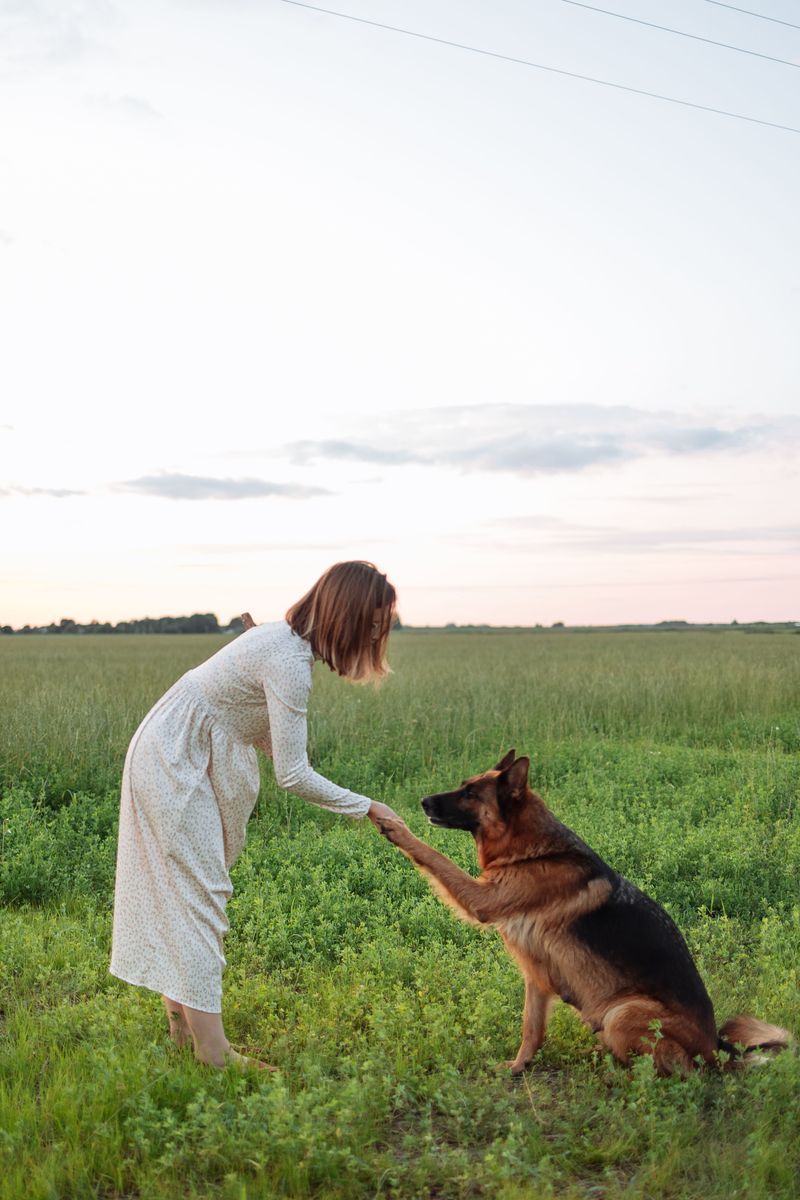
A German Shepherd can look serious even while waiting for a treat. Its herding roots helped shape a dog that often likes clear jobs and steady guidance.
Hide treats in boxes, then let your dog search with its nose. Start with easy finds before making the puzzle harder.
Practice polite greetings and quiet waiting alongside active games. Physical strength is only part of the picture.
Good rest and predictable rules help this eager worker feel secure.
Australian Cattle Dog: Put that drive to work
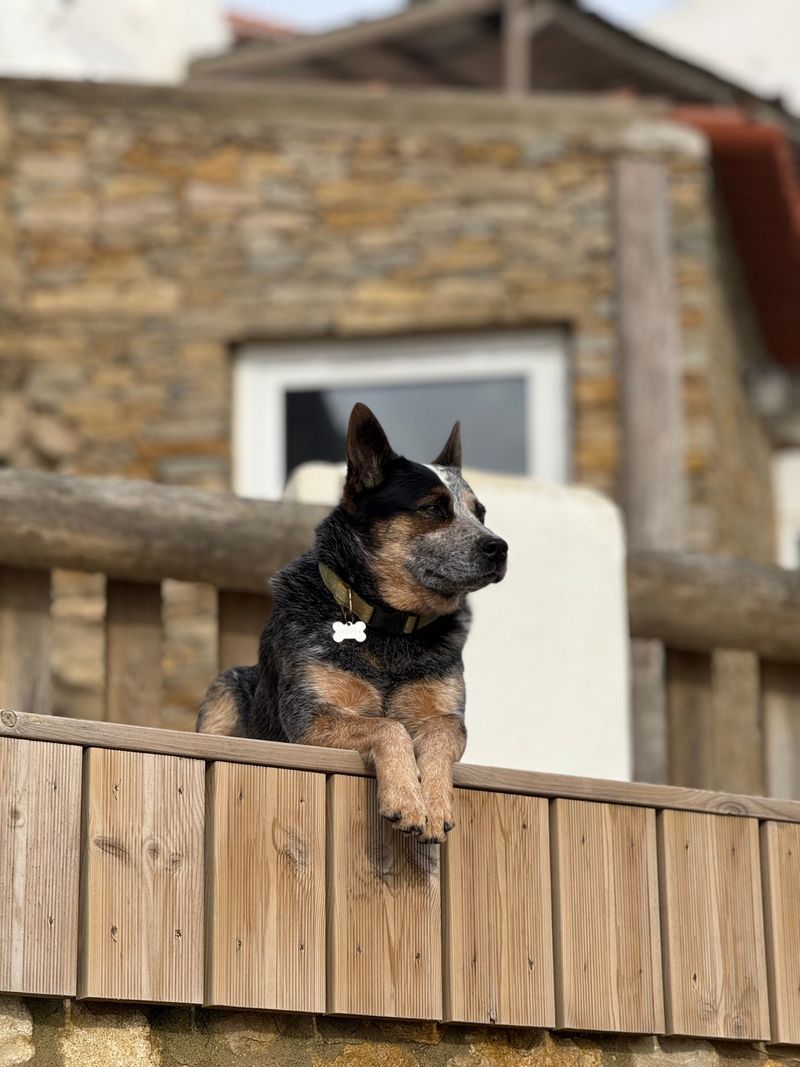
Few dogs take a daily routine as seriously as an Australian Cattle Dog. Developed to move cattle across long distances, this sturdy breed may invent its own work when bored.
Teach a safe carry task, such as bringing a soft toy to a basket, and reward each step.
Mix in sniffing walks and brief training sessions. If your dog nips at moving feet, calmly redirect it to a toy and teach a reliable stop cue.
Shetland Sheepdog: Challenge the little thinker
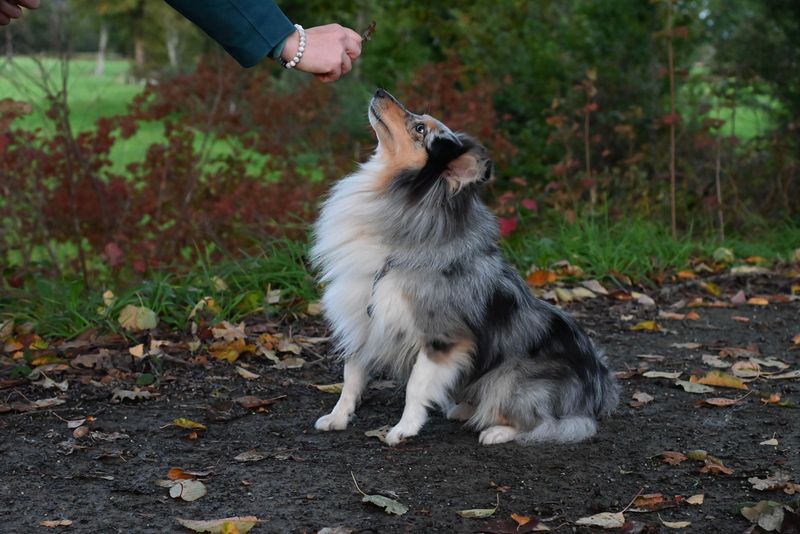
Small paws do not mean small plans. A Shetland Sheepdog often notices tiny changes around the house and may announce them with a bark.
Give that sharp mind a different task: teach a touch cue, then use it to guide your dog between spots.
Reward quiet moments before barking builds. Puzzle feeders can add another gentle challenge on rainy days.
Because Shelties may be sensitive, cheerful practice usually works better than loud corrections or rushed lessons.
Rough Collie: Keep the cleverness gentle
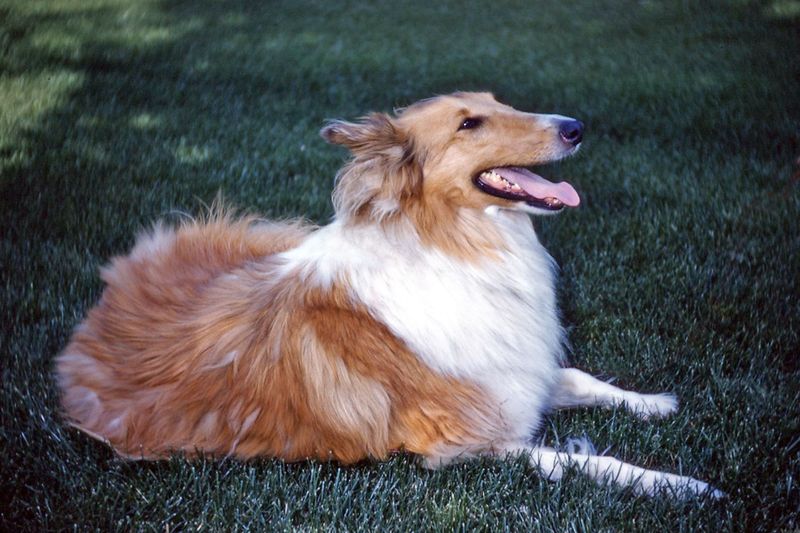
Imagine a fluffy shadow following the family from room to room. Rough Collies often enjoy being involved, and their herding background can make busy household movement especially interesting.
Create a simple treasure trail with a few treats hidden in safe places.
Let your dog search at its own pace, then offer a quiet place to relax. Practice calling your Collie away from running children before excitement grows.
A rewarding alternative beats repeated shouting every time.
Pembroke Welsh Corgi: Think beyond short legs
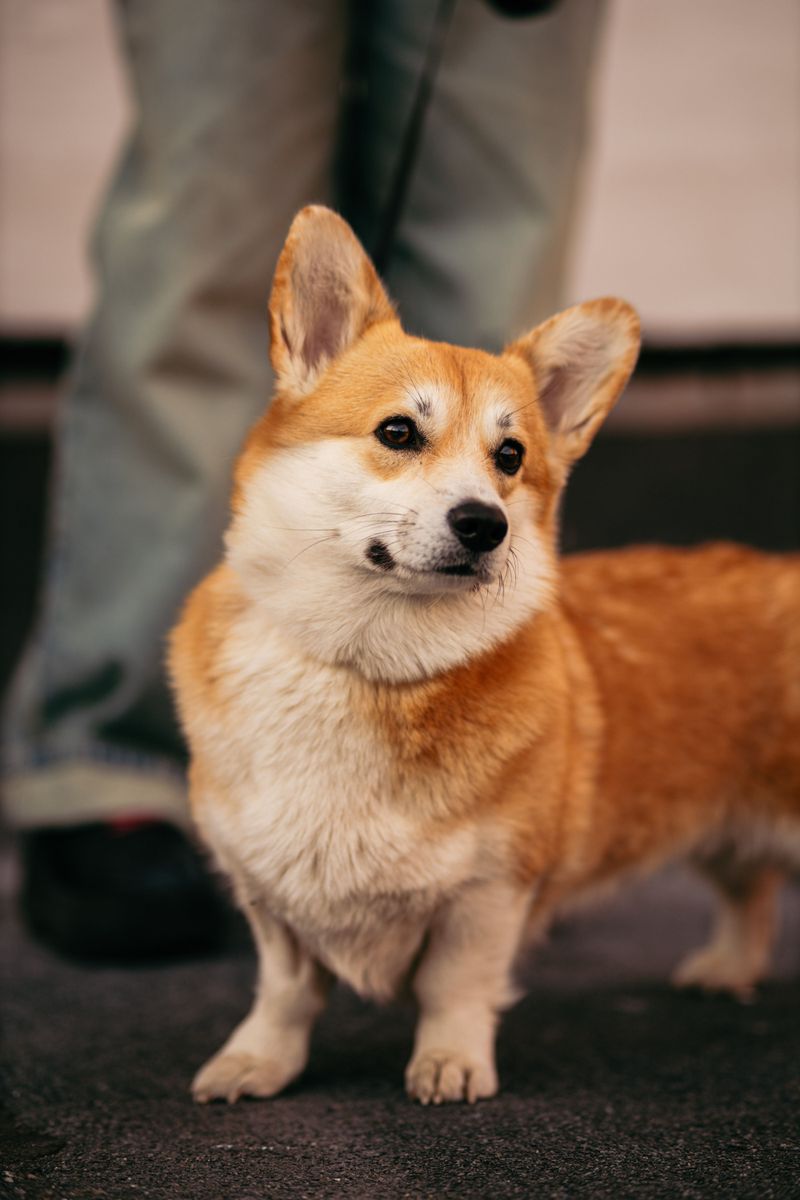
Those short legs once helped Pembroke Welsh Corgis work around cattle. Today, a Corgi may try to steer people through the kitchen instead.
Offer a sturdy treat ball or teach your dog to push a large, lightweight ball toward a target.
Keep play on safe, level ground and avoid too much jumping. Measure treats as part of the daily food allowance.
A thoughtful game can challenge your dog without turning every session into a workout.
Cardigan Welsh Corgi: Let curiosity lead
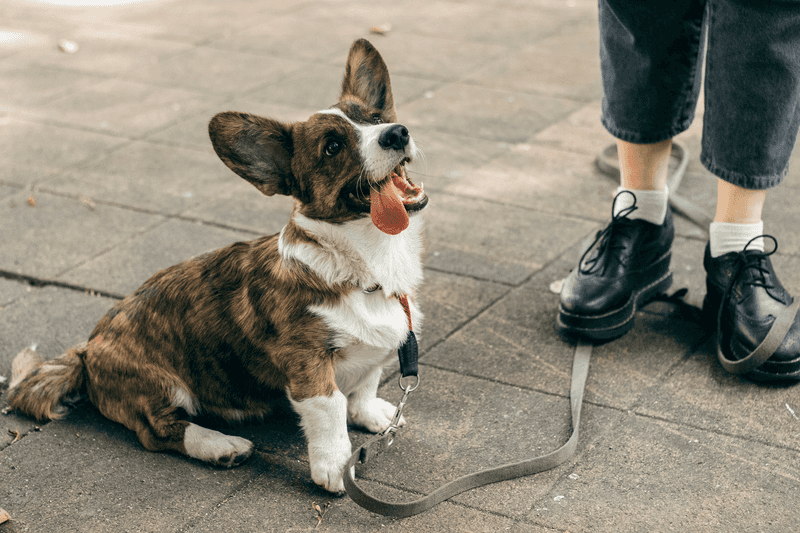
Watch a Cardigan Welsh Corgi investigate a new box, and you may see a busy little problem solver. Give that curiosity a safe outlet with cardboard tubes holding a few treats.
Let your dog work out how to get the food, and supervise so cardboard is not eaten.
Cardigans also benefit from learning when a game is over. Use a simple finish cue, put the puzzle away, and reward settling on a mat.
Old English Sheepdog: Find fun beneath the fluff
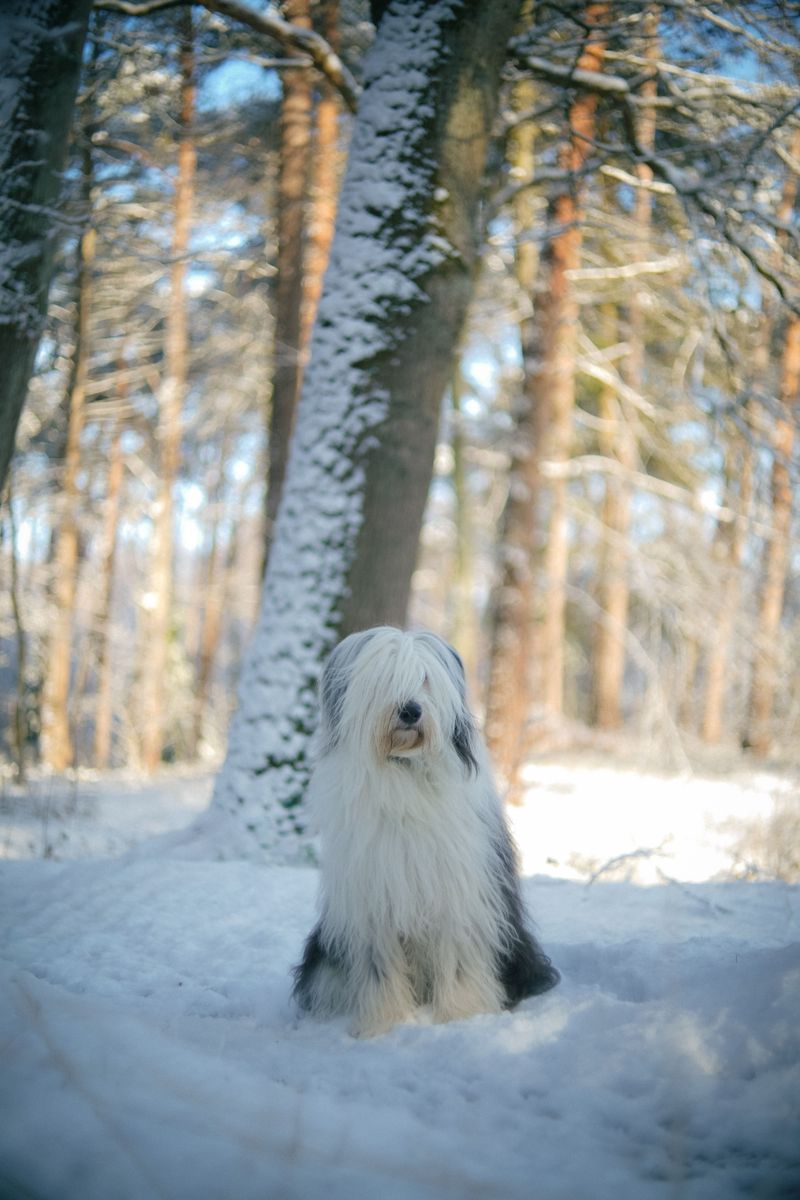
Behind all that shaggy hair is a dog that once helped move livestock. An Old English Sheepdog may enjoy a game of hide and seek with a familiar person.
Begin with easy hiding places and call your dog once, then celebrate when it finds you.
Check that your dog can see clearly during play, and keep the coat brushed to prevent painful mats. Short, cheerful games give this large companion a purpose without demanding nonstop running.
Belgian Malinois: Build an off switch
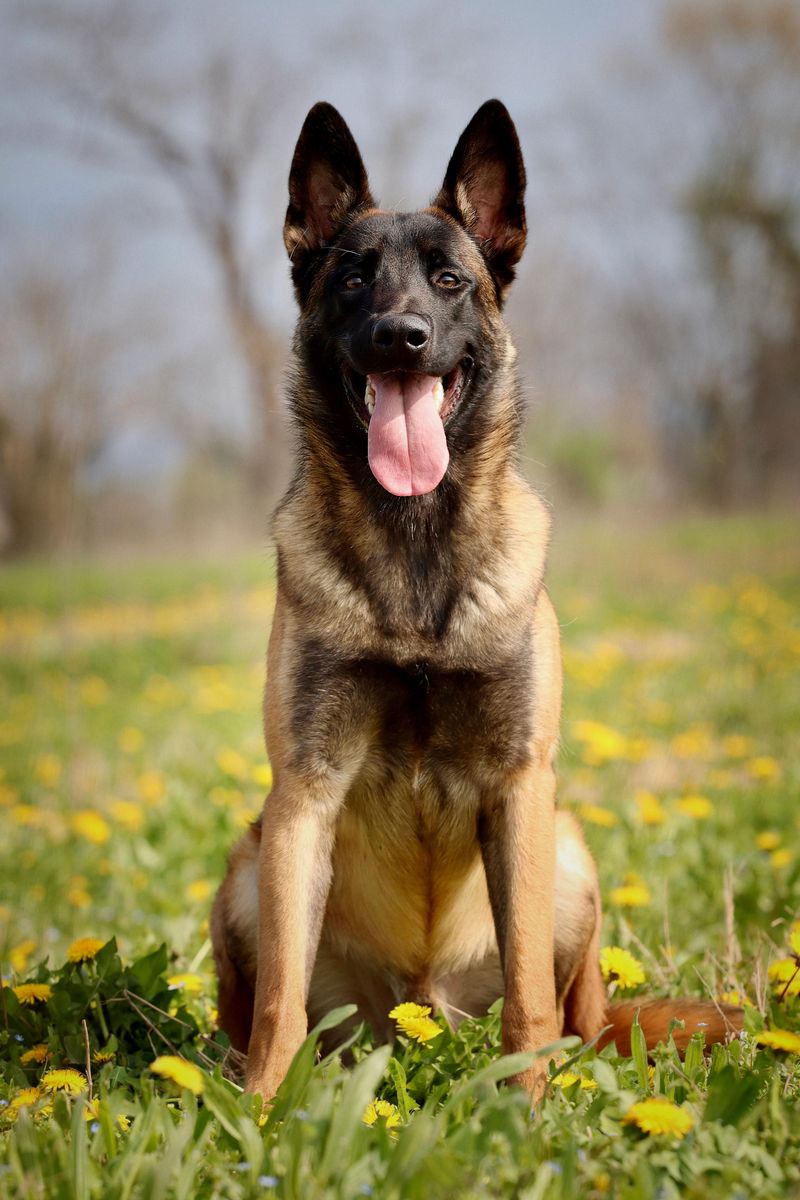
A Belgian Malinois can turn a simple game into a serious mission. This high drive herding breed needs thoughtful training, not endless attempts to tire it out.
Practice a short sequence of cues, such as sit, come, and place, then reward your dog for resting on a mat.
Work with a qualified trainer if excitement becomes hard to manage. Consistent rules, safe outlets, and planned downtime matter just as much as exercise for this intense partner.
Miniature American Shepherd: Give small jobs big value
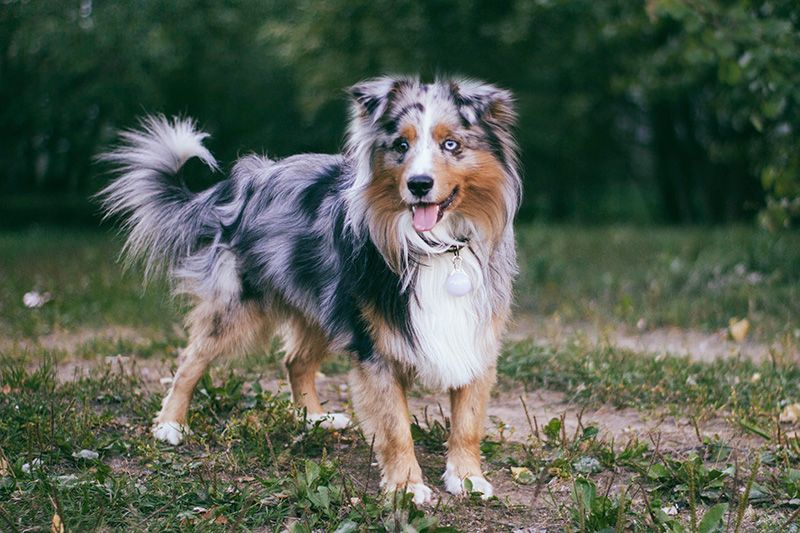
A Miniature American Shepherd may be smaller than an Aussie, but its interest in a job can fill the room. Try teaching it to tidy toys into a basket.
Begin with one toy and reward any move toward the basket before asking for a drop inside.
Vary the task by naming different toys. Leave time for sniffing and rest between lessons.
Small daily jobs can make life more satisfying than one long, exciting weekend outing.