
A trail may look empty to us, but a dog with a powerful nose reads it like a book. Every footprint, leaf, and breeze can hold clues about who passed by and where they went.
Some breeds were built for this kind of sniffing work, from finding people to tracking game. Their noses remind us that the world is full of hidden stories.
Bloodhound
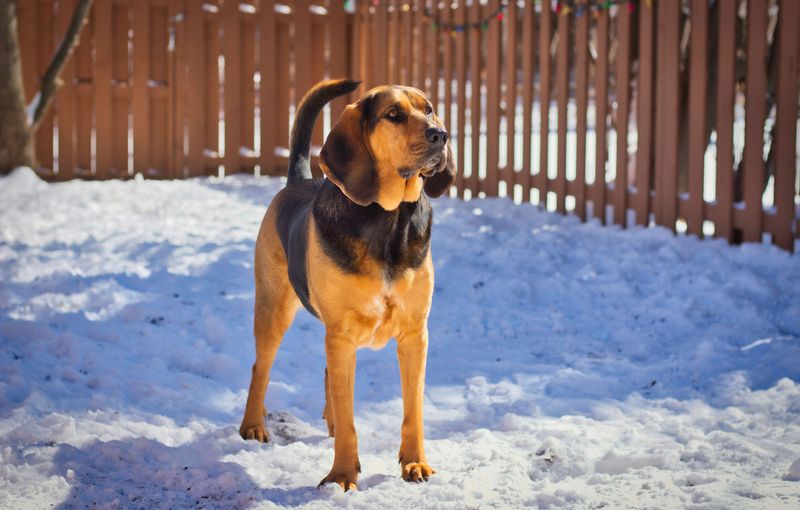
A Bloodhound can turn one tiny scent clue into a long trail. Its loose skin and long ears help sweep smells toward its nose, almost like natural scent tools.
Police and search teams often trust this breed because it can follow older tracks better than many dogs. Give a Bloodhound slow walks, scent games, and patient training.
Its nose may be famous, but it still needs kindness, rest, and clear guidance to do its best.
Beagle
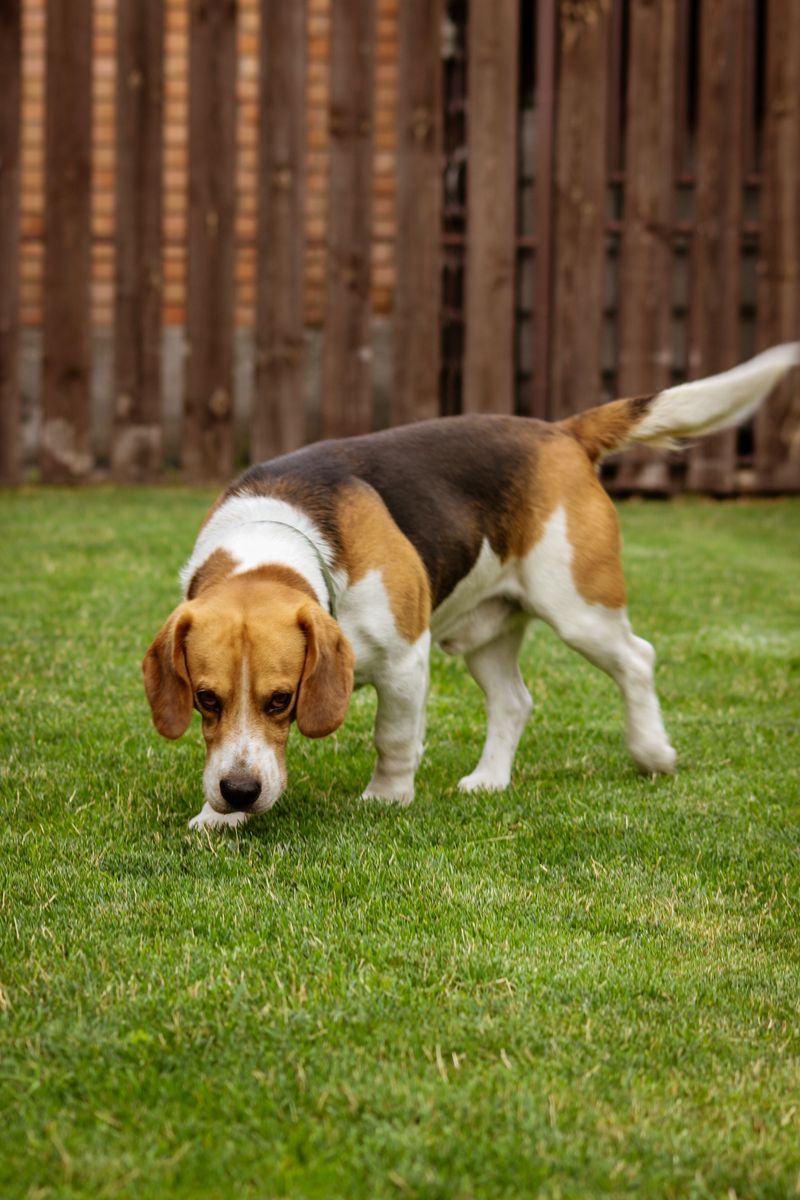
Small legs do not slow a Beagle when a smell catches its attention. This merry little hound was bred to follow rabbits, so sniffing is part of its daily joy.
Owners should use a leash in open places because a Beagle may chase a scent before hearing a call. Puzzle toys and hide-and-seek treats help keep that busy nose happy.
With practice, its curiosity becomes a fun way to bond instead of a backyard escape plan.
Basset Hound
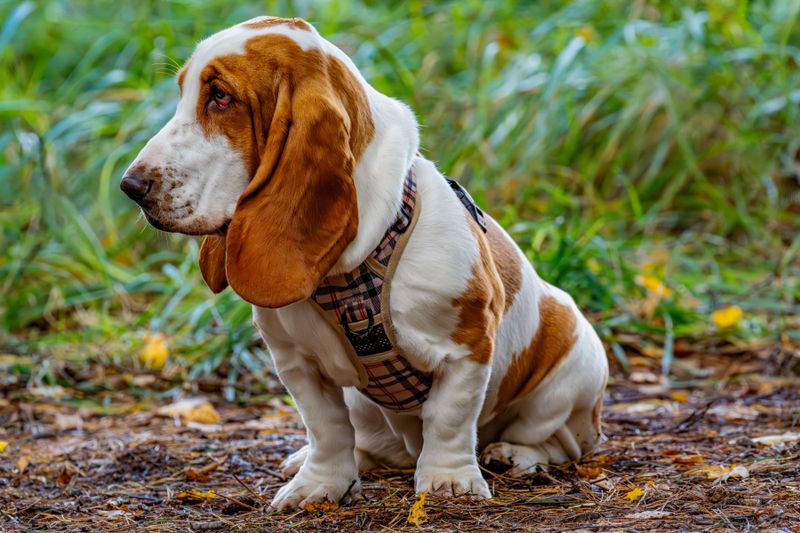
Few dogs look more serious about sniffing than a Basset Hound waddling down a path. Its short body keeps the nose near the ground, right where scent gathers.
Those heavy ears help stir up smell particles, while its steady pace makes it a careful tracker. This breed can be stubborn, so short training sessions work best.
Offer praise, tasty rewards, and plenty of sniff breaks. A Basset enjoys the journey more than the race.
German Shorthaired Pointer
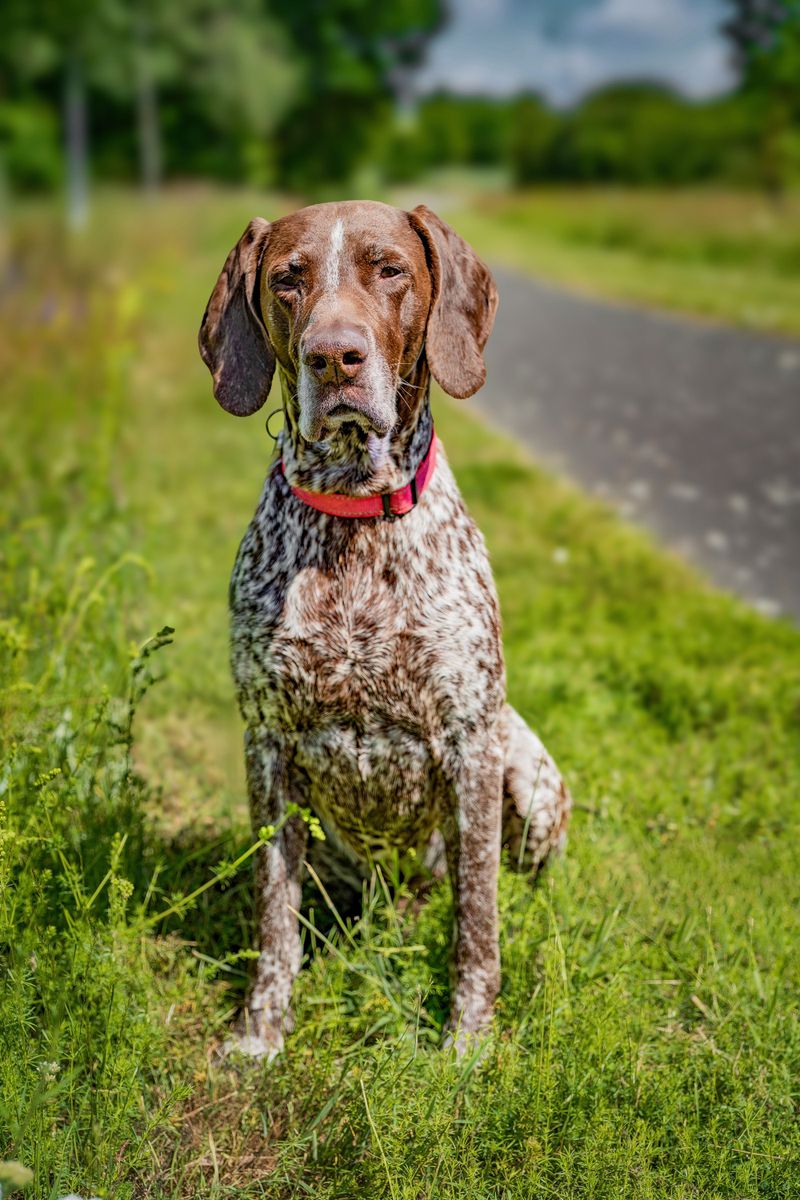
A German Shorthaired Pointer often seems to read the wind before anyone else notices it. Unlike hounds that keep noses low, this sporty dog can catch scent in the air.
Hunters prized the breed for finding birds, pointing, and retrieving with great energy. At home, it needs running, training, and jobs that challenge both body and brain.
Try scent trails in the yard or supervised field games. A tired pointer is usually a happier housemate.
English Springer Spaniel
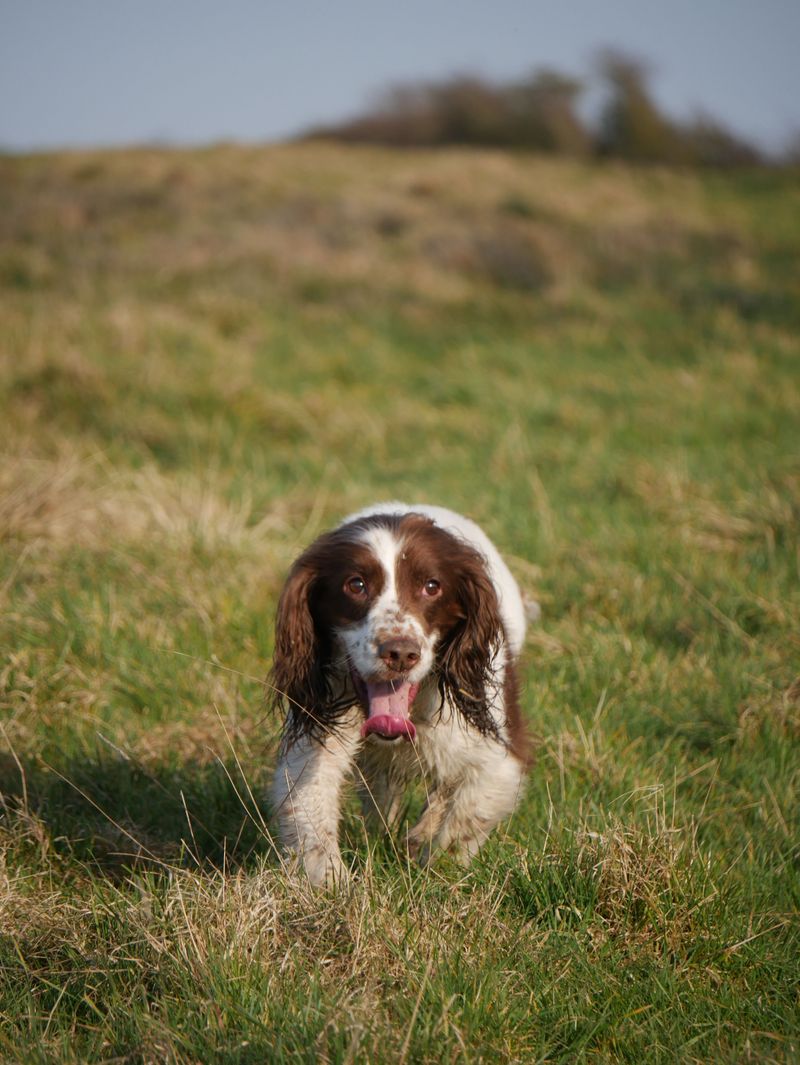
There is a springy joy in the way an English Springer Spaniel works a trail. It bounces through grass, then suddenly slows when its nose finds something interesting.
This breed was developed to flush birds from cover, so it uses scent with quick feet and sharp focus. Families can channel that talent with fetch, scent boxes, or basic search games.
Keep training upbeat and fair. A Springer loves praise and usually gives its whole heart to the task.
Dachshund
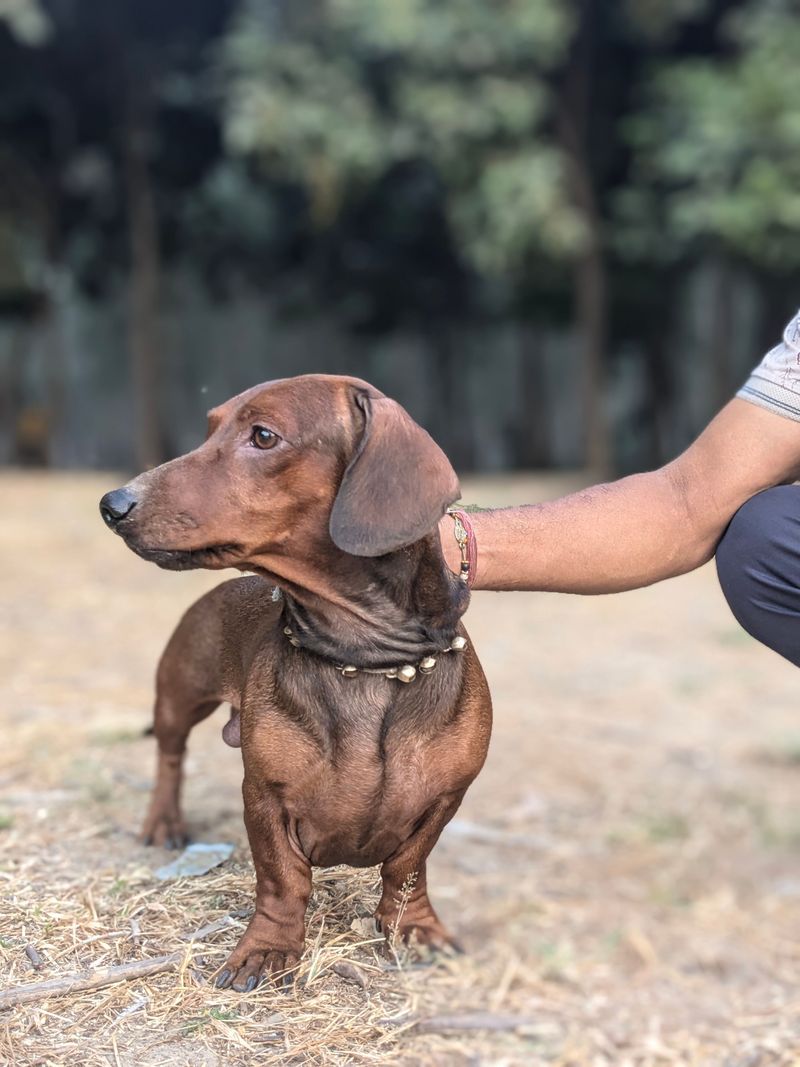
Do not let the tiny legs fool you. A Dachshund was built to follow scent right into tricky places, especially underground dens and brushy edges.
Its long body and bold attitude came from hunting badgers, which explains the brave, sometimes bossy personality. Scent walks are a great outlet, but protect its back by avoiding too many stairs and high jumps.
Use harnesses, gentle games, and safe trails. That little nose carries a big history.
Labrador Retriever
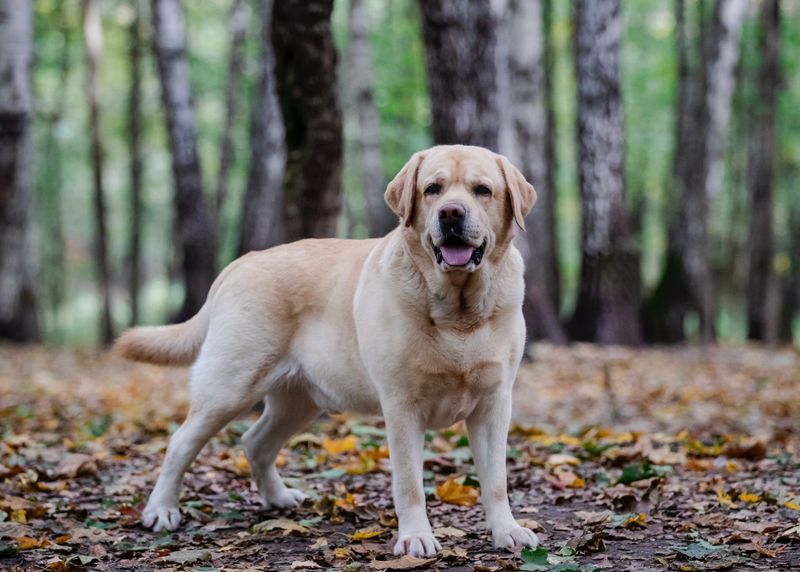
A Labrador Retriever may greet every trail like a happy mystery. Behind that wagging tail is a powerful nose used in search work, detection jobs, and hunting retrieves.
Labs often enjoy learning because food, praise, and play all feel rewarding to them. Their strong scent skills can shine in beginner nose work classes or simple games with hidden toys.
Keep treats small, since Labs can gain weight easily. Balanced exercise helps their mind stay bright.
German Shepherd
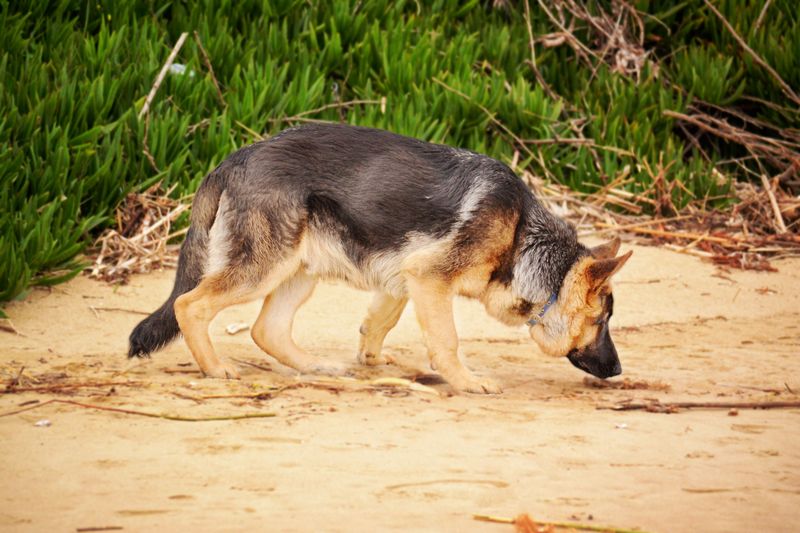
When a German Shepherd lowers its head to track, the whole dog seems to switch into work mode. This breed blends a strong nose with courage, memory, and focus.
That mix explains why many serve in police, rescue, and detection roles. Good training should be calm, clear, and consistent, not harsh.
Give this smart dog scent tasks, obedience practice, and active walks. Mental work matters as much as exercise, especially for a breed that likes having purpose.
Cocker Spaniel
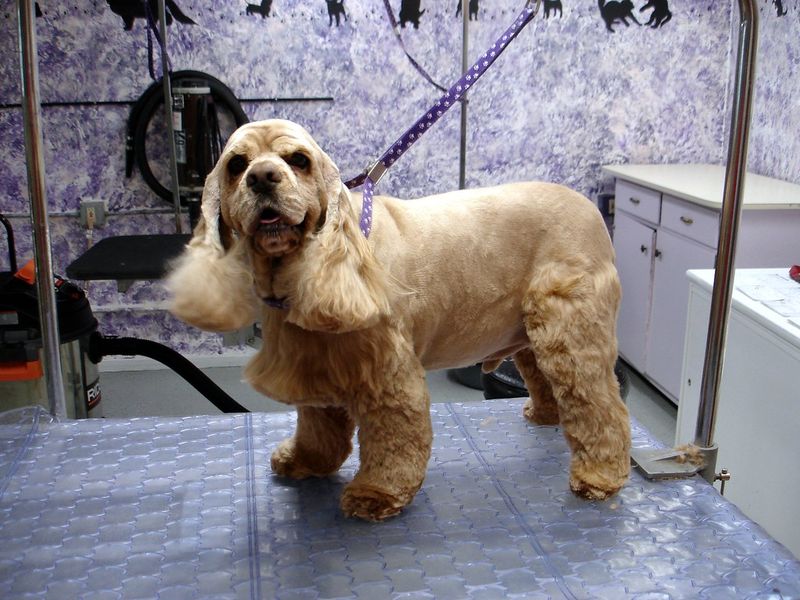
A Cocker Spaniel can look fancy one minute and turn into a busy little detective the next. Under those silky ears is a nose made for finding birds in thick cover.
Because the breed is cheerful and eager, scent games can build confidence without needing a huge yard. Hide a toy under a towel, then slowly make the hiding spots harder.
Regular ear care is important, since floppy ears can trap moisture. Fun searches keep this spaniel smiling.
Weimaraner
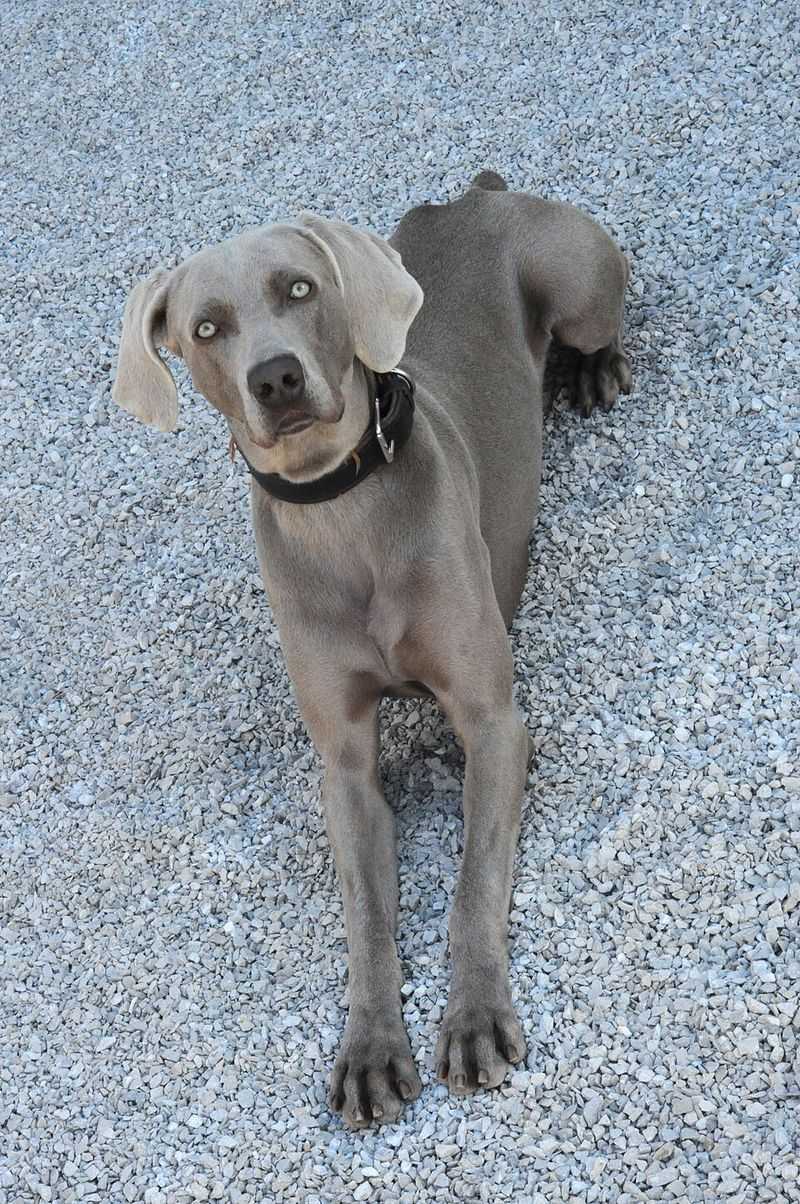
A Weimaraner on a quiet path can look like a silver shadow with a secret map. Its sharp nose and athletic body made it a skilled hunting partner for larger game.
This breed needs more than a short stroll around the block. Long walks, training drills, and scent challenges help prevent boredom from turning into mischief.
Use positive methods and teach a strong recall early. With enough activity, a Weimaraner becomes focused, loyal, and wonderfully tuned in.