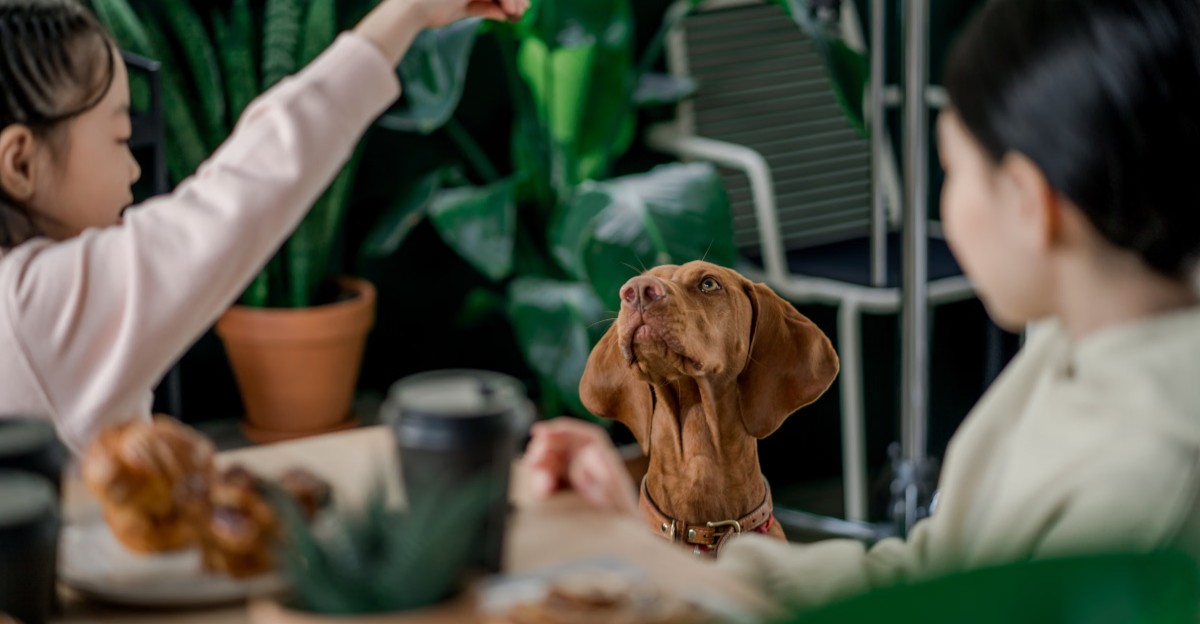
Dogs can be wonderful with kids, but excitement can make even friendly breeds a little too wild. Fast zoomies, loud squeals, and bouncing play can push a good dog past its limits.
Supervision helps everyone stay safe and happy. Here are family-favorite breeds that often adore children yet still benefit from calm guidance, smart training, and clear rules during playtime.
Labrador Retriever
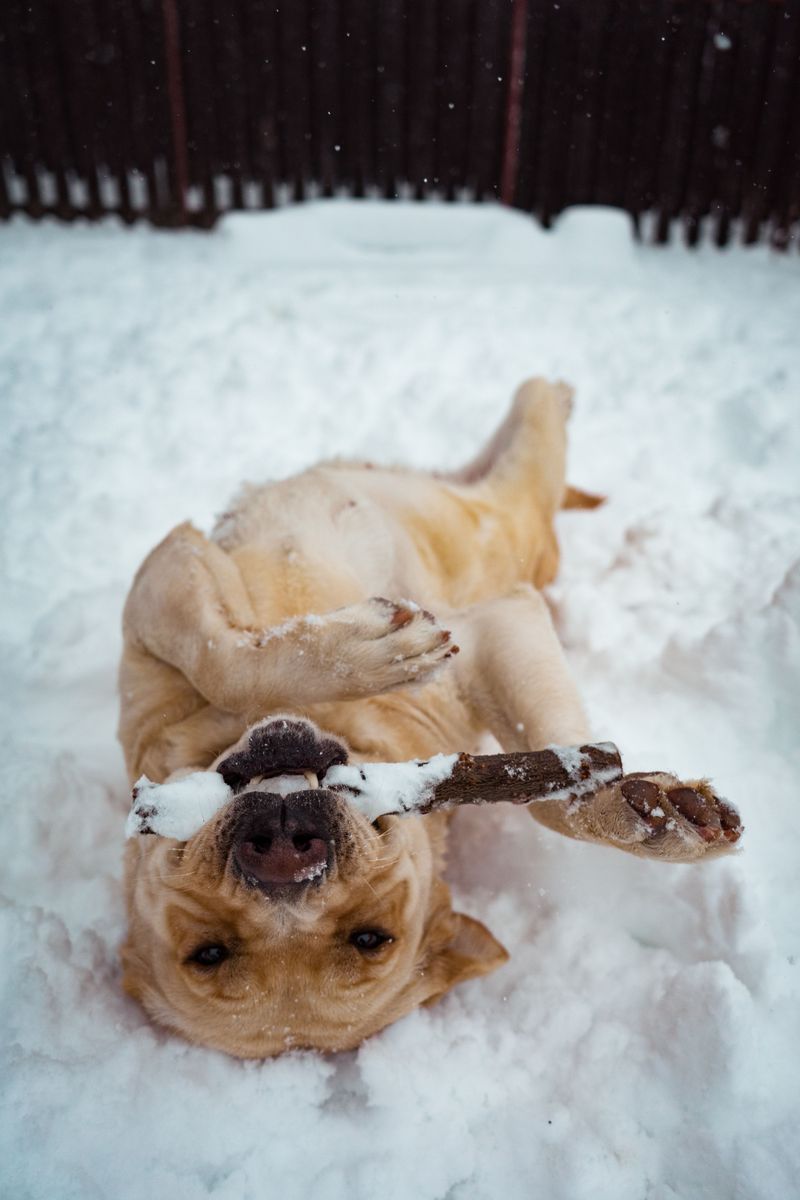
With a tail that sweeps coffee tables clean, the Lab brings laughs and big energy. Excited greetings can turn into clumsy bumps, especially around toddlers.
Keep fetch sessions short, and add a sit or hand target between throws to reset focus.
Practice calm door manners and slow, structured walk starts. Give kids simple rules, like holding toys low and standing still when the dog gets too jumpy.
A quick break often restores gentle vibes.
Golden Retriever
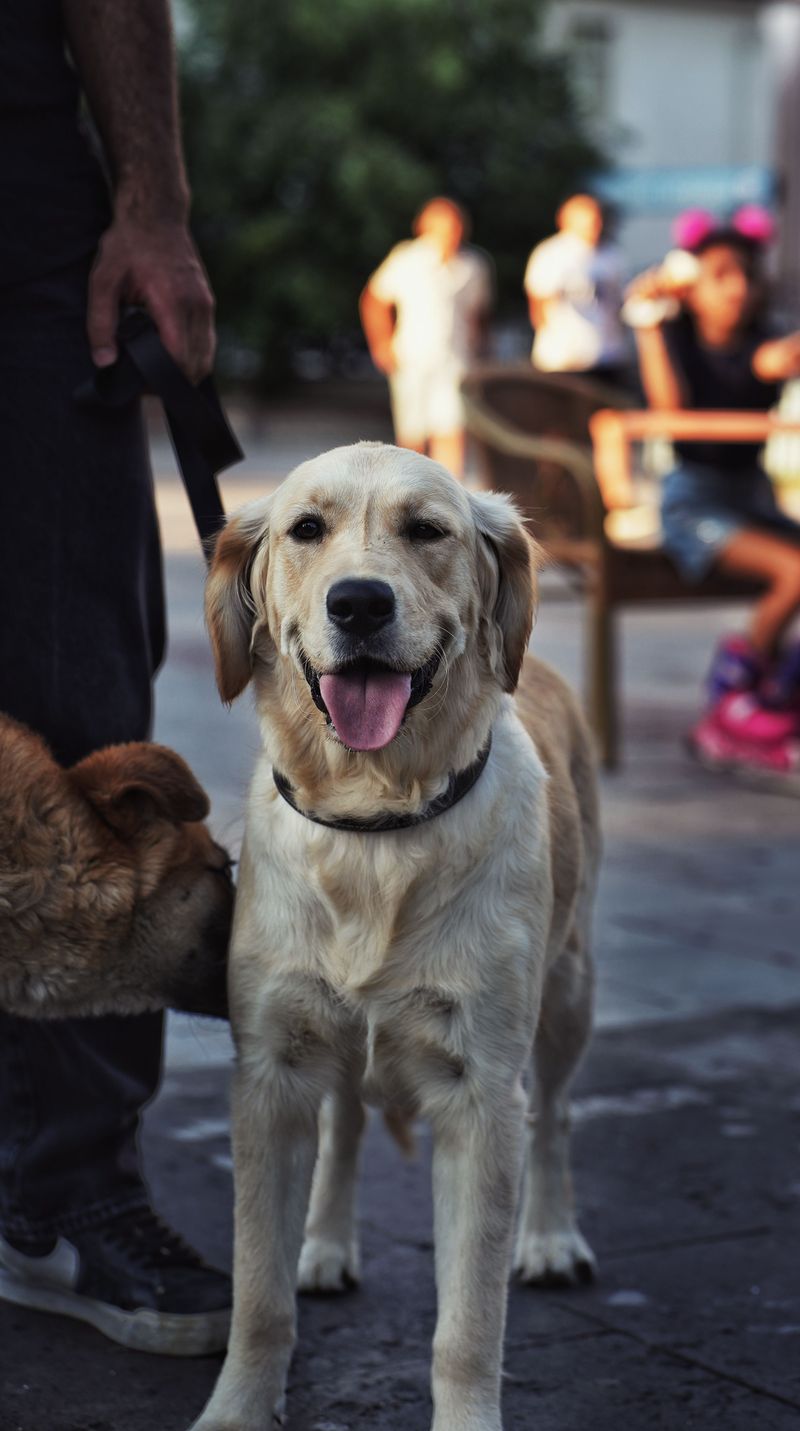
Few smiles beat a Golden’s sunny grin, yet excitement can bubble over during chase games. Rolling play may get too rough as size and fluff collide.
Teach a strong “leave it” and swap tug toys for soft fetch to lower intensity.
Schedule sniffy walks to drain brain energy. Coach kids to pause play when panting gets heavy.
Fun fact: Goldens were bred for gentle retrieving, but even soft mouths need reminders.
Boxer
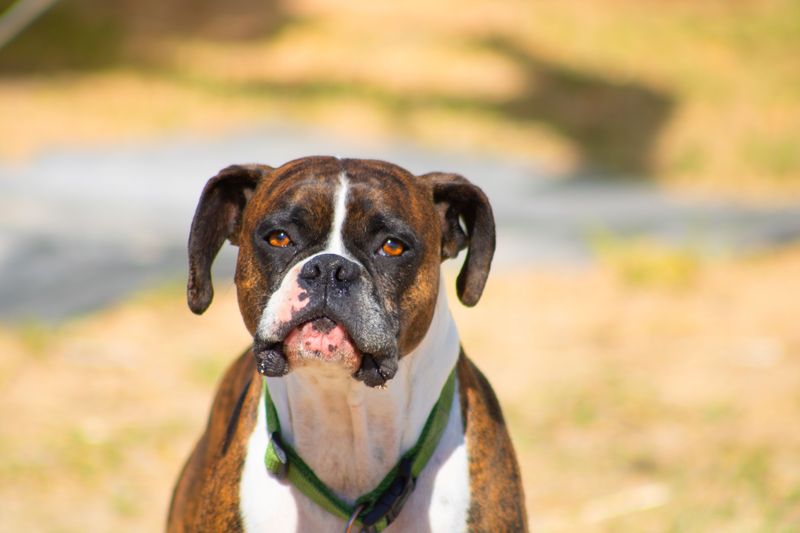
Wiggle butts and clown moves define the Boxer. That joy can turn into bouncy body slams if play ramps up.
Focus on short bursts of fetch, then ask for a down-stay to cool the jets. Reward quiet moments like lying on a mat.
Use a front-clip harness for better control during meet-ups. Teach kids to play “statue” when jumping starts.
Structured silliness beats chaotic wrestling every time.
Australian Shepherd
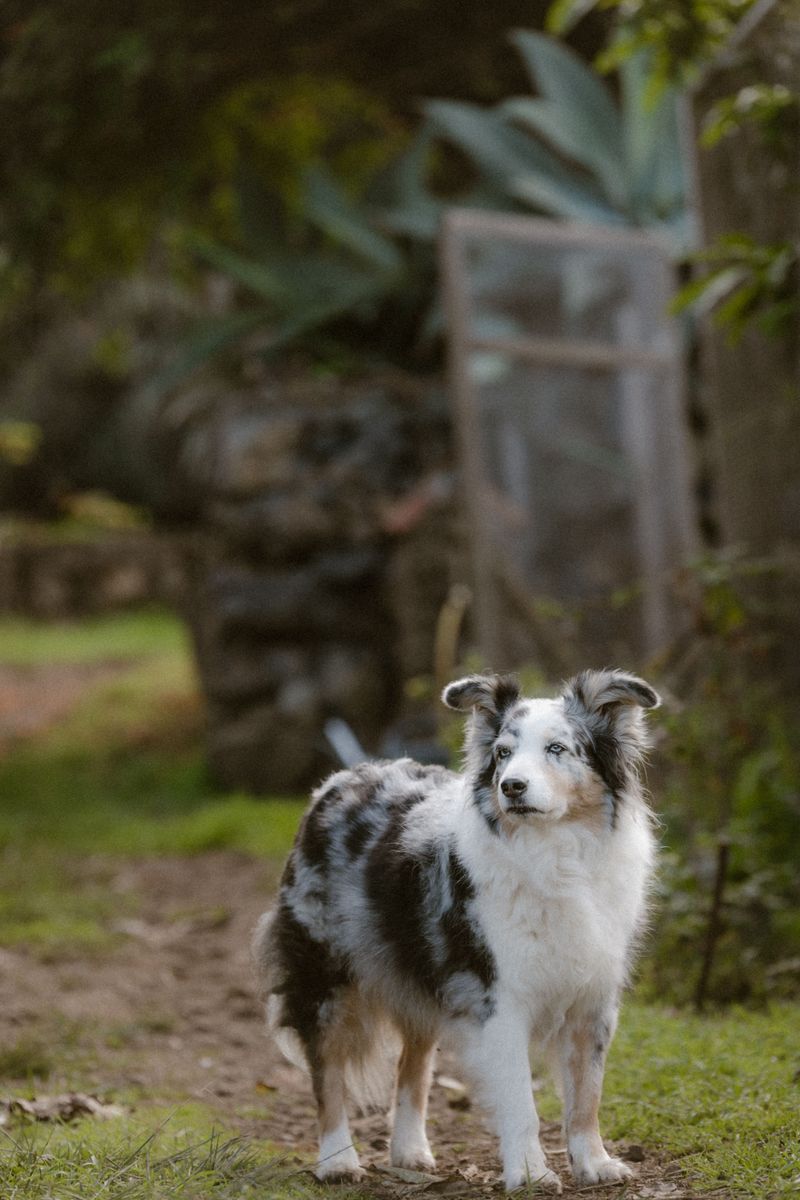
Brains set to turbo, Aussies notice everything. Spinning kids can trigger nipping or herding circles.
Redirect that focus with puzzle toys, scent games, and a strong recall. Reward eye contact during play so attention returns to you, not flailing hands.
Keep games structured, like fetch with sits before every throw. Teach kids to stop running if herding starts.
Give this worker a job, and calm follows.
Border Collie
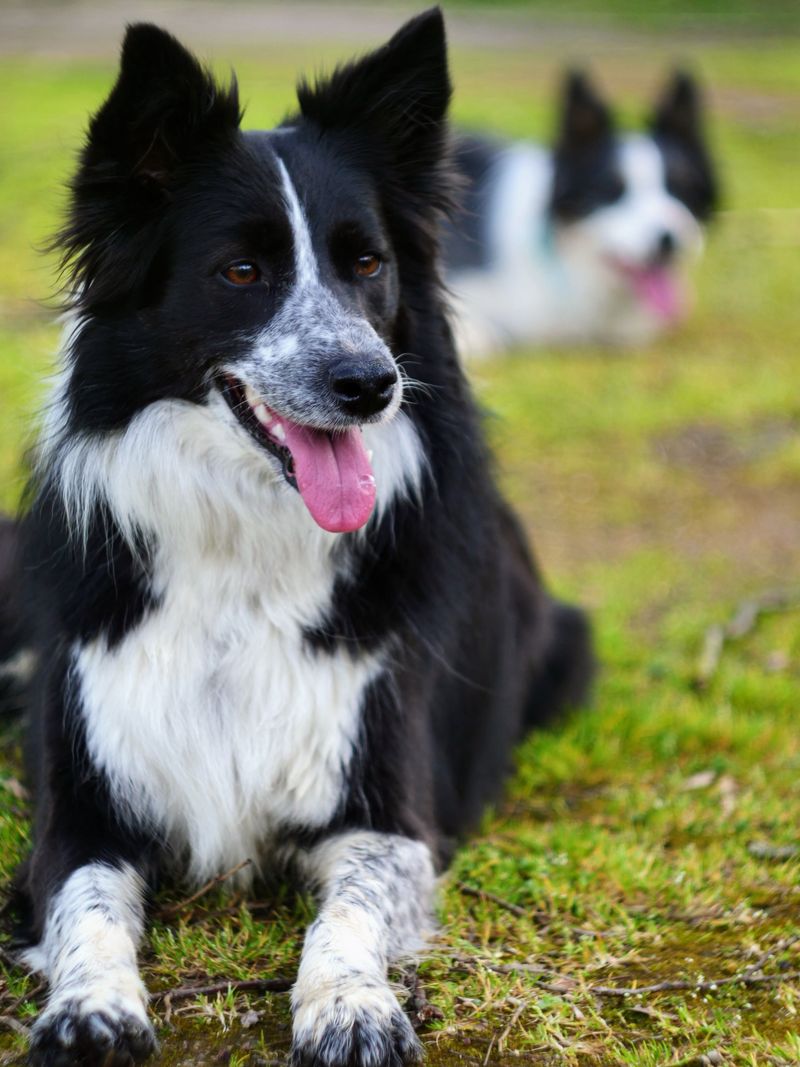
Precision is the Border Collie’s superpower. That laser focus can lock onto sprinting children, leading to barky herding or heel nips.
Channel the intensity into trick training, obstacle courses, or controlled soccer passes. Build generous breaks to prevent overstimulation.
Teach a solid “go to mat” for instant calm. Kids can help by rolling balls gently rather than blasting kicks.
Predictable patterns help this thinker relax around family play.
Siberian Husky
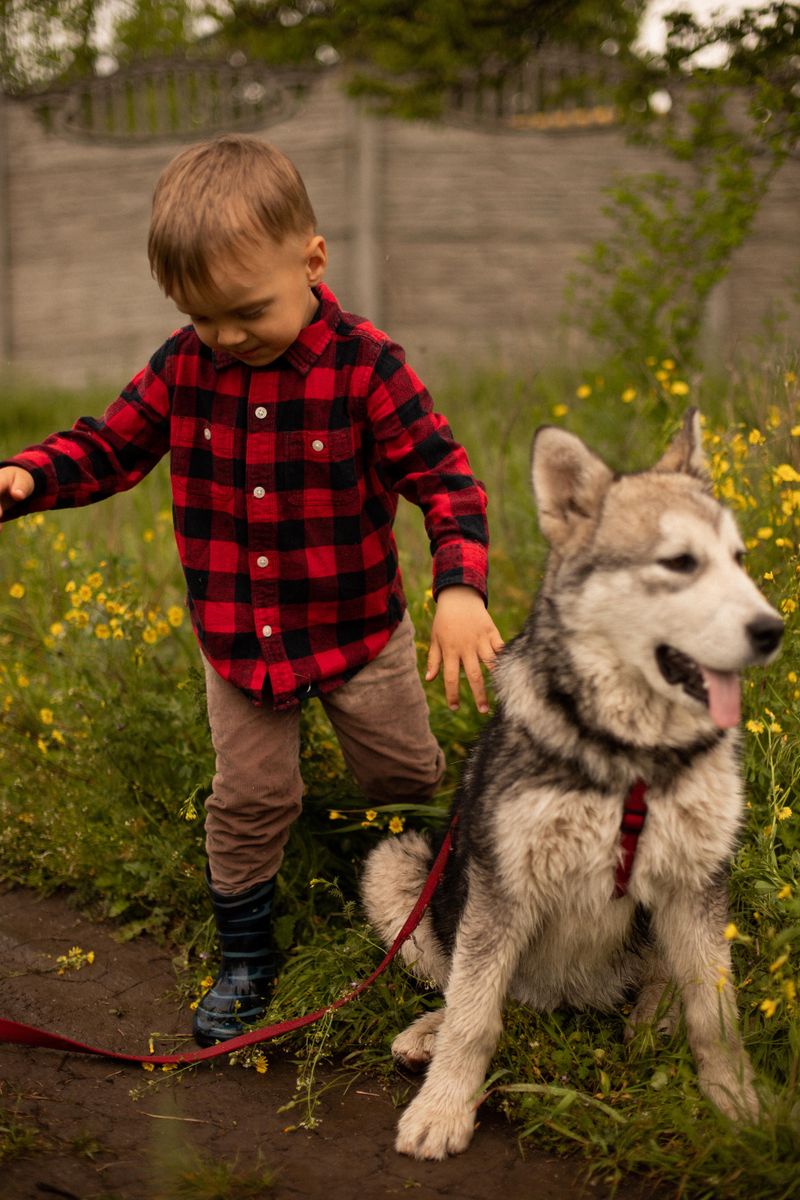
Storybook looks meet sled-dog stamina with the Husky. Loud squeals and racing can trigger chase, and escape artistry is real.
Use long lines in open spaces and practice recall games with high-value treats. Rotate between activity and sniff breaks to prevent overload.
Show kids how to stand still if the dog zooms past. Secure fences are a must.
A tired Husky plus clear rules equals smooth family fun.
Dalmatian
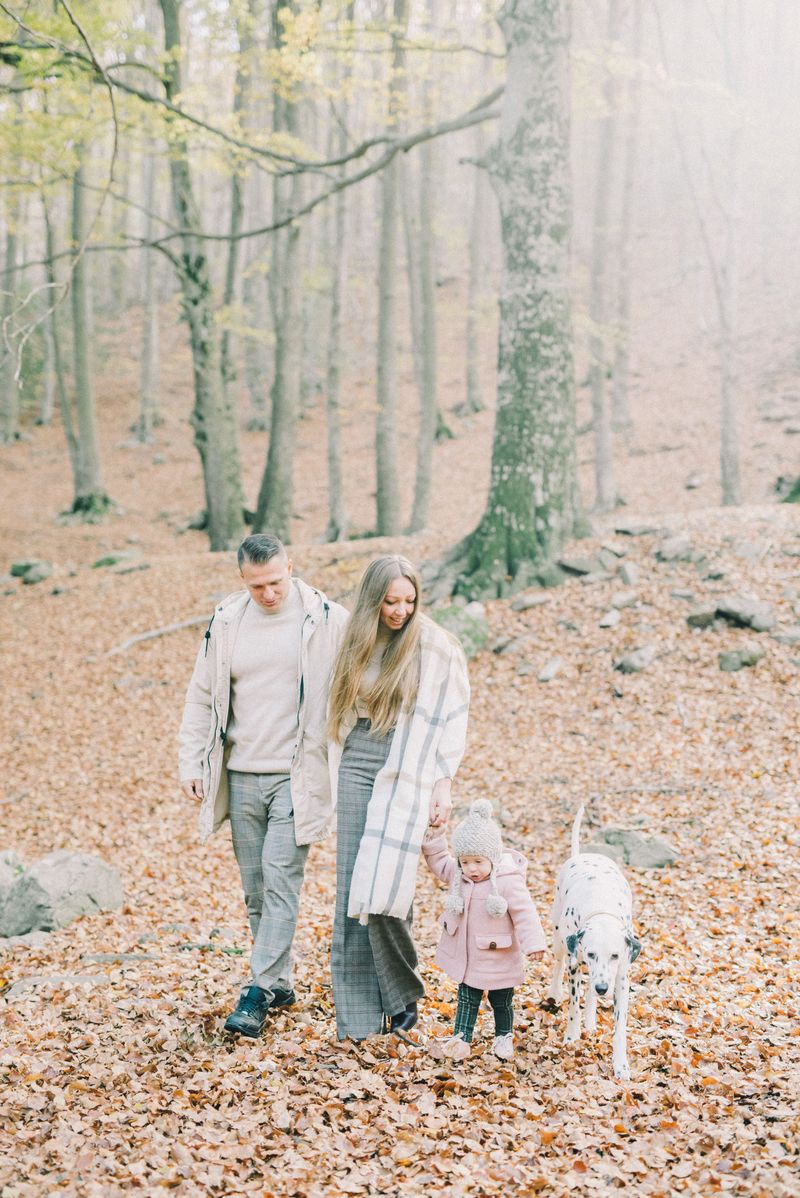
Spots and spark equal a Dalmatian’s charm. High arousal can arrive fast during bike rides and backyard chases.
Train impulse control with sit-wait-release before doorways and fetch. Mix in nose work to balance speed with focus.
Kids can help by using calm voices and steady movements when excitement climbs. Keep play surfaces non-slippery to prevent wipeouts.
A predictable routine turns this lively athlete into a polished teammate.
Jack Russell Terrier
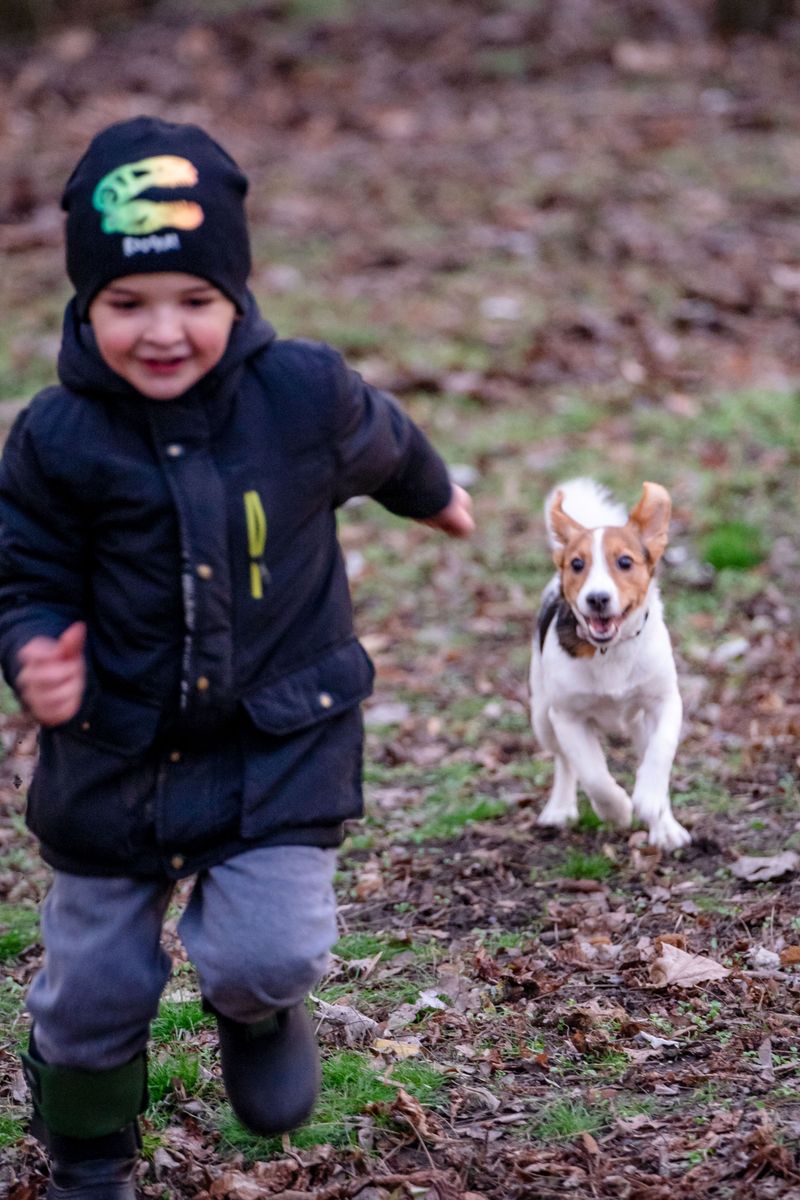
Tiny body, giant rocket. Jack Russells love fast games, which can tip into frantic nipping at sleeves.
Keep toys soft and low, and replace chasing kids with chasing flirt poles. Click and treat for four paws on the ground.
Teach a crate or bed cue for quick resets. Kids can toss treats onto the mat to reward calm.
Smart structure keeps the fun spicy, not spicy-chaotic.
Staffordshire Bull Terrier
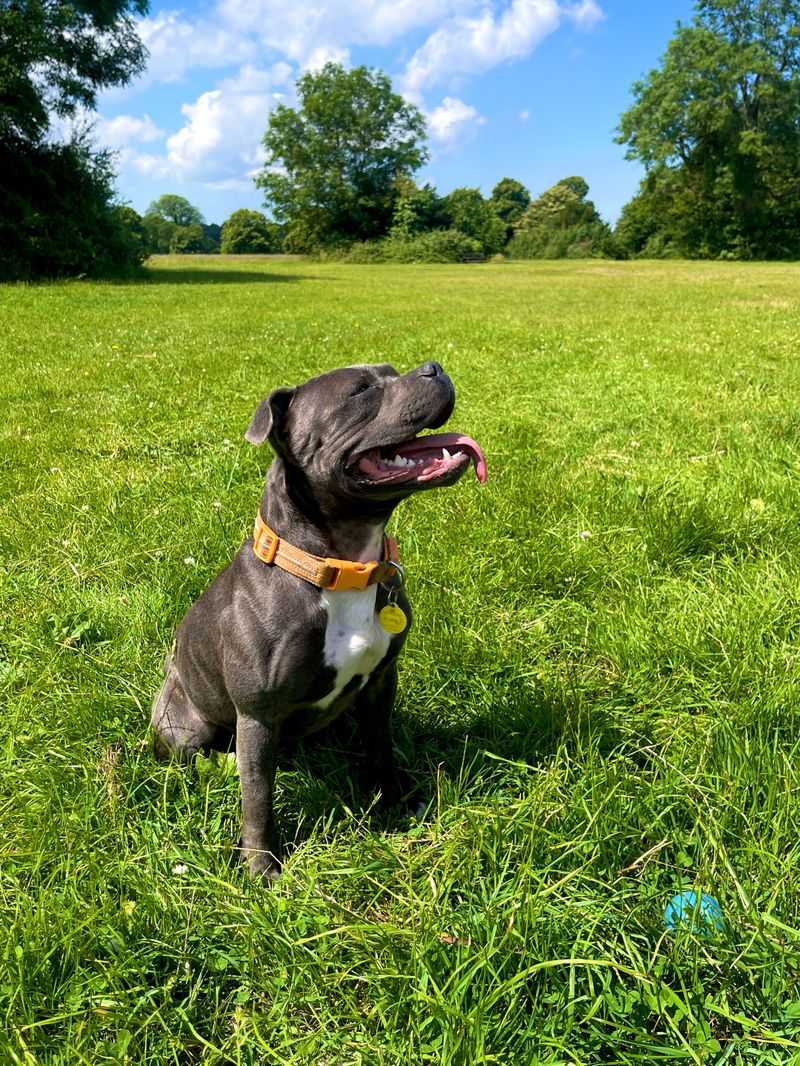
Affection is the Staffy’s signature. Excited zoomies and powerful bodies can topple little legs.
Build manners with place training and calm greetings at knee level. Use chew toys to redirect energy when visitors arrive.
Coach kids to ask for a sit before petting. Short, sweet play keeps arousal manageable.
Fun fact: the breed’s nickname is nanny dog in old tales, yet modern families still benefit from thoughtful supervision.
Vizsla
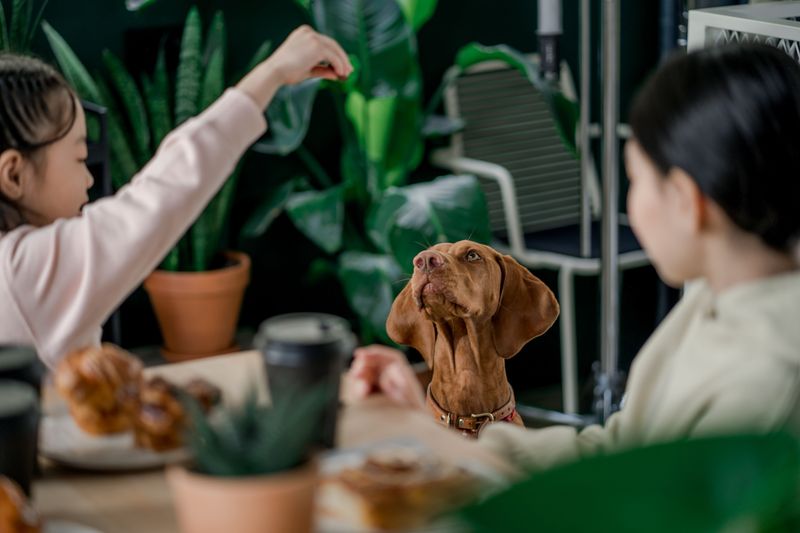
Velcro by nature, the Vizsla thrives on closeness and play. When excitement rises, mouthy play and jumping can appear.
Add impulse games like sit-spin-sit, then reward calm standing. Alternate short jogs with sniff stops to smooth the energy curve.
Kids can practice gentle tossing of plush toys, never tug near hands. A cozy bed near the family helps prevent clingy chaos.
Connection plus structure keeps harmony intact.