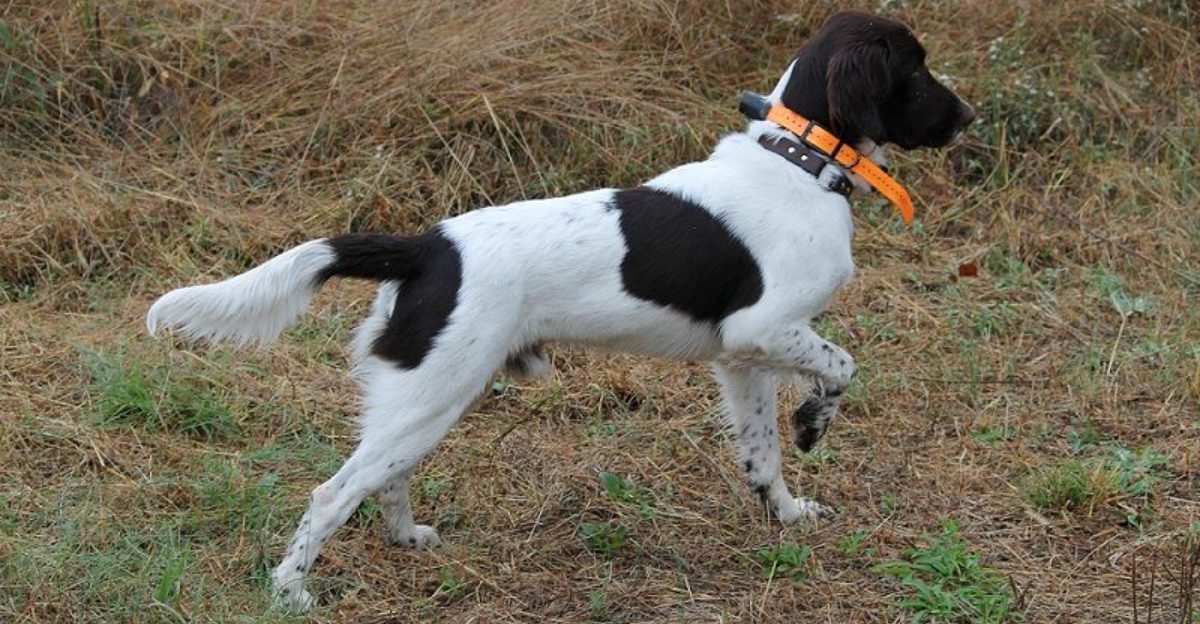
Your feed might be packed with hot takes saying your dog does not have separation anxiety – it just hates missing out. The FOMO framing is going viral, and honestly, it makes sense when you look at certain high-drive, people-focused breeds.
If your buddy shadows you to the bathroom and throws a pity party when you grab your keys, this list will feel familiar. Let’s break down the 14 breeds everyone keeps mentioning, and how to channel that energy into calm, confident alone time.
Flat-Coated Retriever
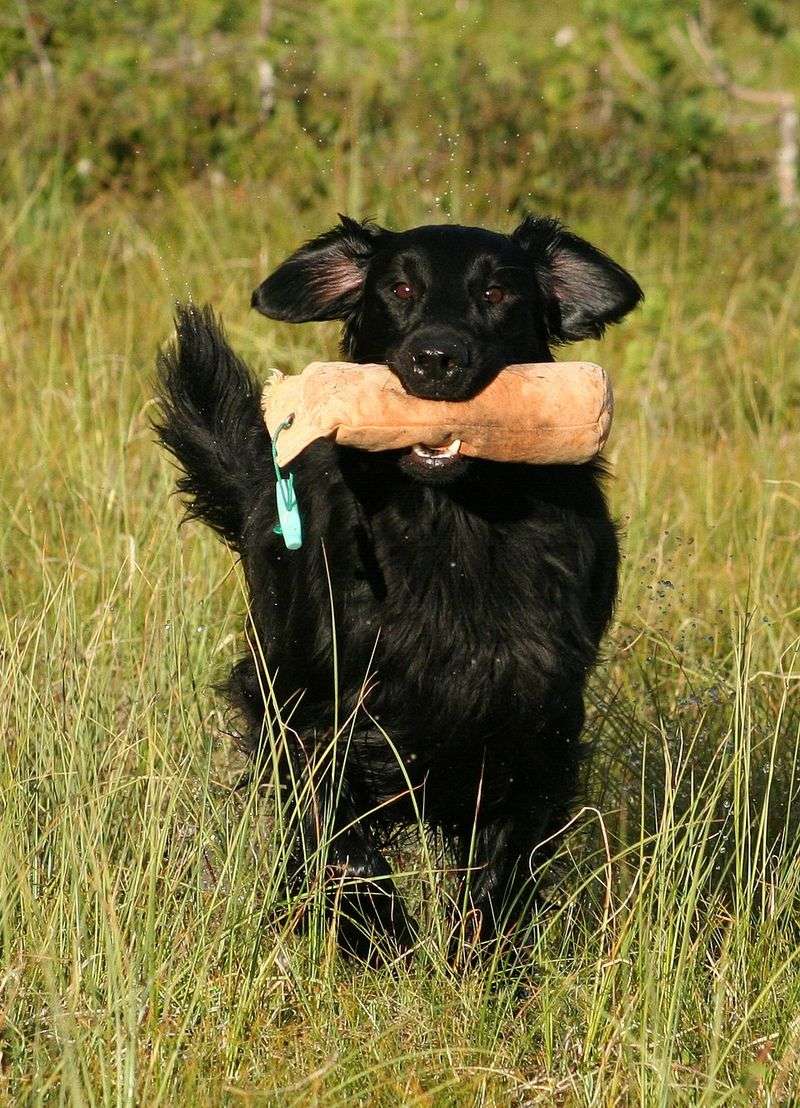
The Flat-Coated Retriever is a sunshine dog that thrives when life is moving. Energy pours off this breed, which means missing the action can spark classic FOMO behaviors like door pacing and enthusiastic protests.
They love routines that include them, and they learn fast when you pair structure with fun.
To help, anchor departures to calm rituals. Offer a food puzzle right before you leave and keep exits low key.
Practice short absences, rewarding relaxed body language as the challenge grows. Daily aerobic exercise is non negotiable.
Rotate training games, scent work, and retrieve sessions to satisfy their brains. Teach a rock-solid station cue so they settle while life buzzes.
With outlets, that restless waiting softens into happy patience.
Curly-Coated Retriever
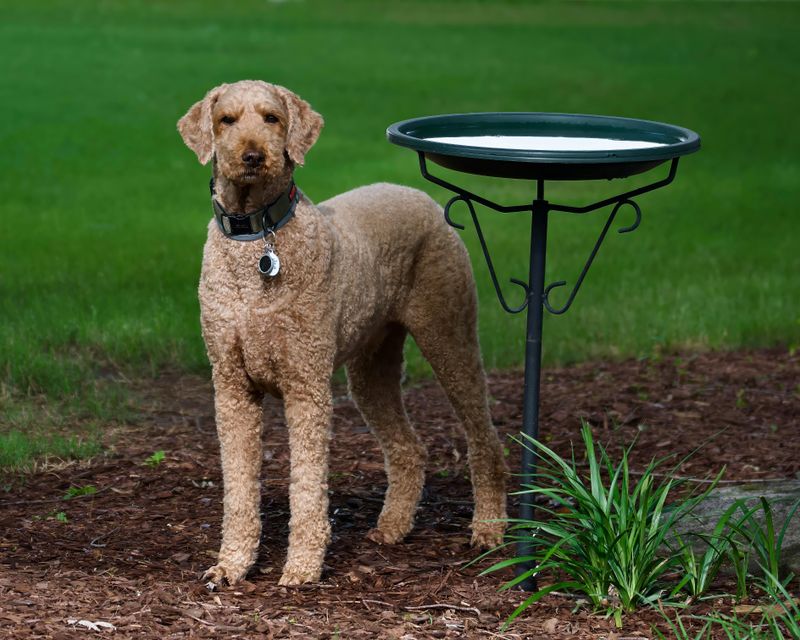
Curly-Coated Retrievers are bold, clever workers who bond deeply with their people. That combination breeds confidence, but also serious curiosity about whatever you are doing.
When action shifts rooms without them, FOMO can crank up vocalizing or door scratching.
Channel it using purposeful jobs. Scatter feeding, tracking games, and long retrieves teach focus and independence.
Build alone-time stamina with graduated departures and a predictable pre-departure routine. Quiet music and a frozen lick mat help create calm associations.
Curlys value autonomy, so avoid fussing during exits and reunions. Instead, praise settled choices when you pick up keys or jacket.
Exercise first, train second, chill third – that simple cadence keeps their minds busy and their bodies satisfied.
Chesapeake Bay Retriever
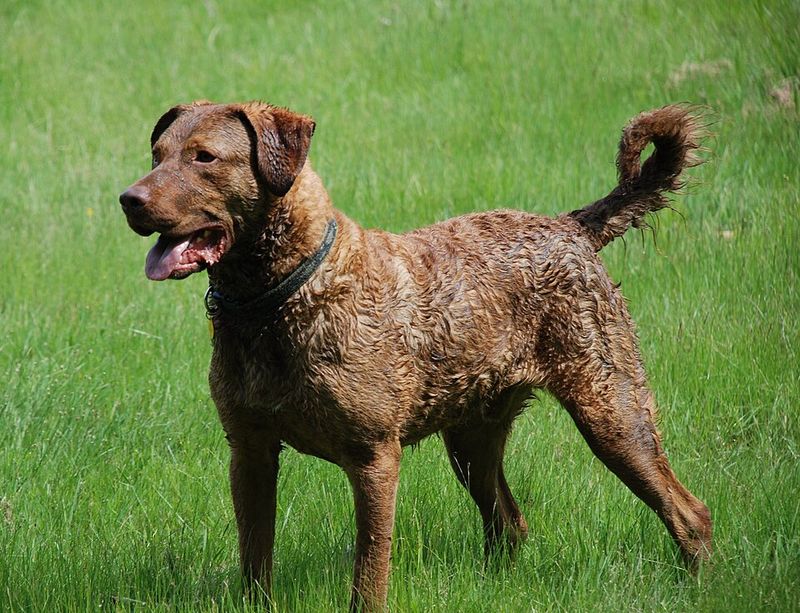
Chessies are gritty problem solvers built for tough water and tougher jobs. They are loyal, protective, and very tuned in to household movement.
If the action leaves without them, they may pace, guard the door, or grumble in protest – classic FOMO wrapped in diligence.
Give structure and work. Obedience drills with retrieves, place training, and scent games offer clarity.
Practice neutral comings and goings, using a durable chew to anchor calm. Gradually extend absences only after success with short, easy reps.
They need heavy exercise and mental challenges, not cuddles alone. Reward quiet confidence, not clingy shadowing.
Teach a go to mat near windows to prevent sentinel duty spirals. With purposeful outlets, their intensity becomes steady composure.
Nova Scotia Duck Tolling Retriever
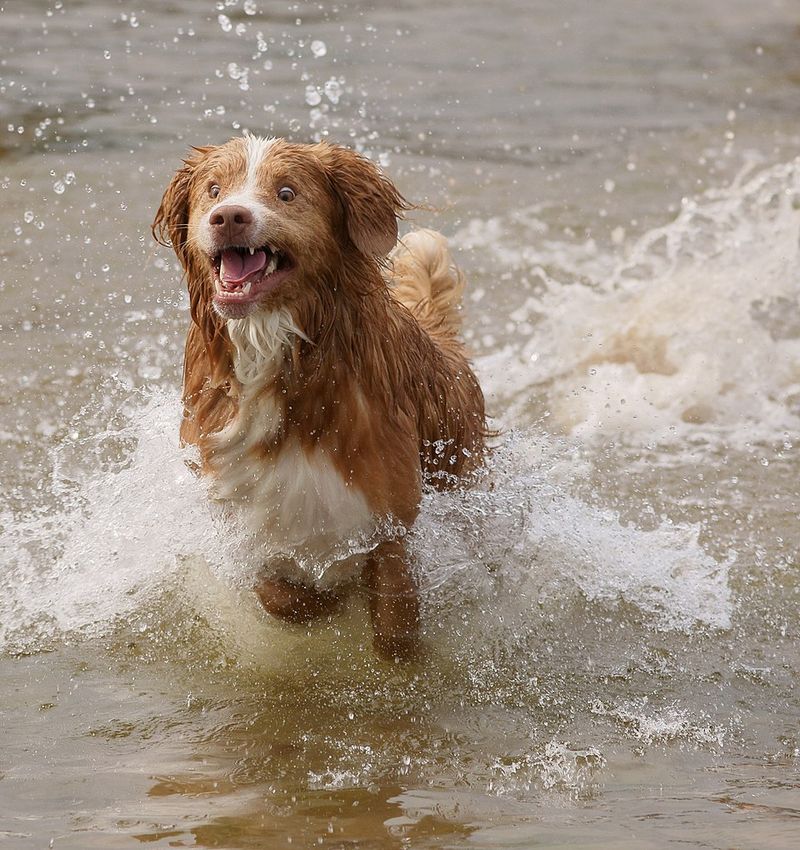
Tollers are quick, sensitive, and hilariously cheeky. They clock every micro routine, so when the leash jingles without them, FOMO spikes fast.
Expect creative attempts to reinsert themselves into the plan, from squeaks to strategic toy delivery.
Preempt it with brain work. Use trick training, scent puzzles, and place games to build impulse control.
Pair departures with a special chew that only appears when you leave. Keep exits calm and predictable, and practice brief, boring absences first.
Daily aerobic exercise – like retrieves and trail time – clears the fidgets. Reinforce quiet while you move around the house without engaging.
Tollers love patterns, so give them one that pays for chill behavior, not follow-the-leader.
Irish Water Spaniel
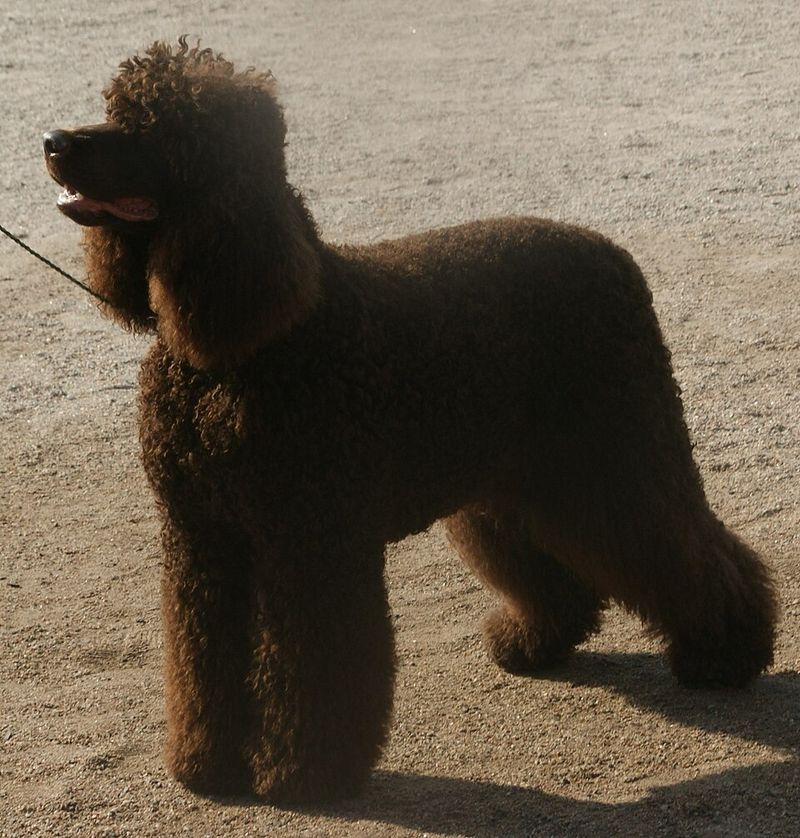
Irish Water Spaniels are athletic clowns with a thoughtful core. They live for purposeful activity and connection, which can morph into FOMO when plans happen behind a closed door.
Without structure, that curiosity becomes door orbiting and complaint barks.
Build independence skills early. Teach settle on a mat, then add mild distractions like key sounds and jacket zips.
Layer in scent games and retrieve drills to feed their work drive. Depart with a stuffed chew and keep energy neutral.
Exercise is essential, especially swimming or long hikes. Rotate enrichment to prevent pattern savvy protests.
Reward the exact moments they choose relaxation. Over time, the joke shifts from where did you go to I am good right here.
Clumber Spaniel
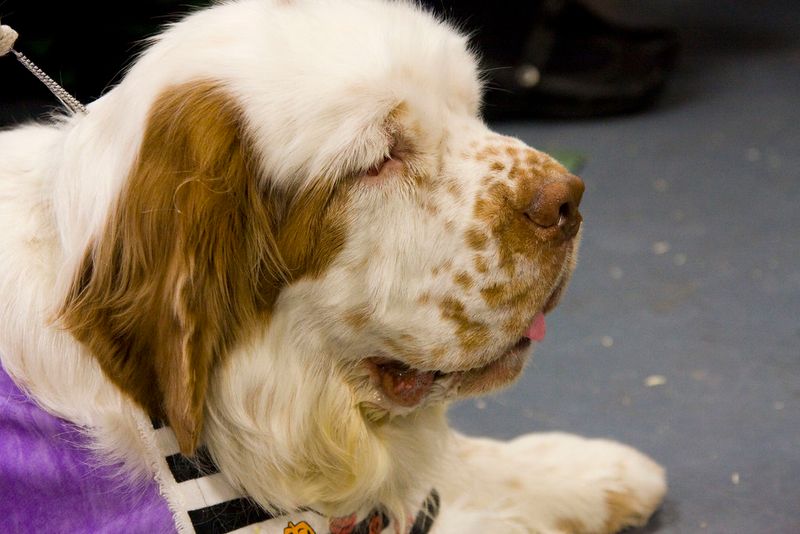
Clumber Spaniels look chill, but attachment runs deep. They prefer to trundle after you like a quiet cloud.
When left behind, some grumble or paw, not from panic but from pure fear of missing the next soft adventure or snack moment.
Help by making alone time delicious and inevitable. Offer a uniquely tempting chew only during departures.
Keep transitions smooth, no baby talk or big hellos. Practice door drills where you step out, return boringly, and reward calm stays.
Short sniffy walks and gentle fetch keep minds satisfied without over-arousal. Teach a settle cue near the kitchen to defuse hopeful hovering.
With predictable routines and comfy dens, Clumbers lean into their natural laid-back vibe.
Sussex Spaniel

Sussex Spaniels are affectionate homebodies who value consistency. They track your whereabouts like a slow-motion shadow.
When routines shift, FOMO can appear as mournful singing, paw taps, or parking themselves at the door like a velvet doorman.
Set them up with a cozy station away from exits. Pair it with a top-tier chew and white noise.
Run micro absences across the day so leaving loses novelty. Keep greetings understated and pay calm, not theatrics.
Low-impact exercise plus sniffing is gold. Sprinkle in nosework and soft obedience to keep their brains gently humming.
Reward the choice to stay put while you move around. The message becomes clear: fun returns, and waiting is comfortable.
Field Spaniel
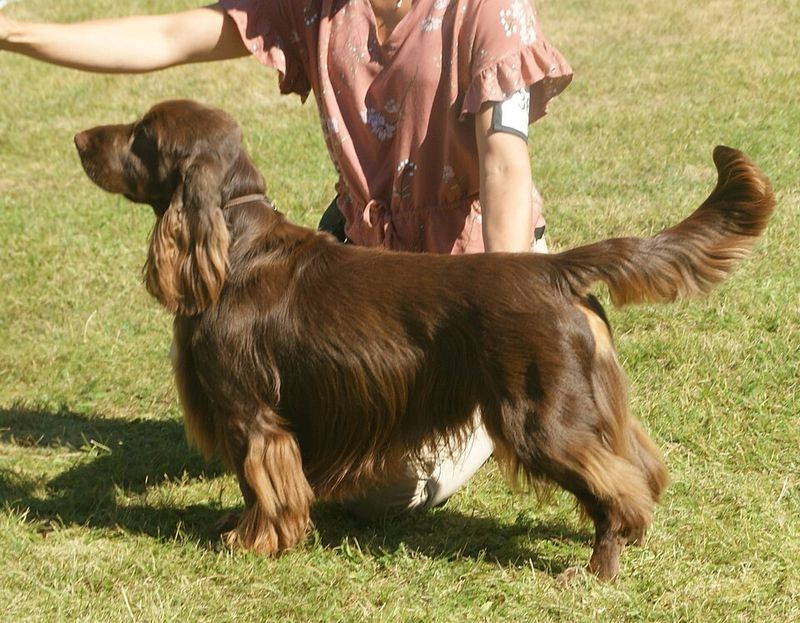
Field Spaniels are thoughtful workers with a steady motor. They read context well and want in on the plan.
When doors close, FOMO can show as soft whining, door checks, or polite tapping that escalates if ignored.
Answer with purposeful routines. Teach go to mat and build duration while life happens around them.
Use scattered kibble searches and scent puzzles before departures to channel curiosity. Keep exits bland and pair them with a high-value chew.
They thrive on variety: heeling drills, retrieve practice, and decompression walks. Reward stillness while you pace, tie shoes, or jingle keys.
Over time, they learn that calm choices control the game, and alone time predicts something great to chew.
Boykin Spaniel
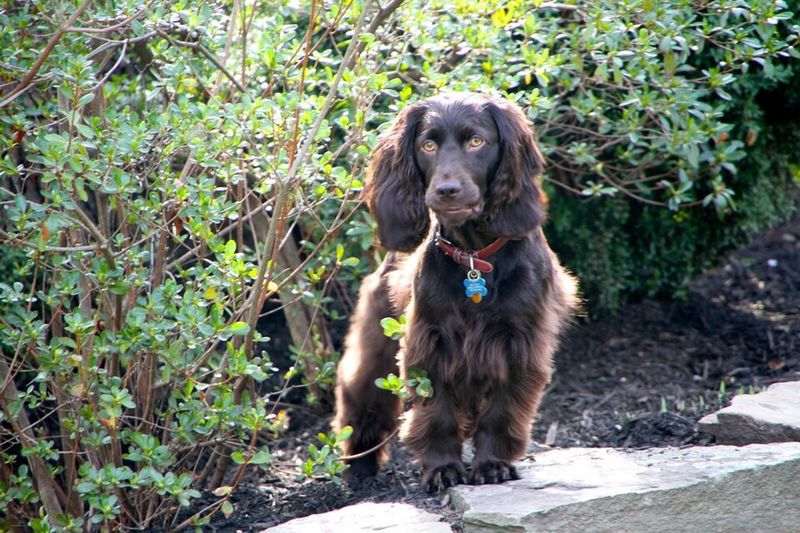
Boykin Spaniels are pocket rockets with big hearts. They are tuned to teamwork and thrive when life stays interactive.
When fun seems scheduled without them, FOMO arrives as ping-pong energy, squeaks, or clever attempts to squeeze through the door gap.
Front-load exercise and brain work. Quick retrieves, place drills, and hand-targeting burn off the bounce and build focus.
Start with mini departures after success with stay games. Deliver a frozen lick mat at exit and keep the vibe casual.
Teach a strong settle anchored by a predictable cue. Reward quiet while you prep to leave, not frantic anticipation.
With consistency, Boykins learn that patience brings paychecks, and the party resumes after a good nap.
Kooikerhondje
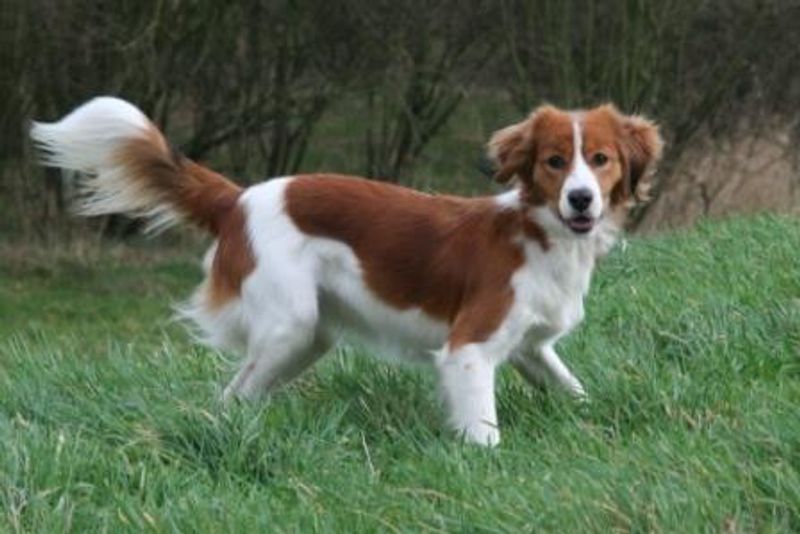
The Kooikerhondje is quick, sensitive, and people-attuned. Bred for clever duck decoy work, they notice everything.
FOMO typically looks like vigilant checking and light vocal reminders that participation is preferred.
Offer clarity. Teach a station far from exits and reinforce heavily for staying put while you move.
Add sniffy searches and platform games to build independence. Pair departures with a special chew and a short, boring goodbye routine.
Mind their sensitivity: avoid scolding and over arousal. Keep training snappy and upbeat with tiny wins.
Daily walks with decompression sniffing help soften the edges. Over time, they discover that quiet observation earns rewards, and missing a minute is no crisis.
Drentsche Patrijshond
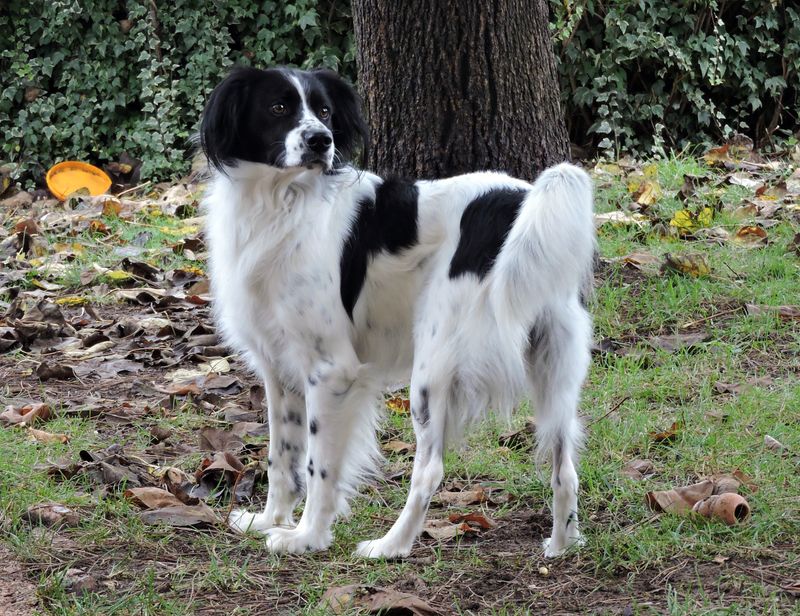
Drents are versatile, affectionate hunters that latch onto family rhythm. They prefer involvement and can struggle when energy leaves the room without them.
FOMO pops up as door guarding, soft whining, or orbiting the hallway like a gentle satellite.
Guide them with jobs. Teach structured place work, retrieve drills, and scent puzzles that tire the brain.
Practice step-out routines: one minute, three minutes, five, always rewarding quiet on your return. Keep exits neutral and predictable.
They blossom with balanced exercise and unhurried sniffing. Reinforce independence by rewarding relaxed postures away from you.
Over time, Drents learn that patience is part of the job description, and alone time predicts satisfying work later.
Stabyhoun
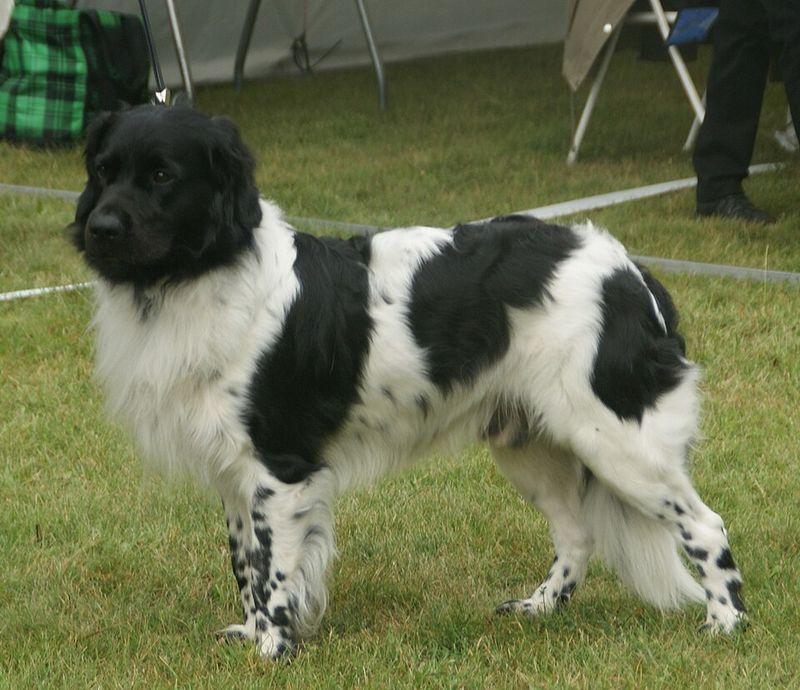
Stabyhouns are steady, affectionate generalists with thoughtful temperaments. They want to participate but do not love chaos.
When left out, FOMO may appear as quiet staring, soft whines, or waiting statues near the door.
Build a strong mat routine and reward duration generously. Pair departures with a high-value chew and a simple sound cue that predicts chill time.
Practice tiny absences, then gradually stack minutes. Keep greetings simple to avoid fueling anticipation.
They thrive on measured exercise, tracking games, and relaxed nature walks. Reward independent lounging and ignore shadowing.
Over weeks, the pattern clicks: calm behavior makes everything happen faster, and missing one errand is no big story.
Small Munsterlander
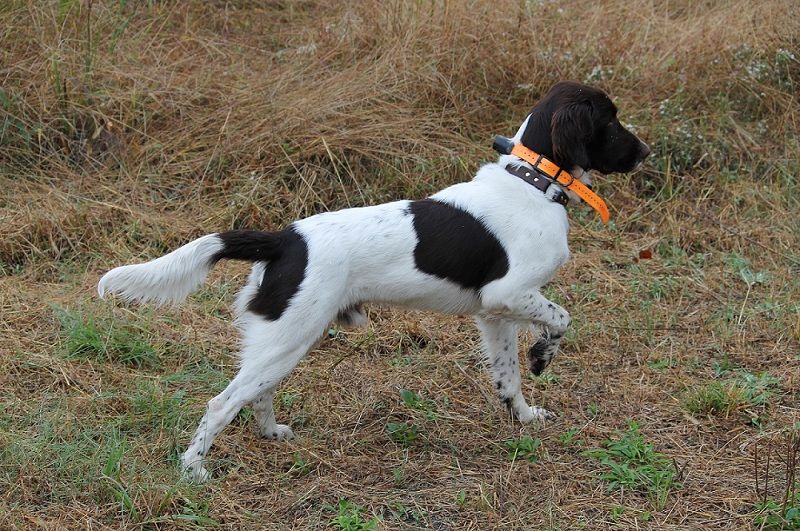
Small Munsterlanders are energetic, biddable hunters who crave teamwork. They track your movements like a mission briefing.
When your plan excludes them, FOMO can brew into spinny excitement, protest chirps, or tactical door camping.
Give them outlets. Daily field-style retrieves, scent games, and obedience reps bleed the fizz.
Build solo stamina with structured mat time and graduated step-outs. Exit with a frozen chew and return without fuss to keep the arousal low.
Train pattern breaks: pick up keys, sit down, reward calm. Repeat until signals lose power.
Celebrate quiet when you cross rooms without engagement. With consistency, their need to help morphs into confident waiting for the next task.
Large Munsterlander
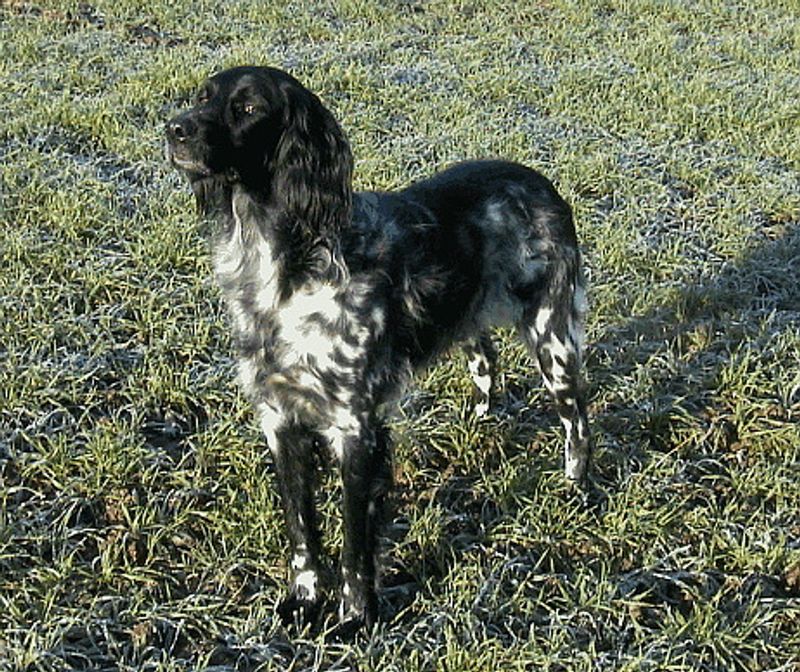
Large Munsterlanders are driven, affectionate partners built for all-day work. They notice patterns instantly, which makes them champions of anticipation.
When the outing skips them, FOMO can bloom into strategic vocalizing or door anchoring.
Answer with clarity and jobs. Long retrieves, field obedience, and scent trails feed their purpose.
Teach a bulletproof place cue with increasing distractions. Depart with a serious chew, keep energy flat, and grow durations slowly after easy wins.
Mix physical work with decompression sniffing to reduce restlessness. Reward independence and relaxed posture, not hovering.
With thoughtful routines, they learn the gig: wait calmly now, work joyfully later, and the fun always returns.