
More walks will not fix a dog that is overwhelmed, bossy, or bored. Clear rules, mental work, and calm structure often change everything faster than endless miles.
If your smart pup is running your household, it is time to trade laps for limits. These breeds thrive when you set fair boundaries and teach them how to relax.
Belgian Malinois
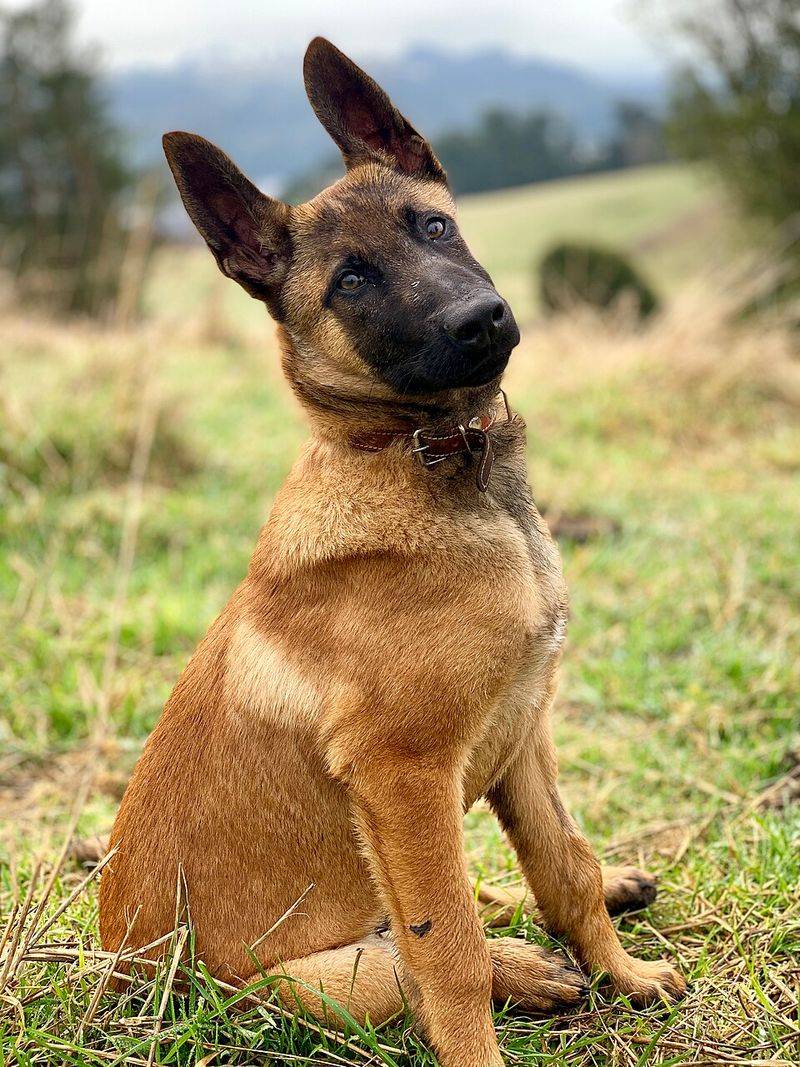
Belgian Malinois are intensity with fur. Add miles and you often build a super-athlete who still screams for direction.
Add boundaries and you unlock self-control. Break the cycle of nonstop fetch by teaching off-switch skills like place, crate relaxation, and structured tether time.
Train with precise markers, short reps, and meaningful breaks. Limit rehearsals of chaos: door dashes, window guarding, and frantic ball-chasing.
They thrive when criteria are crystal clear and energy has rules.
Give bite-friendly outlets like tug with start-stop cues and a clean out. Then require a calm lie-down afterward.
The transformation is dramatic when the brain works harder than the legs. Calm becomes their most impressive command.
Border Collie
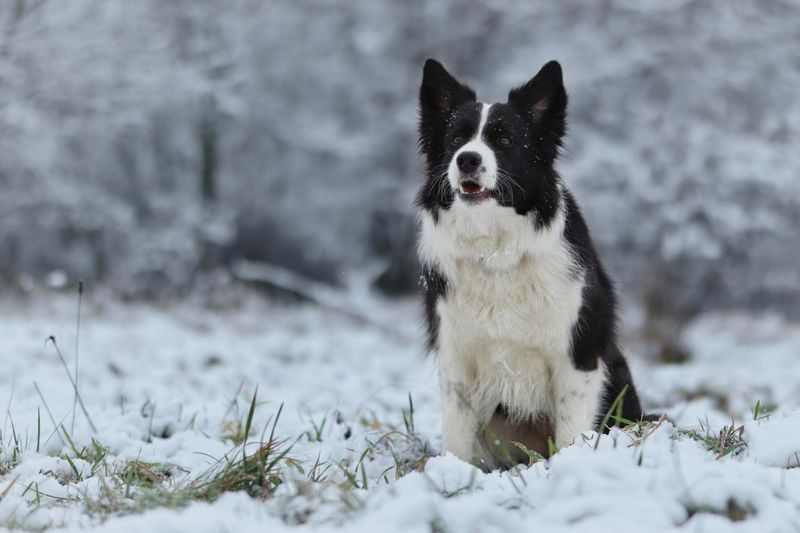
Border Collies excel at patterns. Without guidance, they invent their own fun: herding kids, stalking shadows, micromanaging everything.
Give structure first, then sport. Daily decompression walks on a long line, quiet place training, and strategic boredom break their obsession cycles.
Teach impulse control around motion triggers like bikes, squirrels, and fast kids. Use food lures sparingly and build value in stillness.
Reinforce attention breaks, sniffing, and slow breathing. You are teaching gears, not just go.
Replace relentless fetch with shaping games and scent work. Set boundaries around fences and windows to stop rehearsed reactivity.
When calm is trained, their brilliance shines kindly. You will see a thoughtful teammate, not a twitchy manager.
Australian Cattle Dog
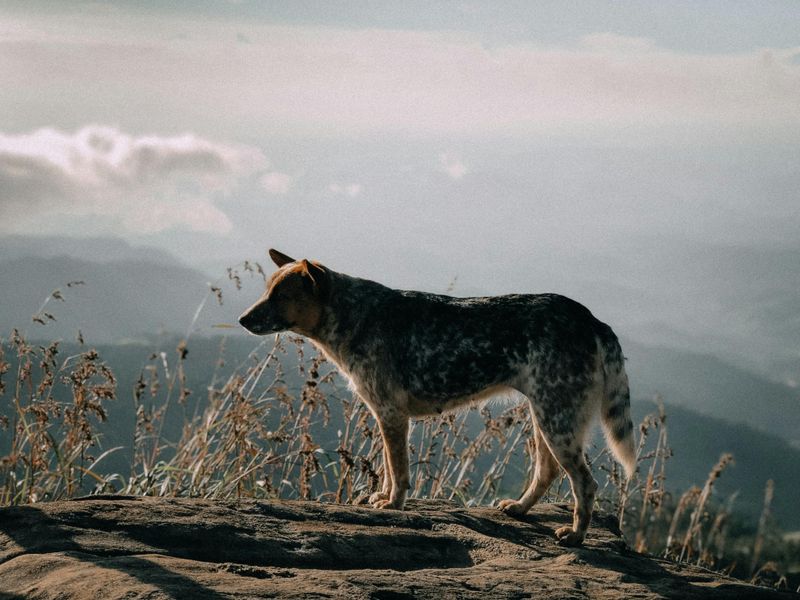
Australian Cattle Dogs are gritty workers built to push livestock, not your nerves. Endless exercise can create a conditioned marathoner with no off-button.
Boundaries teach them how to conserve energy and listen.
Use strong stationing skills, leash pressure clarity, and a predictable work-rest cycle. Limit free-for-all zoomies and window chasing.
Give meaningful jobs: structured tug, controlled fetch, and short problem-solving drills. Then enforce a true nap.
Teach neutrality around strangers and dogs. Reward steady breathing, soft eyes, and stillness.
A calm cattle dog becomes shockingly empathetic and cooperative. When you lead with rules, their grit turns into reliable partnership, not stubborn pushback.
Less chaos, more control.
Dutch Shepherd
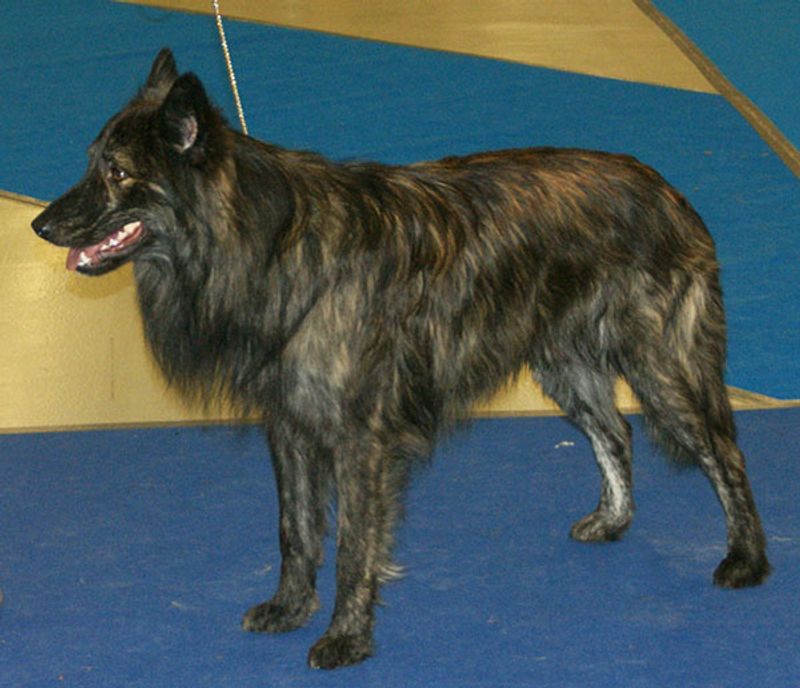
Dutch Shepherds are agile thinkers who will exploit loopholes. More running often yields a fitter opportunist.
Clear boundaries solve the root issue: impulse control. Start with structured heel, place, and door manners to prevent constant self-assignments.
Use food, toys, and tactful corrections to clarify yes and no. Interrupt scanning and window patrolling early. Provide layered jobs: scent boxes, tug with rules, and short obedience bursts, followed by calm decompression.
Teach neutrality to urban chaos: delivery people, elevators, bikes. Reward disengagement over intensity.
When the brain gets a framework, their athleticism becomes precise, not hectic. The result is a dog that can turn on when invited and power down on command.
Beauceron
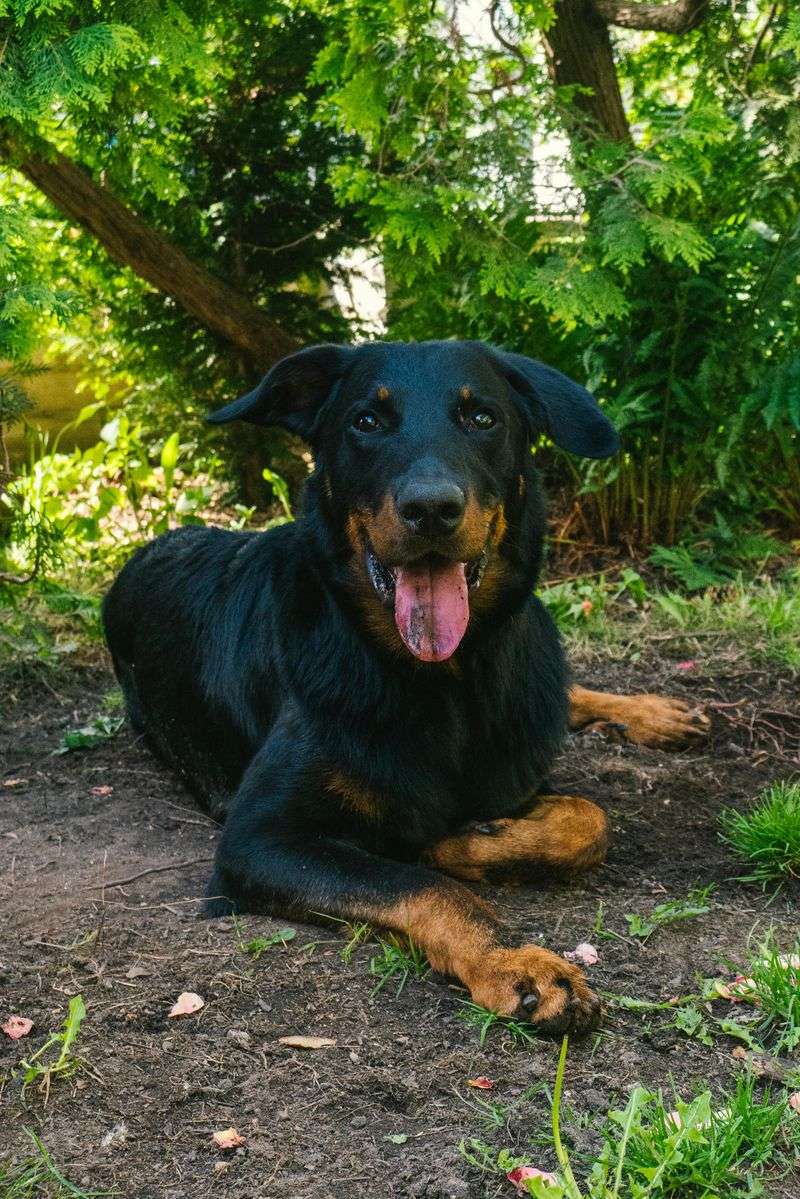
Beaucerons are imposing yet sensitive herding guardians. They read your inconsistencies instantly.
More miles may strengthen suspicion, not sanity. Set polite protocols for guests, leashes, and thresholds, and enforce them gently but firmly.
Balance obedience with decompression: slow sniff walks, place training, and chew sessions. Prevent perimeter patrolling and window alarms.
Clarity reduces their need to control. Keep training short, confident, and fair.
Teach a reliable out from toys and food neutrality. Reward calm coexistence more than flashy drive.
With boundaries, their protective nature becomes measured and classy. You will feel proud walking a dog that chooses composure over confrontation every time.
German Shepherd
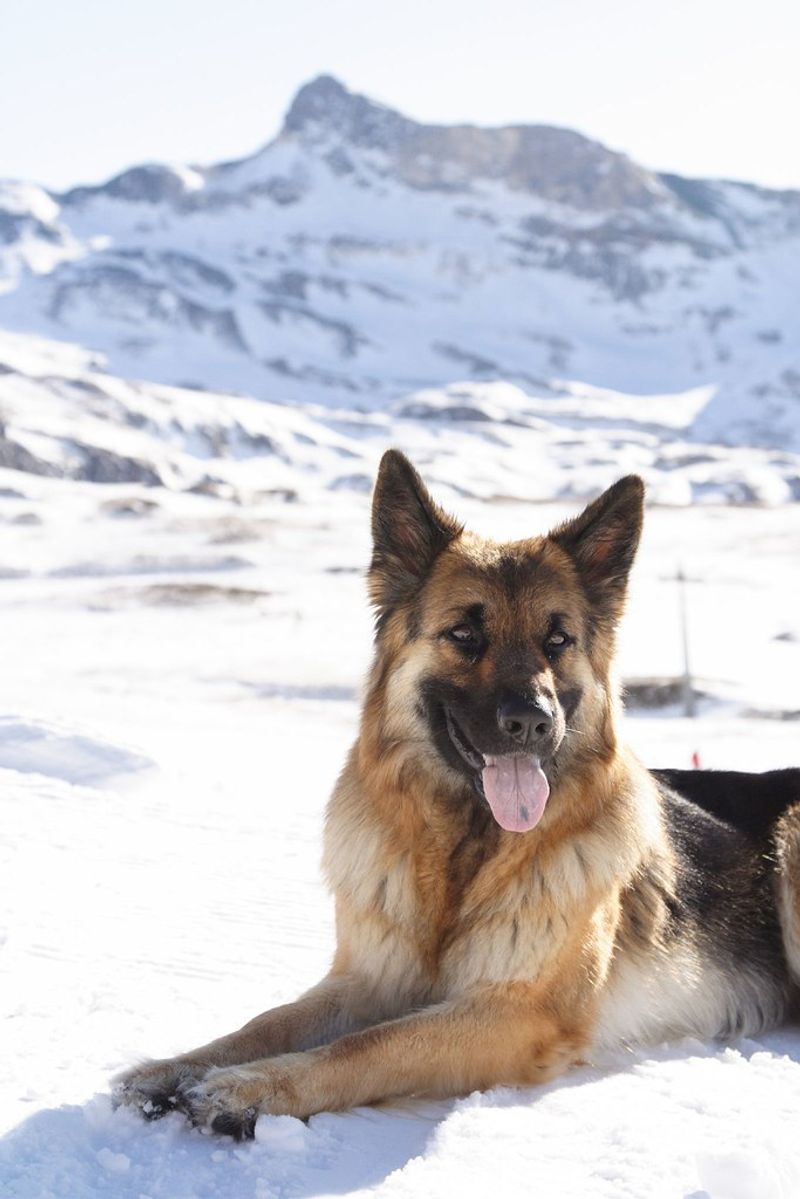
German Shepherds are brilliant problem solvers who often outpace their humans. Long walks may drain legs, but structure drains stress.
Clear boundaries around doorways, furniture, and greetings help them relax and stop patrolling.
Teach a solid place command, calm leash manners, and predictable routines. Rotate short training sessions with sniffy decompression and quiet downtime.
Advocate for your dog by limiting chaotic dog park play and setting rules for visitors.
Consistency matters more than more miles. Use food rewards, leash guidance, and fair corrections to clarify expectations.
When shepherds know the job is to settle, you get loyalty without the hyper-vigilance. That balanced calm is the goal.
Standard Poodle
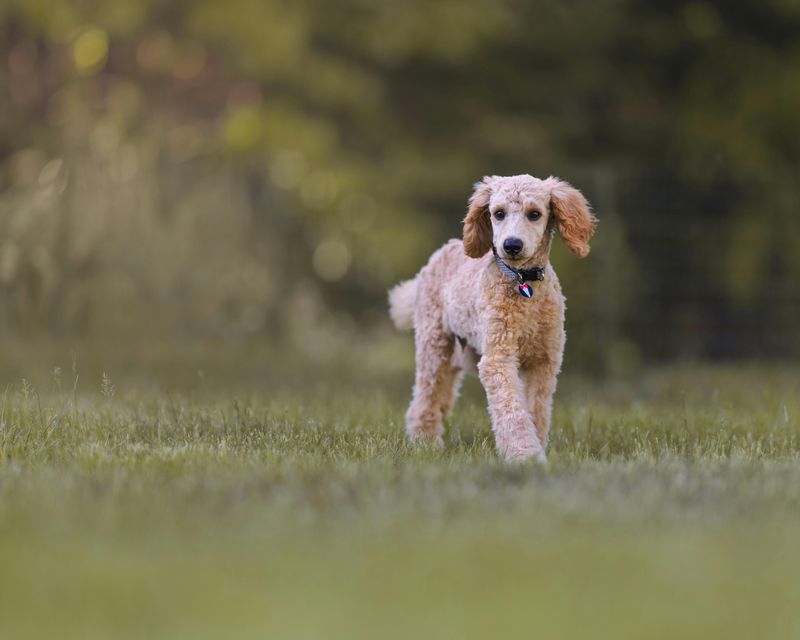
Standard Poodles are highly observant and often test routines. Too much excited play makes them flighty and vocal.
Boundaries create elegance in behavior. Teach a chin-rest for handling, place for visitors, and structured leash starts to avoid prancing chaos.
Rotate brain work: scent games, shaping tricks, and short obedience. Pair every exciting activity with a deliberate cooldown.
Crate rest and off-limits zones help them relax without guilt.
Reward quiet eye contact, not dramatic charm. Interrupt demand barking kindly but consistently.
With a framework, they settle into thoughtful partners who move gracefully through busy homes. More boundaries equal more poise, which makes their intelligence shine.
Standard Schnauzer
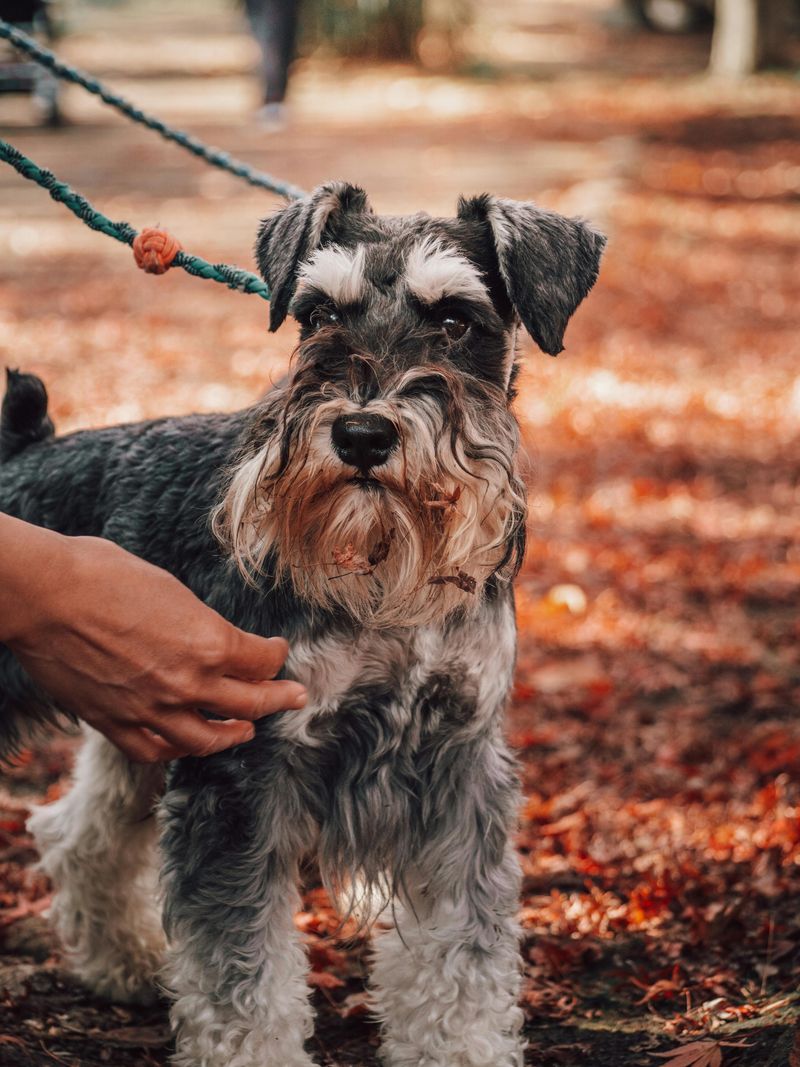
Standard Schnauzers are clever watchdogs who love to negotiate. Without boundaries, they run the lobby of your life.
Increase clarity, not just cardio. Teach quiet at windows, neutral greetings, and a rock-solid place during deliveries.
Use food and leash guidance to redirect curiosity into manners. Keep sessions short and snappy, then insist on rest.
Provide puzzle feeders and deliberate sniff walks to satisfy their minds.
Correct door dashes and fence drama early. Reward settling beside you while life happens.
Their spark becomes civilized confidence when expectations are consistent. You will get a witty companion who can switch from alert to relaxed on cue.
Jack Russell Terrier
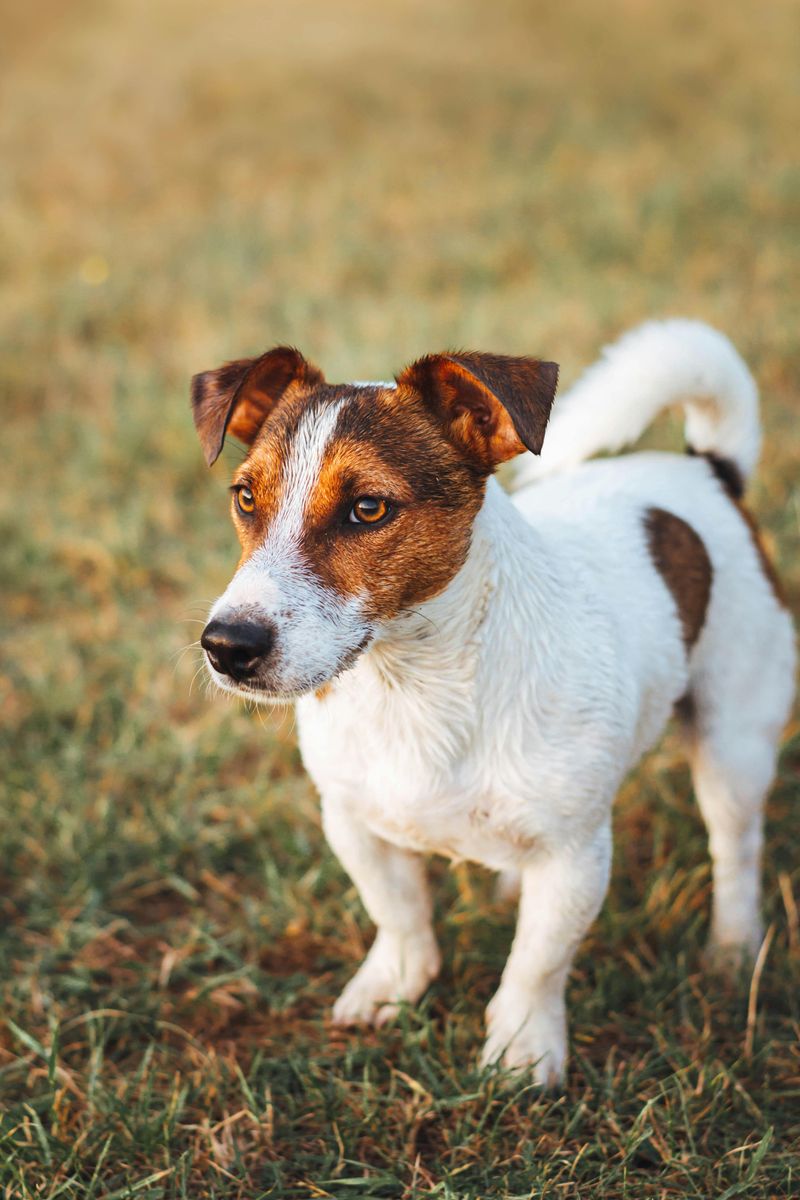
Jack Russells are tiny rockets with PhD brains. More fetch is gasoline on the fire.
Boundaries teach them how to idle. Use structured tug with start-stop cues, calm mat work, and strict toy rules to prevent resource guarding and mania.
Limit chaotic dog park time. Replace it with nose work, trick shaping, and controlled zoomies.
Teach a reliable recall and an instant down to interrupt squirrel-chasing impulses.
Reward stillness and slow breathing as much as speed. Manage environment: blocked windows, leash before doorbells, and crate naps.
With clear rules, their zest becomes sporty charm instead of nonstop mischief. Suddenly, the whirlwind listens.
Miniature Schnauzer
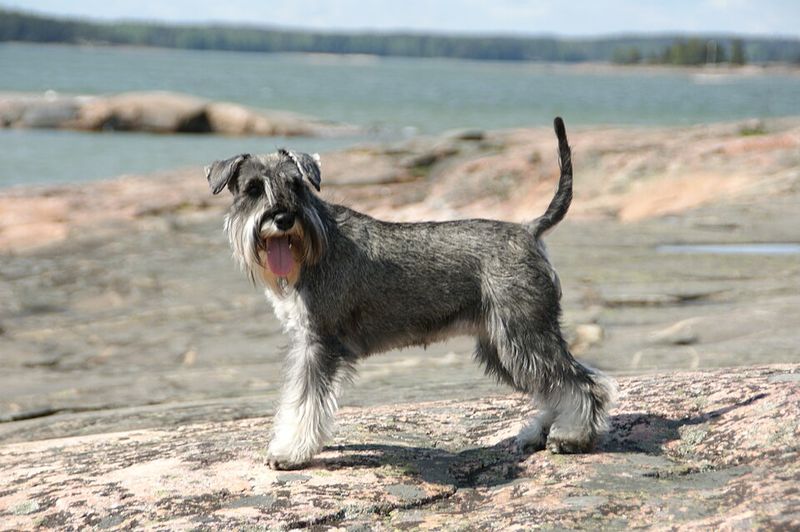
Miniature Schnauzers can be vocal narrators of everything outside. More walking often equals more rehearsed barking.
Boundaries change the script. Teach quiet on cue, a parked place when guests arrive, and rules for window access.
Use low-key rewards and slow petting to reinforce calm. Keep leash starts boring and predictable.
Offer chewing and scent games for mental release without hype. Avoid caffeinating them with constant praise.
Interrupt demand behaviors quickly, then show exactly what to do instead. Reward exhale moments.
With consistency, their watchdog tendencies refine into polite alerts. Your home gets peace, and your snappy little co-pilot gets clarity and confidence.
Dachshund
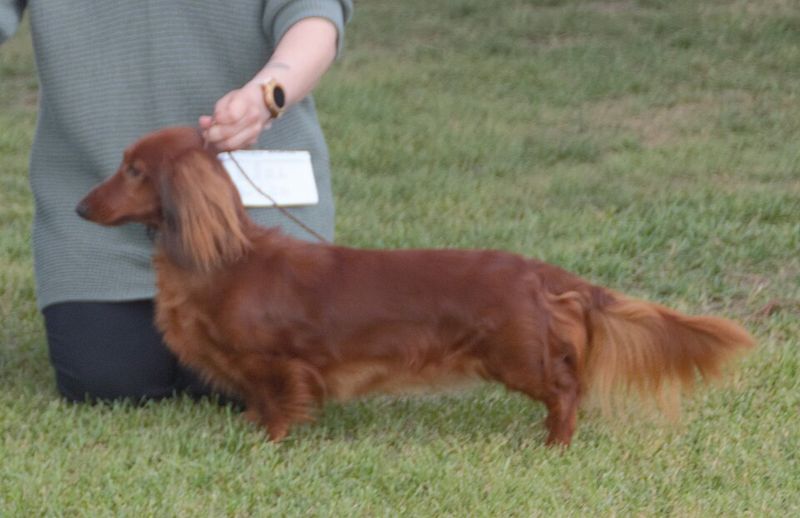
Dachshunds are brave tunnel hunters wired to push forward. More steps rarely solve their stubbornness.
Boundaries create safety and cooperation. Teach a settle cue, polite handling for nails and harness, and clear limits around couches and beds to prevent guarding.
Short training bursts beat long hikes. Use food to shape patient behaviors and leash guidance to prevent lawn anchoring.
Manage jumping on and off furniture to protect backs and minds.
Reward calm cuddles, not protest barks. Structure visitors with a crate or place until everyone is settled.
With fair rules, their spunk turns charming instead of defiant. You will have a pocket comedian who listens.
Papillon
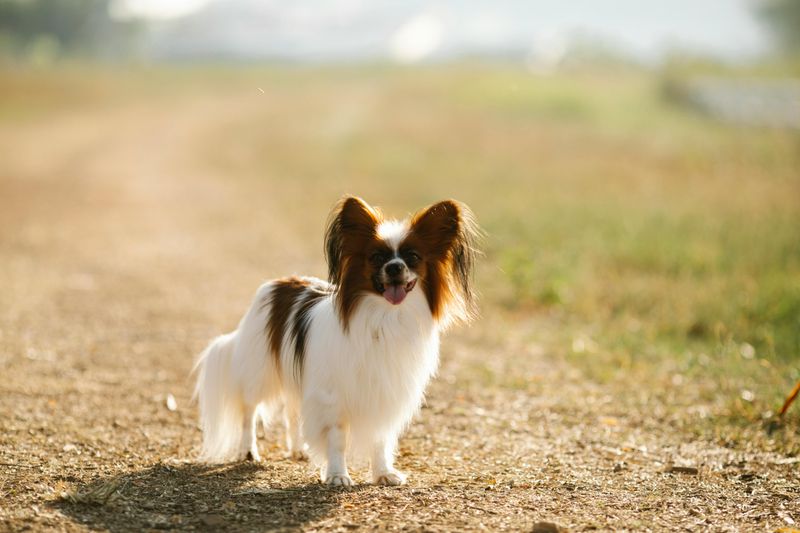
Papillons are dainty athletes with big opinions. Overexcited play makes them yappy and fragile in confidence.
Boundaries create brave calm. Train a reliable place, quiet cue, and confident carrier time so travel and guests are easy.
Use tiny rewards for tiny wins: stillness, soft eyes, and relaxed ears. Keep sessions short and cheerful, followed by naps.
Offer scent games and gentle trick training to satisfy their curiosity without arousing frenzy.
Manage jumping and door greetings. Reward choosing you over window theatrics.
With structure, their sparkle becomes gracious poise. You will enjoy a companion who can float through life with balance, not buzzing nerves.