
Every week, a new viral rant claims your dog doesn’t respect you, and the same powerhouse breeds get dragged into the spotlight. It is not just drama, either.
These dogs are brilliant, intense, and wired for real jobs, so they can steamroll an unprepared owner. If you want respect, it starts with clarity, calm structure, and training that truly meets their needs.
German Shepherd Dog
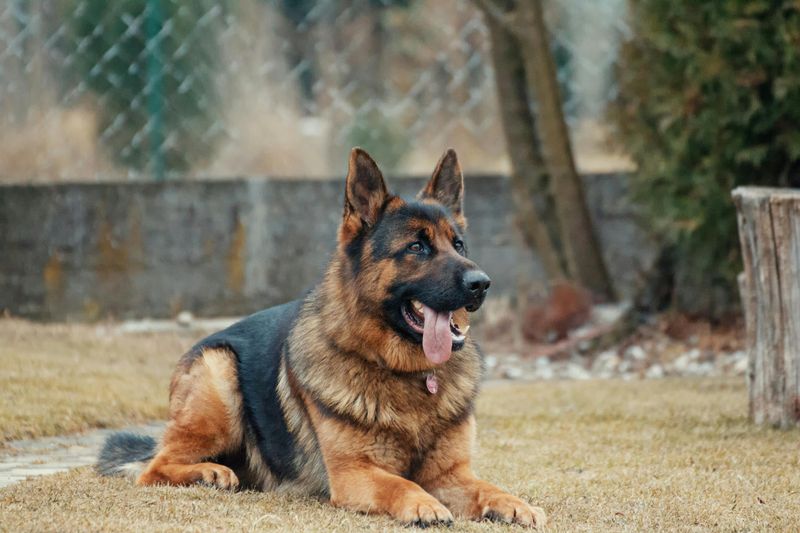
German Shepherds read your body language like a headline. If you waffle on rules, they fill the leadership gap fast.
They love structure, precise cues, and daily jobs that challenge their brain and body. Without that, you will see selective hearing and boundary testing.
Give them clear routines, fair corrections, and rewards for calm focus. Trot them on purposeful walks, sprinkle in scent games, and practice long down-stays.
Rotate toys to prevent boredom. Teach impulse control with door manners and place training.
Confidence grows when you guide, not nag. If you meet their needs, respect follows.
Skip that, and the myth becomes your reality. Consistency, neutrality around distractions, and regular decompression time keep this superstar on your side.
Belgian Malinois
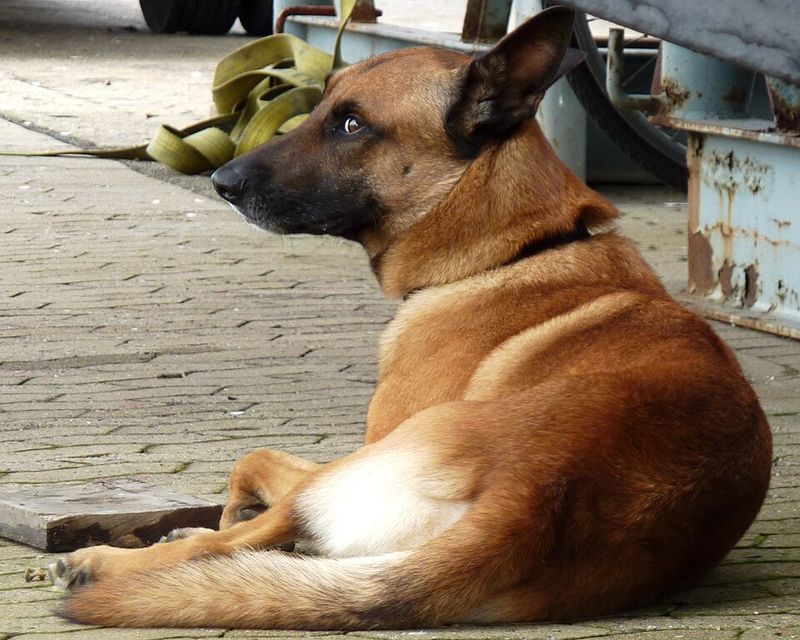
The Malinois is a working rocket. If you do not channel that fuel, it explodes into chaos.
Viral rants call them disrespectful when they are actually underchallenged. They thrive on bite sports, agility, detection games, and strict on off switches.
Keep sessions short, crisp, and frequent. Structure their day with crate time, training, and decompression in nature.
Reward neutrality as much as drive. Teach stationing, out commands, and precision heeling.
They read micro-movements, so your calm matters more than volume. Clear criteria plus immediate feedback earn real respect.
Skip daily outlets and you will get nipping, pacing, and fence running. Meet their mind halfway, and the Mal will give you clean, electric, reliable work.
Rottweiler
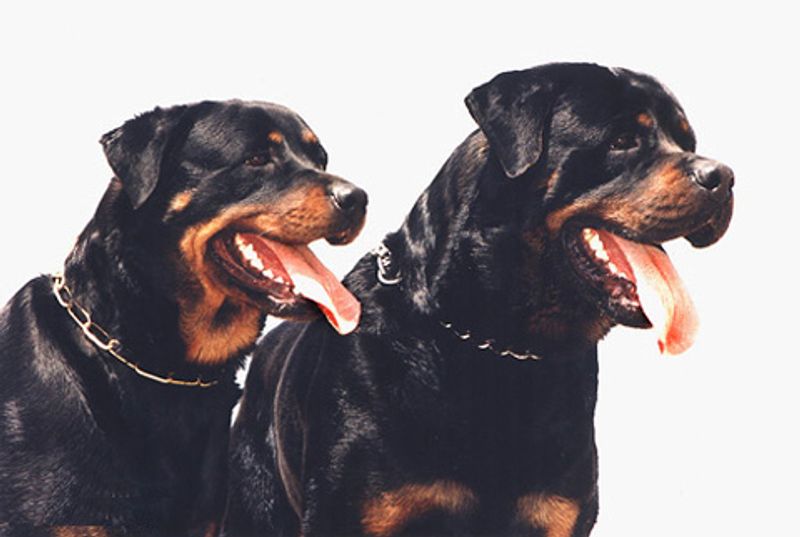
Rottweilers are thoughtful, not rude. They pause, they weigh options, and they respond to leaders who are steady and fair.
If you yell or waffle, they tune you out. Balanced training with boundaries, place work, and controlled greetings creates trust and respect.
Short obedience reps with high-value food, then chilled hangs on a mat, work wonders. Guardy vibes?
Channel them with neutrality drills around strangers and dogs. Teach reliable leave it and recall before you ever need them.
Daily power walks, light strength work, and scent games take the edge off. Protect their joints by keeping jumps modest.
Your energy should be calm and certain. Do that, and your Rottie mirrors it beautifully.
Doberman Pinscher
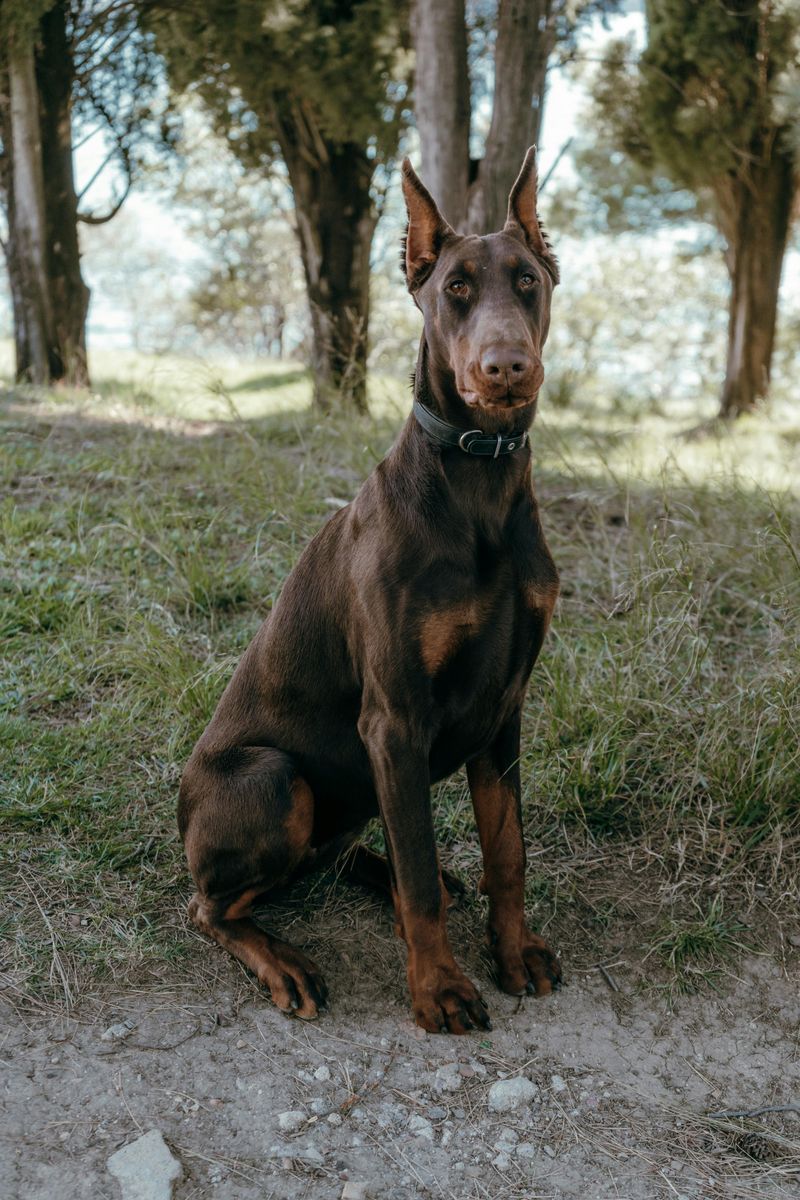
Dobermans scan you constantly, reading mood and intent. Nervous, sloppy handling makes them anxious and pushy.
Clear rules, daily training, and predictable routines switch them from dramatic to devoted. Think precise heeling, quiet thresholds, and rock solid recall.
They crave proximity, but that does not mean zero boundaries. Teach place, crate comfort, and independent settling.
Use food for finesse, then layer distractions later. Gentle leash pressure and release communicates better than nagging.
Mental work beats endless fetch. Try tracking lines, scent puzzles, and structured socialization.
Keep sessions upbeat, end on success, and protect their sensitive nature from harsh corrections. Respect blooms when your expectations are consistent and kind.
Cane Corso
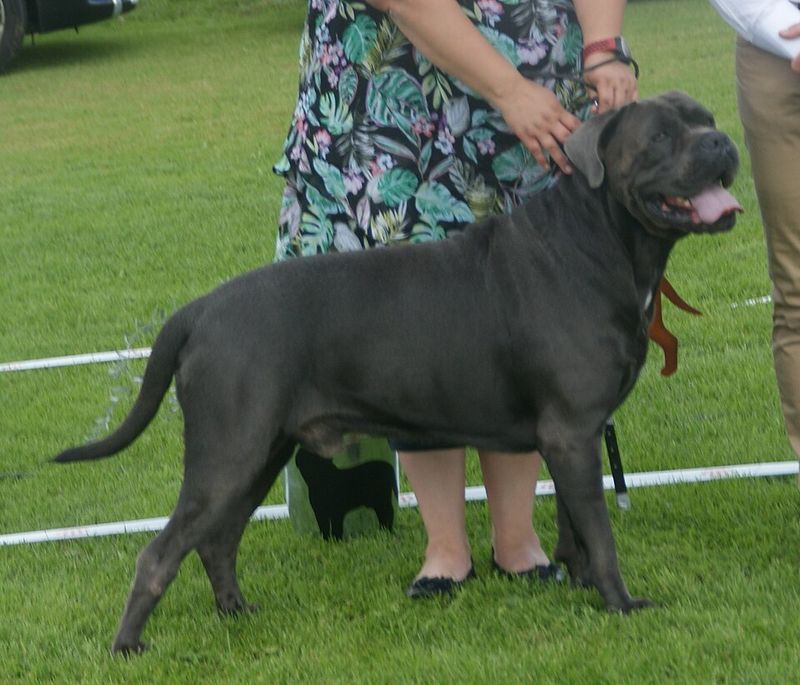
Cane Corsos grow into serious dogs fast. If you are inconsistent, they will manage you.
Early social exposure, calm leash skills, and rock solid impulse control keep things safe and respectful. Gate and doorway drills with sits and eye contact are daily musts.
Reward thoughtful choices, not hype. Keep guests low key, and supervise interactions.
Teach off the couch on cue, and require permission before exiting doors or vehicles. Food lures first, then fade to life rewards.
Short structured walks, place work, and quiet decompression reduce reactivity. Keep corrections fair and unemotional.
With steady leadership, this guardian relaxes and trusts your calls. Skip structure, and you invite pushiness and property bossing.
Australian Cattle Dog
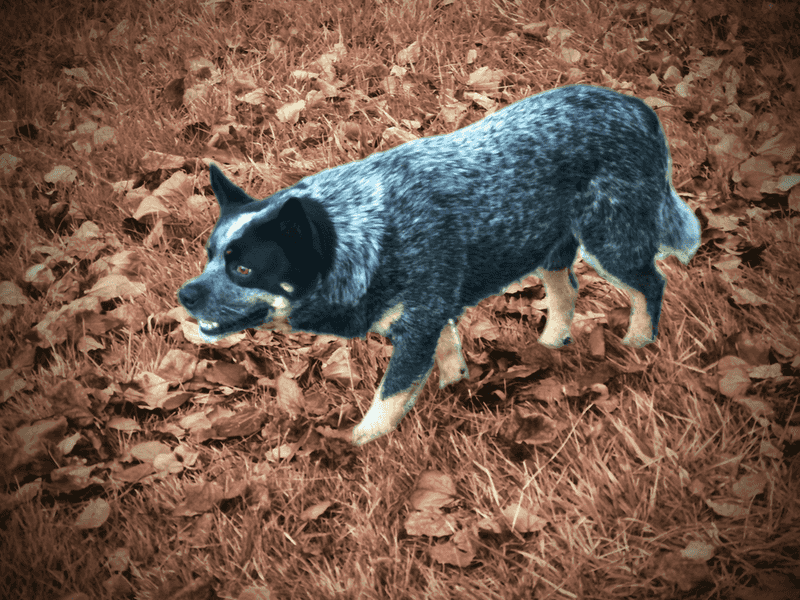
Australian Cattle Dogs are tactical thinkers with turbo stamina. Without jobs, they invent them, like heel nipping and patio policing.
Respect comes from channeling that drive into structured games, trick training, and off switch practice. Keep cues short and snappy.
Daily needs: long line recalls, fetch with rules, and obedience amidst livestock sounds or city chaos. Rotate puzzles to prevent mischief.
Teach settle on a mat after high arousal work. Reward quiet brains, not just speed.
They can out-stubborn you if you repeat cues. Say it once, guide, then reward.
Protect joints with varied surfaces. Give them a mission, and they will give you their best.
Skip it, and you get a bossy land shark.
Border Collie
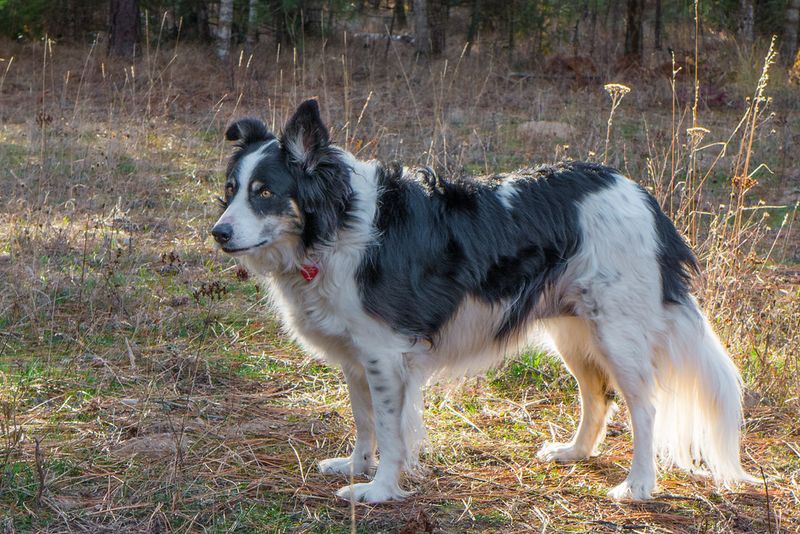
Border Collies are pattern machines. If you do not set the pattern, they will, often by herding kids or chasing bikes.
Respect comes from clarity and jobs: herding foundations, agility, or trick shaping with clean criteria. Keep sessions brainy, not just bouncy.
Use markers, shape calm eye contact, and proof down-stays near motion. Build fetch rules with cues to drop, wait, and release.
Walks should include stop start drills and position changes.
These dogs thrive on earned freedom. Crate and place teach settling, while decompression in nature resets their mind.
When you communicate consistently, they melt into your rhythm. If you wing it, they will freelance and out-think you daily.
Boxer
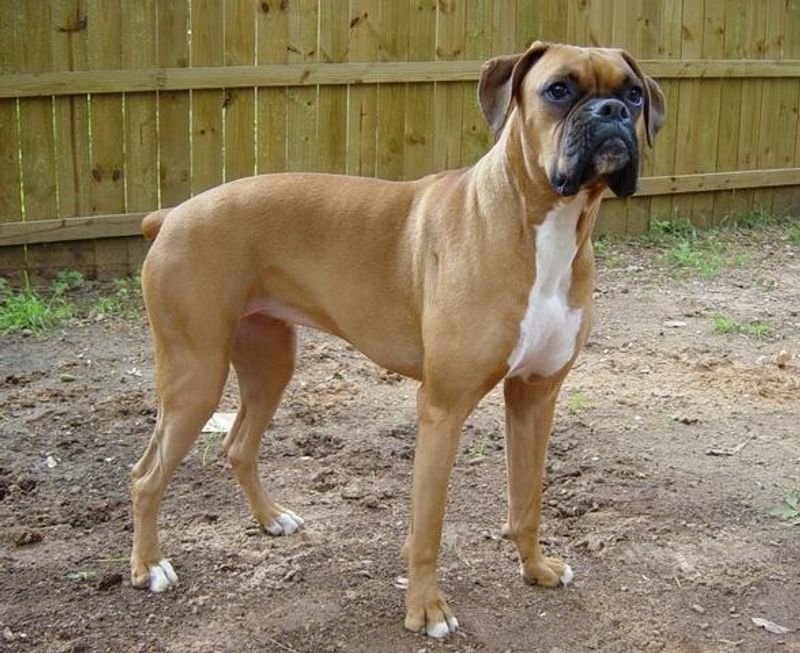
Boxers bring joyful chaos. People call it disrespect when it is really excitement without brakes.
Teach patience with sit to say please before anything fun. Keep training upbeat, brief, and frequent to match their clown energy.
Impulse control is your best friend: door manners, food bowl waits, and toy release on cue. Reward calm eye contact and slow breathing.
Practice loose leash walking with frequent direction changes to keep their brain engaged.
They need daily play, structured fetch, and decompression walks. Use food and toys for motivation, and avoid repetitive jumping to protect joints.
When you set rules kindly, your Boxer becomes a courteous goofball. Without structure, boingy hijinks take over your day.
Siberian Husky
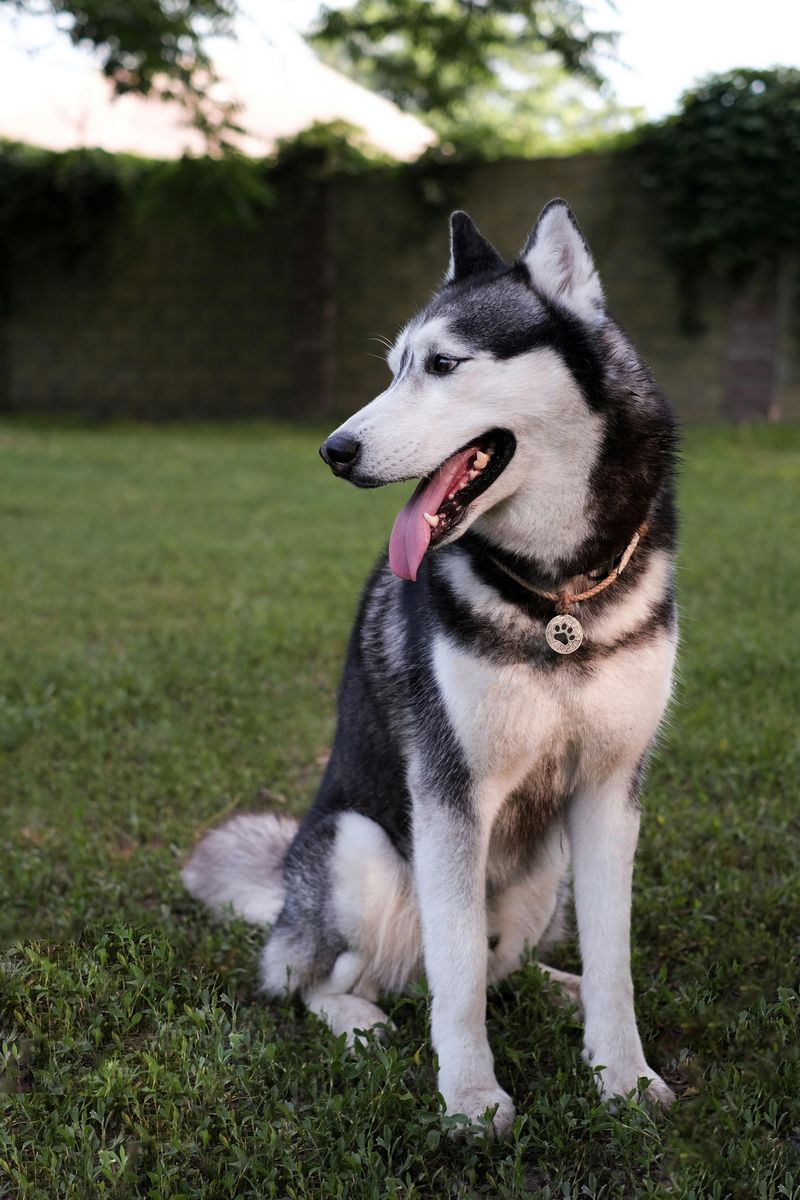
Huskies are independent problem solvers built for running. People mistake distance for disrespect.
If you do not manage freedom, the sled dog in them takes over. Use long lines, secured yards, and high value rewards for recall from motion.
They need aerobic outlets: bike joring, canicross, or fast hikes. Teach settle after exercise to prevent scream singing indoors.
Crate training and calm greetings reduce drama. Keep cues simple and consistent, and proof around wildlife scents.
Respect happens when you meet their nature halfway. Avoid off leash in unsecured areas.
Practice check ins and engage disengage games. When you balance freedom with safety and structure, the Husky listens far more reliably.
Akita
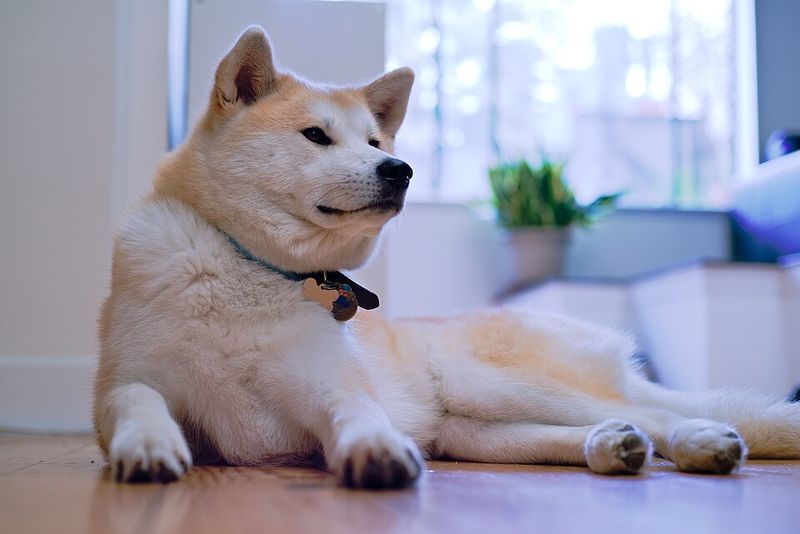
Akitas carry themselves with cool confidence. They are not pushy kids, they are reserved adults.
Respect comes from quiet leadership and predictable routines, not hype. Keep greetings minimal and teach neutral coexistence instead of forced socializing.
Train with food and clarity, then add mild pressure and release for leash skills. Place, crate, and gate manners build impulse control.
Proof recalls in low arousal spaces first, then increase challenge thoughtfully.
Exercise should be steady, not frantic. Daily decompression walks help them relax.
Correct fairly, then move on without emotion. When you set boundaries calmly, the Akita responds with steady reliability.
Skip structure, and you may see aloofness slide into stubborn noncompliance.
Chow Chow
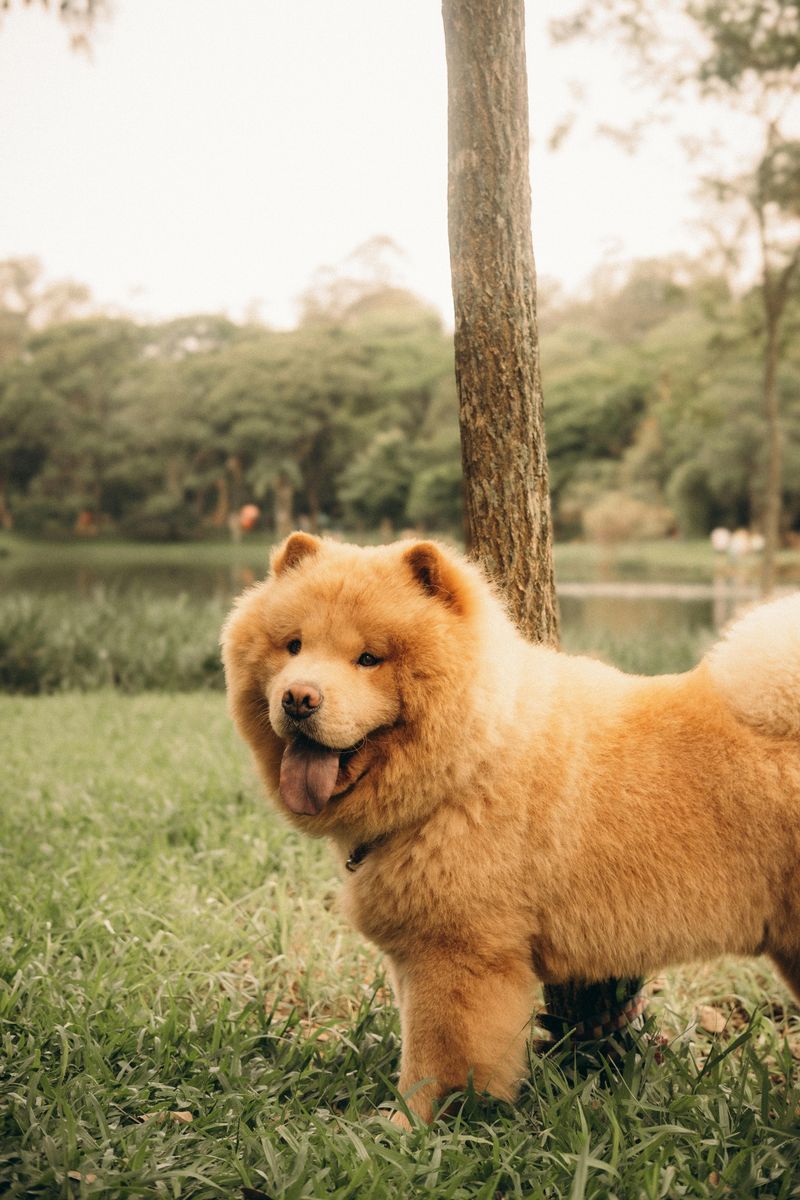
Chows are dignified, sensitive, and selective. Loud, jokey energy reads as disrespectful to them.
Keep handling quiet and deliberate. Teach cooperative care early: brushing, feet handling, and consent cues.
Reward stillness and eye contact, not clowning.
Training thrives on brief sessions and clear boundaries. Place work near household traffic helps them relax.
Use well timed food rewards and gentle leash guidance. Socialization means calm exposure, not chaos at dog parks.
Exercise should be moderate with heat awareness. Build trust through routine and fair expectations.
Correct once, then guide to the right choice. Treated with respect, a Chow meets you in the middle.
Pushed or pestered, they shut down or ignore you.
Bullmastiff
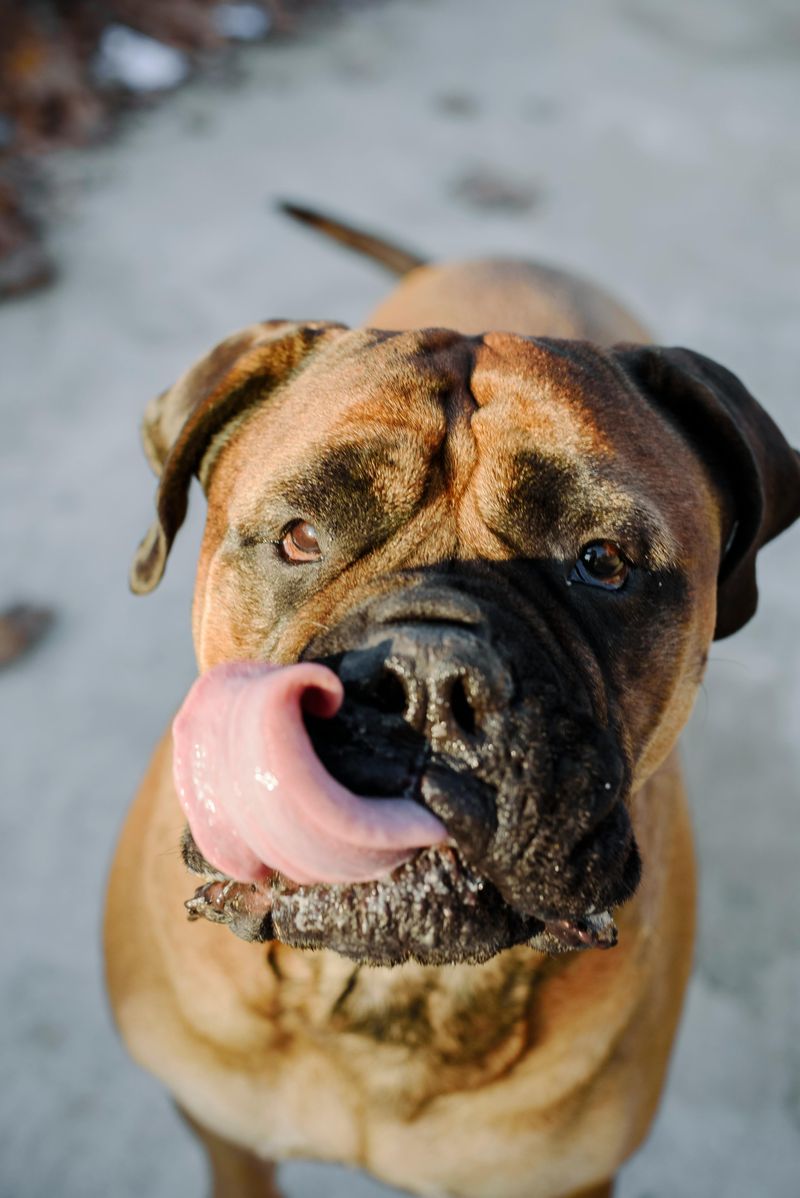
Bullmastiffs are gentle powerhouses. They will lean into you for love, then pretend not to hear if rules are fuzzy.
Respect grows from crystal clear boundaries and low drama corrections. Teach place near the door, and reward quiet when visitors arrive.
Short training windows, then long naps, fit them best. Keep walks steady with polite sniff breaks.
Practice leash pressure and release, plus a reliable wait at thresholds. Food motivation can be subtle, so use life rewards too.
Mind their joints and keep jumping minimal. Daily decompression helps prevent guarding.
When you lead calmly, they follow beautifully. Let routines slide, and you will see selective listening and door surfing.
Rhodesian Ridgeback
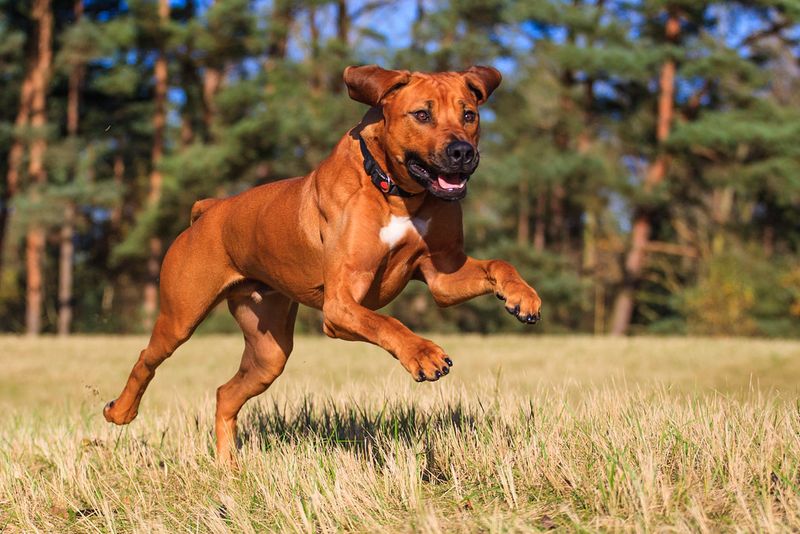
Ridgebacks are hunters with independent streaks. They respect clarity, not constant chatter.
Long line recalls, scent games, and trail etiquette keep them engaged with you. Use fewer words, better timing, and meaningful rewards.
Teach off switch with place and calm car loading. Strengthen leash skills using pressure and release plus food.
Socialize with neutrality, focusing on handler focus near wildlife smells. Proof stay and leave it before high arousal environments.
Give steady aerobic exercise and controlled sprints. Hazy boundaries invite opportunistic choices like chasing or counter surfing.
When you project calm certainty and provide real outlets, this athlete meets you halfway and listens.
American Bulldog
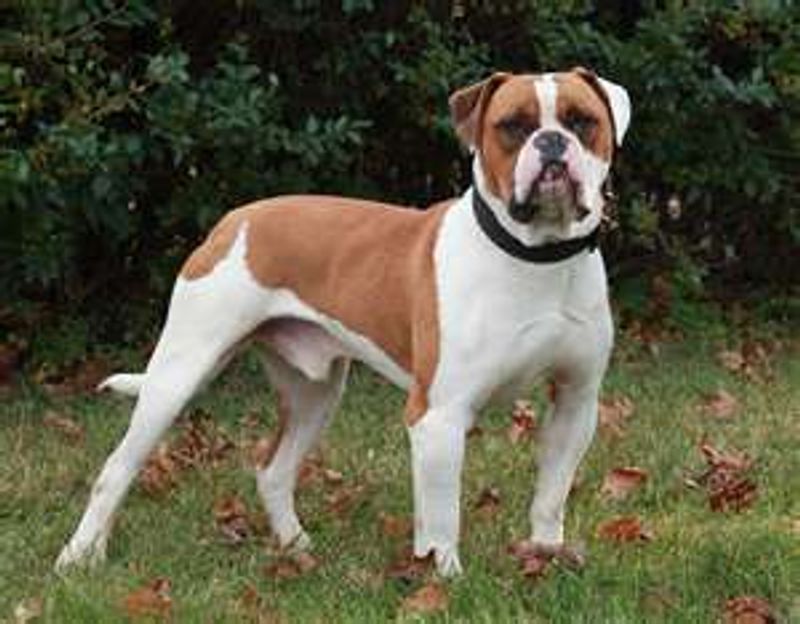
American Bulldogs are enthusiastic doers. If you fail to direct that energy, they become wrecking balls with feet.
Respect comes from fair structure, impulse control, and daily jobs. Teach sit to earn everything, plus strong leave it and drop cues.
Short but frequent obedience, tug with rules, and calm tethered downtime build maturity. Proof leash manners around distractions and practice polite greetings.
Reward relaxed body language, not just speed and strength.
Mind joints and keep jumping minimal. Rotate puzzles and chew routines to lower frustration.
Correct once, guide twice, reward three times. When you are consistent and confident, this breed becomes a loyal, responsive partner instead of a bulldozer.