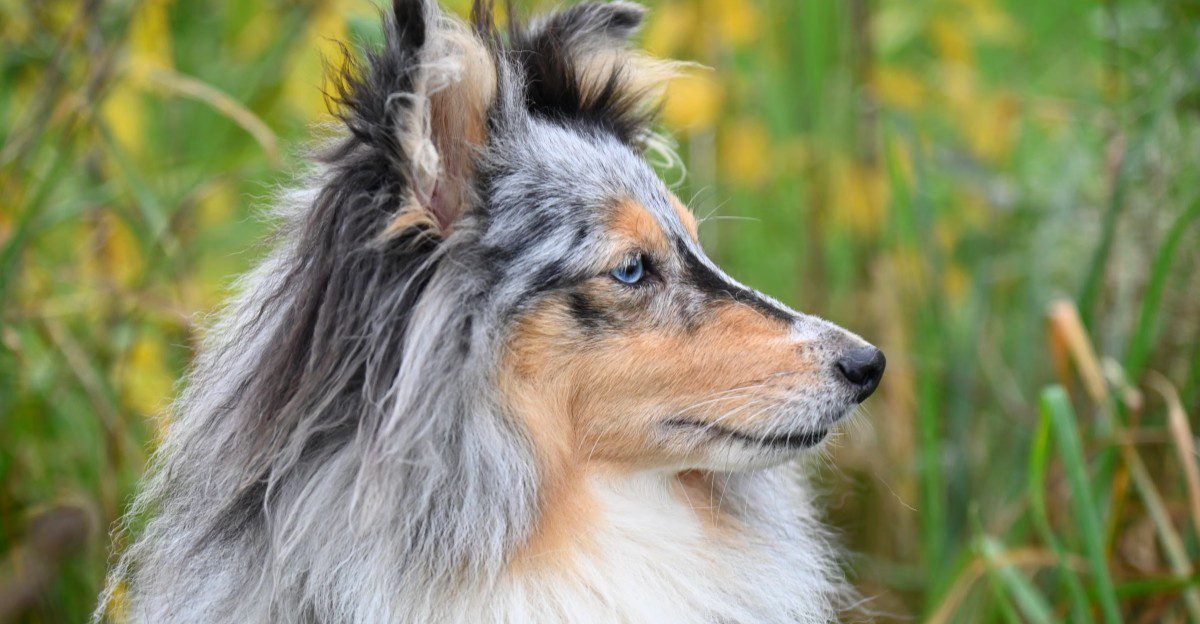
Your dog might love the dog park, but the moment you call its name, every furry pal is forgotten. That is not an accident.
Thousands of years of breeding shaped many dogs to work beside people, watch our faces, and crave our company. Some breeds show this human-first loyalty more than others, and learning about them can help you understand the special bond sitting right next to you on the couch.
Labrador Retriever
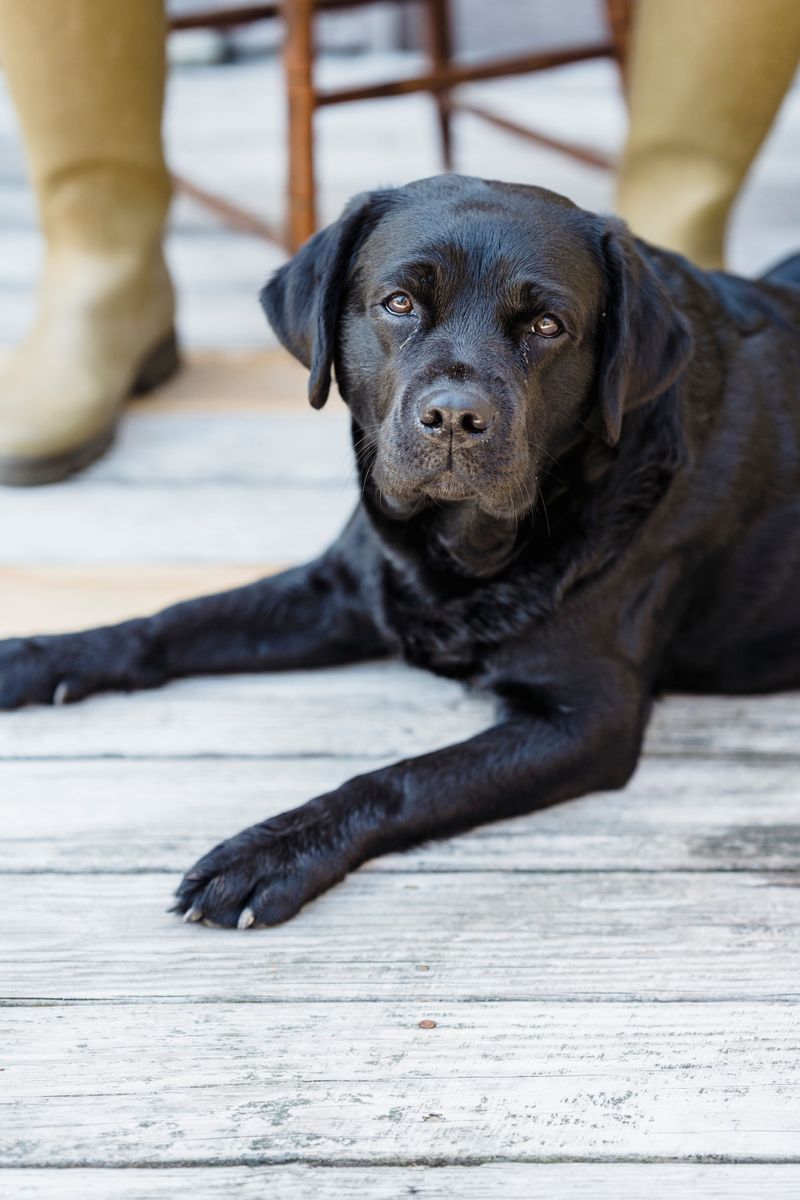
Picture a Lab at a busy dog park. It might sniff a few new friends, but it keeps glancing back to check on you.
Labs were bred to fetch ducks and fish for hunters, which meant working closely with a person all day. That teamwork is baked into their brains.
Want to strengthen the bond? Play fetch games that end with praise.
Your Lab sees you as the best teammate around.
Golden Retriever
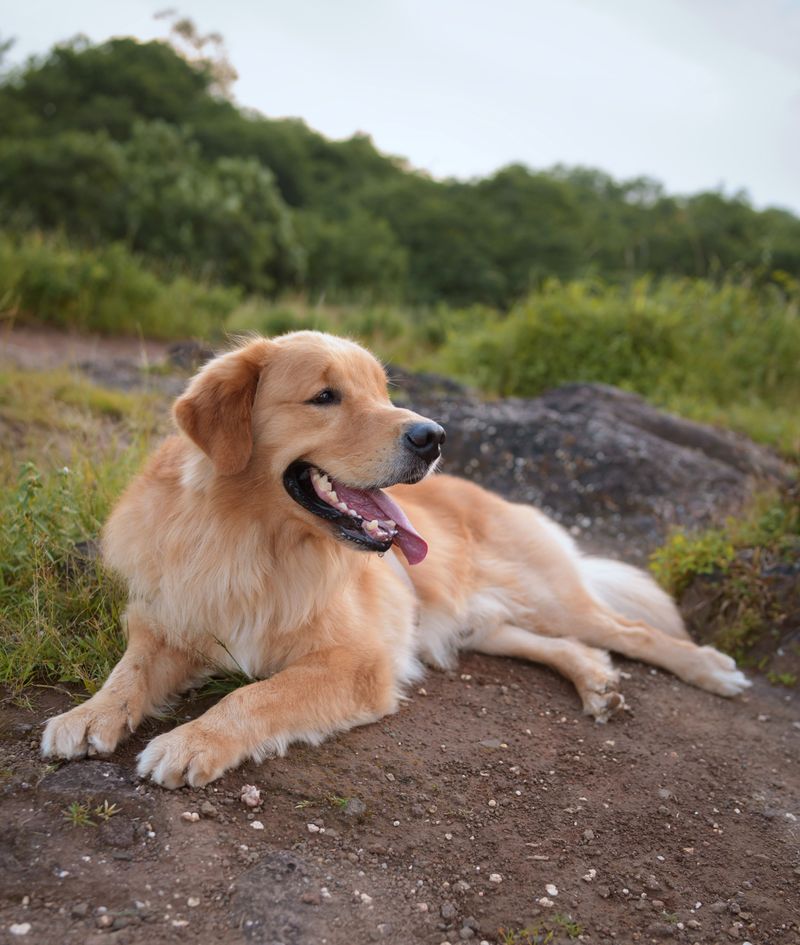
Ask any golden owner and you will hear the same story. Their dog follows them from room to room like a fluffy shadow.
Goldens were developed in Scotland in the 1800s to retrieve birds gently for their handlers. Pleasing people became their whole job.
They read moods surprisingly well, often leaning against someone who feels sad. Reward that sweetness with calm petting and short daily training sessions.
Border Collie
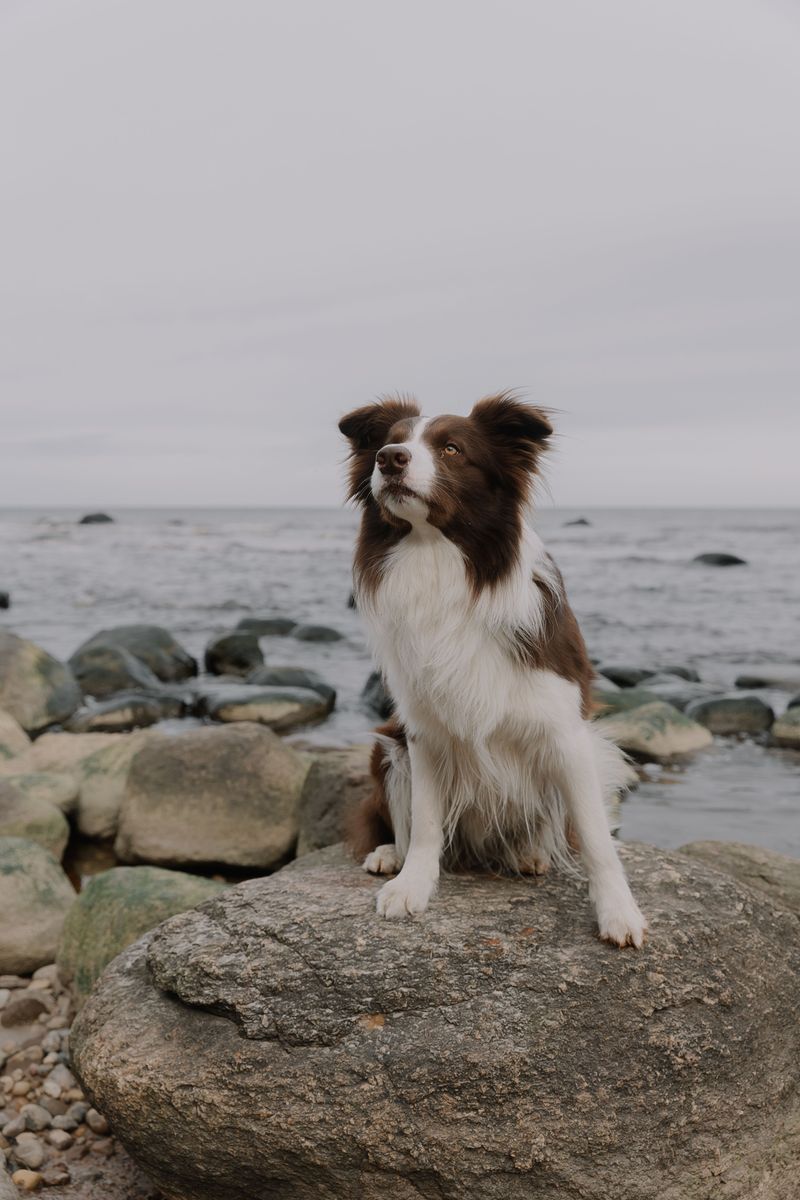
Did you know Border Collies can learn hundreds of words? One famous collie named Chaser knew over 1,000 toy names.
That brainpower grew from herding sheep while staring at a shepherd for tiny hand signals. Other dogs are fun, but you hold the instructions.
Keep this whiz happy with puzzle toys, trick training, and plenty of running. A bored collie may start herding your kids instead.
German Shepherd
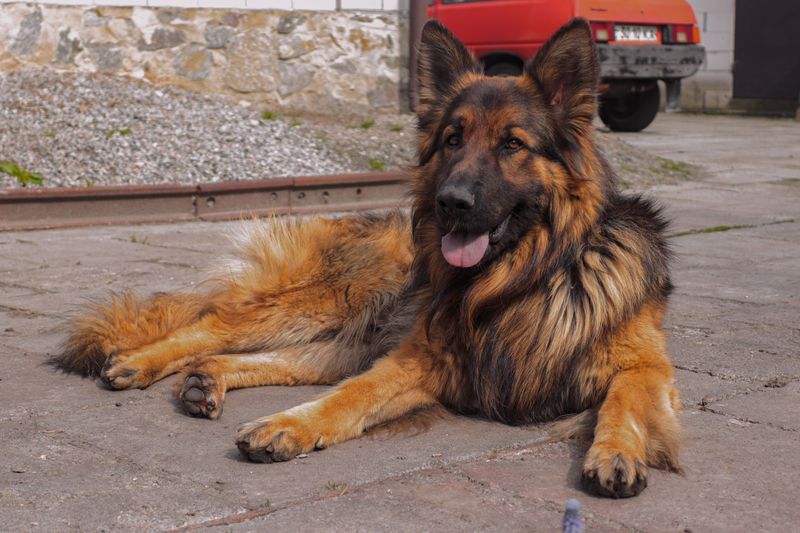
Loyal to the bone, the German Shepherd often picks one favorite human and sticks close like a bodyguard.
Originally bred to guard flocks in Germany, these dogs now serve as police partners, guide dogs, and search heroes. Every one of those jobs depends on trusting a single handler.
Early socialization matters a lot here. Introduce your shepherd to many people and places so its protective streak stays friendly and confident.
Cavalier King Charles Spaniel
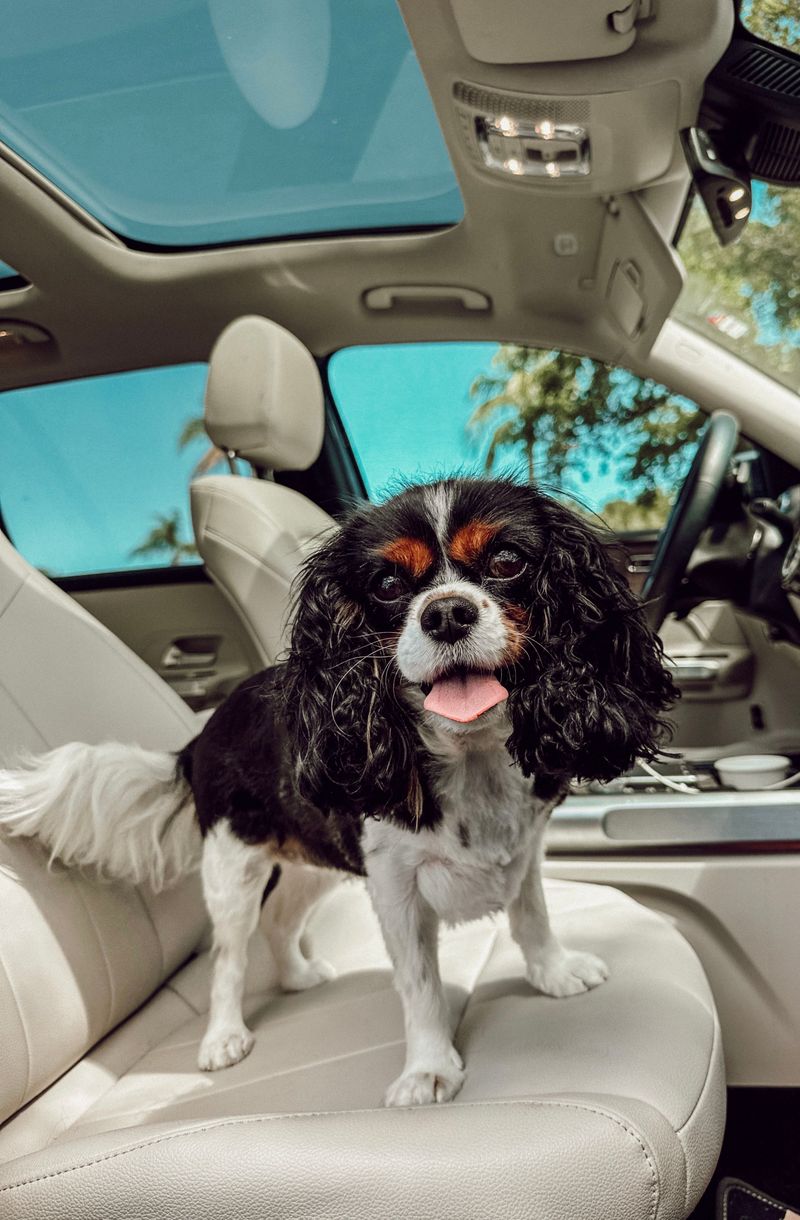
Royal lapdog alert! King Charles II of England loved these spaniels so much that he reportedly brought them everywhere, even to meetings.
For centuries, their only task was keeping people company. No hunting, no guarding, just snuggling.
That history explains why a Cavalier would rather nap on your knees than wrestle with a beagle. They do struggle when left alone, so plan short absences and leave cozy chew toys behind.
Australian Shepherd
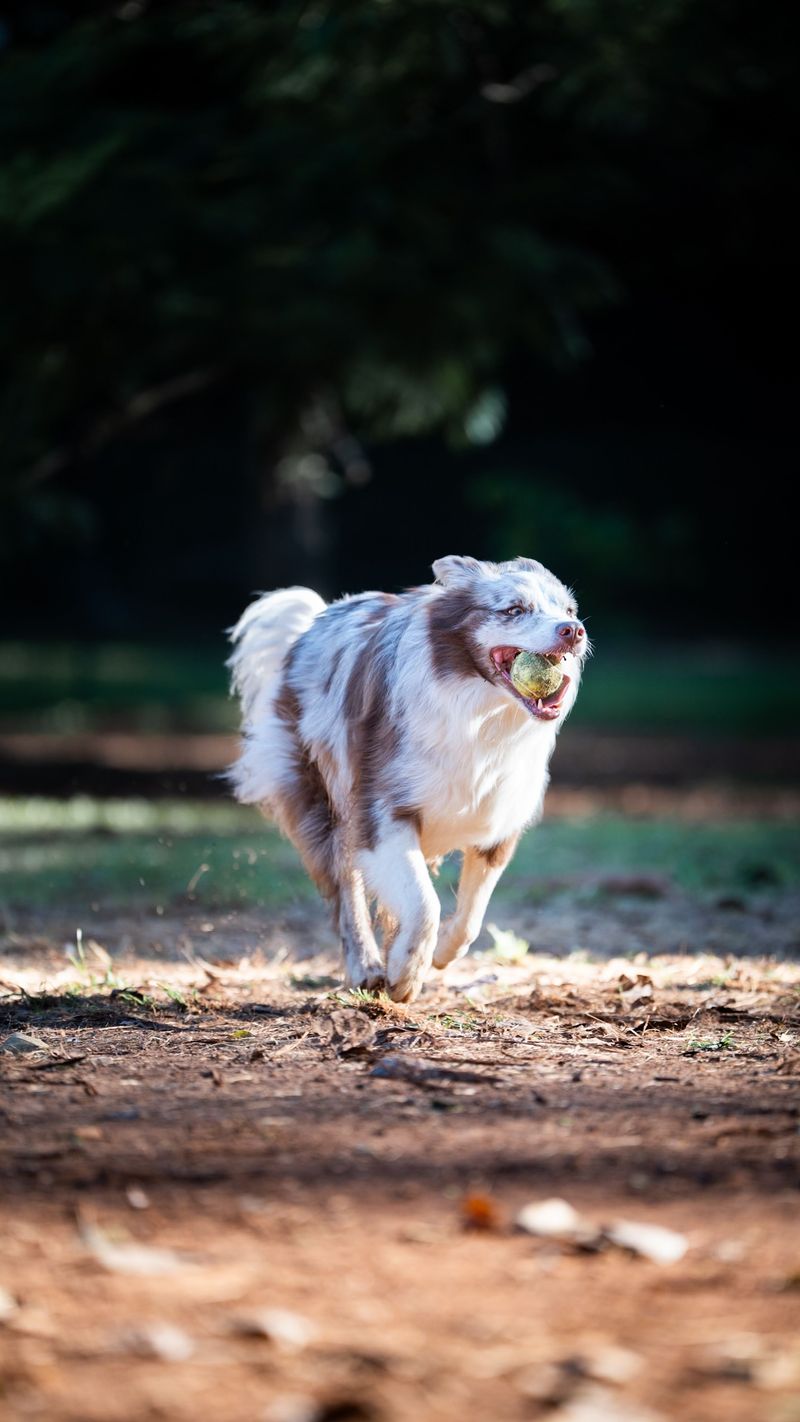
Energy in a fur coat – that is the Aussie. These dogs seem to have a motor that never shuts off, yet they always want you in the game.
Bred to herd cattle on American ranches, Aussies learned to work as a pair with their cowboy.
Give them a job like frisbee, agility, or fetching the newspaper. When you become the source of adventure, no dog friend can compete.
Poodle
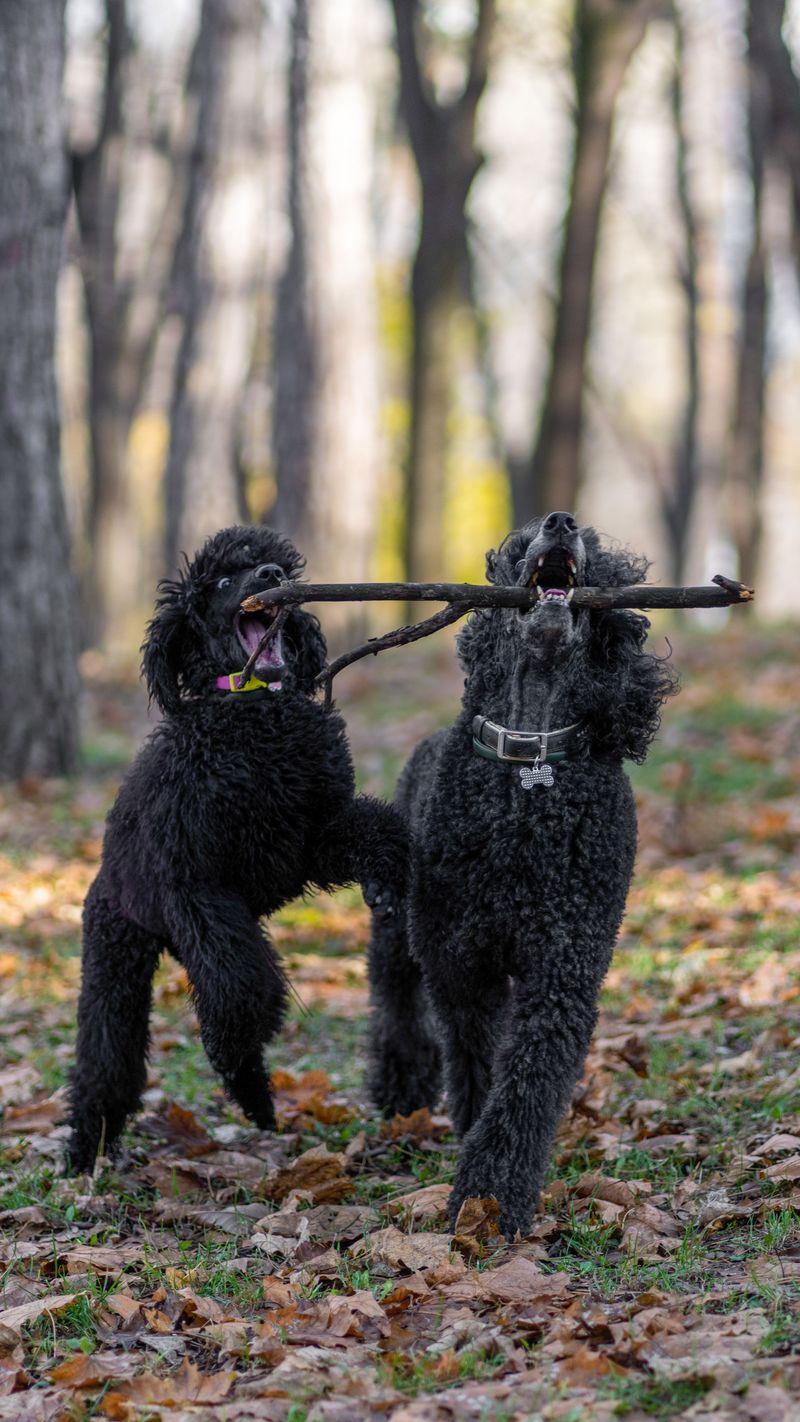
Forget the fancy haircut for a second. Underneath all that fluff sits one of the smartest dogs on the planet.
Poodles started as water retrievers in Germany, and their famous trim actually kept joints warm while swimming. Working with hunters made them highly tuned in to human cues.
Many poodles seem to understand jokes and routines. Teach new tricks often, and you will notice yours studying your face for the next fun idea.
Doberman Pinscher
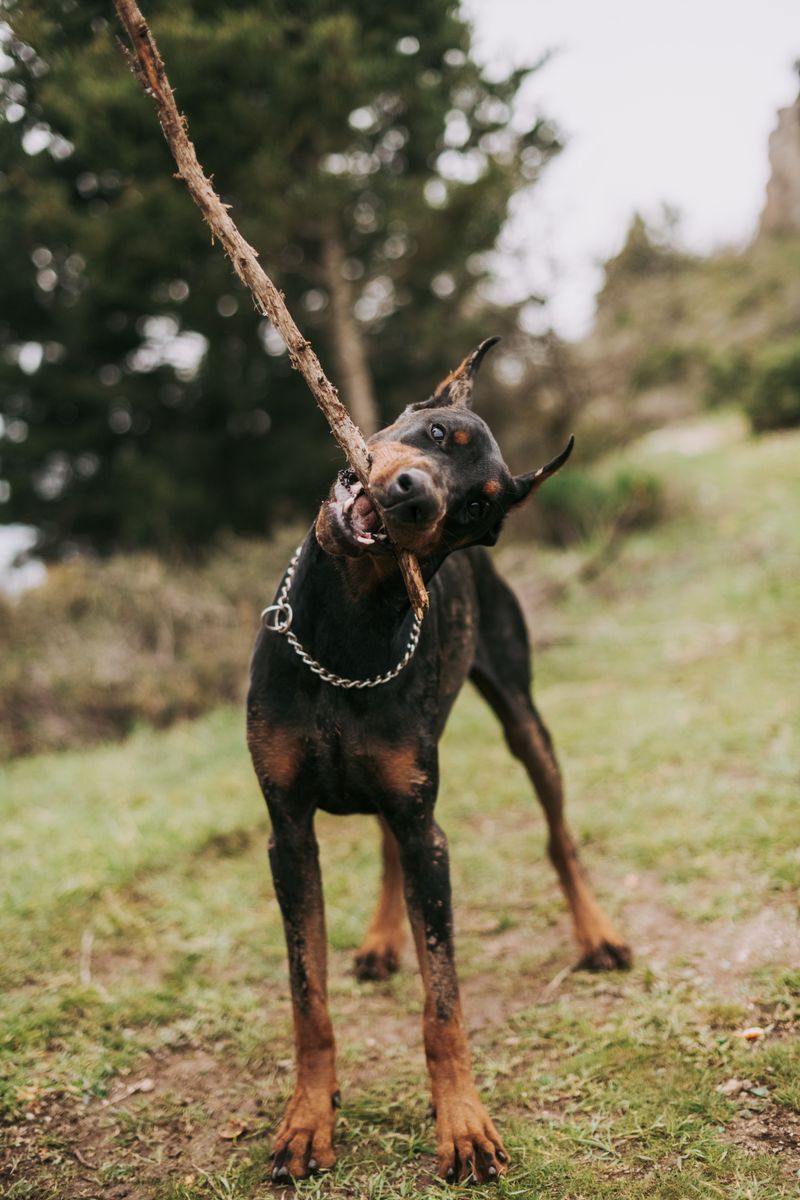
Here is a funny fact: Dobermans are sometimes called velcro dogs because they press their bodies right against their owners.
A German tax collector named Louis Dobermann created the breed in the 1890s to keep him safe on his rounds. Guarding one person was the whole point.
Behind the tough look sits a sensitive softie. Use kind, steady training, since harsh words can hurt this dog’s feelings more than you might expect.
Shetland Sheepdog
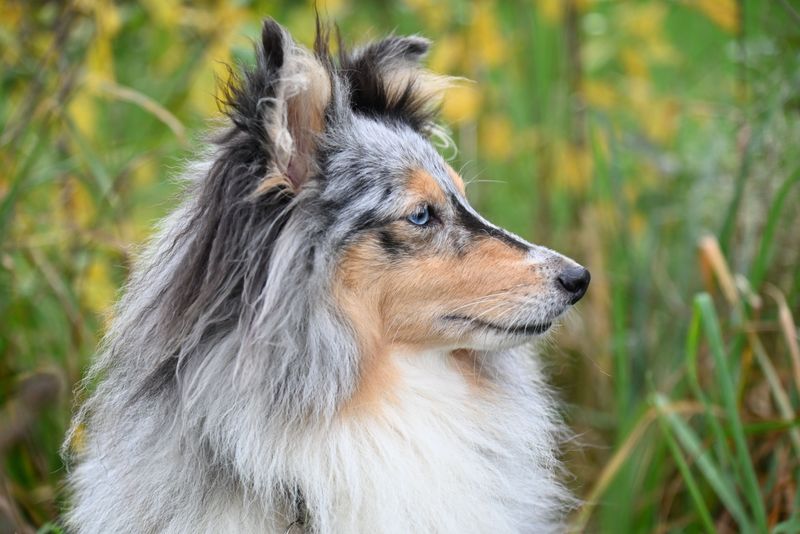
Small, fluffy, and wildly devoted, the Sheltie hails from the windy Shetland Islands near Scotland. Farmers there needed a tiny helper to herd ponies and sheep.
Shelties tend to be shy with strangers, other dogs included, but they light up around family. Many even bark to announce your arrival home.
Gentle training with treats works best. Their sensitive minds pick up on your tone, so speak warmly and watch them shine.
Boxer
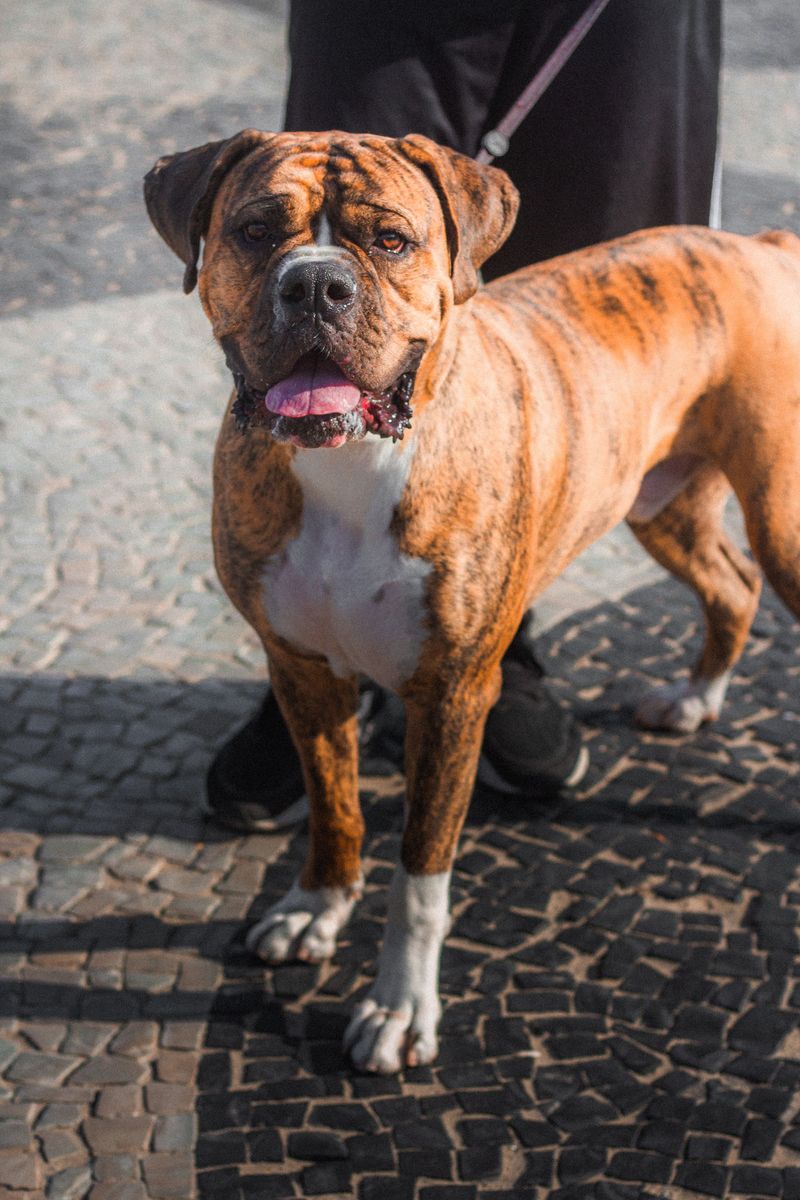
Ever seen a Boxer do the kidney bean? When excited, these clowns curl their bodies into a wiggly C shape and spin in circles.
Usually that dance happens when their favorite person walks in the door. Boxers stay playful puppies at heart for years, and you are their chosen playmate.
Channel that bounce with tug games and long walks. A tired Boxer is a calm Boxer, and a happy cuddle buddy afterward.
Papillon
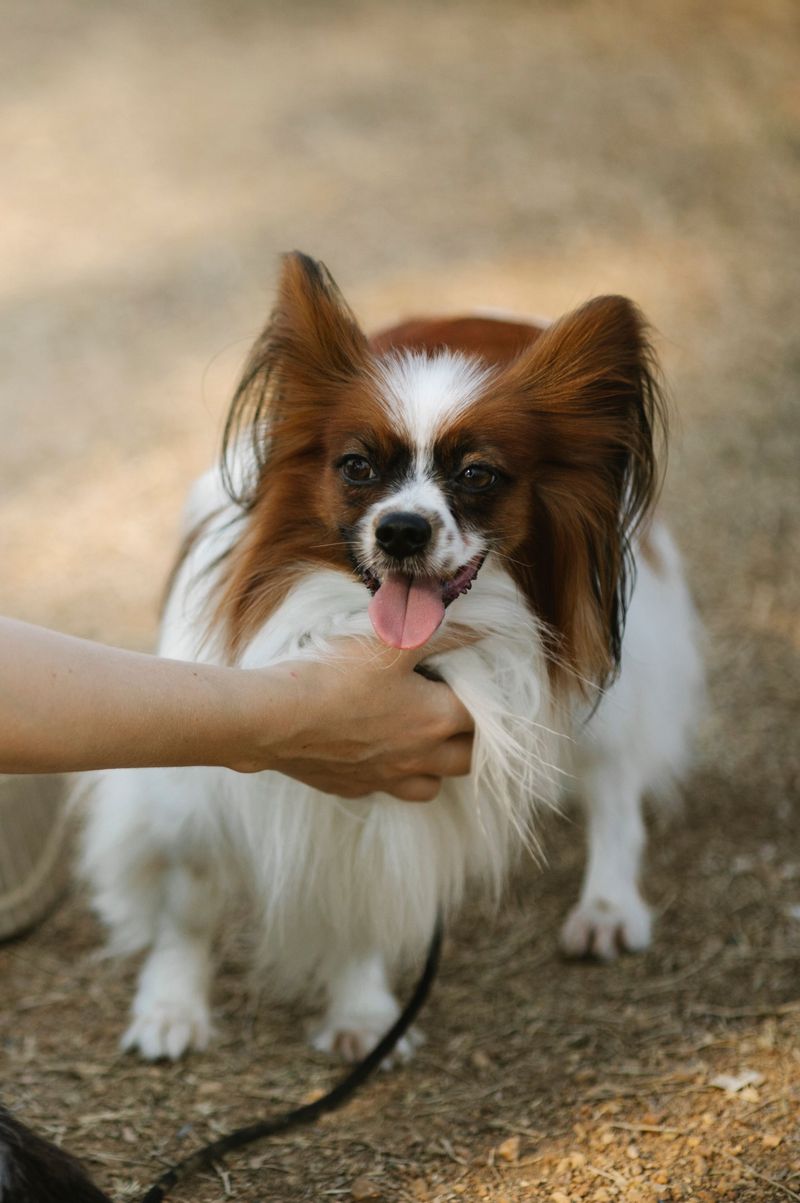
Those big butterfly ears give the Papillon its name, which means butterfly in French. Old paintings show these little dogs perched beside European queens.
Despite weighing under 10 pounds, Papillons are bright, brave, and very attached to their people. Some even prefer human laps over playing with larger dogs who might squash them.
Watch them closely at parks. Their confidence is huge, but their bones are small, so supervised play keeps everyone safe.