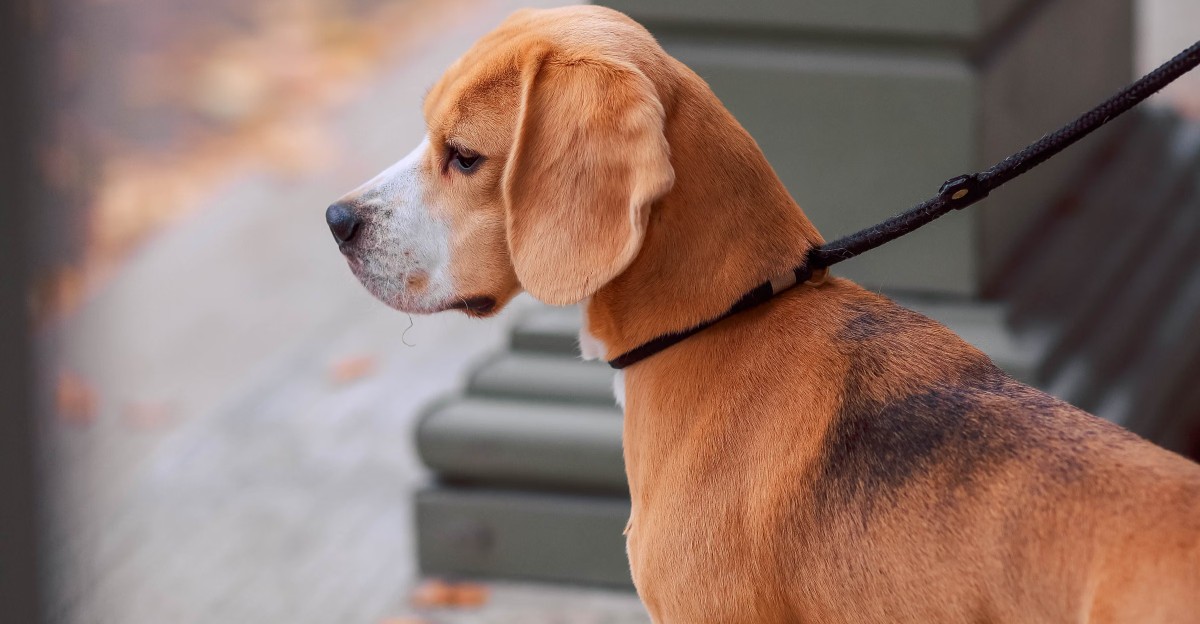
Some dogs barely look at new toys but cling to one old treasure like it is gold. That habit can be sweet, but it may also lead to guarding behavior.
Knowing which breeds may hold tight to a favorite helps you manage playtime safely. With the right tips, you can keep your pup happy and prevent squabbles at home.
Shiba Inu
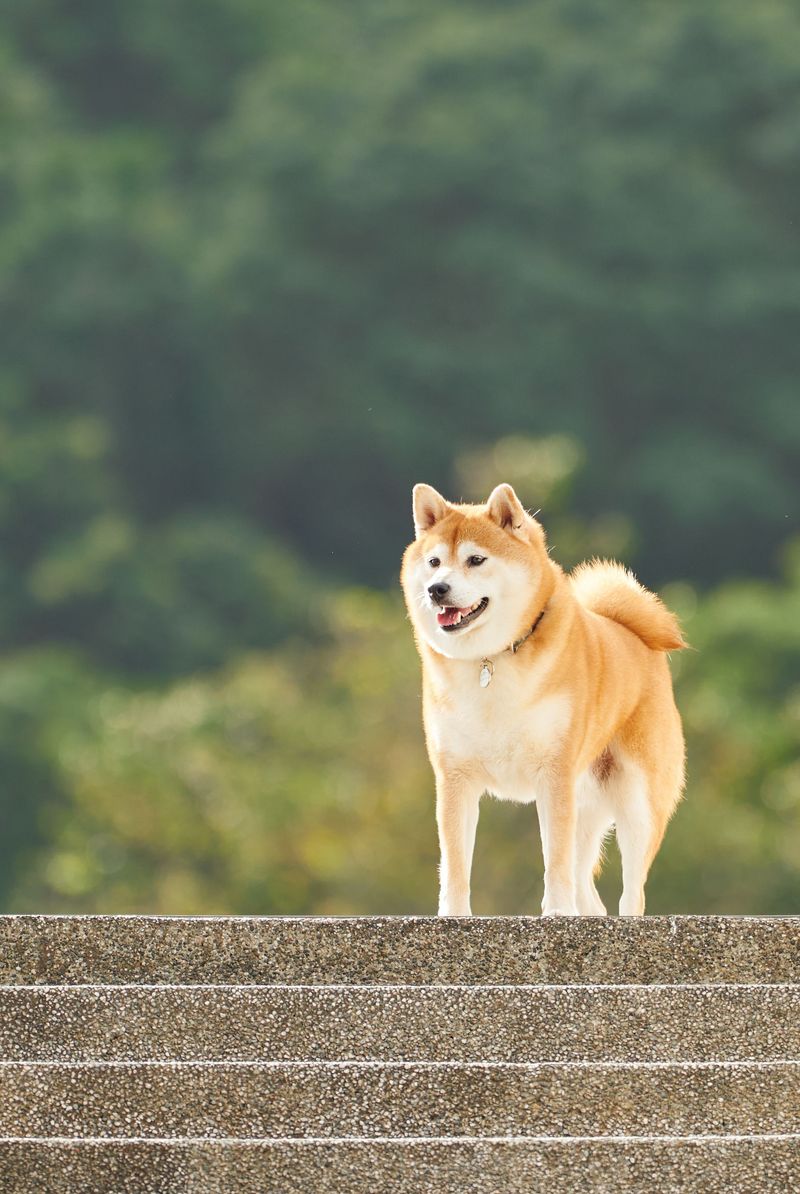
Like a tiny samurai, the Shiba Inu often swears loyalty to a single, scruffy toy. Their independent streak can turn play into a private ritual.
That favorite object may feel like a prized trophy.
Try a calm trade: offer high-value treats while asking for the toy, then give it back so trust grows. Add structured fetch with clear start and stop cues.
Rotate other toys so novelty does not challenge the chosen one.
Dachshund
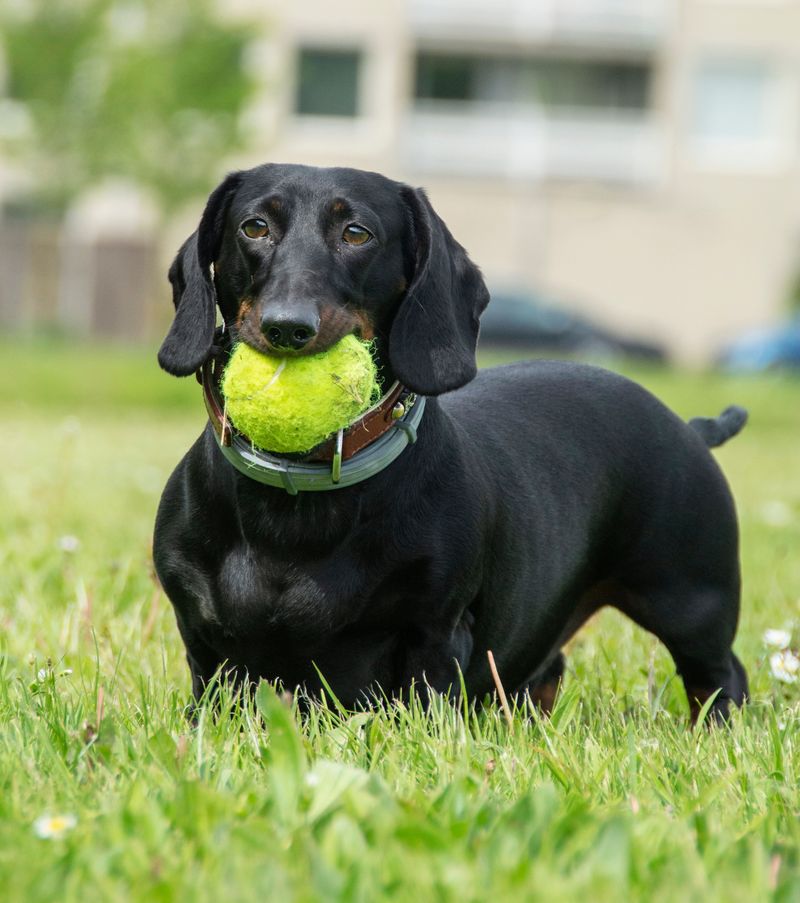
Born to tunnel after prized finds, Dachshunds often treat one old toy like hidden treasure. That hunter mindset makes them bold about keeping it close.
You might see chin guarding or a stiff posture.
Build a “drop” cue using tiny, frequent rewards. Practice short, fun swaps so giving up the toy predicts something great.
Offer chew breaks on a mat to create a peaceful zone. Family members should let the dog choose when to re-engage.
Jack Russell Terrier
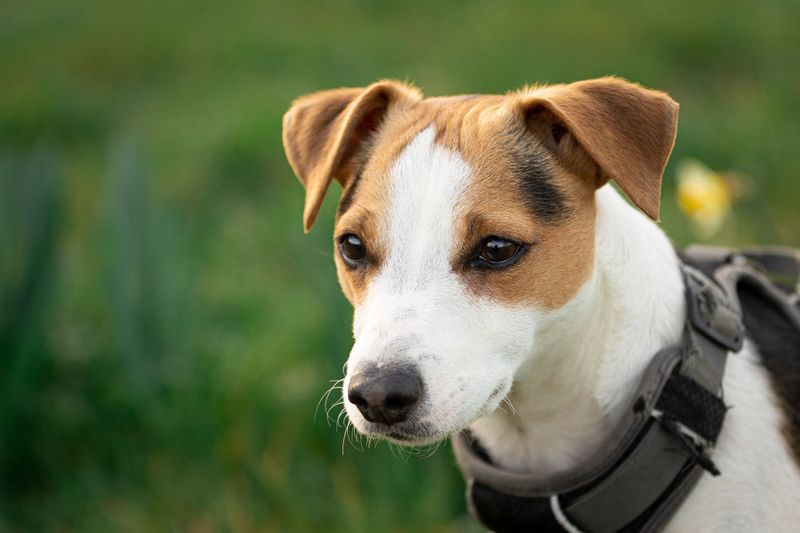
Speed and smarts power the Jack Russell, and one beat-up ball can become the mission. The more exciting the chase, the more precious that prize feels.
Quick movements near the toy may spark guarding.
Cool things down with structured fetch: ask for a sit before each throw. Use two-ball trades to teach smooth exchanges.
Keep sessions short, then cue an all-done routine. Mental games like sniff-and-find satisfy drive without constant pressure on the favorite.
Chihuahua
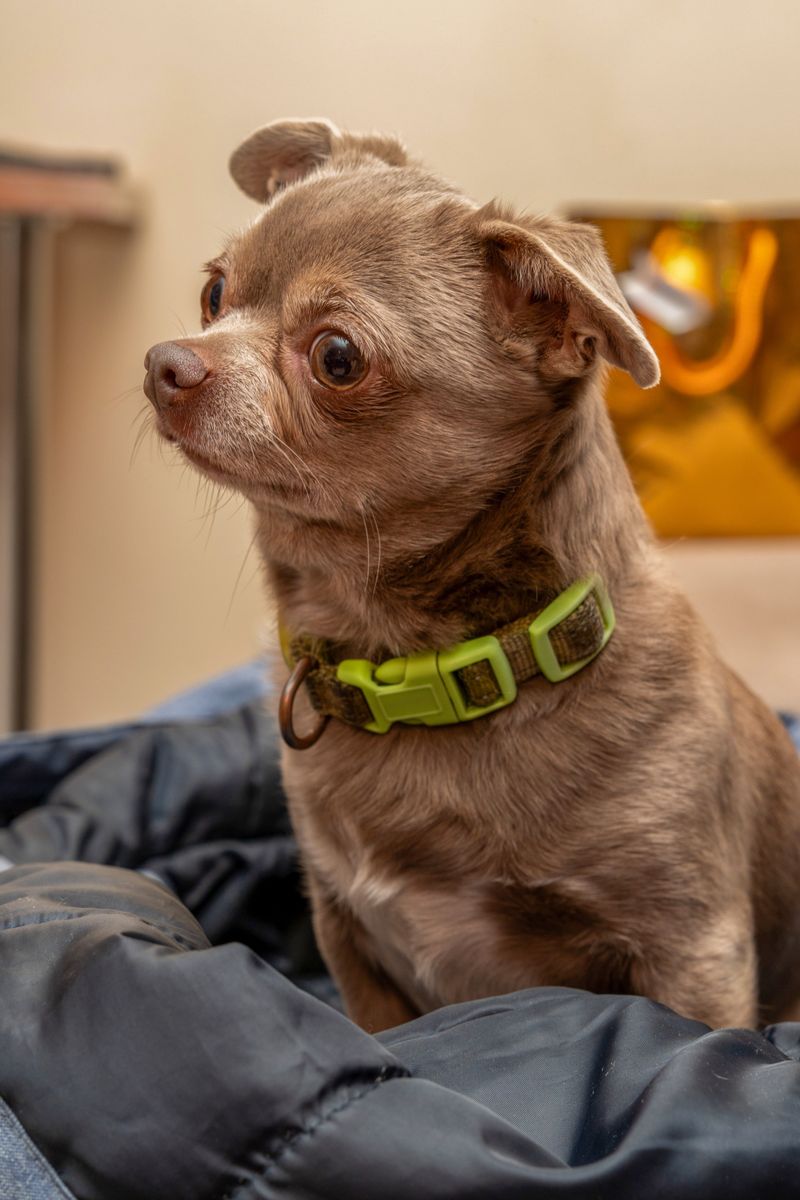
Small body, big feelings. Many Chihuahuas bond tightly to a single stuffed friend.
The toy can seem like a comfort blanket, especially in busy homes. Sudden reaches may feel scary to them.
Create predictability: ask for a simple touch or sit, then reward and step away. Trade for soft treats, not tug.
Offer quiet corners and short play dates to reduce stress. Avoid teasing over the toy, and guide children to use gentle voices and slow hands.
Cocker Spaniel
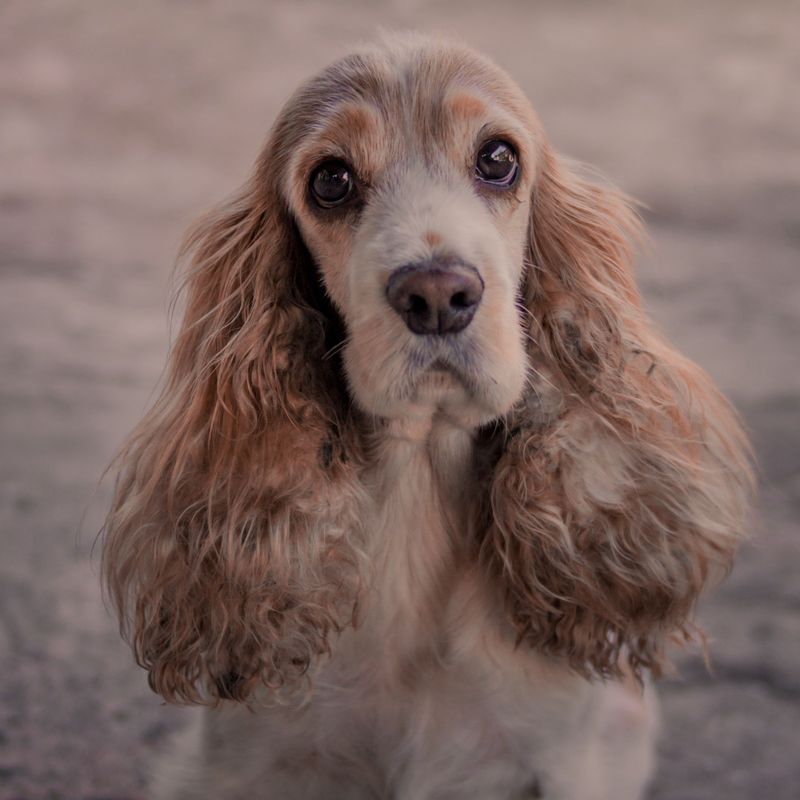
Bred to carry game softly, Cockers often adore one plush bird or duck. That soft-mouth instinct can flip to protectiveness if someone interrupts.
Watch for stillness or a lowered head over the toy.
Teach “take” and “give” as a friendly rhythm. Reward early when the dog loosens the grip.
Use scent swaps by rubbing new toys with the old one, easing transitions. Keep grooming calm since ear handling near a toy can raise tension.
Australian Cattle Dog
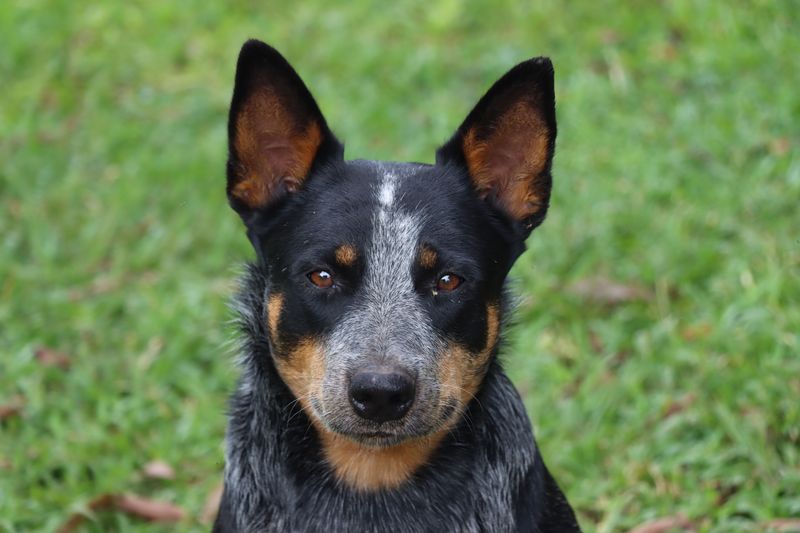
High drive plus laser focus means one rugged ball can feel like a job. Australian Cattle Dogs may park over a favorite and supervise it like livestock.
Fast approaches can trigger guarding.
Channel that energy with structured tug rules and quick releases. Reward a clean out with a fetch restart.
Add scatter-feeding or nosework so the brain works as hard as the body. Provide clear finish cues, then offer a chew to relax arousal afterward.
Akita
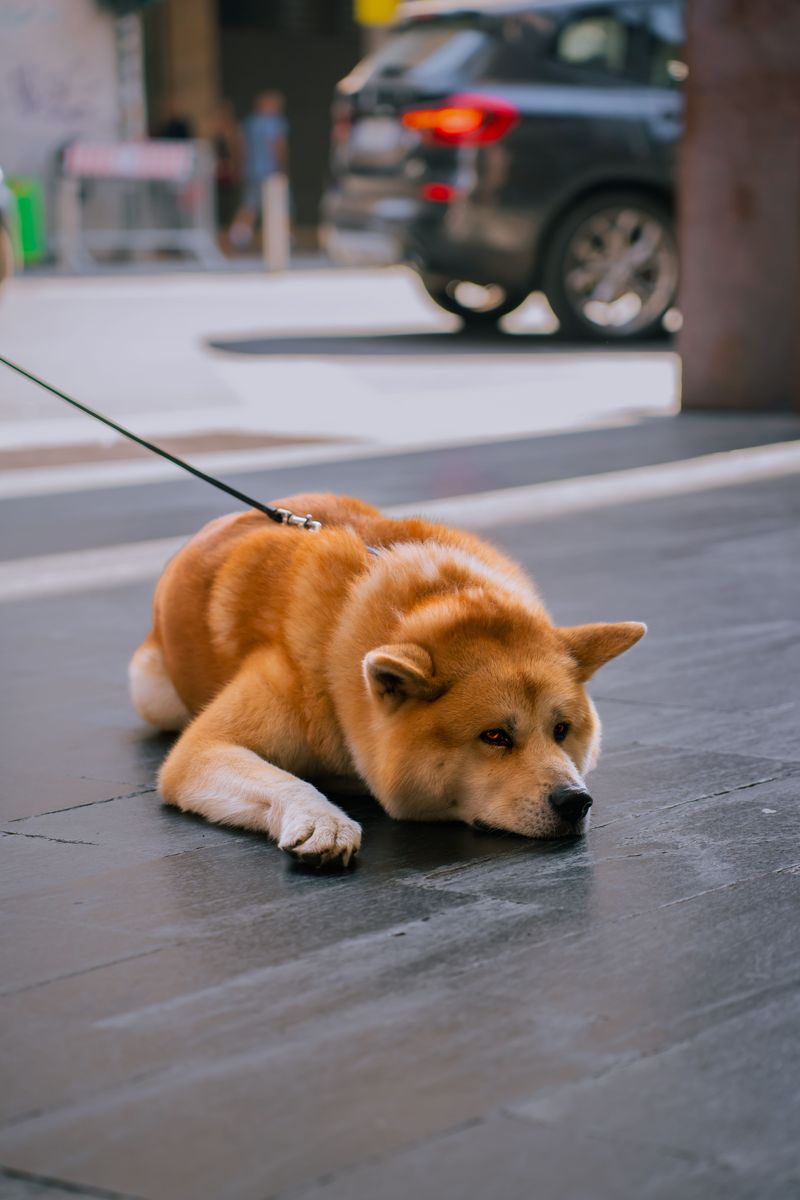
Calm on the surface, the Akita often values personal space and routine. One seasoned rope toy can become a trusted object.
Quick grabs or crowding may be read as rude.
Work slow trades with high-value bites, then briefly return the toy to build confidence. Teach a place cue so the dog can enjoy the favorite in peace.
Supervise kids closely and avoid hovering. Short training sessions with clear cues keep expectations fair and consistent.
Rottweiler
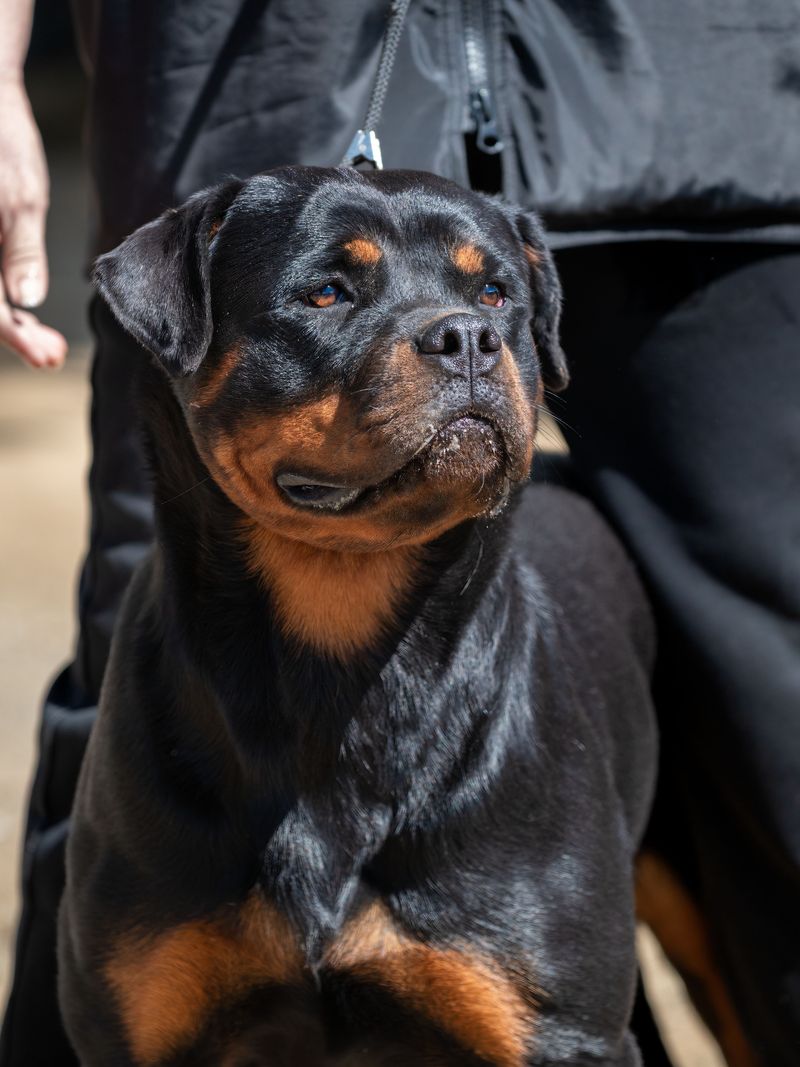
With a steady, thoughtful presence, many Rottweilers treat a single toy like valuable property. They are often polite yet firm about boundaries.
Body blocking rather than growling is common.
Practice hand-feeding near the toy to connect your presence with good things. Ask for a down, reward, then invite a gentle “give.” Rotate other chews to reduce rivalry.
Keep play clear of doorways and tight corners, where guarding can flare from surprise or limited space.
German Shepherd
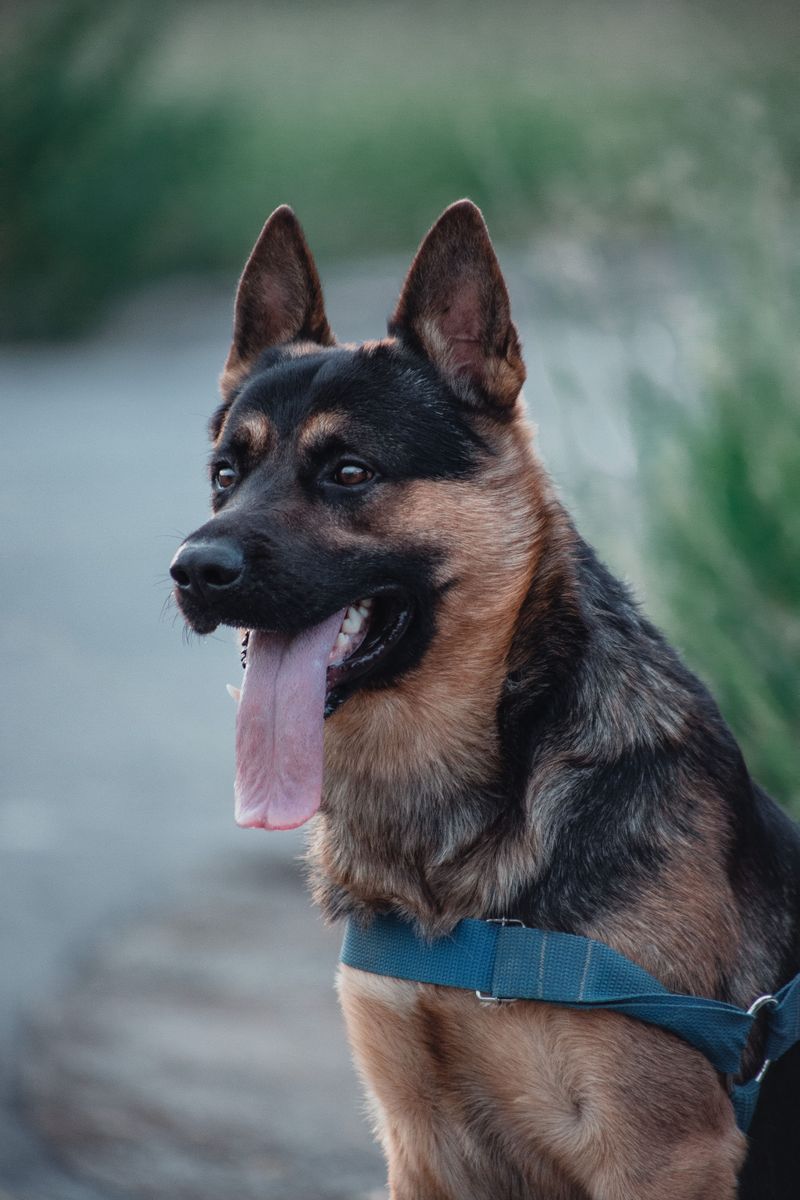
Purpose-driven and sharp, German Shepherds may anchor to a single tug that means work and reward. That strong association boosts value and can spark guarding during high arousal.
Use a predictable marker word before asking for an out. Pay fast, then restart the game to show cooperation wins.
Add decompression walks after intense play. Store the favorite when guests arrive, and offer puzzle feeders to meet mental needs without challenging that top-priority toy.
Beagle
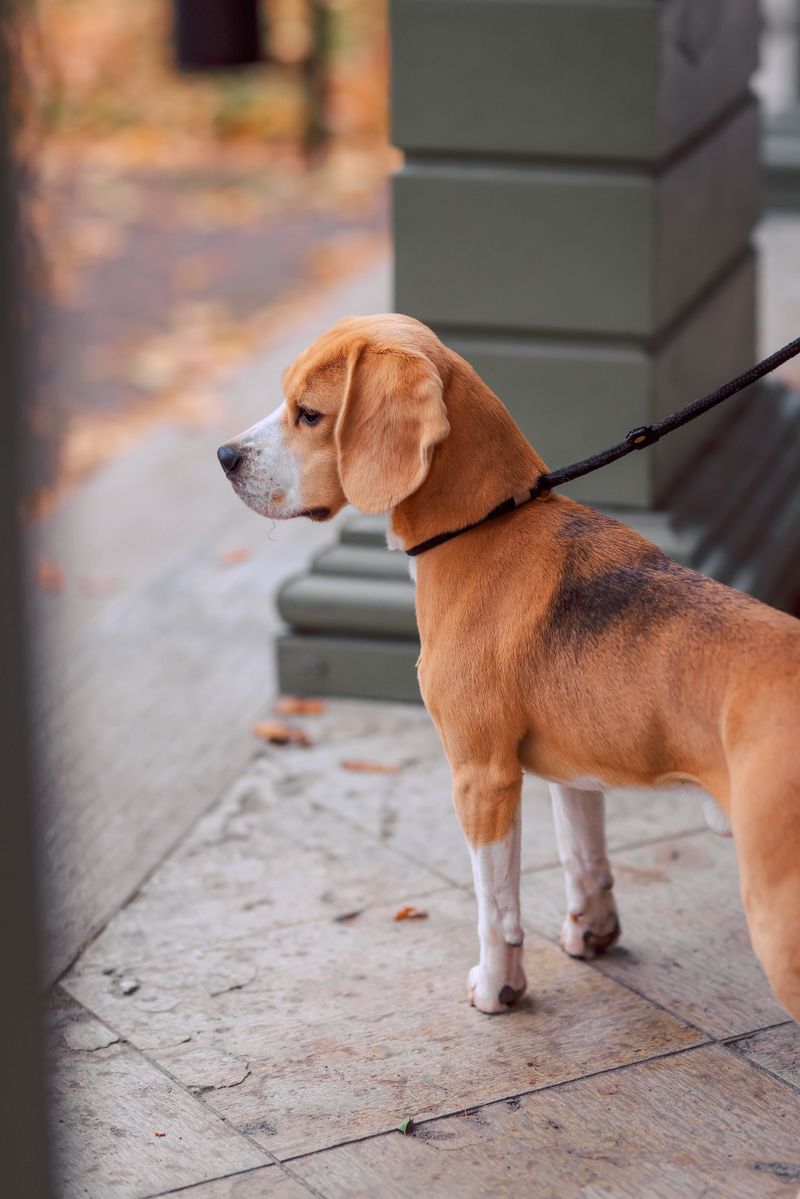
Nose first, always. Beagles often love a toy that smells like home, and they may hold onto it like a scent diary.
Reaching in quickly can feel like stealing a discovery.
Turn trades into a scent party: toss a few treats to encourage moving away, then exchange calmly. Hide-and-seek with low-value items builds sharing habits.
Keep the favorite in a basket and cue permission to take it, adding structure while honoring their curious spirit.
Border Terrier
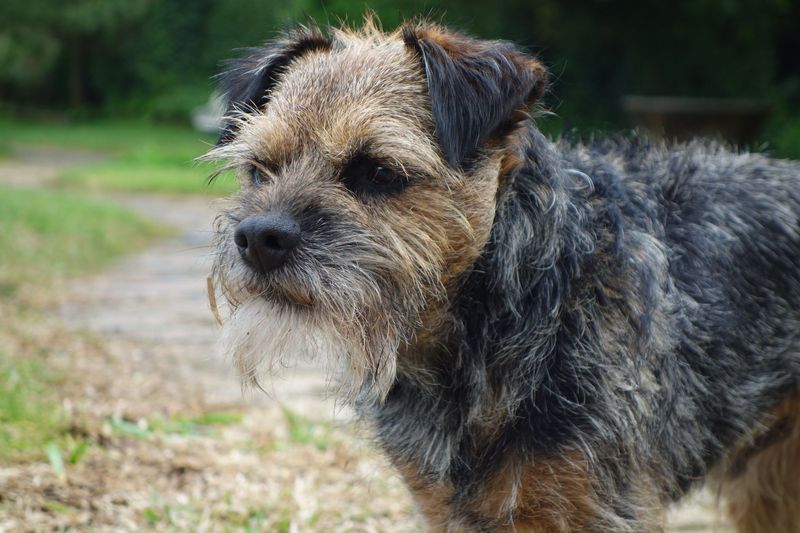
Tough and cheerful, Border Terriers can latch onto one toy that survived every adventure. That survivor earns serious status.
Crowding from other dogs may trigger a quick claim.
Set up parallel play with two of everything to reduce pressure. Teach a “find it” scatter to move attention off the toy.
Offer rest breaks on a mat so arousal drops. Keep sessions short, celebrate clean swaps, and end while everyone still wants more.