
If you have ever felt like your dog has you wrapped around their paw, you are not alone. Viral claims say certain breeds are master manipulators, and the internet is fuming about it.
The truth is more nuanced, blending instinct, training, and how we respond to those pleading eyes. Let’s look at the breeds people always accuse and unpack what is really happening so you can feel confident, not guilty.
Pomeranian
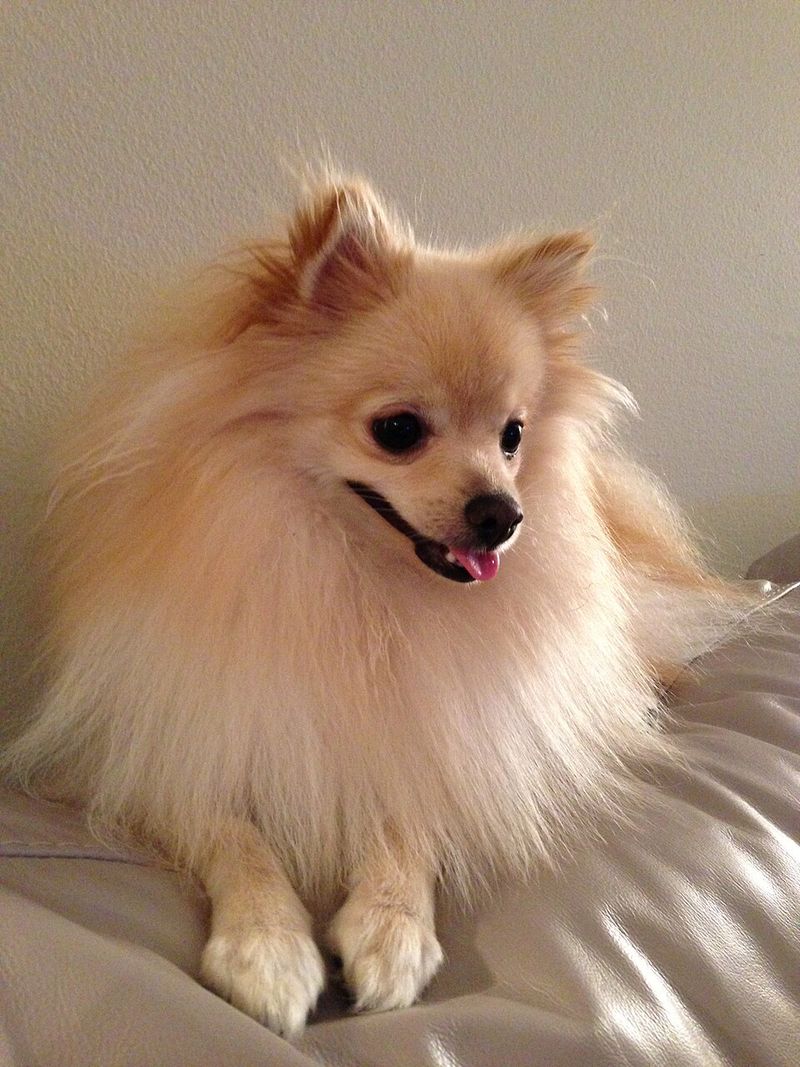
People say Pomeranians manipulate with those sparkling eyes and dramatic fluff. What you are seeing is a smart, attention loving dog that learns quickly which cues make you smile or share a treat.
If you respond every time to tiny barks or prancing paws, you are training the behavior.
Set boundaries without harshness. Ask for a sit before affection, and use short training bursts to channel that big brain.
Consistency makes your Pom feel secure and stops the cycle.
They are not scheming masterminds, just keen observers. Offer puzzle toys, structured play, and calm praise for quiet moments.
Soon you will notice less theatrics and more cooperative, confident companionship.
Chihuahua
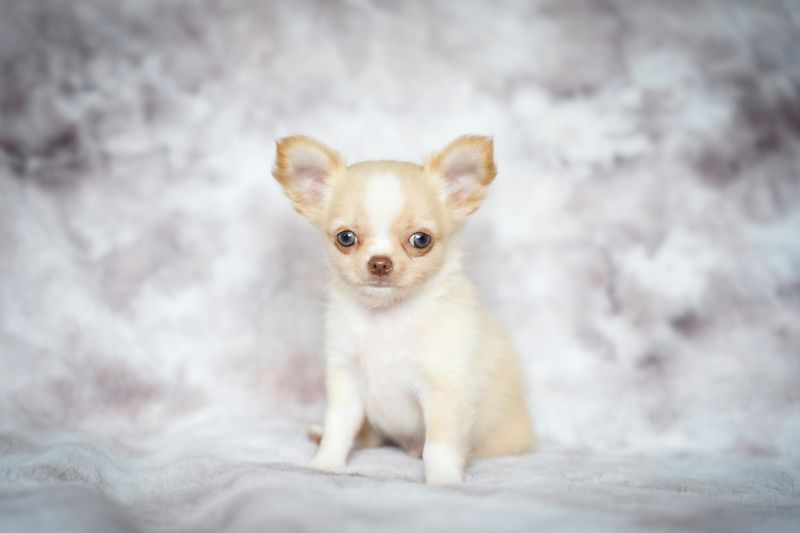
Chihuahuas get labeled manipulative because they are small, portable, and easy to overindulge. When you pick one up at every whimper, it learns that vocalizing works.
That is not plotting, it is simple reinforcement at play.
Teach clearer rules. Place the dog down when calm, reward quiet sits, and ignore demand barking.
Short confidence building walks and nose work help replace anxious fussing.
They are fiercely loyal and often sensitive to your energy. Keep routines predictable, introduce manners with patience, and celebrate tiny wins.
You will see a brave little partner who communicates honestly, not a tiny tyrant pulling strings behind those saucer eyes.
Yorkshire Terrier
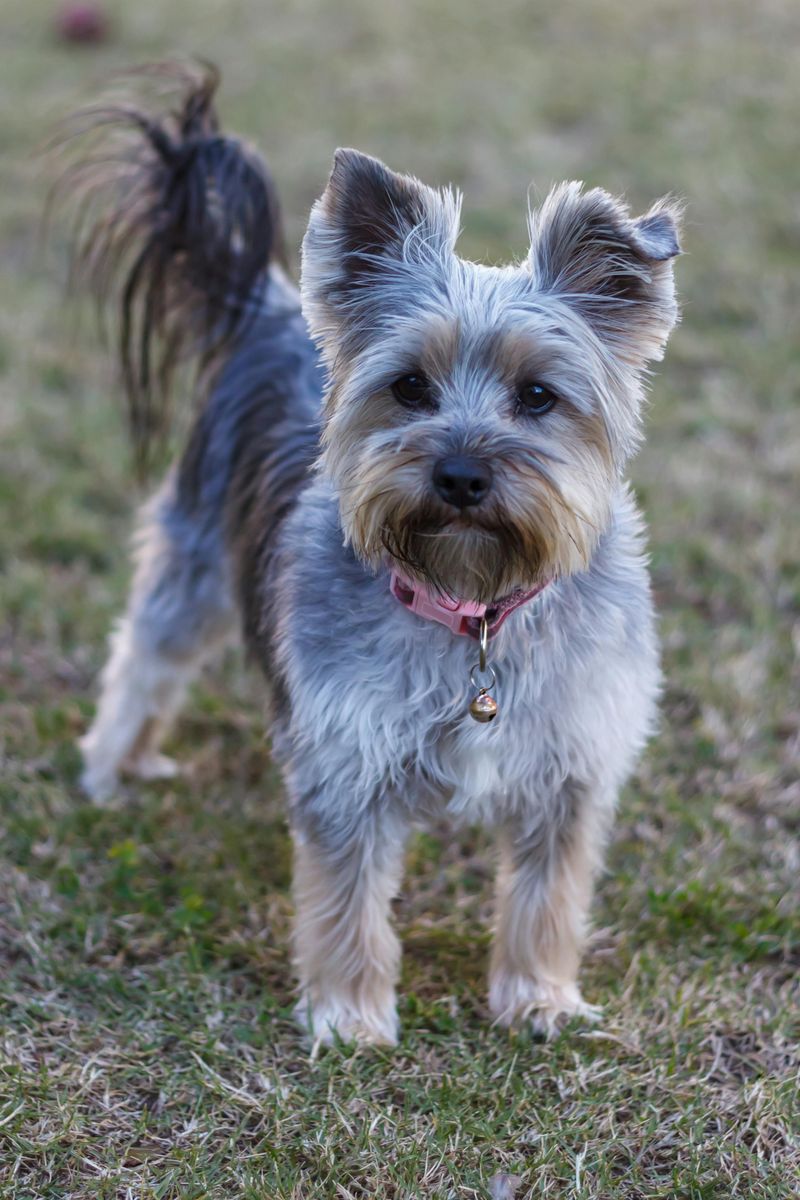
Yorkies read people brilliantly, so they often seem like little strategists. Really, they are terriers with quick pattern recognition.
If whining opens doors or earns laps, they will repeat it because it works.
Flip the script with structure. Cue a sit or down before attention, rotate chew toys, and keep training sessions lively but brief.
Terriers thrive on jobs, so give fetch, trick training, and scent games.
Skip scolding and reward the behavior you want. Calm persistence builds trust and reduces pushy antics.
Soon, your Yorkie shows off cooperative sparkle rather than bossy vibes, proving that clear boundaries and fun outlets beat any supposed manipulation myth.
Maltese
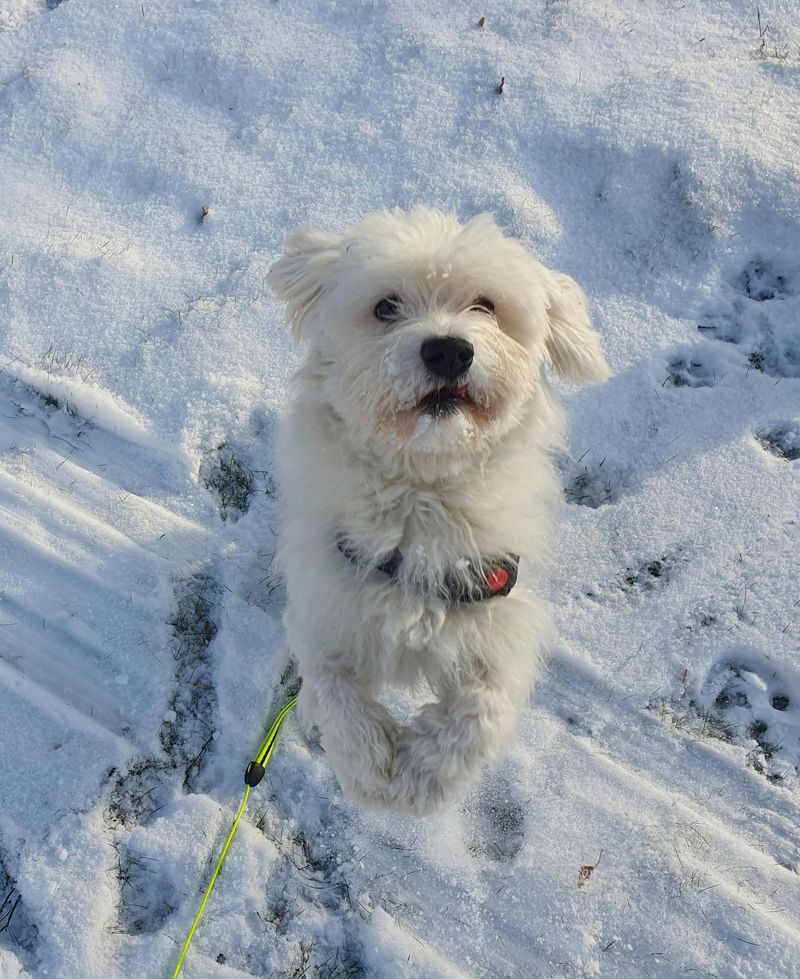
The Maltese gaze melts hearts, which is why people accuse them of emotional games. In reality, they are companion dogs bred to stay close and respond to you.
If cuddles follow every tiny whimper, the pattern becomes communication.
Guide it with cues. Ask for a calm down on a mat before petting, and reward relaxed breathing or quiet eye contact.
Short decompression walks and gentle enrichment ease clinginess.
They are sensitive, not scheming. Use predictable routines, low pressure training, and praise for independence moments.
Watch how quickly your Maltese chooses polite behaviors when you make them rewarding and safe, turning drama into sweet, steady connection.
Shih Tzu
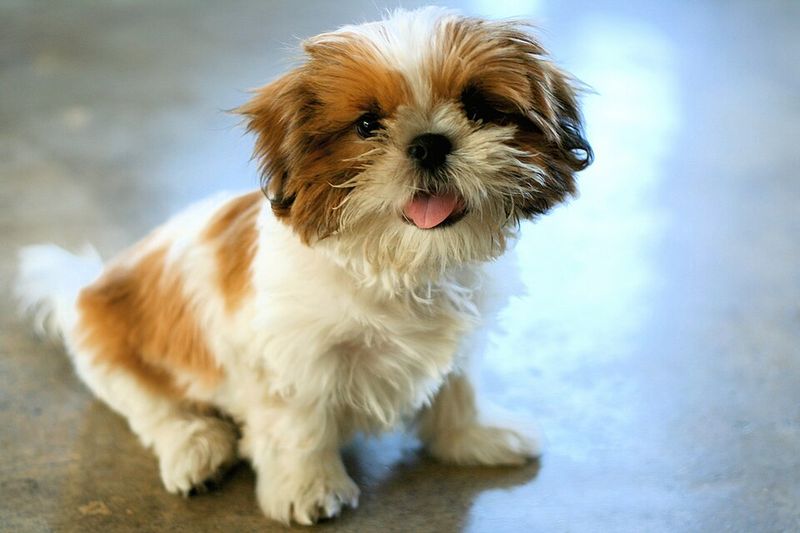
Shih Tzus excel at getting attention with gentle paw taps and soulful looks. That is not manipulation, it is a well reinforced request style.
When you reward persistent nudges, they learn persistence works.
Teach alternatives. Capture quiet sits, use a place cue near you, and reward brief calm intervals.
Grooming time doubles as bonding, so keep it positive and predictable.
They are sturdy little comedians who relish connection. Provide puzzle feeders, relaxed walks, and clear yes signals.
With consistent responses, the pleading eyes fade into polite requests, and you will enjoy a cuddly companion who communicates without pushiness.
Havanese
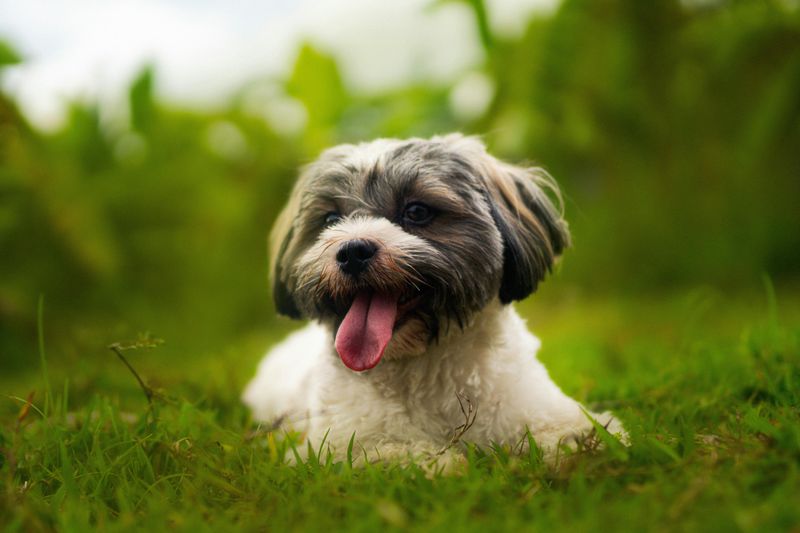
Havanese are social butterflies that seem to negotiate for playtime. They are simply quick studies who notice your patterns.
If spinning or chirping gets toys tossed every evening, you have taught a fun routine, not a con.
Shape calmer behaviors. Ask for a sit before games, then end on a win.
Sprinkle in enrichment like snuffle mats and hide and seek to satisfy curiosity.
They shine with gentle guidance and humor. Keep sessions upbeat, reward quiet check ins, and give clear stop and go cues.
Soon you will see a dog choosing patience because patience reliably pays, replacing the so called manipulation with cooperative sparkle.
Papillon
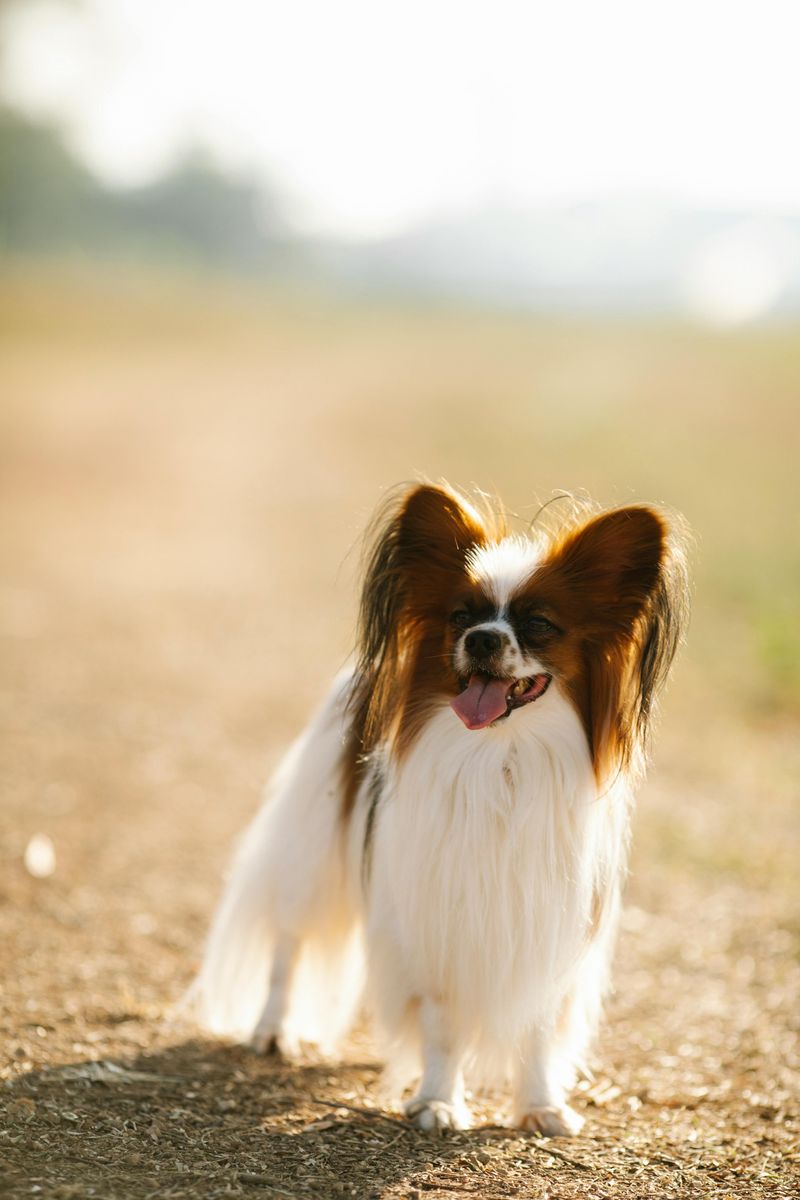
Papillons are brilliant and agile, so they often outpace their humans. People call it manipulation when these dogs chain behaviors to get rewards.
It is really problem solving plus keen observation.
Channel that brain. Teach tricks, agility basics, and impulse control with fun markers.
Reinforce settling between sprints, and provide brain games that challenge without frustration.
Clear criteria prevent nagging behaviors. If you only reward sits offered politely, they will offer more of them.
You will witness a graceful partner who reads your cues like music, not a tiny mastermind plotting behind those butterfly ears.
Toy Poodle
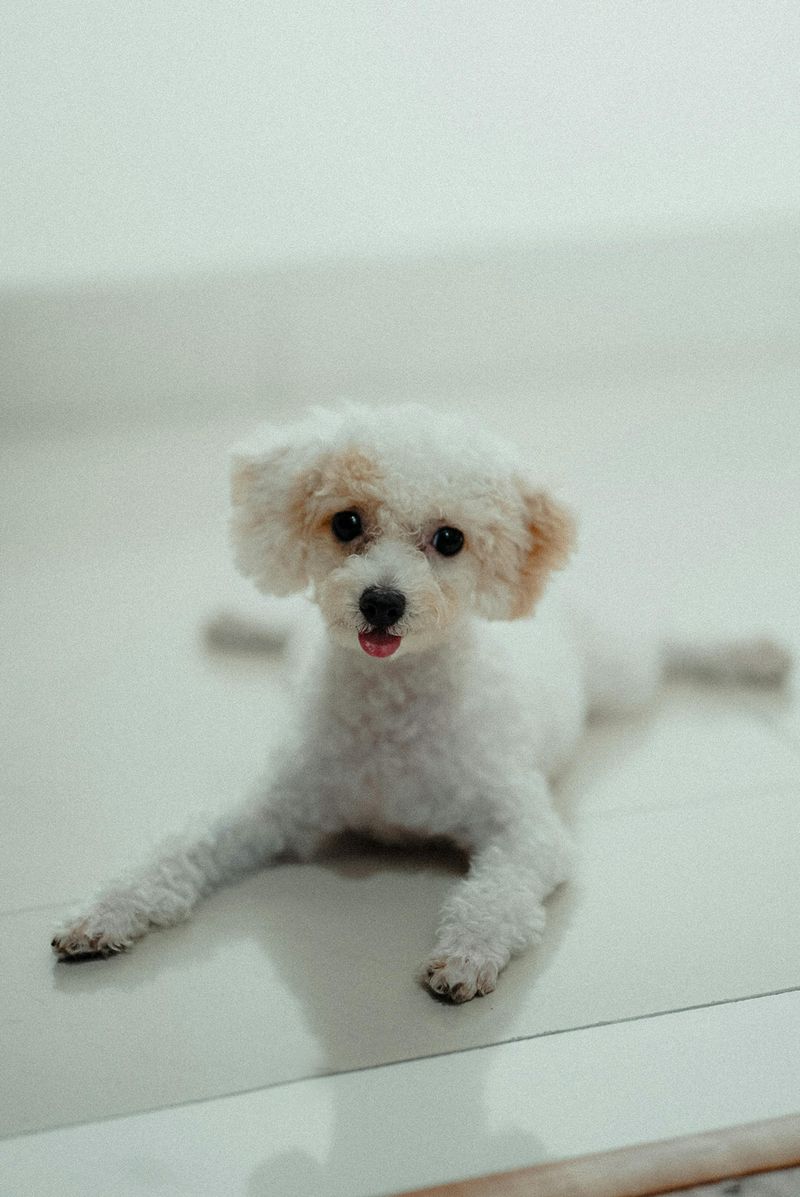
Toy Poodles are famously sharp, which can look like scheming when they anticipate your moves. They quickly associate certain sounds or gestures with treats or access.
That is learning, not manipulation.
Give their mind a mission. Rotate puzzle feeders, shape tricks with a clicker, and reinforce calm on a mat.
Keep cues consistent so they do not need to guess wildly.
They thrive on clarity and creativity. Reward offered stillness, use structured play breaks, and set predictable routines.
Soon the precocious energy channels into teamwork, and those supposedly crafty tactics transform into polished, joyful responsiveness you will love living with.
Cavalier King Charles Spaniel
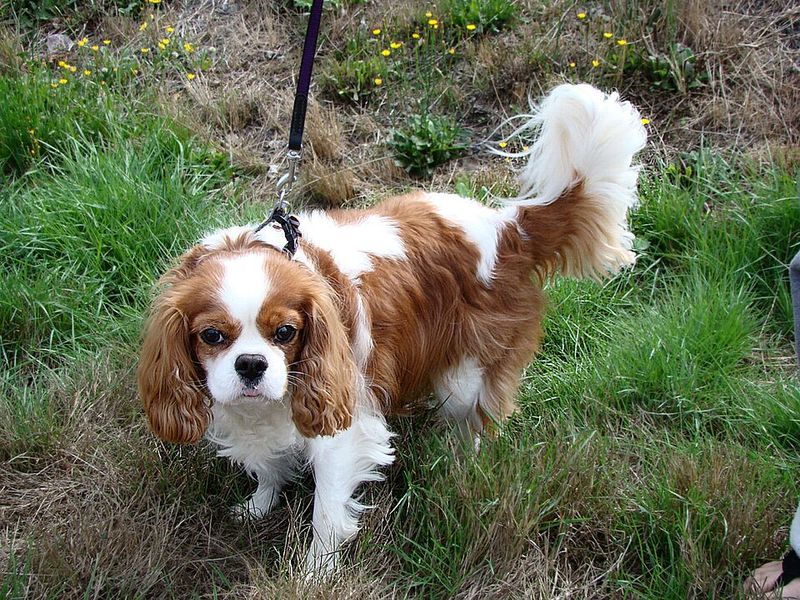
Cavaliers are heart melters, so people think they leverage cuteness to get their way. More often, they are sensitive companions responding to your attention patterns.
If pleading eyes open the treat jar, that behavior repeats.
Set expectations kindly. Teach a default sit, reward brief independent time, and use calm praise for quiet check ins.
Keep exercise and sniffing time steady to prevent clingy spirals.
They want connection, not conflict. Offer simple choices like bed or mat, and celebrate when they choose wisely.
You will discover a steady, affectionate partner whose sweetness thrives under gentle structure rather than any manipulative myth.
Dachshund
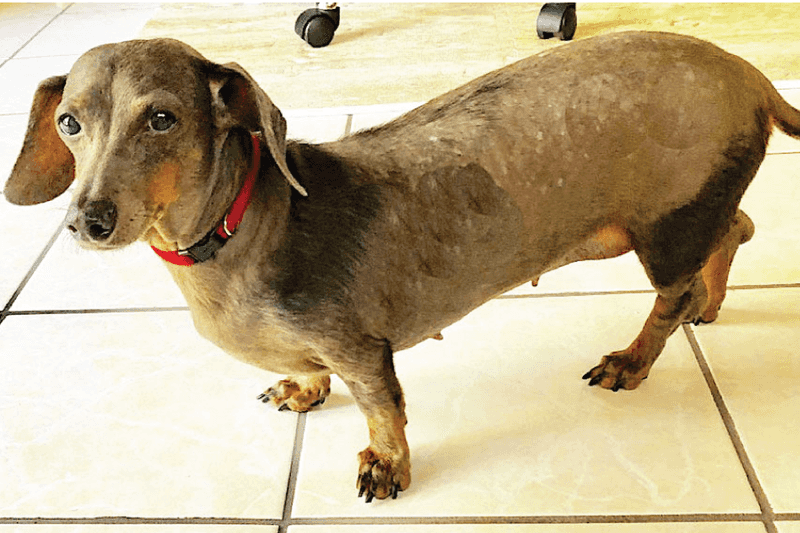
Dachshunds get labeled stubborn manipulators because they pursue what they want boldly. They are scent driven hunters who notice which tactics move you.
If pulling toward a smell succeeds, they will double down.
Give structure and outlets. Teach a solid wait, reward loose leash steps, and use sniffari walks to meet their needs.
Food puzzles and digging boxes channel instincts constructively.
Consistency beats arguments. Mark and pay for cooperation, ignore theatrics, and keep sessions short and upbeat.
Soon your Doxie will choose teamwork because it pays better than tugging you around with those pleading, determined eyes.
French Bulldog
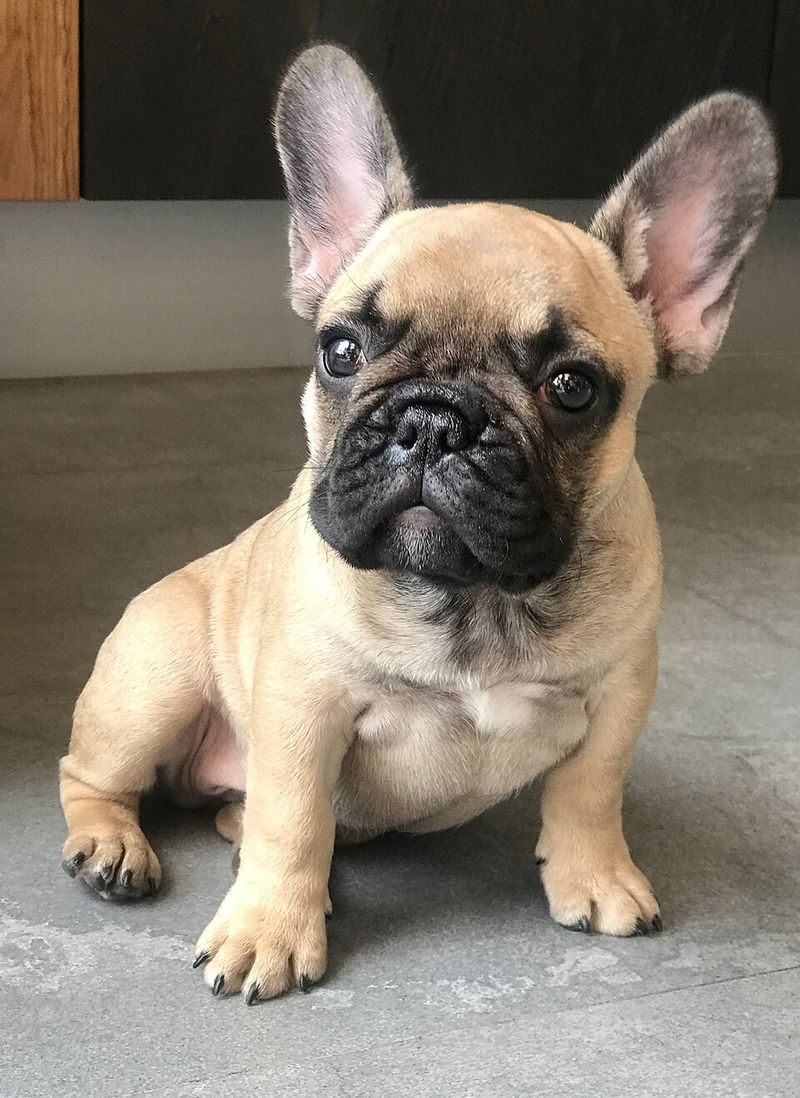
Frenchies often get what they want with comic timing and expressive grunts. It seems like manipulation, but truly they are expressive communicators who learn your buttons.
If snorts earn snacks, the routine is set.
Trade laughs for structure. Cue a sit or hand target before treats, and reinforce calm on place while you eat.
Keep exercise gentle but regular to reduce restless antics.
Use clarity and humor. Reward quiet moments, break training into quick games, and avoid reinforcing demand noises.
Your Frenchie’s charm will not vanish, it will just appear in cooperative bursts you can enjoy without chaos.
Miniature Pinscher
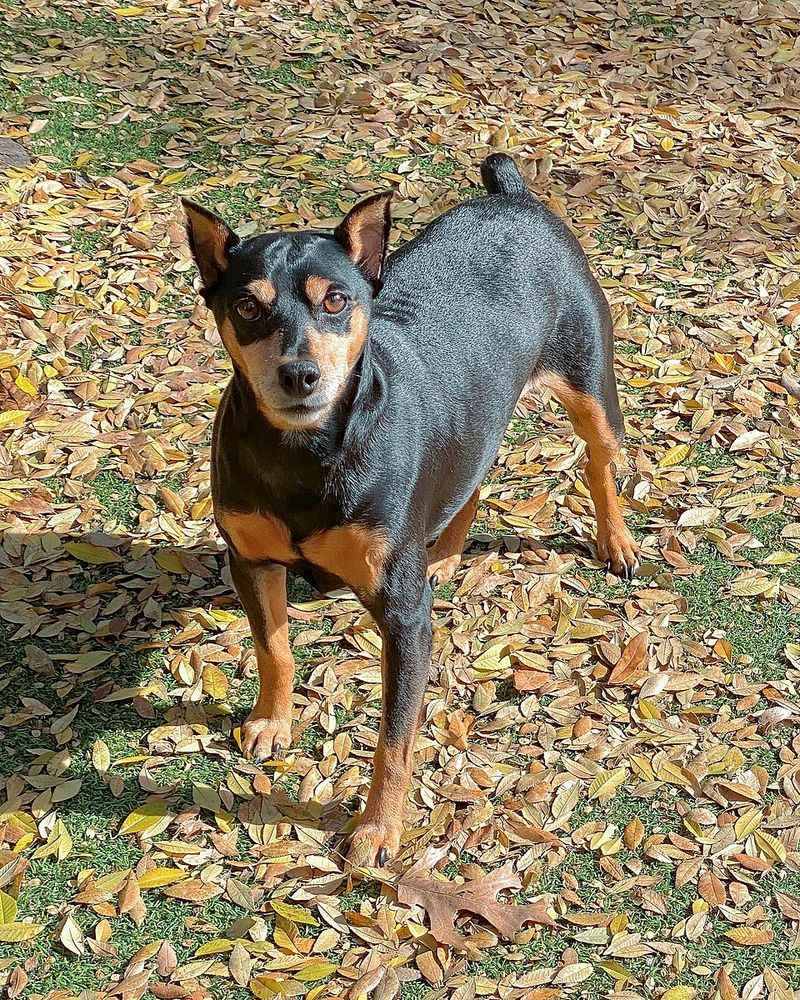
Min Pins are bold, curious, and quick, which can read as scheming. Really, they are high feedback learners.
If jumping on counters yields attention or snacks, they will keep trying.
Manage the environment and teach impulse control. Block access, reward four paws on the floor, and use tug or fetch as earned outlets.
Short, energetic training bursts keep their brains engaged.
They thrive on fair rules. Mark polite choices, end games before overarousal, and give clear start and stop signals.
Soon you will have a spirited partner choosing manners over mischief because manners reliably pay off.
Brussels Griffon

Brussels Griffons wear their feelings on their faces, which fuels the manipulation myth. They are sensitive clowns who mirror you closely.
If theatrics draw instant cuddles, you have created a cue chain.
Balance affection with structure. Teach a settle on cue, reward independent play bursts, and keep grooming and handling gentle.
Novel puzzles and sniff games help satisfy their curious minds.
Respond to what you want more of. Reinforce quiet approaches, pause when antics escalate, and resume praise when calm returns.
You will see a witty, devoted companion choosing thoughtful behaviors over drama, no tricks required.