
Dog parks are buzzing and comment sections are on fire. The new viral take says your dog is not friendly, it is pushy, and people are naming breeds that spark extra drama.
If you have ever felt a wet nose jammed into your hand or a chest-first greeting, you know the vibe. Let us unpack the 13 breeds most often called out, and how to channel that energy into better manners.
Labrador Retriever
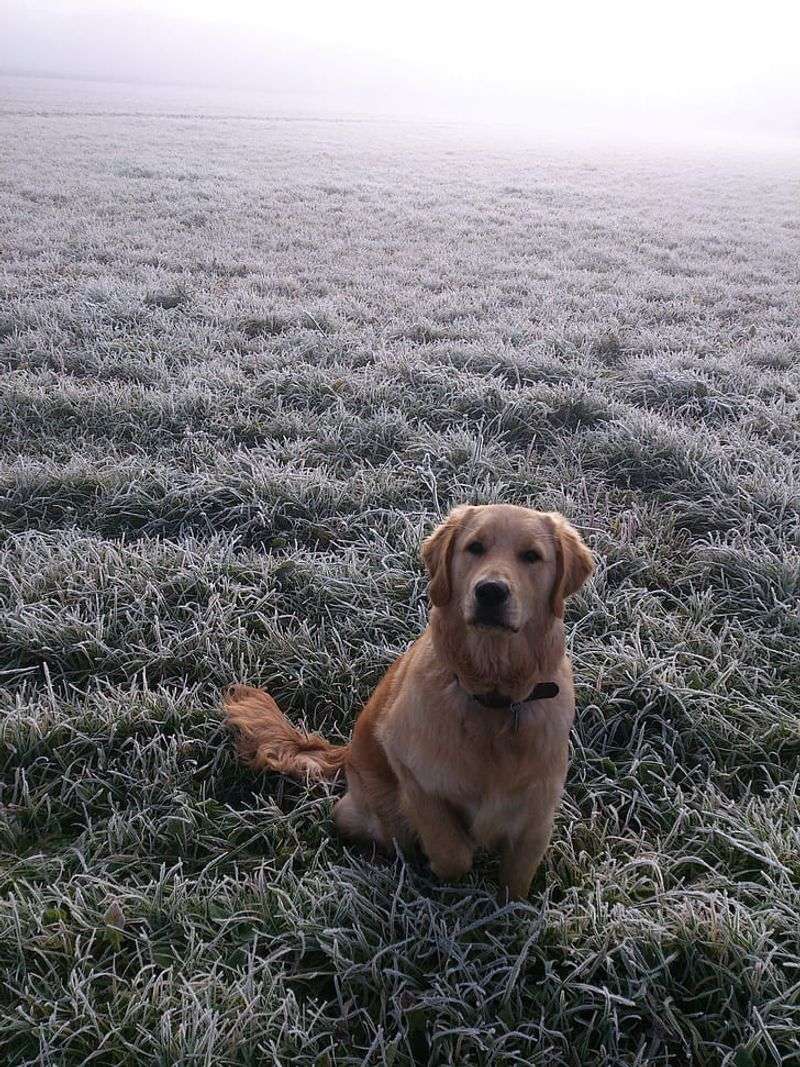
Labs mean well, but the affection can bulldoze boundaries. That classic chest-first greeting feels like a hug to you and a tackle to someone’s shy pup.
Your Lab reads excitement as permission, not a cue for control, so structure helps everyone.
Teach sit-to-greet at doors, gates, and meeting spots. Reinforce with high-value treats for eye contact and soft body language.
If the tail is helicoptering and the body is stiff, pivot away, reset, and reward calm.
Use a long line to practice parallel walking near distractions. Ask for sniff breaks to bleed off steam.
Friendly is great, but consent matters, so advocate with space, consent checks, and rock-solid recalls.
Golden Retriever
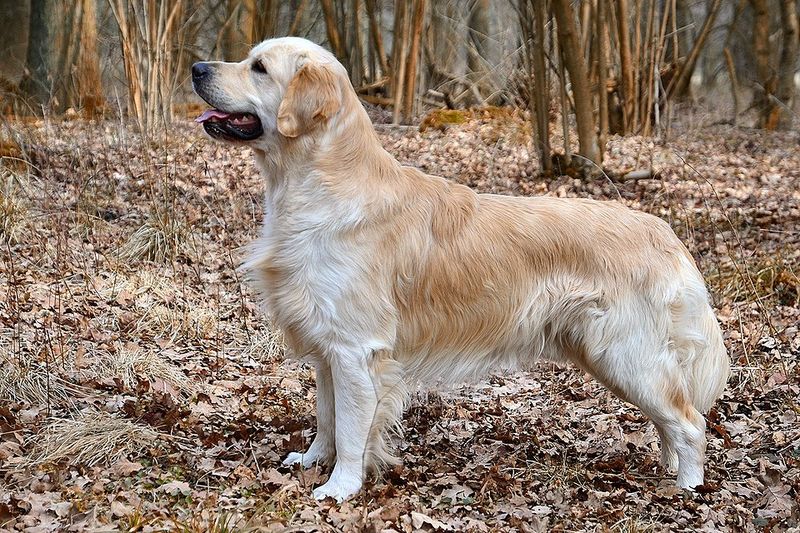
Goldens charm everyone, then forget their size and momentum. The smile, the tail, the joyful bounce can steamroll a nervous dog.
You can keep that sunshine without letting it burn others.
Install default settle on a mat, especially when guests arrive. Cue “touch” and “find it” to redirect enthusiasm from faces to hands and floor.
Reward relaxed curves, not straight-line beelines.
Practice consent-based greetings: ask the human, read the dog, then release to say hi. If the other dog freezes or turns away, call off and praise the choice.
Goldens thrive on feedback, so make calm the jackpot emotion every single time.
Boxer
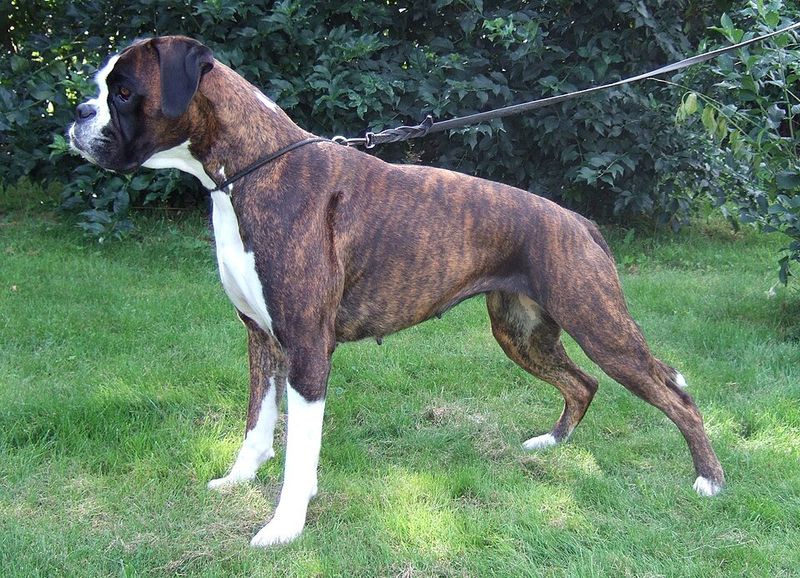
Boxers communicate with bounce. That spring-loaded play style can read as rude in tight spaces.
The chest bump, paw slap, and close-range sniffing escalate quickly if you are not steering the session.
Channel jump energy into tug with rules: cue take, cue drop, then settle. Reward four-on-the-floor before any greeting.
Short play bursts with breaks prevent overarousal spirals.
Set up matched playmates who enjoy boxing-style games. Use body blocking and hand targets to redirect line-drive approaches.
Nose work between play reps cools the jets and keeps that goofy spark without tipping into chaos.
French Bulldog
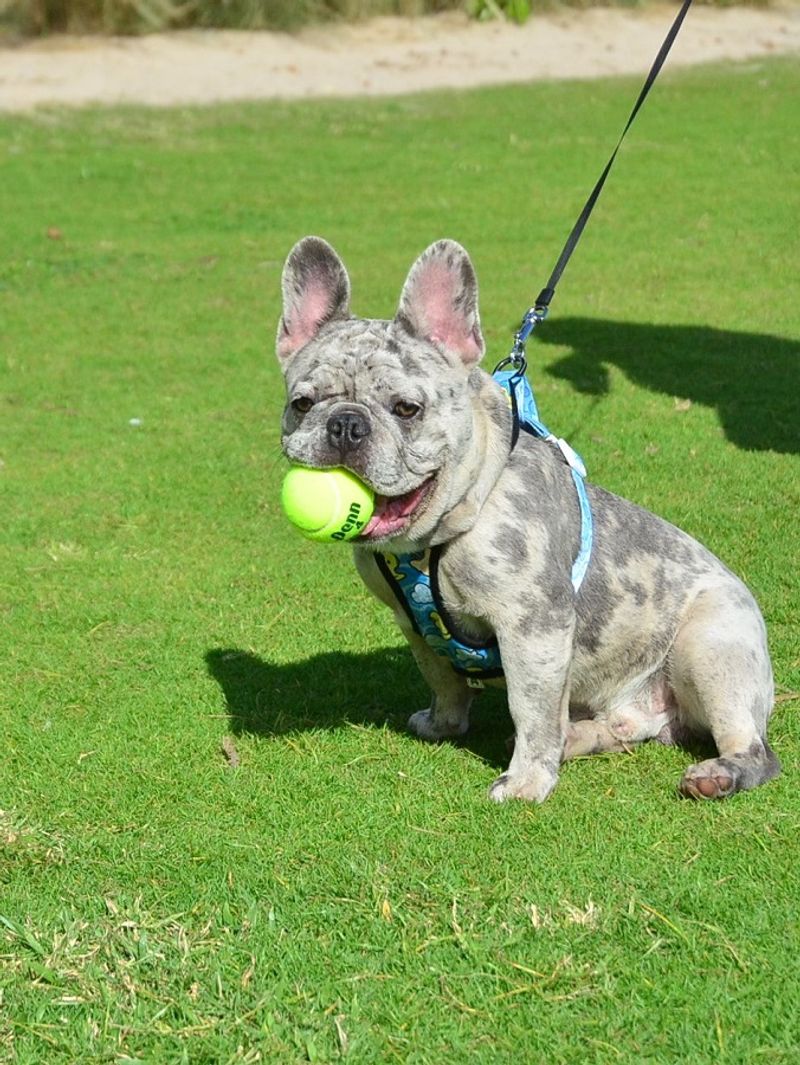
Frenchies are bold socialites who plant their weight and insist on hello. That forward lean plus grunty breathing can worry sensitive dogs.
Cute does not equal consent, so structure is your friend.
Teach a default pause at thresholds and when spotting dogs across the street. Reinforce nose-off manners using “leave it” and treat scatter.
Keep greetings short, curved, and sideways.
Mind airflow and heat so arousal does not spike from discomfort. Use harnesses that allow shoulder movement but give you steering.
A Frenchie can be charming without crowding others when you reward calm curiosity over bulldozer vibes.
English Bulldog
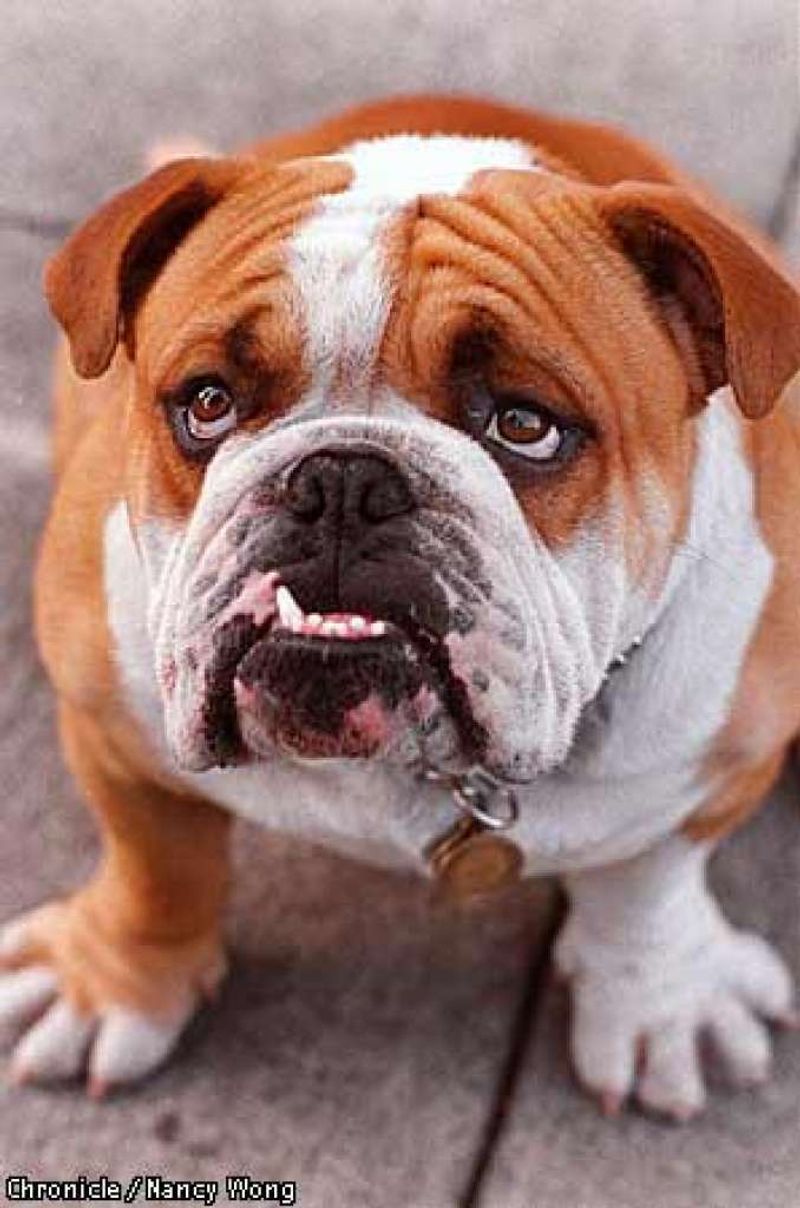
English Bulldogs often approach like tanks at a slow roll. The stare, the straight path, and the weighty contact can feel pushy even when they are friendly.
Subtle signals may be missed entirely.
Shape an arc approach: reward wide curves, sniffing, and head turns. Teach chin rest and hand target to interrupt pressure without yanking.
Keep sessions brief to avoid heat and frustration.
Use calm decompression walks, not crowded meetups. If another dog stiffens, step between, reset, and praise the pause.
Your Bulldog can be a gentleman when space, angles, and soft reinforcement become the default.
Pug
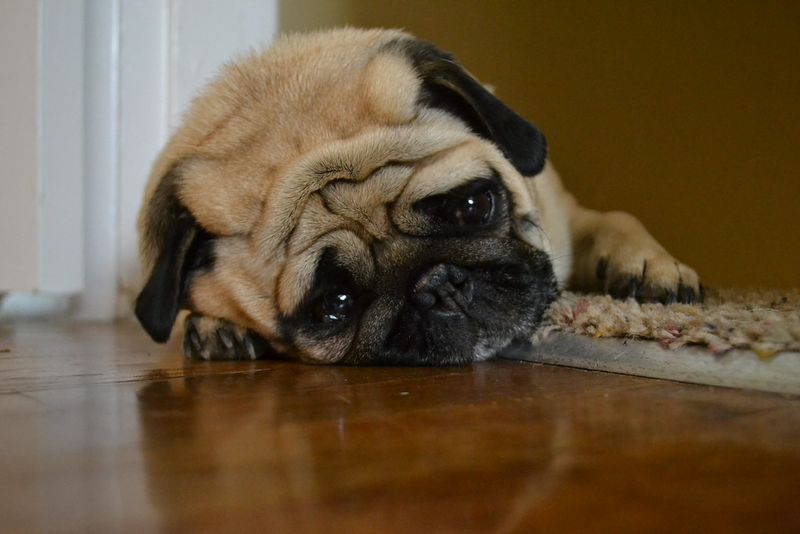
Pugs bring comedy and confidence, which can turn into face-first insistence. The snorts, eye contact, and close range can overwhelm strangers and timid dogs.
It is lovable, but boundaries matter.
Teach “say please” behaviors: sit, wait, and check in before access. Scatter tiny treats to lower arousal and promote sniffing.
Keep greetings short and distance adjustable.
Eye contact games are great, but reward soft blinks and head turns too. Use a lightweight harness and a six-foot leash for smooth steering.
With a few routines, your Pug’s charm reads friendly, not pushy.
Boston Terrier
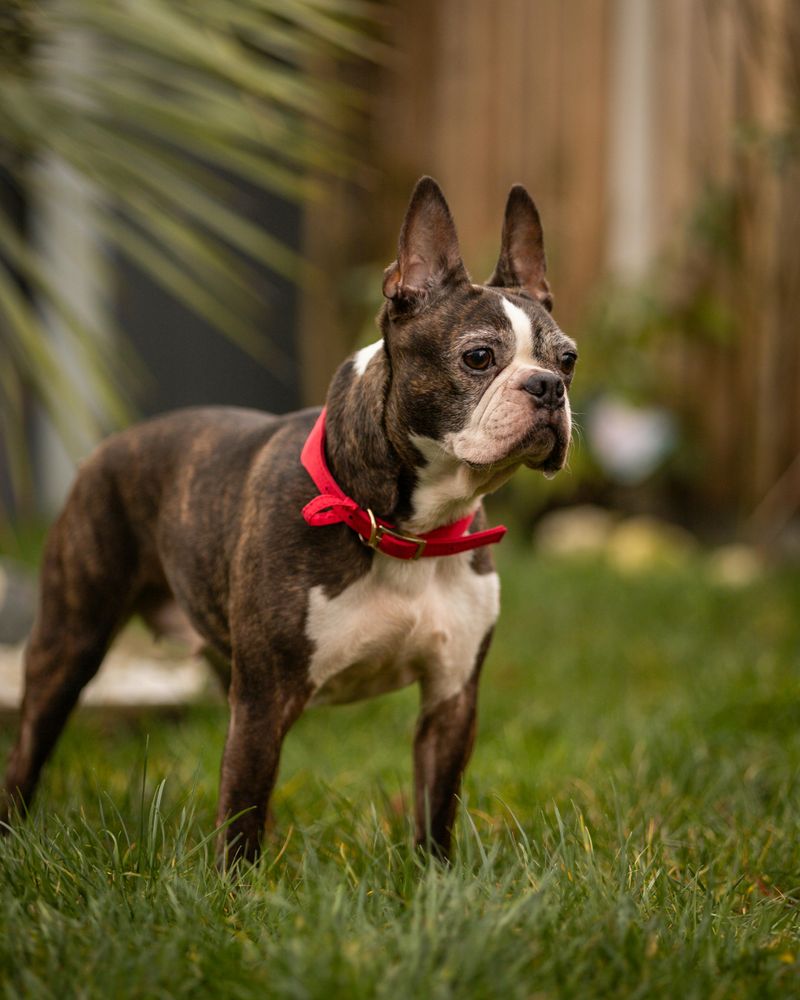
Boston Terriers sprint from zero to party. They dive into faces and paw for contact, which other dogs may find rude.
Enthusiasm is gold once you add brakes.
Install impulse control with stop-and-go walking games. Reward quiet breaths and soft bodies near triggers.
Practice parallel walks before sniff hellos.
Use toys as outlets and teach “take a break” on a mat. If the other dog averts or yawns, you call it.
You are the hype manager, turning Boston zest into respectful meet-and-greets.
Cocker Spaniel
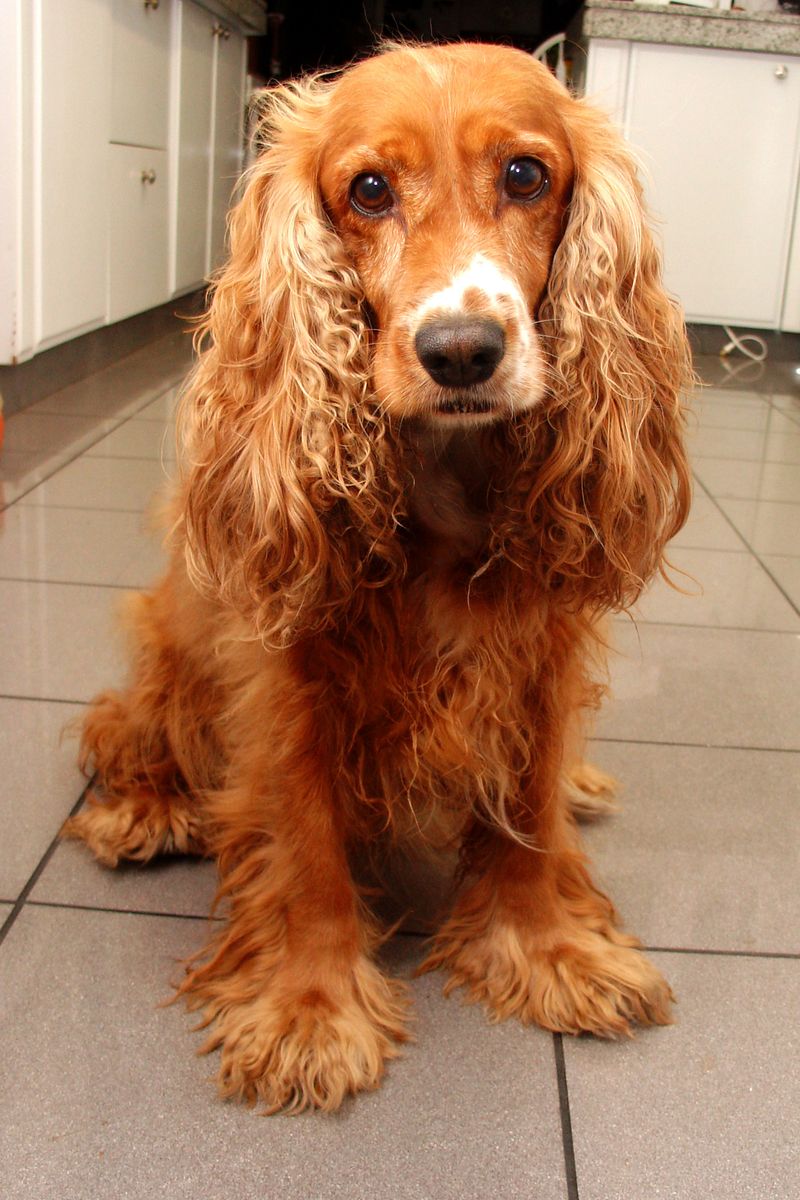
Cockers are affectionate shadow dogs that drift too close too fast. The nose pushes hands, the body leans, and greetings linger past comfort.
Sweet does not excuse sticky social skills.
Teach release words and count-down disengage games. Reward brief sniffs, then call away for a treat party.
Pattern games like 1-2-3 help create predictable exits.
Grooming and ear care reduce irritants that can fuel cranky pushiness. Choose lower-key friends who like gentle play.
With clear start and stop signals, your Cocker shines as a considerate companion.
Beagle
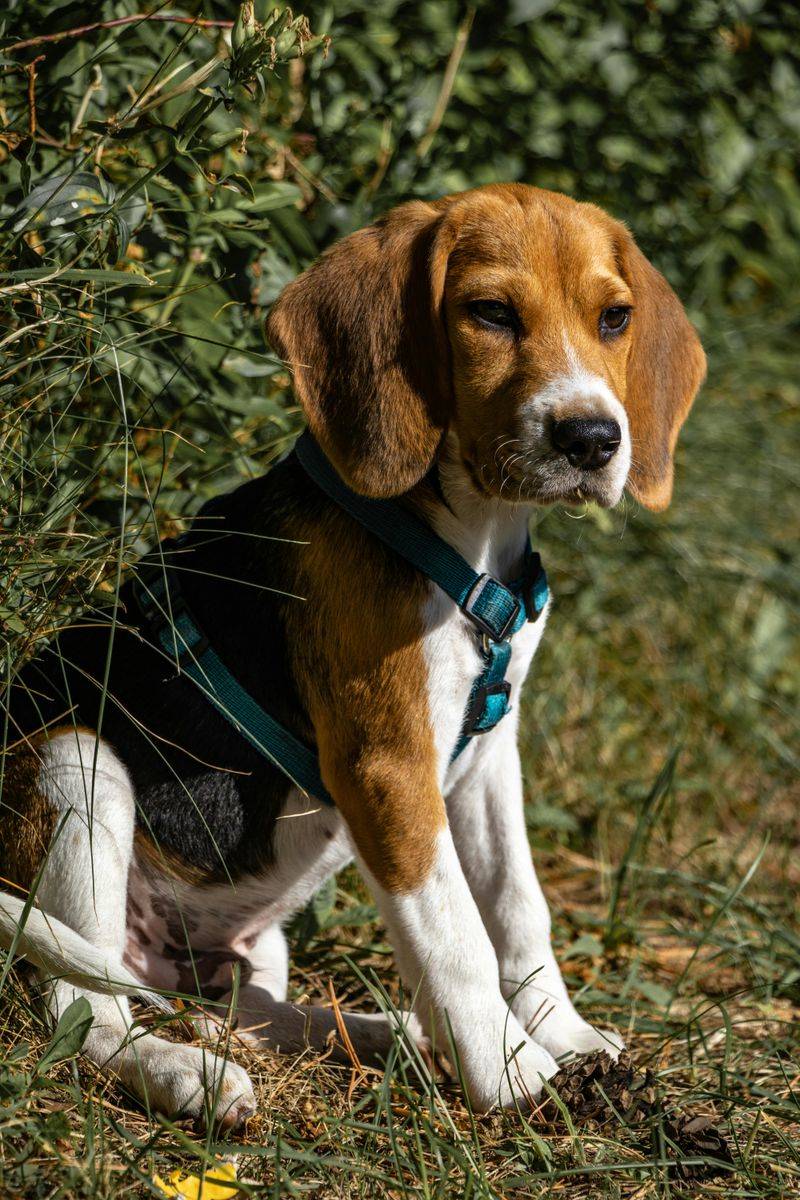
Beagles follow scent first, manners second. They arrow in nose-first, then vocalize when excitement spikes.
That persistence can feel pushy in crowded spaces.
Use sniffy decompression before social time. Reinforce recall from five feet, then ten, then more, paying big for turning away.
Long-line arcs let curiosity happen without bulldozing.
Teach a quiet cue paired with a treat scatter. Reward brief hellos and quick exits.
Your Beagle can be friendly and polite when nose work becomes the warm-up and disengagement gets the gold.
Australian Shepherd
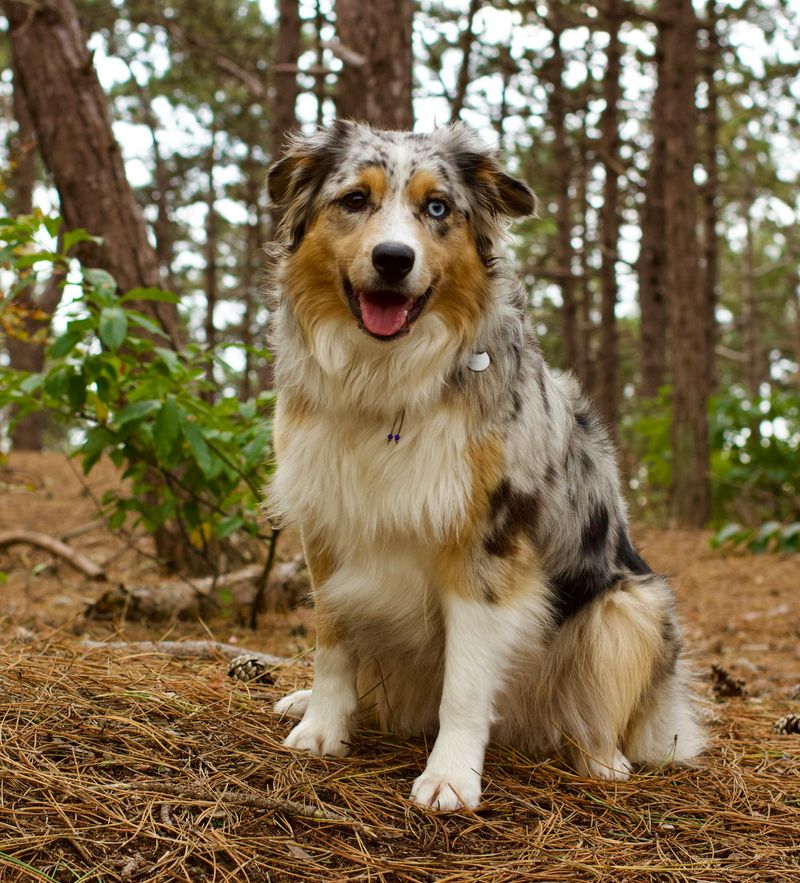
Aussies manage space like tiny foremen. They swing wide then cut in, sometimes body-blocking or herding dogs and people.
It reads as pushy control, not friendliness.
Teach stationing on a mat and reward off-switch behaviors. Use structured games like herding balls or hoop targets to satisfy the urge without crowding others.
Reinforce curved, consent-based greetings.
Movement triggers arousal, so build calm around motion with look-at-that and slow feeds. If your Aussie starts to flank, step between, reset, and pay for stillness.
The goal is thoughtful presence rather than micromanaging the world.
Border Collie
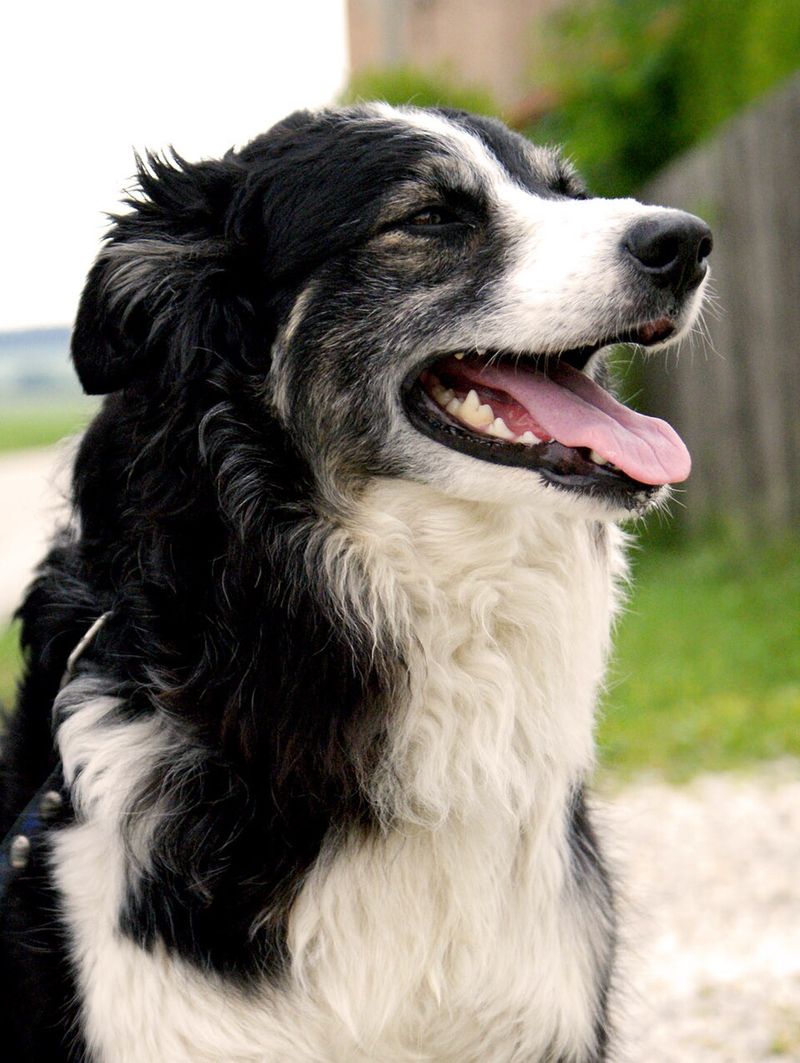
Border Collies laser-focus, which can feel like pressure. The stalk, the eye, and the sudden close are not always welcome.
Friendly intentions get lost under that intensity.
Reinforce soft eyes and head turns with calm pay. Use pattern games and middle-position to defuse fixations.
Teach disengage on cue before allowing any greeting.
Work brain first: sniff puzzles, scatter feeding, shaping games. Keep social time brief and choice-driven.
Your Collie shines when you swap pushy intensity for thoughtful, opt-in interactions.
Miniature Schnauzer
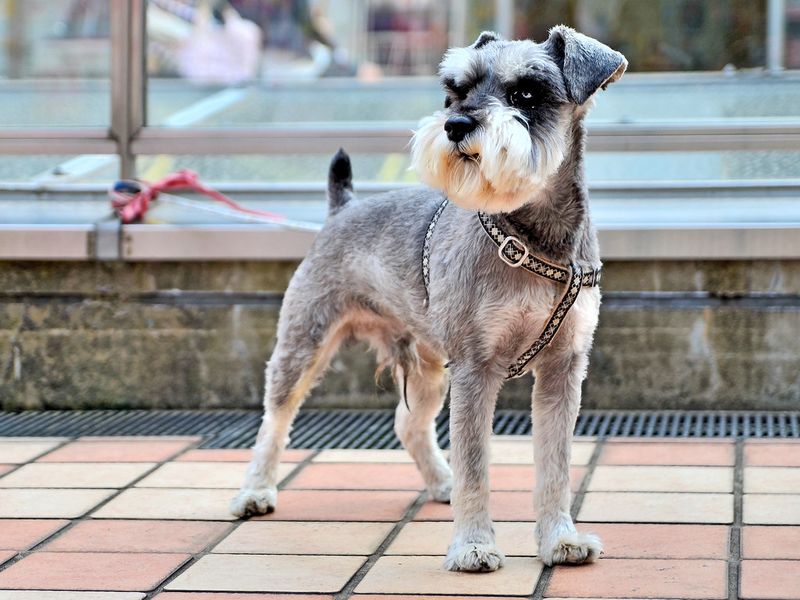
Mini Schnauzers are bold reporters who announce everything. They rush in with commentary and proximity that can overwhelm.
Assertive does not need to mean pushy.
Teach quiet on cue through capture and reward calm observations. Use hand targets to steer greetings into arcs.
Pay generously for sniff-and-go instead of hover-and-inspect.
Practice settle on a portable mat at cafes and shops. If your dog fixates, step away, breathe, reset, then try again.
Clear routines turn that confident charisma into respectful social graces.
Vizsla
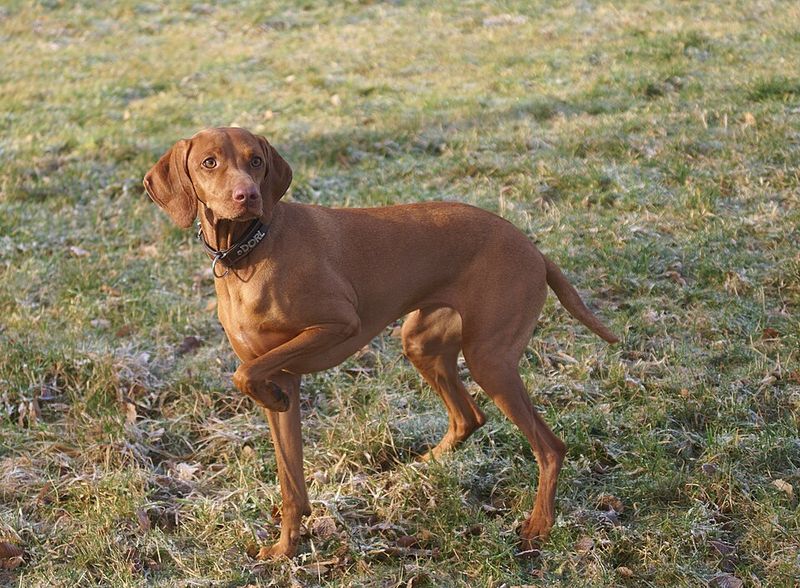
Vizslas are velcro athletes with big feelings. They close distance fast and lean hard, reading like pushy energy to others.
Movement plus excitement needs structure.
Front-load exercise with sniffy runs or fetch, then train polite approaches. Reinforce sit, look, and release-to-greet as a package deal.
If arousal rises, switch to nose work and try later.
Use lightweight gear and long lines for controlled freedom. Reward brief greetings and quick returns.
With outlets and clear rules, your Vizsla stays affectionate without steamrolling the moment.