
If you have ever sighed, My dog is just high energy, this might sting a little. What if the real issue is not energy, but under-control and unmet needs?
With the right outlets, structure, and training, even the zippiest breeds can settle and shine. Let’s look at the 13 breeds most often labeled wild and show you practical, humane ways to turn chaos into calm.
Belgian Malinois
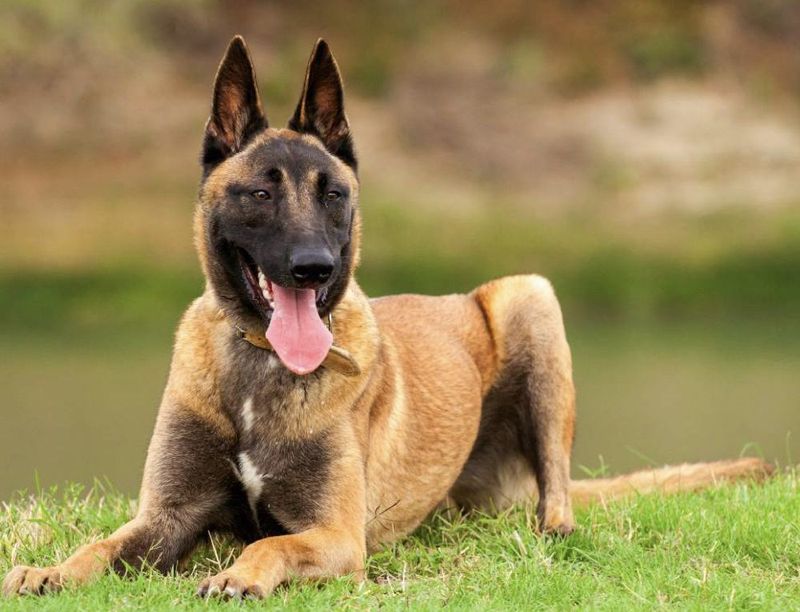
The Malinois is a rocket with opinions, often mislabeled as hyper when it is simply under-directed. This breed thrives on purposeful work, not random fetch marathons.
Give clear jobs like obedience, detection-style scent games, or controlled tug sessions, and watch focus replace frenzy.
Daily structure matters. Rotate drive outlets: bite-pillow targeting, place training, heeling with frequent reinforcement, and decompression sniff walks.
Short, high-quality reps beat endless cardio that only builds more stamina and frustration.
Crate conditioning, impulse-control drills, and calm social exposure support recovery between efforts. If you meet needs before they erupt, the Malinois becomes steady and confident.
Without structure, it self-assigns chaos. Your plan is the difference.
Dutch Shepherd
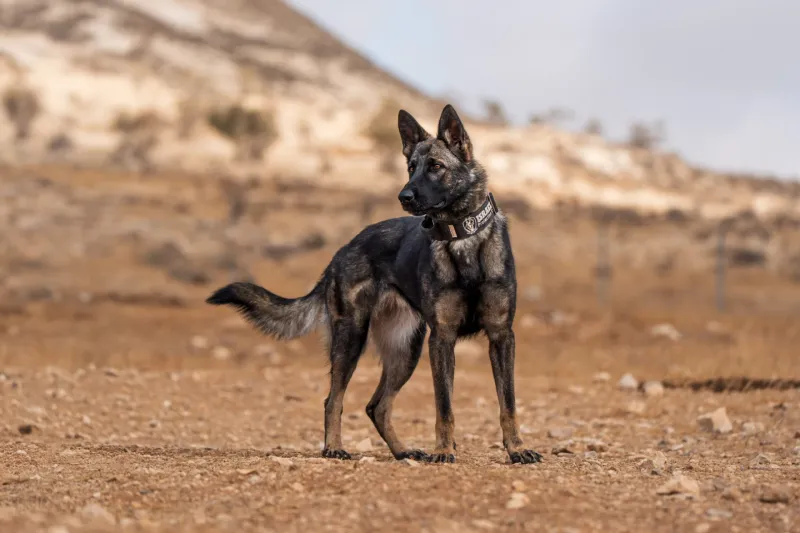
Dutch Shepherds are intense thinkers with gas in the tank and a need for clarity. When under-controlled, they rehearse herding legs, patrolling windows, and inventing security jobs.
Replace that with directional play, marker training, and scent puzzles that reward thoughtful choices.
Keep sessions brisk and varied: precision heelwork, send-aways, down-on-recall, and platform games for body awareness. Pair arousal with obedience, then reinforce generously.
Teach off-switch rituals after work to prevent endless scanning.
Boundary games, long-line hikes, and quiet chew decompression help balance their mind. If you skip structure, you get a stubborn whirlwind.
But with rules plus reinforcement, the Dutchie channels drive into reliable performance and settles beautifully at home.
German Shepherd Dog
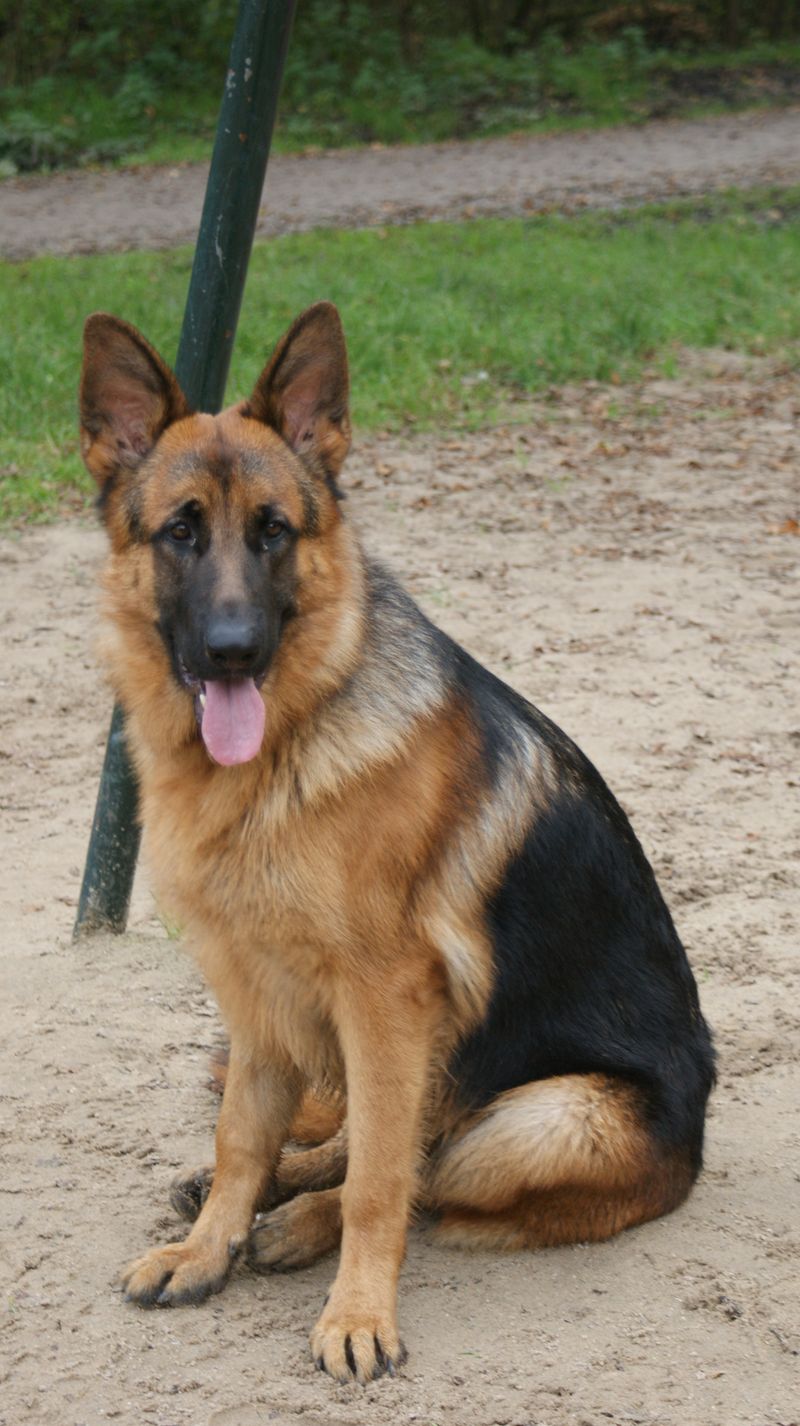
German Shepherds absorb patterns fast, for better or worse. Without direction, they guard doorways, herd kids, and bark at leaves.
Call it high energy, but it is usually a bright dog running the household schedule.
Give layered structure: morning sniffari, obedience with engagement games, and place training during family bustle. Mix in controlled tug, tracking lines, and strength-building hill walks.
Teach neutrality to common triggers using distance, food, and smart thresholds.
Clear routines reduce hypervigilance. Rotate enrichment: puzzle feeders, chin-target relaxation, and calm tether time.
A fulfilled GSD becomes a stable companion, not a kitchen cop. Meet its brain and body needs, then ask for stillness.
You will see balanced confidence.
Australian Cattle Dog
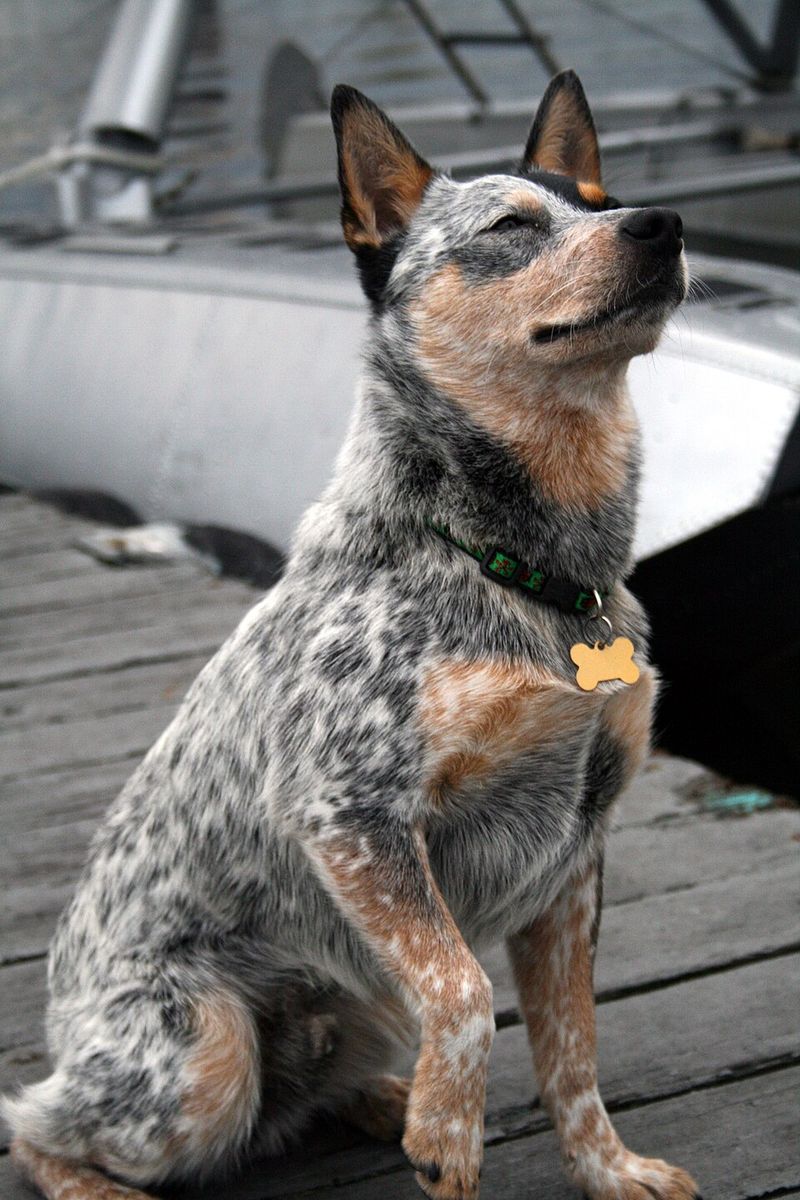
Australian Cattle Dogs are problem-solvers bred to control motion. If you do not give a job, they create one, often nipping heels or policing pets.
Under-control looks like endless pacing and yard patrols.
Build daily tasks: target work, send to mat, herding-ball games with rules, and trick chains that tax the brain. Keep it brief and crisp.
Reinforce thinking, not just sprinting. ACDs love clear boundaries and predictable consequences.
Use long lines for structured freedom, plus destructible chews for decompression. Encourage off-switch cues after work.
With purposeful outlets and consistency, their grit becomes your ally. Skip structure and you get a smart, stubborn foreman running the house shift.
Border Collie
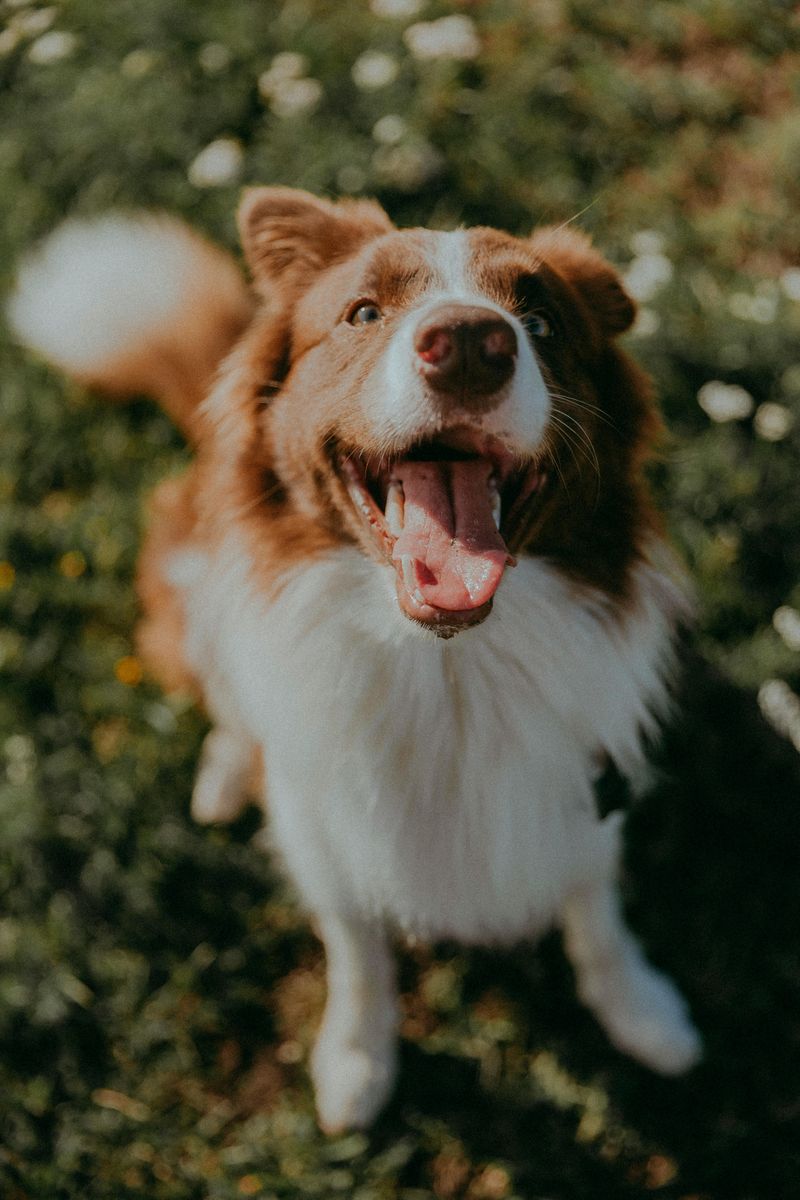
Border Collies read micro-movements and obsess over patterns. Under-controlled, that genius becomes hallway herding and window fixation.
Many people add miles of fetch, accidentally building a conditioned cardio addict.
Swap repetition for skill. Use stop-and-go games, target mats, and impulse-control around motion.
Teach disengagement from squirrels using distance then reinforcement. Nosework, shaping tasks, and tiny precision behaviors leave this mind satisfied.
Cap arousal with relaxation protocols and settle on cue. Walks are for sniffing, not speed runs.
Short sheepdog-style control games help, even without stock. When structure leads, the Border Collie offers breathtaking focus, and finally rests instead of scanning every shadow.
Vizsla
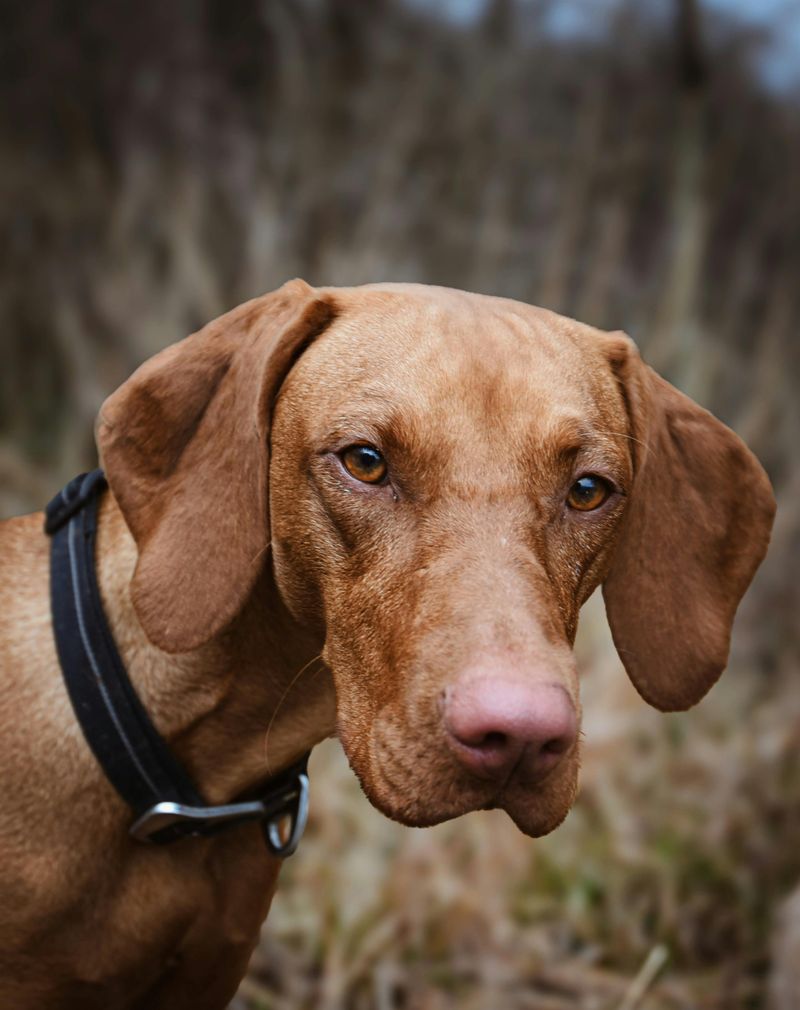
Vizslas crave closeness and motion, often labeled hyper when they are under-exercised mentally and emotionally. Without guidance, they ping-pong through the house seeking connection.
The fix is balanced outlets plus calm attachment routines.
Work on recall with frequent check-ins, then reinforce calmly. Mix field retrieves with steadiness drills and place training near you.
Keep arousal manageable using short bursts and decompression sniff walks. Enrichment like hide-and-seek or scent trails taps hunting heritage.
Teach alone-time comfort with gradual departures and soothing chews. Gentle structure lowers anxiety-driven zoomies.
When needs are met, a Vizsla becomes velcro in the best way, choosing to relax at your feet instead of orbiting the room.
Weimaraner
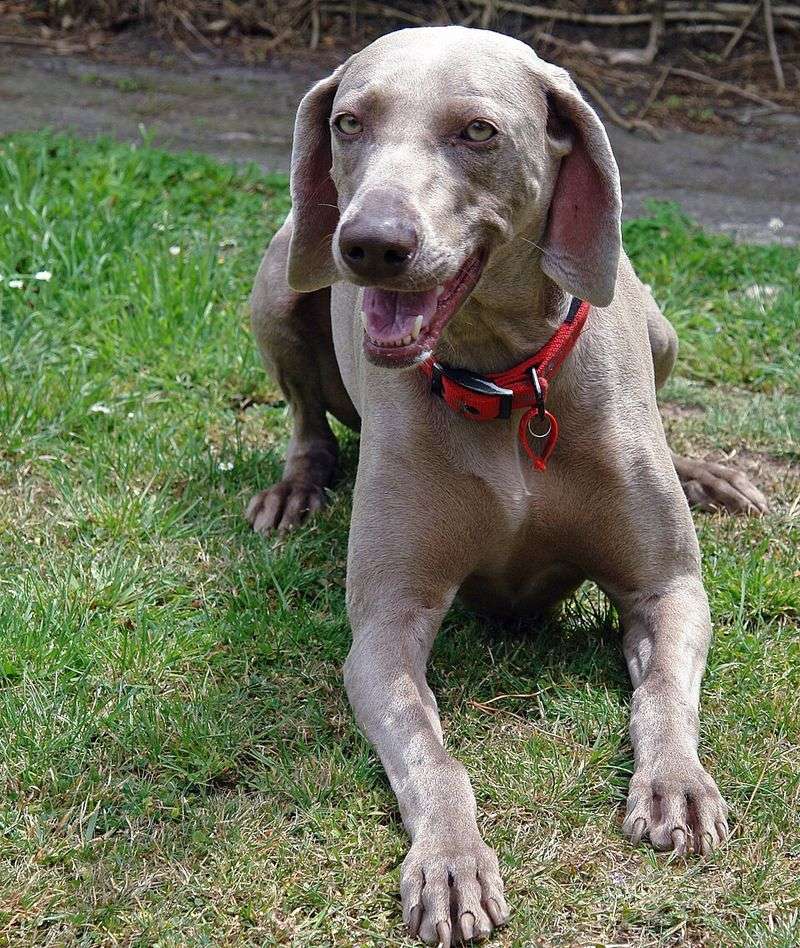
Weimaraners are sensitive athletes that unravel without boundaries. Under-controlled, they counter-surf, yodel, and shadow every step.
It is not just energy, it is uncertainty paired with stamina.
Build predictable rituals: structured walks, obedience with impulse-control, and place training during meal prep. Use field-style retrieves with steadiness, then guided decompression.
Rotate enrichment like scent boxes, cardboard destruction stations, and simple track layers.
Confidence grows through calm exposures and success, not chaos. Crate training becomes a sanctuary, not a penalty.
The goal is clarity: when to hunt, when to settle, when to rest. With consistency, the Weim shifts from frantic supervisor to graceful teammate at home.
Dalmatian
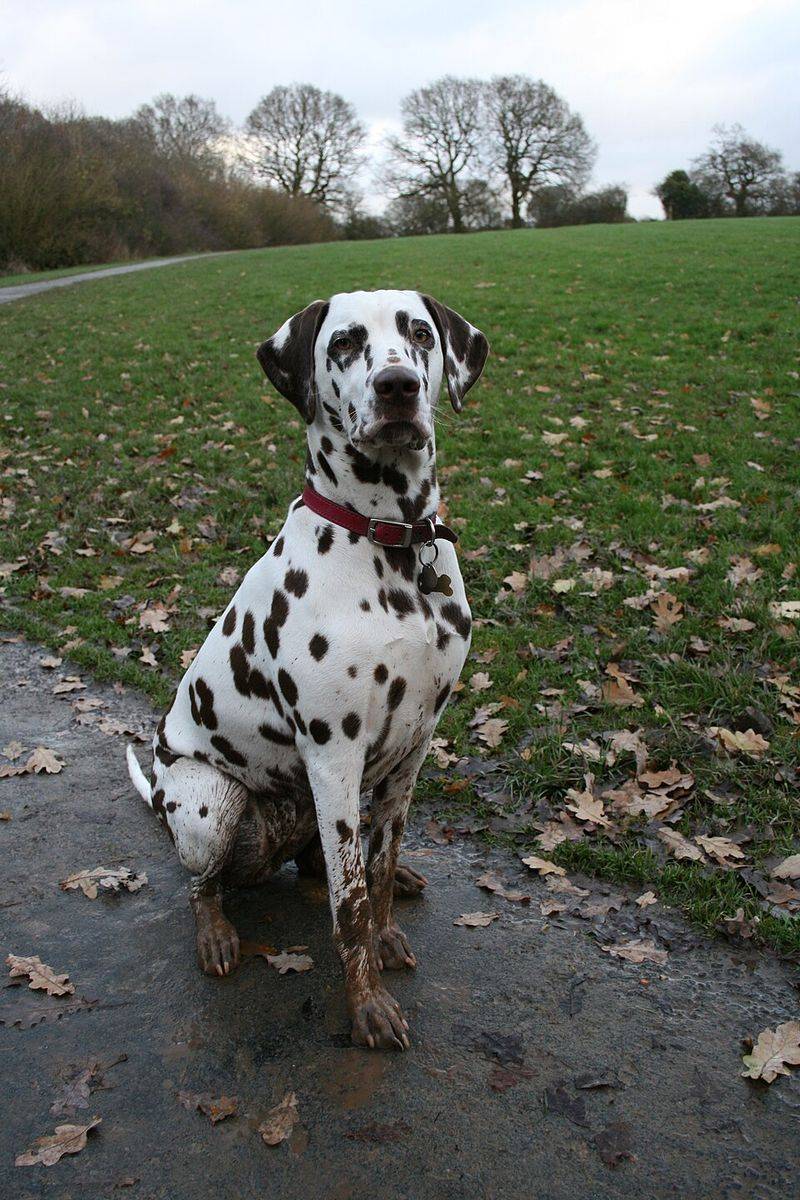
Dalmatians were bred to trot for miles, yet mileage alone does not fix under-control. Without rules, they invent games like door-dashing, counter scouting, and sibling refereeing.
Structure turns endurance into cooperation.
Use bikejor-style trots or paced runs paired with obedience breaks. Introduce mat work for on-off switches.
Play scent games that reward methodical searching, not frantic pinging. Keep social interactions guided to avoid rude exuberance.
Teach polite greetings with pattern feeding and controlled approaches. Rotate chew sessions and quiet crate naps after workouts.
When you manage arousal and provide jobs, the Dal becomes a charming, reliable partner who lounges happily instead of pacing a trench through your hallway.
Jack Russell Terrier
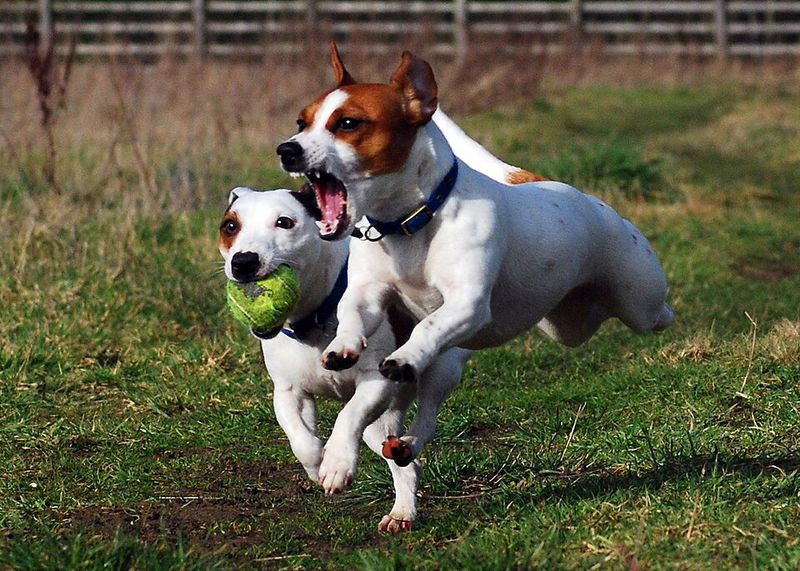
Jack Russells are comedic demolition experts when under-directed. They are not just energetic, they are purposeful hunters.
Letting them free-range boredom yields hole-digging, fence wars, and endless barking.
Channel instincts through controlled games: flirt pole with outs, tunnel runs with sit-stays, and scent box searches. Keep reps short and criteria clear.
Reinforce captures, then cue calm on a place board. Mental work tires this breed better than marathons.
Provide durable chews, rotate puzzle feeders, and use long lines to prevent impulsive sprints. Teach quiet on cue and reward stillness.
Give structure and the Jack Russell becomes hilarious, helpful, and actually restful between bursts.
Beagle
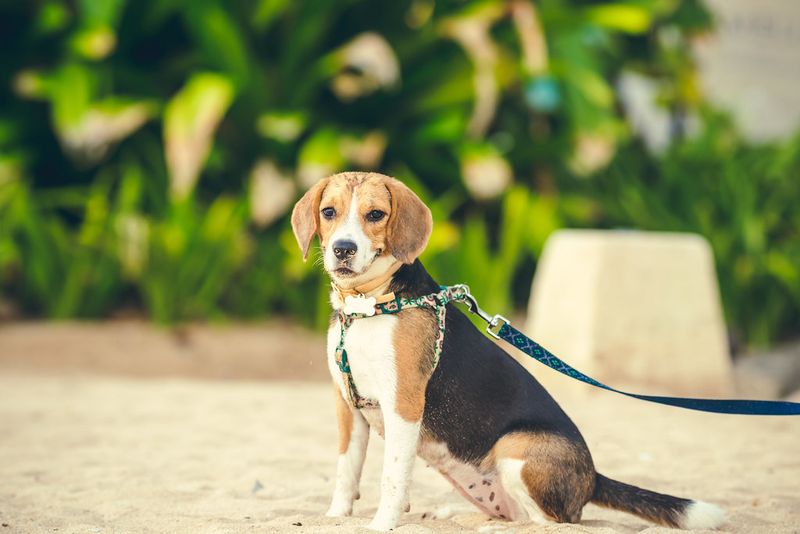
Beagles are scent-driven scholars. Under-controlled, they seem restless and stubborn because the nose writes the schedule.
The fix is not suppression, it is structured tracking chances plus calm recovery rituals.
Use long-line sniffaris with planned start cues and finish cues. Scatter feed in grass, run short track layers, then practice settle on a mat.
Cue check-ins for reinforcers so the nose reports back to you.
Indoors, provide food puzzles and gentle chew sessions. Teach door manners and crate relaxation to avoid baying at every sound.
When their olfactory brain is satisfied, Beagles nap deeply and cuddle sweetly, proving they were under-controlled, not over-energized.
Siberian Husky
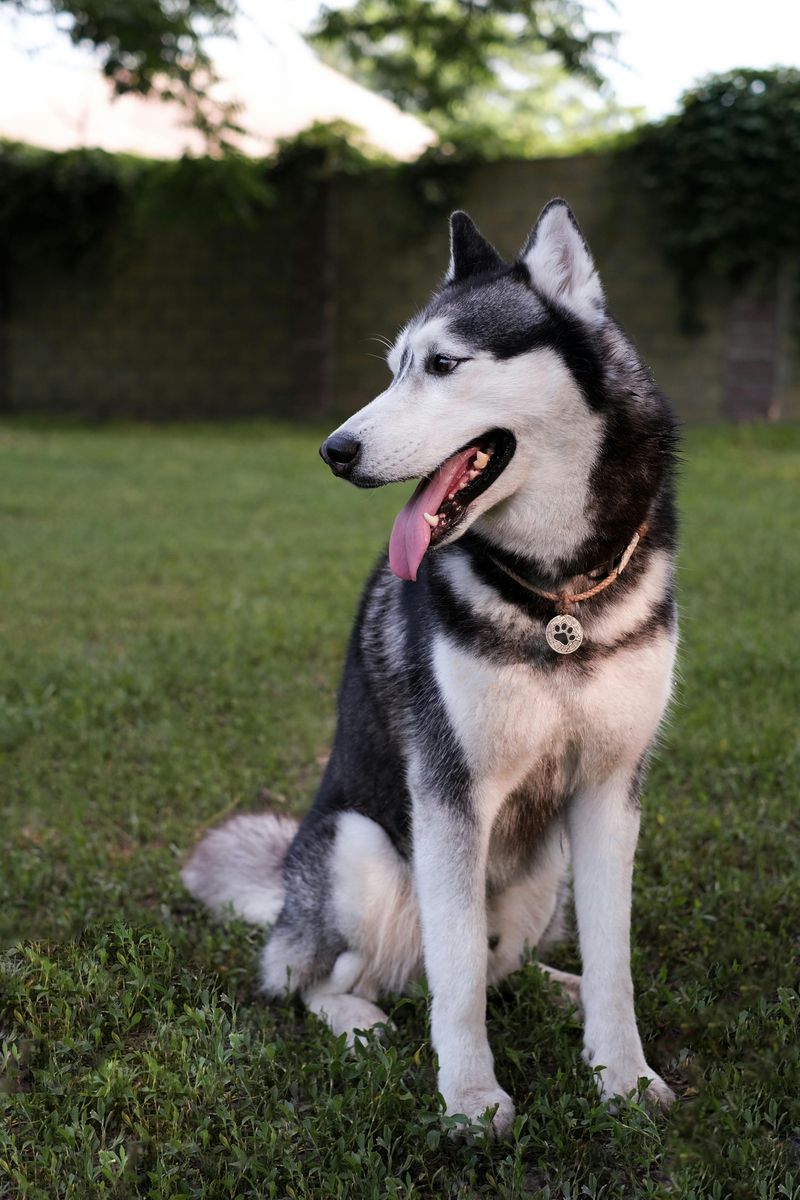
Huskies are locomotion lovers with social charm. When under-controlled, they practice escape artistry, yard narration, and couch parkour.
Endless free running only grows capacity, not cooperation.
Channel movement with canicross, skijoring, or bikejoring under rules, then insist on a cool-down routine and mat settle. Teach reliable recall games on long lines and reward focus amid wind and wildlife.
Enrichment like frozen Kongs and sniff mats prevents indoor mischief. Rotate obedience micro-sessions between motion bursts.
The outcome is a Husky that works hard and then actually rests. Structure makes peace possible, even for this beautiful sled poet.
Standard Poodle
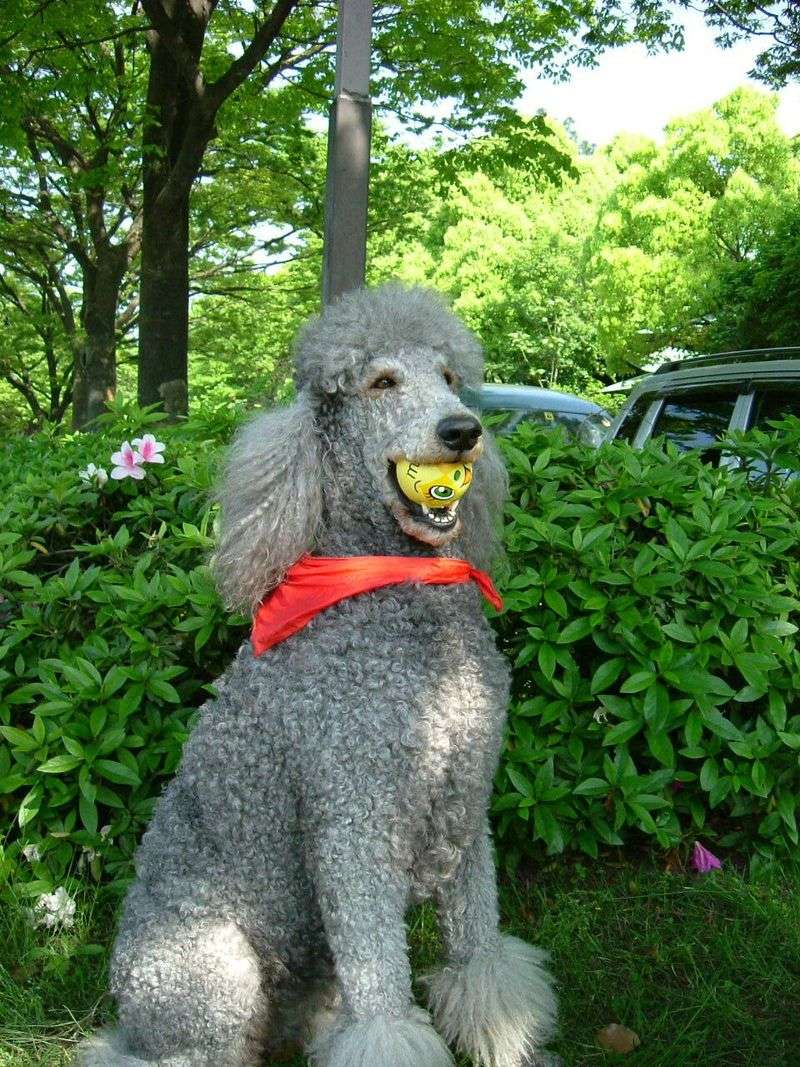
Standard Poodles are thinkers with springs. Under-controlled, they counter-plan you, invent greeting dances, and collect contraband socks.
Intelligence without structure looks like mischief on stilts.
Use shaping for precision tasks, scent discrimination games, and duration place while life happens around them. Alternate athletic bursts like retrieve ladders with quiet nosework to manage arousal.
Reinforce calm handling and cooperative grooming to build stillness.
Rotation prevents boredom: trick chains, pattern feeding, and decompression walks. Teach polite door routines and settle after play.
With needs met, the Poodle reveals elegant self-control, offering laughter and grace instead of chaos. Smart does not mean wild when guidance is consistent.
Miniature American Shepherd
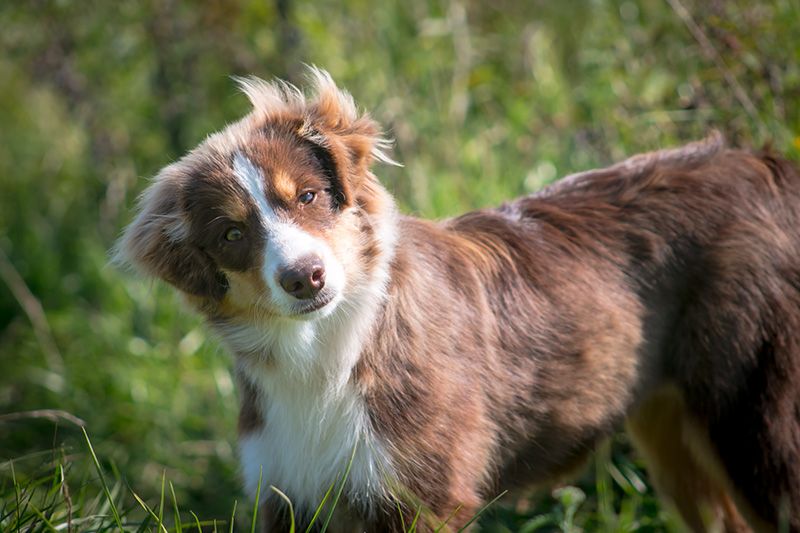
Mini American Shepherds pack Border Collie wiring into a smaller frame. Under-controlled, they herd ankles, chase shadows, and obsess over door traffic.
More fetch is not the answer, better structure is.
Focus on agility flatwork with startline stays, impulse-control at jumps, and reinforcement for disengaging from motion. Add nosework and trick shaping to diffuse fixation.
Teach place near activity so they learn to rest around movement.
Use predictable routines, long-line freedom, and decompression sniff walks. Provide chews and puzzle feeders to occupy that busy brain.
Meet needs with intention and you will get a cuddly, keen teammate who can switch off gracefully when asked.