
You see the zoomies, the barking, the nonstop pacing, and it is easy to say your dog has endless energy. But what if the real issue is overstimulation, not a bottomless battery?
Understanding the difference changes how you exercise, train, and soothe your dog. Let’s break down the breeds most caught in this debate and show you how to channel their drive without chaos.
Belgian Malinois
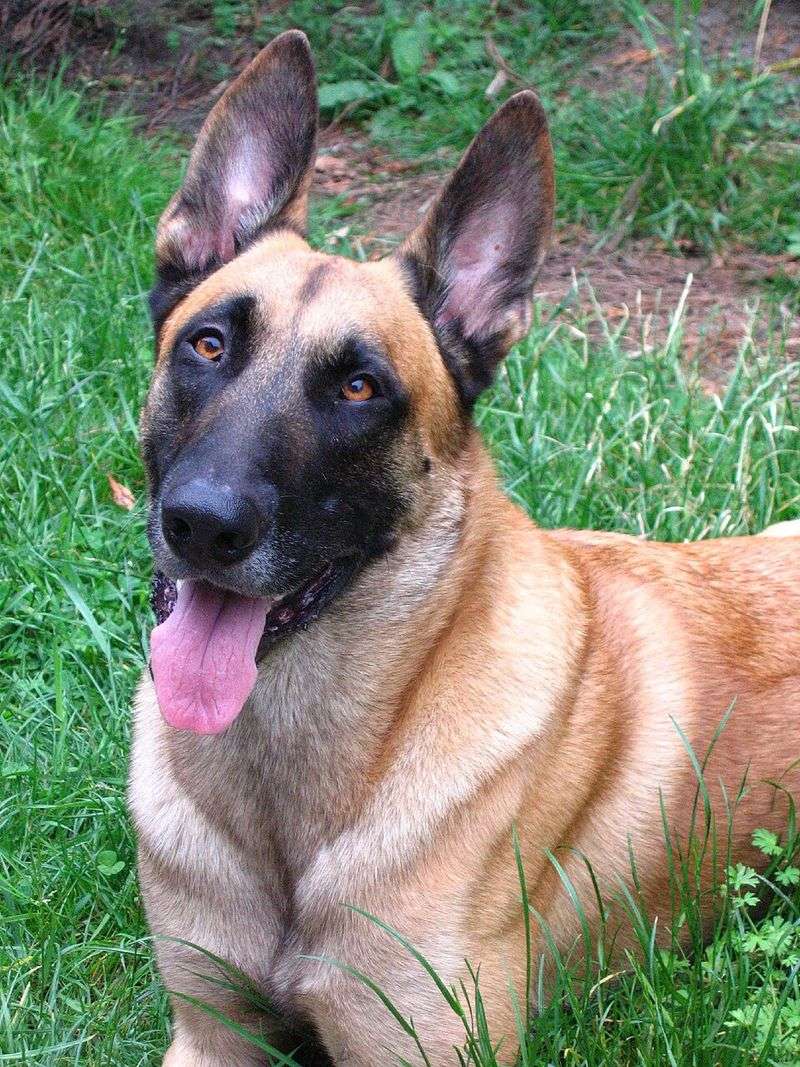
People call the Malinois hyper, but overstimulation often looks like spinning, frantic barking, and chewing when structure is missing. This dog thrives on clarity, not chaos.
Short, purposeful reps beat hour-long ball chases that fuel arousal.
Use obedience integrated with bite-work style tug, scent games, and controlled retrieves. Cap arousal by asking for a down mid-session, then release again.
This teaches the on-off switch that real work demands.
Mental load is your friend: platform work, place training, and precise heeling with variable rewards. Skip the mindless fetch marathons.
Ten minutes of focused engagement, then decompression walks and crate time, will outperform scattered stimulation every single day.
Australian Cattle Dog
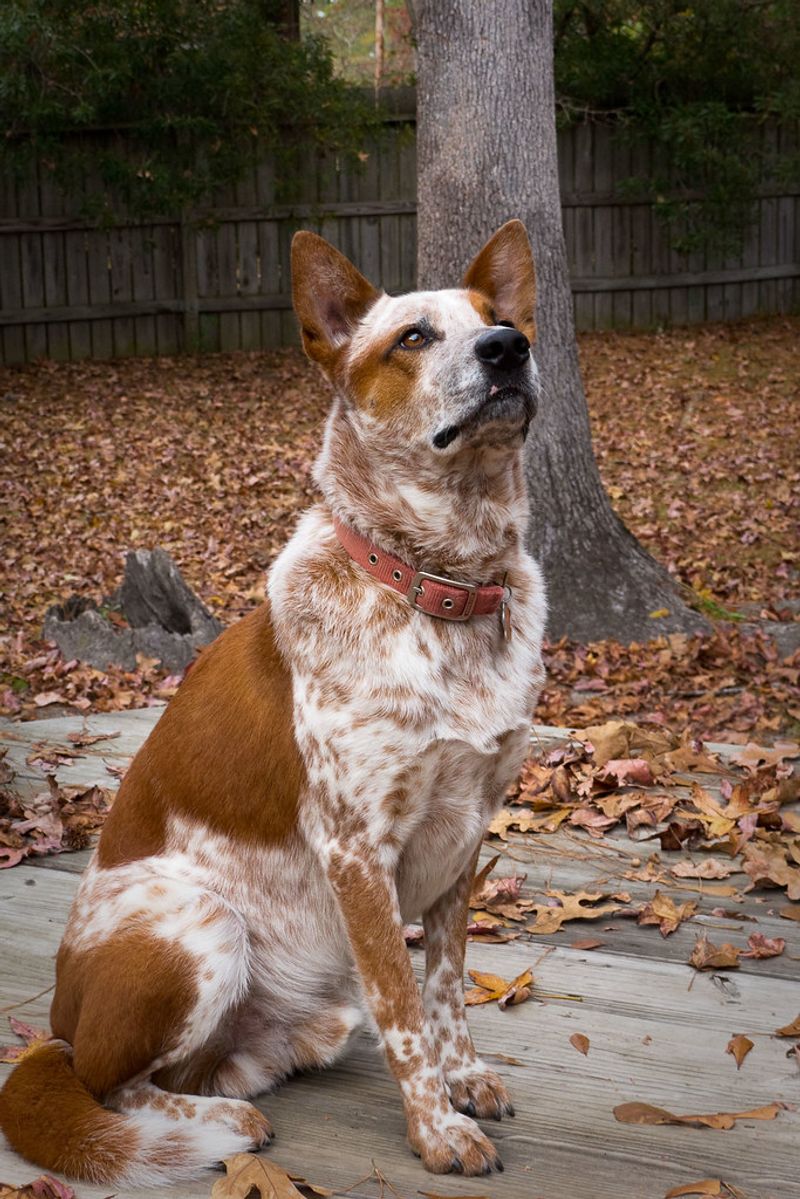
Heelers can look tireless, but much of the restlessness comes from scanning and micromanaging their world. Overstimulation appears as heel-nipping, shadow chasing, and relentless patrolling.
Replace free-for-all yard time with planned jobs.
Try boundary games, obedience around livestock smells at a distance, and parked car practice for neutrality. Teach place while life happens.
Reinforce calm when triggers pass instead of letting them escalate into rehearsed arousal.
Short retrievals with rules, scent puzzles in boxes, and controlled tug scratch the working itch. Daily decompression walks on a long line, with sniff breaks, drop arousal.
Your heeler does not need more hype. It needs guidance, recovery, and meaningful work that ends cleanly.
Border Collie
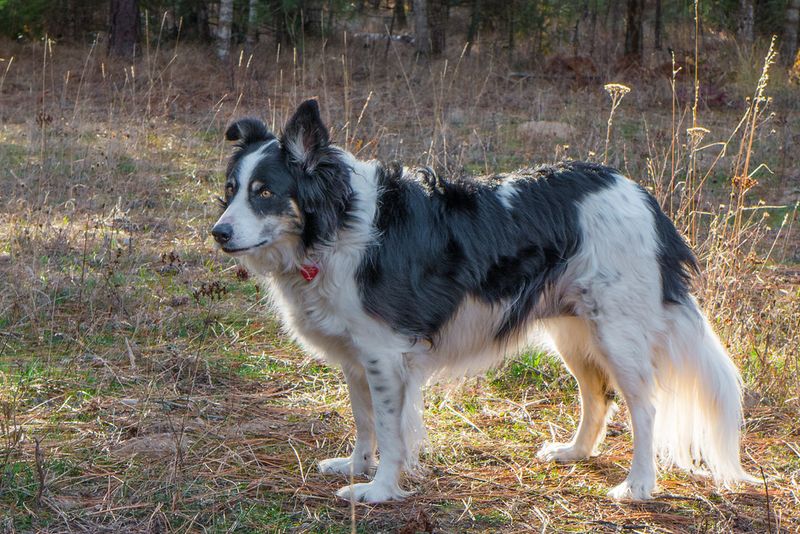
Border Collies obsess when left to self-employ. Overstimulation shows as eye-stalking joggers, spinning at fence lines, and herding children.
Random fetch feeds compulsion. Structure channels that brainpower into thoughtful work.
Use pattern games, impulse-control at doors, and down stays amid mild distractions. Keep sessions short and crisp.
Ask for a calm reset between drills. That rhythm teaches them to land the plane.
Nosework, shaping tasks, and precise heeling with variable reinforcement satisfy the need to think. Finish with slow sniff walks, not more ball slams.
If you trade arousal for engagement, the “too energetic” dog becomes a thoughtful partner who can settle in your living room.
Australian Kelpie
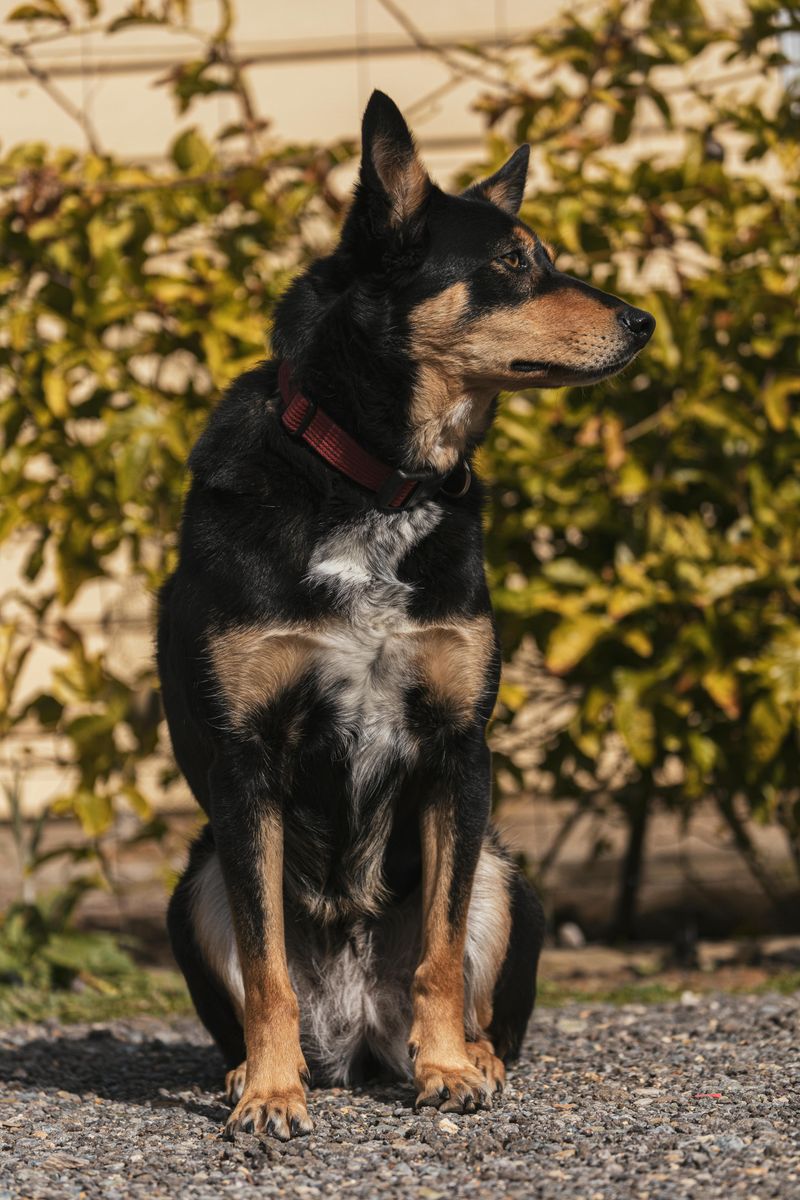
Kelpies are built to move sheep all day, but constant motion at home often means overstimulation. You might see circling, whining, and darting between windows.
Instead of chasing that energy, teach pause points.
Structured tug with clean outs, platform work, and send-aways followed by stillness build clarity. Keep reps brief.
Use environmental neutrality sessions at parks, rewarding quiet observation.
Add scent puzzles, light tracking, and trick training that requires body control. End games before frenzy appears, then decompress with a long-line sniff walk.
Give the Kelpie a job, close the job, and protect rest. That pattern flips chaos into competence and makes daily life sustainable for you both.
Dutch Shepherd
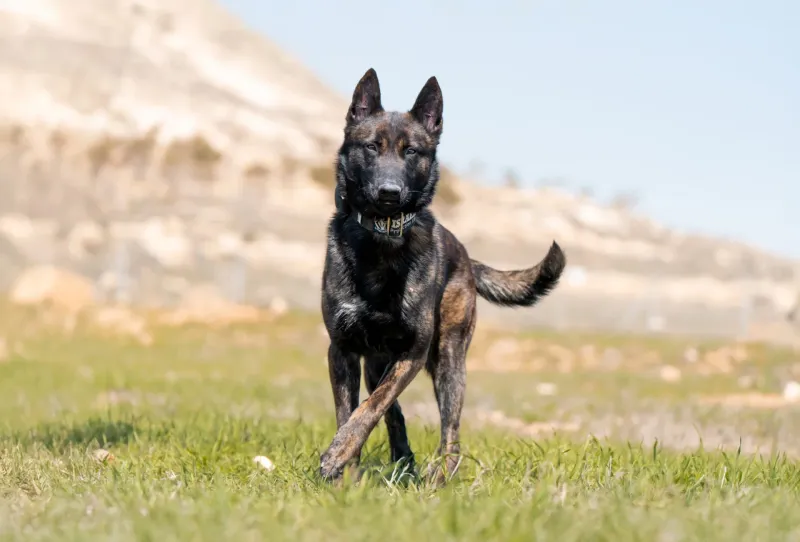
Dutch Shepherds radiate intensity, which fools people into more hype. Overstimulation shows as vocalizing, mouthing, and frantic toy possession.
The fix is precision plus recovery, not endless fetch.
Run short engagement drills, marker training, and capping arousal with static holds. Reward clarity.
Insert calm downs between retrieves. Build neutrality near motion, bikes, and other dogs from safe distances.
Nosework and tracking drain the mental battery faster than chaotic play. Rotate tools: tug, scent, obedience, then crate or place for true rest.
When you protect off-switch skills, your Dutch shifts from wildfire to furnace heat, steady and useful, instead of burning your household with constant sparks.
German Shepherd Dog
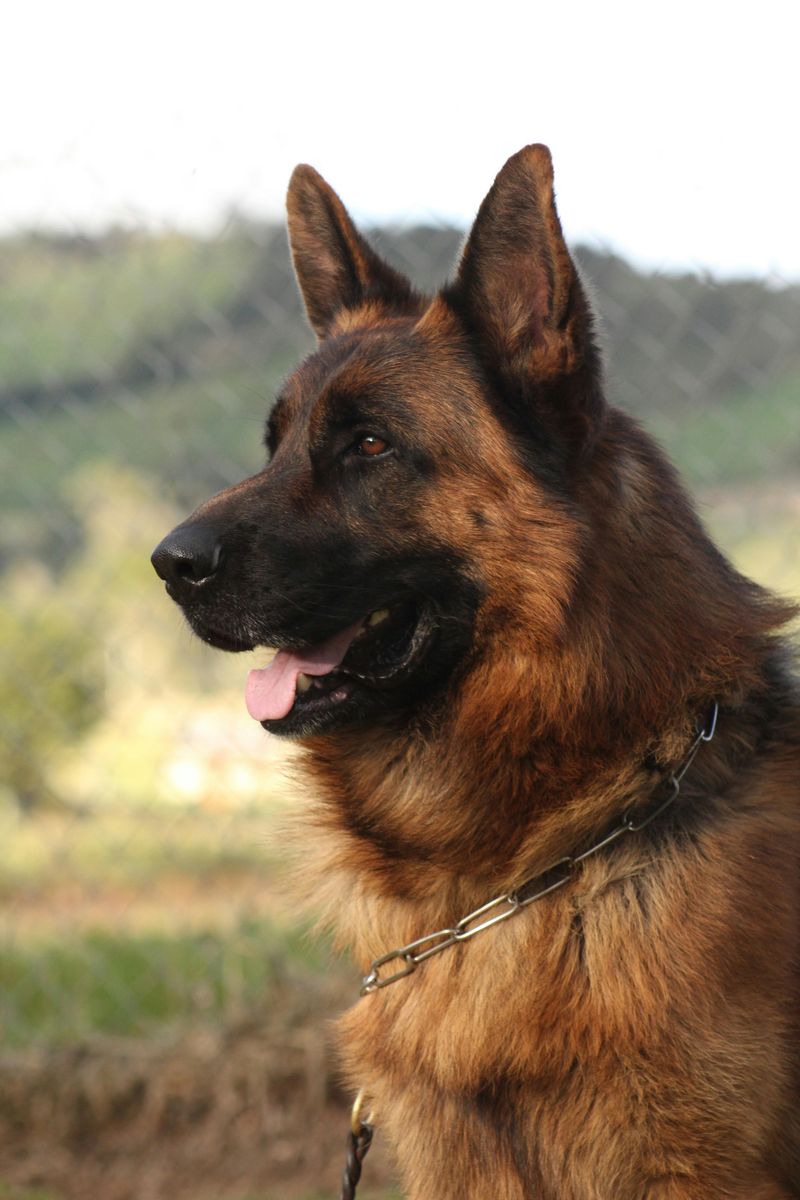
GSDs get labeled “high energy” when they are actually vigilant and overloaded. Overstimulation looks like barrier frustration, lunging, and pacing.
More cardio just builds a stronger sprinter. You need boundaries and decompression.
Teach place alongside family life, settle on mat while guests chat, and structured heel past mild distractions. Reward quiet eye contact, not barking.
Add sniff walks in low-traffic areas to lower arousal.
Include tracking, article searches, and controlled tug with crisp outs. Cap reps before reactivity spikes.
Pair mental work with genuine rest. A calm, confident shepherd emerges when you trade frantic practice for disciplined routines and predictable cool-downs.
Miniature American Shepherd
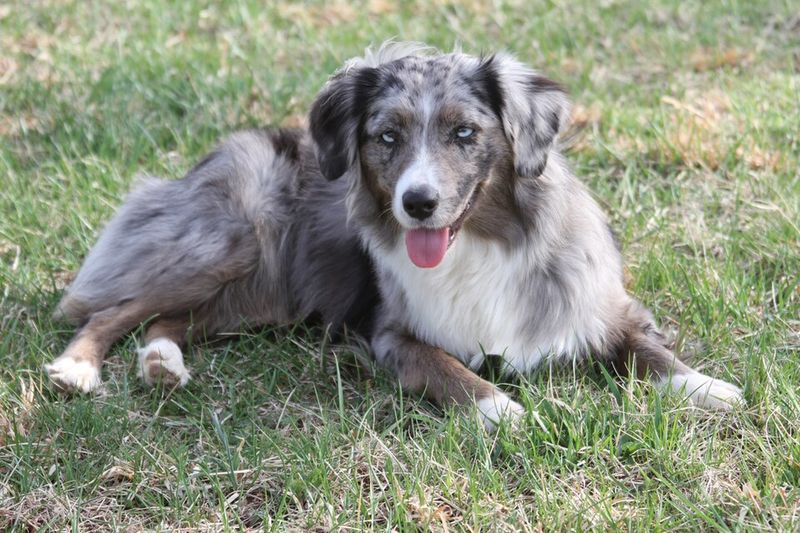
These minis often buzz with excitement, circling and barking at every sound. That is overstimulation, not bottomless energy.
Keep play short and purposeful. Use place training to anchor calm during daily chaos.
Practice leash walking with pattern turns, rewarding check-ins. Introduce trick training that requires body awareness, like pivots and backing up.
Insert brief downs between reps to cap arousal.
Food puzzles, simple scent games, and controlled fetch meet needs without spiraling. Decompression walks with sniffing time beat crowded dog parks.
Teach this dog that engagement turns on and off predictably. Your home gets quieter, and the little herder learns to settle beautifully.
Shetland Sheepdog
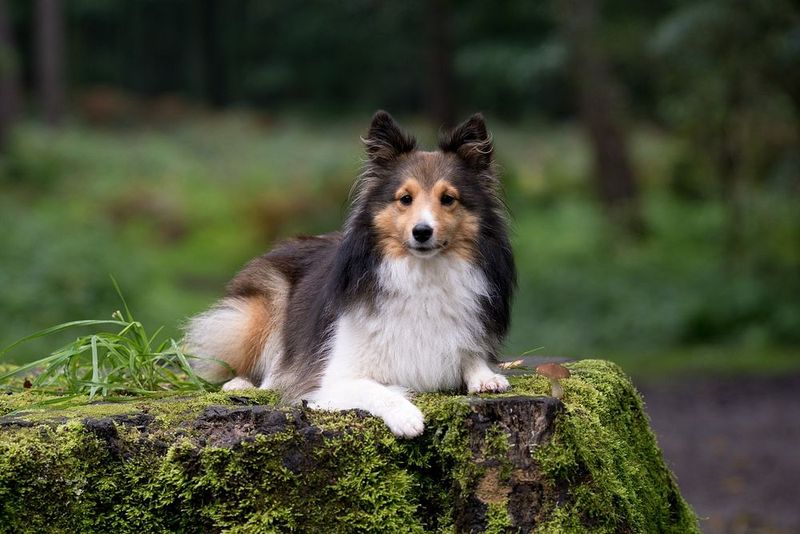
Shelties are alert by design. Overstimulation appears as alarm barking, spinning, and frantic herding of family members.
More fetch usually adds fuel. Choose thoughtful exercises that reinforce quiet observation.
Teach a strong place command, reward calm during household motion, and practice loose-leash walks with planned sniff breaks. Sprinkle in targeting, pivots, and trick work for controlled engagement.
Keep sessions short and end before arousal pops.
Noise desensitization at low volumes, scent games in cardboard boxes, and boundary games at doors help immensely. Afterwork decompression and cuddles seal the lesson.
Your Sheltie wants clarity and predictable transitions more than nonstop action.
Beauceron
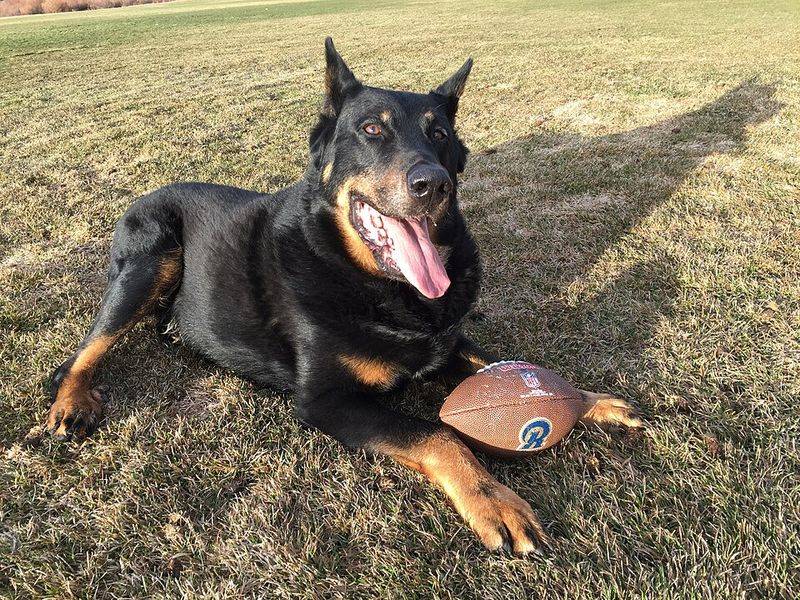
The Beauceron’s presence can read as intensity, but frantic pacing, vocalizing, and grabby mouthing often stem from overstimulation. Replace chaotic play with structured tasks.
Clarity beats quantity.
Drill obedience with clean markers, add scent articles, and practice place while life moves around you. Insert calm resets.
Reward neutrality near joggers and bikes at safe distances to build confidence.
Tracking, controlled tug, and controlled retrieves meet the working need. End sessions while the dog still wins, then decompress with quiet nature walks.
When the off-switch is trained, the Beauceron becomes wonderfully manageable, impressive without being overwhelming.
Bouvier des Flandres
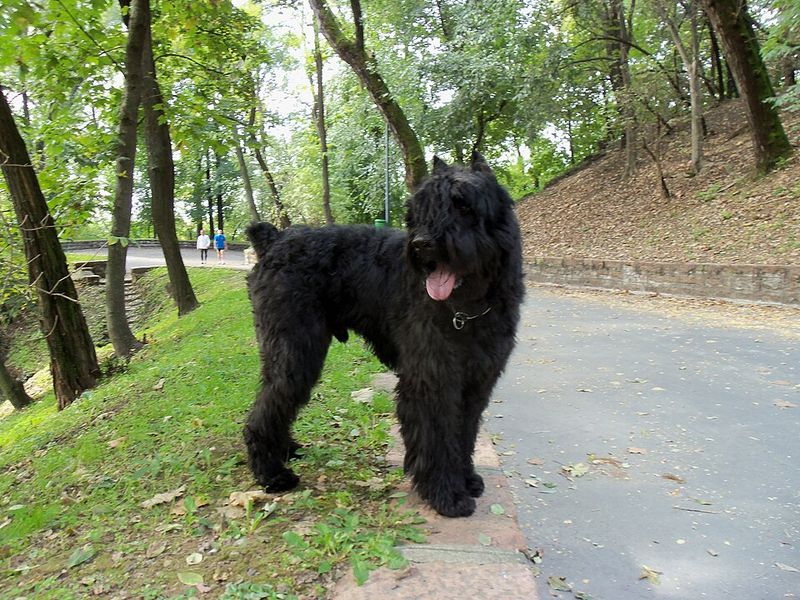
Bouviers look stoic, yet can spiral into pushy, mouthy, and restless behavior when overstimulated. People often respond with more cardio, which backfires.
You need purposeful work followed by real rest.
Teach structured heel, place while visitors enter, and calm greetings. Incorporate scent discrimination and carting-style tasks with strict start-stop cues.
Reward deep breaths and soft eyes as much as sits.
Finish with slow, sniffy strolls away from crowds. Trim sessions before arousal peaks, then crate or settle on a mat.
The result is a powerful dog that uses its muscles and brain without steamrolling your home environment.
Giant Schnauzer
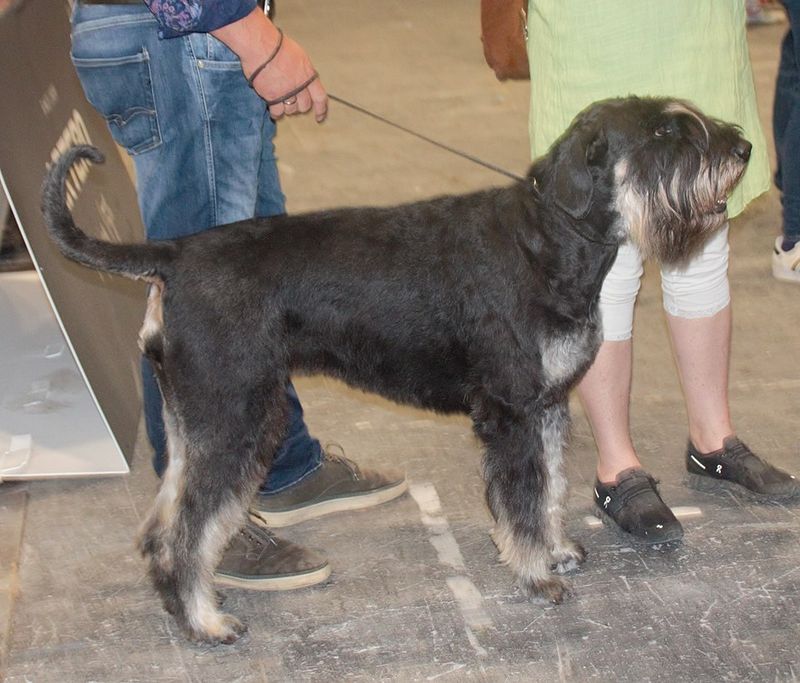
Giant Schnauzers can go from zero to chaos when over-aroused. Spinning, vocalizing, and bulldozing playmates often scream overstimulation.
Ditch marathon fetch. Use precision and capping.
Short obedience bursts, place work, and impulse control around doors change everything. Layer in scent games and controlled tug with crisp outs.
Ask for a down mid-session, then release, teaching regulation.
End before the peak, then decompress with quiet long-line walks. Consistency turns that volcanic energy into directed power.
The giant becomes a thoughtful partner who can settle on command.
Airedale Terrier
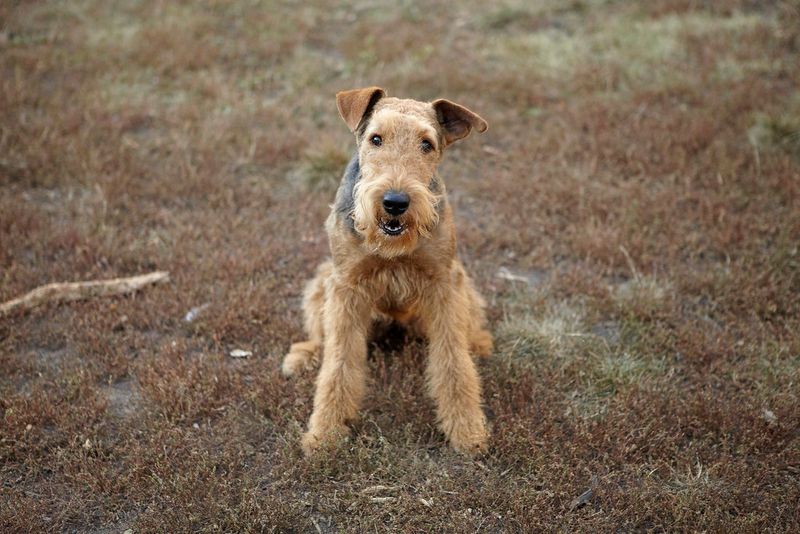
Airedales are clever and opinionated. Overstimulation shows up as grabby mouthing, frantic digging, and noisy play.
More excitement just builds a stronger party animal. Use rules, thinking tasks, and decompression.
Introduce platform work, impulse control at thresholds, and short retrieve games with clean starts and stops. Add scent puzzles and shaping with clear markers.
Reward calm choices generously.
Finish with quiet sniff walks or restful chews. Keep sessions short and predictable.
Your Airedale learns that clarity and calm earn access to fun, and the home life gets easier fast.
Standard Poodle
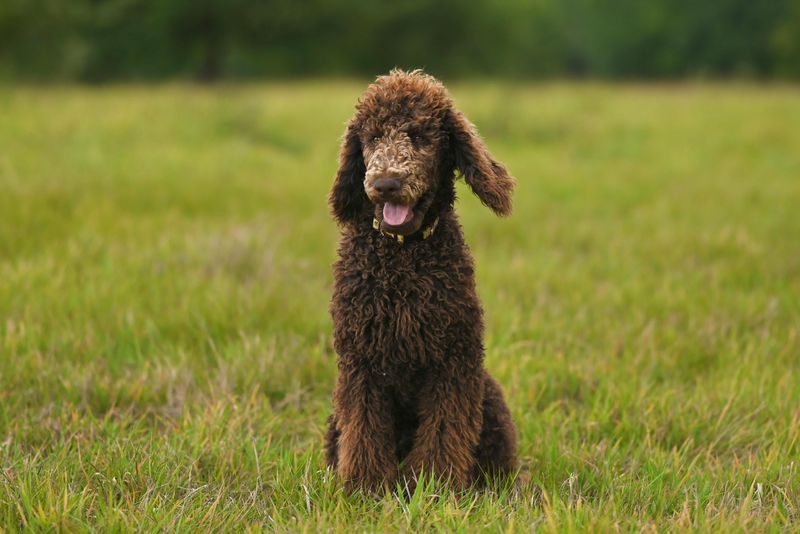
Standard Poodles are bright and sensitive, which can tip into overstimulation at home. Zooming between rooms, barking at shadows, and needy attention-seeking are common.
Replace random play with structured engagement and off-switch training.
Teach place while you cook, leash walking with pattern turns, and trick sequences that require body control. Insert calm pauses.
Reinforce soft eyes and quiet breathing as criteria.
Food puzzles, nosework hides, and brief retrieves scratch the mental itch. End before arousal crests, then decompress with a relaxing stroll.
With predictability and rest, that elegant brain learns to glide through daily life instead of pinging off the walls.
Dalmatian
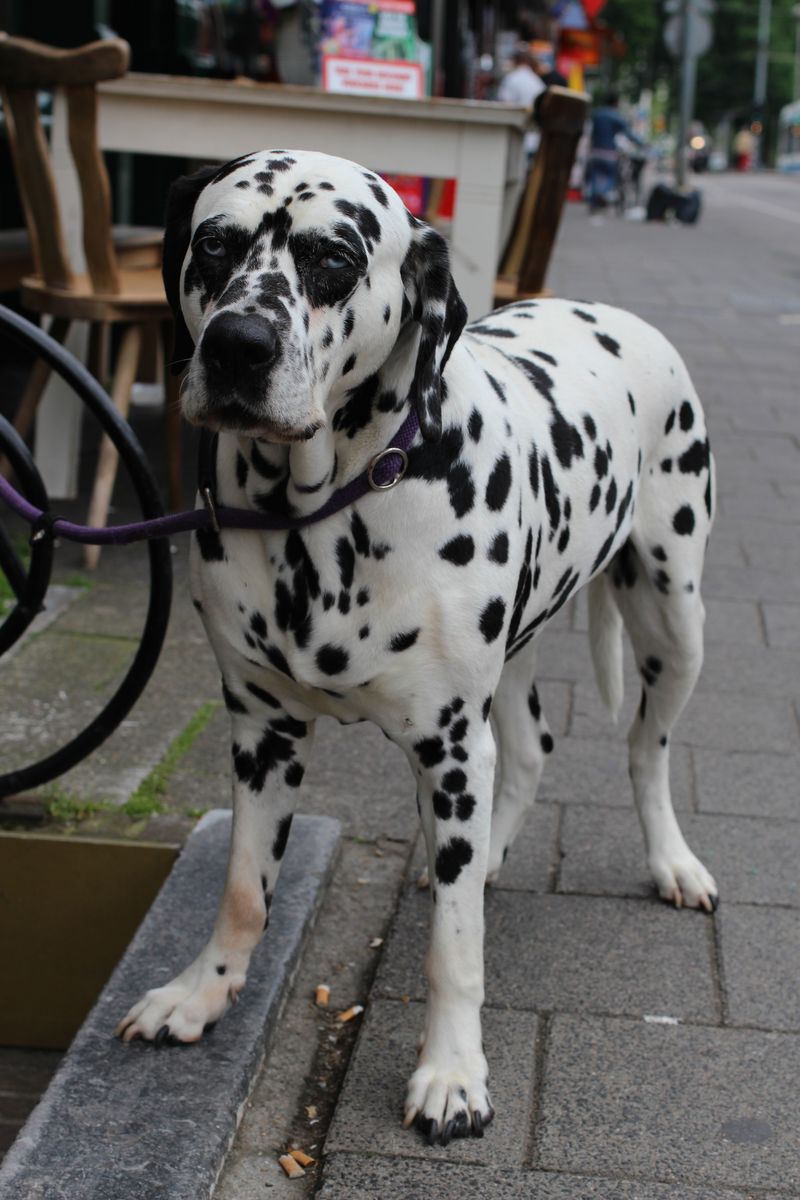
Dalmatians are athletic, but the frantic pacing, barking at every passerby, and toy shredding often come from overstimulation. Replace chaotic play with structured sessions and real recovery time.
Predictable routines lower reactivity.
Practice loose-leash walking with sniff breaks, place training during household bustle, and simple scent games. Add short retrieves with rules and brief downs between reps.
Reward quiet, thoughtful behavior.
Finish with decompression walks in calm areas. Keep sessions short and stop on success.
Your Dalmatian can stay fit and engaged without living in a constant buzz.