
Those viral posts claiming your dog is reactive because you talk too much are lighting up every feed. There is a grain of truth, especially with breeds bred for quick decision making and high sensitivity.
Clear, concise cues can calm chaos and build confidence fast. Let’s break down 14 popular breeds and how fewer words, better timing, and smarter handling can change everything.
Border Collie
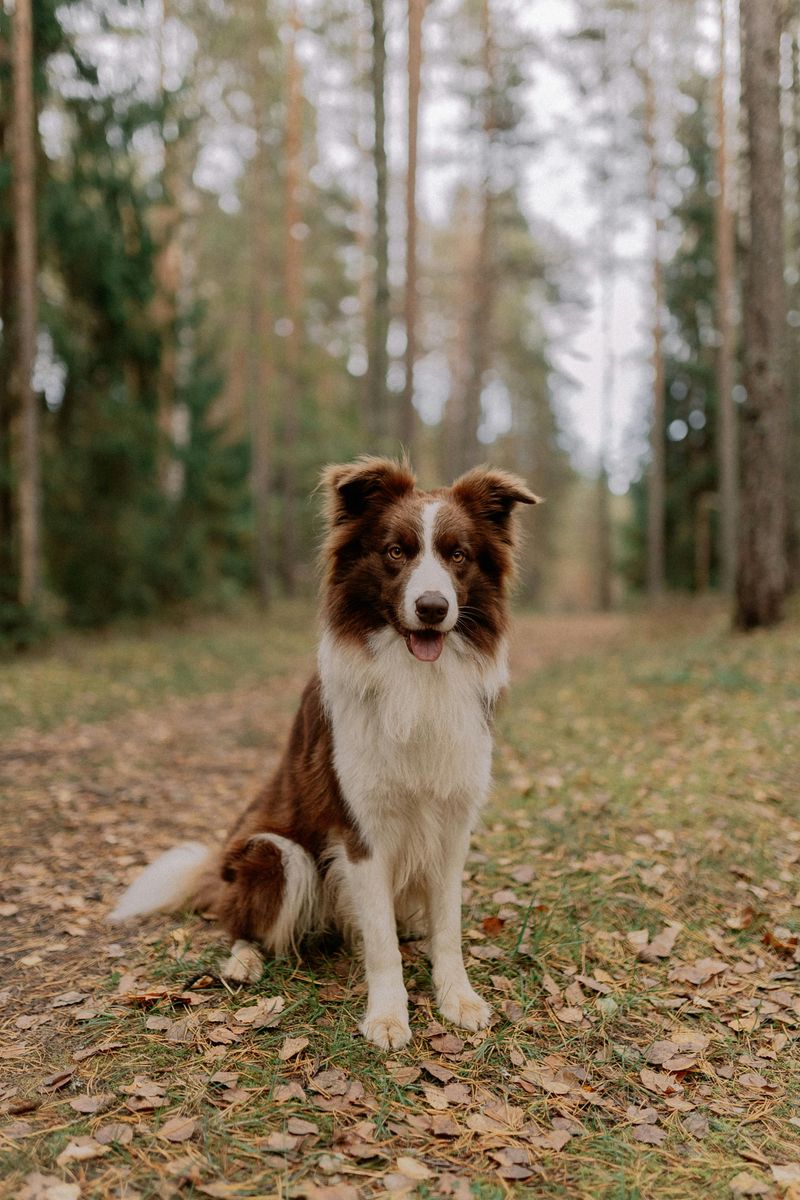
With Border Collies, constant chatter becomes static, and static breeds stress. These dogs read micro-movements and thrive on precision, not rambling reassurance.
When you shorten cues and time them with your body, their frantic scanning eases into purposeful focus.
Use a single marker word, then let silence carry the message. Reinforce eye contact and mat settles, and keep sessions short but mentally rich.
You will notice reactivity drop as the world grows predictable through consistent structure.
Replace running commentary with calm breath and clear positioning. Step between triggers, pivot away, and reward disengagement generously.
Your quiet confidence becomes the anchor, and your Border Collie finally exhales.
Australian Shepherd
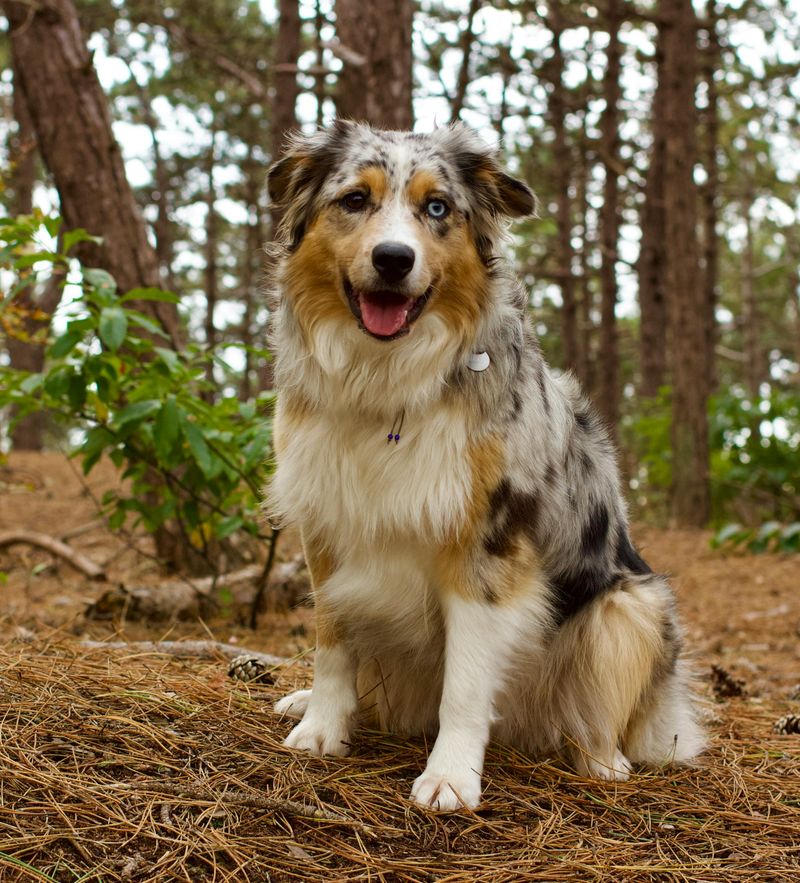
Australian Shepherds soak up energy like sponges, and words add waves. When you narrate every step, their arousal spikes and scanning starts.
Swap the monologue for a steady stance, a single cue, and a well-timed reward to reset the loop.
Teach sniff breaks and check-ins as default, not emergencies. Pattern games like figure eights and middle position give a safe script near triggers.
Brief, upbeat sessions build confidence without flooding the dog.
Keep your tone neutral, your leash slack, and your plan clear. Mark, feed, move, then breathe.
The quieter you get, the quicker your Aussie learns to filter noise and choose calm.
German Shepherd Dog
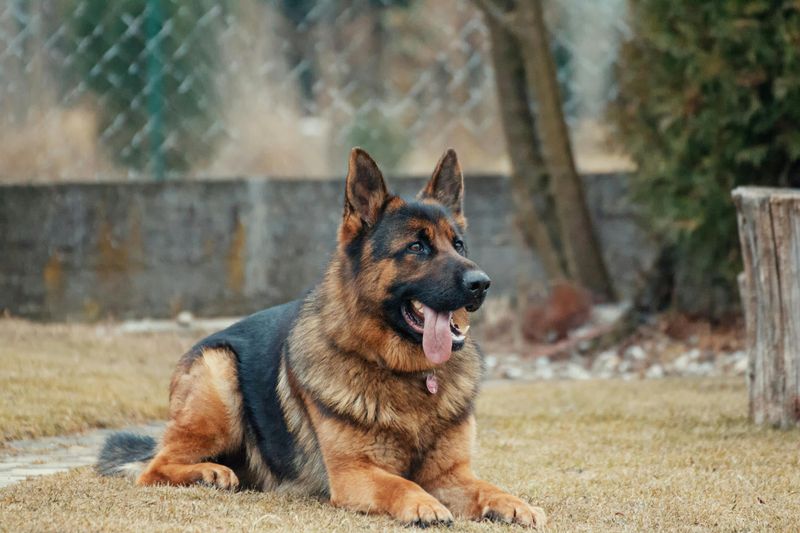
German Shepherd Dogs are sentinel thinkers, always assessing. Over-talking feels like conflicting intel, and that fuels guarding or lunging.
Cut the chatter, clarify the job, and their natural discipline returns.
Teach place, heel, and a rock-solid leave it with minimal phrasing. Use body blocks, soft arcs, and predictable routes to manage space.
Reward neutrality heavily, not just obedience, so the dog learns quiet is valuable.
Confidence travels down the leash. Breathe before cueing, wait for stillness, then pay generously.
When your signals are clean and rare, your GSD stops firefighting rumors and starts trusting the plan.
Belgian Malinois
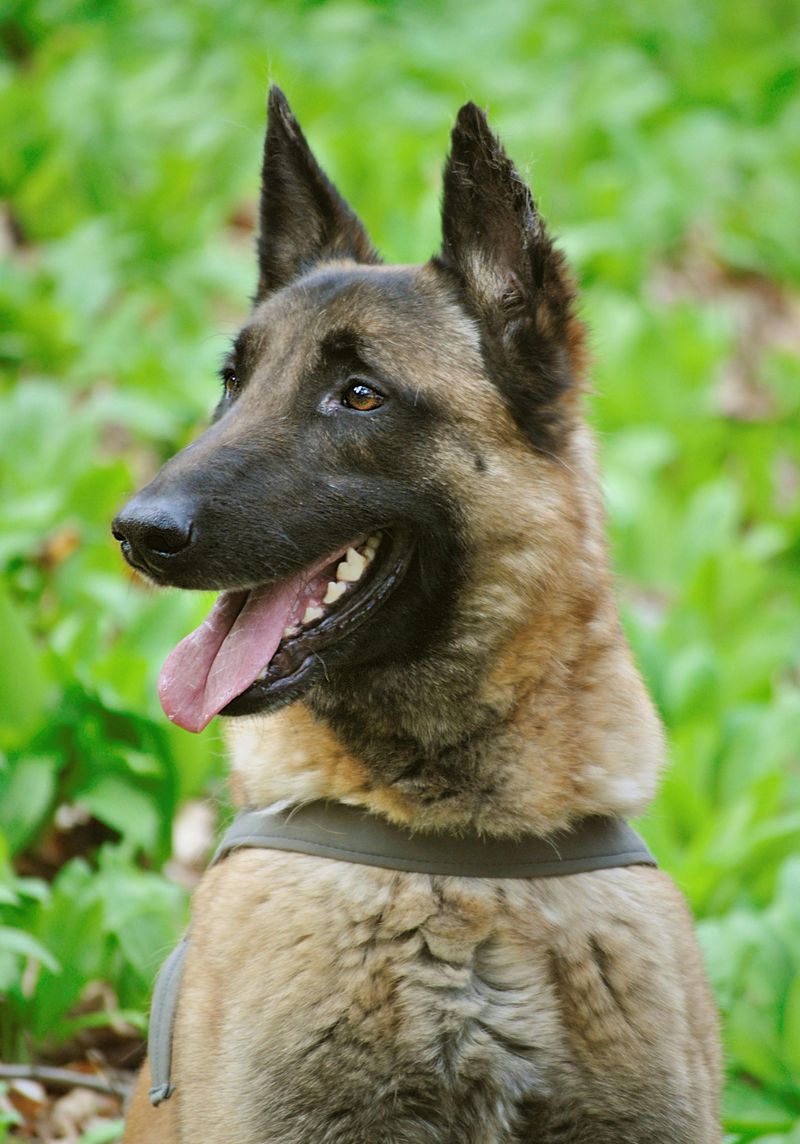
Belgian Malinois are intensity personified. Words can pour fuel on that fire, especially in motion-rich places.
You get farther with stillness, clarity, and rehearsed routines than with pep talks.
Install neutral positions like down at heel, a chin rest for handling, and a strong middle. Practice around low-level distractions before leveling up.
Reinforce with rapid but tiny treats to keep arousal low and decisions crisp.
Use short, predictable reps, then decompression. Let silence be a cue for thinking, not guessing.
The Mal learns that calm earns access, and your quiet becomes the safest thing in the room.
Miniature American Shepherd
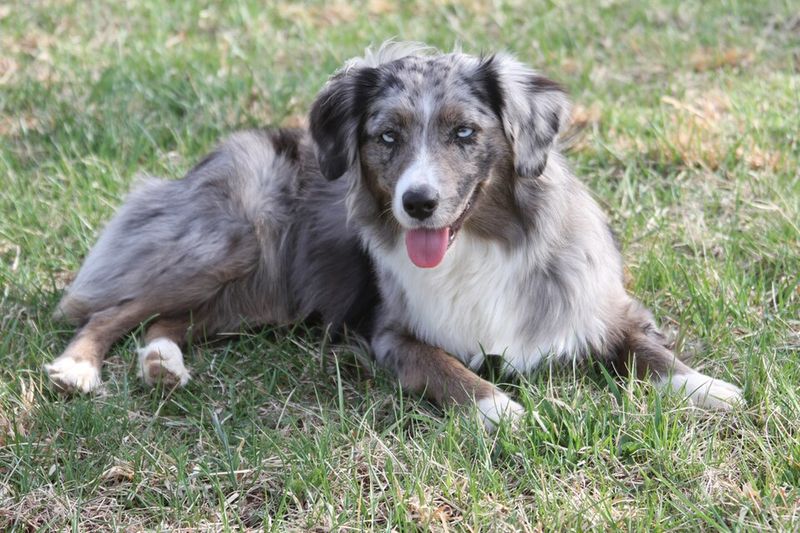
Miniature American Shepherds are bright and busy, quick to mirror your vibe. A steady stream of words feels like a to-do list they cannot finish.
Trim cues to essentials, show with your body, and let reinforcement speak loudest.
Teach a parking spot mat and a casual check-in routine. Use predictable patterns around corners and doorways, and reward looking away from triggers.
Keep sessions playful but brief, then end on success.
Soft tone, simple rules, and strategic distance win. Your quieter handling helps them sort signal from noise.
Soon, the little shepherd stops narrating the street and starts listening for your next clear whisper.
Shetland Sheepdog
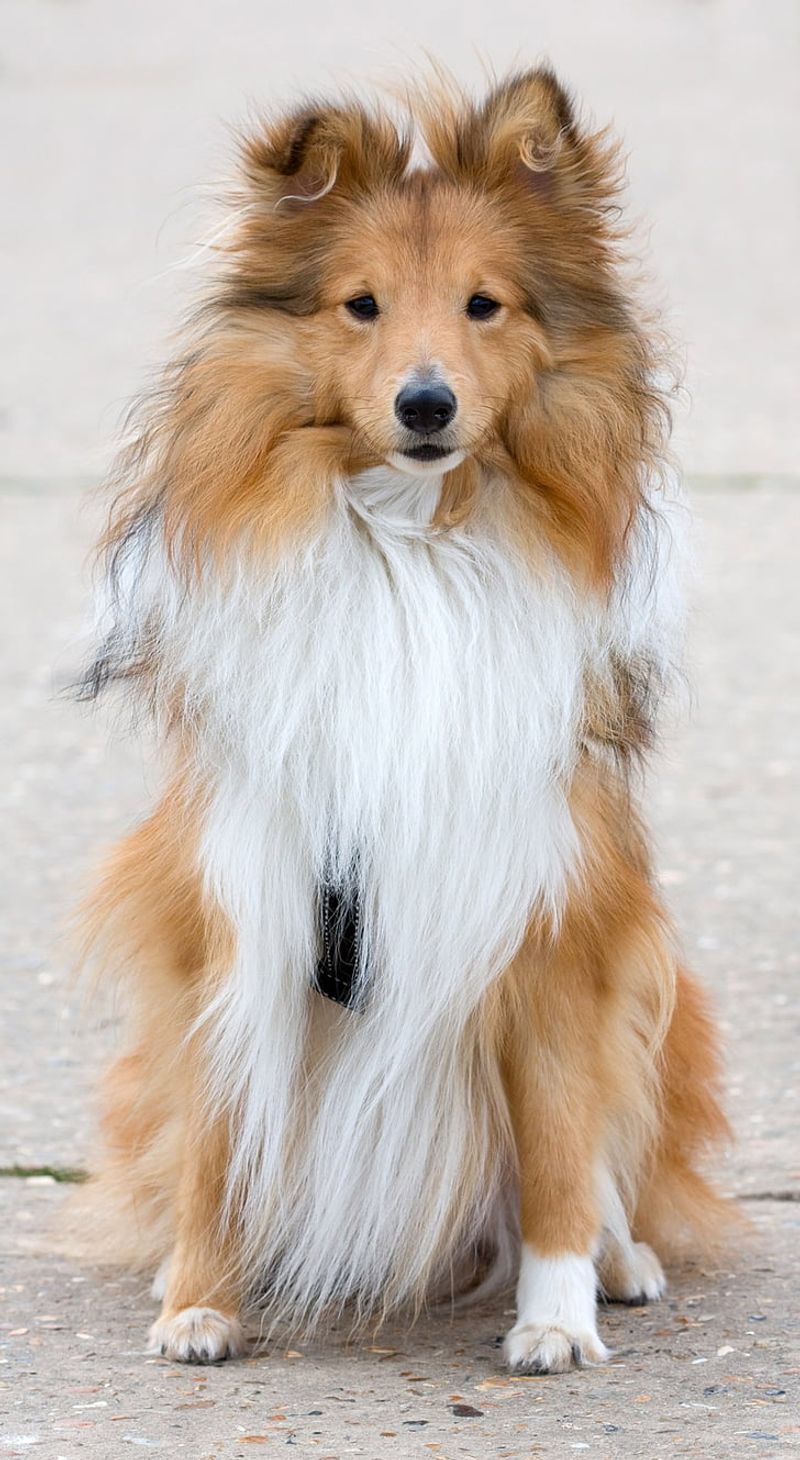
Shetland Sheepdogs notice everything, then tell you about it. Talk too much, and they report louder.
Quiet your cues, reward silent observation, and their commentary fades.
Teach a whisper marker and reinforce stillness after a quick look at a trigger. Use distance and gentle arcs, not tension, to navigate space.
Keep greetings optional and short, then retreat to a known routine.
Practice calm patterns daily: look, pay, pivot, breathe. Pair predictable steps with tiny, frequent treats to keep arousal steady.
With consistent silence and structure, your Sheltie learns that quiet eyes earn the best conversation.
Cocker Spaniel
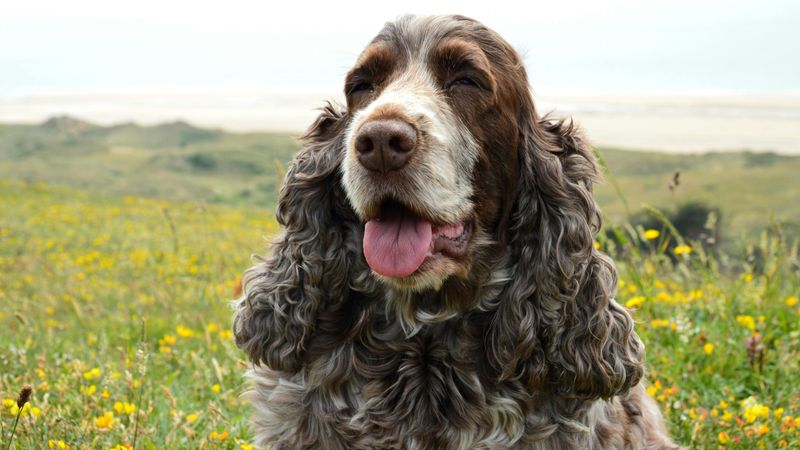
Cocker Spaniels are sensitive and people-focused, so chatter can confuse and spike emotion. Keep your words few and friendly, then let food placement and movement guide choices.
A soft voice plus predictable routines build confidence.
Teach a nose target, loose leash turns, and a slow sit for greeting. Reinforce sniffing and looking away from triggers to reduce startle responses.
Keep coat care calm with a chin rest and steady breathing.
Short walks with decompression zones help reset the nervous system. Mark the calm, not the chaos.
Soon, your Cocker reads your quiet steadiness and replaces barking with breezy tail wags.
Miniature Schnauzer
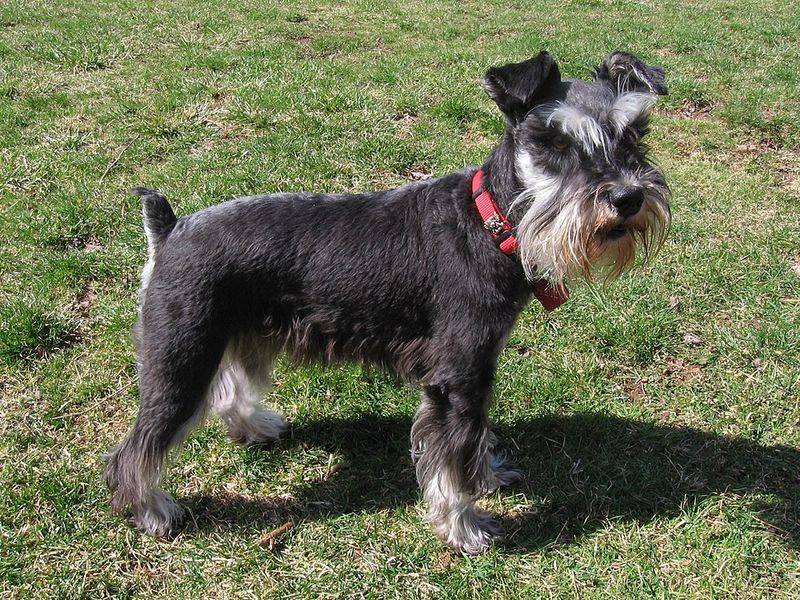
Miniature Schnauzers are vocal watchdogs by design. Extra commentary from you sounds like backup, so they double down.
Silence paired with immediate reinforcement for turning away works wonders.
Teach a quiet cue routine: see the thing, look to me, treat, then move. Use corners and parked cars as visual breaks.
Keep greetings structured and brief to prevent rehearsal of barking.
Reward sniffing and casual check-ins often. Step in front calmly when needed, then exit with purpose.
The less you narrate, the faster your Schnauzer learns that calm observation, not debate, gets the paycheck.
Beagle
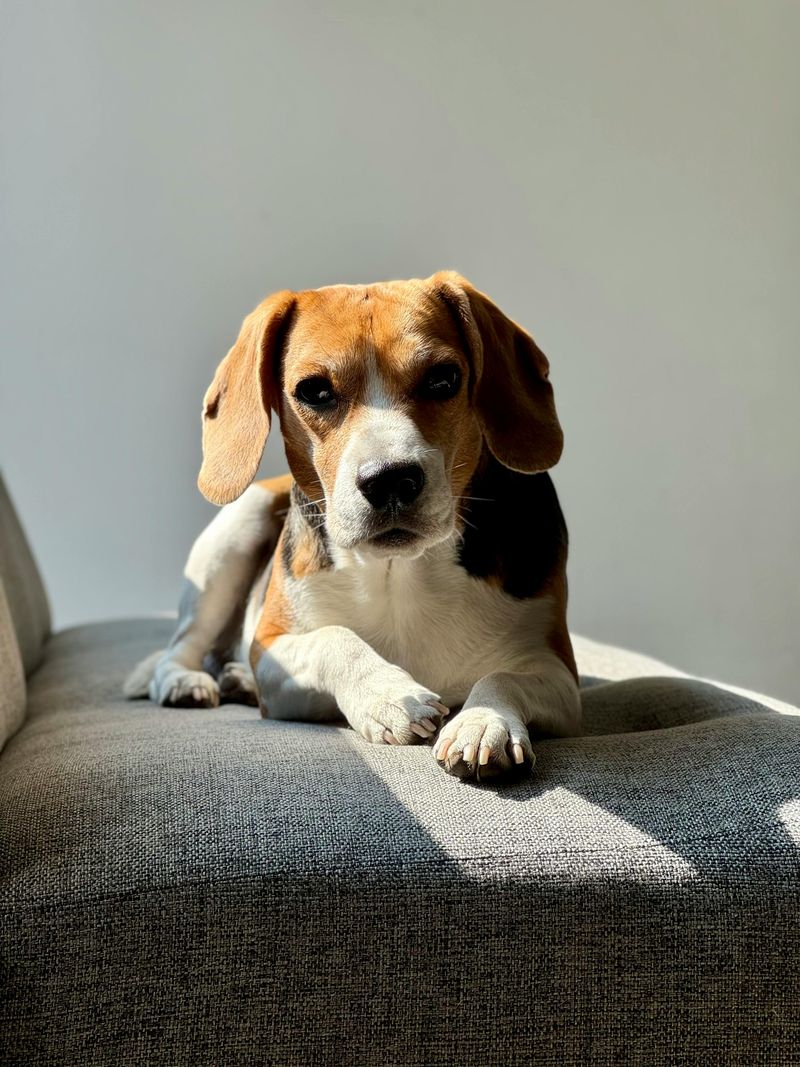
Beagles live by their noses, so words often trail behind scent. Over-talking while they track creates pushback.
Instead, cue sparingly, then pay generously for voluntary check-ins and recall.
Use a long line, structured sniff breaks, and clear release cues. Build a reinforcement history for returning after brief scenting rather than interrupting constantly.
Practice around mild distractions before busy areas.
Mark the moment that head lifts toward you, then move together. Keep your voice light and minimal, letting food and movement carry meaning.
Soon, your Beagle treats you like a waypoint, not a noisy detour.
Dachshund
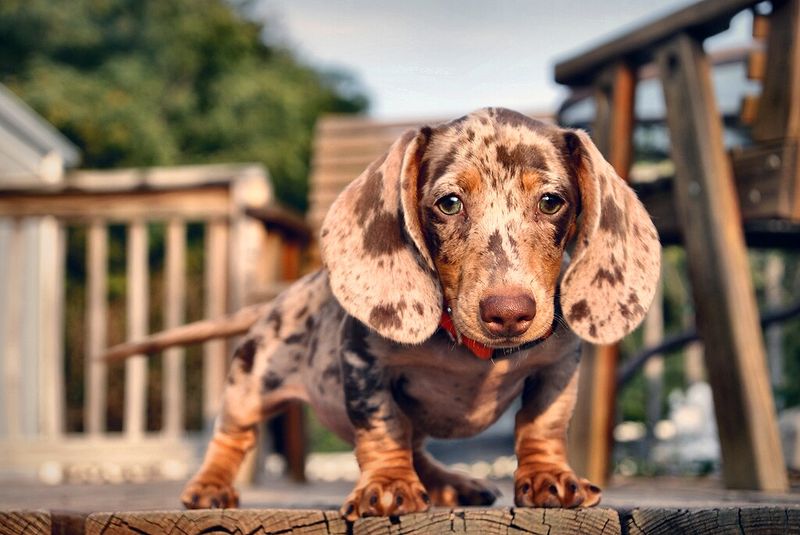
Dachshunds are brave in small packages, and chatter can wind them tighter. Keep your posture low and your words scarce when triggers appear.
Reinforce looking to you, then step away in easy arcs.
Teach a tuck-in position between your feet and reward stillness. Use short training bursts with lots of success to prevent frustration.
Manage height differences by giving visual barriers and extra distance.
Mark tiny wins and pay immediately. Avoid rapid-fire cues that feel like pressure.
Your calm silence helps this bold little hunter choose composure over commentary.
French Bulldog
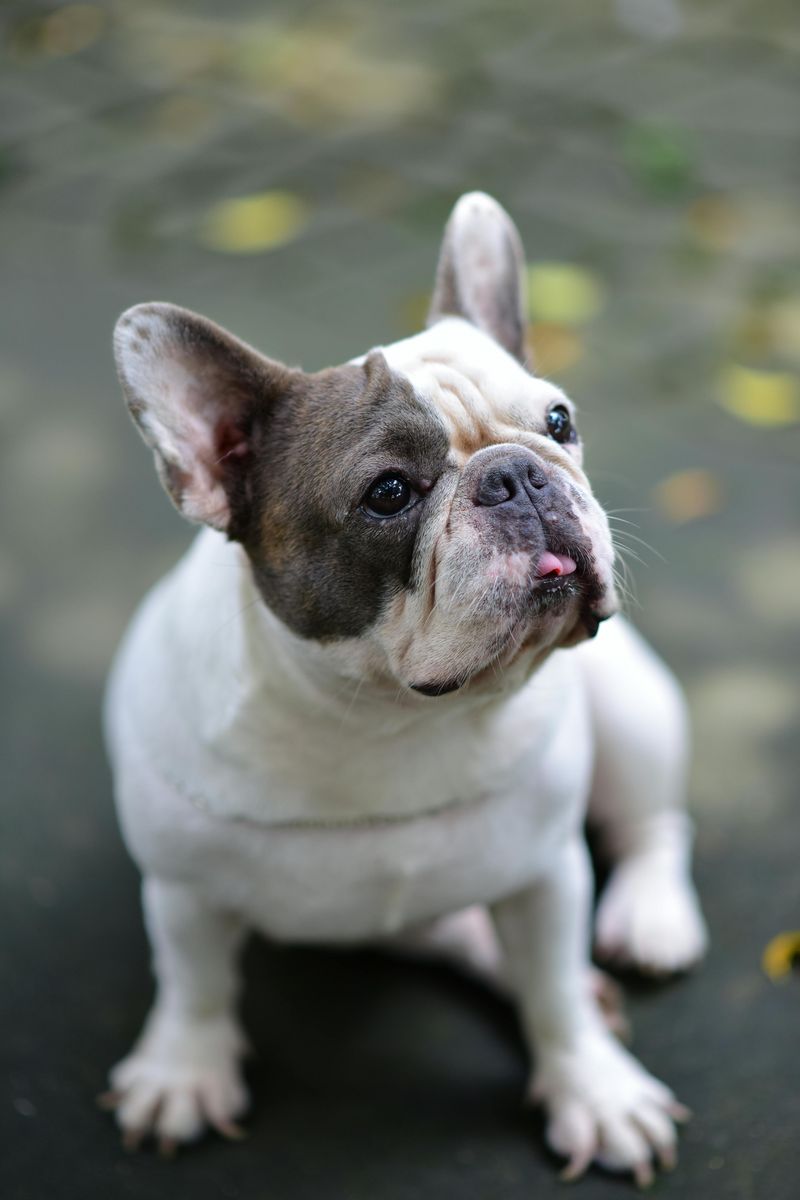
French Bulldogs read tone and tension more than vocabulary. Too many words during stress sound like static.
Keep messaging short, cheerful, and paired with easy choices like hop up, sit, and look.
Rehearse calm sits for greetings and reward quiet breathing. Choose cooler times for walks and brief training to avoid fatigue.
Create distance from triggers and pay for glances away, not debates.
Use smooth exits rather than tugging or pleading. Mark, treat, pivot, and go.
With consistent minimal cues, your Frenchie learns that chill pays better than theatrics.
Chihuahua
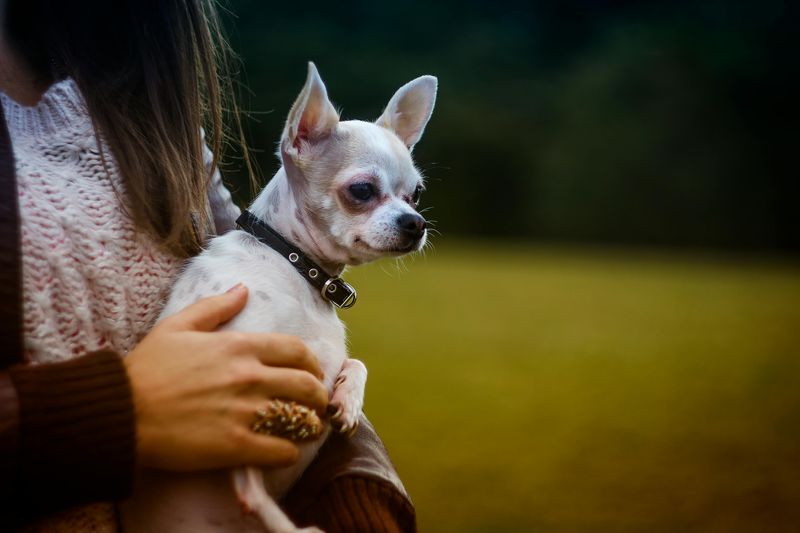
Chihuahuas often feel outsized in a giant world. A flood of words can feel like pressure, not help.
Keep cues soft and simple, then manage space swiftly when big triggers loom.
Teach a hand target and a pocket park position on your left side. Reinforce being held calmly as a safety tool, not a punishment.
Build distance first, then shorten it as confidence grows.
Mark quick glances to you and reward generously. Step away before arousal spikes, then return for a success rep.
Quiet leadership helps your Chi trade warnings for wise decisions.
Pomeranian
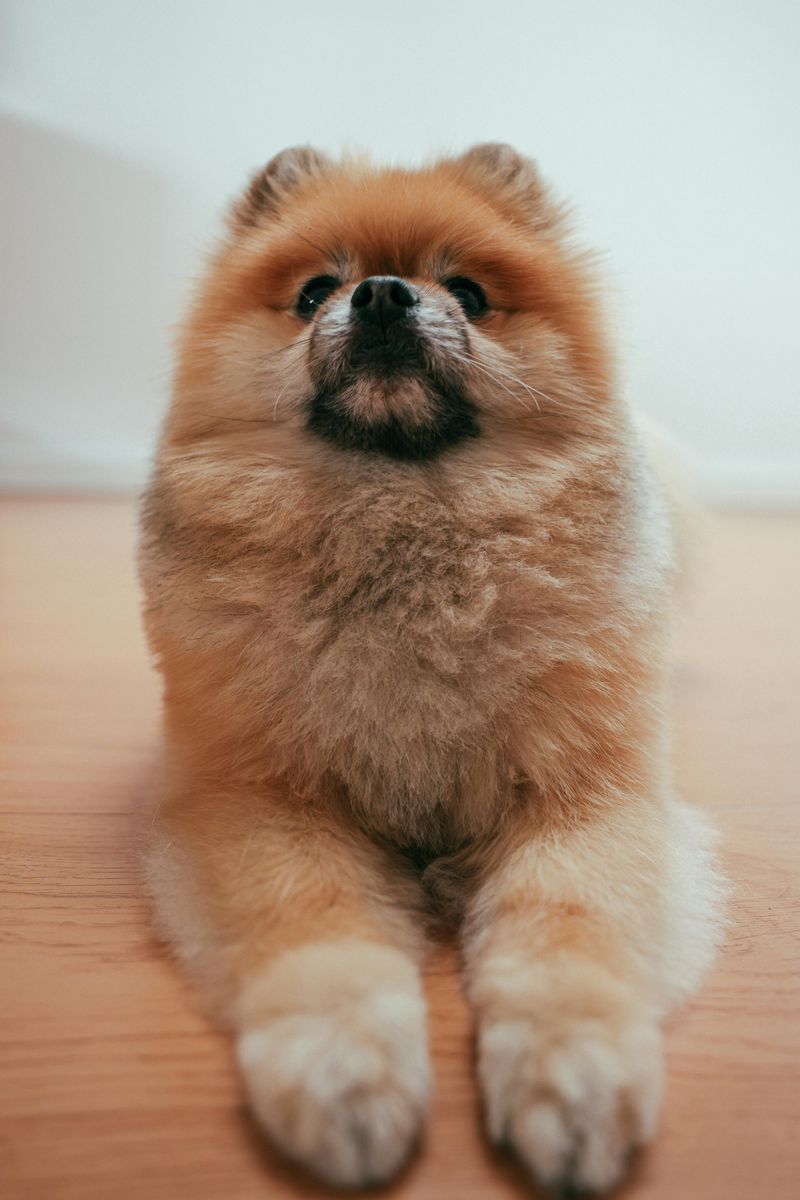
Pomeranians are alert narrators and will match your volume. Replace chatter with rehearsed rituals that celebrate silence.
A mat by your feet becomes the stage where calm earns applause.
Teach a settle, then layer in easy distractions like door knocks and movement. Pay for stillness and soft eyes, not just positions.
Keep sessions short to avoid vocal spirals.
Use distance and gentle resets when excitement builds. Mark the first breath out and feed quickly.
Over time, your Pom learns quiet brings the treats and the party keeps rolling.
Papillon
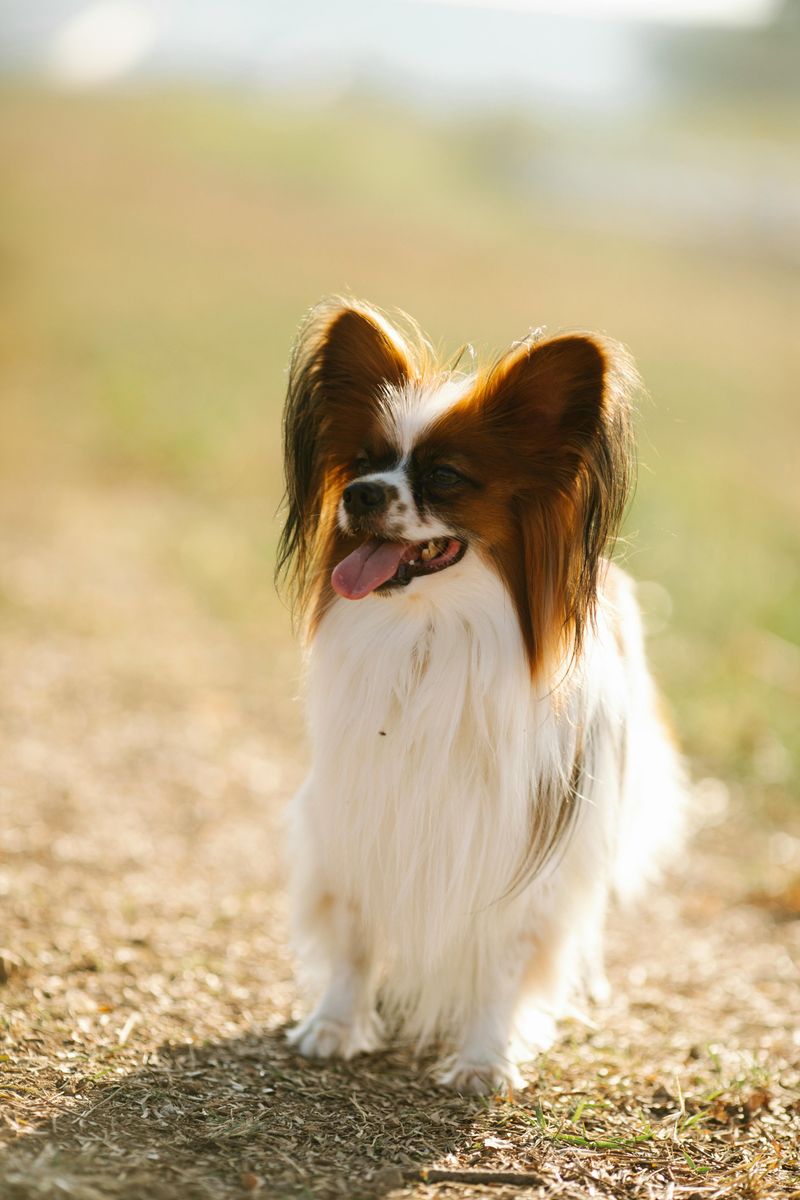
Papillons are agile thinkers who notice micro-cues. Extra words feel like mixed signals and lead to buzzing.
Instead, anchor behavior with a chin rest, brief eye contact, and precise reinforcement.
Teach a quiet heel bubble to navigate crowds. Reward orientation changes and choose early exits before thresholds break.
Keep training playful but measured to prevent over-arousal.
Mark small choices like a head turn away from scooters. Feed low, slow, and steady.
With fewer words and better timing, your Papillon channels brilliance into calm confidence.