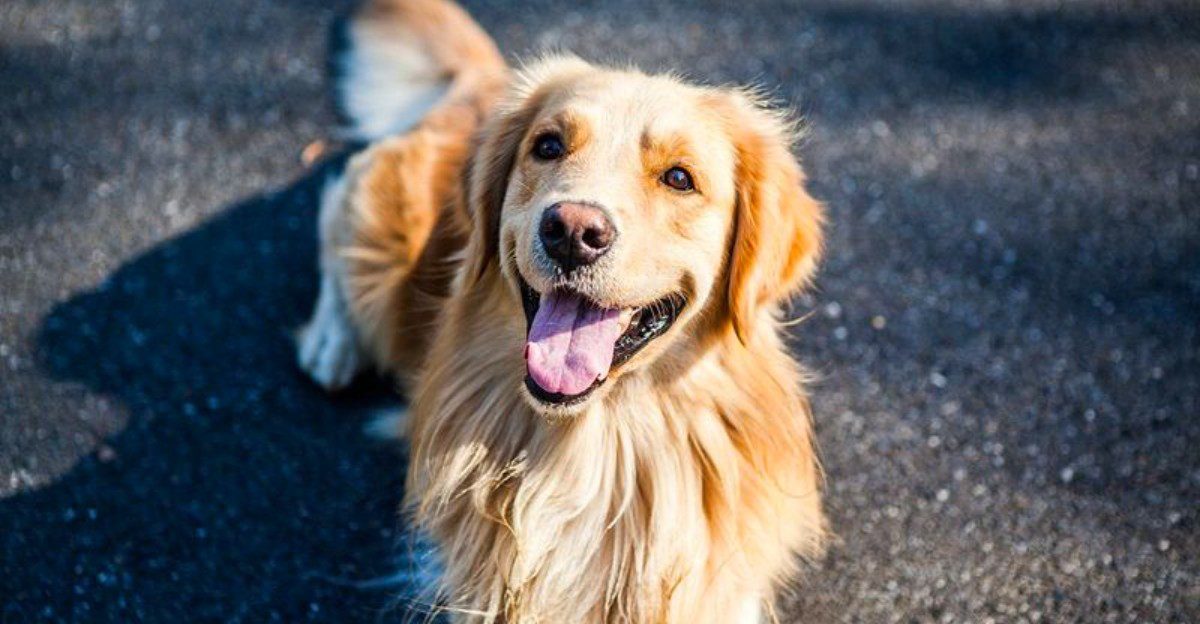
You just filled the bowl, your dog licked it clean, and now those big eyes are staring at your sandwich. Some dogs are simply wired to think about food all day long.
Knowing which breeds love snacks the most can help you set kind, steady rules that protect their health. A little structure keeps mealtime happy instead of stressful.
Labrador Retriever
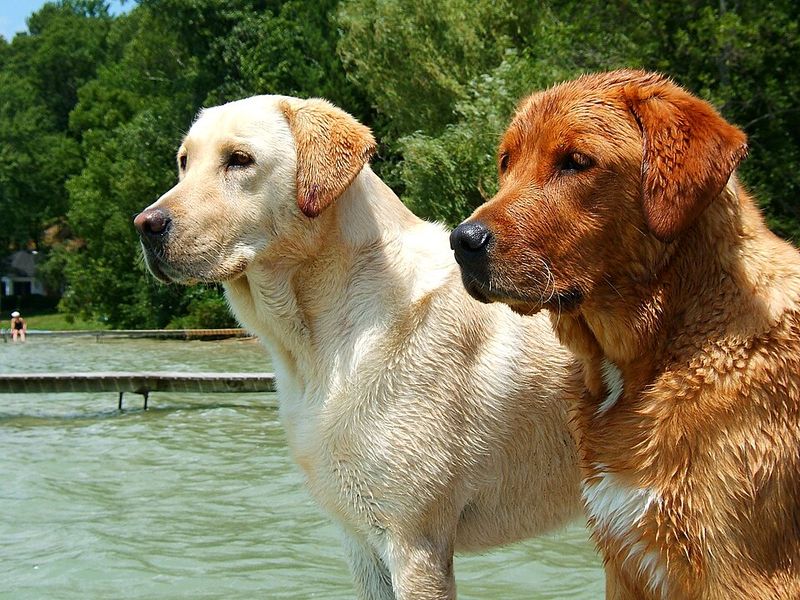
Scientists actually found a gene change in many Labs that can make them feel hungry even after eating. So that endless begging is not just bad manners.
It is partly biology.
Because of this, Labs gain weight easily. Measure every meal with a cup instead of guessing.
Try puzzle feeders to slow them down, and count training treats as part of daily food. Your Lab will still adore you, just with a trimmer waistline.
Beagle
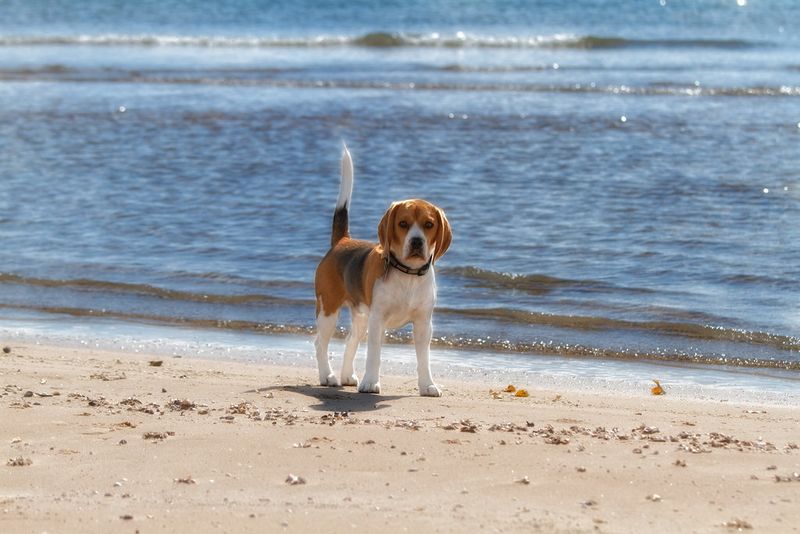
Picture a nose with about 220 million scent sensors pointed straight at your pantry. Beagles were bred to track rabbits for hours, and that same super sniffer now hunts crumbs.
Many owners learn the hard way that a Beagle can open trash cans and low cabinets. Childproof latches are a smart buy.
Give that nose a job instead. Hide small portions of kibble around the house for a fun search game.
Pug

Ah, the Pug stare. Those round eyes and that wrinkled forehead could convince almost anyone to share a bite of toast.
Here is the catch, though. Pugs have short snouts, and extra pounds make breathing even harder for them.
Stay strong and offer affection instead of snacks. A belly rub, a short walk, or a squeaky toy can fill that emotional need.
Your Pug craves attention as much as food, honestly.
Dachshund
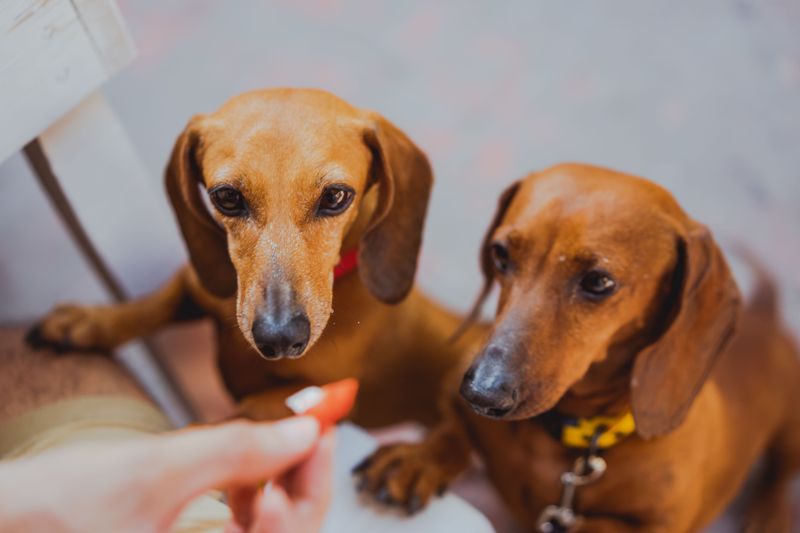
Long body, short legs, and a big appetite make a risky combo. Originally bred in Germany to chase badgers, Dachshunds are bold little hunters who treat dinner like a mission.
Extra weight puts strain on their backs, which are already prone to disc problems. Keeping them lean truly protects their spine.
Skip table scraps completely. Use crunchy green beans as low-calorie rewards, and stick to firm mealtimes so begging stops paying off.
Basset Hound
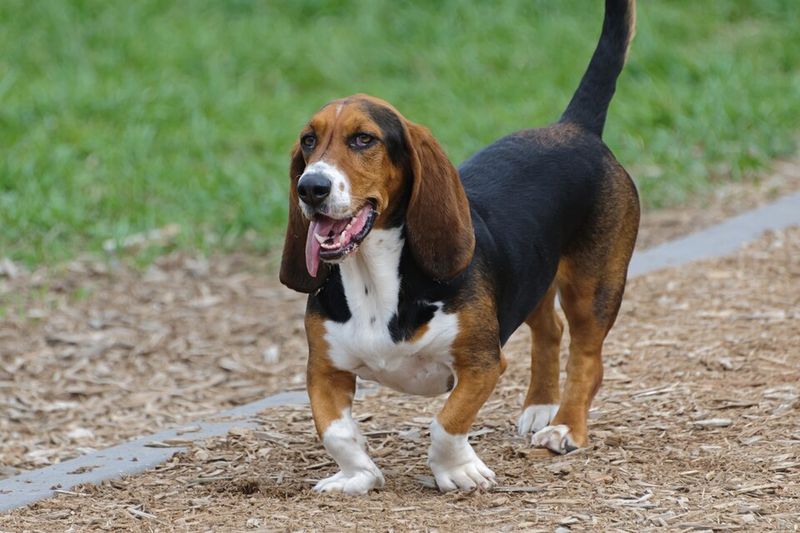
Droopy ears, soulful face, and a nose that rarely takes a break. Basset Hounds come from France, where they tracked game close to the ground.
Today, that low-to-the-ground nose finds every dropped pea under your table. Bassets are also fairly laid-back, so calories burn slowly.
Gentle daily walks matter a lot. Feed two smaller meals rather than one big one, and sweep up after dinner so snacking temptations disappear quickly.
Pembroke Welsh Corgi
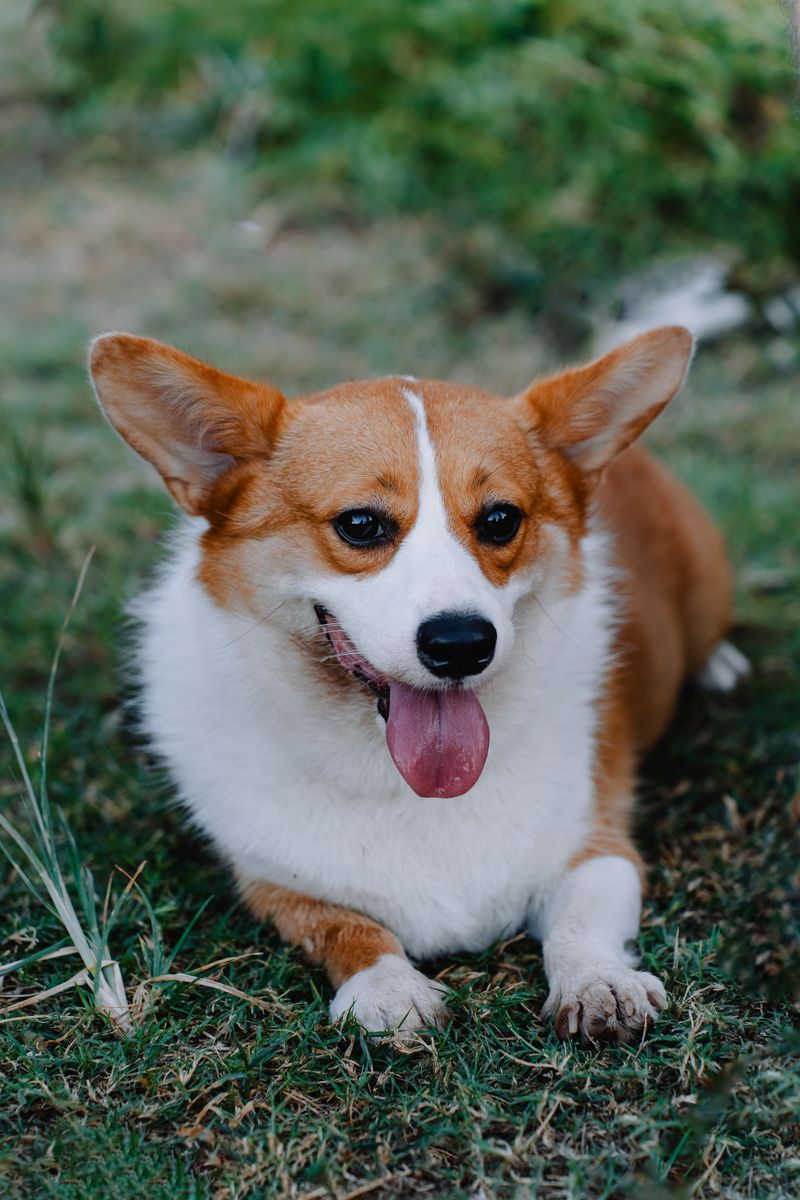
Fun fact: Queen Elizabeth II owned more than 30 Corgis during her life. Royal or not, these fluffy herders are famously snack-crazy.
Corgis are clever and will quickly learn that one cute sit equals a cookie. Then they will repeat it, again and again.
Use that brain for good. Teach new tricks using tiny pieces of their regular kibble.
Mental work tires them out without adding extra calories to the day.
Golden Retriever
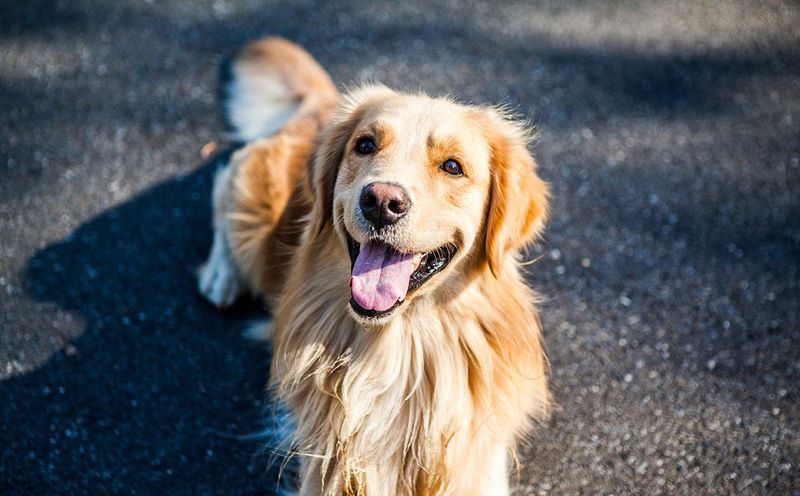
Sweet as honey and always hungry, Goldens often rest their heads on your knee during dinner. It feels like love, and partly it is.
Like Labs, many Goldens carry genes linked to strong appetite. Kids sneaking them scraps under the table can quickly add up.
Set a house rule: no feeding from the table, ever. Give your Golden a mat to lie on during meals, then reward calm behavior afterward.
French Bulldog
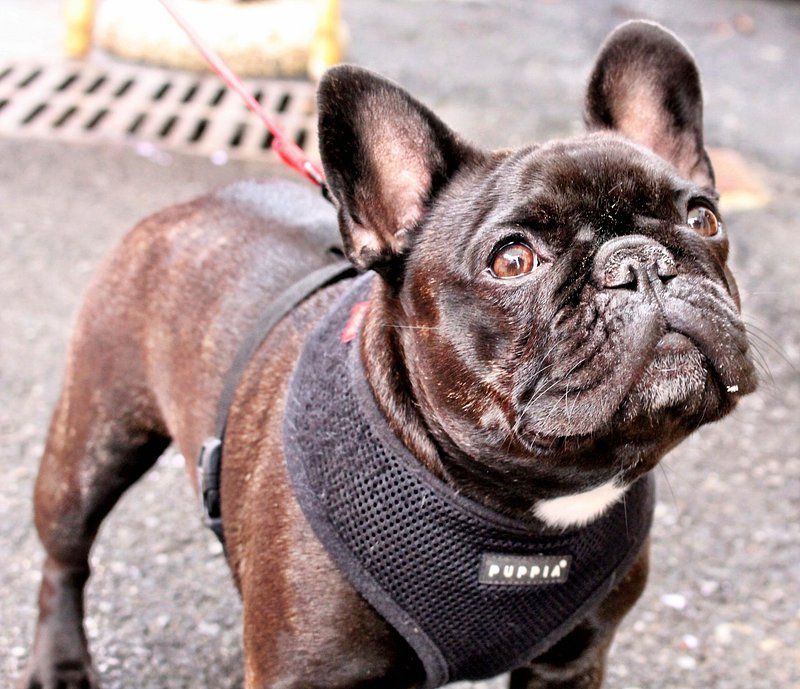
Those bat ears perk up the second a fridge door opens. Frenchies are little comedians who will snort, wiggle, and spin for a bite.
Their compact bodies and flat faces mean every extra pound matters. Overweight Frenchies may struggle in warm weather and tire fast.
Try a slow-feeder bowl so meals last longer and feel more satisfying. Also, ask guests politely not to sneak treats, since everyone falls for that charm.
Rottweiler
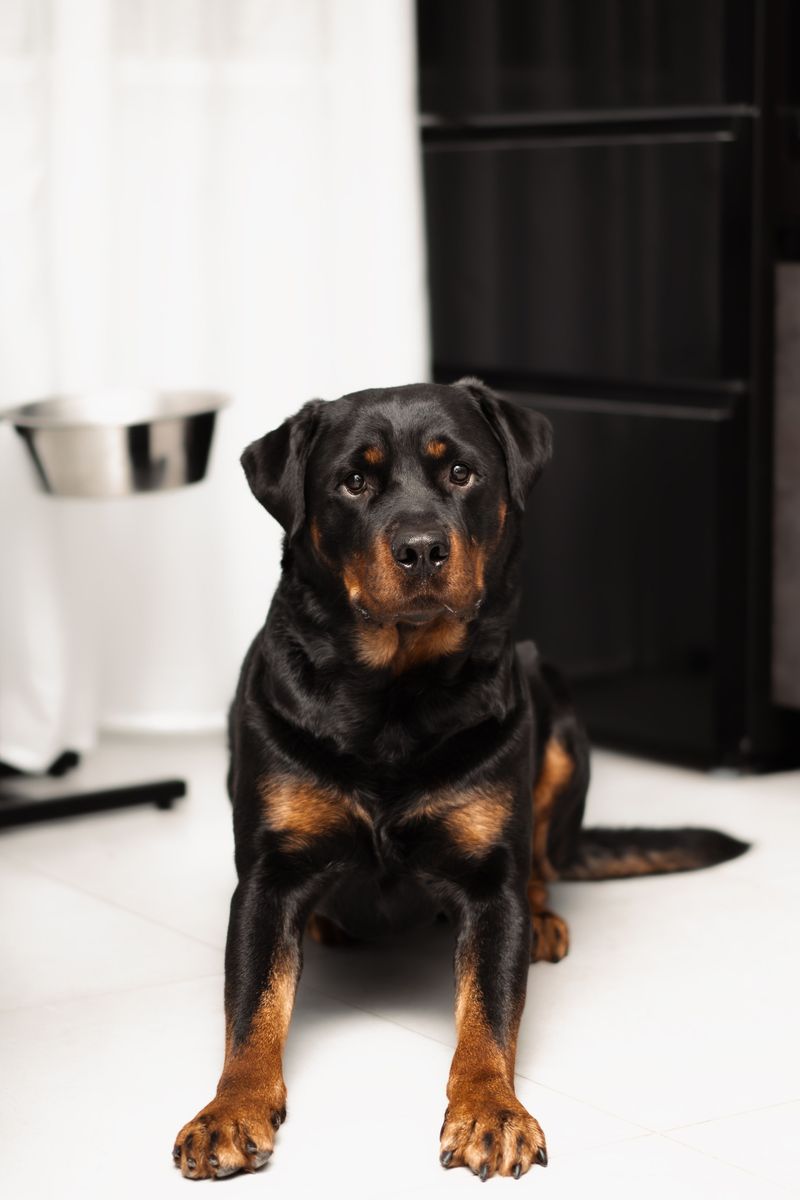
Powerful, loyal, and seriously treat-driven, Rottweilers once pulled butcher carts in Germany. Maybe that is where their love of meat began.
Food motivation makes them easy to train, which is great news for such a strong dog. Still, a large breed carrying extra weight risks joint trouble.
Practice a wait command before every meal. It builds respect, patience, and calm manners.
Then use healthy rewards like carrot sticks during practice.
Cocker Spaniel
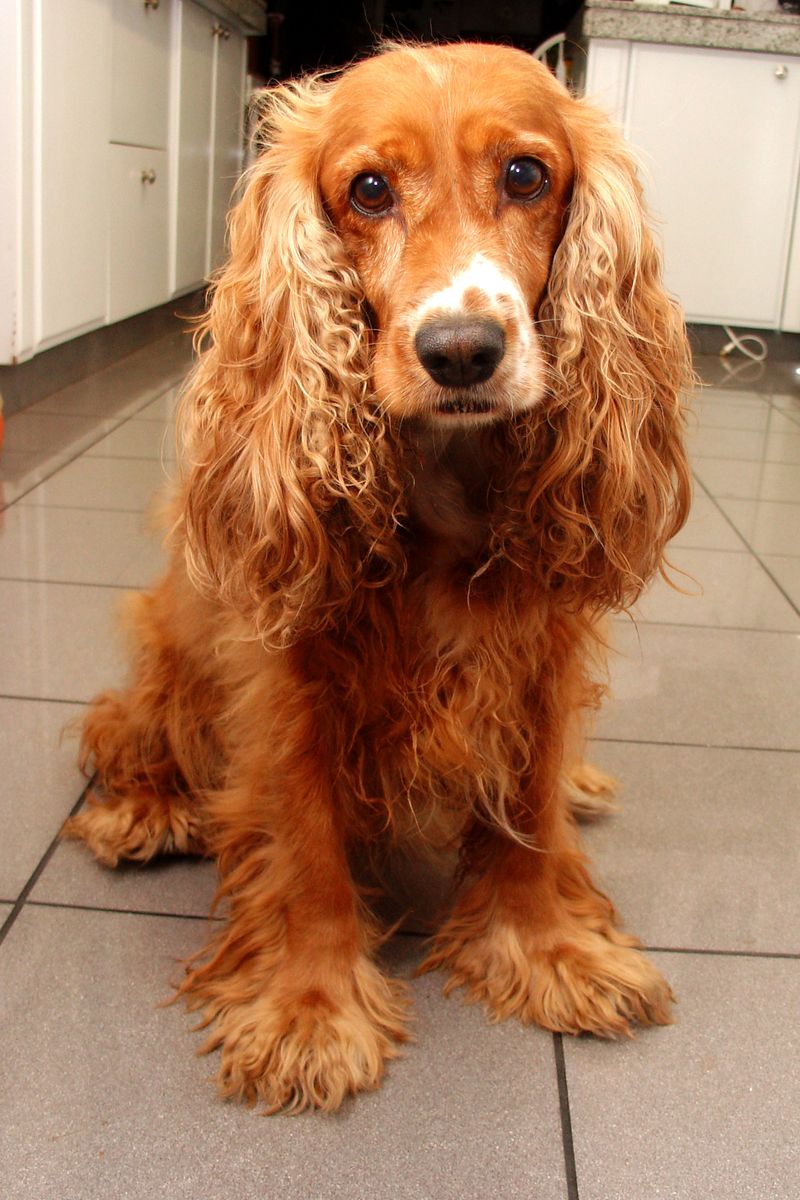
Have you ever met a Cocker Spaniel who turned down a snack? Probably not.
These silky-eared sweethearts were bred to flush birds, and their energy turns into hunger fast.
Some Cockers even guard food bowls, so calm, routine feeding helps them feel secure.
Feed at the same times daily in a quiet spot. Pair meals with play sessions, and keep treats tiny.
Consistency teaches them food arrives without begging.