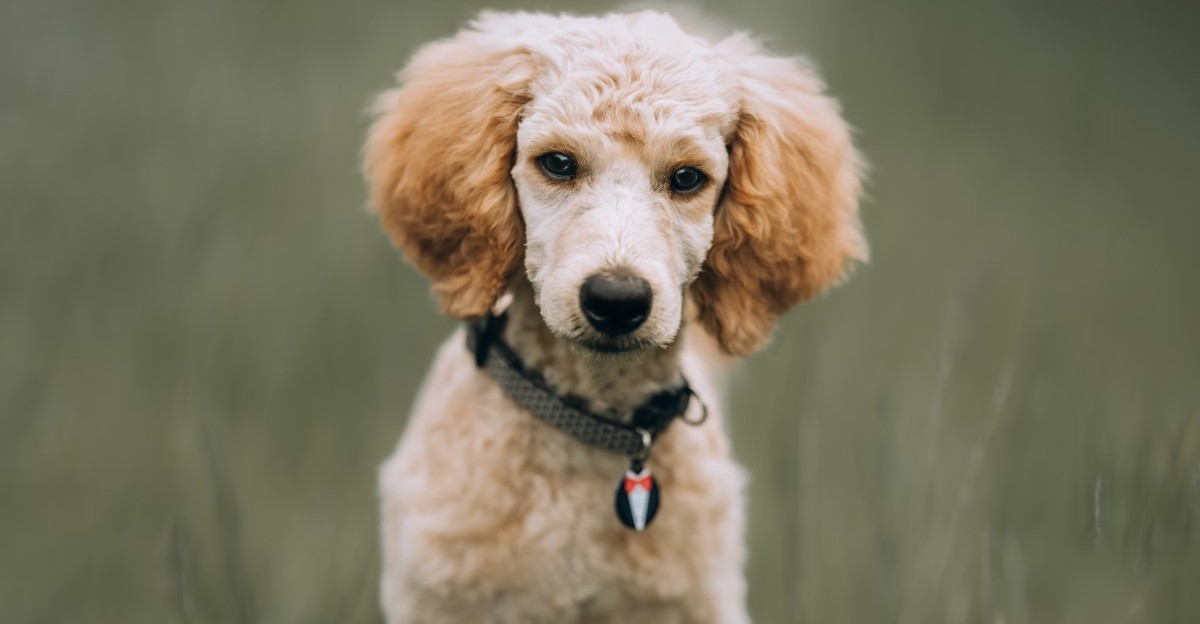
Teaching your dog to sit, stay, and come is a big win. But some breeds are so smart and curious that good training does not stop them from finding new ways to get into mischief.
Knowing which dogs have this sneaky streak can help you plan ahead, keep them busy, and protect your shoes. Here are the breeds most likely to test your patience with a wag and a grin.
Siberian Husky
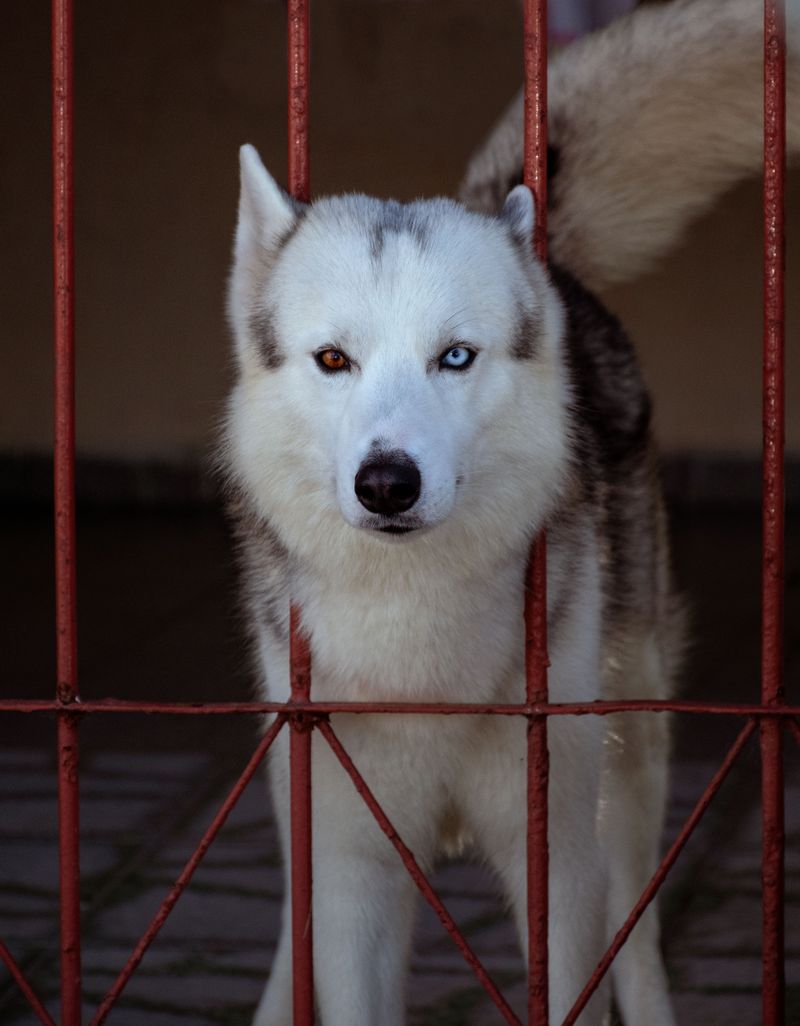
Picture a fence you thought was tall enough. A Husky sees it as a fun puzzle.
Bred to run for miles pulling sleds in Siberia, these dogs have energy that never seems to run out.
Even a well-trained Husky may dig under, climb over, or slip through gaps when bored. Daily long runs or hikes help a lot.
Check your fence often, and bury wire along the bottom to block tunnels.
Border Collie
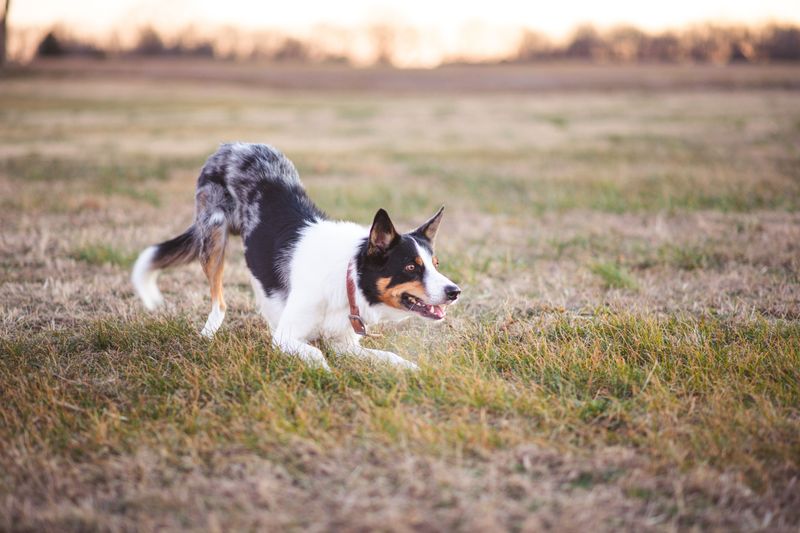
Smartest dog in the world? Many experts say yes, and that is exactly the problem.
A Border Collie learns fast, including how to open doors and raid trash cans.
Without a job, they invent one. Some herd kids, cats, or even passing cars.
Give your collie puzzle toys, agility classes, or games of fetch with rules. A tired brain is a well-behaved brain, so mix mental work with physical play every day.
Beagles
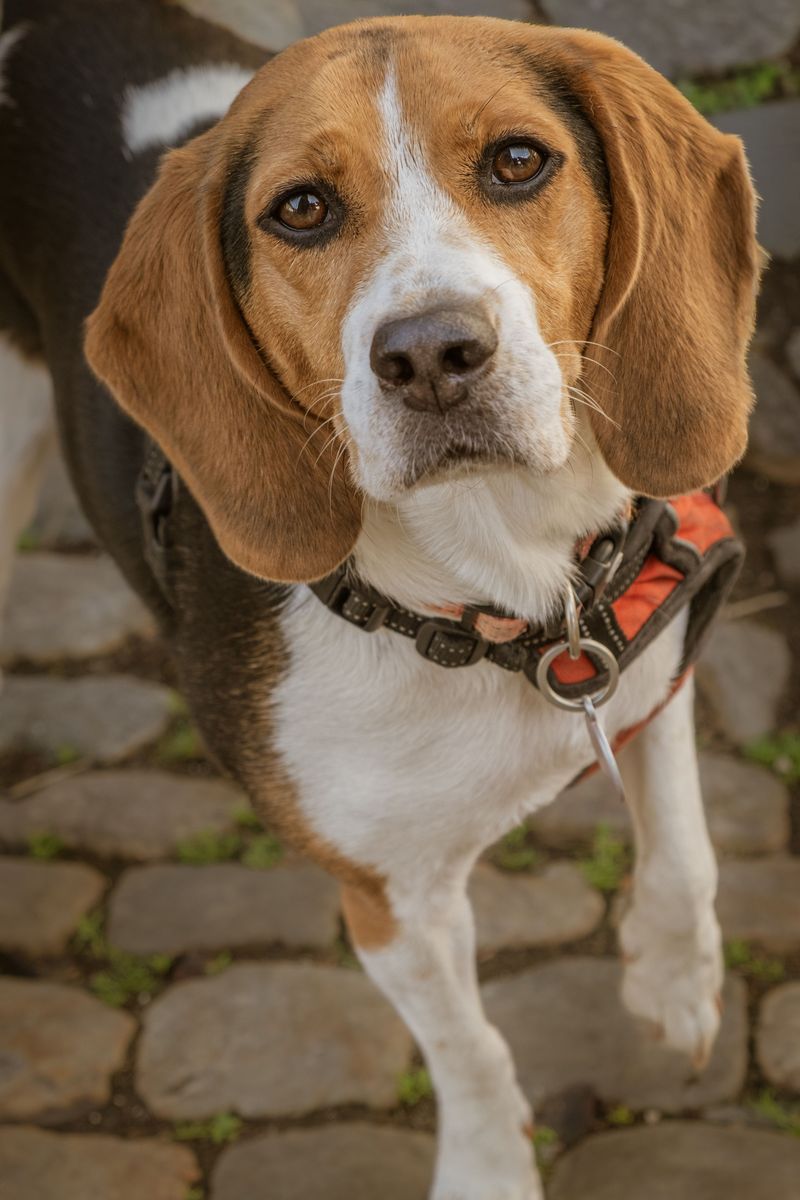
Grab a sandwich, turn around, and poof, it is gone. Beagles carry around 220 million scent receptors, so food is almost impossible for them to ignore.
Your Beagle might ace every command at home yet forget all of them when a smell drifts by on a walk. Keep counters clear and trash cans locked.
Scent games, like hiding treats around the house, let that powerful nose work for good instead of crime.
Jack Russell Terrier
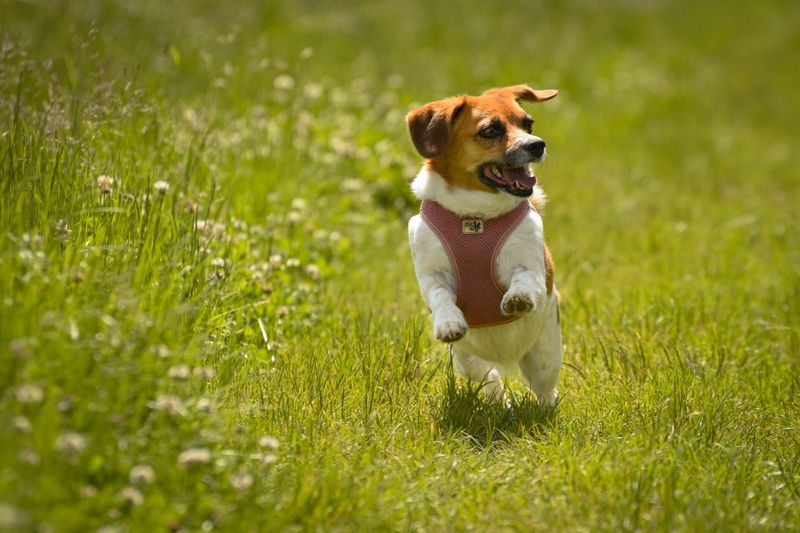
Small body, giant engine. Jack Russells were bred to chase foxes out of their dens in England, and that bold spirit still runs strong today.
Expect holes in the garden, shredded toys, and wild zoomies at bedtime. These terriers are clever enough to learn tricks quickly but stubborn enough to choose fun over rules.
A sandbox for digging and tug games can save your flowers and your sanity.
Dachshund Determination
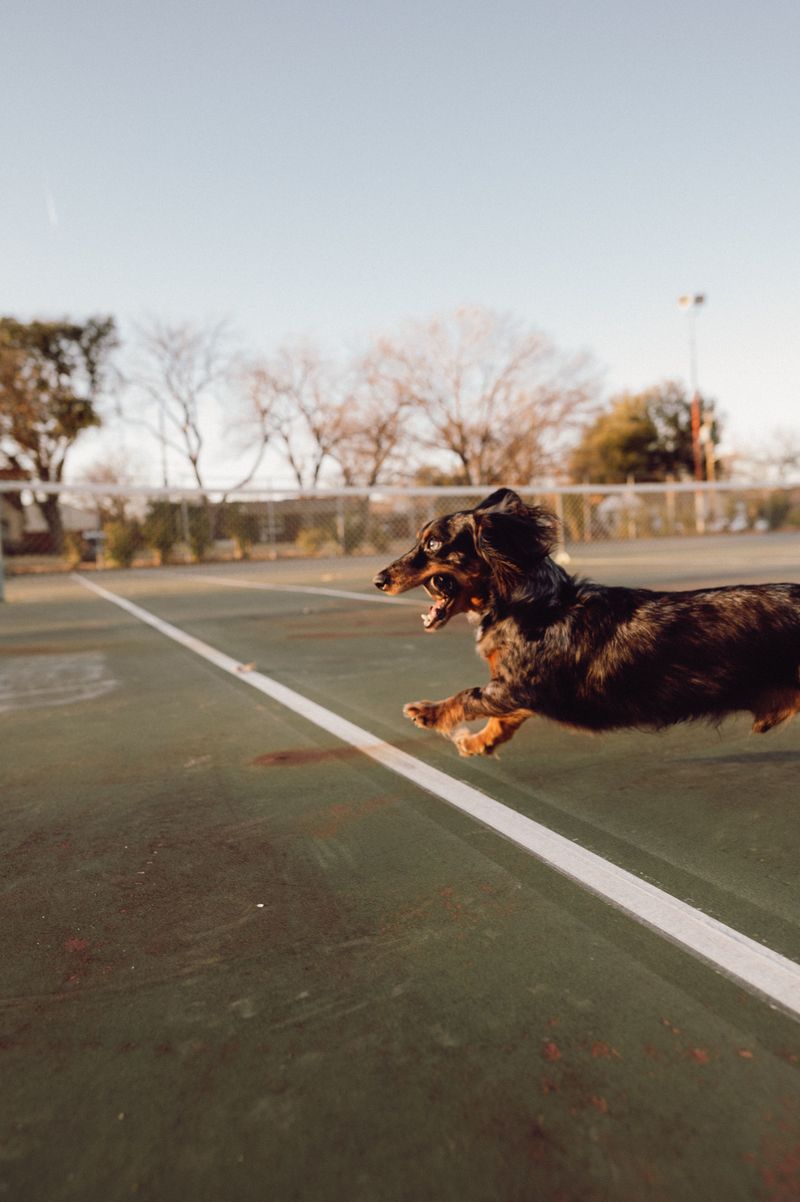
Funny fact: the name Dachshund means badger dog in German. Those short legs were built for digging into tunnels after tough prey.
Today, your wiener dog may tunnel into couch cushions, laundry piles, or your backyard. They also have strong opinions and a loud bark.
Patience matters here. Short, upbeat training sessions with tasty rewards work better than long lessons, and a pile of old blankets gives them a legal place to burrow.
Labrador Retriever
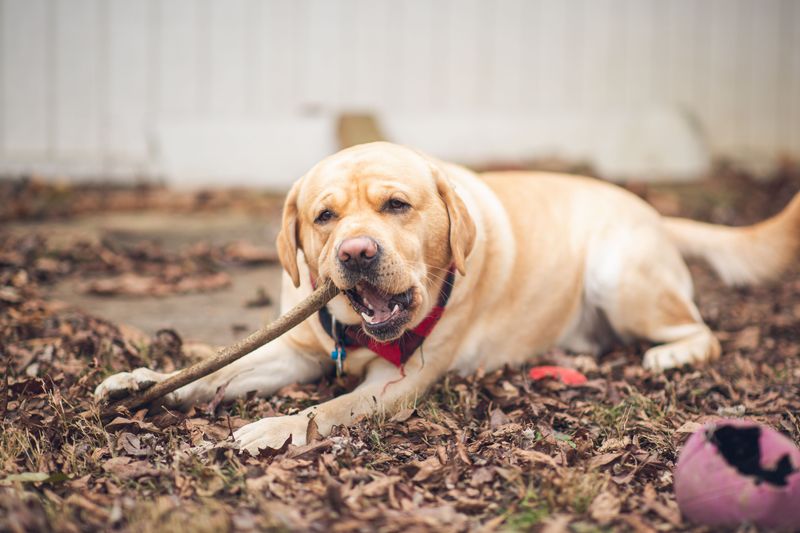
Ask any Lab owner about lost shoes, and you might hear a long story. These friendly retrievers love carrying things in their mouths, and sometimes that turns into chewing.
Labs stay puppy-like for about two or three years. Even trained ones may swipe socks just to start a game of chase.
Offer sturdy chew toys, and trade a treat when they bring you a stolen item instead of running after them.
Australian Shepherd
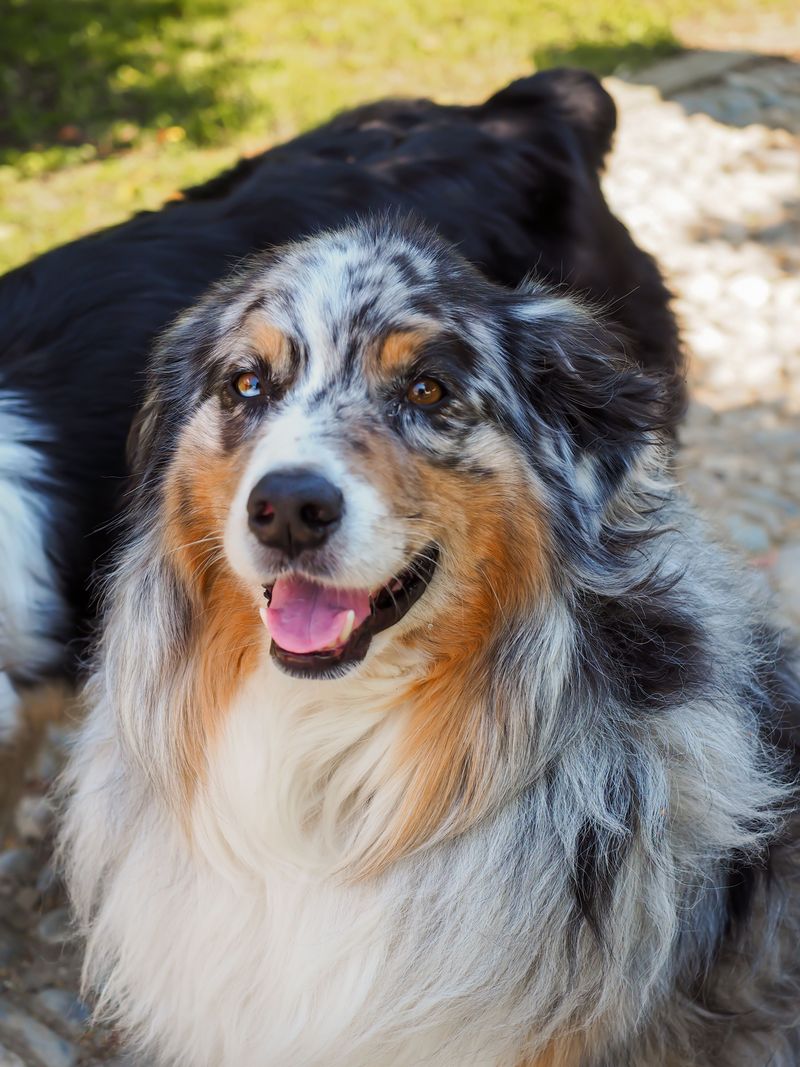
Some dogs wait for instructions. Aussies make their own schedules.
Despite the name, this breed was actually developed in the American West to work cattle and sheep.
Leave one home alone too long, and you may find cabinets opened or pillows rearranged. They crave tasks.
Try teaching them to put toys in a basket or fetch the newspaper. Turning chores into games keeps their busy minds pointed in the right direction.
Shiba Inu
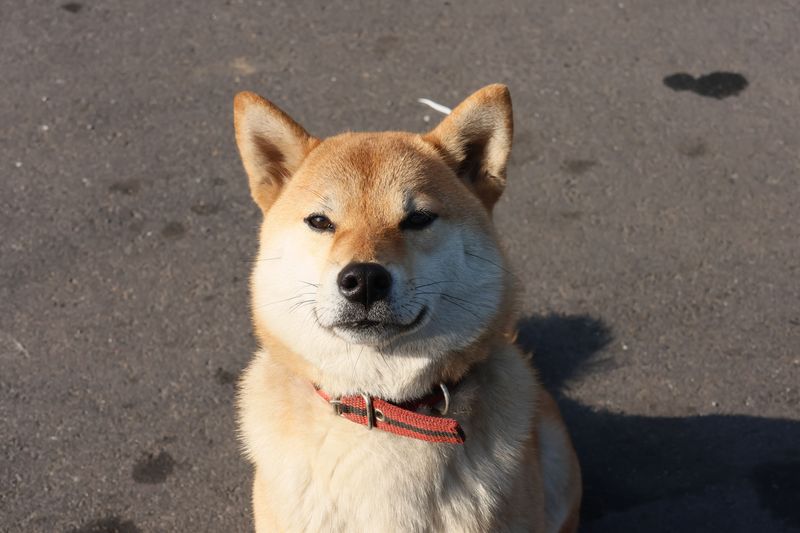
Cat in a dog suit. That is how many owners describe the Shiba Inu from Japan.
Independent and proud, Shibas listen when they feel like it.
Your Shiba may know sit perfectly but simply decide not to today. They are also famous for the Shiba scream, a dramatic yell during baths or nail trims.
Keep training fun, never harsh, and always use a leash, since a loose Shiba rarely comes back on cue.
Basset Hound
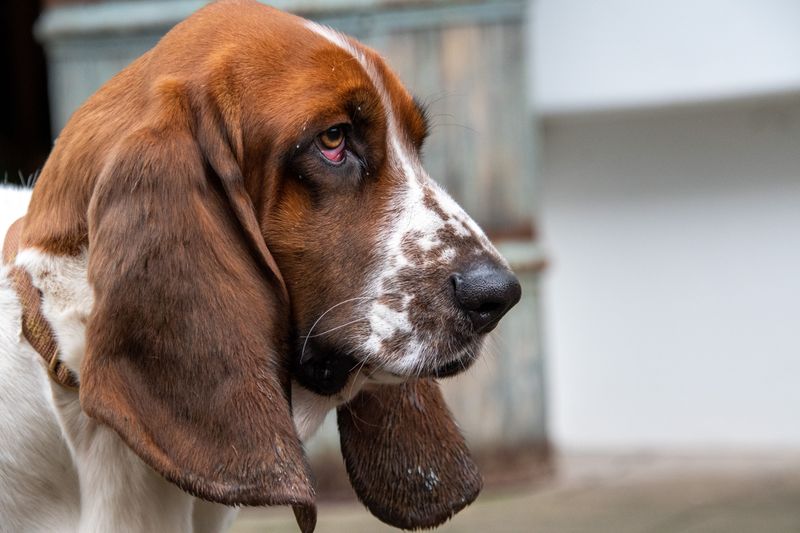
Those sad eyes hide a sneaky side. Basset Hounds look sleepy, but once they catch a scent, their ears seem to shut off completely.
Bred in France to track rabbits, they follow trails slowly and steadily for a long time. They can also reach surprisingly high counters for snacks.
Use a long leash on walks, keep food pushed back, and reward every check-in with something extra tasty to build stronger focus.
Belgian Malinois
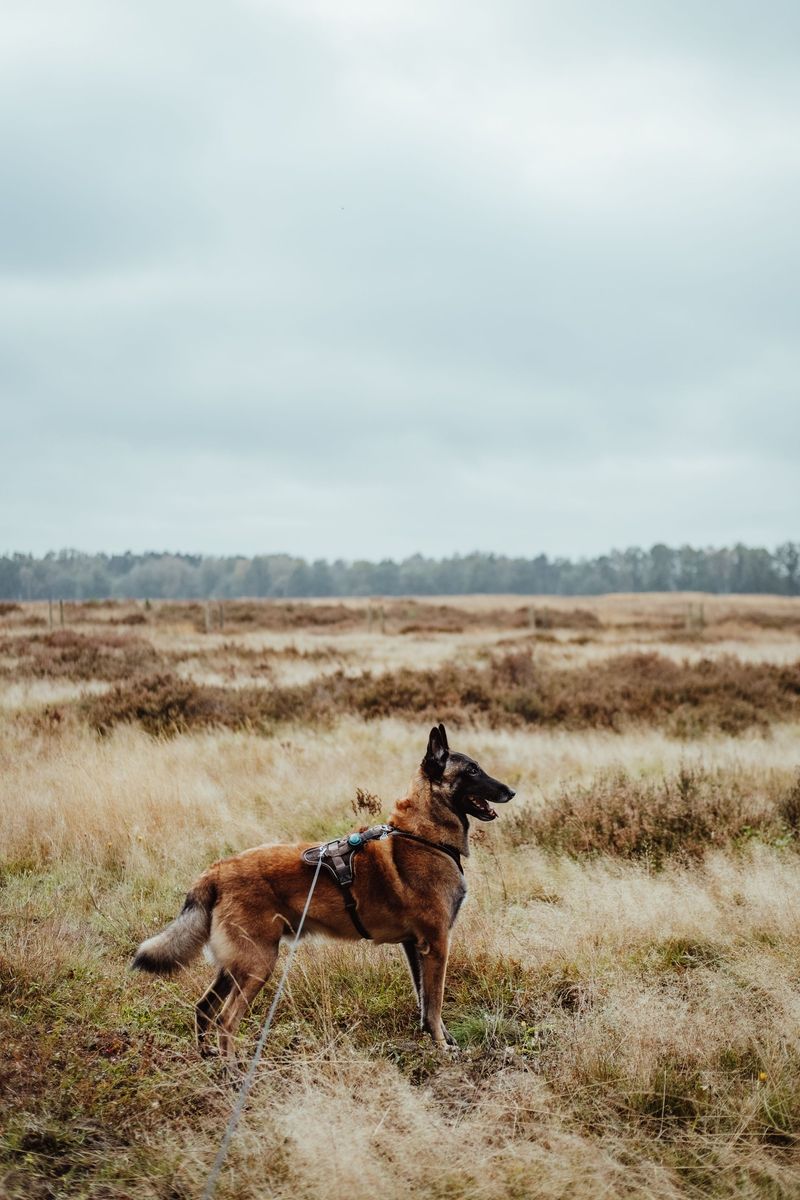
Police and military teams around the world rely on the Malinois, and that tells you plenty. This dog is intense, fast, and driven.
In a regular home without enough exercise, a Malinois can chew through doors or bounce off walls. Training is never really finished with them.
Plan for several hours of activity daily, like scent work, bite-free tug, or obedience sports. Only active families should take on this powerful breed.
Poodle
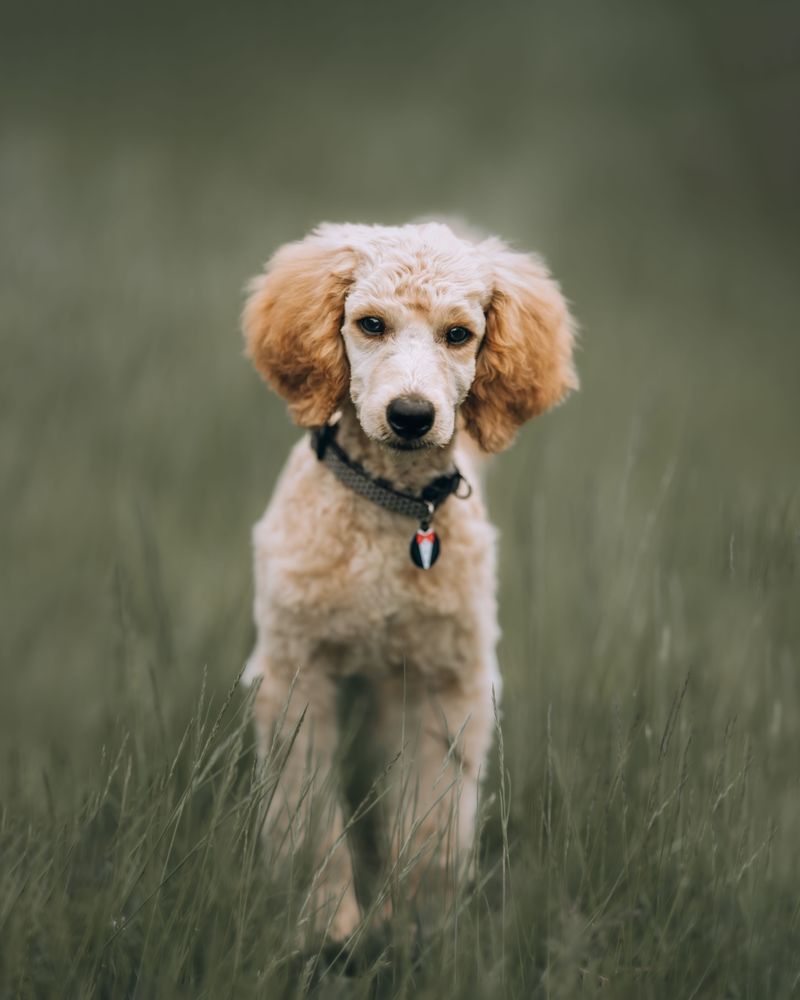
Fancy haircuts fool people. Under all that fluff, Poodles are athletic water retrievers with sharp minds.
A clever Poodle may figure out that barking at the door makes you get up, then steal your warm seat. They learn tricks lightning fast, so they also learn your weak spots.
Keep them guessing with new tricks each week, and stay consistent with rules so they cannot play you like a game.
Corgi
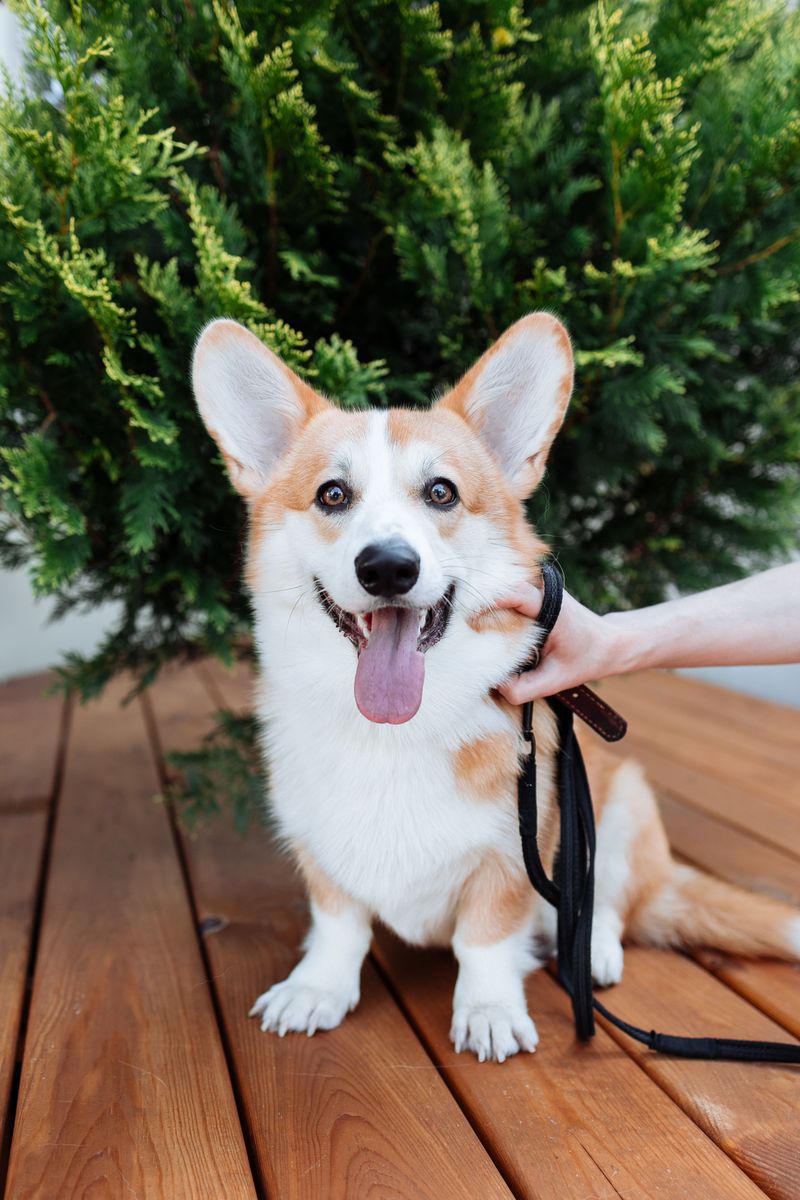
Royal pets with a farm-dog heart. Queen Elizabeth II owned more than 30 Corgis, yet these little dogs were first bred to herd cattle in Wales.
That herding instinct can lead to nipping ankles and bossing other pets around. Corgis also bark a lot to share their opinions.
Redirect nipping with a toy, give them plenty of walks, and watch their weight, since those short legs carry a big appetite.
Weimaraner
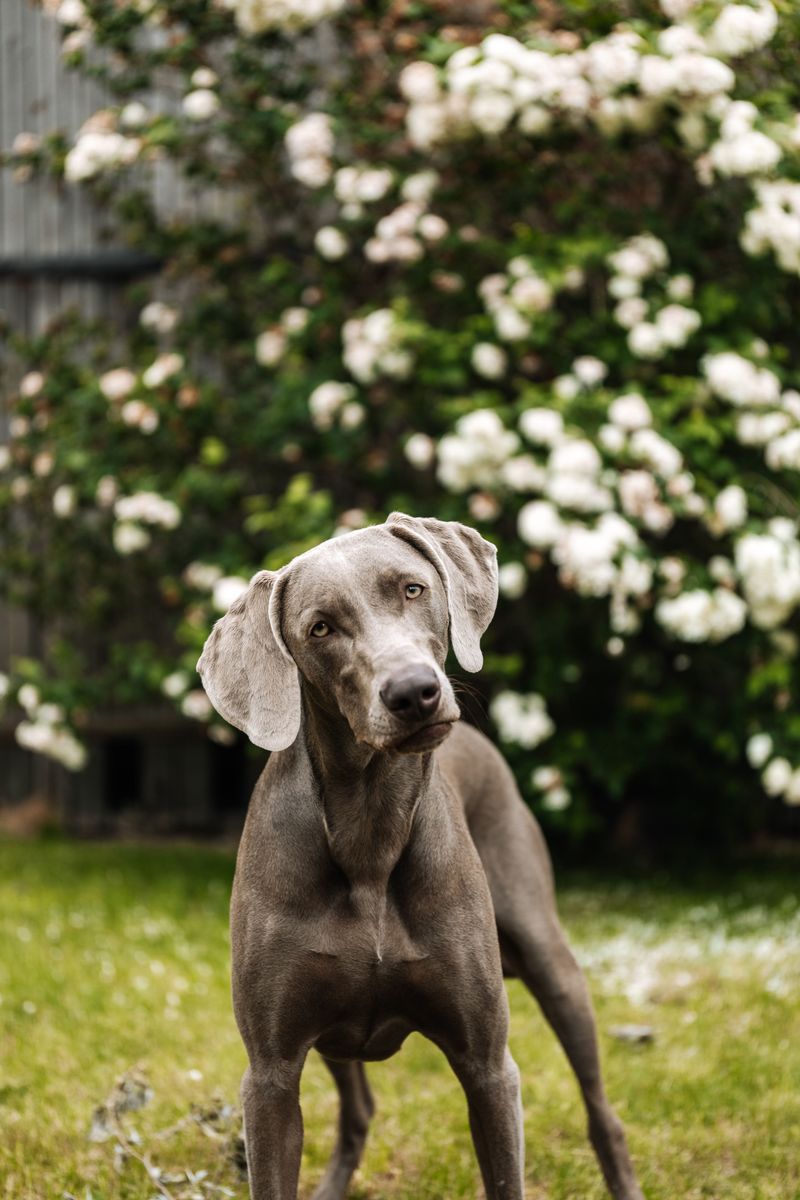
Gray ghost is a fitting nickname for this sleek German hunter, since it follows you everywhere without a sound.
Weimaraners bond tightly with their people, and being left alone can upset them. Shredded pillows or chewed door frames often signal separation stress, not bad manners.
Practice short departures, offer frozen treat toys when you leave, and give them a good run first. A calm, tired Weimaraner is much less likely to redecorate.