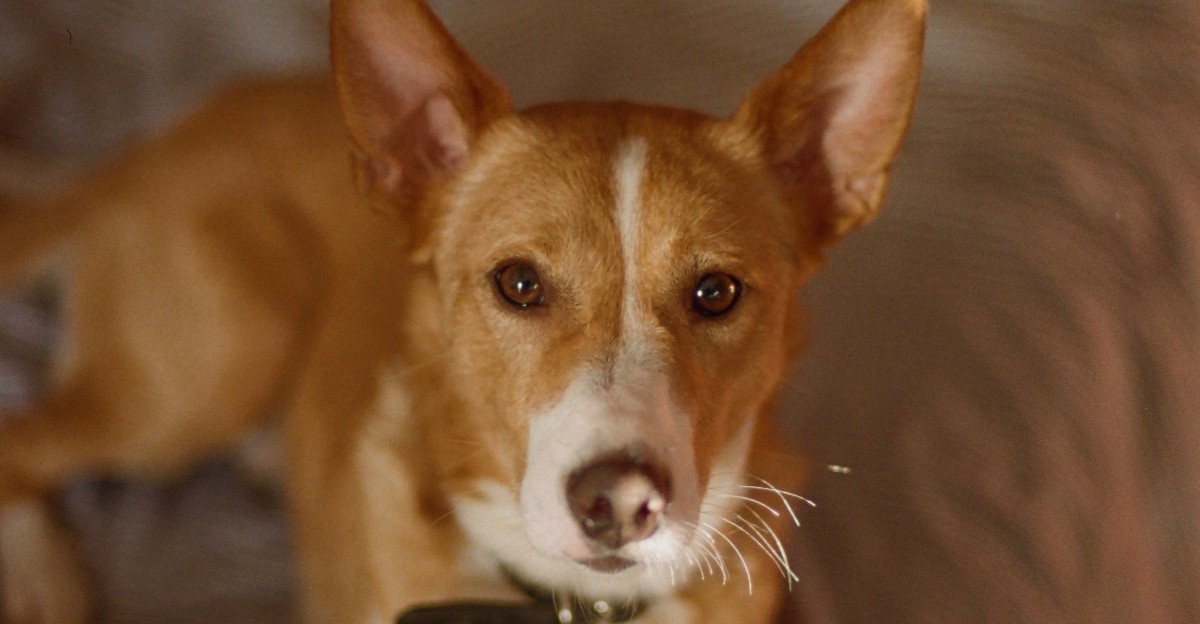
You call your dog, and they look right at you, then turn away. Did they not hear you?
Most of the time, they heard every word and simply chose not to listen. Some breeds are smart but stubborn, and knowing why can make training easier and a lot more fun.
Basenji
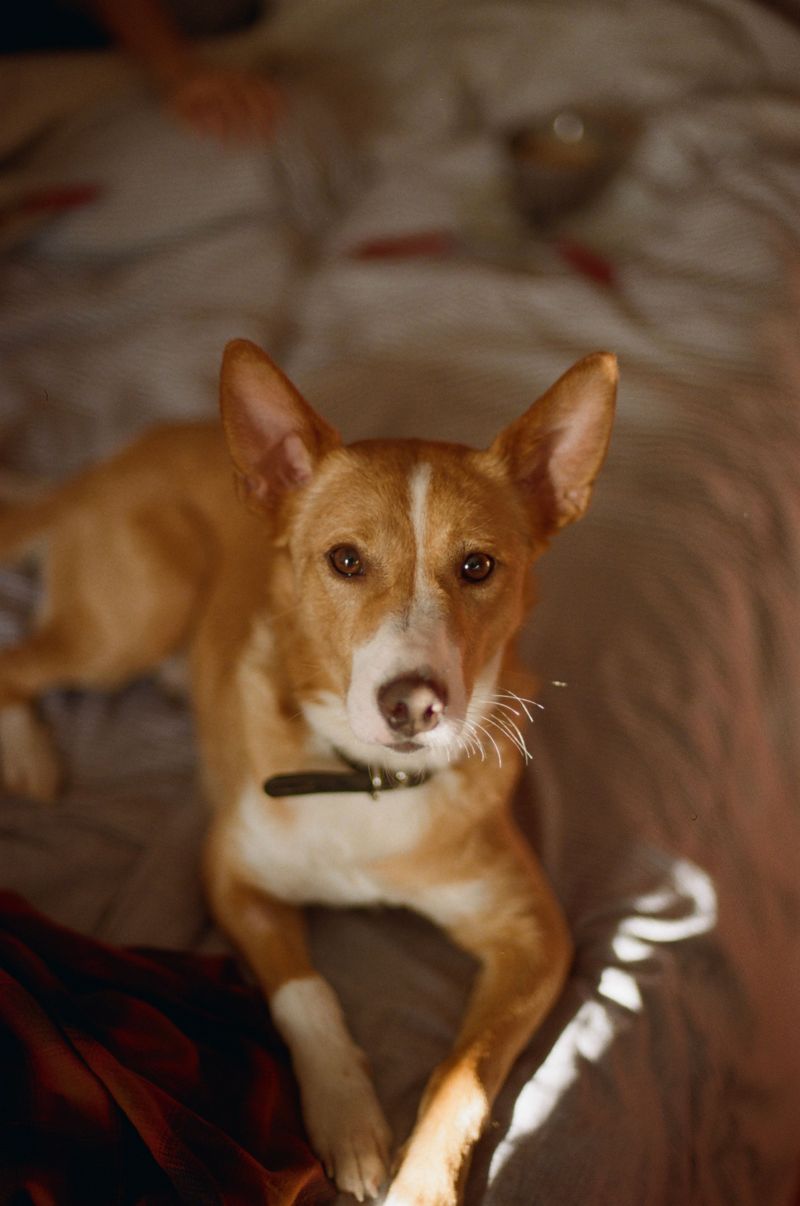
Nicknamed the barkless dog, the Basenji yodels instead of barking. It also tends to ignore commands with impressive confidence.
Bred in Central Africa to hunt on its own, this clever pup learned to make its own choices. Waiting for human orders was never part of the job.
Keep lessons short and full of surprises. Puzzle toys and tasty rewards work far better than repeating the same command ten times in a row.
Afghan Hound
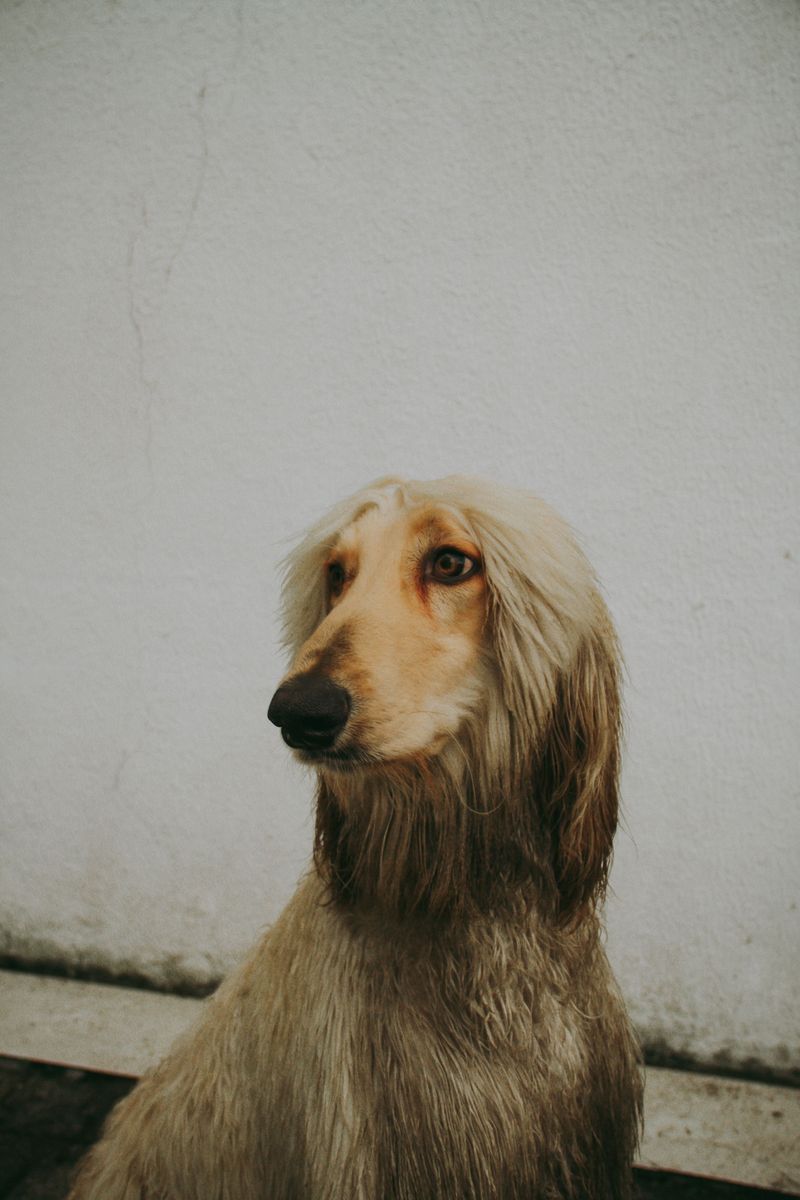
Picture a supermodel with four legs and a flowing coat. The Afghan Hound walks like it owns the street, and honestly, it acts that way too.
Originally used to chase fast prey across mountains, it thinks for itself. Sitting on command can feel beneath its royal dignity.
Patience is your best tool here. Gentle praise and calm repetition win this hound over, while yelling only makes it tune you out completely.
Shiba Inu
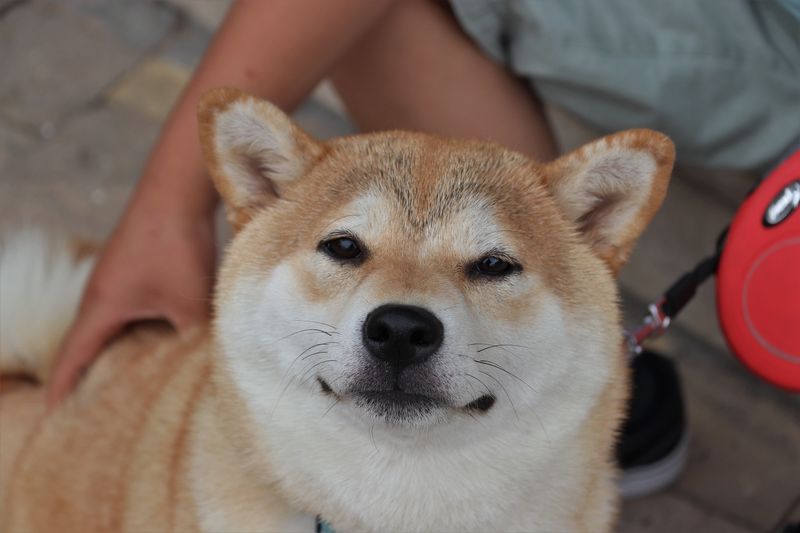
Ever seen the famous Shiba scream? Owners know that dramatic noise often means, no thank you, I will not be doing that.
Japan’s oldest breed is tidy, smart, and very catlike. It understands your request perfectly well and then weighs whether it’s worth the effort.
Make training feel like its own idea. Use high-value treats, stay playful, and never let a Shiba off leash in open areas.
Chow Chow
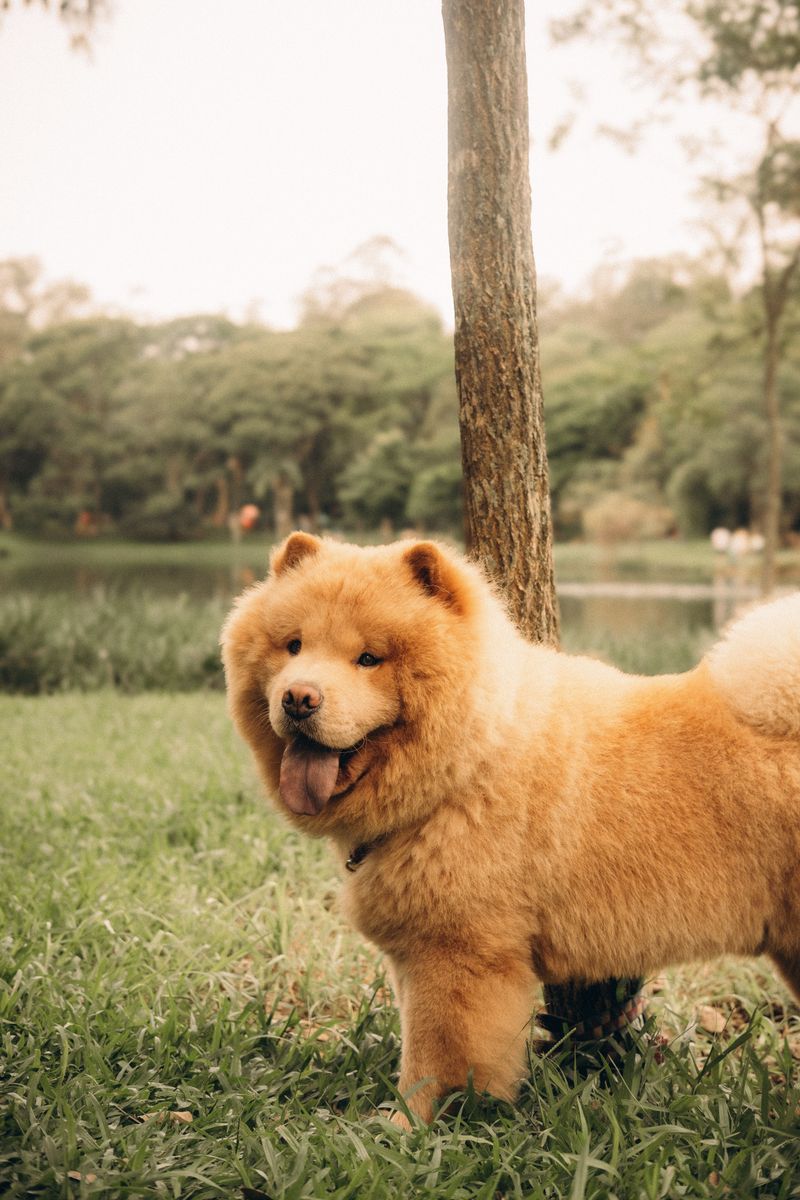
With its lion mane and blue-black tongue, the Chow Chow looks like a living teddy bear. Don’t let that cuddly look fool you, though.
Ancient Chinese guard dogs needed serious independence. Today’s Chows still prefer calm routines and personal space over silly tricks.
Start socializing early and keep things respectful. A Chow that trusts you will follow house rules loyally, even if fetch never makes the list.
Beagle
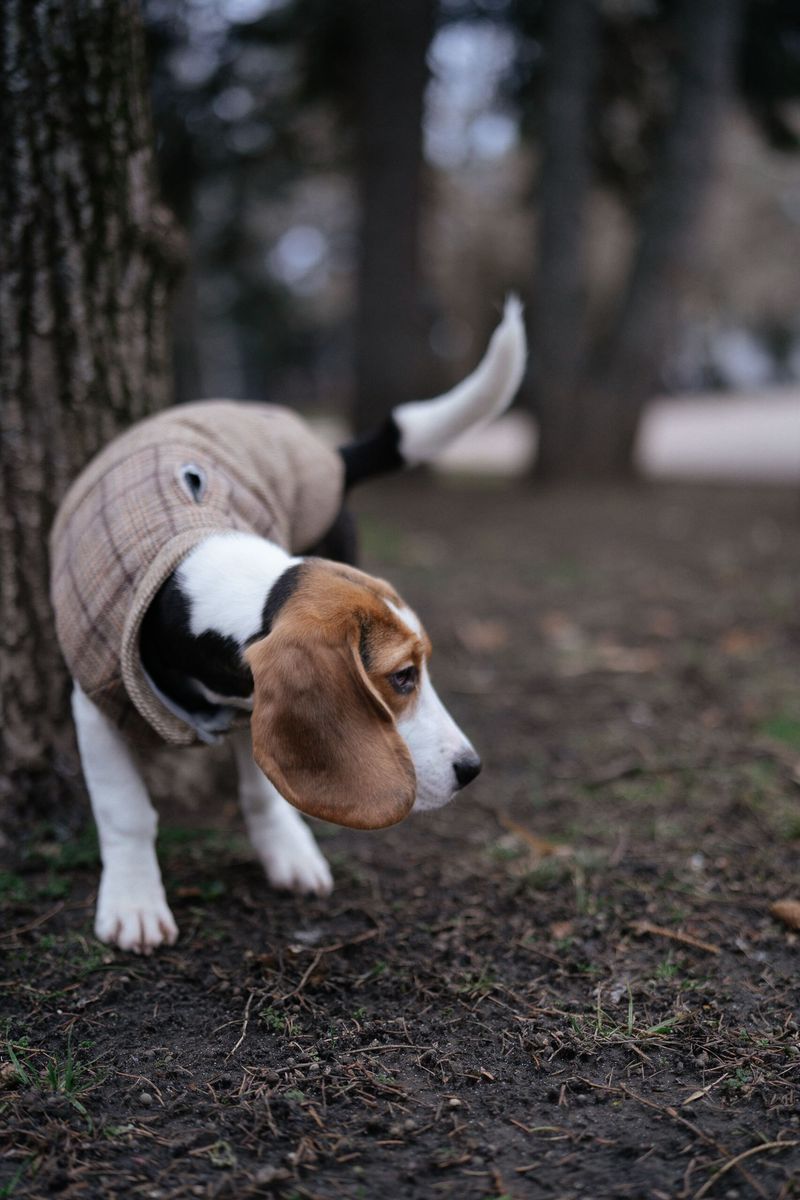
Here’s a fun fact: a Beagle’s nose holds around 220 million scent receptors. Your voice simply cannot compete with an interesting smell.
This happy little hound loves people, but once it catches a trail, your words fade into background noise. It isn’t being rude, just busy.
Practice recall in quiet places first. Bring smelly treats, use a long training leash, and celebrate every single time it comes back.
Siberian Husky
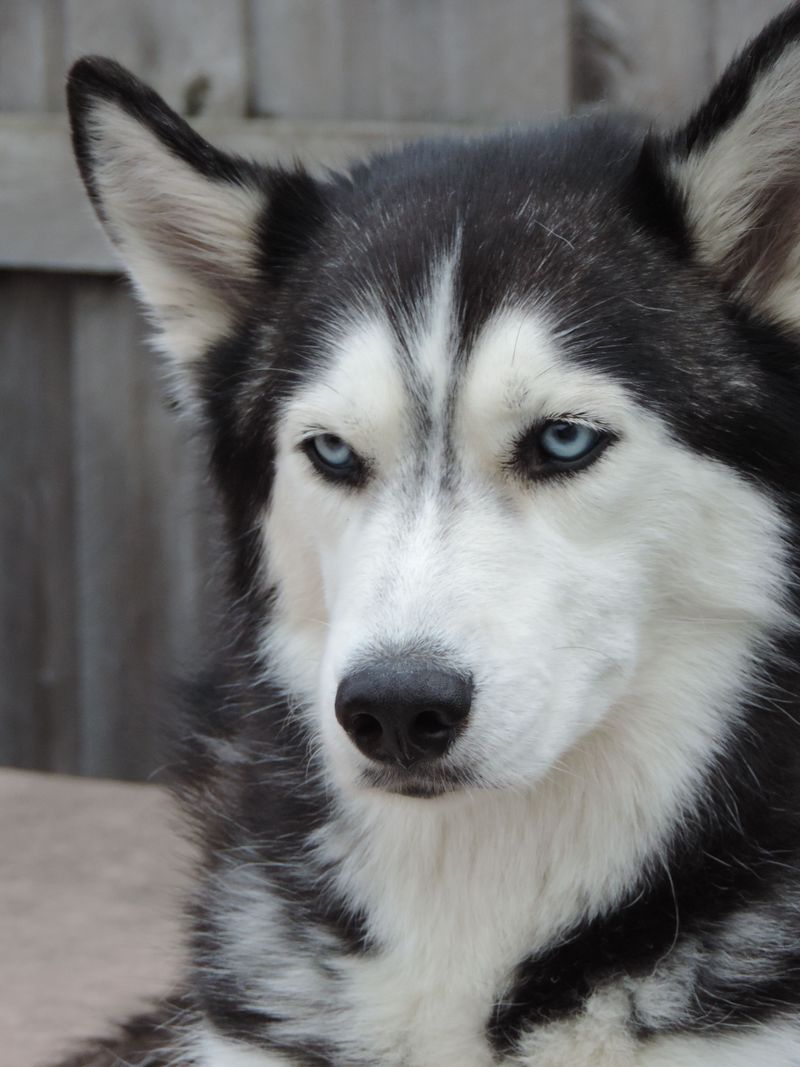
Ask a Husky to come inside and you might get a long, loud speech in return. These talkers love arguing back.
Bred to pull sleds for miles across Siberia, they have endless energy. A bored Husky will dig, escape, and treat your commands as suggestions.
Daily running, hiking, or pulling games help a lot. A tired Husky listens better, and a secure fence keeps adventures safely at home.
Dachshund
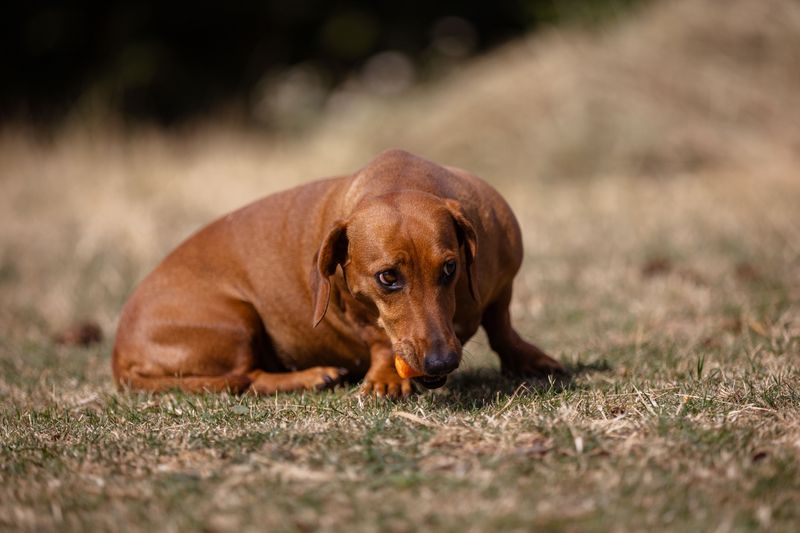
Small legs, giant attitude. Dachshunds were bred in Germany to chase badgers into tunnels, which takes real courage and plenty of stubbornness.
That brave hunter spirit means your little wiener dog often believes its plans matter more than yours. Digging up the garden?
Totally worth it.
Stay consistent and keep sessions upbeat. Protect that long back by limiting jumps, and reward good choices with tiny, healthy snacks.
Basset Hound
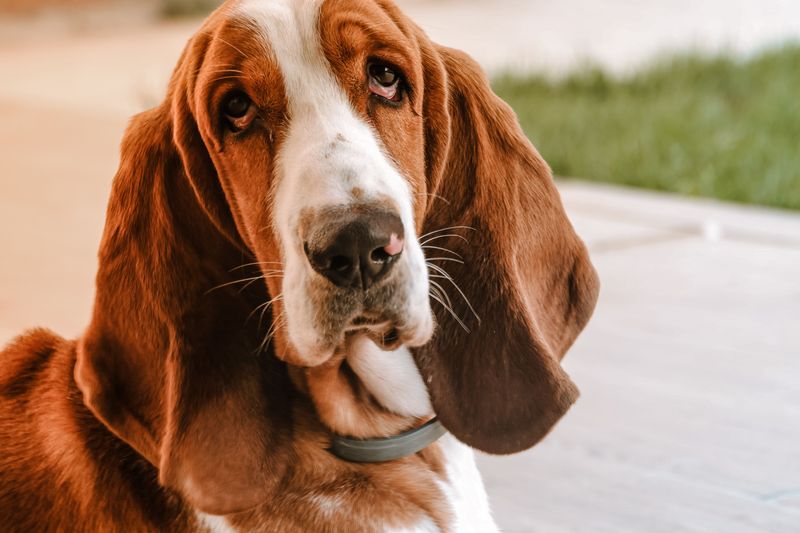
Some dogs leap at the word walk. A Basset Hound might lift one droopy eyebrow and go right back to napping.
Those long ears actually help sweep scents toward its nose, making it a superb tracker. Unfortunately, that laid-back brain moves at its own slow pace.
Short, food-based lessons work wonders. Watch portions carefully, because this couch-loving hound gains weight easily and really needs those daily strolls.
Bulldog
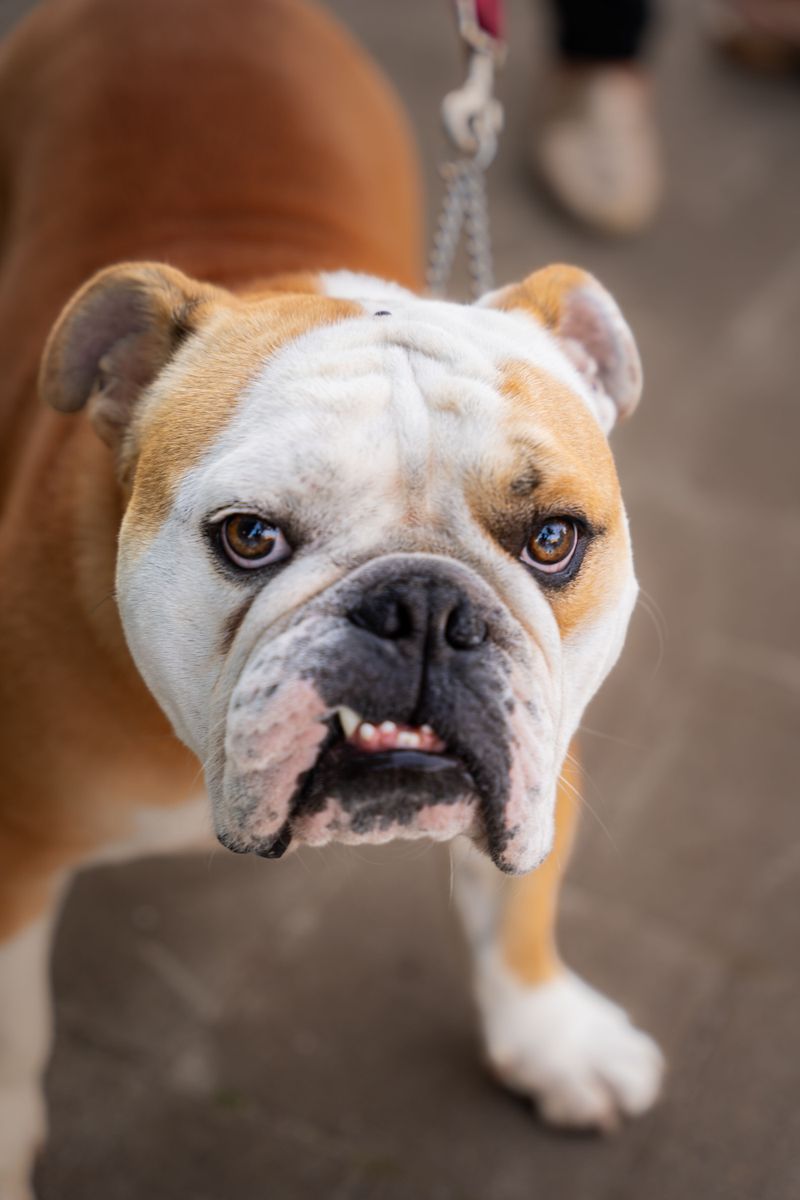
Anyone who has tried moving a Bulldog that refuses to walk knows the struggle. Those sturdy bodies plant like furniture.
English Bulldogs are sweet and loyal, yet they carry a strong will. When they decide a walk is over, they flop down and wait.
Skip the tug-of-war. Use cheerful encouragement and treats, avoid hot days because of their short snouts, and keep exercise gentle and fun.
Akita
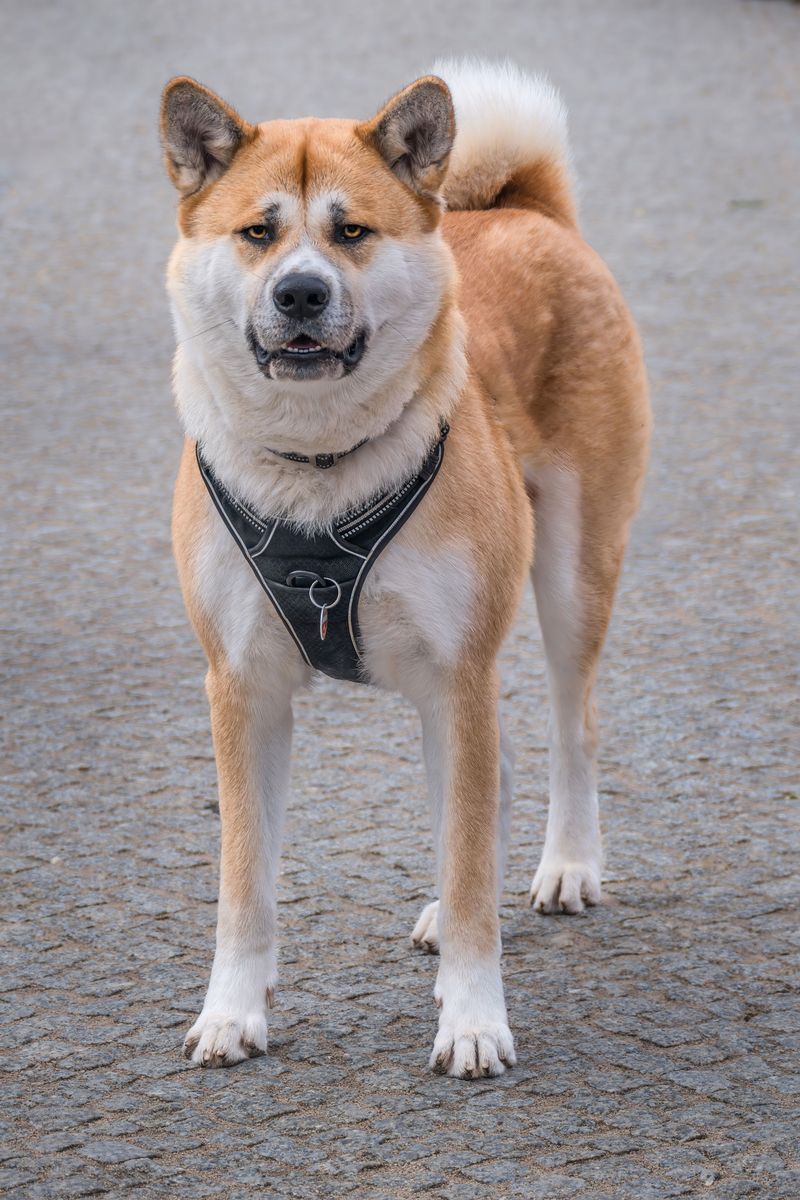
Remember Hachiko, the dog who waited years at a Tokyo train station? That legendary loyalty came from an Akita.
Devoted as they are, Akitas are powerful and serious thinkers. They often decide whether a command makes sense before following it.
Experienced owners do best with this breed. Firm, fair, reward-based training builds respect, and early socialization keeps that protective streak calm around strangers and other pets.
Great Pyrenees
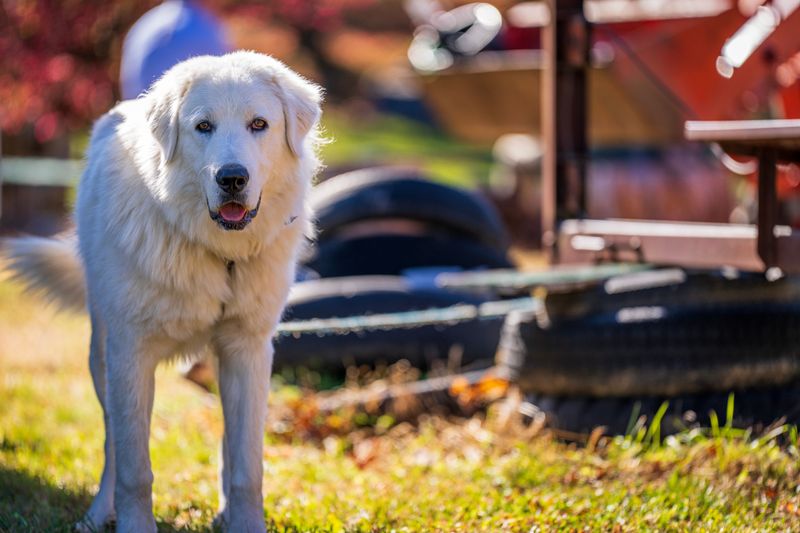
Guarding sheep all night alone in the mountains builds a certain mindset. The Great Pyrenees was born to decide for itself.
Owners joke that this fluffy giant hears sit and thinks, maybe later. It’s not ignoring you, just checking the yard for danger first.
Expect nighttime barking and a love for roaming. Tall fencing, calm training, and plenty of brushing keep this snowy guardian happy.
Bloodhound
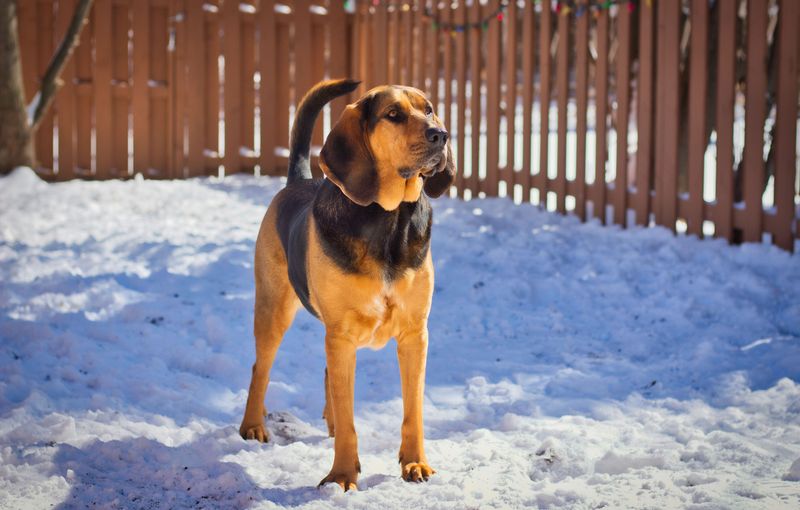
Did you know Bloodhound tracking evidence has been accepted in courtrooms? Their noses are that trustworthy.
Of course, a nose this powerful comes with a one-track mind. Once a scent grabs its attention, calling its name feels pointless.
Give it a job like scent games or hide-and-seek with treats. Keep a towel ready too, because all that drool comes with the wrinkly charm.