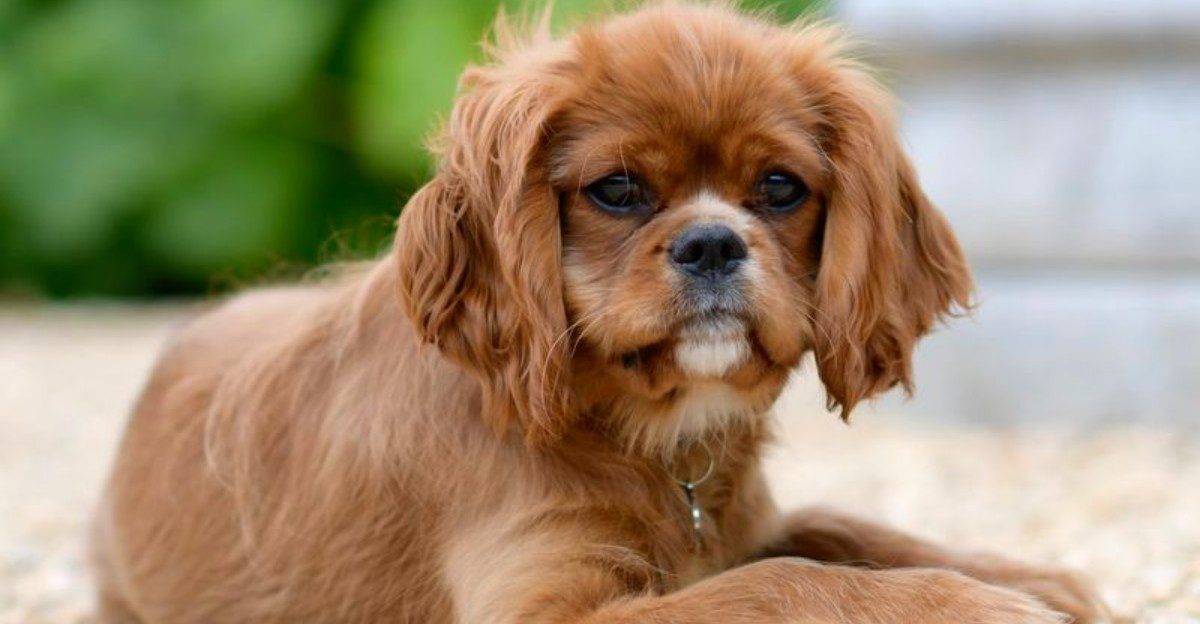
Some dogs treat every stranger like a long-lost best friend, while others would rather keep their distance. A dog’s attitude toward new people often comes from what the breed was first bred to do.
Knowing these traits can help you pick the right pup or better understand the one snoozing on your couch. Here are twelve breeds that greet the world with a wagging tail, plus three that prefer a polite nod from across the room.
Golden Retriever
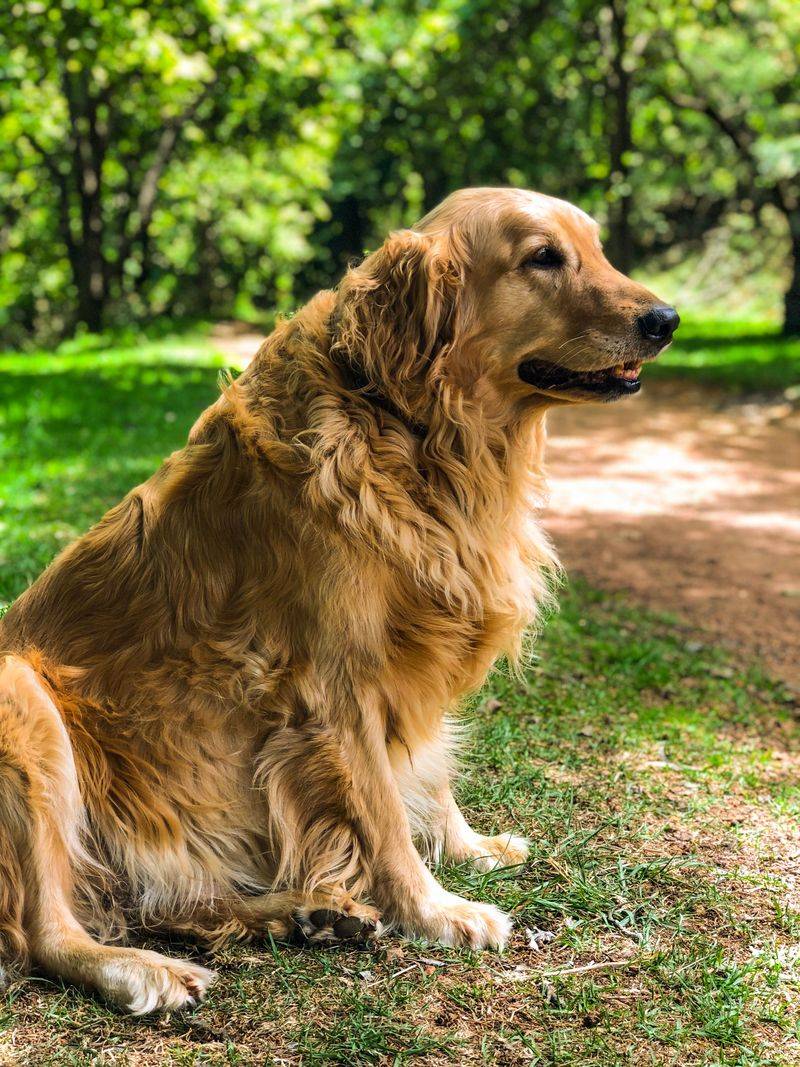
Picture a mail carrier getting a bigger welcome than the homeowner. That happens a lot with Golden Retrievers.
These sunny dogs seem to believe every person is a future friend.
Bred in Scotland to fetch birds for hunters, they learned to work closely with people. That teamwork turned into a love for humans of all kinds.
Tip: teach a calm sit for greetings, or your Golden may knock over guests with pure joy.
Labrador Retriever
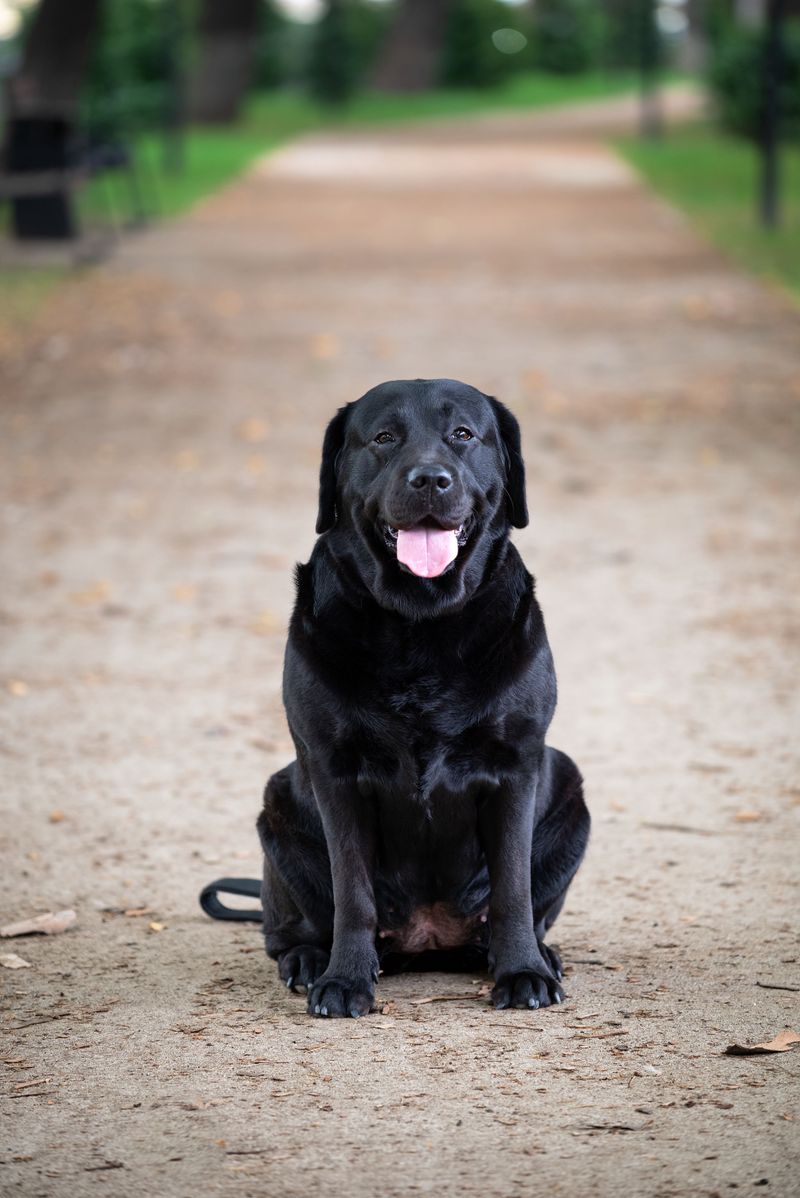
Did you know? Despite the name, Labs actually came from Newfoundland, Canada, where they helped fishermen haul nets.
Today they rank among the most popular dogs in America, and their open-door attitude is a big reason why. A Lab rarely meets a stranger it won’t lean against for pets.
That friendliness makes them poor guard dogs, though. Expect a burglar to get a tour and a slobbery kiss instead of a bark.
Beagle
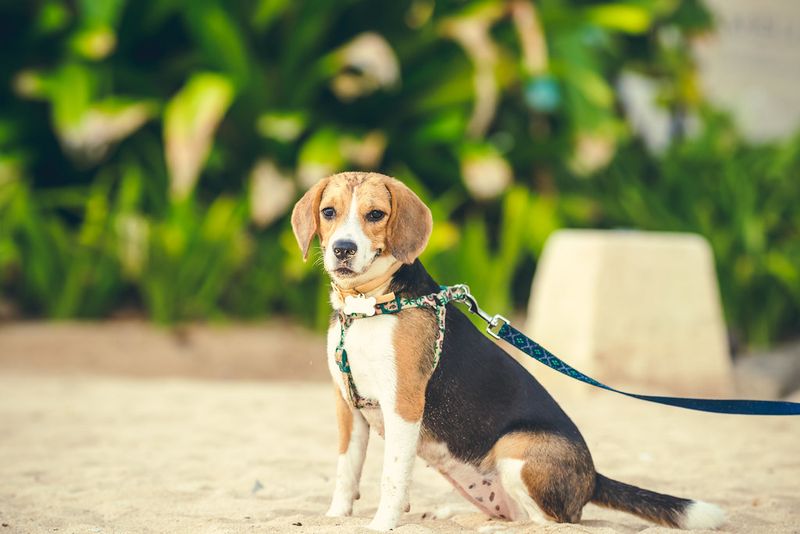
Nose first, questions later. A Beagle greets new people by sniffing their shoes, pockets, and any snack they might be hiding.
Beagles were bred to hunt rabbits in packs, so getting along with others is in their blood. That pack mindset carries over to humans, too.
Just remember they can be loud. A happy Beagle often announces visitors with a howl that sounds alarming but really means, come in and play!
Cavalier King Charles Spaniel
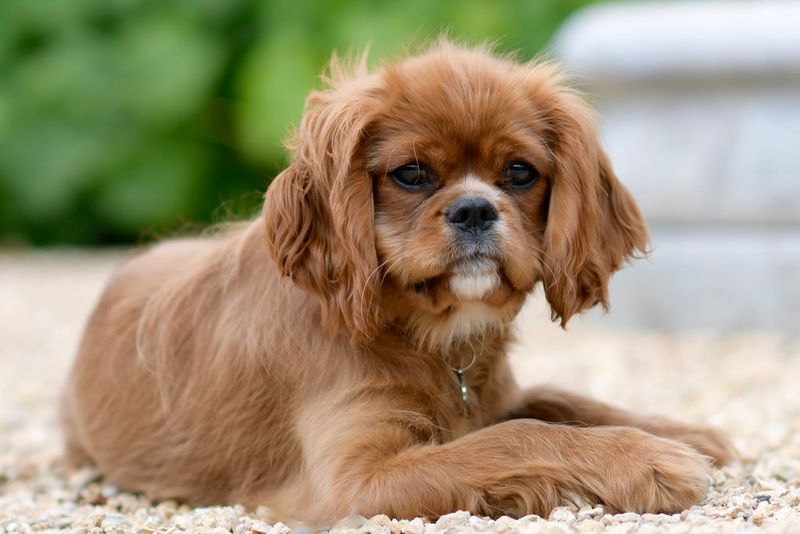
Royal lapdogs don’t get picky about whose lap they choose. Cavaliers were adored by English kings, and they still act like everyone deserves a cuddle.
These small spaniels melt into the arms of neighbors, kids, and strangers at the coffee shop. Their soft eyes seem made for winning hearts.
Because they bond so deeply, they dislike being alone. If your schedule keeps you away all day, consider a dog walker or doggy daycare.
Irish Setter
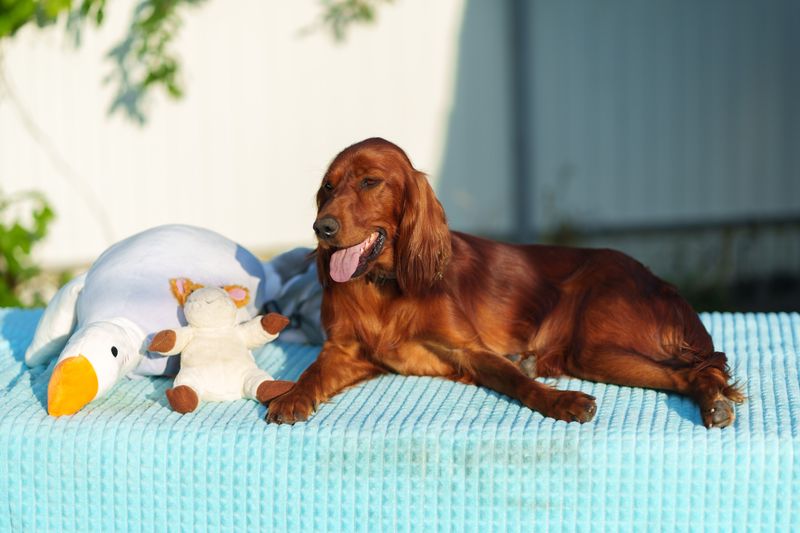
Think of the Irish Setter as the class clown with a glossy red coat. It greets strangers with bouncy energy and a goofy grin.
Originally used to find game birds in Ireland, setters needed stamina and a cheerful spirit. They kept both!
That excitement can overwhelm small kids or older visitors. Plenty of daily running helps burn off extra fuel so your setter greets people with a wag instead of a leap.
Boxer
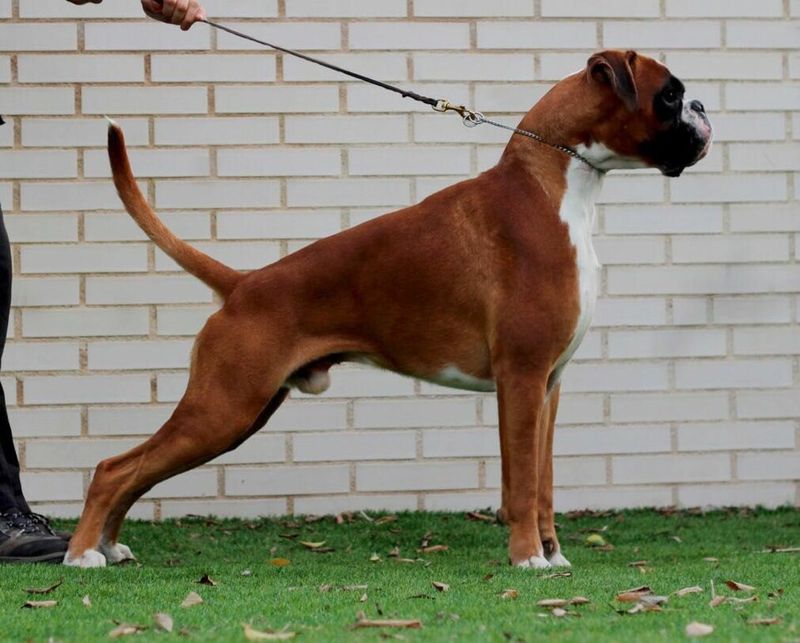
Ever seen a dog do the kidney bean dance? Boxers twist their whole body into a curve when they’re thrilled to meet someone.
They may look tough with their square jaws, but most Boxers are big softies who adore company. Many stay playful well into old age.
Fun fact: the name may come from how they bat at things with their front paws, almost like a boxer throwing gentle jabs.
Bichon Frise
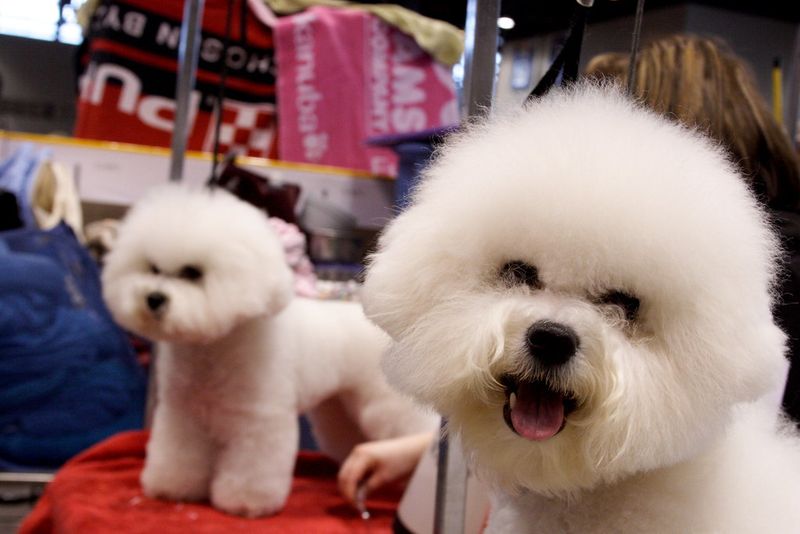
Fluffy, white, and wildly social, the Bichon Frise acts like a tiny party host. Centuries ago, these dogs performed tricks in circuses and traveled with sailors.
All that time entertaining crowds shaped a dog that loves attention from anyone nearby. Strangers often get a spin, a hop, or a happy bark.
Bonus perk: their coat sheds very little. Regular grooming keeps that cotton-ball look neat and prevents painful mats.
Newfoundland
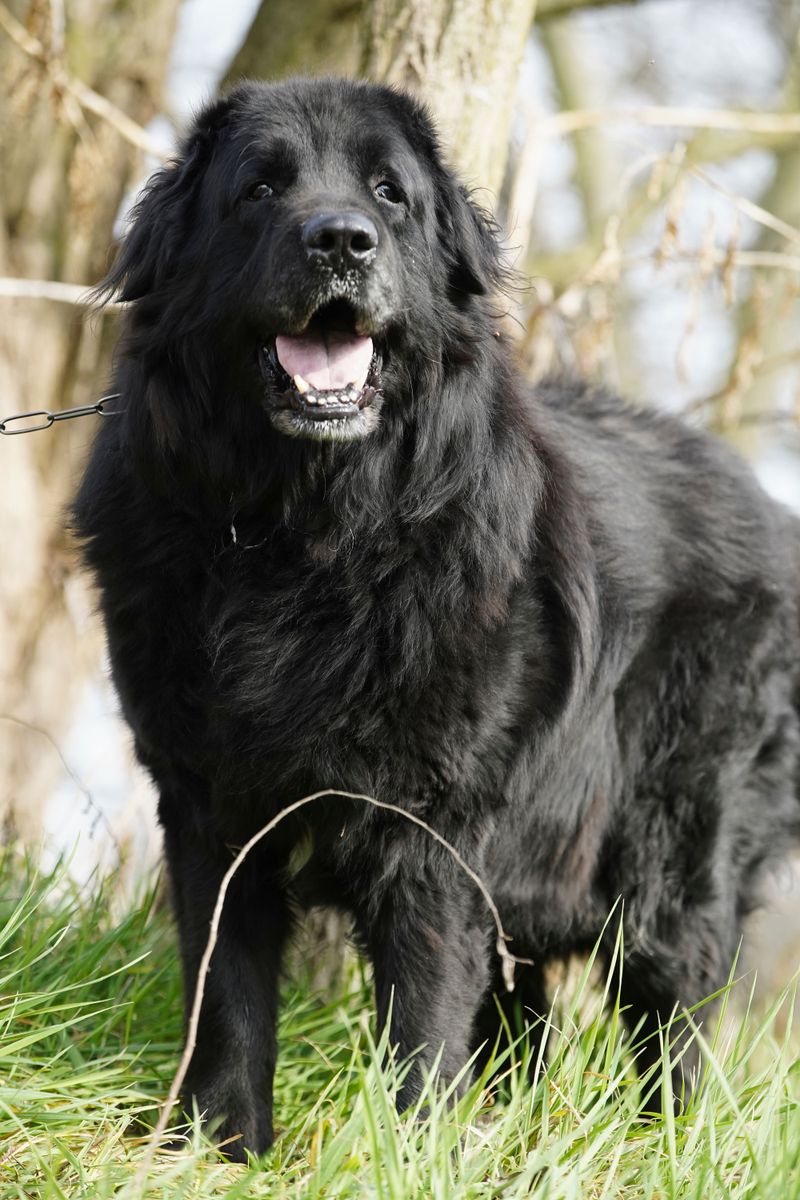
With a heart as big as its paws, the Newfoundland treats strangers like neighbors it just hasn’t met yet.
These gentle giants once pulled drowning sailors from icy Canadian waters. Their calm, patient manner makes them famous with families and visitors alike.
Be ready for drool, though. A Newfie may rest its huge head on a guest’s knee and leave a wet souvenir.
Keep a towel near the door for friendly accidents.
Pug
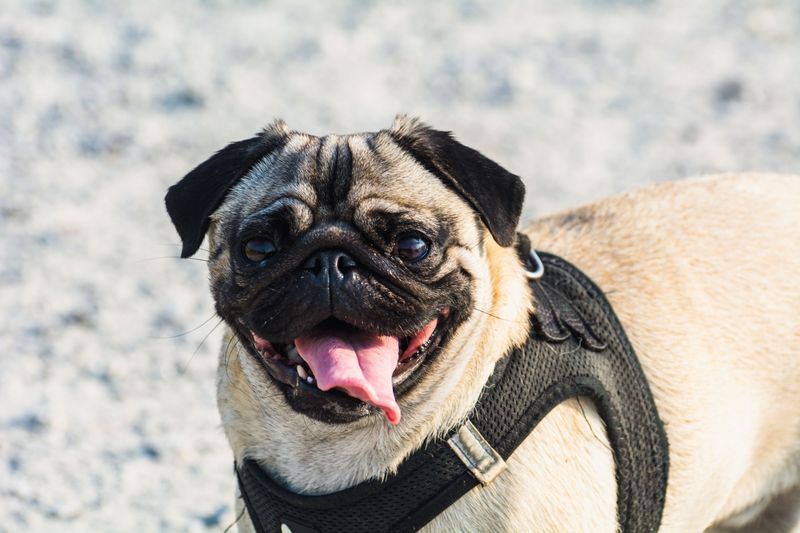
Small body, huge personality. Pugs waddle up to strangers as if they’re old pals ready to share gossip.
Chinese emperors kept these dogs as companions over 2,000 years ago, so making friends is their main job. They don’t care much about guarding or hunting.
Keep walks short on hot days because their flat faces make breathing tough. A cool Pug is a happy, social Pug, ready to charm the next passerby.
English Springer Spaniel
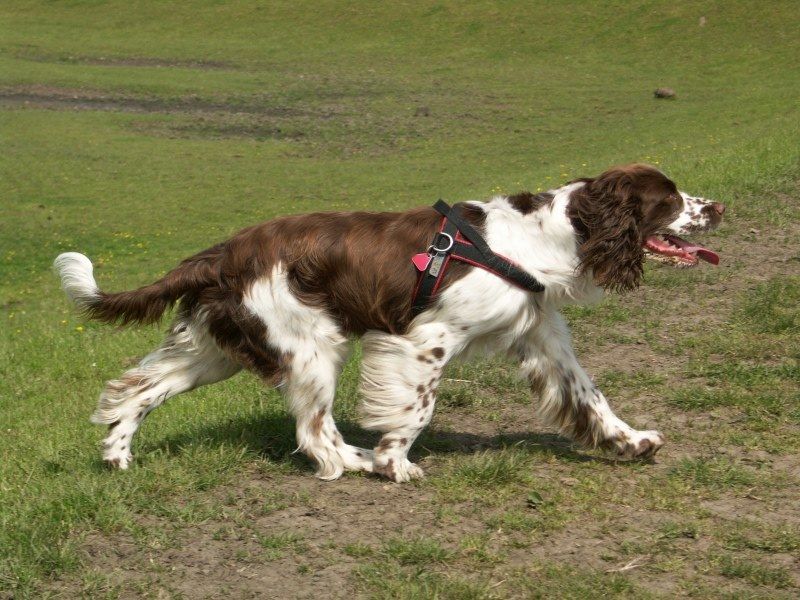
Hunters named this breed for how it springs birds out of bushes. At home, the springing continues, mostly toward anyone who walks in.
English Springer Spaniels are cheerful and eager to please. They tend to warm up to strangers in seconds, especially if a ball is involved.
Give them jobs like fetch games or scent puzzles. A busy springer is a polite greeter, while a bored one may get a little too bouncy.
Standard Poodle
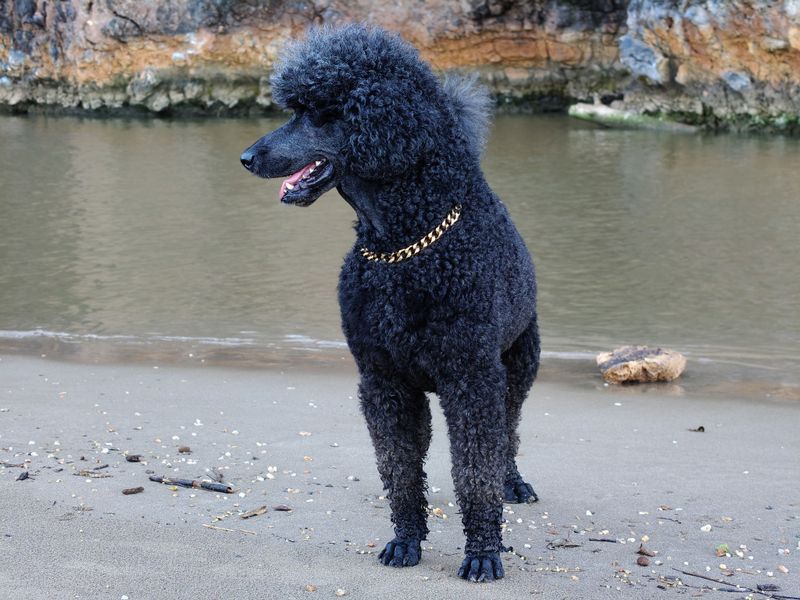
Forget the fancy show haircut for a moment. Under all that fluff is one of the smartest, most sociable dogs around.
Poodles started in Germany as water retrievers, and they still love working with people. Many greet strangers with curiosity and a friendly nudge.
Their brainpower means they learn manners fast. Teach yours to sit before saying hello, and guests will think you hired a professional trainer.
Australian Shepherd
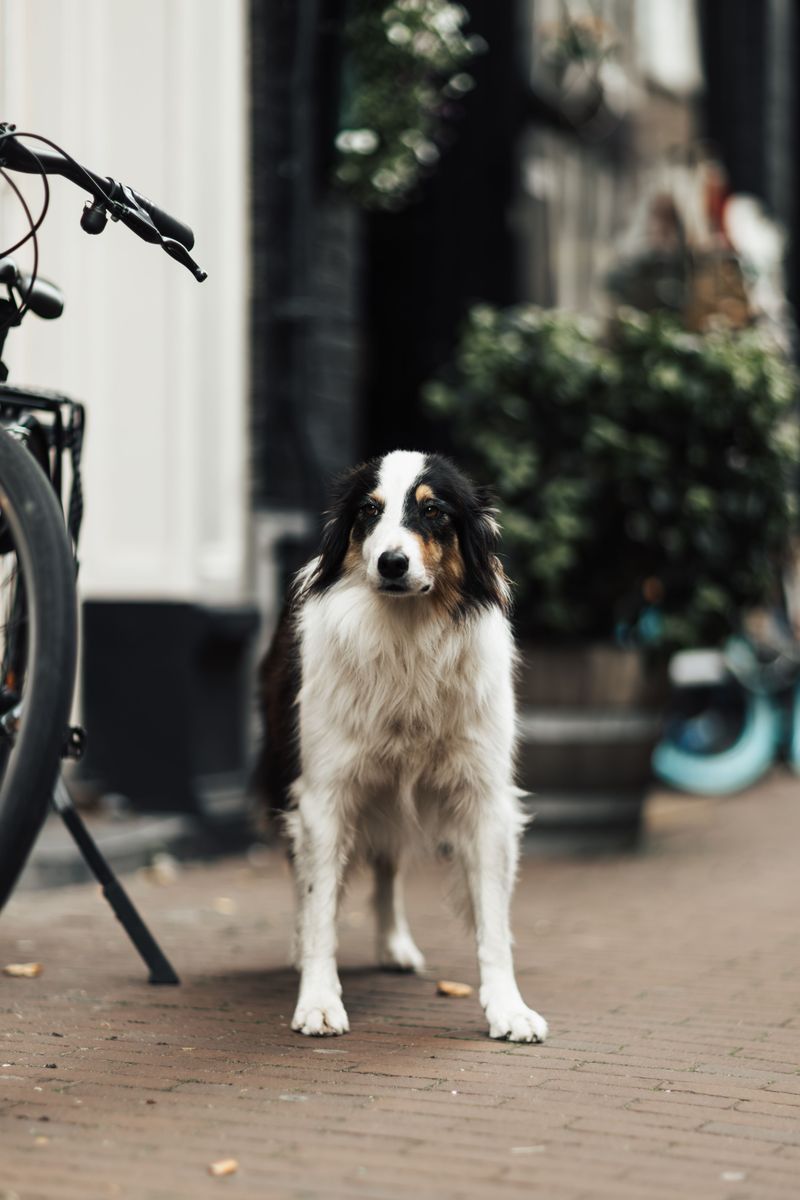
Here’s a twist. Australian Shepherds actually come from the American West, not Australia.
Ranchers loved their smarts and loyal hearts.
Many Aussies are outgoing and enjoy meeting new folks, especially when socialized early. Their wiggly greetings and bright eyes win people over quickly.
Some may try to herd kids or guests by circling them. Redirect that instinct with fetch, agility, or long hikes to keep everyone happy.
Chow Chow
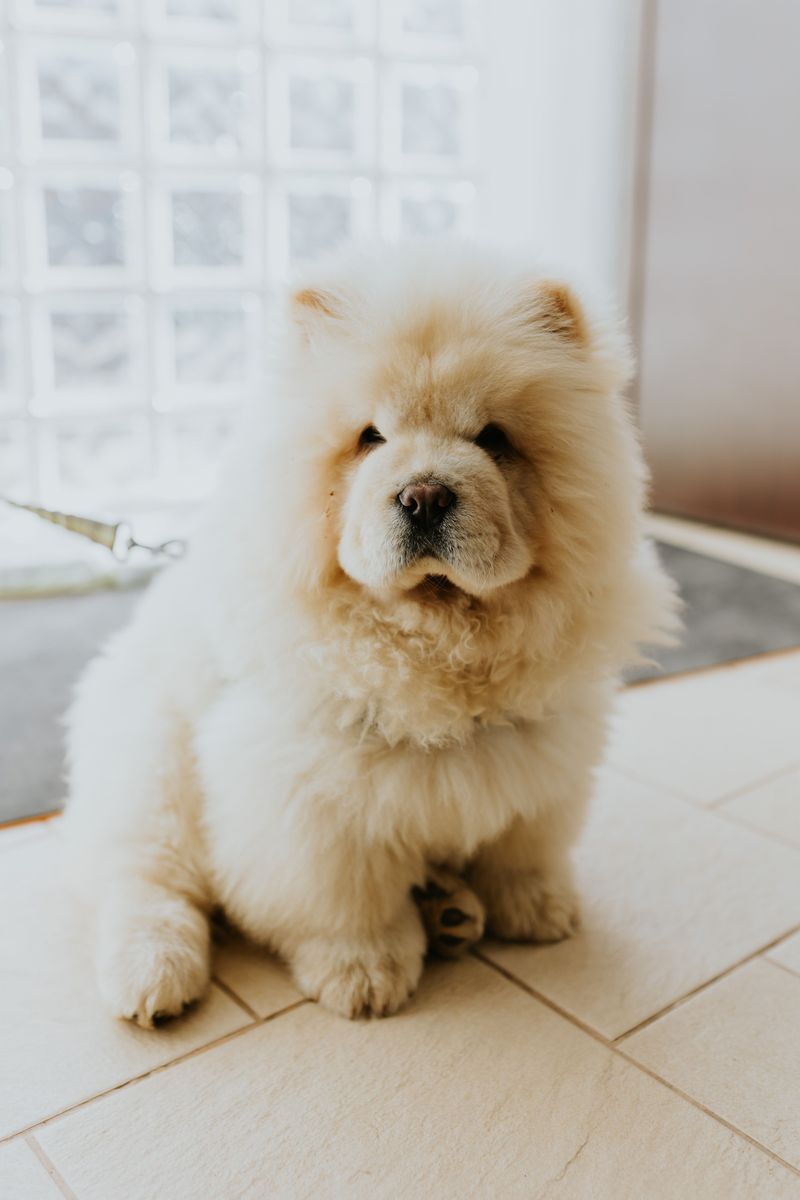
Now for a different crowd. The Chow Chow looks like a teddy bear but often acts like a serious bodyguard.
This ancient Chinese breed bonds tightly with its family and may ignore or stare down strangers. It’s not rude, just very choosy.
Early socialization helps a lot. Let guests stay calm and skip the hugs.
Giving a Chow space usually earns more respect than rushing in for a pat.
Akita
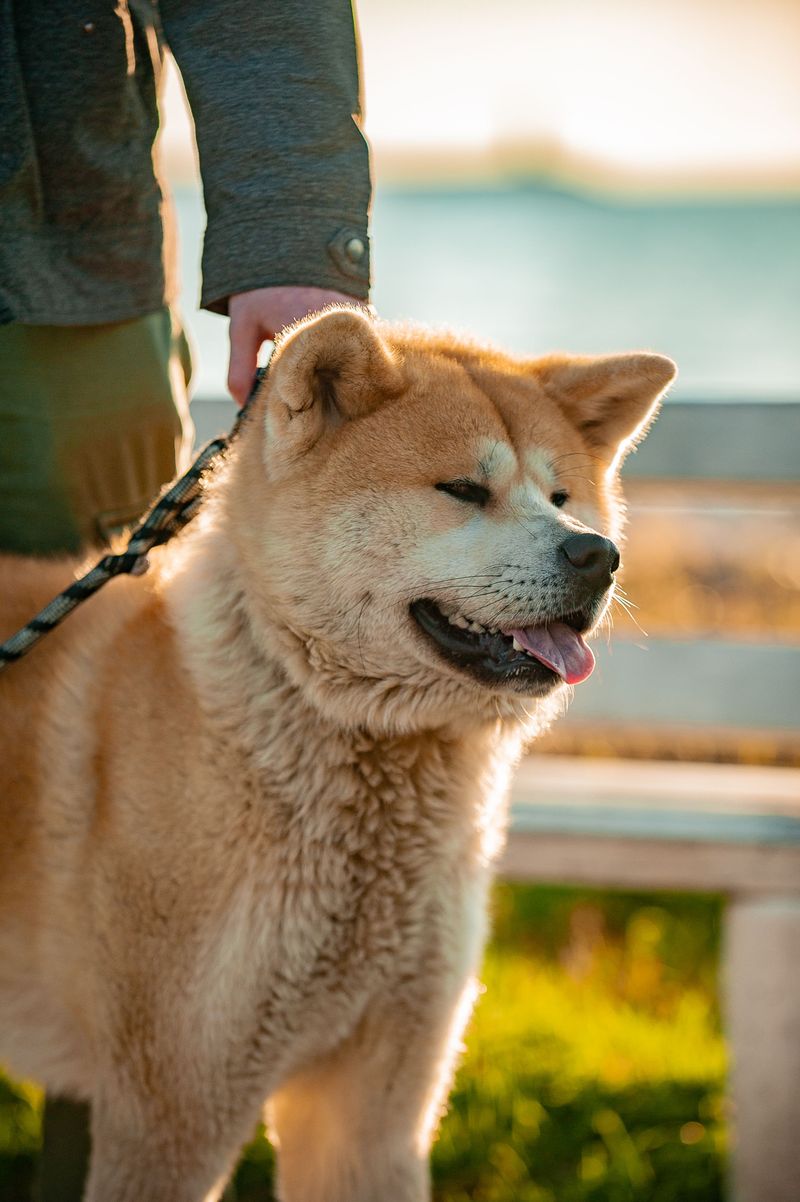
Loyalty is the Akita’s whole story. In Japan, an Akita named Hachiko waited at a train station for his owner for nearly ten years.
That devotion stays with family, not strangers. Akitas are often quiet and watchful, sizing up newcomers before deciding anything.
They need a confident owner and steady training. Introduce visitors slowly, and never force friendship.
Respect goes both ways with this proud, protective breed.
Shiba Inu
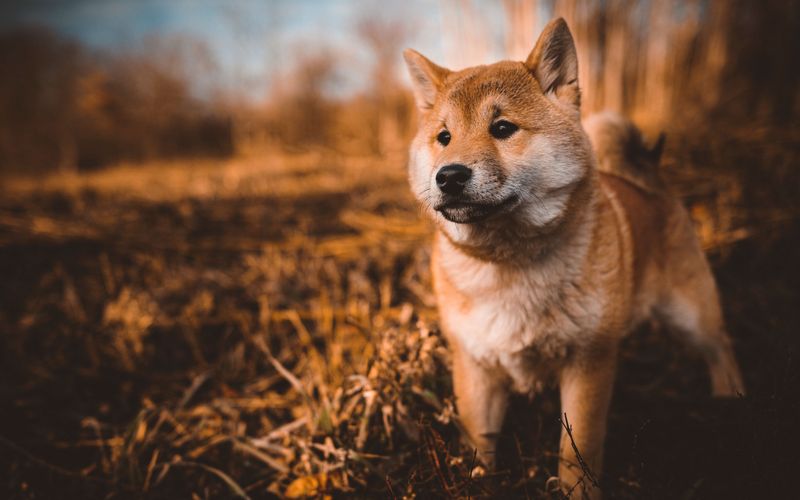
If cats were dogs, they might be Shiba Inus. These fox-faced pups from Japan are independent, clever, and often unimpressed by strangers.
A Shiba may sniff a guest once, then walk away. It’s simply their style, not a sign of fear.
Treats and patience can help build trust. Also watch for the famous Shiba scream, a dramatic squeal they use when something annoys them, like unwanted petting.