Some dogs greet the mail carrier like a long-lost cousin, while others watch from across the room and decide later. Neither dog is broken, and neither is being rude.
Much of that difference traces back to what each breed was originally selected to do, plus the socialization it gets as a puppy. Below are 12 breeds often known for warming up to strangers fast, followed by 3 that tend to keep newcomers at arm’s length.
Golden Retriever
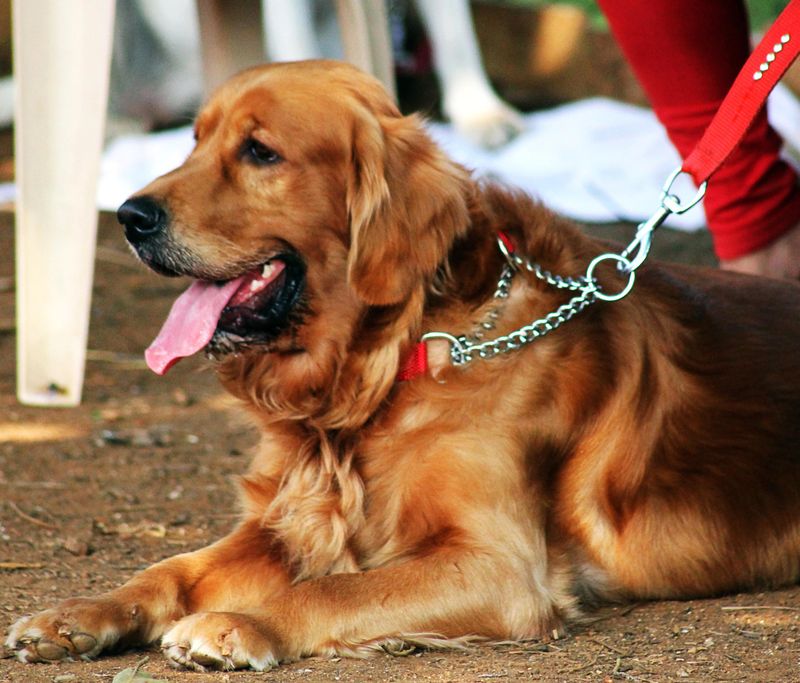
Visitors rarely get through the front door of a Golden Retriever home without a tail thumping against their knees. Goldens were developed in 19th-century Scotland to work closely with hunters, and a cooperative, people-oriented temperament was part of that package.
The AKC breed standard actually describes the Golden as friendly, reliable, and trustworthy, and specifically notes that quarrelsomeness or hostility toward people is not in keeping with the breed’s character. That makes Goldens famously poor guard dogs.
The catch is that enthusiasm can turn into jumping on guests, especially during the long, goofy adolescence many Goldens go through. Teaching a sit for greetings early saves a lot of muddy shirts later.
Labrador Retriever
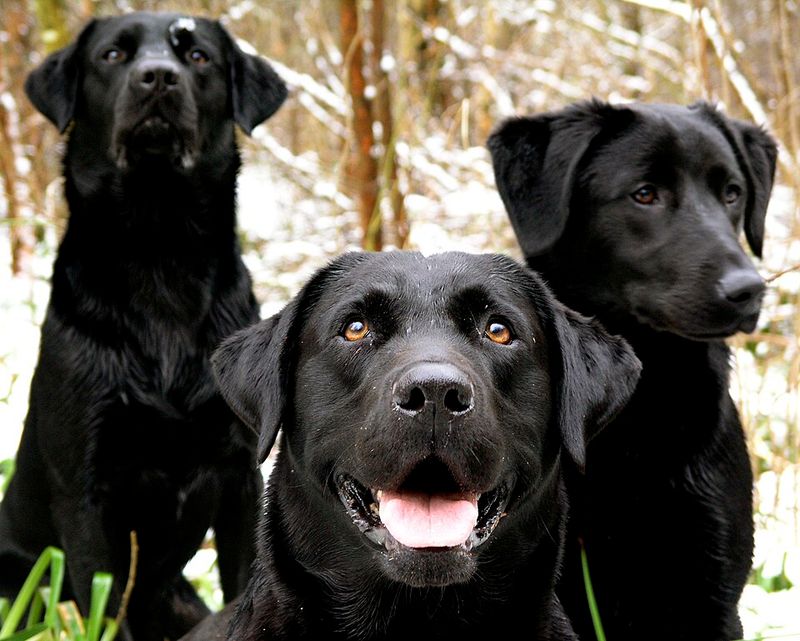
Ask a Lab to choose between a tennis ball and a new person, and the answer may be both, at the same time. Labradors trace back to Newfoundland, where their ancestors helped fishermen haul nets and retrieve lines from icy water.
Work like that required a dog that cooperated with whoever was on the boat, and that easy sociability survives today. Labs are commonly chosen as guide and assistance dogs partly because they tend to stay calm and approachable around unfamiliar people.
Their openness also has a food-shaped side. Many Labs will happily accept snacks from anyone, so guests should be asked not to share table scraps, since the breed can be prone to weight gain.
Beagle
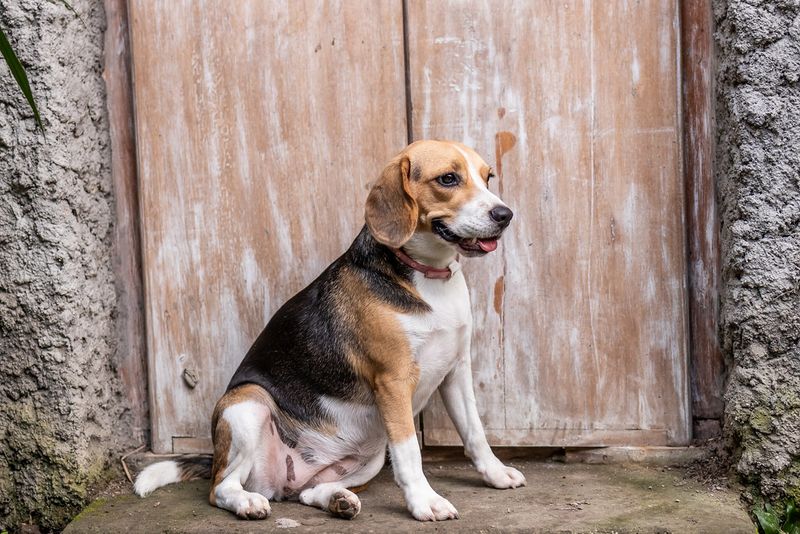
Pack hounds can’t afford to pick fights, and that history explains a lot about the modern Beagle. Bred to hunt rabbits in groups, Beagles needed to get along with dozens of other dogs and the people handling them.
That social flexibility often extends to strangers. Many Beagles greet newcomers with a full nose inspection rather than suspicion, which is one reason they rarely make effective watchdogs, even though they will happily announce visitors with their distinctive bay.
Here is the honest trade-off: a Beagle’s friendliness may come second to its nose. A fascinating scent can override recall, so a fenced yard and leash walks matter more than with many other sociable breeds.
Cavalier King Charles Spaniel
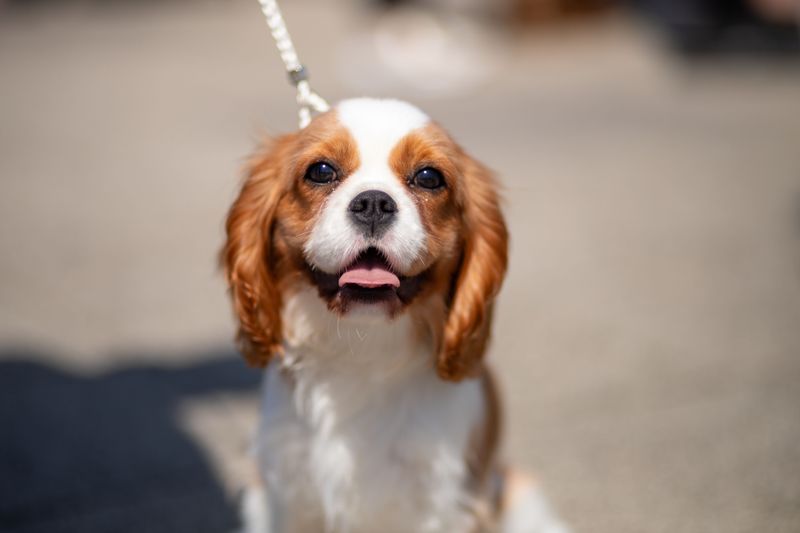
Royal lapdogs had one real job: keep people company. Cavaliers descend from the toy spaniels favored by English nobility, and companionship has been their focus for centuries.
Many Cavaliers treat a visitor’s lap as fair game within minutes. Their soft, adaptable temperament makes them a frequent choice for therapy work, where tolerating handling by strangers is essential.
That attachment to people has a flip side, since some individuals struggle when left alone for long stretches. Prospective owners should also ask breeders about heart screening, as the breed has a well-documented predisposition to mitral valve disease.
Boxer
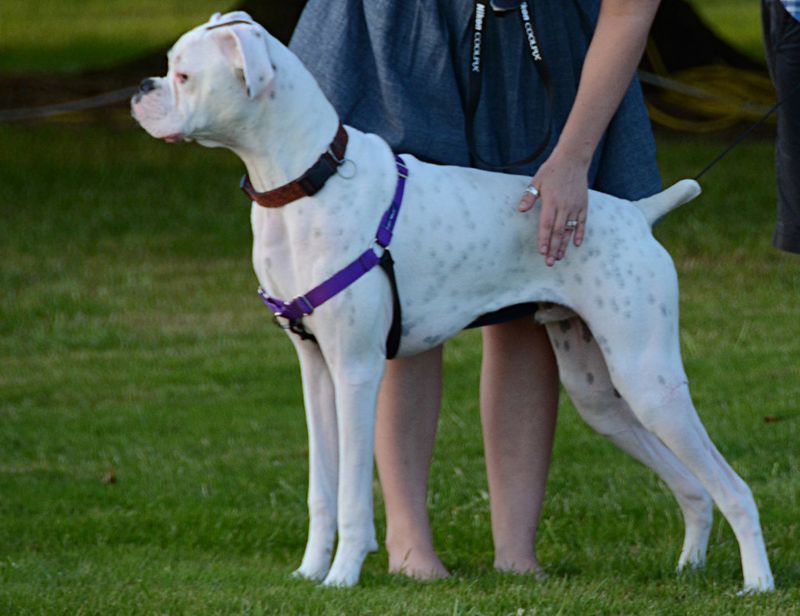
Few greetings are as full-body as a Boxer’s “kidney bean” wiggle, where the whole dog curls sideways with excitement. It’s a beloved quirk among owners and a reliable sign the dog is thrilled to see someone.
Boxers were developed in Germany from hunting mastiff types and later used as police and military dogs, so they do have a watchful side. Still, with good socialization, many become exuberant hosts once they’ve sized up a guest.
Their bouncy play style and tendency to jump can overwhelm small children or older visitors. Boxers also mature slowly, often staying puppyish until about age three, so manners take patience.
Irish Setter
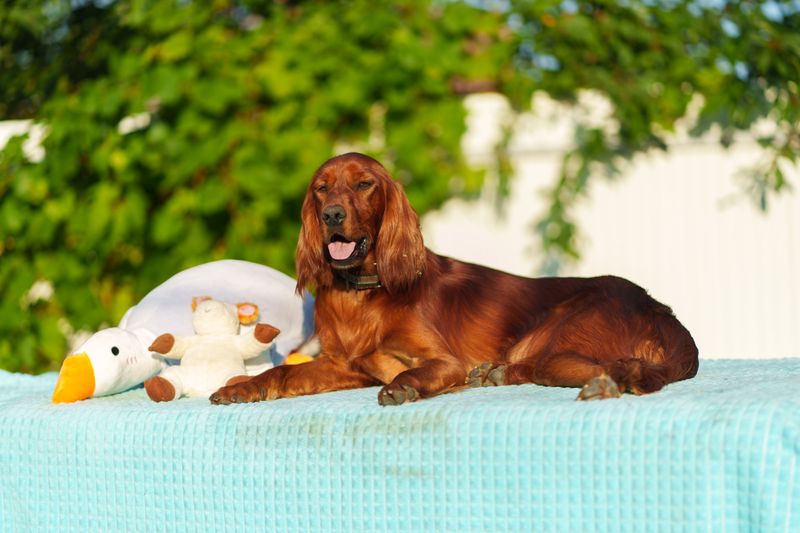
That glossy red coat gets most of the attention, yet the Irish Setter’s outgoing personality is just as striking. Bred as a bird dog in Ireland, the setter worked over long distances with hunters and developed a rollicking, people-friendly temperament.
Many Irish Setters seem to assume every stranger is a potential playmate. That makes them charming at the dog park and fairly useless at guarding the house.
Owners sometimes underestimate how much exercise the breed needs. A bored setter may express its sociable energy by redecorating the couch, so daily running time is a real requirement, not a suggestion.
Bichon Frise
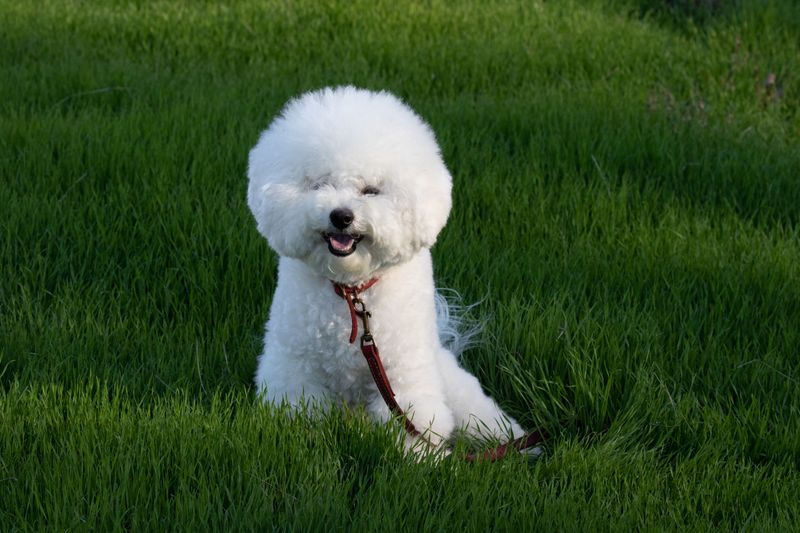
Bichons once earned their keep performing tricks for crowds in European streets and circuses. A dog that panicked around strangers wouldn’t have lasted long in that line of work.
Today, many Bichons still seem to enjoy an audience. They are typically cheerful with visitors and often get along with other pets, which suits busy households where people come and go.
Their powder-puff coat needs regular professional grooming and frequent brushing to prevent mats. Housetraining can also take longer than with some breeds, so consistency pays off.
Newfoundland
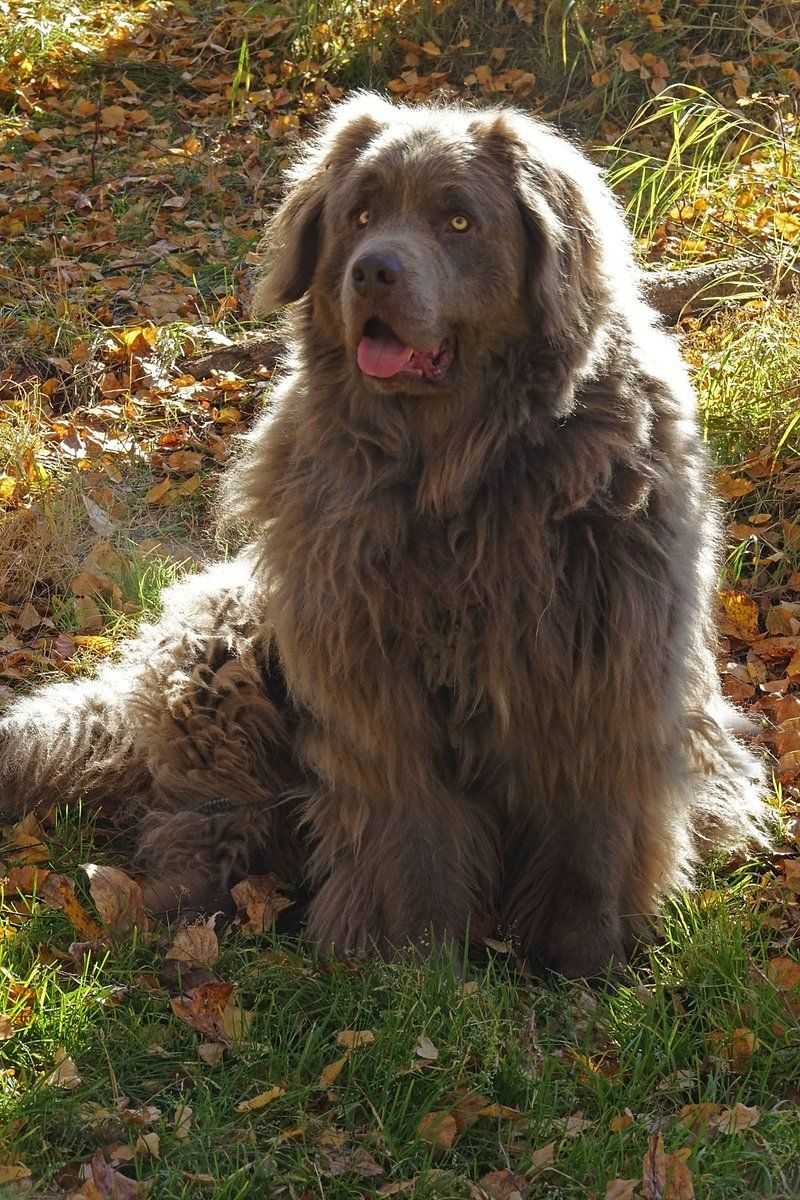
A 130-pound dog that approaches strangers with calm curiosity is a surprisingly common sight in Newfoundland homes. The AKC describes the breed’s temperament as sweet, and its standard calls benevolence the hallmark of the breed.
Newfies worked alongside fishermen and became famous for water rescue, with webbed feet and a water-resistant coat suited for the job. A steady, patient attitude toward people was part of that working profile.
Gentle doesn’t mean low maintenance, though. Expect drool, heavy shedding, and a dog that may accidentally knock over a toddler simply by turning around.
Pug
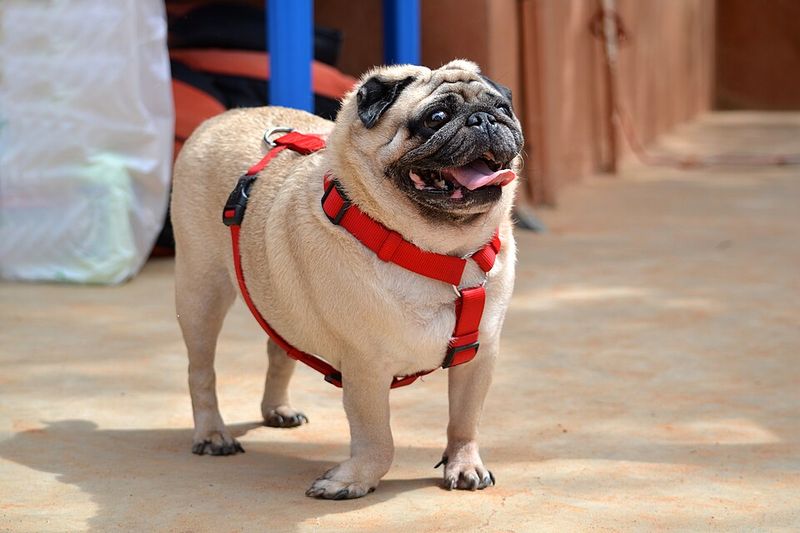
Pugs have one main career goal, and it’s sitting near people. Bred as companions in ancient China and later popular in European royal courts, they have spent their entire history as house dogs.
Many Pugs are delighted to meet new people and tend to be clownish rather than territorial. Their compact size and easygoing attitude make them common apartment dogs.
Owners should know their flat faces can make breathing harder, especially in heat or during exercise. Keeping a Pug lean and cool is one of the kindest things anyone can do for the breed.
English Springer Spaniel
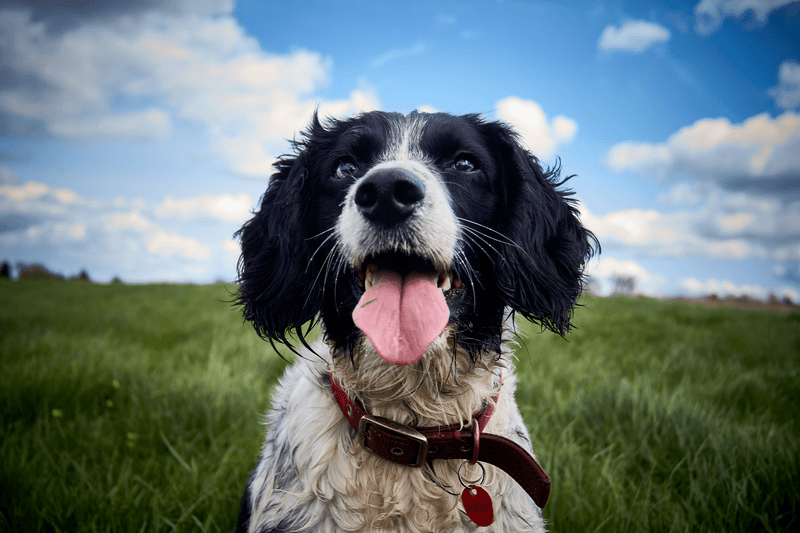
Springers got their name from “springing,” or flushing, game birds into the air for hunters. That bouncy energy often shows up in how they greet people, too.
Most Springers are affectionate and sociable, and they tend to bond with the whole household rather than just one person. Visitors are usually welcomed with cheerful enthusiasm.
Some field-bred lines carry more drive than show lines, so activity levels can vary a lot. Asking a breeder about the parents’ energy and temperament is a smart first step.
Havanese
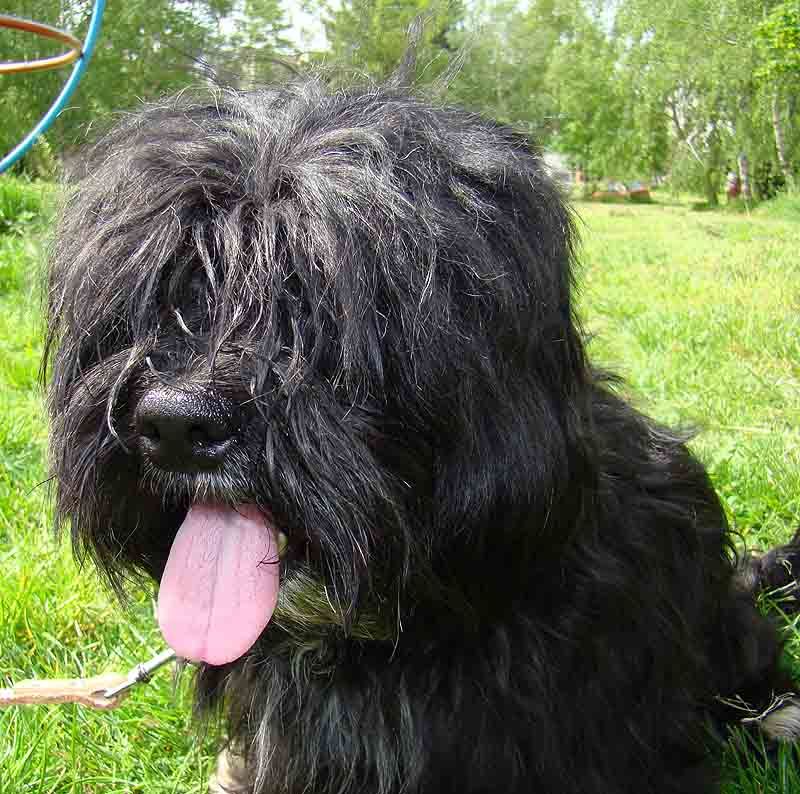
Cuba’s only native breed, the Havanese was a favorite of wealthy families on the island for generations. It nearly vanished after the Cuban Revolution before dedicated breeders in the United States rebuilt the population.
Havanese are typically outgoing and adaptable, comfortable with children, strangers, and city life. Many enjoy learning tricks, which echoes their history as entertaining companions.
Like other companion breeds, some Havanese dislike being left alone for long workdays. Their silky coat also needs regular brushing, whether kept long or trimmed short.
Australian Labradoodle
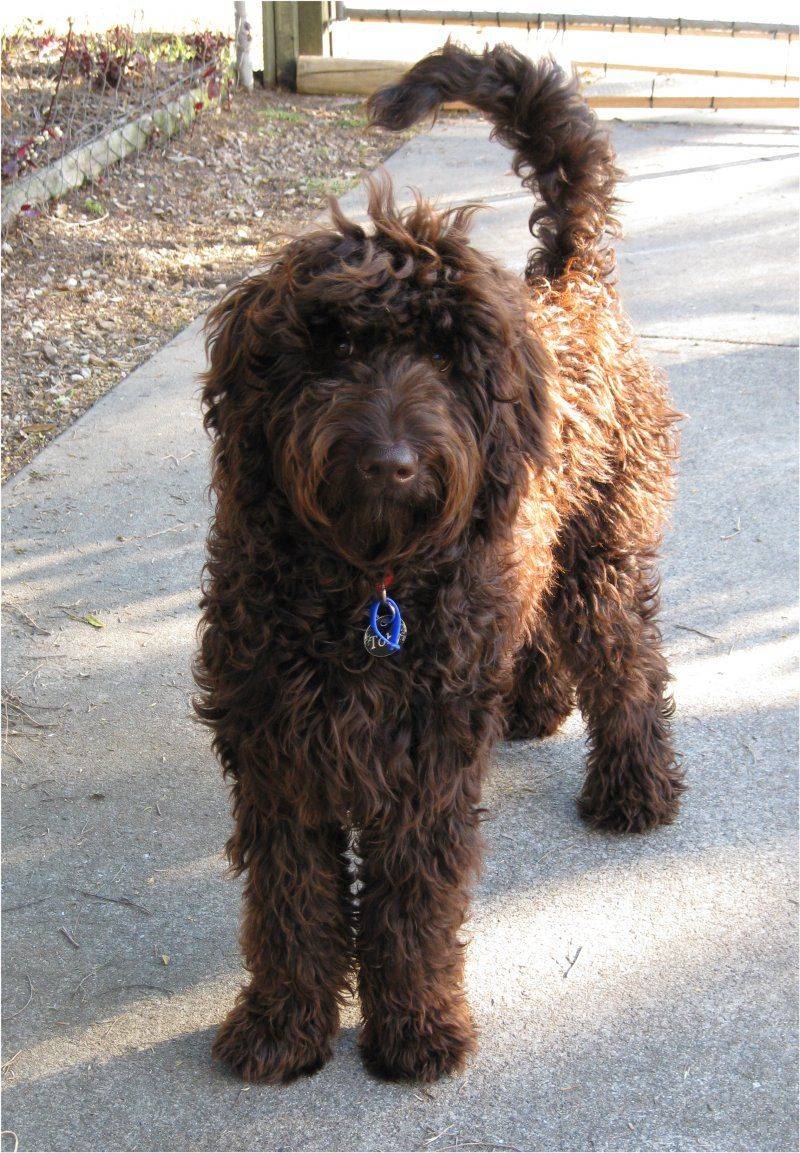
Standard Poodle is the more accurate name for this slot, since designer mixes don’t belong on a breed list. Poodles are frequently misjudged as fussy, but the standard variety was developed in Germany as a water retriever.
Most Standard Poodles are friendly and sociable, though some are a touch more discerning at first than a Golden. Once comfortable, they tend to be playful and quick-witted with guests.
Their curly coat sheds little but grows continuously, so grooming every few weeks is part of the deal. Mental challenges matter, too, because a bored Poodle invents its own projects.
Chow Chow
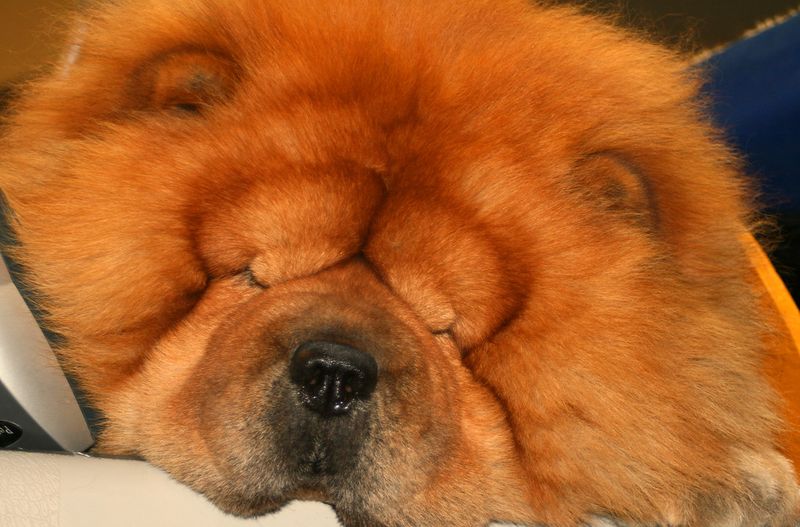
Now for the dogs that take a different approach. The Chow Chow is often described by the AKC as dignified and aloof, and many individuals reserve affection for their own family.
Chows have an ancient history in China as guard and general-purpose dogs. That background helps explain why a Chow may simply ignore an eager stranger trying to pet it.
Early, gentle socialization is especially valuable for this breed. Guests should be encouraged to let a Chow approach on its own terms instead of reaching for that famous lion-like ruff.
Akita
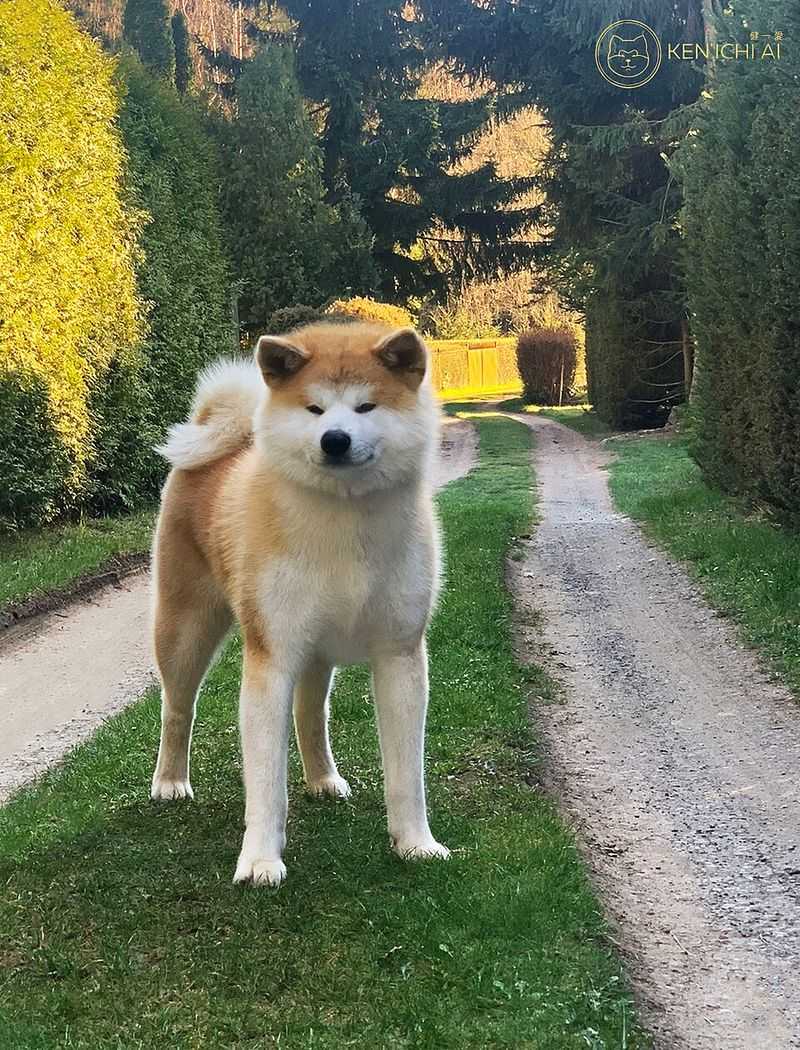
In Japan, the Akita is a symbol of loyalty, made famous by Hachiko, the dog who waited at a Tokyo train station for years after his owner died. That deep attachment tends to focus on family, not strangers.
Akitas were used for hunting large game and guarding, and they are commonly reserved or wary with unfamiliar people. Many are also less tolerant of other dogs, particularly of the same sex.
Experienced owners who use calm, reward-based training tend to do best with this powerful breed. Socialization doesn’t make an Akita a party host, but it helps it stay composed around visitors.
Shiba Inu
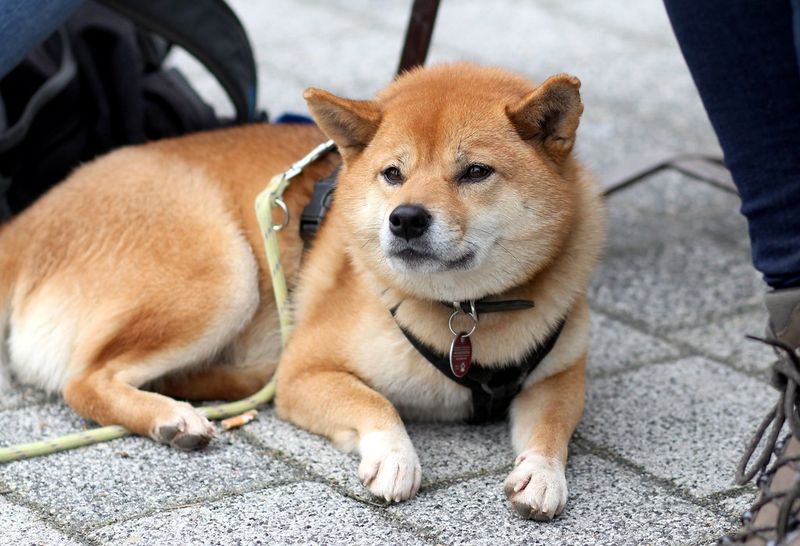
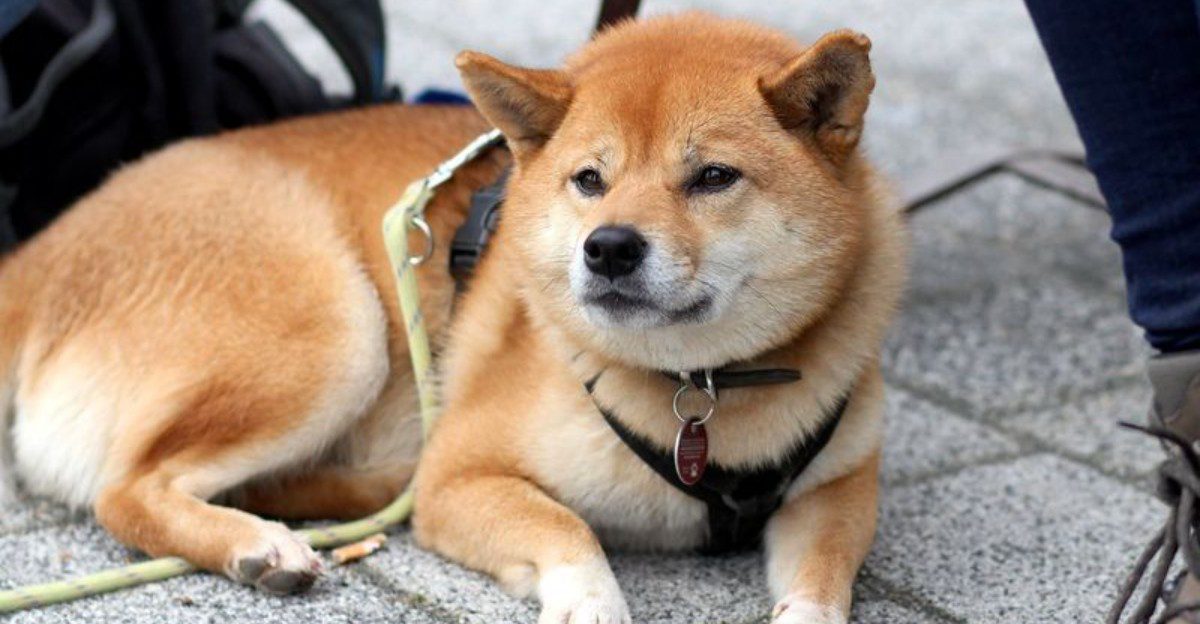
Shiba owners often joke that their dog acts more like a cat, and the comparison holds up. Japan’s smallest native spitz breed is known for independence and a self-possessed attitude.
Many Shibas are polite but uninterested with strangers, and some dislike being handled by people they don’t know. They may also let out the dramatic “Shiba scream” when unhappy, which can startle unprepared vets and groomers.
None of that means a Shiba is unfriendly at home. It simply chooses its people carefully, and respecting that choice is the quickest way to earn its trust.
Whether your dog greets everyone or picks favorites, both styles are normal. If a once-social dog suddenly turns withdrawn, though, a vet visit is worth scheduling, since behavior changes can signal pain or illness.