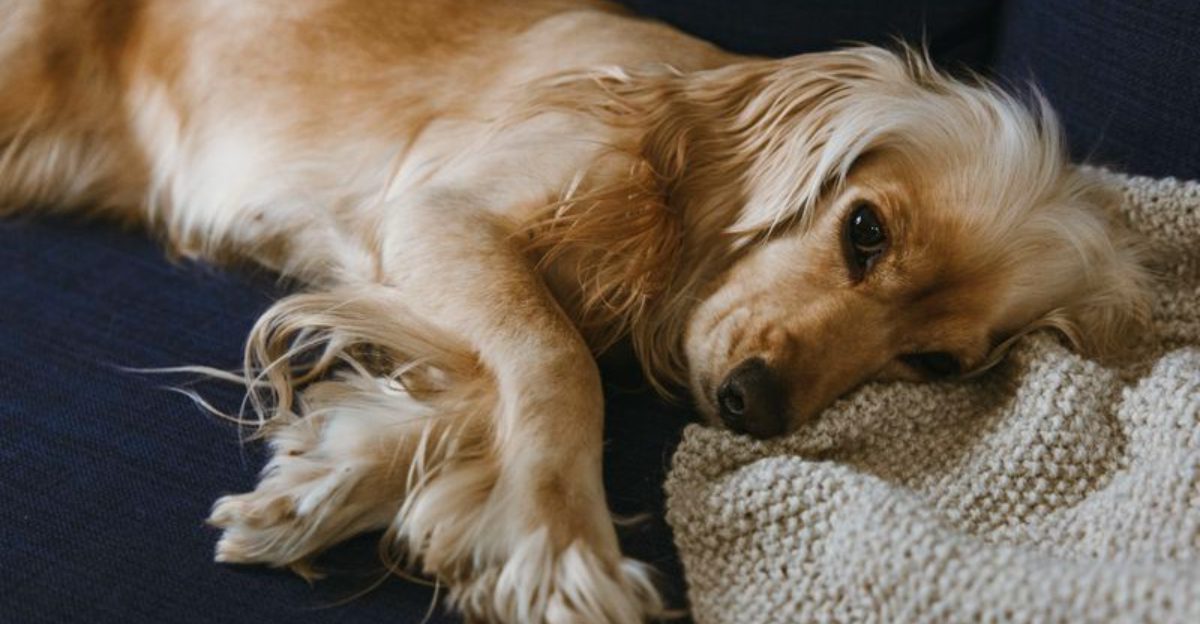
Plenty of dogs love car rides, but some feel nervous or sick before you even start the engine. The good news is that most causes are simple and fixable with patience and small changes.
Understanding what your dog feels can turn a stressful trip into a smooth one. Try these friendly ideas to help your buddy ride with confidence and comfort.
Motion sickness
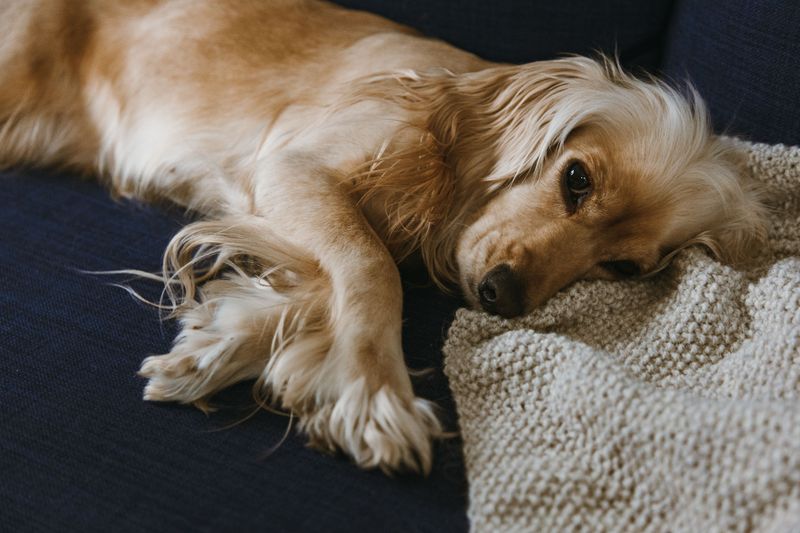
That queasy look is not drama. Many dogs truly feel carsick, especially young ones whose inner ears are still developing.
Cool air, a steady view facing forward, and smooth driving can calm the tummy. A sturdy crate or seat-belt harness limits swaying.
Offer a small treat with ginger if your vet approves, and keep meals light before rides. Plan frequent breaks for fresh air.
If sickness persists, ask your veterinarian about safe anti-nausea options.
Anxiety from previous bad experiences
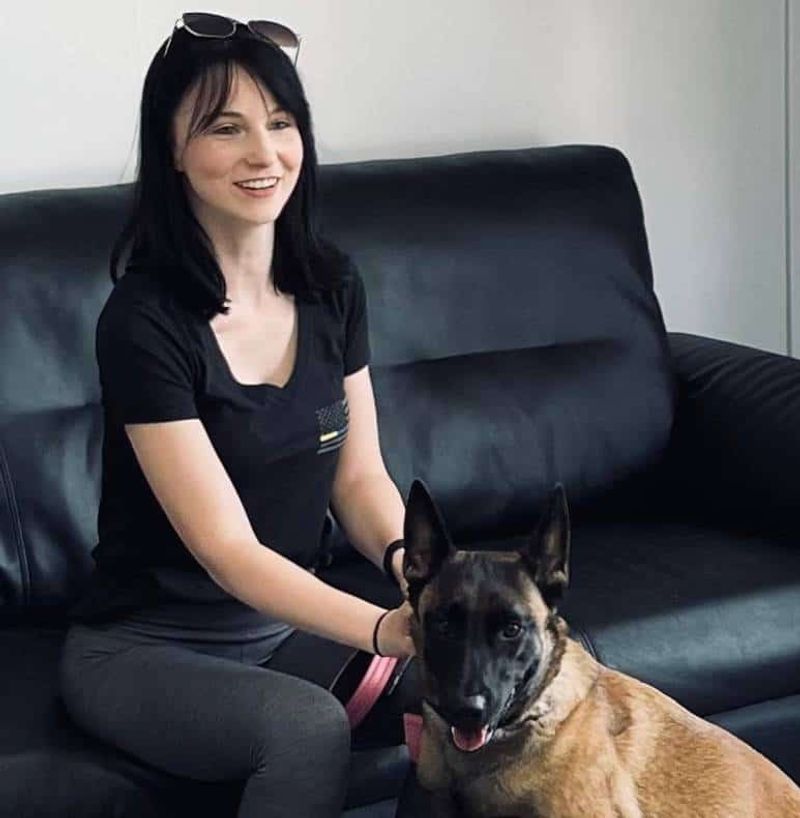
One scary ride can echo for months. Maybe a loud crash, a windy window, or a rough turn taught your dog that cars predict trouble.
Gentle counterconditioning helps rewrite that story. Start with the car parked, engine off, and reward your dog for just approaching.
Build slowly to sitting inside, then engine on, then tiny rides. Pair every step with calm praise and yummy rewards.
Patience helps fear fade into new memories.
Lack of gradual car training
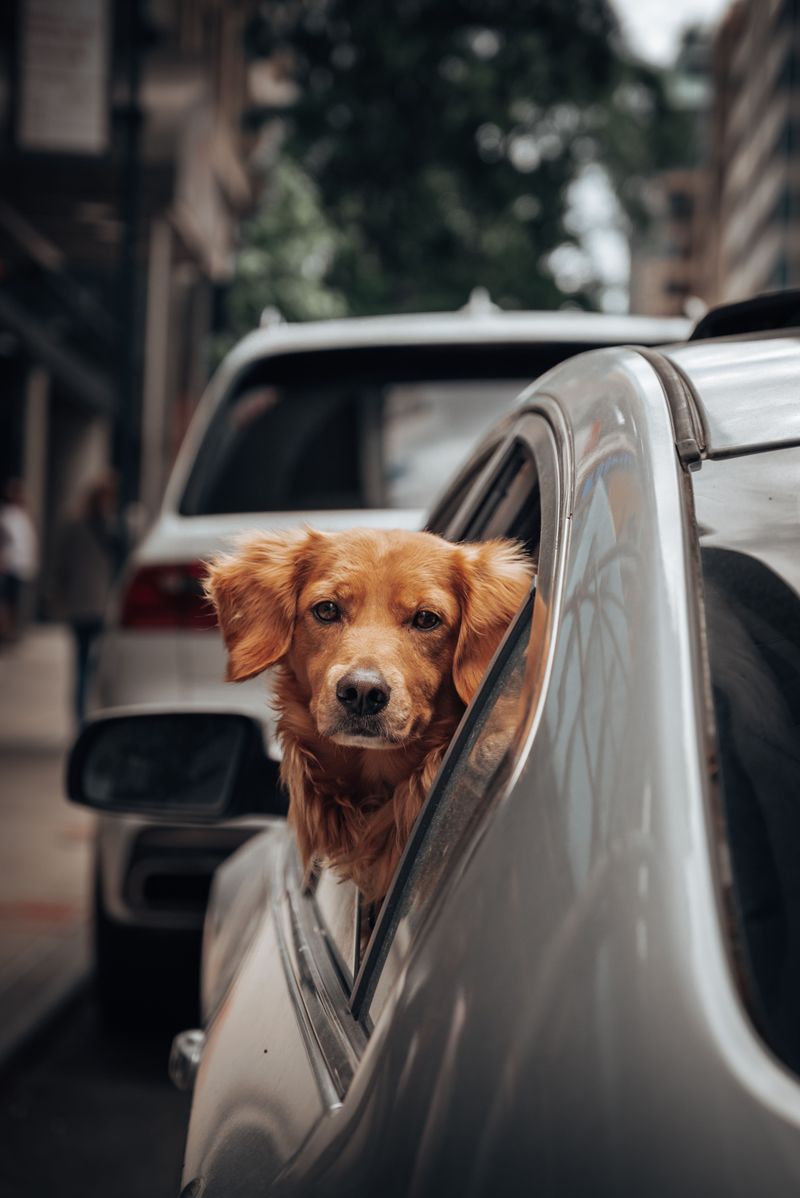
Skills grow best in small bites. Instead of jumping straight into a highway trip, teach car habits the way you teach sit or stay.
Feed near the parked car, then reward for hopping in and relaxing with the door open. Keep the engine silent at first.
Next, add the sound of the engine for a minute, then shut it off and treat. Graduate to one-minute drives.
Finish every step while your dog still feels calm.
Riding only to stressful destinations
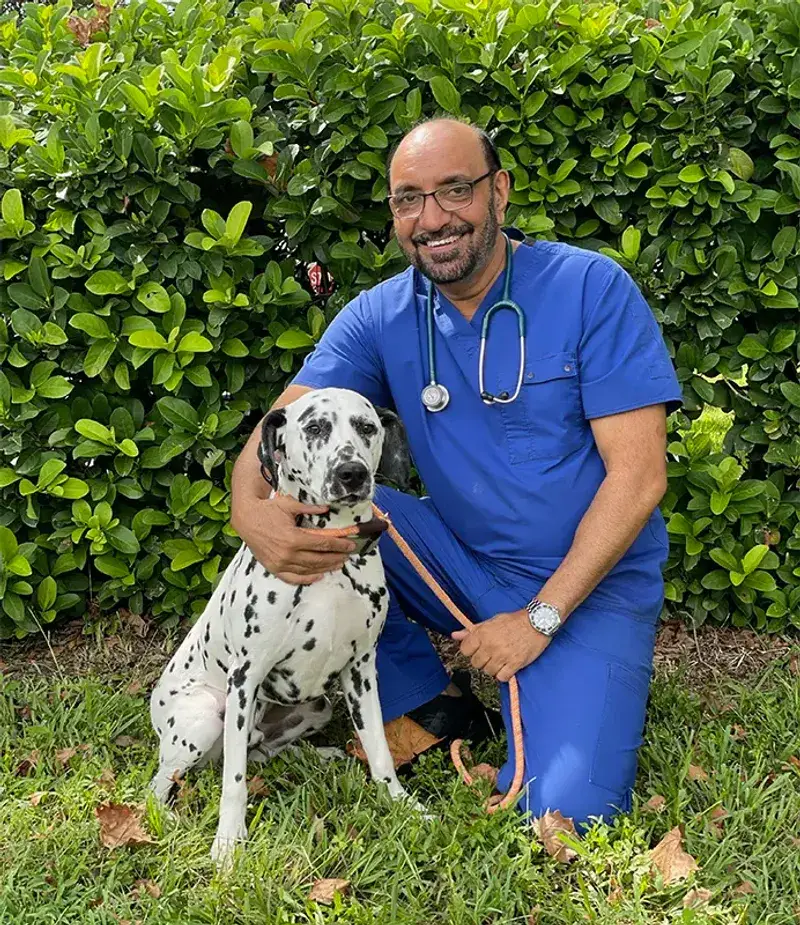
Imagine if every ride ended at the vet. You would dread the seat too.
Mix in trips to fun places like a quiet park, a safe trail, or a friend’s yard. Keep the first happy visits short so the memory shines.
Bring toys, sniff breaks, and a snack picnic. When your dog learns that the car can lead to joy, the balance shifts.
Soon, stressful visits become just one small part of the story.
Poor ventilation
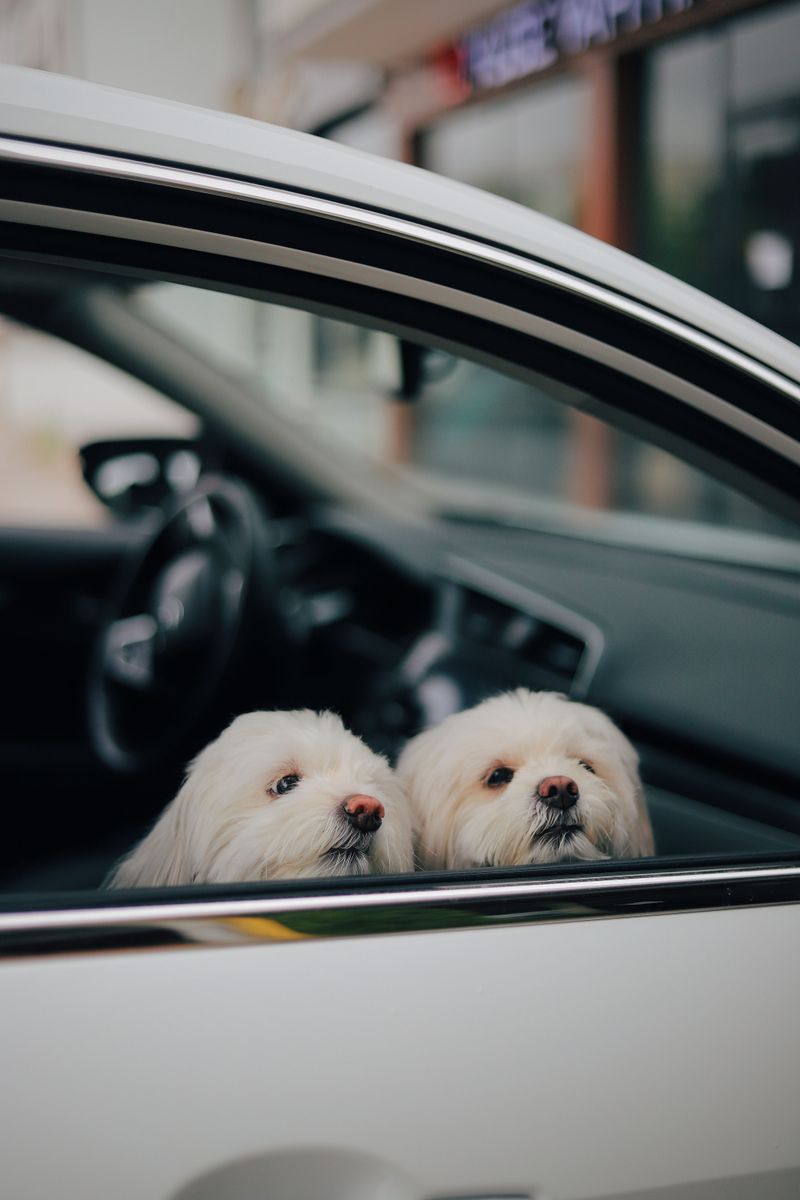
Stuffy air can make any ride feel rough. Dogs cool themselves by panting, so fresh airflow matters.
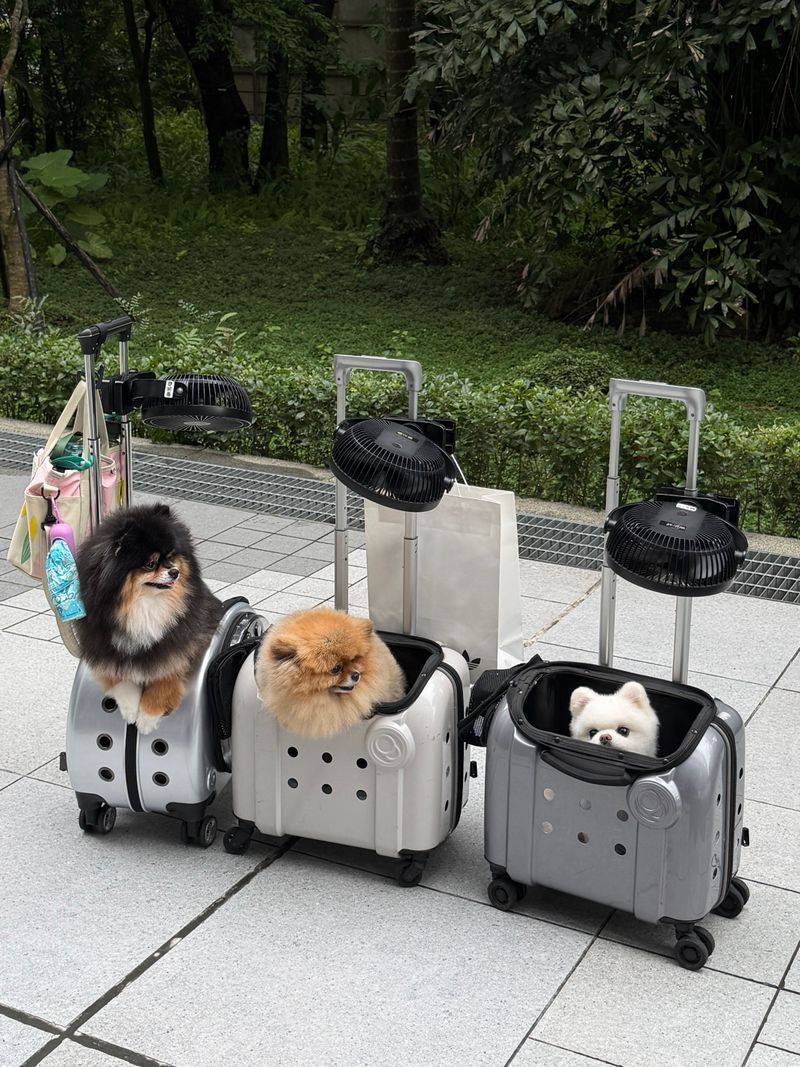
Use rear vents, a fan designed for crates, or cracked windows while your dog is safely restrained. Avoid blasting strong scents like air fresheners.
Skip head-out-the-window habits to protect eyes and ears. Shade the sunny side, and keep the cabin cool before loading your dog.
Comfortable breathing eases nerves and can reduce queasiness too.
Unstable footing during travel
Surfing the back seat is not fun when every turn feels like a slide. Wobbling paws can spike stress.
Add a grippy mat, a well-fitted harness, or a secured crate to keep the ride steady. Lowering the seating position helps, too.
Check that the crate does not rattle and that bedding will not bunch up. Smooth acceleration and slow braking prevent jolts.
Stability builds confidence, mile by mile.
Entering the car under pressure
Rushing or lifting a hesitant dog can turn the door into a scary gate. Choice changes everything.
Teach an inviting cue, place a favorite mat inside the car, and reward any step toward it. Keep the door wide open and the engine off at first.
Use a ramp for seniors or tiny pups. Short, choice-filled sessions show your dog that entering the car leads to comfort and payoffs.
Riding on a full stomach
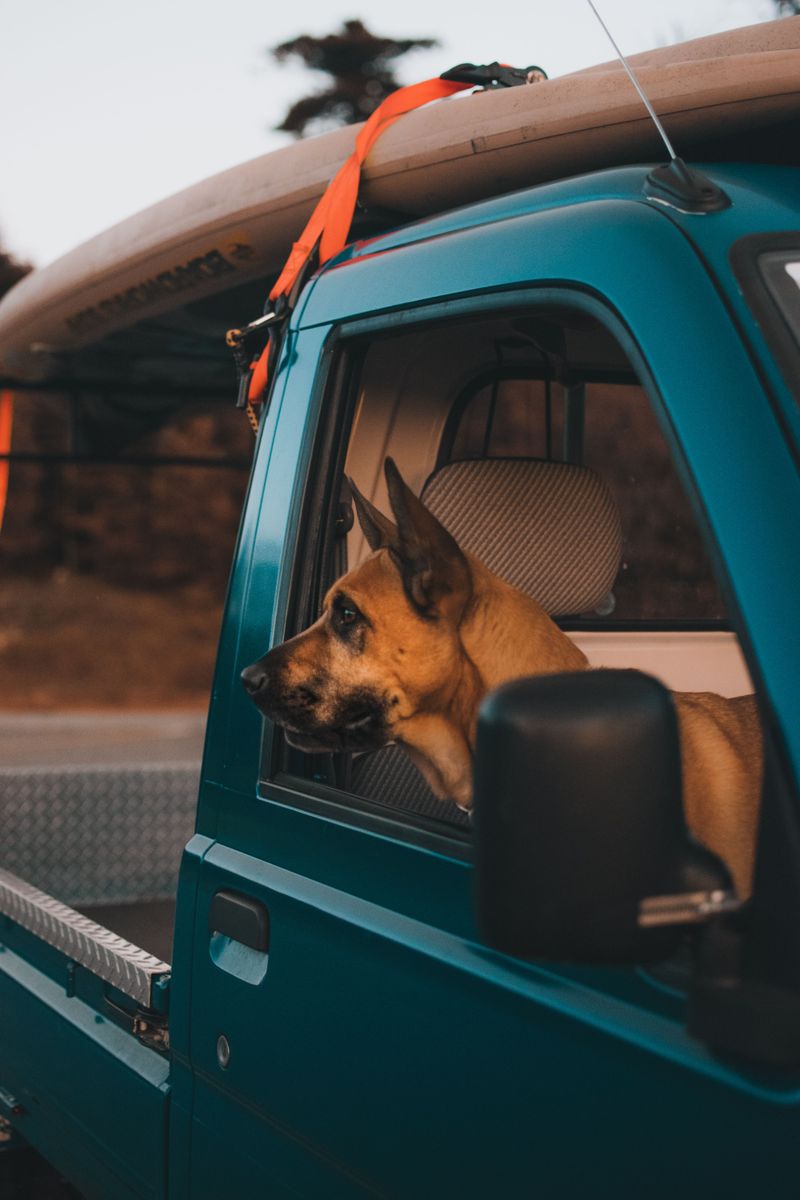
Big meals and bumpy roads are a tough mix. A full belly increases nausea, drool, and burps.
Offer a smaller portion and wait two to three hours before driving. Water is fine in sips so your dog stays hydrated without sloshing.
For long trips, plan light snack breaks instead of one heavy feast. Keep treats tiny and simple.
Gentle fueling helps the stomach stay calm while the wheels roll.
Excessive heat inside the vehicle
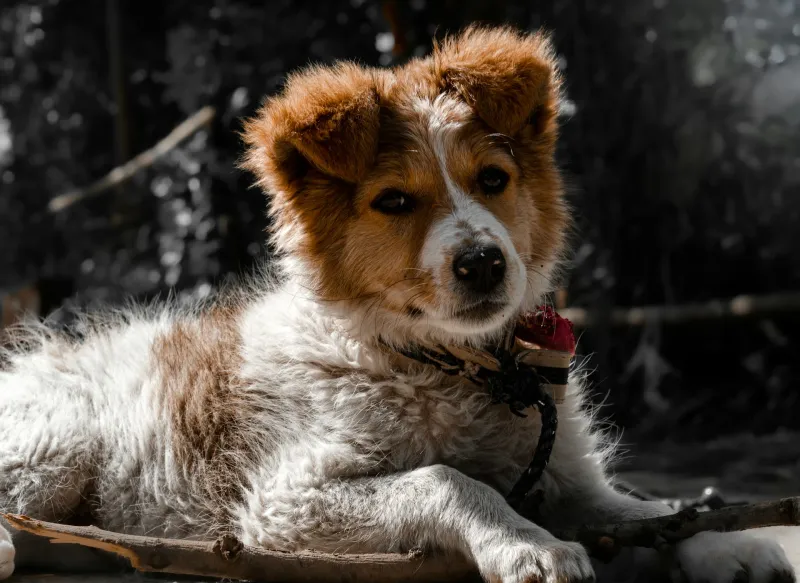
Cars heat up fast, even with clouds. Dogs can overheat quietly, then crash.
Pre-cool the cabin, park in shade, and use sunshades. A cooling mat and a travel fan help keep temperatures safer.
Offer water at every stop.
Never leave your dog alone in a parked car, not even for a quick errand. Heat climbs in minutes.
Cool comfort keeps hearts and heads happy.
Overwhelming sights and sounds
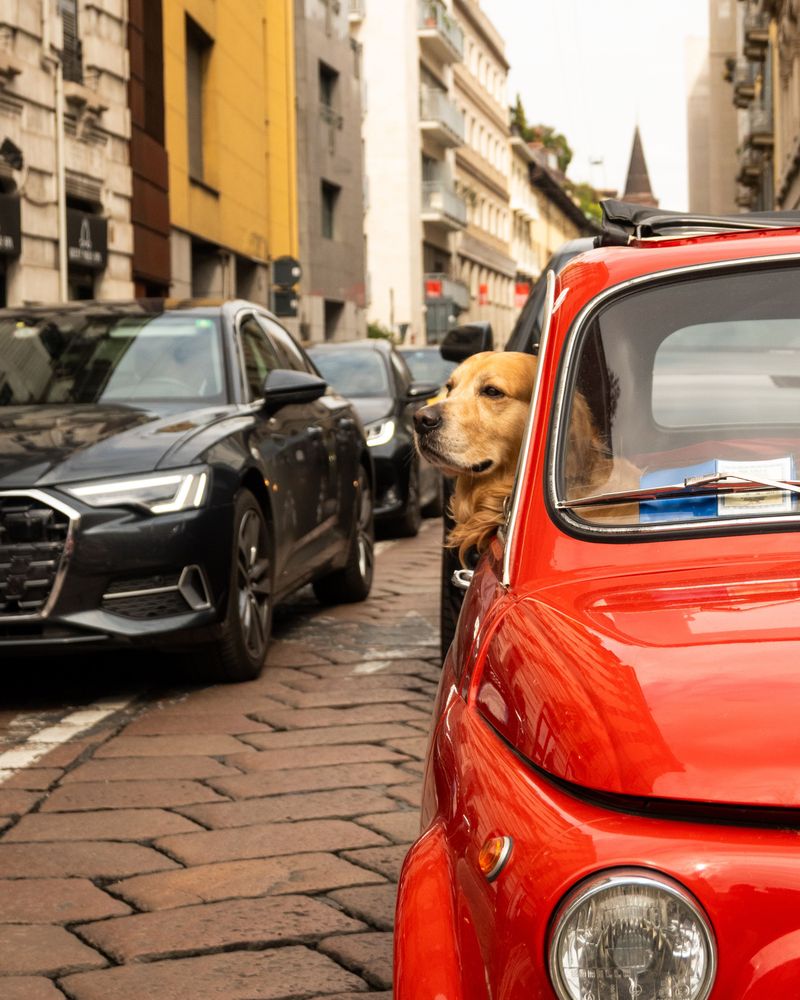
City flashes, roaring trucks, and honking can overload sensitive dogs. Reduce the show.
Use window shades or a breathable crate cover to soften the view. Play gentle white noise or soothing music to mask harsh sounds.
Choose quieter routes when possible.
Practice brief exposures, then return to calm spaces. As your dog learns that the world stays predictable inside the car, fear often fades into steady breathing and loose shoulders.
Short, positive practice trips
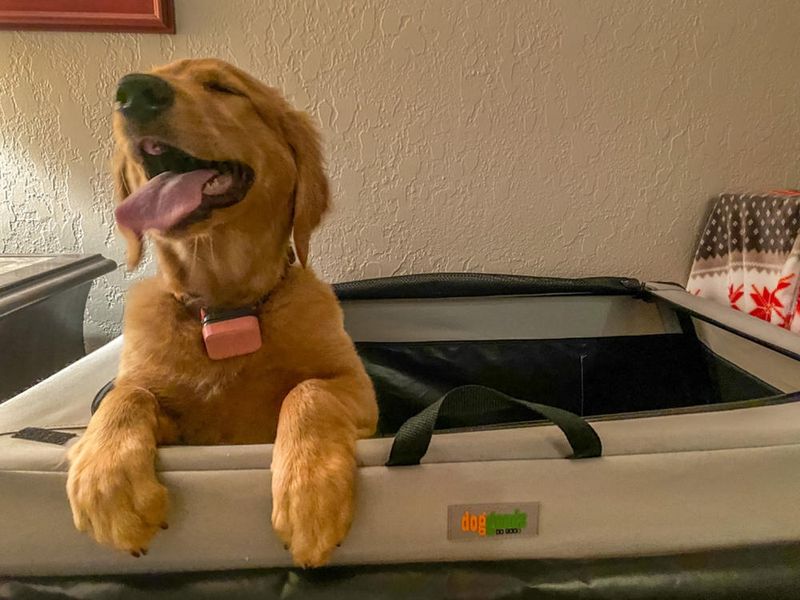
Wins stack up quickly when they are tiny. Take five-minute loops that end with a sniffy walk or a snack at home.
Keep the vibe upbeat, then quit while your dog still feels relaxed. Consistent routines teach the body to expect calm.
Track progress in a simple journal and celebrate small steps. After a week or two, add distance.
Confidence grows best when each trip feels easy and rewarding.