
Some dogs act cranky or spacey when what they really need is more rest. Busy brains and constant activity can leave them frazzled, just like people.
Quiet breaks help behavior, focus, and training stick better. Let’s look at how built-in downtime helps high-energy breeds feel calmer and think more clearly.
Border Collie
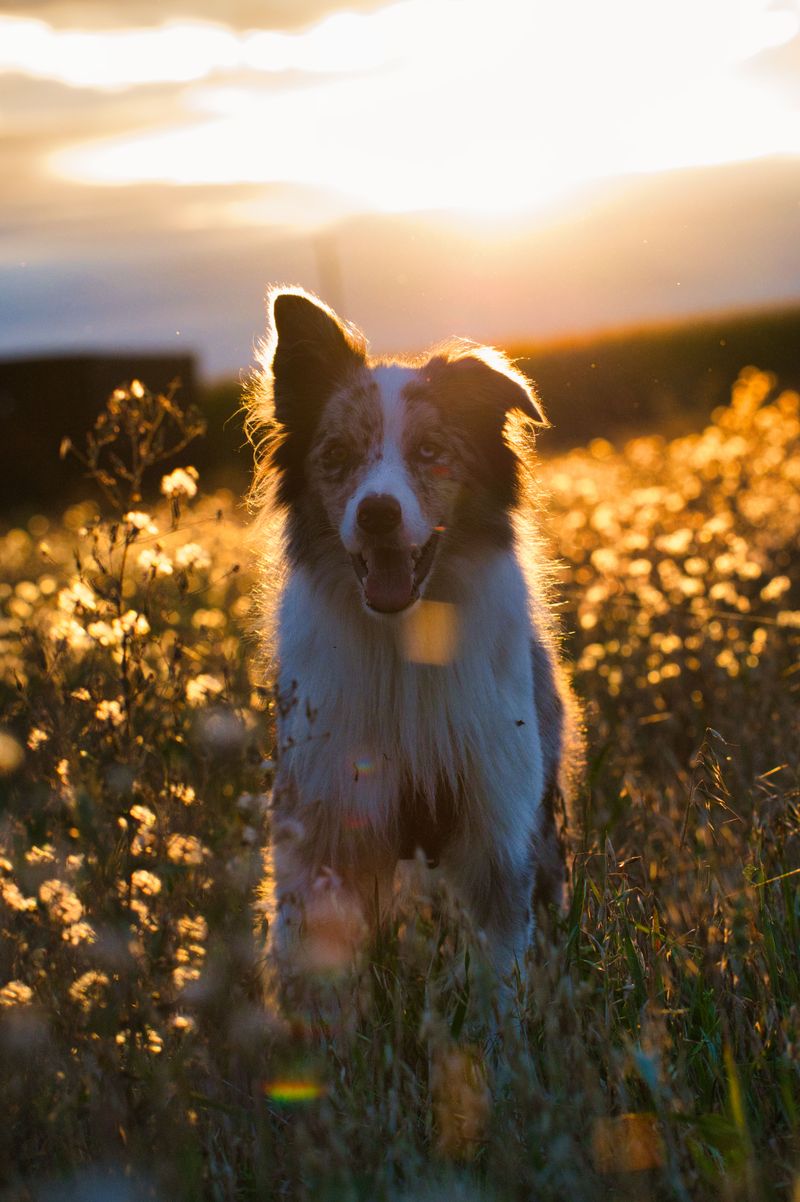
Ever seen a Border Collie stare at shadows when nothing is happening? That sharp brain gets overloaded fast without quiet time.
Irritability often appears when mental puzzles outnumber naps.
Plan short pasture walks, then a calm crate break with a chew. Use a cool, dim room to lower stimulation, and swap intense fetch for sniffing games.
A 20 minute decompression stroll followed by 40 minutes of rest can reset focus.
Australian Shepherd
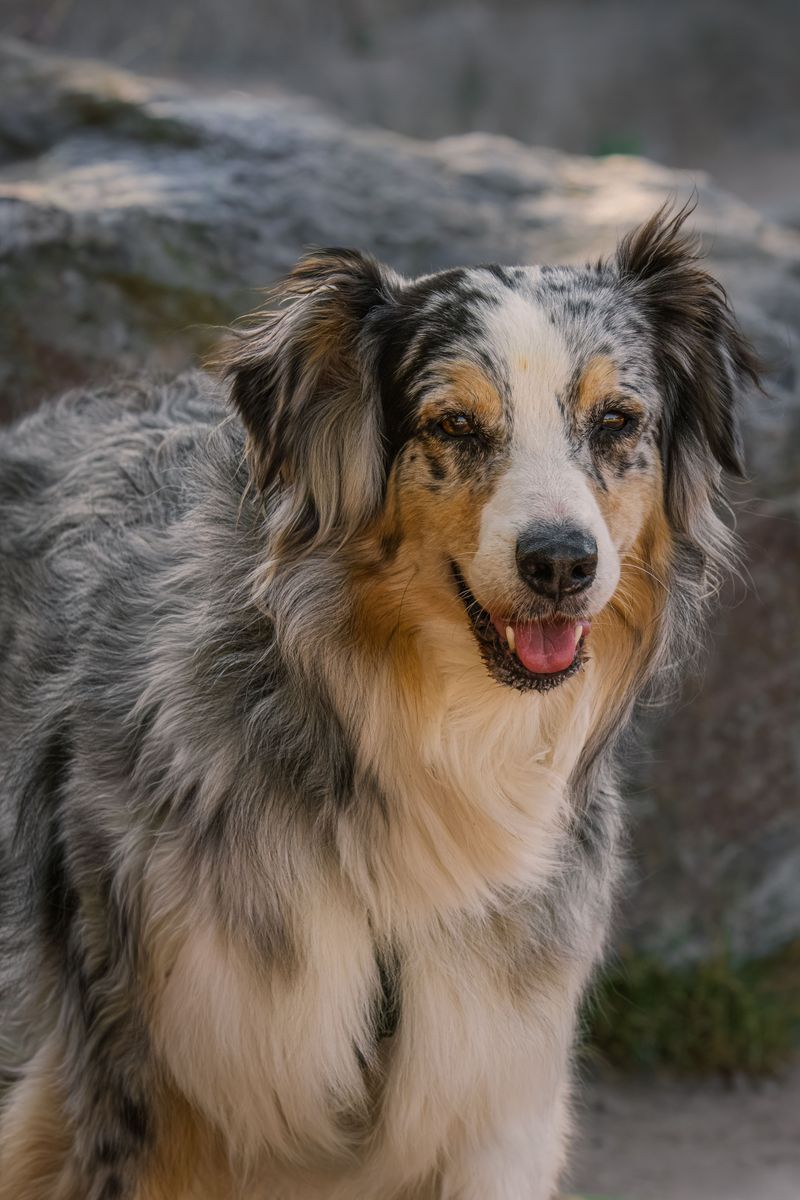
Always herding the living room, the Aussie can forget how to power down. When every sound gets a reaction, patience runs thin.
Rest teaches the body to relax and the mind to settle.
Try a routine: brisk play, water, potty, then a 60 minute quiet time in a low-traffic room. Calming music, a stuffed Kong, and a predictable schedule reduce fussing.
Many owners notice fewer nips and better listening after structured chill breaks.
Belgian Malinois
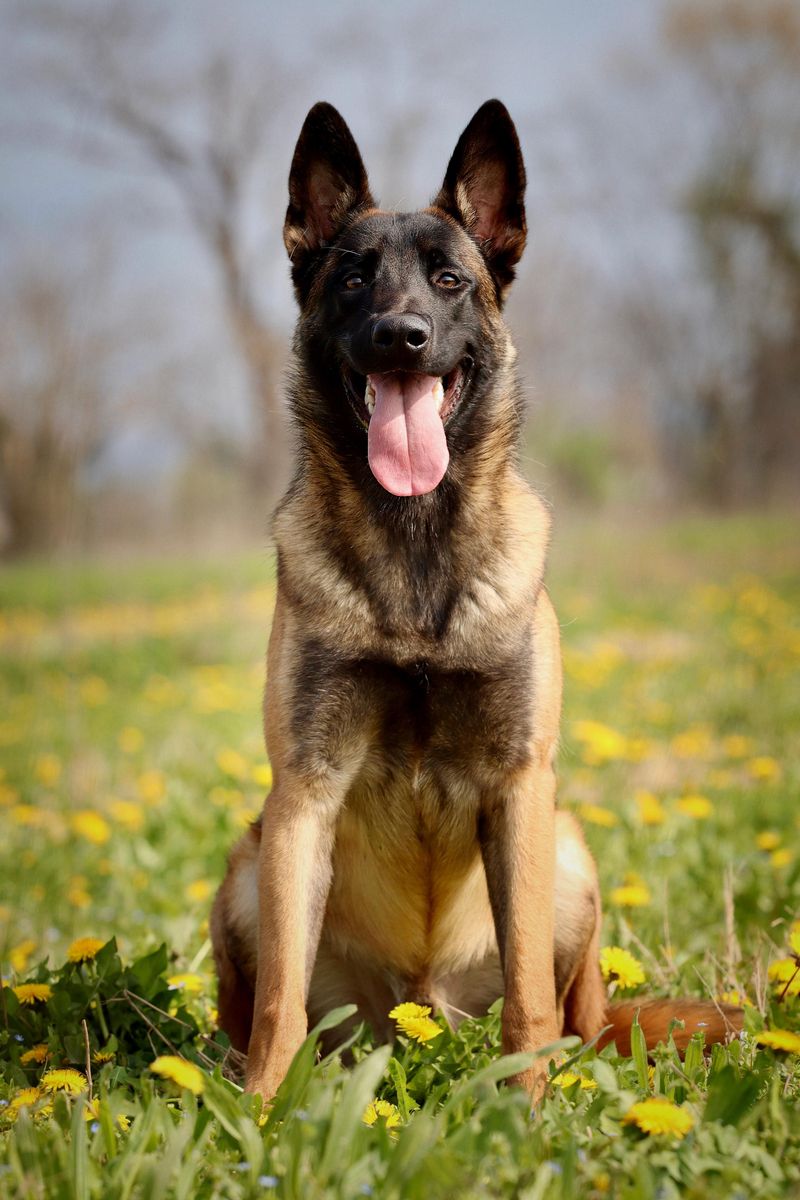
Built like an athlete, the Malinois often acts like it must be on duty. Constant scanning spikes stress and makes training messy.
Strategic pauses actually sharpen performance.
Schedule off-switch drills: short obedience, then place on a mat for quiet breathing. Keep visitors from engaging during rest windows so stimulation stays low.
Chew sessions and gentle petting help nervous systems settle. After consistent downtime, many Malinois display cleaner grips, smoother heelwork, and fewer edgy outbursts.
German Shepherd
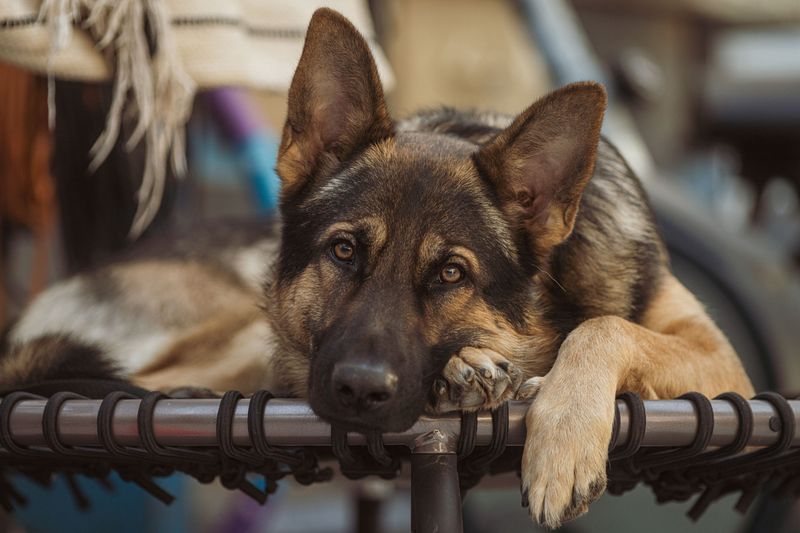
Big bark, bigger heart, the GSD can carry household worries like a guard on overtime. Overwatch turns into grumpiness when sleep is short.
Quality rest lowers that burden.
Teach a settle cue paired with a comfy cot. After a walk, guide to the cot and reward calm breathing and soft eyes.
Close curtains to block triggers, then use a white noise fan. Expect better recall and kinder greetings when daily quiet periods are protected.
Australian Cattle Dog
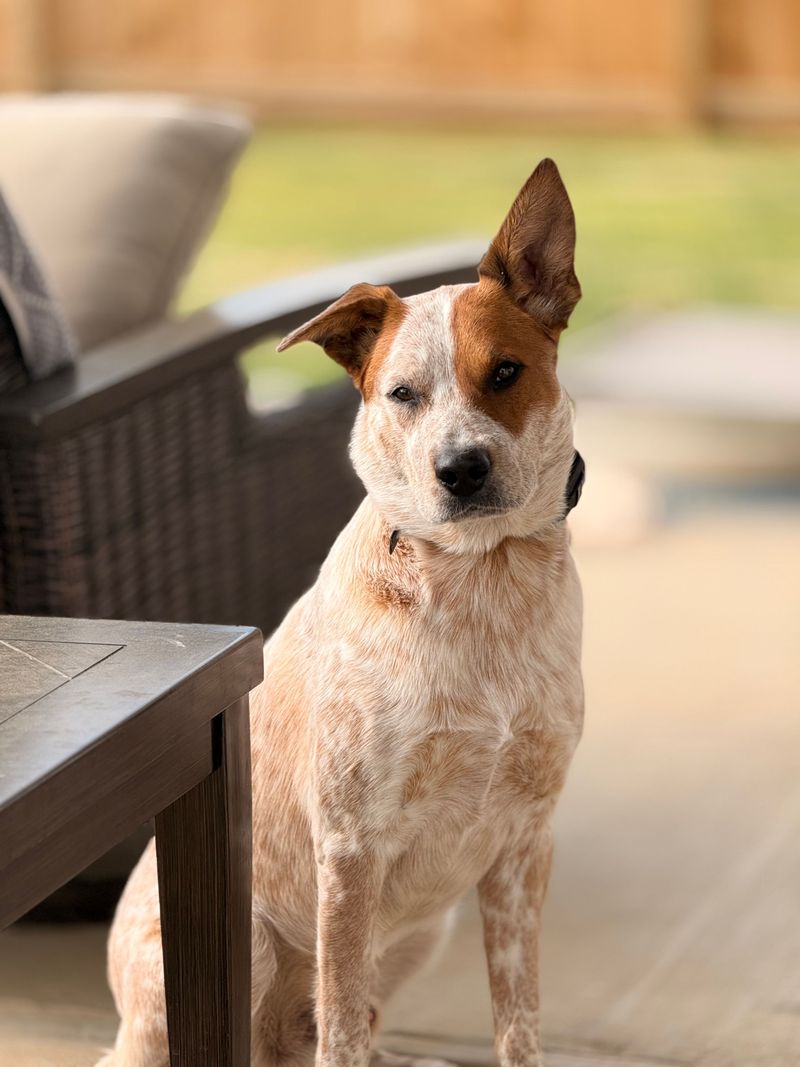
Tough as nails and always ready, the Heeler can get snappy when the engine runs hot. Grit is great for work, not for rest.
Cooling the jets prevents cranky reactions.
Rotate tasks with pauses: brief tug, then a sniffy yard break and place time. Provide a frozen lick mat to slow the mind.
Ten quiet minutes after each excitement burst helps reset. With practice, the dog chooses to relax sooner and argues less about everything.
Jack Russell Terrier
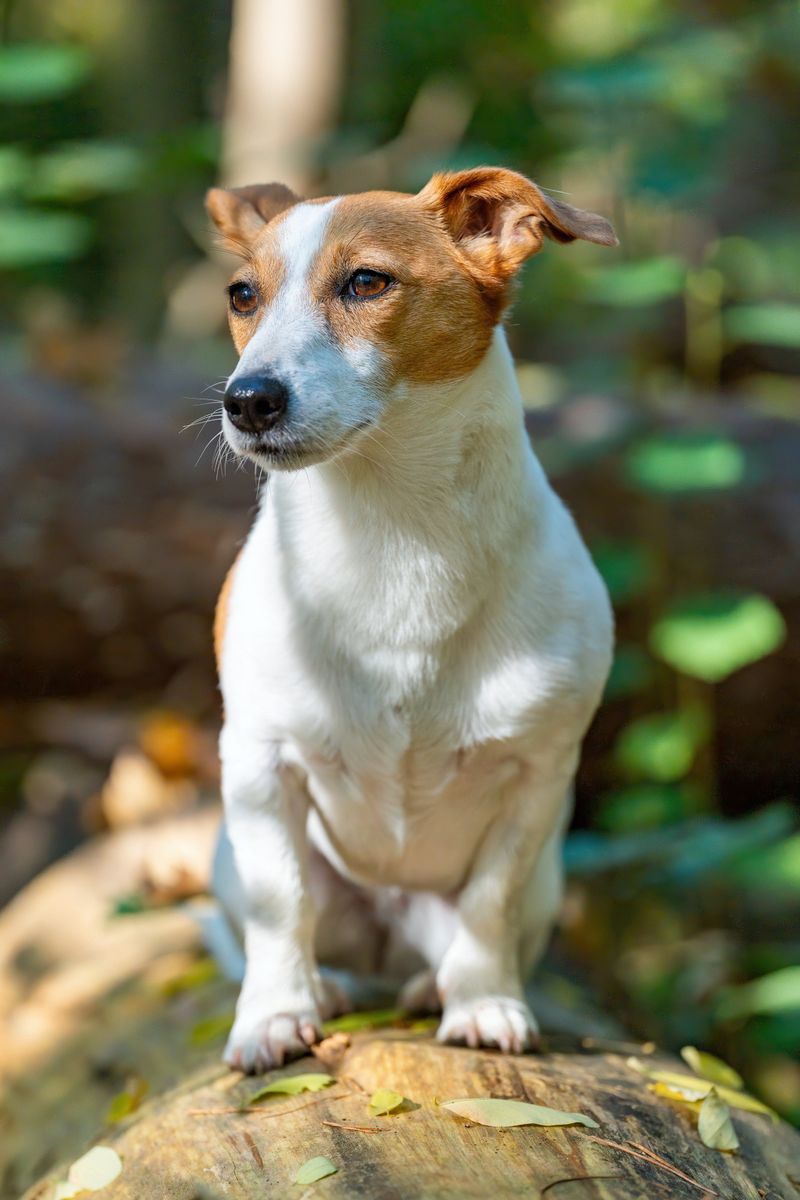
Small body, rocket engine. The Jack Russell’s pop-up energy can flip to crankiness when sleep debt builds.
Calm moments keep the spark bright without the blast.
Use scatter feeding during walks, then return home for a crate siesta. Cover three sides of the crate to cut visual noise.
Rotate brain games with guaranteed nap slots, like school periods. Owners often report fewer zoomies and less barking when rest becomes a planned part of the day.
Siberian Husky
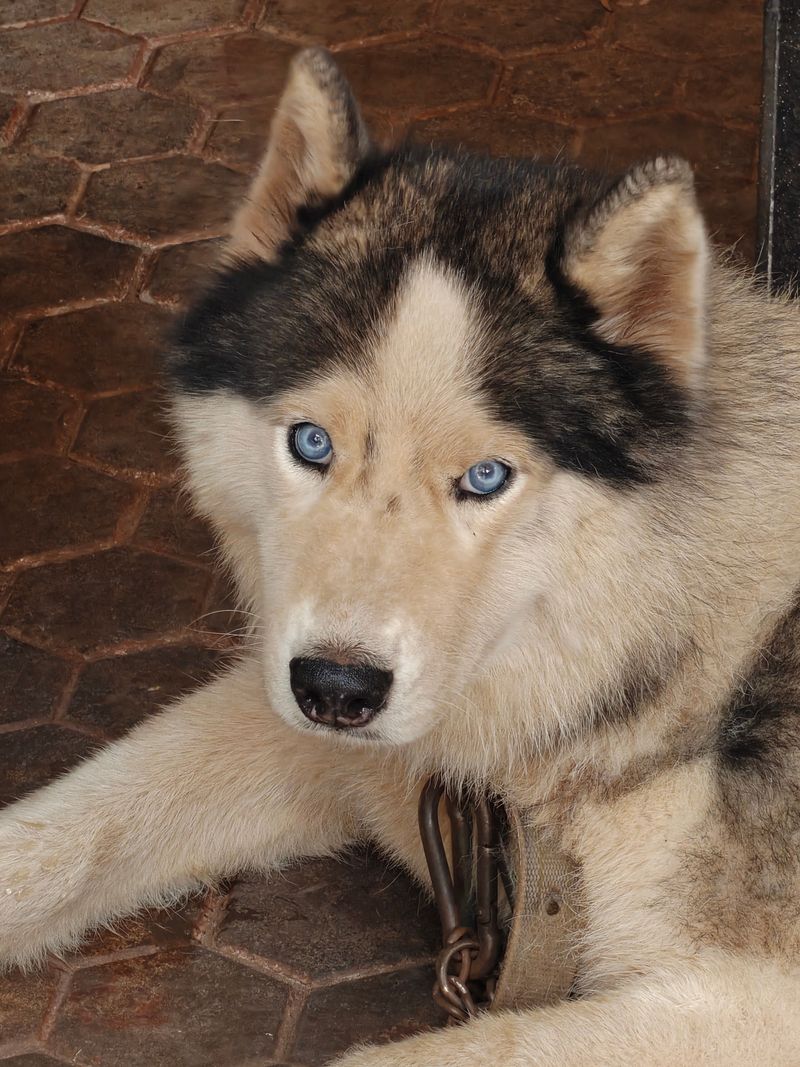
Known for drama and song, the Husky can get moody when overstimulated. Too much action plus heat or noise spells mischief.
Recovery time restores that friendly vibe.
Offer cool spots, plenty of water, and quiet hours after exercise. Replace endless runs with sniff walks and sled-pulling practice only on planned days.
Teach a park-break exit so you can leave before overload. With better pacing, many Huskies whine less, listen more, and keep their playful charm.
Dalmatian
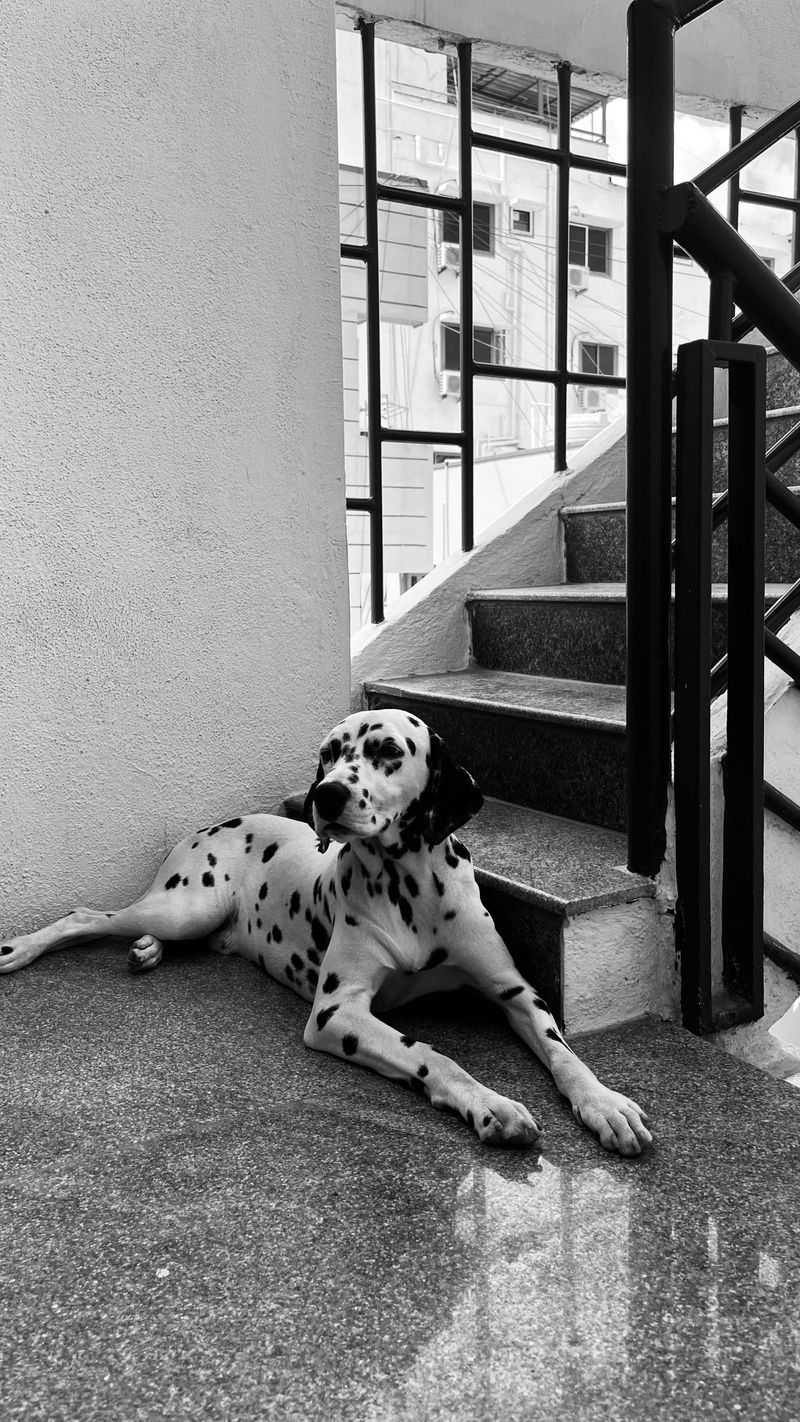
Spots and sparkle are fun until nerves fray. Dalmatians can get scattered when every outing is high excitement.
Calm time smooths the edges and boosts attention.
After play, guide to a patio or quiet room for 45 minutes of no-fuss rest. Offer a safe chew and a breathable bed.
Keep greetings low-key during this window. Many owners notice calmer leash manners and easier vet visits once the dog learns that chill time always follows big adventures.
German Shorthaired Pointer
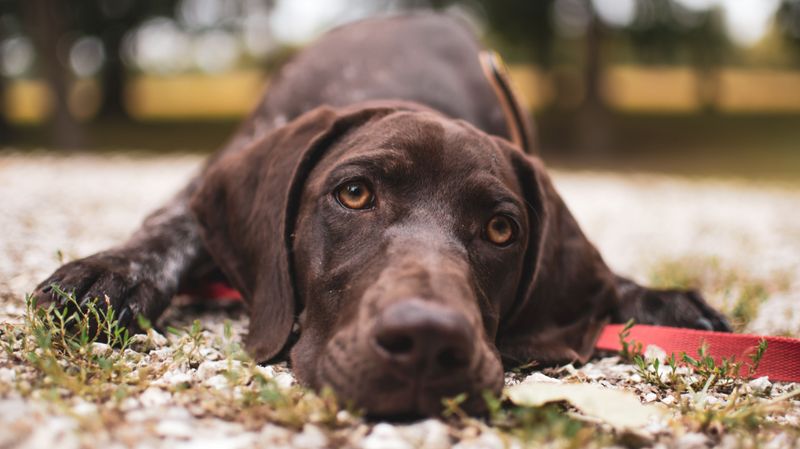
Nose on a mission, the GSP can forget off-time exists. When hunts or games run long, patience runs out.
Structured breaks protect that eager spirit.
Think intervals: track, water, then a shaded settle on a blanket. Use calm praise for relaxed muscles and soft ears.
Add a chew that encourages slow licking. With consistent rhythm, the dog learns to toggle between work and rest, which means steadier focus and fewer frantic pulls when excitement spikes.
Boxer
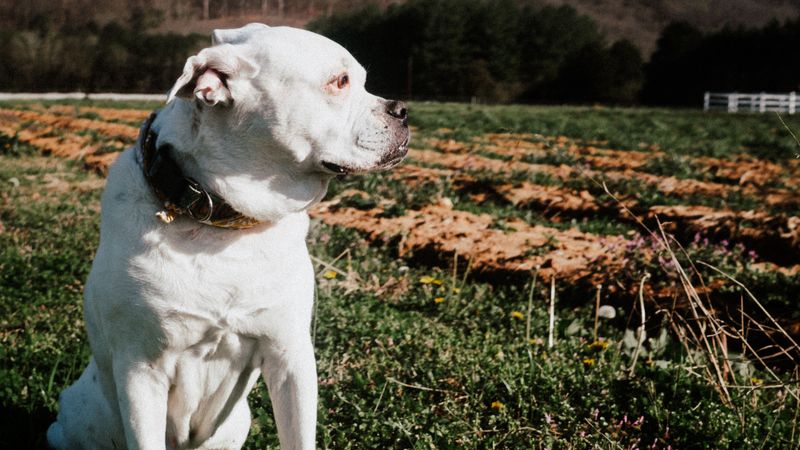
Goofy by nature, Boxers can flip from clown to grouch when overstimulated. Sleep acts like a mood button.
Press it often for happier play later.
Create a wind-down ritual: short walk, drink, bathroom, then lights low and a soft bed. Keep visitors from riling the dog during rest blocks.
Add a slow feeder at dinner to prevent sugar spikes. Families report friendlier play sessions and fewer jumpy bursts when naps are non-negotiable.
Weimaraner
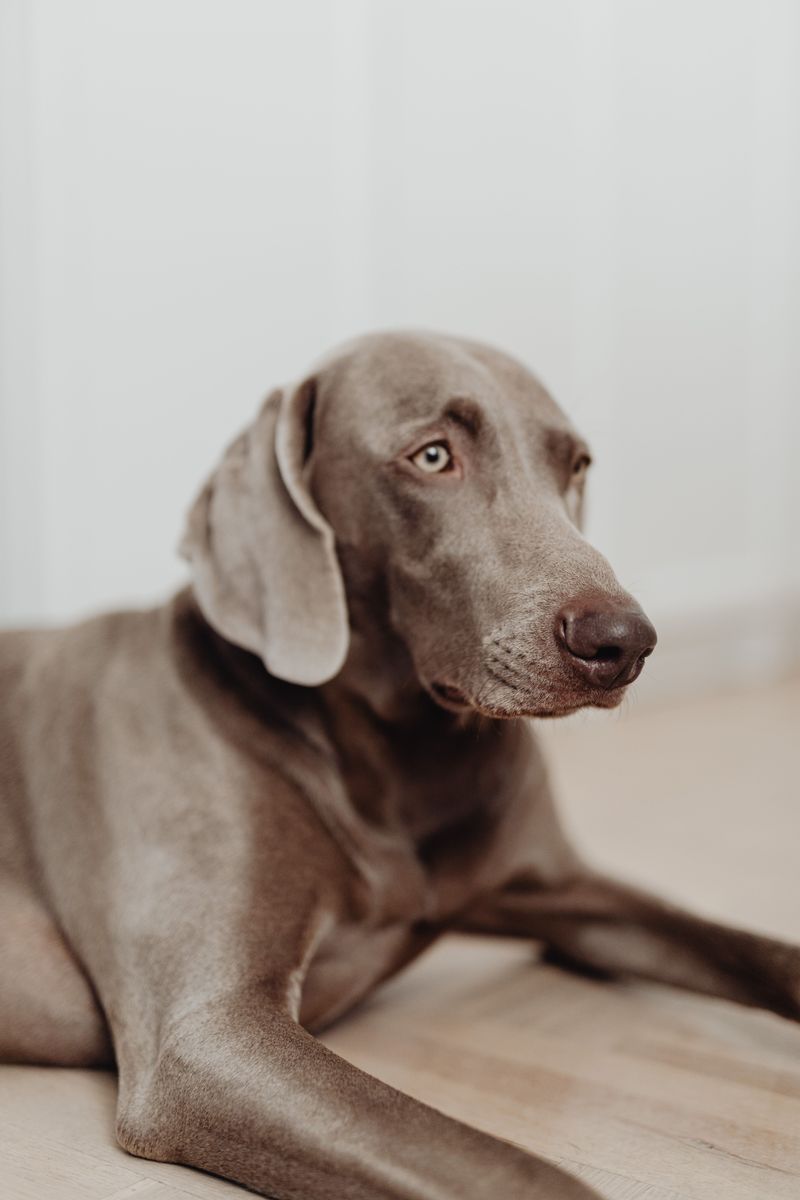
Velcro vibes meet big stamina, and the Weim can spiral into fussiness when tired. Quiet breaks teach independence and soothe nerves.
A rested dog clings less.
Practice place training with gradual distance. Step to another room for a few minutes while calm is rewarded.
After runs, trade fetch for a puzzle followed by darkened-room downtime. Many Weims show steadier recall and less pacing once daily rest is protected like any other important appointment.
Shetland Sheepdog
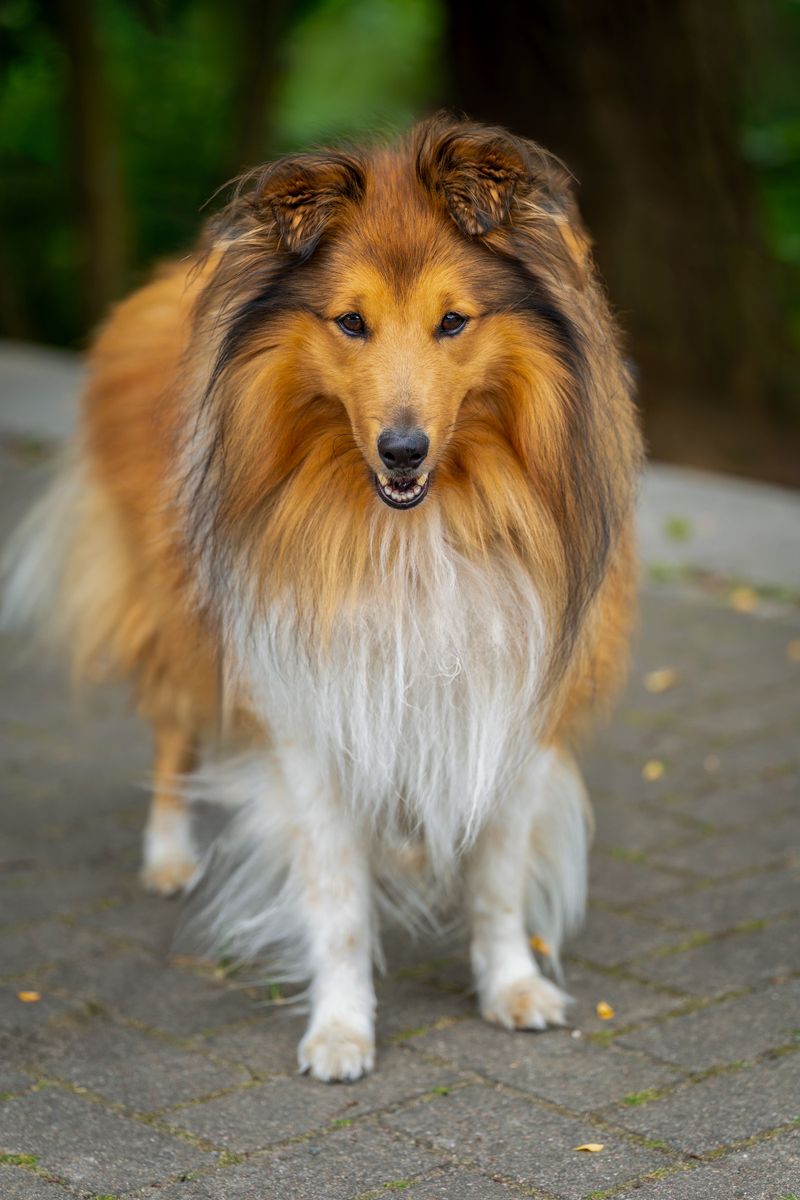
Sound-sensitive and smart, the Sheltie can become edgy when life feels too loud. Rest periods build courage by lowering the constant buzz.
Calm brains learn faster.
Use a white noise machine and window film to block triggers. After training, cue a cozy window seat or crate for 30 to 60 minutes.
Deliver treats only for true relaxation, like slow blinks. Owners often see less reactivity on walks and a sweeter attitude toward guests with consistent quiet time.