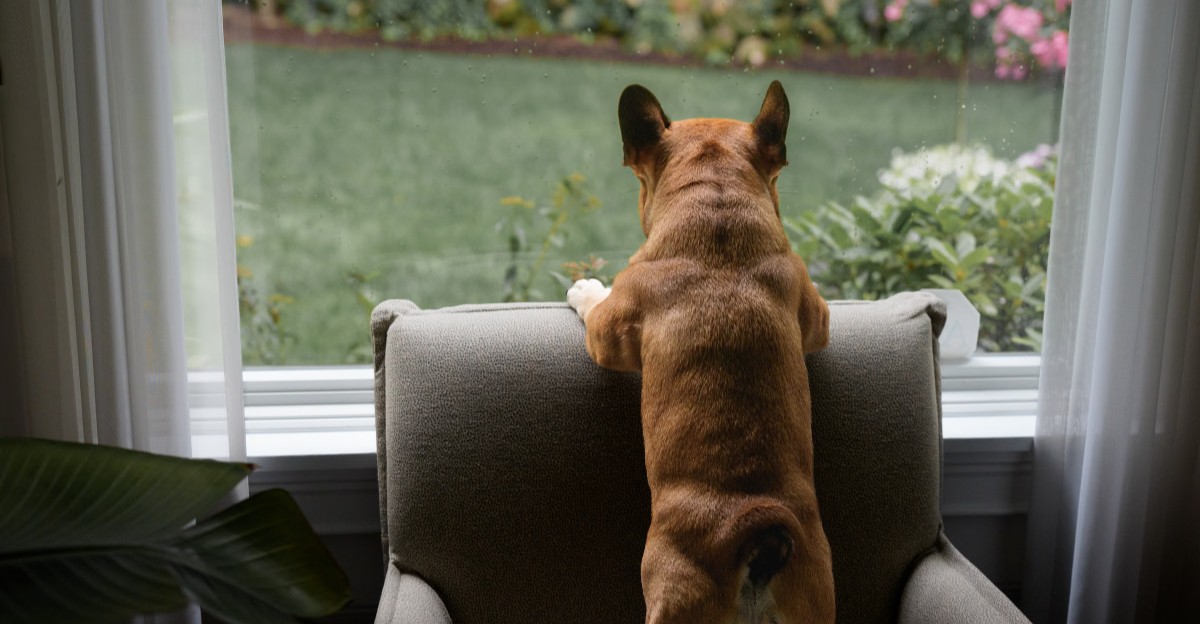
A squirrel runs by, a mail carrier walks up, and suddenly your dog is barking like the house is under attack. Window barking is one of the most common complaints dog owners have, and it can wear out everyone at home, including your pup.
The good news is that small changes in your home and routine can make a big difference. With a little patience, you can help your dog feel safer and quieter.
Block the View with Window Film
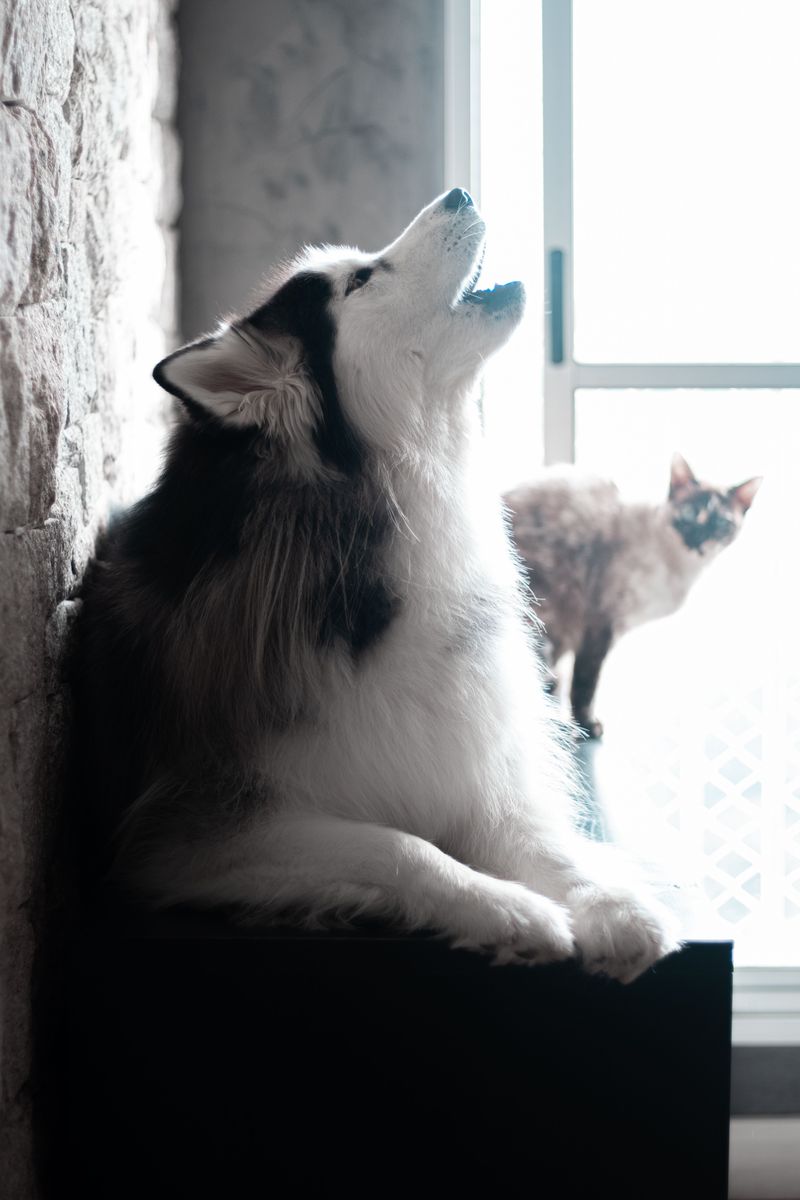
Out of sight really can mean out of mind for many dogs. When your pup cannot see the delivery truck or the neighbor’s cat, there is less to shout about.
Frosted window film is cheap, easy to stick on, and still lets sunlight pour in. You only need to cover the lower part of the glass, right at your dog’s eye level.
Many owners notice quieter afternoons within just a few days.
Rearrange the Furniture Lookout Spot
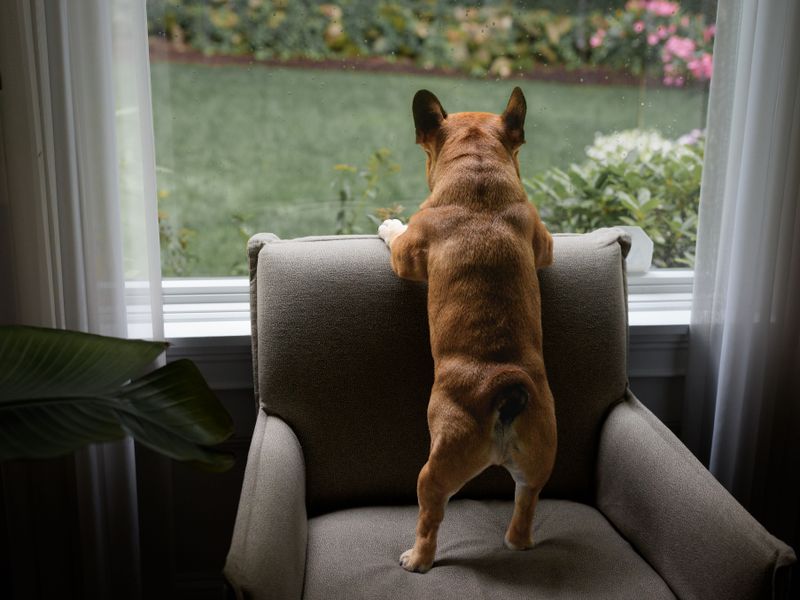
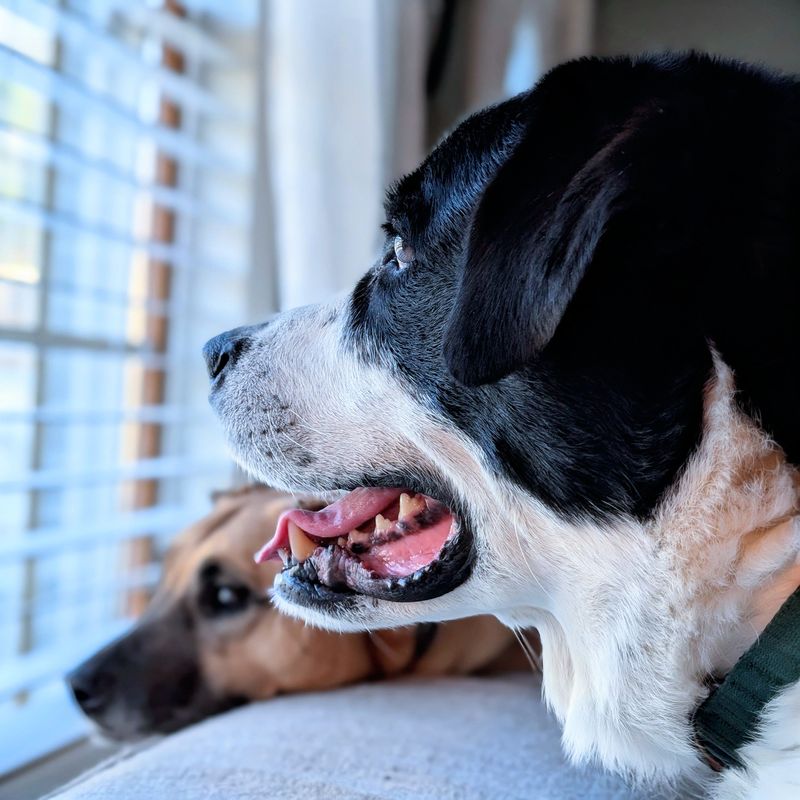
Picture a security guard with a comfy chair facing the street. That is basically what your couch becomes when it sits right under the front window.
Try sliding sofas, chairs, or beds away from the glass. Without a raised perch, your dog has a harder time keeping watch all day.
Bonus tip: put a cozy dog bed in a quieter room instead, so your pet has a better place to relax.
Burn Off Extra Energy First
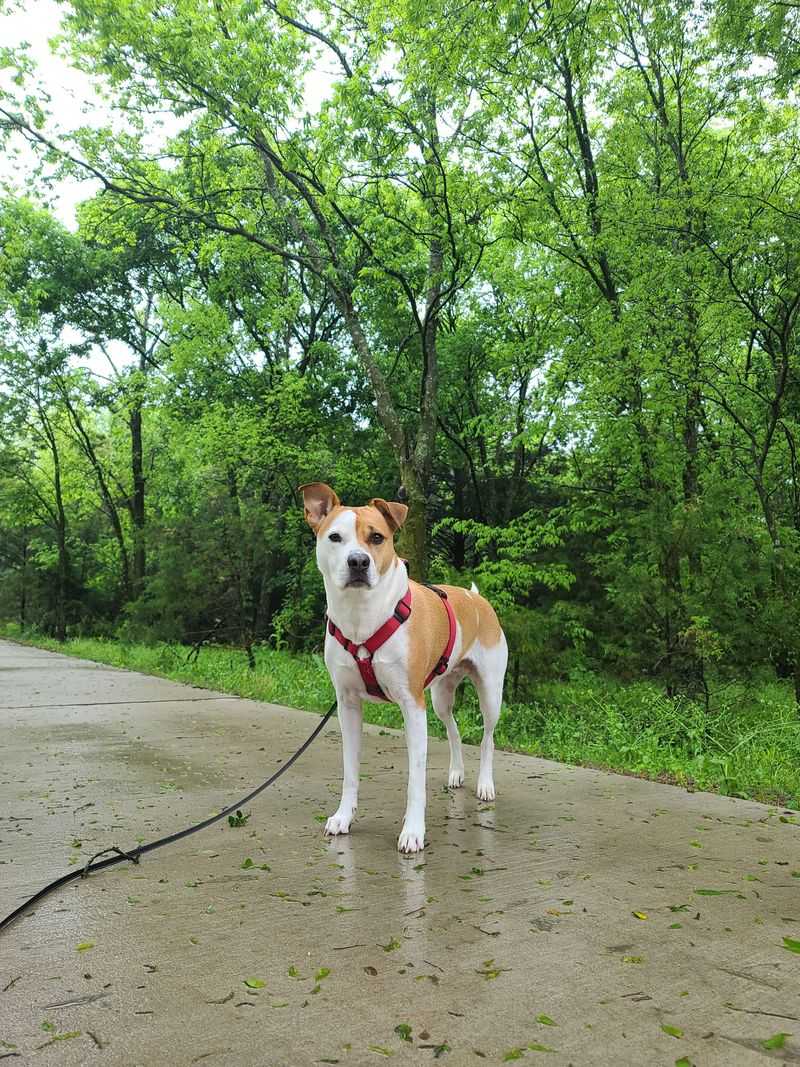
Tired dogs are usually quiet dogs. A pup with tons of leftover energy will find something to do, and barking at passing joggers is pretty fun for them.
Aim for a solid walk, a game of fetch, or a run before the busiest times outside, like school drop-off or mail delivery.
Even twenty extra minutes of movement can turn a noisy watchdog into a sleepy couch buddy by midday.
Give the Brain a Puzzle
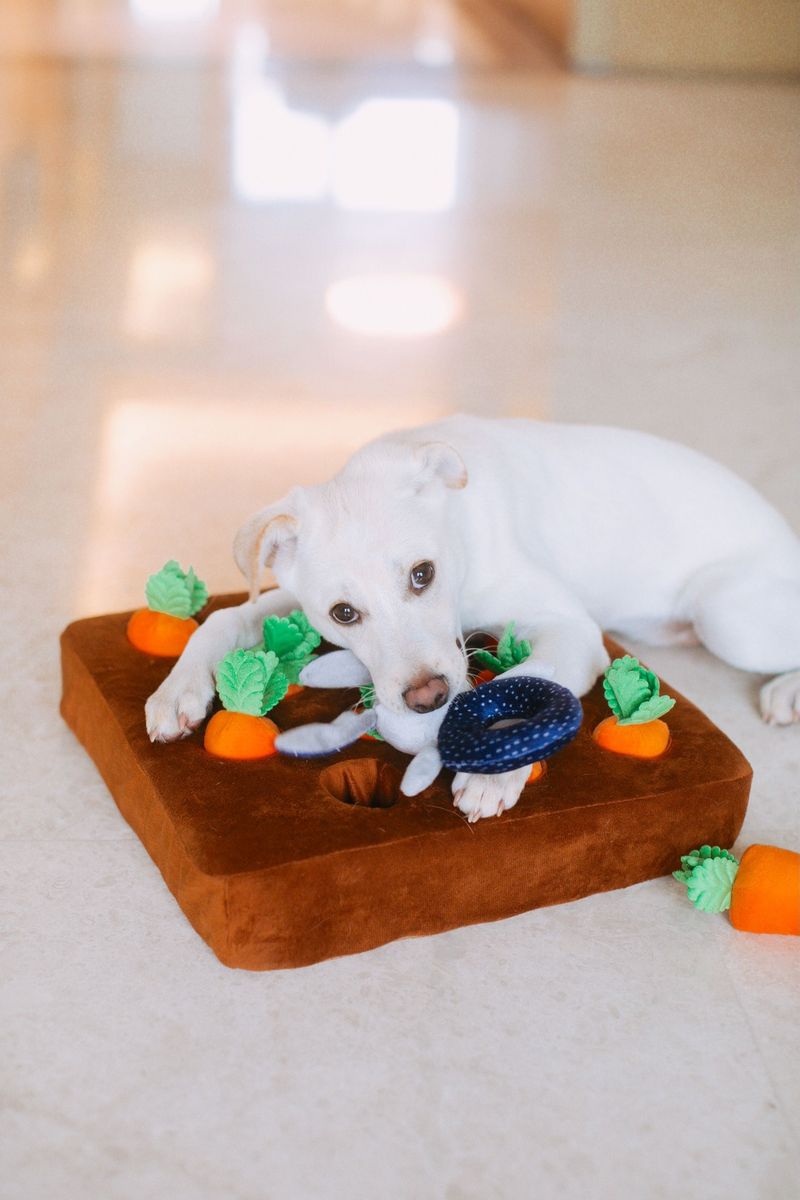
Did you know a short sniffing session can tire a dog out almost as much as a walk? Nose work uses a lot of brain power.
Puzzle feeders, snuffle mats, and stuffed chew toys give your dog a job that has nothing to do with the window. Hand them out when you know outdoor traffic picks up.
A busy mind has less time to worry about the mail carrier.
Teach a Quiet Cue

Yelling “stop!” often sounds like barking along to your dog. A calm, trained cue works much better.
Wait for a pause in the barking, say “quiet” in a soft voice, and reward right away with a tasty treat. Practice in short sessions every day.
Over time, your dog learns that silence earns snacks. It takes patience, but this skill pays off for years.
Add Soothing Background Sound

Sometimes the problem is what your dog hears, not what it sees. Car doors, footsteps, and chatty neighbors can set off a barking chain.
A white noise machine, a fan, or soft music can cover up those sounds. Some studies suggest classical music and audiobooks help shelter dogs relax.
Leave it running while you work or run errands, and your home may feel noticeably calmer.
Close Off Tempting Rooms
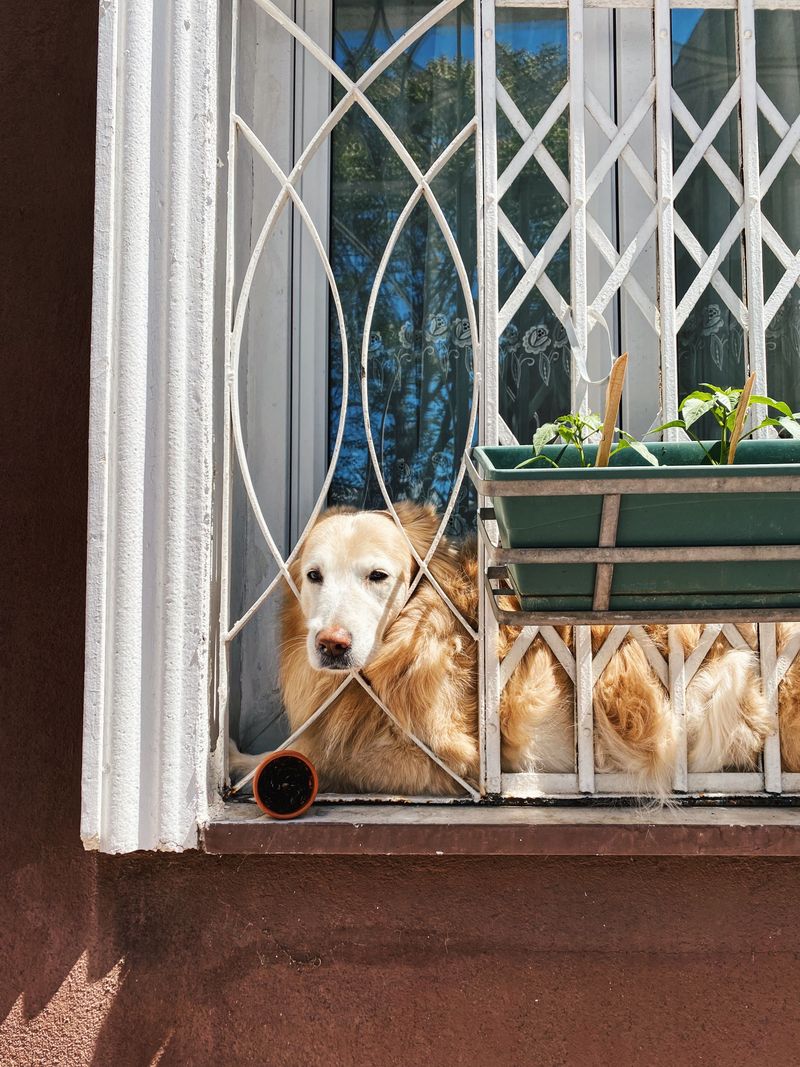
Every house has that one room with the best street view. For your dog, it is front row seating to the neighborhood show.
A simple baby gate or a closed door can keep your pup out while you are busy or away. Let your dog hang out in a back room with toys and water.
Fewer triggers means fewer outbursts, and you get a little peace too.
Turn Triggers into Treat Time
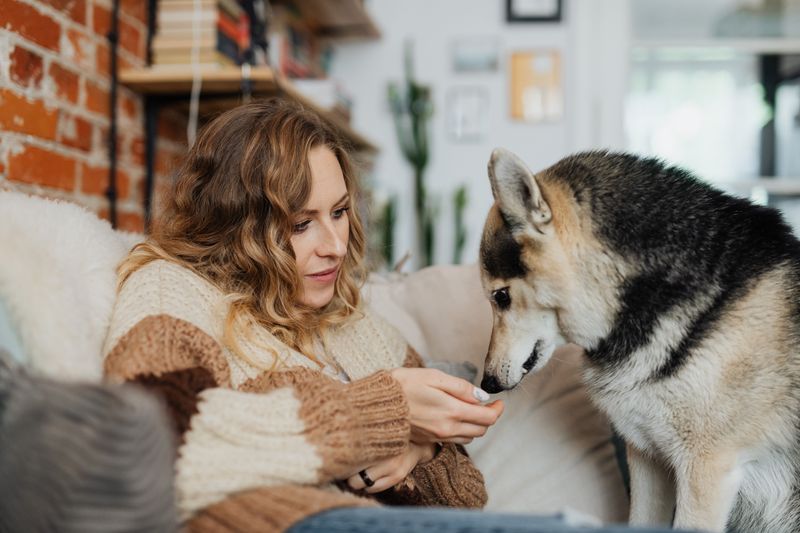
What if the mail carrier meant chicken instead of danger? That is the idea behind counterconditioning.
Each time a trigger appears outside, toss your dog a high-value treat before the barking starts. Keep sessions short and stay relaxed.
Slowly, your dog starts linking passersby with good things. Many pups eventually glance at you for a snack instead of launching into a full alarm.
Stick to a Steady Routine
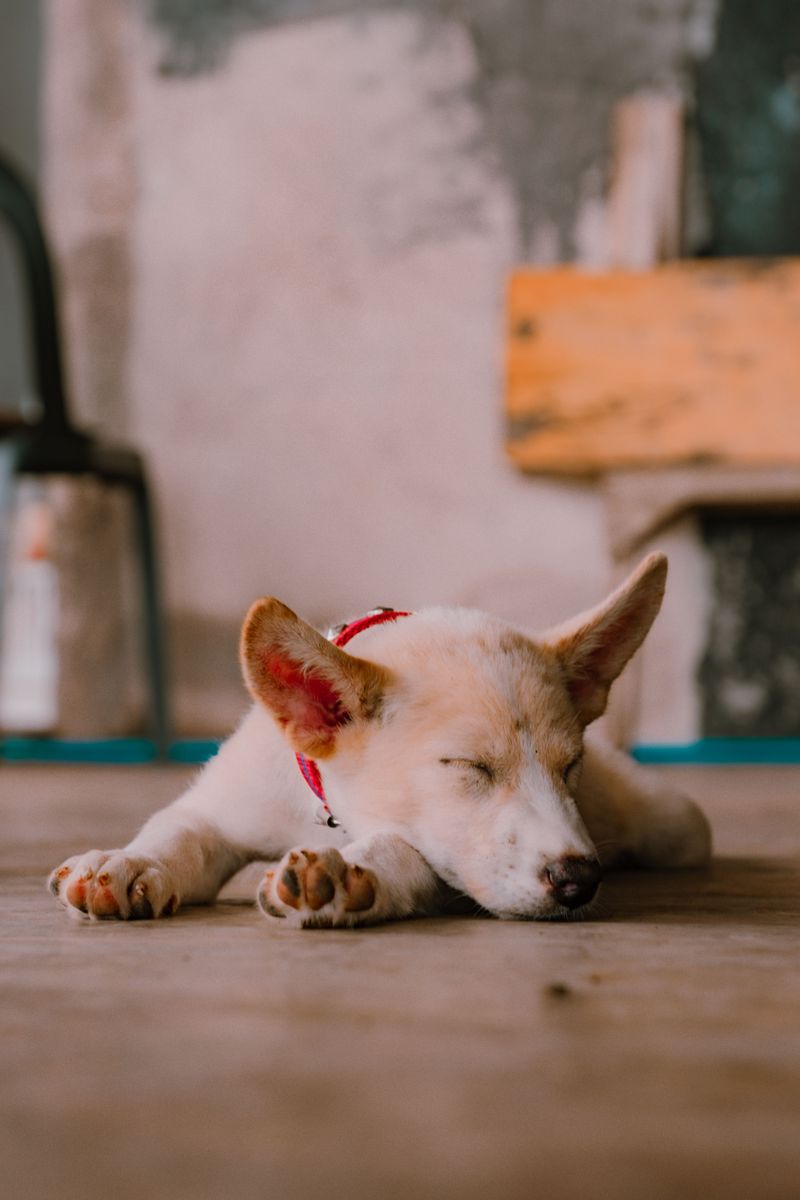
Dogs are creatures of habit, a lot like toddlers. Knowing when meals, walks, and naps happen helps them feel secure.
Try feeding, exercising, and resting at about the same times every day. A predictable schedule lowers stress, and less stress often means less barking.
Plan nap time for busy outdoor hours, and your dog may simply snooze right through them.
Call in a Pro When Needed
Some barking comes from deep fear or anxiety, and that is nobody’s fault. If nothing seems to help, a certified trainer or vet behaviorist can be a game changer.
They can spot hidden causes, like pain or stress, and build a plan made just for your dog.
Asking for help is a smart move, not a failure. Your dog will thank you with quieter days.