
Training a dog involves more than just repetition; it’s about consistency, understanding, and patience. If your dog isn’t responding well, these 12 everyday habits might be the reason. By addressing them, you can enhance your training success and develop a deeper bond with your furry friend.
Repeating Commands Until They Lose Meaning

When you say “sit” ten times before your dog responds, it dilutes the command’s impact. Dogs thrive on clarity and repetition. If you keep repeating, they might wait for multiple cues before acting, believing that’s the command.
Instead, say it once and guide them into the position. Reinforce the action with a treat or praise immediately. This way, they learn to associate the command with a single prompt, not a repetitive chant.
Give your command once, then show them what you mean. This approach fosters understanding and respect during training sessions.
Giving Instructions Without Follow-Through
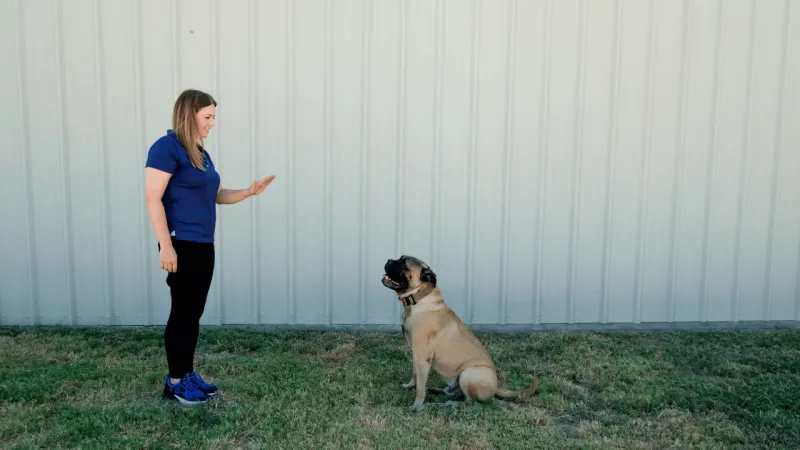
Stating a command without ensuring it’s followed can confuse your dog. If you say “come” and don’t ensure they do, they might learn the command is optional.
Always follow through with gentle guidance. If they resist, help them complete the action with encouragement.
This consistency builds trust and clarity. Reinforcement isn’t just about treats; your attention and praise are just as vital. Consistent follow-through teaches your dog that your words have meaning and lead to positive outcomes.
Training Only When You’re Frustrated
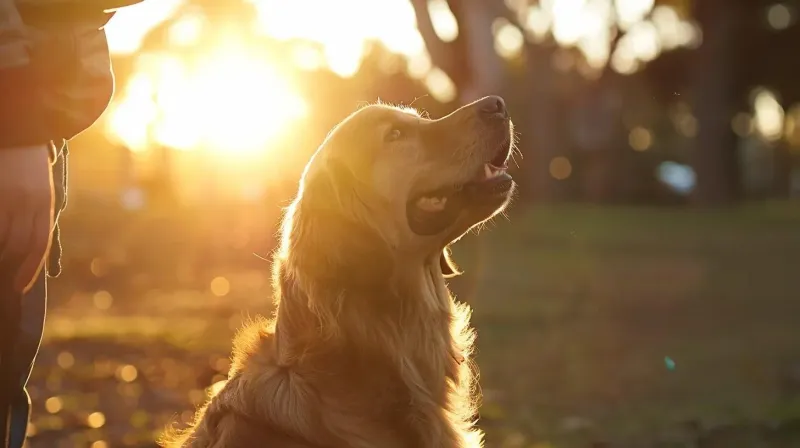
Training your dog when you’re upset rarely ends well. Dogs can sense emotions and may become anxious or confused. Frustration often leads to inconsistent commands and unfair expectations.
Instead, choose moments when you’re calm and focused. This creates a positive learning environment where your dog feels secure.
By maintaining a relaxed demeanor, you encourage your dog to engage and respond better. Patience and understanding are key components of successful training sessions.
Inconsistent Rules Between People in the Home
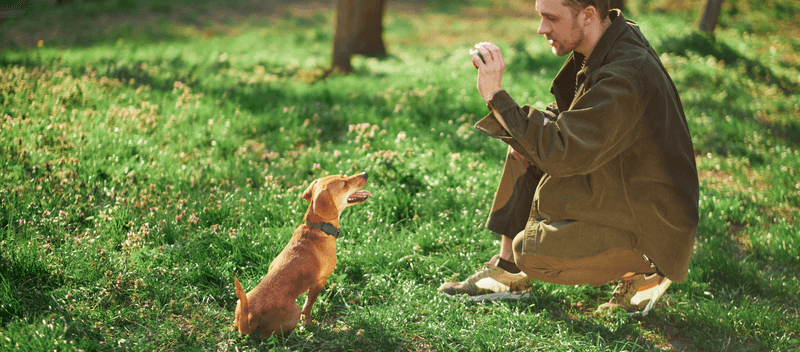
Imagine being told by one person to sit on the couch, then scolded by another. Dogs find inconsistent rules perplexing. Each family member should use the same commands and rules.
Hold a family meeting to discuss training strategies and agree on consistent terminology. This unity helps your dog understand expectations.
When everyone is on the same page, your dog receives clear messages, reducing confusion and improving responsiveness.
Asking for Obedience in Overstimulating Situations
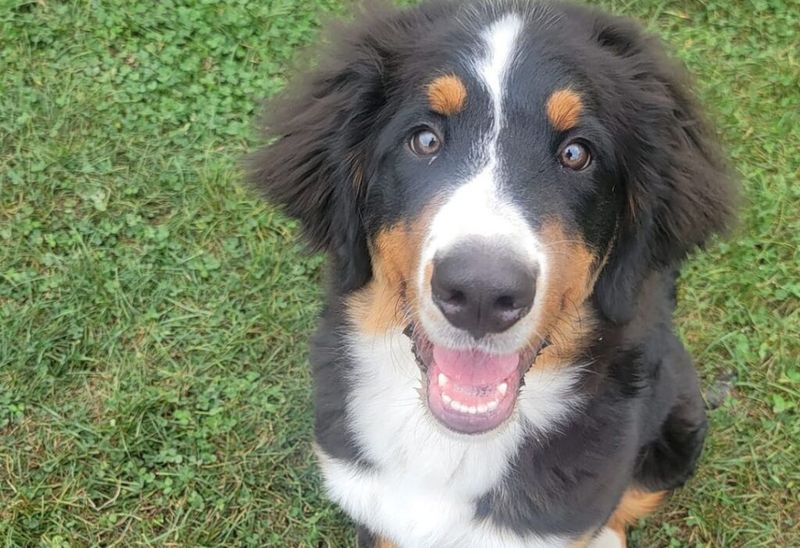
Expecting a dog to focus in a bustling environment is often unrealistic. Distractions like other dogs, people, or noises can overwhelm them. Begin training in quiet spaces to build a strong foundation.
Gradually introduce distractions, increasing complexity as they master commands.
Patience is essential here. By incrementally increasing distractions, you help them learn to focus and obey, even amidst chaos. This method ensures reliable responses in any setting.
Using Commands Your Dog Hasn’t Fully Learned

Giving commands that your dog doesn’t fully understand leads to failures. Ensure your dog has mastered basic commands before progressing.
Repetition and reward are vital. Once a command is consistently executed, introduce new ones gradually.
Patience is key. Test comprehension in various settings to reinforce learning. By doing so, you ensure each command is clearly understood and reliably followed.
Rewarding Too Late for the Right Behavior
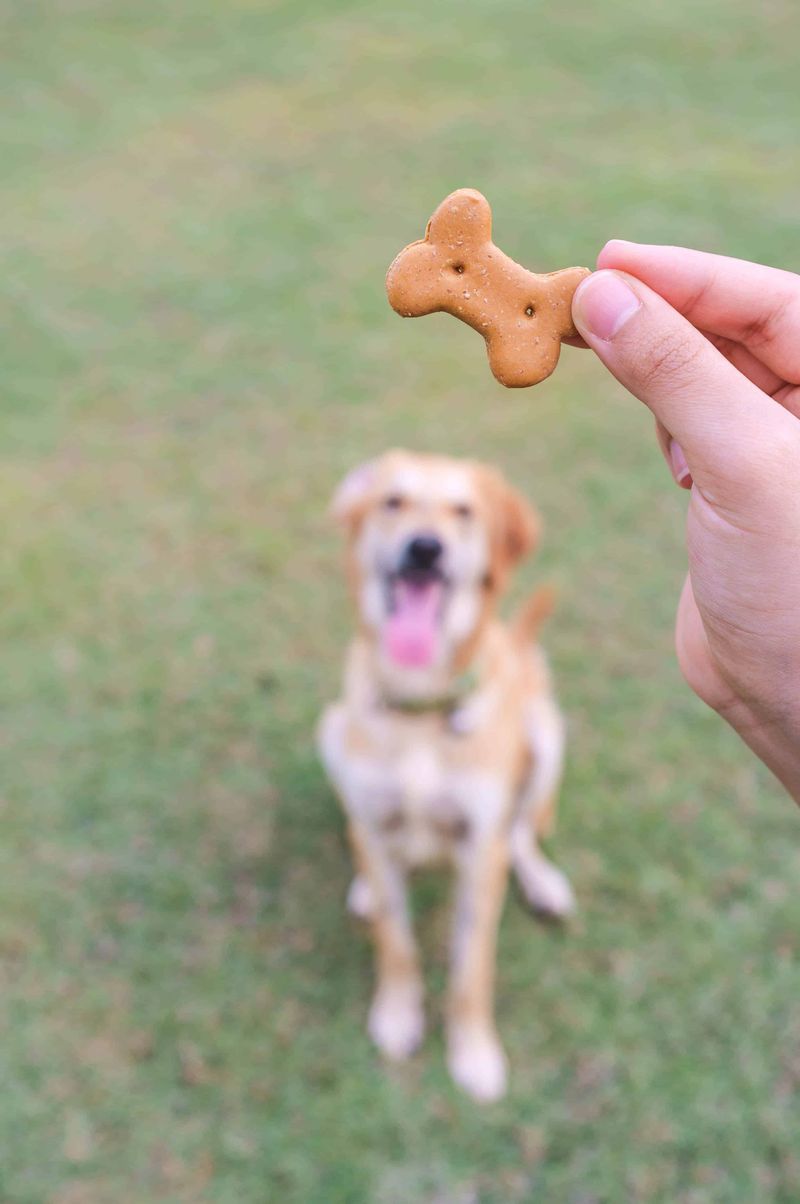
Timing is critical when rewarding behavior. Offering a treat too late can confuse your dog about what action earned the reward. Always reward immediately after the correct action.
This clear connection helps them understand what you expect. It reinforces the behavior and encourages repetition.
Quick responses lead to quicker learning and a stronger bond. Your dog learns to associate actions with immediate outcomes, enhancing training efficiency.
Practicing Skills Only Indoors

Limiting training to indoor spaces doesn’t prepare your dog for real-world challenges. Dogs need to adapt to various environments.
Start in controlled indoor settings, then gradually move outside. Practice in different locations to generalize commands.
This variety ensures your dog can perform commands anywhere. By diversifying training environments, you build a more robust and adaptable skill set.
Talking Too Much Instead of Being Clear

Words can become noise if overused. Clear, concise commands are most effective. Dogs respond to simple cues rather than lengthy explanations.
Minimize chatter and focus on key commands. Use gestures and body language for clarity.
Consistency in tone and words helps your dog understand and respond appropriately. By simplifying communication, you foster better understanding and compliance.
Ending Training Sessions on Failure
Concluding a session on a negative note leaves a lasting impression. Always end on success, even if it’s a simple command like “sit.”
Praise and rewards should finish each session, reinforcing positive behavior. This approach boosts your dog’s confidence.
Ending positively encourages enthusiasm for future training. Your dog associates sessions with success, eager to participate again.
Expecting Focus When Your Dog Is Tired or Hungry

Just like humans, dogs struggle to focus when tired or hungry. Expecting obedience during these times often leads to frustration. Schedule training when your dog is alert and well-fed.
Observe their energy levels and choose moments when they’re most receptive.
This timing enhances focus and reduces stress. A well-rested and satisfied dog is more likely to engage positively during training sessions.
Forgetting to Reinforce Good Behavior Outside Training
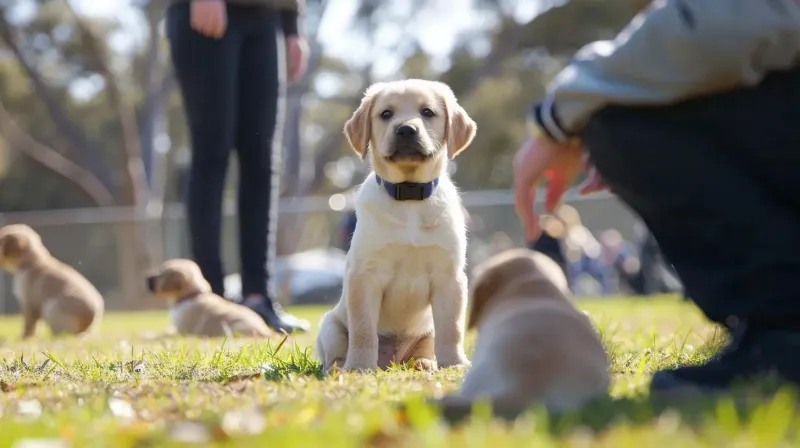
Training doesn’t stop when the session ends. Reinforcing good behavior in everyday situations is crucial. Praise or reward your dog when they display learned behaviors naturally.
This ongoing reinforcement strengthens habits and ensures commands are integrated into daily life.
By acknowledging good behavior consistently, you reinforce the connection between actions and rewards, enhancing overall training success.