
Your dog reads the world through scent, so even small whiffs can feel huge to that incredible nose. Some everyday smells you barely notice can stress a pup out fast, while a few comforting aromas bring instant tail wags.
Learn which scents to skip and which to invite in, so home feels safe, calm, and happy. A few simple tweaks can make sniffing time delightful instead of overwhelming.
Vinegar

Vinegar smells sharp and overwhelming to most dogs, far stronger than it seems to us. That acetic bite irritates sensitive nasal tissue, which can trigger sneezing, head shaking, or a quick retreat.
If you are cleaning, ventilate well and keep your pup away until the scent fades.
For training, some people use diluted vinegar to discourage chewing, but always test cautiously and never spray near a face. A safer plan is blocking access, offering textured chew options, and rewarding calm choices.
Respecting your dog’s opinion about strong acids builds trust and prevents accidental stress around routine chores. When in doubt, choose unscented cleaners, rinse surfaces thoroughly, and let rooms air out before inviting curious sniffers back into their favorite spots.
Citrus (lemons, oranges)

Citrus peels and oils smell bright to you, but they can feel intense and prickly to a dog’s nose. Natural compounds like limonene and linalool are powerful, especially in cleaners and essential oils.
Many dogs avoid citrusy surfaces, and some will lick their lips, sneeze, or leave the room.
If you use citrus cleaners, dilute, rinse, and keep pets out until everything dries. Never apply essential oils to fur or collars, and avoid diffusing in closed rooms.
Choose pet safe alternatives for counters and floors to keep noses happy without sacrificing sparkle. Fresh orange slices at the table are fine, but stash peels and wipe sticky hands before inviting cuddles, so your companion associates mealtime with comfort.
Chili peppers

Chili peppers release capsaicin, which is extremely irritating to canine noses and eyes. Even the airborne particles from cooking can make a pup sneeze, paw at their face, or hide.
For sensitive dogs, a little sauté can feel like a pepper cloud filling the whole home.
When cooking spicy dishes, switch on ventilation, close a door, or give your dog a cozy retreat. Avoid leaving pepper flakes on counters, floors, or shared snacks.
Wash hands well before offering treats or scratches near eyes and whiskers. Respect spicy nights as dog quiet time, deliver a food puzzle in another room, and invite them back only after the air clears and surfaces cool, so dinner remains delicious for everyone.
Strong perfumes
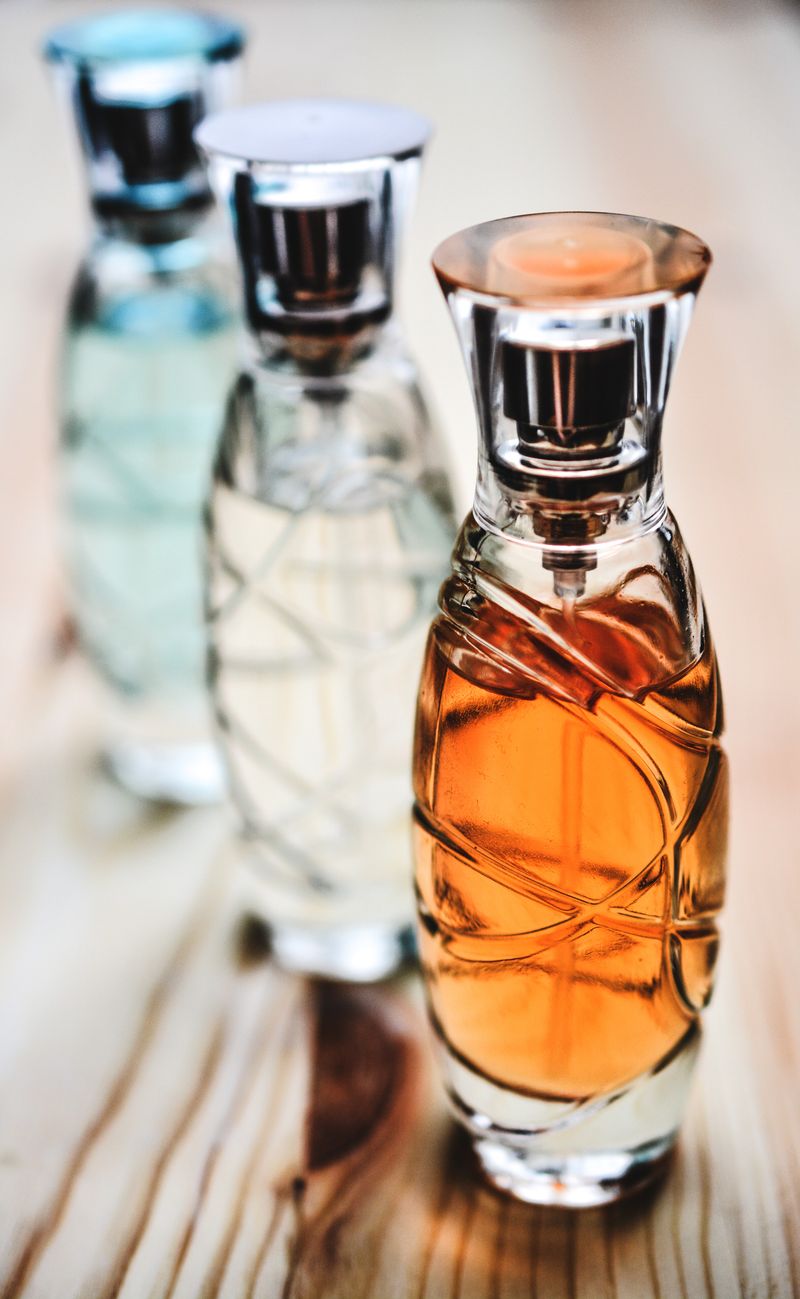
Big, bold perfumes can overwhelm a dog’s superpowered nose, lingering far longer than you expect. Synthetic musks, aldehydes, and floral concentrates stick to fabric, hair, and couches.
Many dogs respond by leaving the room, scratching, or rubbing their face to escape the cloud.
If you love fragrance, apply lightly in a ventilated space and let it settle before snuggling. Consider skin close scents or fragrance free body care when spending time on the floor.
Watch your dog’s signals, like yawns, head turns, or lowered ears, and dial it back. Comfort wins every time, and your signature can be a clean shirt, gentle shampoo, and kindness, which your dog will recognize instantly because it always smells like safety and home.
Ammonia
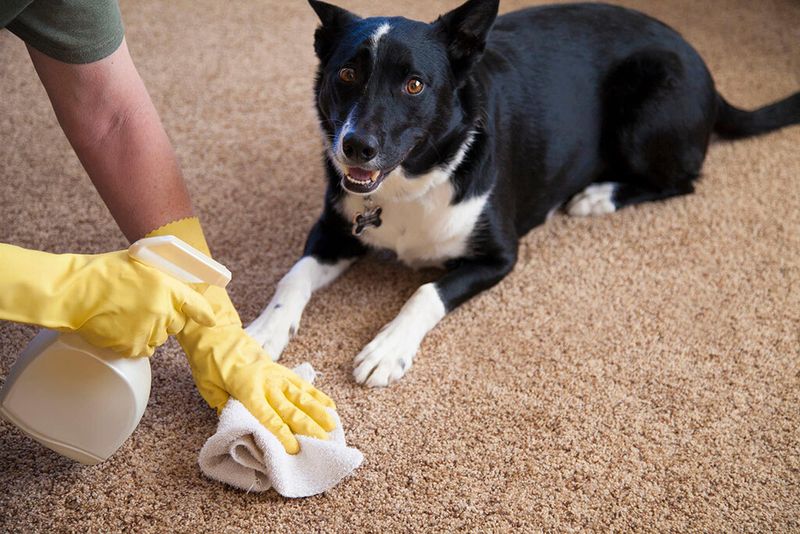
Ammonia has a harsh, stinging odor that screams danger to a dog’s nose. It can irritate airways, eyes, and throat, especially in concentrated cleaners or fumes from mixing products.
Dogs may cough, drool, or rush away when the scent hits.
Store ammonia tightly sealed, up high, and absolutely never mix it with bleach. Use gloves, open windows, and keep pets out until the area is dry and aired.
Better yet, choose pet safe cleaners and do test spots before larger jobs. Your dog trusts you to protect their senses, so plan cleanup time like a mini project with breaks, airflow, and boundaries, ensuring a fresh result that feels calm, breathable, and welcoming for curious, affectionate sniffers.
Rubbing alcohol
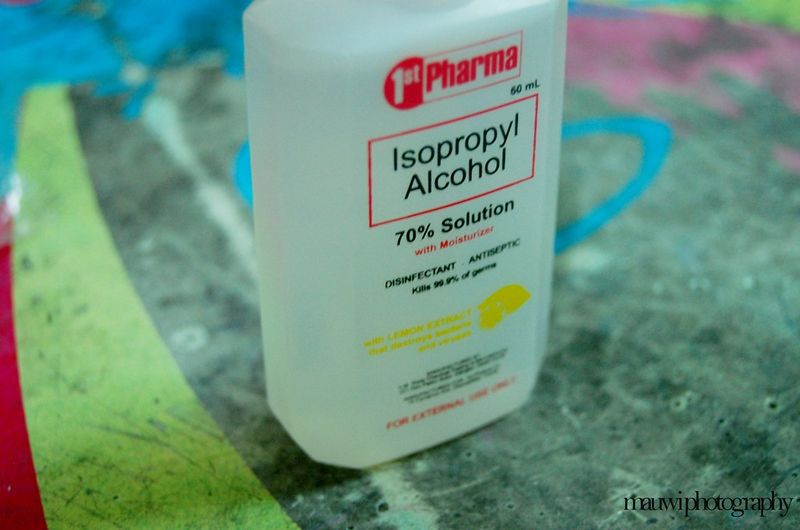
Isopropyl alcohol smells medical and piercing to dogs, often causing quick avoidance. The fumes can sting sensitive tissues, and concentrated pads or wipes make the intensity worse.
Even small swabs near paws or ears may trigger lip licking or head turning.
When first aid is needed, step outside or ventilate well, and use only vet approved products on skin. Let pads dry before your dog approaches bandaged spots.
Keep bottles capped, surfaces wiped, and hands washed before cuddle time. For routine messes, switch to mild, pet safe cleaners and warm water, saving alcohol for true emergencies, so your helper at home can relax, nap nearby, and feel safe instead of worried by sharp clinical scents lingering around shared spaces.
Bleach
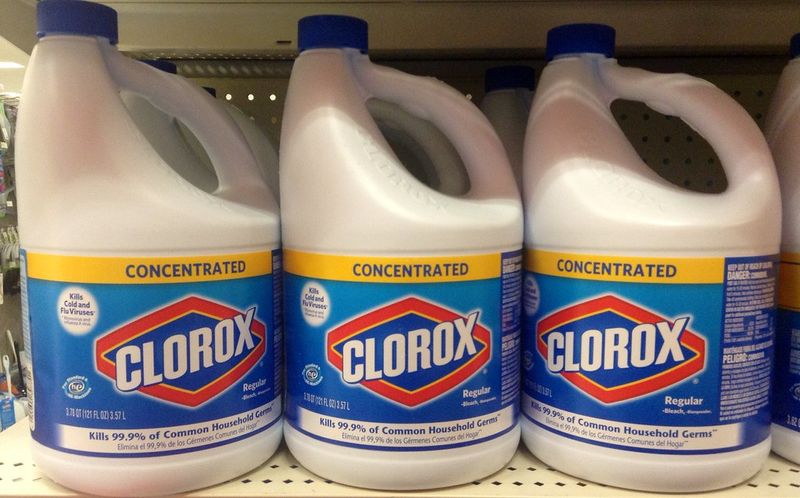
Bleach fumes shout strong and unsettling to canine noses, and residue can irritate paw pads. Mixing bleach with other cleaners creates dangerous gases, magnifying risk.
Dogs often avoid bleached areas, but curiosity can still pull them toward freshly cleaned floors.
Use the smallest effective amount, dilute carefully, and ventilate thoroughly. Block access until everything dries, then rinse water bowls and wipe food areas twice.
Consider oxygen based alternatives where possible. Your goal is a home that smells like nothing to your dog, which reads as peaceful and safe.
Clear air, steady routines, and squeaky clean water bowls keep confidence high, letting your companion settle, breathe easily, and sprawl out without second thoughts about sharp, stinging smells.
Nail polish remover (acetone)
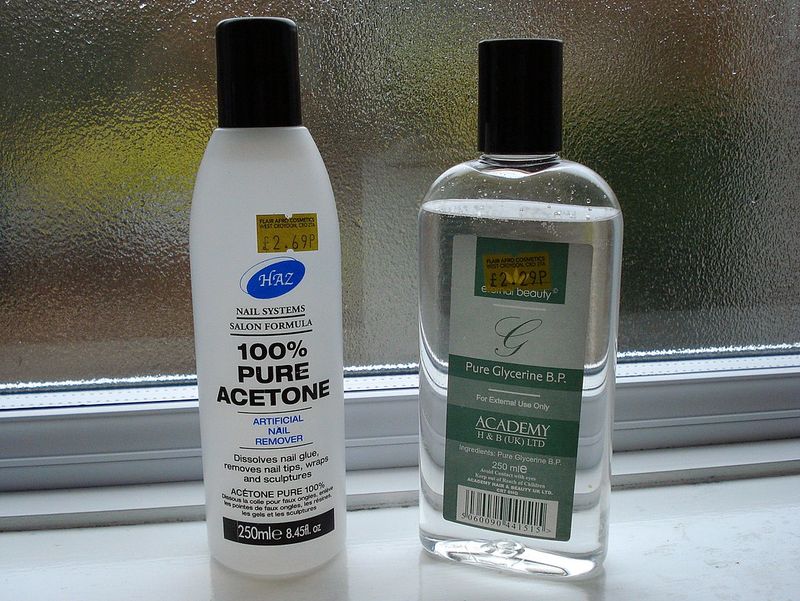
Acetone races through a room with a fast, solvent punch that dogs find alarming. It evaporates quickly, but the blast can sting eyes and noses on the way out.
Spills soak into porous surfaces, leaving flashes of smell whenever the area warms.
Do manis near an open window, cap the bottle tightly, and toss saturated cotton in a sealed bin. Wash hands before petting faces or offering treats.
Choose low odor formulas or acetone free removers if your pup hovers close. A calm grooming routine matters more than perfect polish, so pace yourself, give breaks, and invite your dog back only after the last swipe is gone and the air feels neutral again.
Mothballs
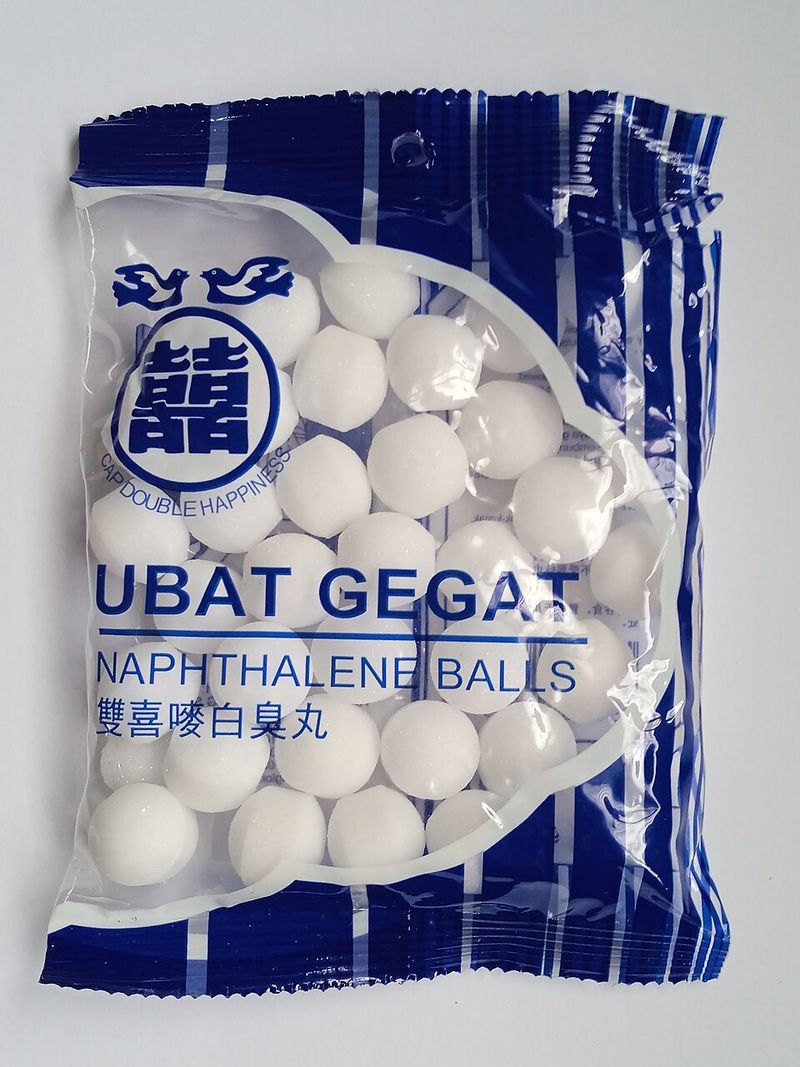
Mothballs pack a powerful pesticide odor that dogs read as hazardous, and the ingredients themselves are toxic if ingested. Even sealed closets can leak enough scent to bother a sensitive pup.
Dogs may avoid bedrooms or laundry areas when the smell is present.
Skip mothballs entirely in pet homes and use airtight garment bags, cedar blocks, or frequent laundering instead. If you discover old mothballs, remove them carefully, ventilate, and wash fabrics.
Call your vet immediately if there is any chance of ingestion. Protect your dog’s curious nose by choosing storage solutions that smell like nothing at all, keeping bedrooms welcoming, restful, and safe for evening snuggles, morning stretches, and those goofy, delighted zoomies after you open the closet.
Eucalyptus oil
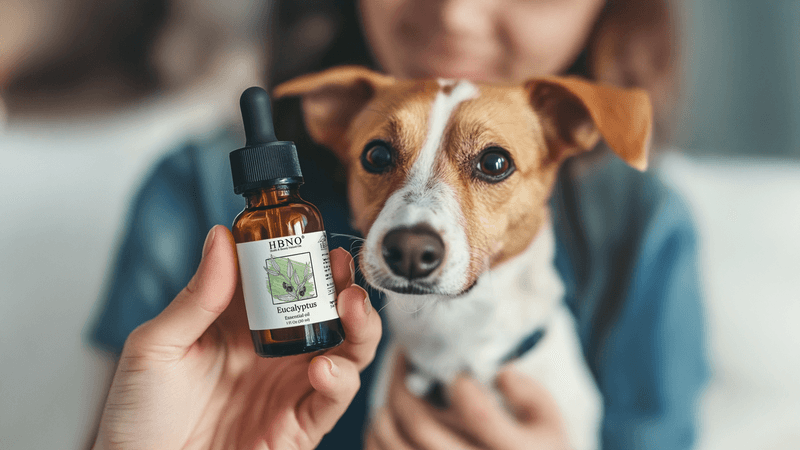
Eucalyptus oil carries a menthol like blast that many dogs find sharp and intrusive. Concentrated droplets on fur or bedding can linger and irritate skin or airways.
Diffusers in closed rooms build intensity fast, even if you barely notice it yourself.
If you love spa vibes, skip diffusing around pets and never apply essential oils to collars or coats. Choose unscented humidifiers, open windows, and short, gentle steams.
Offer your dog fresh water and a quiet space away from strong aromatics. Calming starts with clear air and consistent routines, so keep spa time human only, then reunite for slow breaths, cozy blankets, and a house that smells like everyday life, warm meals, and your familiar, comforting presence.
Lavender
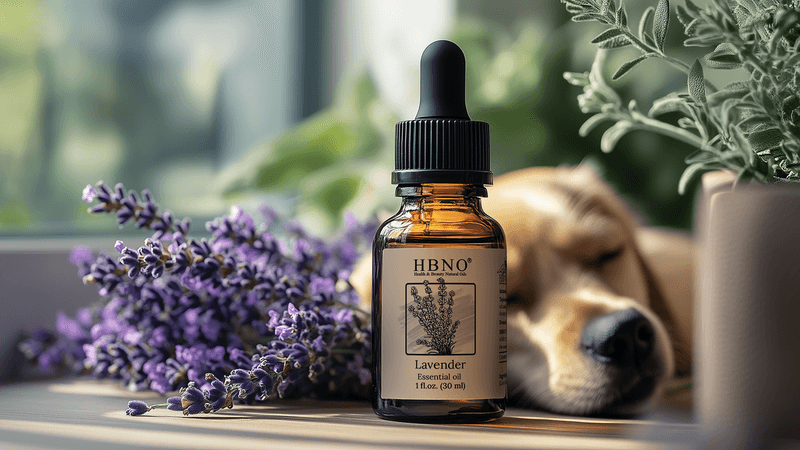
Lavender, when kept mild and distant, can feel soothing to many dogs. The soft floral note signals calm evenings, gentle brushing, and quiet routines.
Too much, especially from concentrated oils, flips helpful into overwhelming quickly.
Skip direct application and heavy diffusing, and instead keep a tiny sachet tucked high or choose unscented cleaners paired with short lavender moments nearby. Watch your dog’s body language for confirmation.
If they breathe slowly and settle, you nailed the balance. Pair the scent with relaxing rituals like dim lights, soft music, and a predictable bedtime snack, so your friend associates lavender with comfort, not pressure, creating an easy, happy bridge into sleep and the sweetest, tail thumping dreams.
Chamomile
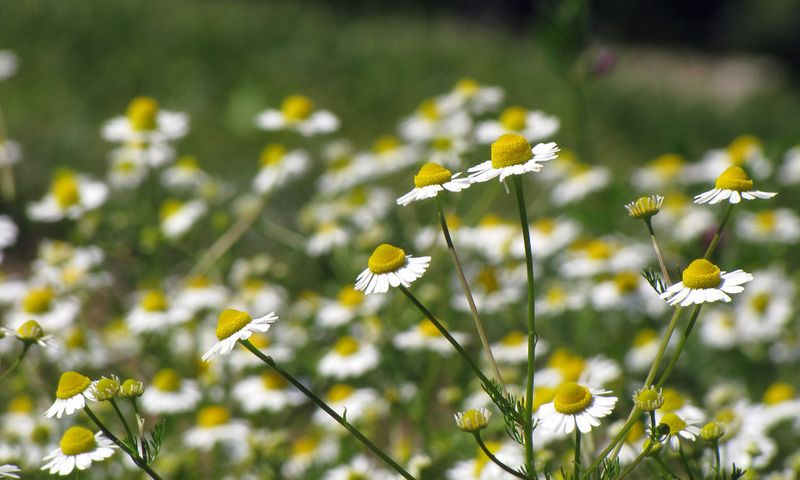
Chamomile offers a soft, apple like aroma many dogs accept easily, especially in mild, natural forms. The gentle scent pairs beautifully with quiet time and calm handling.
Overdoing any fragrance can still overwhelm, so think whisper, not shout.
Skip essential oil applications and instead enjoy a cup of tea while your dog relaxes nearby. Let steam drift briefly, then open a window if your companion seems unsure.
Create a predictable wind down routine that feels safe. With soft lighting, cozy bedding, and supportive scratches behind the ears, chamomile becomes part of a relaxing script your dog recognizes, guiding them toward rest, recovery, and those deep, snuffling sighs that tell you everything in their world smells just right.
Vanilla

Vanilla reads warm, sweet, and familiar, often linked with baking days and cozy kitchens. Many dogs find the gentle aroma comforting compared with sharp, bitter, or bleachy smells.
Keep it subtle, because concentrated extracts still come on strong to sensitive noses.
Bake with windows cracked, wipe spills quickly, and stash bottles out of reach. Skip scented sprays on dog beds and choose unscented detergents to keep the baseline neutral.
Then let occasional hints of vanilla drift through as a treat. Pair the aroma with quiet training, slow petting, and calm play, building a positive association that says home, safety, and togetherness, while still honoring your dog’s need for clear air, soft routines, and restful, happy naps between snacks.
Fresh grass

Fresh cut grass carries green, earthy notes that many dogs adore, especially outdoors where the aroma disperses naturally. The scent invites exploring, rolling, and joyful zoomies.
For pollen sensitive pups, pay attention to sneezing or itchy paws after yard time.
Keep lawns chemical free, rinse paws after play, and offer shade and water on warm days. Let your dog set the pace, sniffing slowly and choosing their routes.
Sniff walks are mental workouts, reducing stress and building confidence. When the grass smells best, match that happiness with easy praise, loose leashes, and unhurried minutes, turning a simple yard into a calm, scent rich playground where your companion feels free, secure, and blissfully connected to the living world.