
Peek into your fridge and pantry, and you might already have dog friendly superfoods waiting to be shared. From crunchy veggies to creamy toppers, simple ingredients can boost nutrition without fancy shopping trips.
This guide shows you exactly what to grab, how to serve it, and what to skip. Get ready to turn everyday groceries into tail wagging, vet approved treats.
Carrots
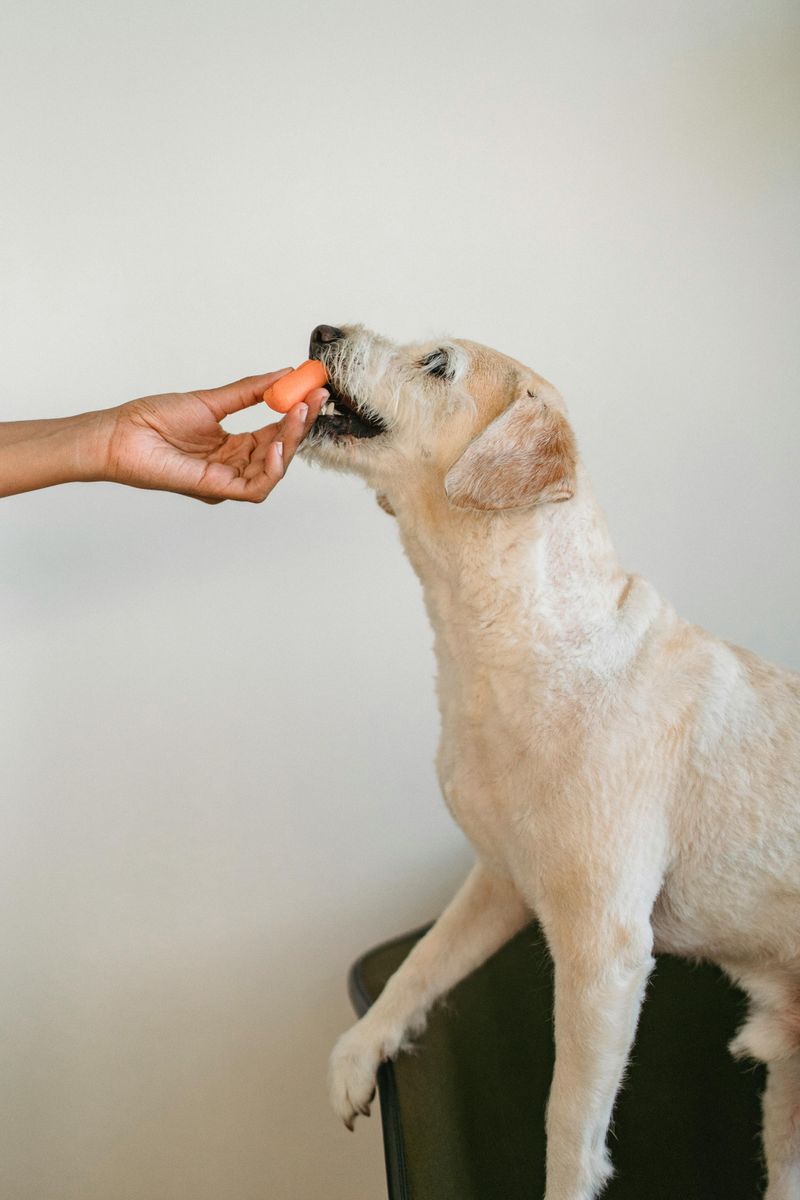
Crunchy carrots are a simple, low calorie treat most dogs adore. They are packed with beta carotene that supports eye health, plus fiber that helps keep digestion steady.
Offer them raw sticks for a satisfying chew, or steam lightly to make them easier on sensitive teeth.
Start small and watch for any tummy upset, especially if your dog is new to fibrous snacks. Avoid seasoning, oils, or dips that can add unnecessary fat and sodium.
For teething puppies, chilled carrot sticks can soothe gums, and for adult dogs, diced carrots make perfect training rewards. Always cut pieces to a safe, bite sized shape to prevent choking.
Frozen carrot coins double as summer cool downs and slow energetic nibblers during playtime.
Blueberries
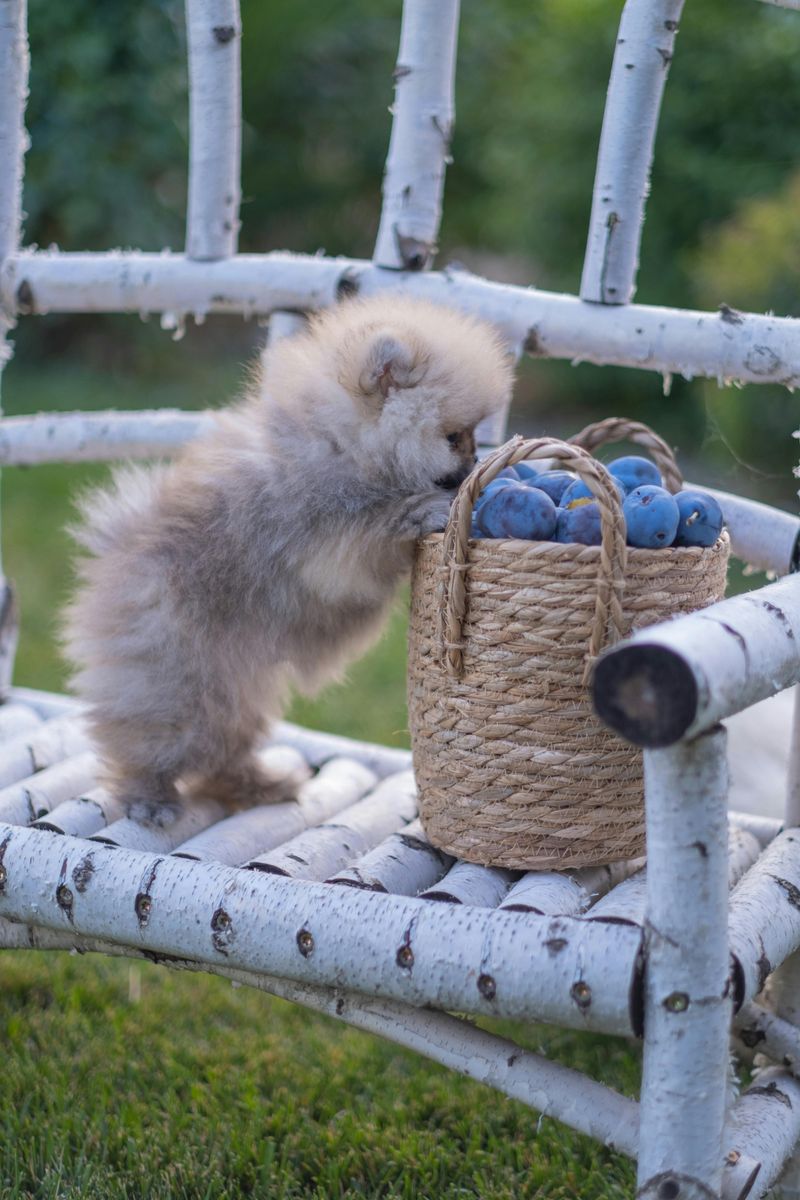
Blueberries are tiny antioxidant powerhouses that support cellular health and brain function. Their natural sweetness makes an easy, bite sized reward during training sessions.
You can offer them fresh, frozen, or gently mashed over regular food to add color, moisture, and a nutrition boost.
Start with a few to avoid tummy troubles, especially for small dogs. Wash them well, skip syrups, and never use grape products, which are dangerous for dogs.
For hot days, freeze blueberries into tiny clusters, then sprinkle as crunchy toppers that hydrate, cool, and keep your dog happily motivated. If your pup is new to soft fruits, press berries slightly to reduce rolling and choking risks.
Blueberry smears also wipe off easily from most washable fabrics.
Apples without seeds

Crisp apple slices offer vitamins and crunch without many calories. They can freshen breath a little and make a satisfying alternative to processed treats.
Always remove the core and seeds, since apple seeds contain compounds that are unsafe for dogs in quantity.
Serve thin slices for small mouths, and larger wedges for confident chewers. Skip caramel dips or seasonings, and rinse skins to remove wax or residue.
For enrichment, tuck apple bits into puzzle toys or freeze with plain yogurt in molds to create cooling snacks that keep busy minds engaged. Introduce slowly if your dog has a sensitive stomach, and watch portions to avoid extra sugar.
Dehydrated apple chips can be handy travel treats without sticky messes in cars.
Plain pumpkin
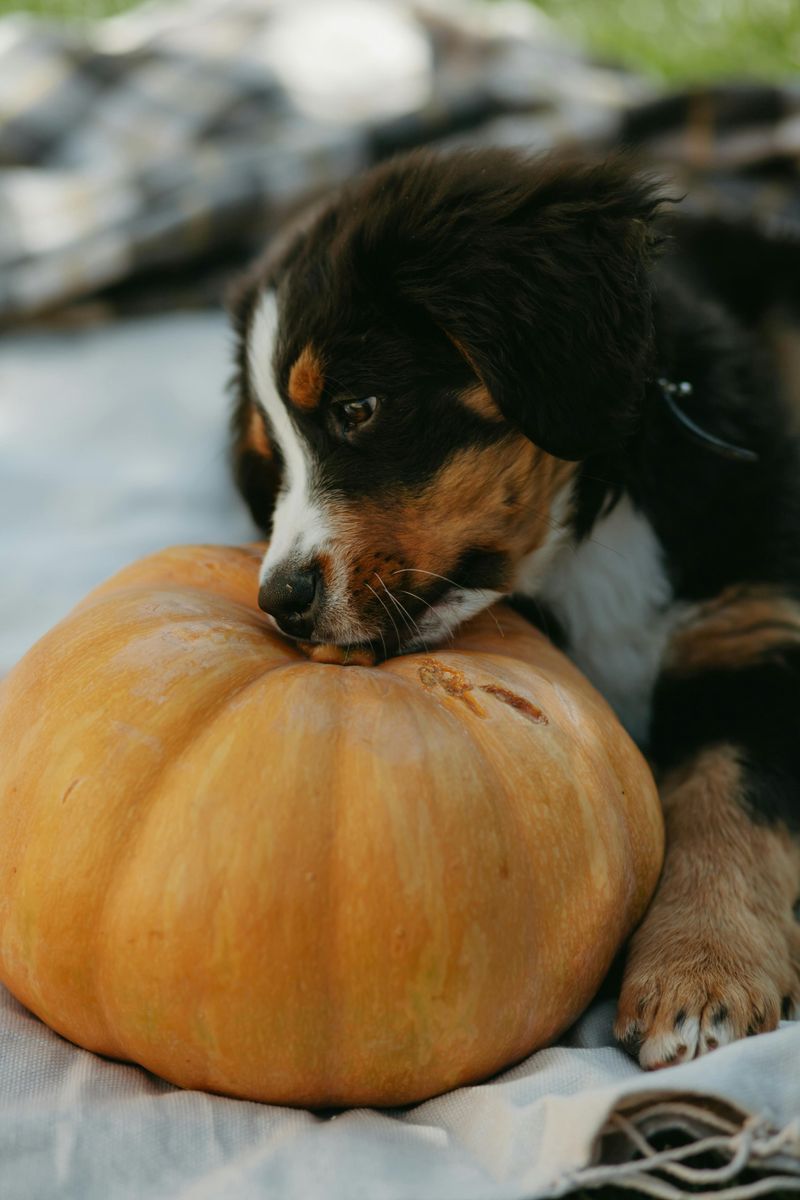
Plain canned pumpkin is a digestion hero many vets recommend for mild tummy woes. Its soluble fiber helps firm loose stools or soften hard ones by balancing moisture.
Choose pure pumpkin, not pie filling, to avoid added sugar, spices, and oils that can upset sensitive dogs.
Mix a spoonful into meals, then adjust slowly based on your pup’s response. Freeze small portions in silicone trays for quick add ins that travel well.
If diarrhea or constipation persists, check with your veterinarian to rule out underlying issues and confirm the right serving for your dog’s size. Pumpkin also pairs nicely with plain yogurt for calming, gentle snacks during recovery days.
Measure to avoid extra calories while still getting helpful fiber.
Green beans
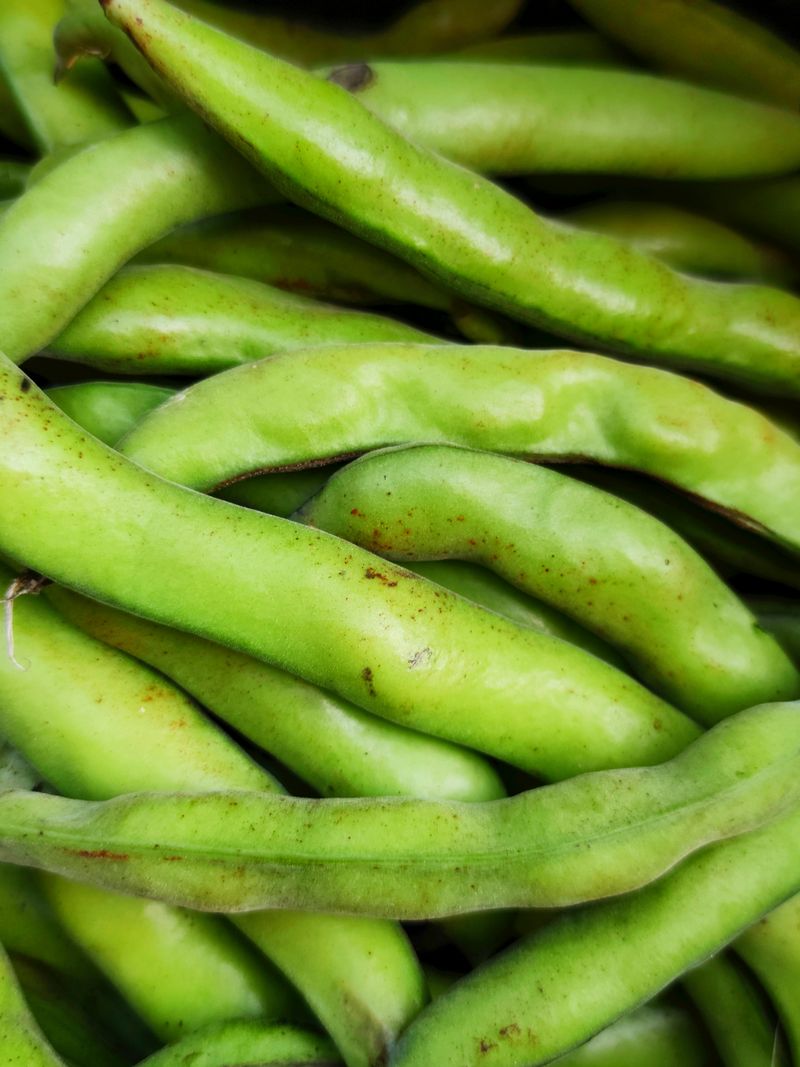
Green beans are crunchy, hydrating, and naturally low in calories. They deliver fiber and a little plant protein, making them a smart filler when managing a hungry dog’s weight.
Serve them raw, steamed, or thawed from frozen, with no butter, salt, or seasoning.
Start with a few pieces to see how your pup digests the added fiber. For enrichment, scatter chopped beans in snuffle mats to slow fast eaters and spark foraging instincts.
If you use canned beans, rinse thoroughly to remove excess sodium that can bloat and dehydrate sensitive dogs. Chilled bean sticks make great summer crunch without crumbs, and mix easily with carrots.
Cut lengthwise for toy breeds to reduce choking risks and improve chew confidence during walks.
Sweet potatoes
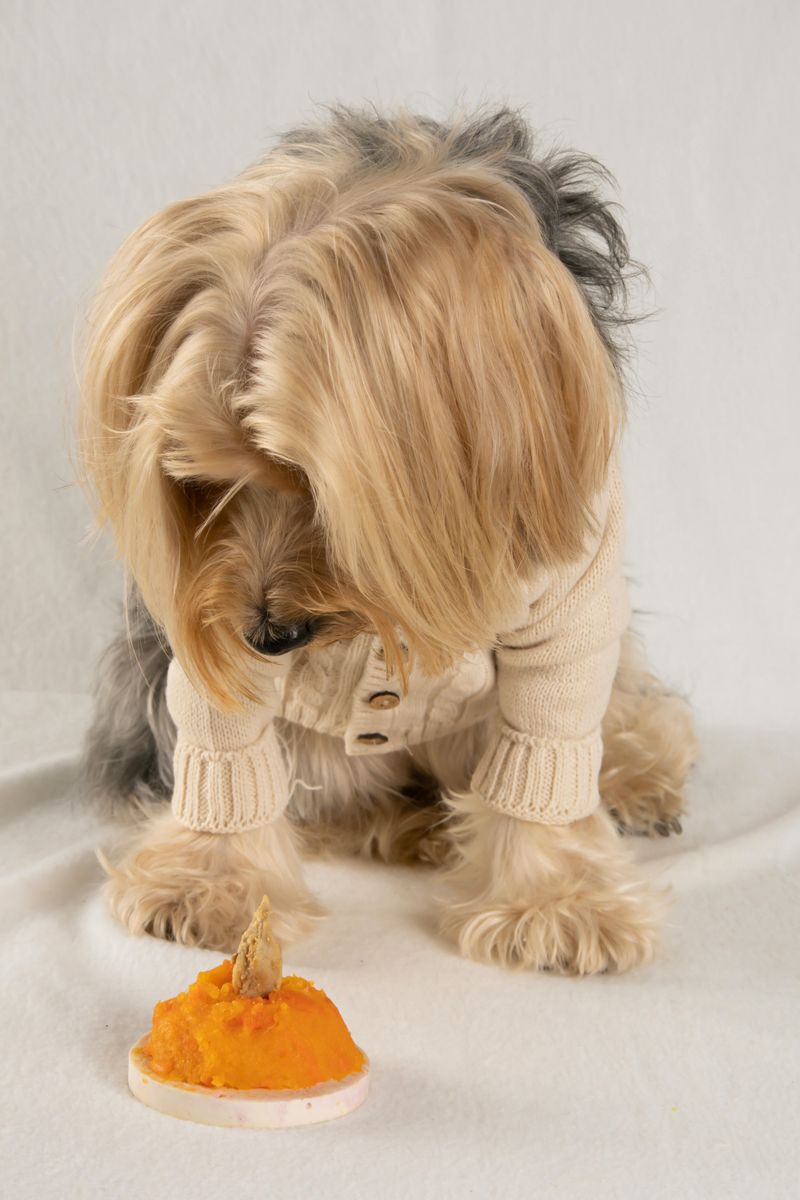
Sweet potatoes provide complex carbs, fiber, and natural sweetness many dogs enjoy. Rich in vitamin A and potassium, they can support energy and overall wellness.
Bake or steam until soft, then serve plain mashed, diced, or dehydrated into chewy slices for longer lasting treats.
Introduce gradually if your dog has diabetes or is prone to weight gain, since starch adds calories. Avoid butter, marshmallows, and spices that upset stomachs.
For travel, bake coin shaped pieces that pack cleanly, or stuff mashed sweet potato into rubber toys and freeze for a soothing, boredom busting activity. Let pieces cool completely before serving to prevent mouth burns and crumbling messes.
Peel if your pup prefers smoother textures or has a sensitive stomach today.
Bananas
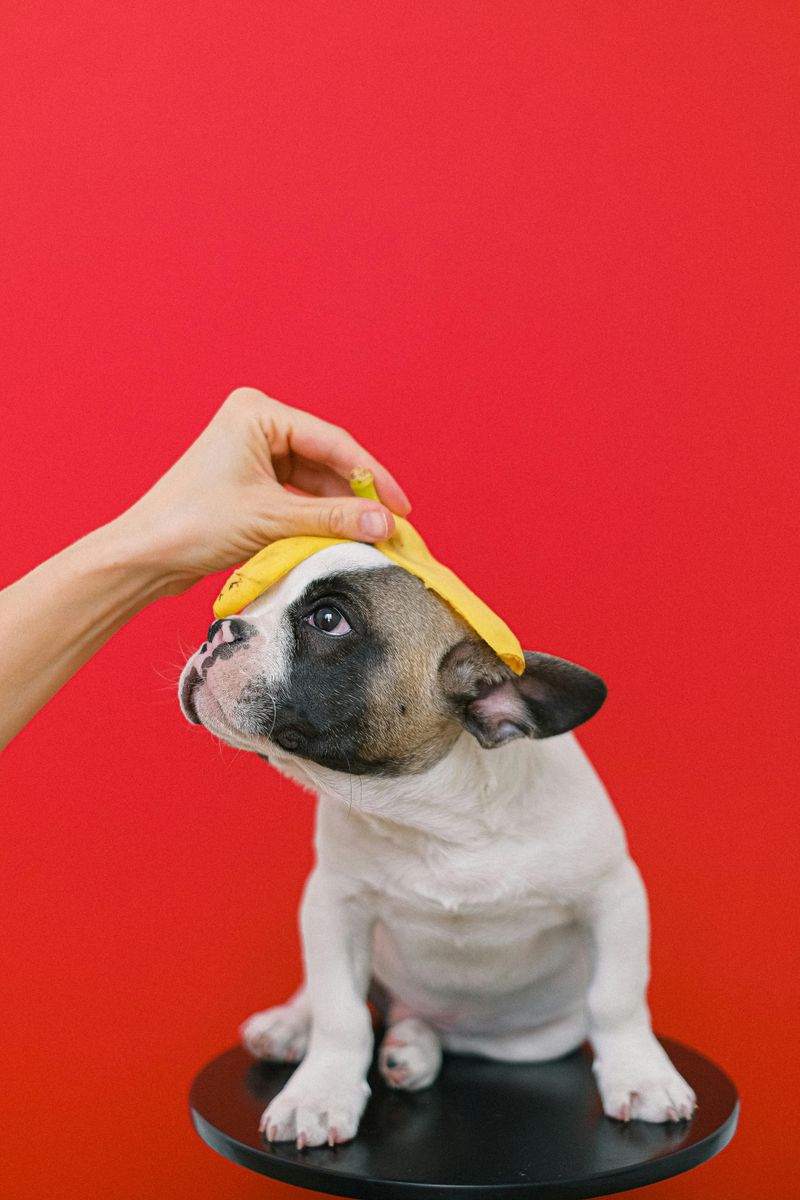
Bananas offer quick energy with natural sugars, plus potassium and vitamin B6. Their soft texture makes them ideal for senior dogs or those with dental issues.
Slice coins for training, mash into kibble for moisture, or blend with peanut butter and freeze as lickable pupsicles.
Keep portions small to avoid excess calories and tummy upset. Skip sugary chips and banana breads, which add fats and sweeteners dogs do not need.
For enrichment, smear mashed banana in a lick mat, then chill to extend licking time, calm nerves, and help redirect anxious nibblers. If using peanut butter, ensure it is xylitol free and plain to stay safe.
Frozen banana bites travel well in small containers for post park refueling on adventures.
Plain cooked chicken
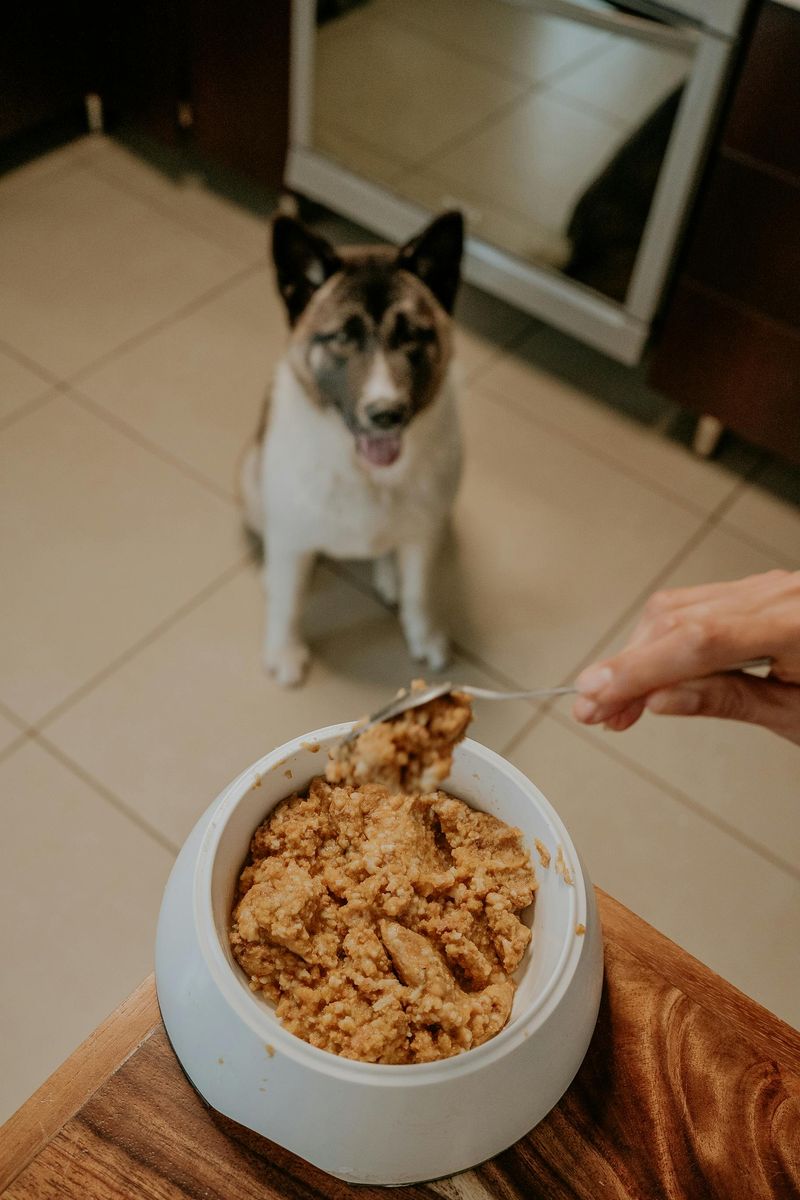
Plain cooked chicken is a lean protein many dogs tolerate well. It can tempt picky eaters and help during mild stomach upsets when served with plain rice.
Use skinless, boneless cuts, cooked without oils, onions, garlic, or heavy seasonings.
Shred into tiny pieces for training rewards, or mix with vegetables for balanced toppers. Never feed cooked bones, which can splinter and cause internal injuries.
If your dog has allergies, consult your vet and consider turkey or fish alternatives. Store cooked chicken safely, refrigerating portions and freezing extras for quick meals.
Boiling or baking keeps fat low and texture tender for sensitive mouths. Always cool before serving, and confirm boneless bites sized appropriately for your dog.
Great for stuffing toys too.
Cucumbers
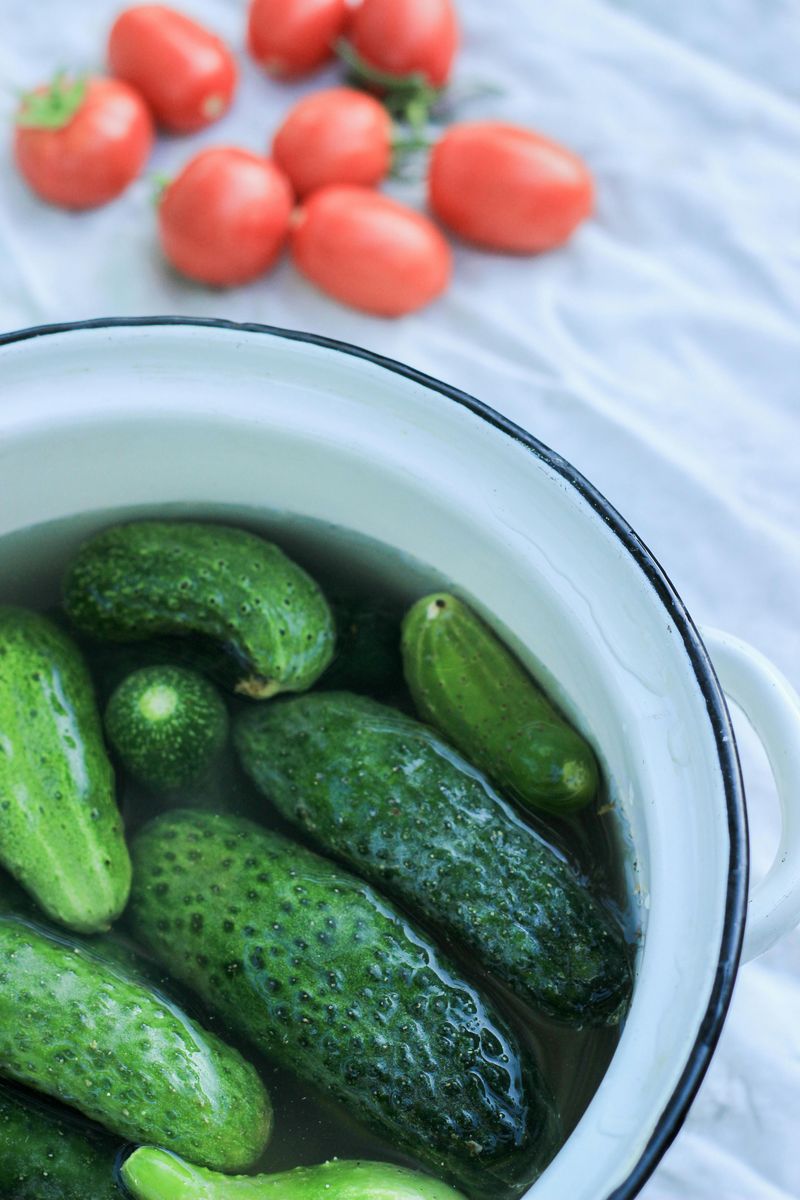
Cucumbers are crisp, refreshing, and mostly water, making them a hydrating snack. They are very low in calories, so you can offer generous crunch without expanding the waistline.
Slice into thin rounds for small dogs, or spears for confident chewers seeking cool texture.
Avoid pickles due to salt and spices, and peel if the skin bothers sensitive stomachs. For enrichment, scatter cubes on grass for a fun sniff and seek game.
Chilled cucumber boats filled with a smear of plain yogurt make quick summer treats that hydrate, refresh, and occupy restless pups. Introduce slowly to avoid gassy burps, and pair with lean protein for fuller satisfaction.
Keep pieces bite sized to reduce choking and fast gulping during excited snacking sessions.
Watermelon without seeds
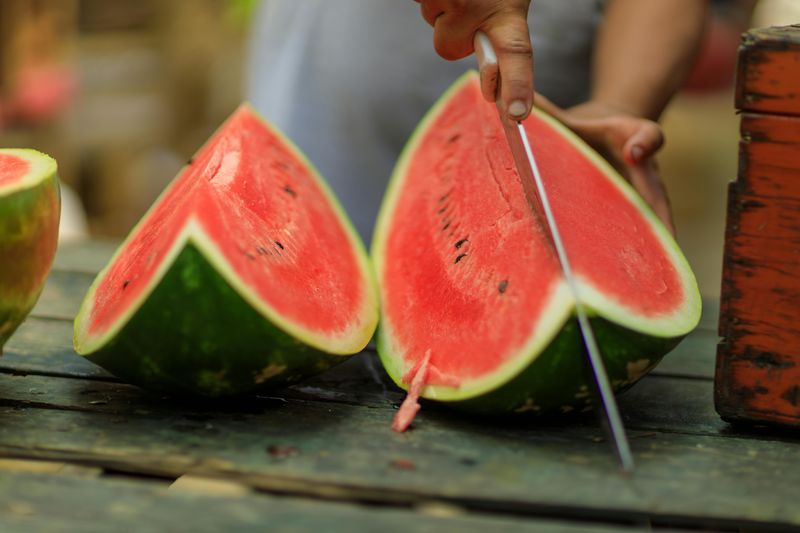
Seedless watermelon offers juicy hydration plus vitamins A and C, perfect for hot days. Its high water content helps cool pups while adding a lightly sweet flavor.
Always remove black seeds and rind, which can be hard to digest or cause blockages.
Serve small cubes or icy wedges, and balance portions to avoid too much sugar. For enrichment, blend and freeze into molds or mix with plain yogurt for sherbet like swirls.
Supervise enthusiastic chewers to prevent gulping, and offer on a washable mat because pink juice travels everywhere. Introduce gradually for sensitive bellies, and keep rinds out of reach after picnics.
Chilled melon sticks also fit inside rubber toys to create refreshing, longer lasting licks. Perfect post walk treats.
Plain Greek yogurt
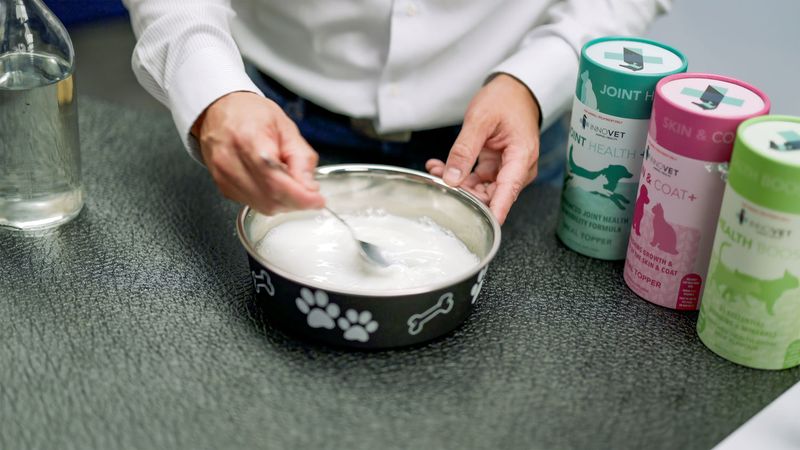
Plain Greek yogurt brings creamy protein and calcium without heavy sweetness. Its thick texture mixes easily with kibble or fruit, creating satisfying, cool toppers.
Choose unsweetened, unflavored varieties, and avoid xylitol or added sugar that can be dangerous for dogs.
Start with small spoonfuls to assess tolerance, since some dogs are sensitive to lactose. Pair with pumpkin, blueberries, or cucumbers for refreshing snacks that soothe and hydrate.
For enrichment, smear yogurt in a lick mat, then freeze for slow, calming sessions that reduce boredom and support relaxed behavior. If your dog has dairy allergies or pancreatitis, consult your vet before adding yogurt.
Opt for low fat options to manage calories while keeping the protein benefits. Mess wipes easily after snacks.