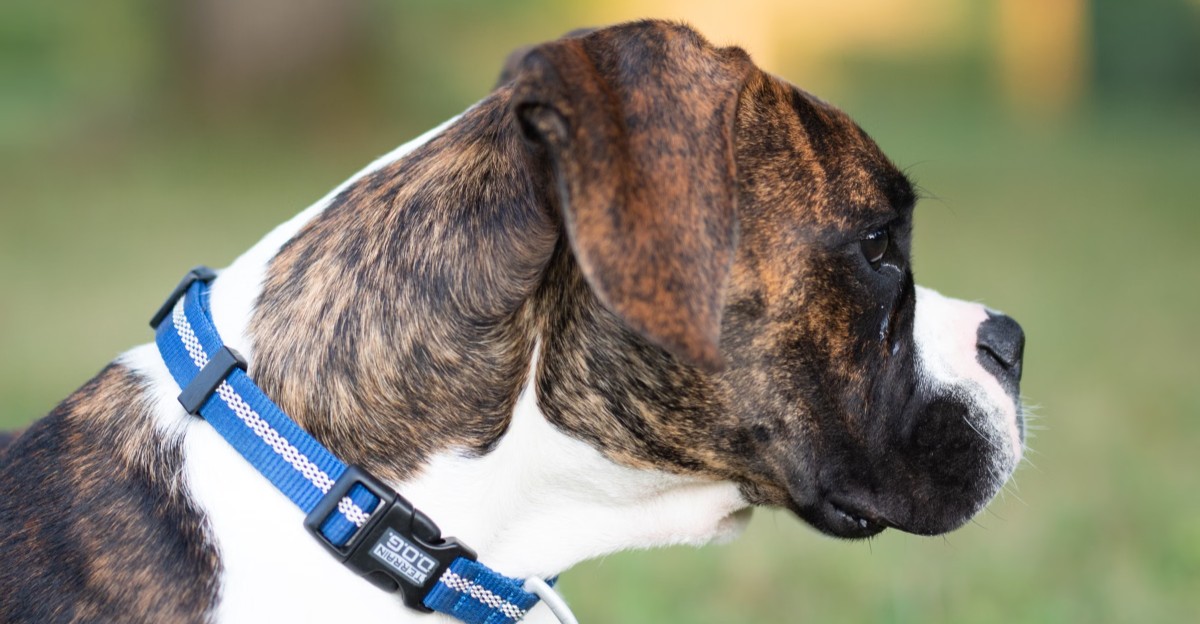
Dogs pay close attention to our feelings. Some breeds are extra tuned in, picking up on small changes in voice, body language, and routine.
When life feels heavy, a watchful dog can bring calm and comfort fast. Here are breeds known for noticing your mood and responding with care.
Labrador Retriever
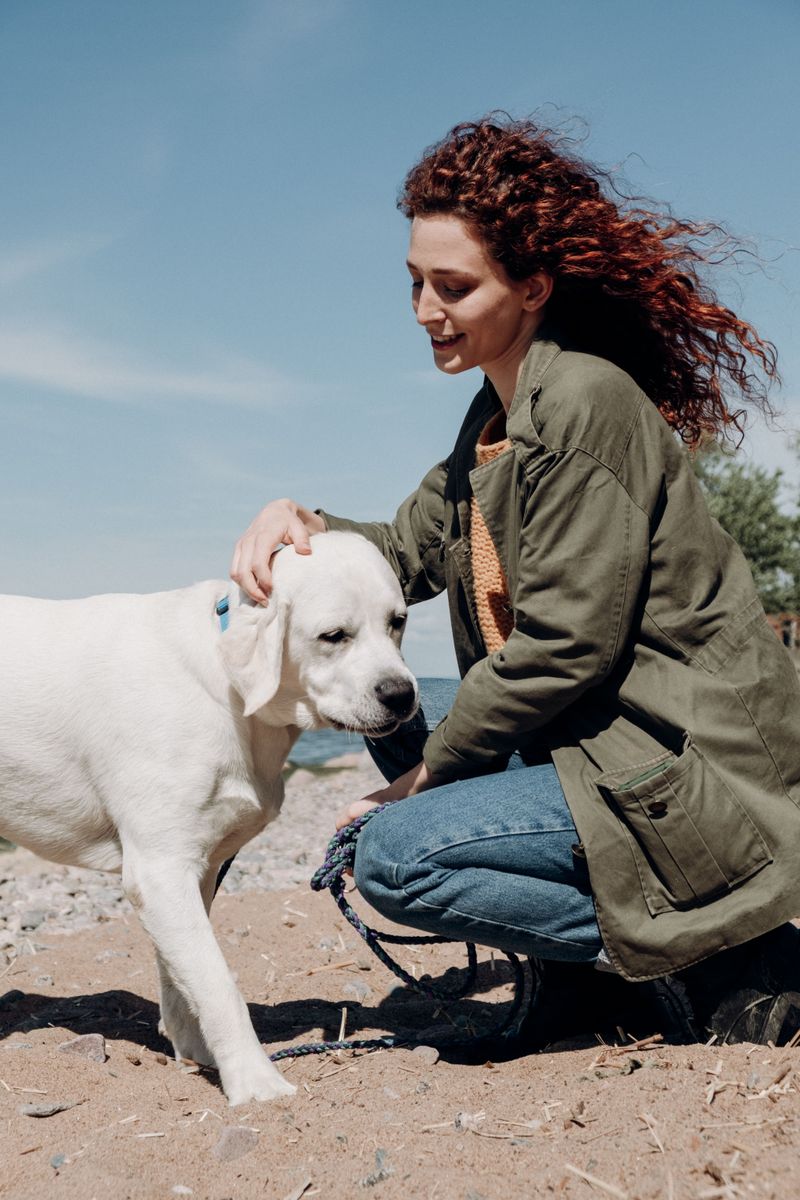
With an easy grin and steady eyes, Labs often notice when your voice softens or your shoulders slump. Many will slide in close, offering weight and warmth that helps you breathe easier.
Trainers love their people-first focus.
Try gentle petting or a calm walk when stress builds. Labs thrive on routine, so keep feeding and exercise regular.
A quick game of fetch can reset both your mood and theirs.
Golden Retriever
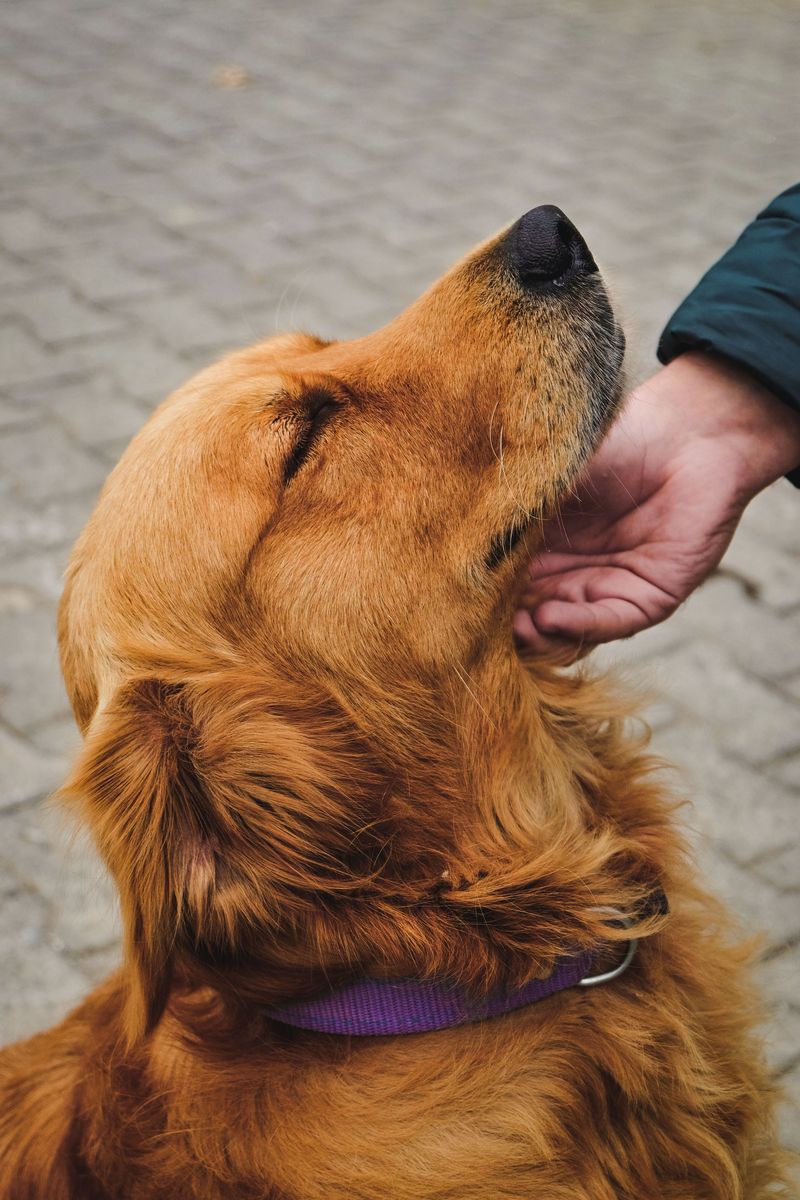
Sunny by nature, Goldens often sense sadness before you say a word. They read tiny cues, then answer with a nuzzle or a careful lean.
Their patience can make tough days feel lighter.
Short training refreshers keep their minds busy, which supports calm behavior around stressed people. Bring out a puzzle toy, practice a few cues, then relax together.
Many families find a quiet brushing session eases anxious moments.
Border Collie
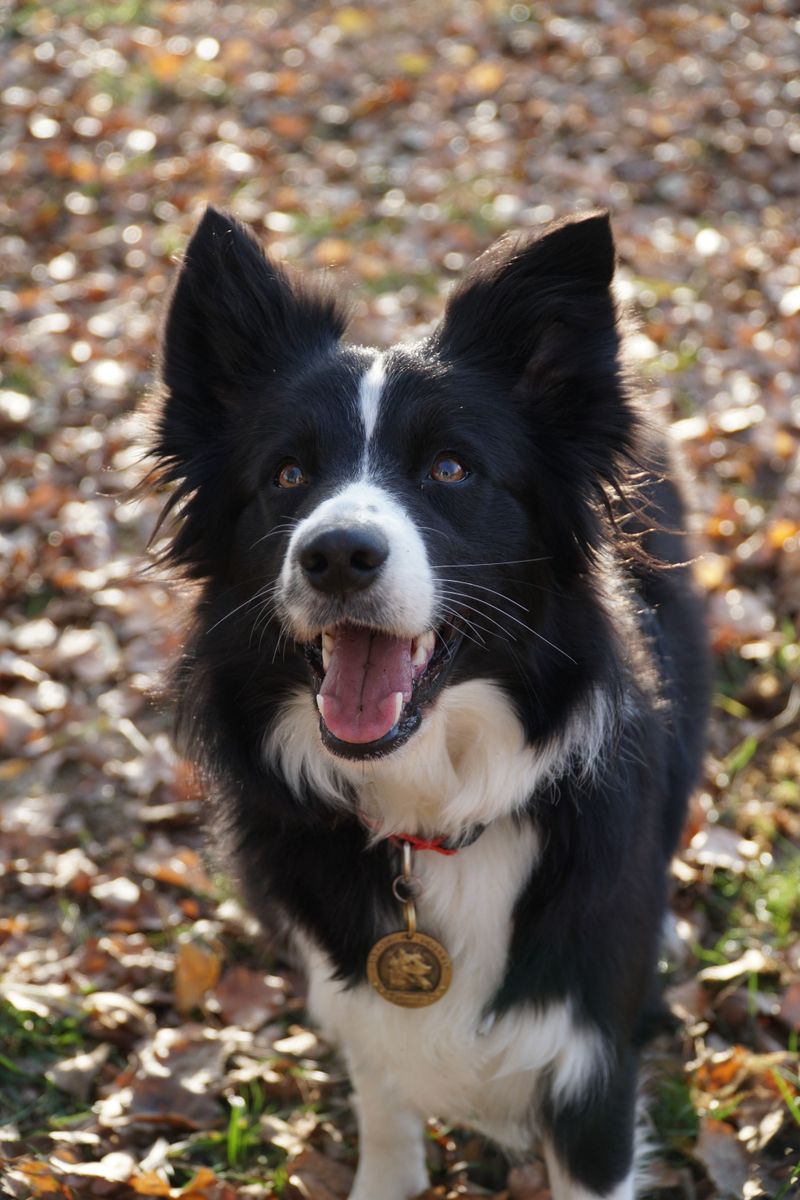
Born observers, Border Collies track everything, including your feelings. A shift in pace, a sigh, or a pause gets noticed fast.
Their keen minds like jobs, which can help channel nervous energy into helpful routines.
Use simple tasks on hard days: find the keys, bring a toy, target a mat. Mental work settles their focus and supports you too.
A structured walk with sniff breaks can calm both brains.
German Shepherd
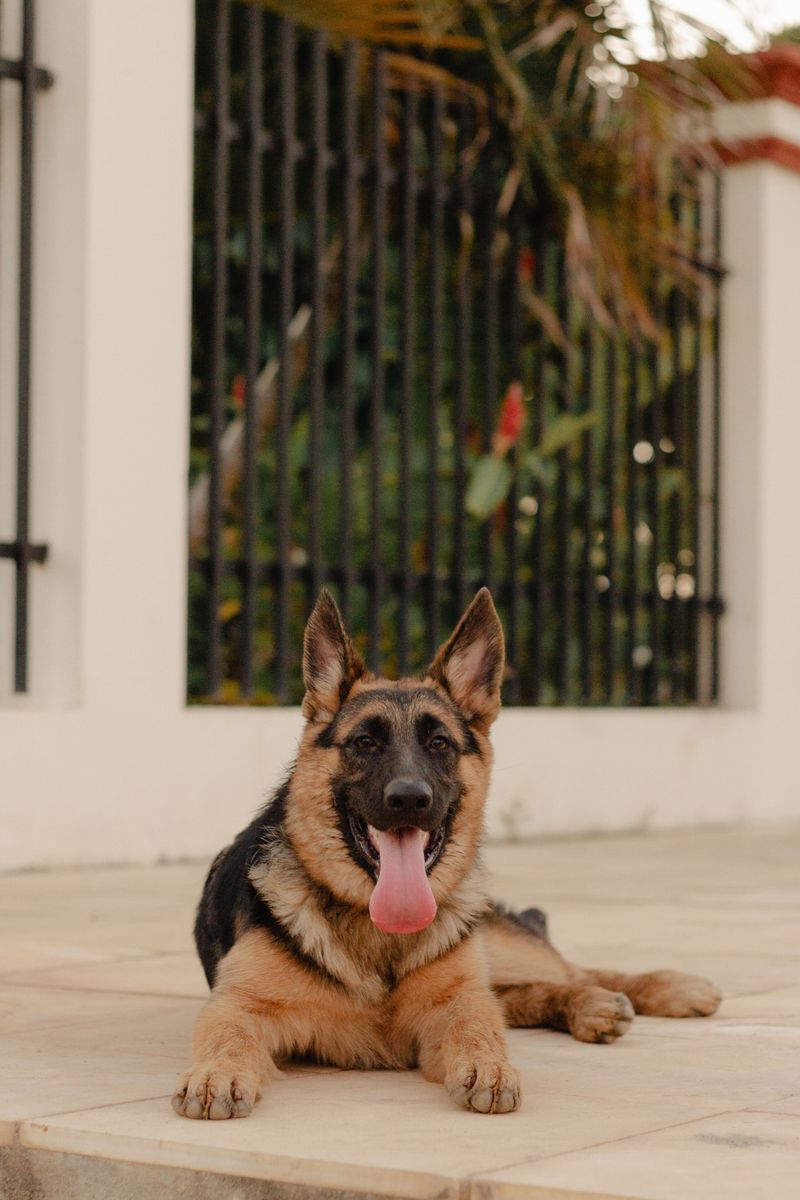
Protective by instinct, German Shepherds track your tone and posture, then adjust their stance. Many will place themselves between you and stress, offering steady presence.
That grounded energy can feel like a shield.
Clear cues and calm praise work best when you feel tense. Teach a quiet settle on a mat and a soft chin rest in your palm.
Those skills become anchors during anxious spells.
Poodle
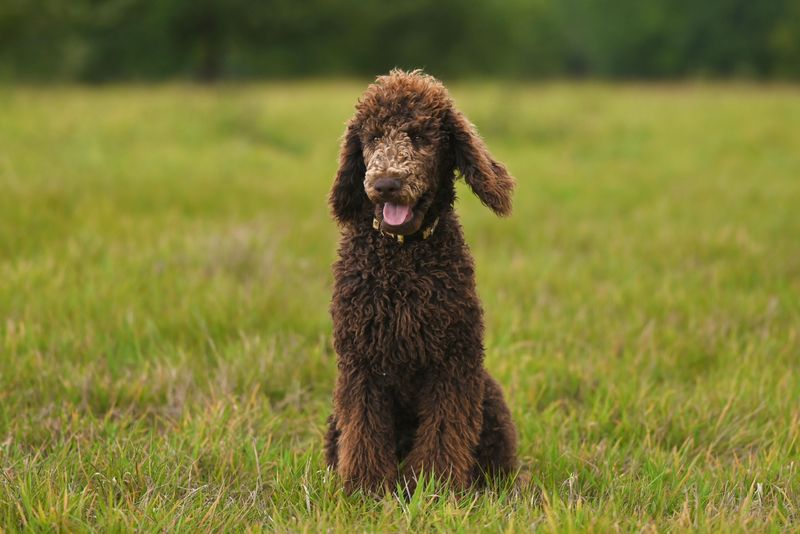
Quick thinkers, Poodles catch emotional changes like a dropped pin. A gentle tap of a paw or a focused gaze can be their check-in.
Many excel in therapy work because they balance energy with grace.
Keep short training games handy for rough days. Three minutes of scent work or a new trick often eases tension.
Afterwards, invite quiet time on a bed near your chair.
Cavalier King Charles Spaniel
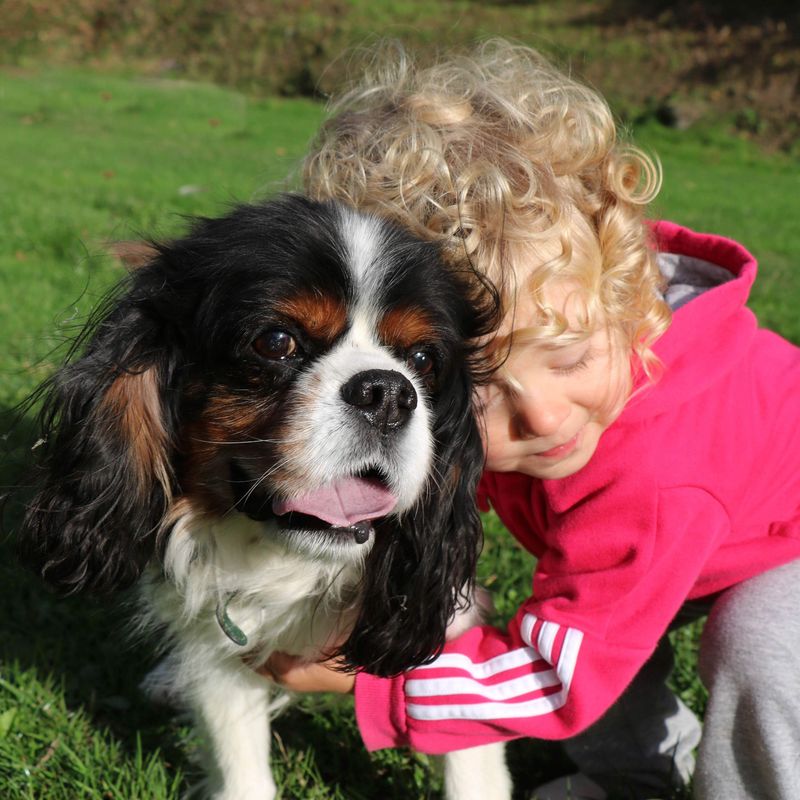
Small body, big heart. Cavaliers seem magnetized to laps, especially when stress shows up.
They listen with soft eyes and calm cuddles, often lowering your pulse with steady breathing.
Gentle routines suit them well. Try a quiet window sit, slow strokes along the ears, then a short stroll.
Keep voices low and movements smooth. A comfy blanket spot becomes their favorite watch post for your feelings.
Australian Shepherd
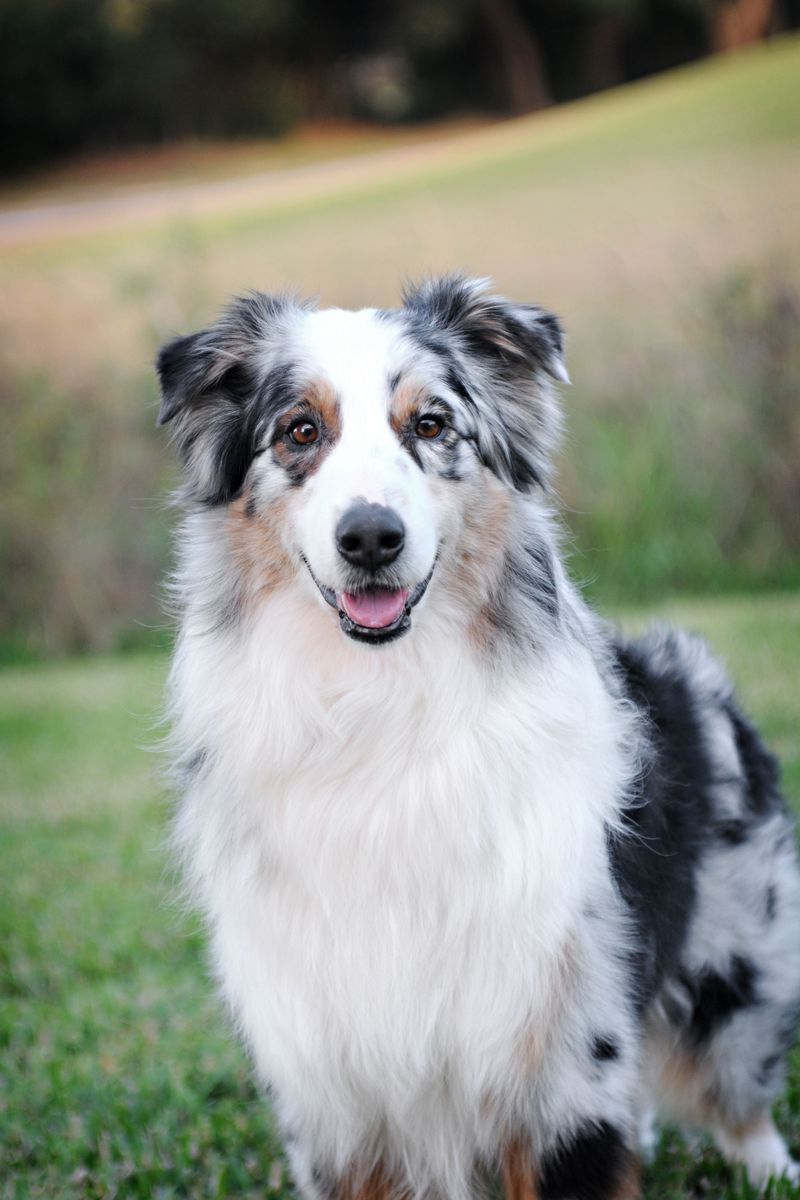
Like a helpful teammate, Aussies monitor your rhythm and mood on the move. They love having purpose, so they often step closer when you slow or sigh.
That bond can redirect jitters into action.
Give simple jobs: carry a light pack, heel to a pace, check in on cue. Sprinkle sniff breaks to reduce stress.
Later, a chew toy and a cozy corner invite healthy rest.
Bernese Mountain Dog
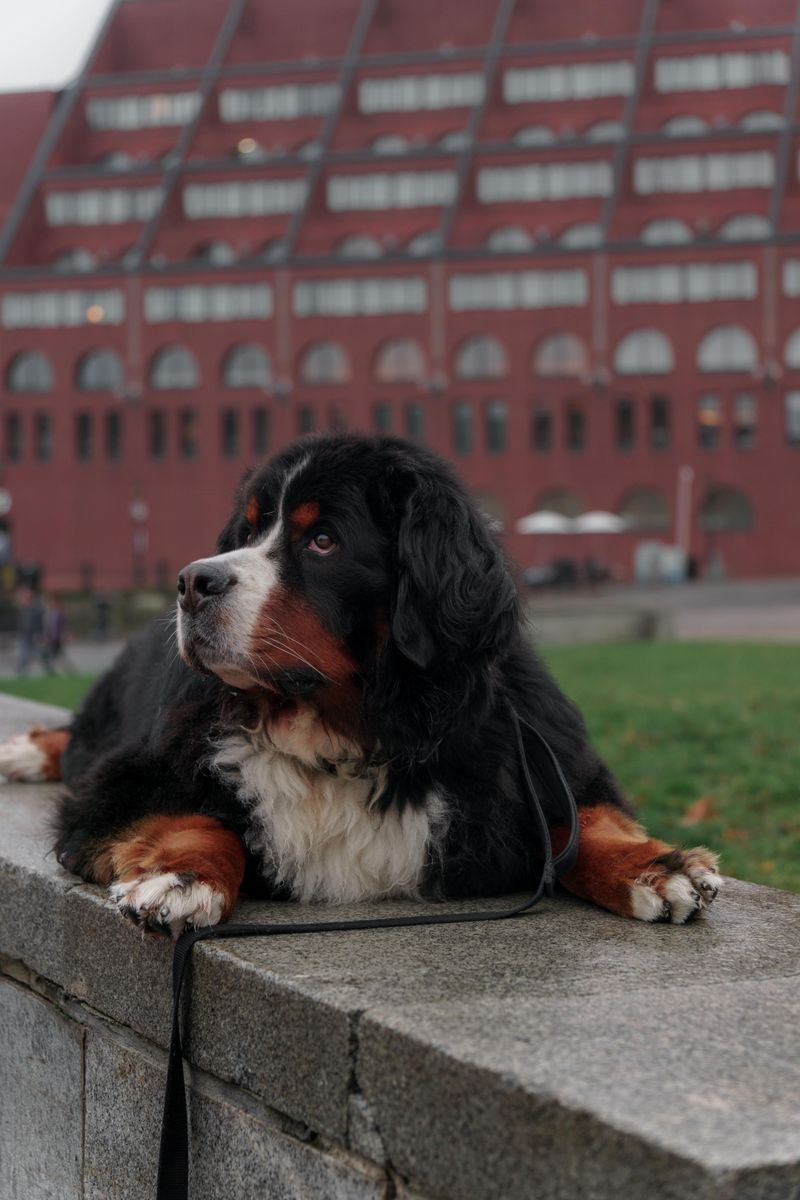
With a calm presence and steady gaze, Berners often drift closer when feelings run high. Their size adds comforting weight when they lean in, like a living blanket during rough moments.
Short outdoor strolls and easy obedience refreshers keep them balanced. Teach a relaxed down beside the couch for quiet support.
Brushing sessions can soothe everyone, and the slow rhythm helps them notice your breathing pattern.
Vizsla
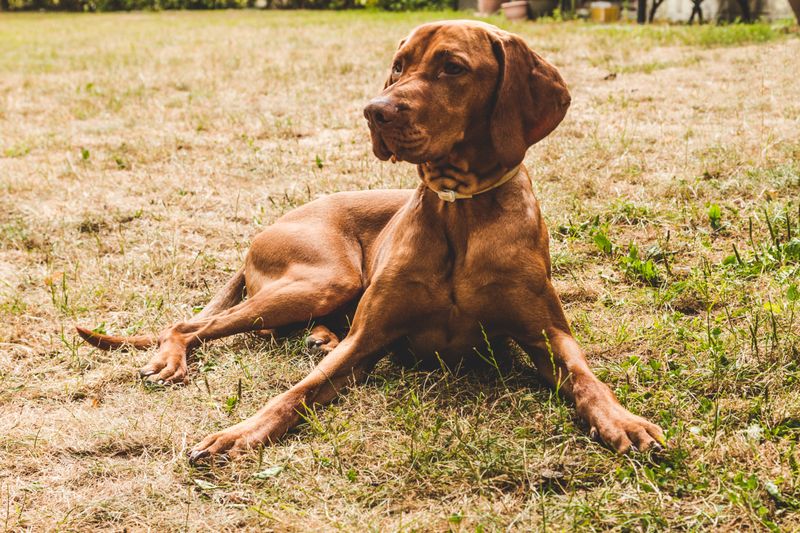
Nicknamed the Velcro dog, Vizslas crave closeness and track your feelings through constant contact. They often nuzzle or curl tight when worry shows up, matching their breath to yours.
Channel their spark with brief sprints or fetch, then cool down with quiet cuddles. Teach a cue for calm touch, like placing their head on your leg.
That simple action becomes a fast comfort button.
Boxer
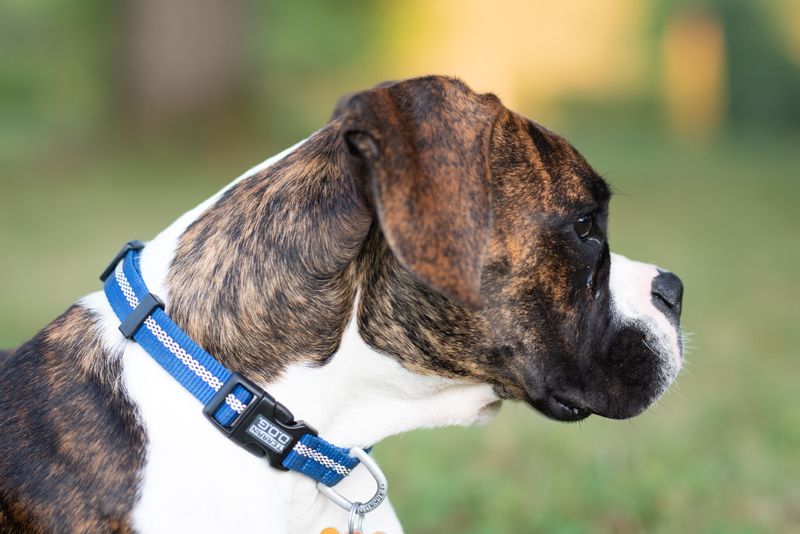
Goofy at play, but surprisingly tuned in when your mood dips, Boxers often switch from clown to caretaker in a heartbeat. A gentle chest lean or quiet sit shows their empathy.
Short bursts of play can lift gloom, followed by a practiced settle on a mat. Keep cues cheerful and simple.
Many families use a favorite tug toy as a reset, then enjoy a peaceful cuddle cooldown.
Shetland Sheepdog
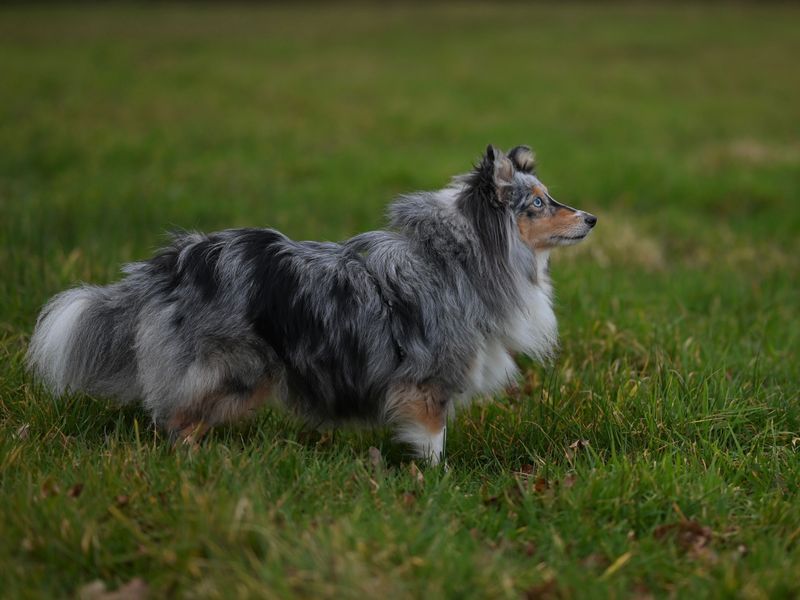
Tiny herder, big observer. Shelties notice micro-changes, from your footsteps to your sighs.
They often respond with a watchful sit or a gentle nose touch, asking if you are okay.
Keep their mind busy on tough days with light trick training or nose games. A few minutes of hide and seek with treats works wonders.
Afterward, invite a curl-up beside you for calm bonding time.
Great Pyrenees
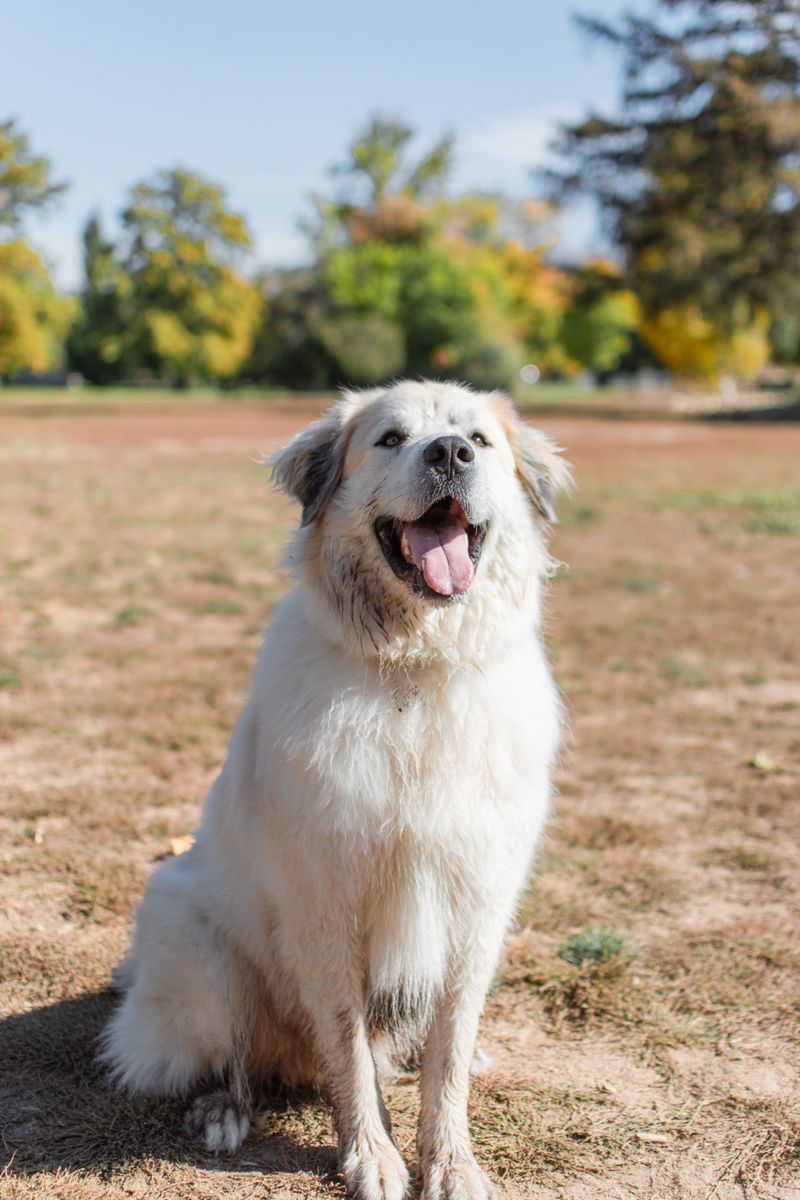
Quiet guardians, Pyrs read the room and respond with stillness. When emotions rise, many will park beside you like a soft wall, encouraging deeper breaths and slower thoughts.
They appreciate calm routines. Try evening strolls, low-key brushing, and a practiced settle near your favorite chair.
Give clear, gentle cues, and they will often choose peaceful presence over excitement. That steady support can turn a tense night into a restful one.