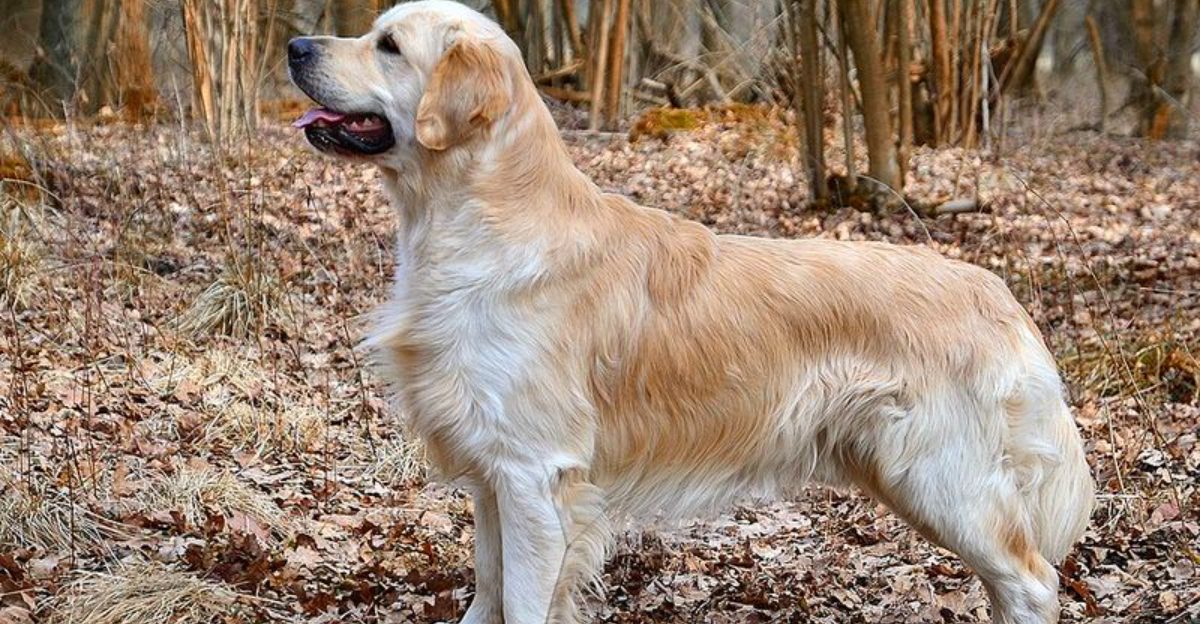
Dogs watch us more closely than we think. Some breeds pick up small signs like how we breathe, move, or sit, and they react before we talk.
Understanding which breeds notice mood shifts can help families, trainers, and new owners build better routines. You might even spot new ways your dog tries to comfort you.
Golden Retriever
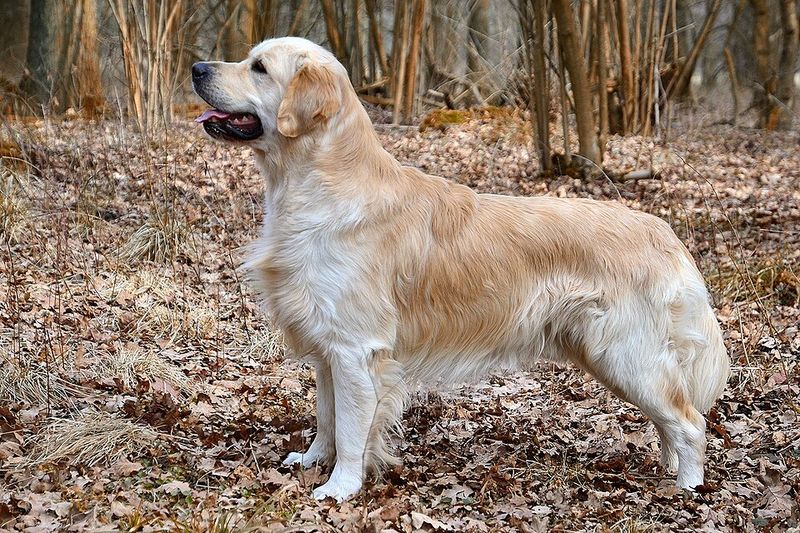
With a face that reads the room, the Golden often leans in when stress rises. You might see a soft nuzzle, a quiet sigh, or a gentle paw on your knee.
Their easygoing spirit helps them mirror your pace, so slow breathing and a calm voice guide them well.
Try brief cue words like settle and place during tense times. Short fetch breaks can reset energy.
Many families also use touch games to reinforce steady, comforting contact.
German Shepherd
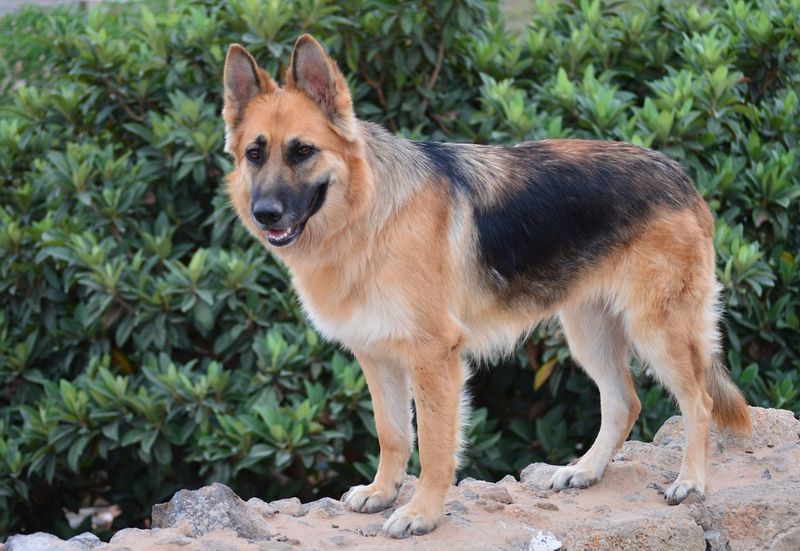
Born to read body signals, German Shepherds catch a clipped tone or tight shoulders fast. Their strong work drive channels into guarding, guiding, and staying close.
When frustration spikes, they may block a doorway or circle back to check in.
Structure helps them relax. Set a calm routine with place mats, steady walks, and scent games.
If anxiety visits, ask for simple tasks like heel and down to turn worry into purpose, then reward with quiet praise.
Poodle
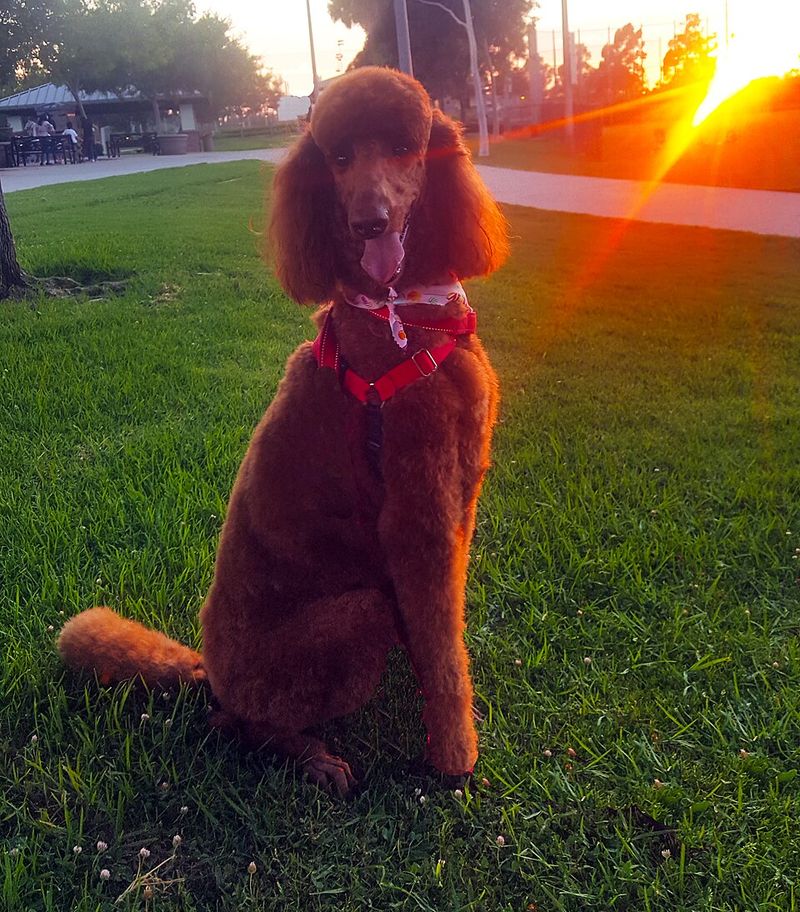
Sharp brains and quick eyes make Poodles notice small changes in rhythm. A tapping foot or rushed typing can pull them closer.
Some will rest a chin on your leg, almost asking, Want a break now. Their curiosity keeps them tuned to your routine.
Give them thinking jobs. Hide treats under cups or teach new tricks to redirect nervous energy.
A five-minute grooming session can be soothing, pairing gentle brushing with slow breathing.
Boxer
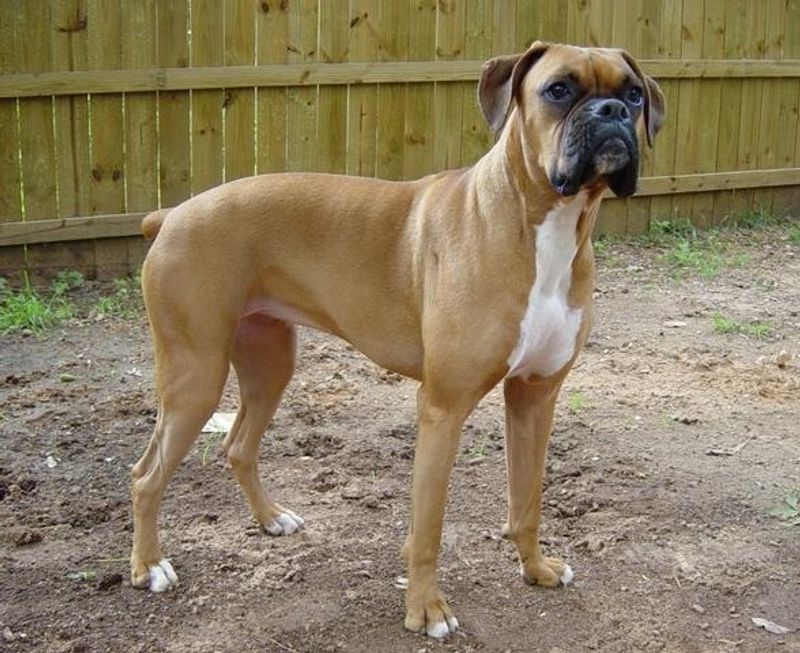
Big expressions and bigger hearts, Boxers notice when laughter fades. They often answer tension with clownish moves, then melt into a cuddle when you slow down.
Their springy energy can flip to soft and snuggly the moment you sit.
Channel their read-the-room talent with short play, then ask for a settle on a mat. Chew toys and brief training bursts keep minds busy.
Praise the calm shifts so they learn to soothe, not just excite.
Cocker Spaniel
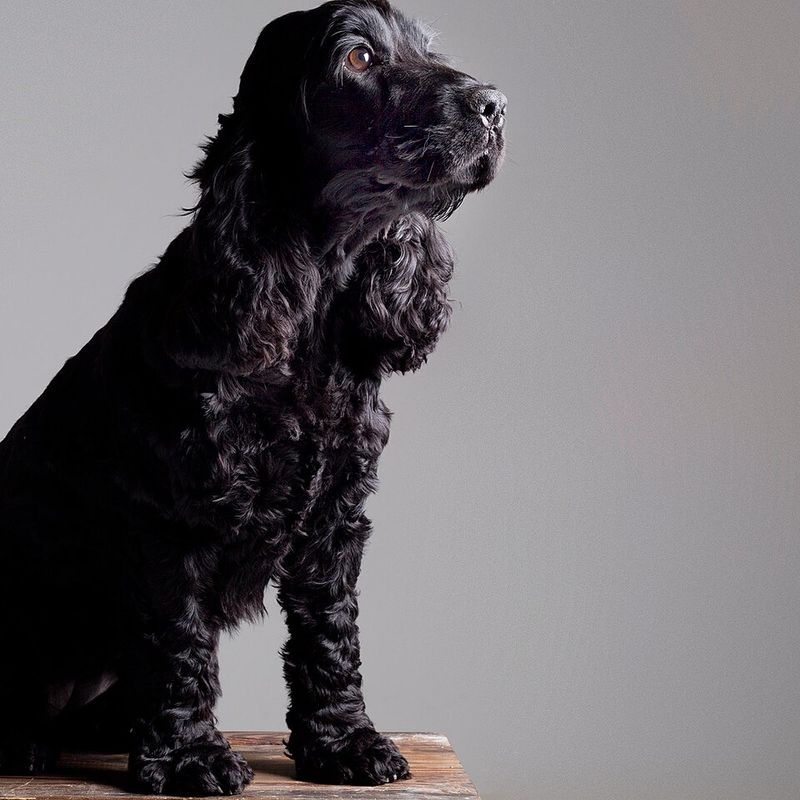
Soft-eyed Cockers pick up on tiny changes in tone and tempo. A heavy sigh or quiet tear may bring them close, ears brushing your hand.
Many will curl at your side, slowing their breathing to match yours.
Gentle routines help, like evening walks and nose work in the hallway. Keep voices warm and clear during training.
Short hand-target games build confidence, turning worry into small wins that comfort both dog and person.
Shetland Sheepdog
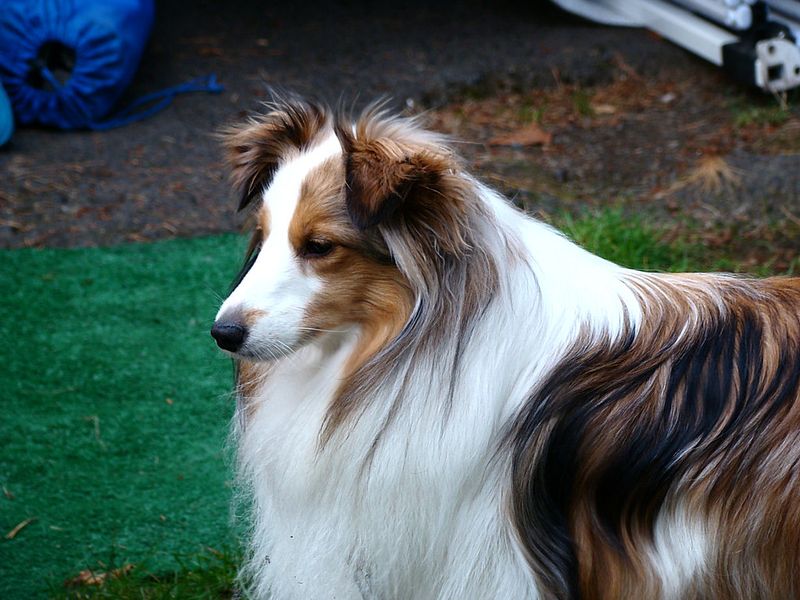
Quick to notice patterns, Shelties read footsteps, door sounds, and even your morning pace. When moods shift, they often herd gently, guiding people to a chair or doorway.
Sensitivity makes them loyal watchers who thrive on clear signals.
Offer focused jobs like spin, figure eight, and target a cone. Light agility or rally exercises drain worry.
Keep praise crisp and happy. When storms or stress roll in, a covered crate and steady music can calm their sharp minds.
Doberman Pinscher
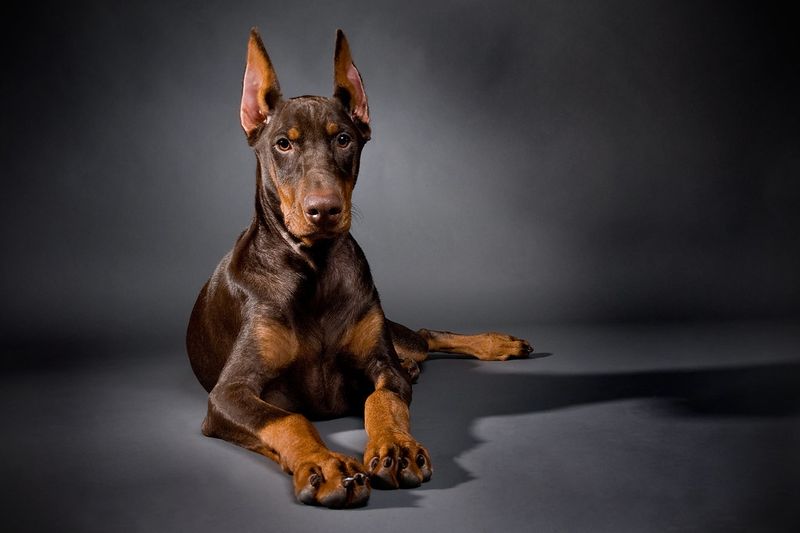
Confidence with a careful eye, Dobermans scan faces and posture for clues. If tension rises, they might position themselves between you and a doorway, then relax when your shoulders drop.
Their loyalty often shows in quiet shadowing around the home.
Teach a cheerful check-in cue, like touch or look. Structured obedience and scent puzzles keep minds steady.
Reward loose, relaxed body language with calm petting, helping them learn that your peace means their watch can ease.
Rough Collie
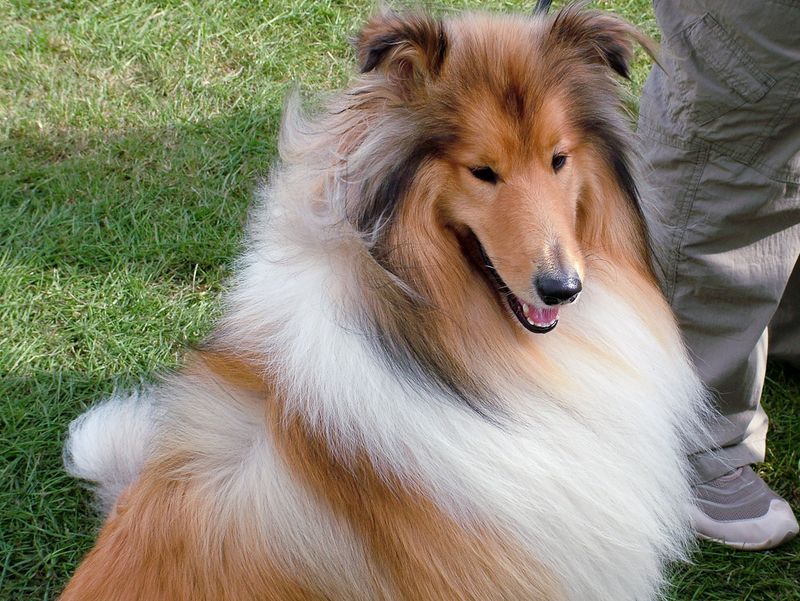
Storybook grace meets sharp awareness in the Rough Collie. They notice when your steps slow or your voice softens.
Many will pace at your side, guiding gently through doorways or around obstacles, like a quiet guardian with velvet paws.
Daily brushing doubles as bonding. Practice slow heeling and pause cues to set a tranquil rhythm.
When worry appears, ask for watch me, then reward with a calm walk, letting movement wash away heavy feelings.
Papillon
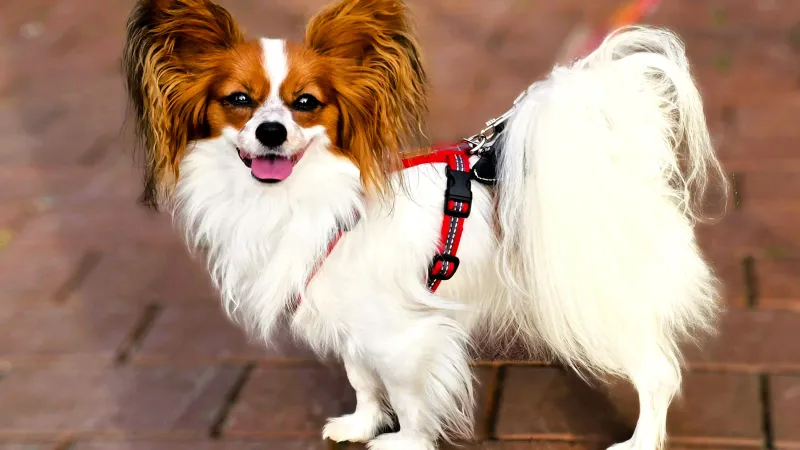
Tiny body, huge radar. Papillons catch the twitch of an eyebrow or the tap of a pen.
They often hop closer during worry, then settle when you breathe deeper. Their quick minds love mini challenges that turn nerves into focus.
Teach fun cues like peekaboo or spin to brighten the mood. Short sniff walks and food puzzles help them reset.
Keep your voice upbeat but soft so their keen senses stay curious, not wired.
Brittany
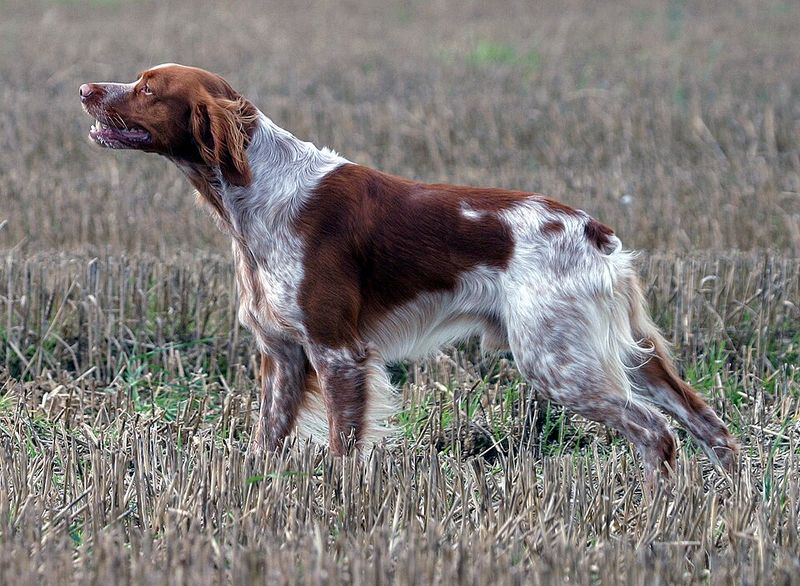
Bred to work closely with people, the Brittany keys in on your pace and tone. A sudden stop or tight breath pulls quick attention.
Many will check back often, almost asking what next, then shift gears when you steady yourself.
Use that teamwork drive. Try field-style games, hide-and-seek recalls, and calm place breaks.
When stress builds, simple nosework turns worry into a mission, giving their agile mind a job and your nerves a breather.
Belgian Tervuren
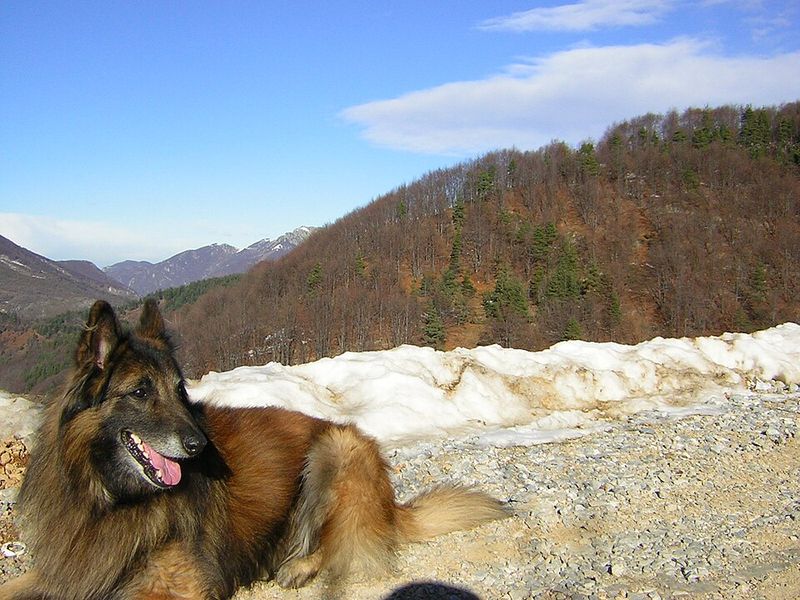
Intensity with elegance, the Tervuren studies micro-movements and reacts fast. A clipped command or rushed gait can raise their drive, while a calm cue quickly smooths it.
They love having a role, so uncertain moments are easier when given a clear task.
Build rituals: breathe, cue, perform, reward. Incorporate precision heeling, platform work, and scent articles.
When emotions climb, shift to pattern games that predict success, turning sharp focus into steady, confident partnership.