Bringing a new dog home is exciting, but sometimes your pup paces, whines, or hides instead of settling in. Some breeds are simply more sensitive to change and need extra patience before they feel safe.
Knowing which dogs tend to struggle can help you respond with calm routines instead of frustration. Here are the breeds that often need a little more time to trust their new world.
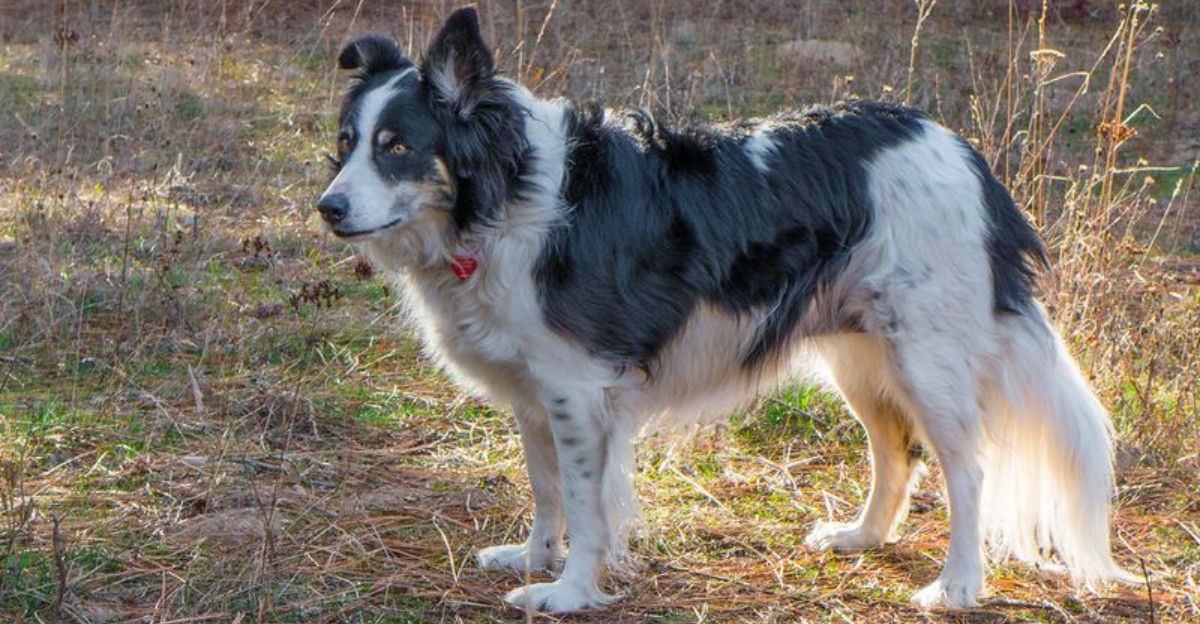
Border Collie
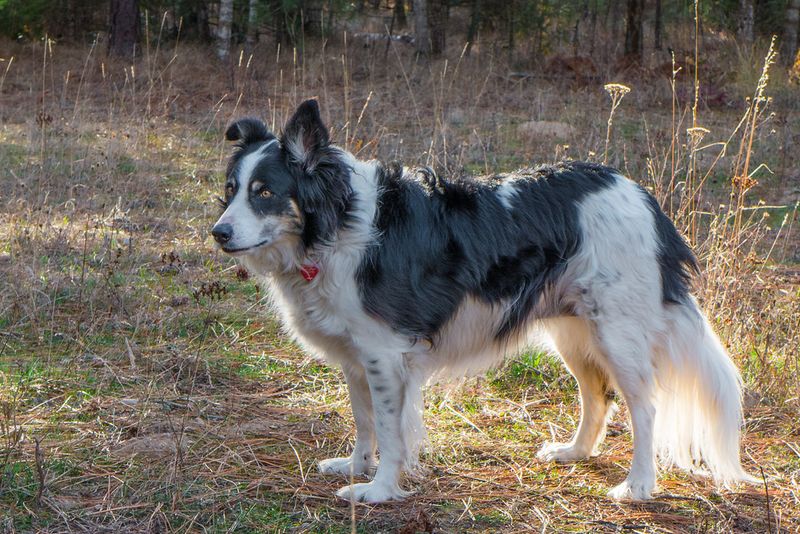
Picture a brain that never hits the off switch. Border Collies were bred to herd sheep all day, so a quiet house can leave them restless and on edge.
Give your new pup jobs to do. Puzzle feeders, short training games, and daily sniff walks help burn off mental energy.
Stick to the same schedule every day. Once a Border Collie knows what comes next, the pacing usually fades into calm naps.
German Shepherd
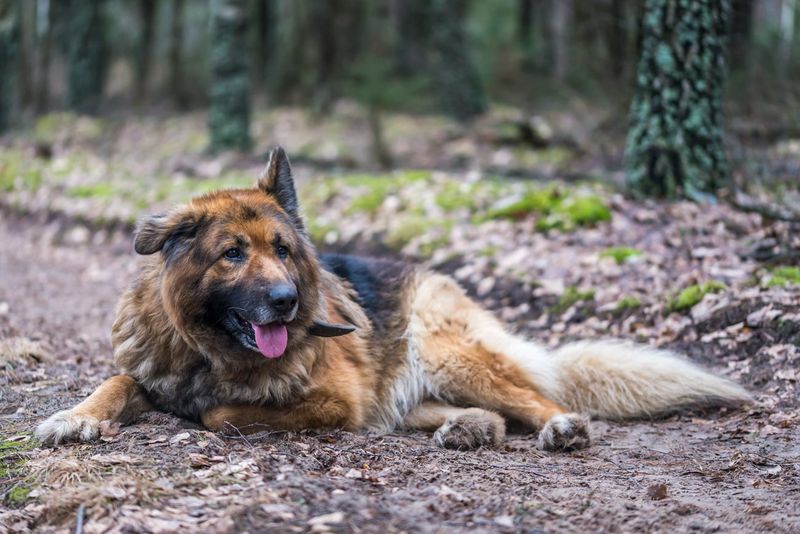
Loyal to the bone, German Shepherds often attach to one person fast. That deep bond is lovely, but it can turn into worry when you leave the room.
Practice short departures at first. Step outside for a minute, then come back without a big fuss.
Fun fact: these dogs were first developed in Germany in the late 1800s to guard flocks. Watching over things is basically in their blood, so reassurance matters.
Greyhound
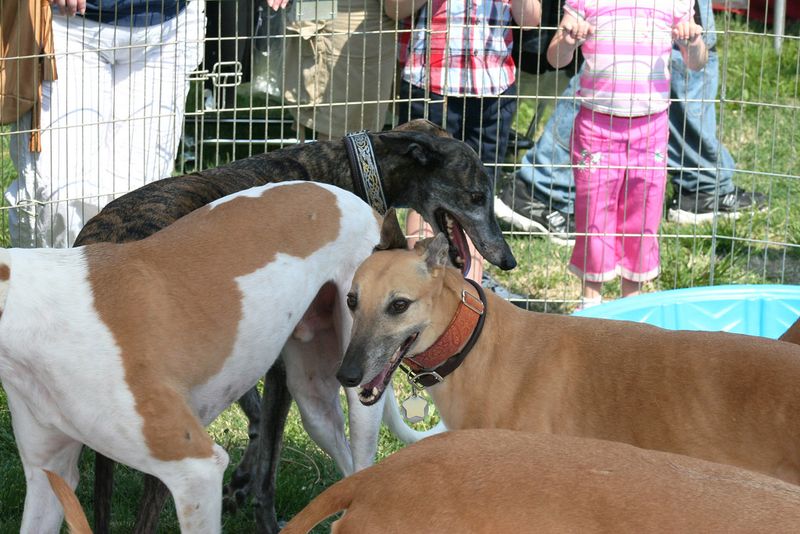
Many rescued Greyhounds have never seen stairs, glass doors, or even a couch. Everyday house life can feel like a strange new planet to them.
Move slowly and let your hound explore at its own pace. A soft bed in a quiet corner gives it a safe place to retreat.
Here is the sweet part. Once they relax, these speedy athletes often become champion nappers, sleeping up to 18 hours a day.
Chihuahua
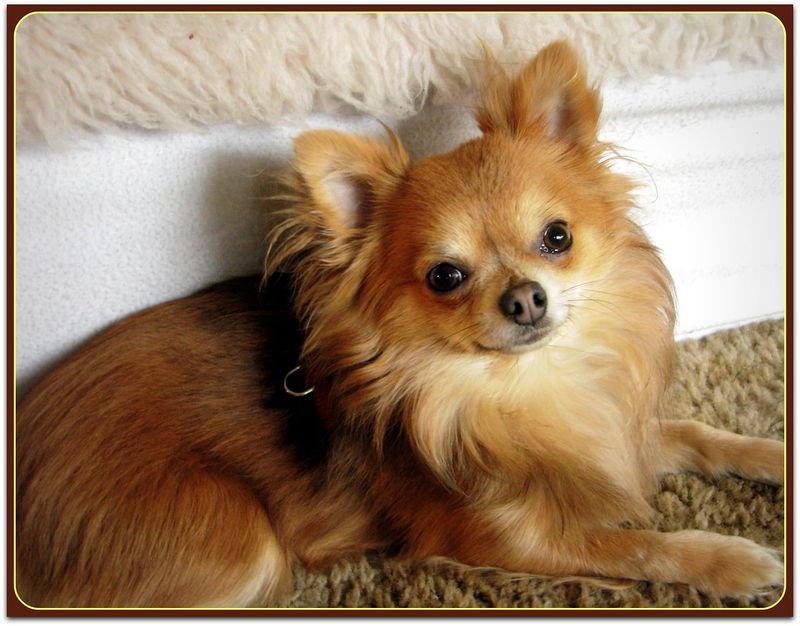
Small body, big feelings. Chihuahuas notice every noise, and to a dog this tiny, the world can seem full of giants.
Shaking, barking, or hiding under blankets is common at first. Let your pup come to you instead of scooping it up suddenly.
Offer treats at floor level and keep visitors calm. With steady, gentle handling, many Chihuahuas grow into bold little shadows who follow you from room to room.
Vizsla
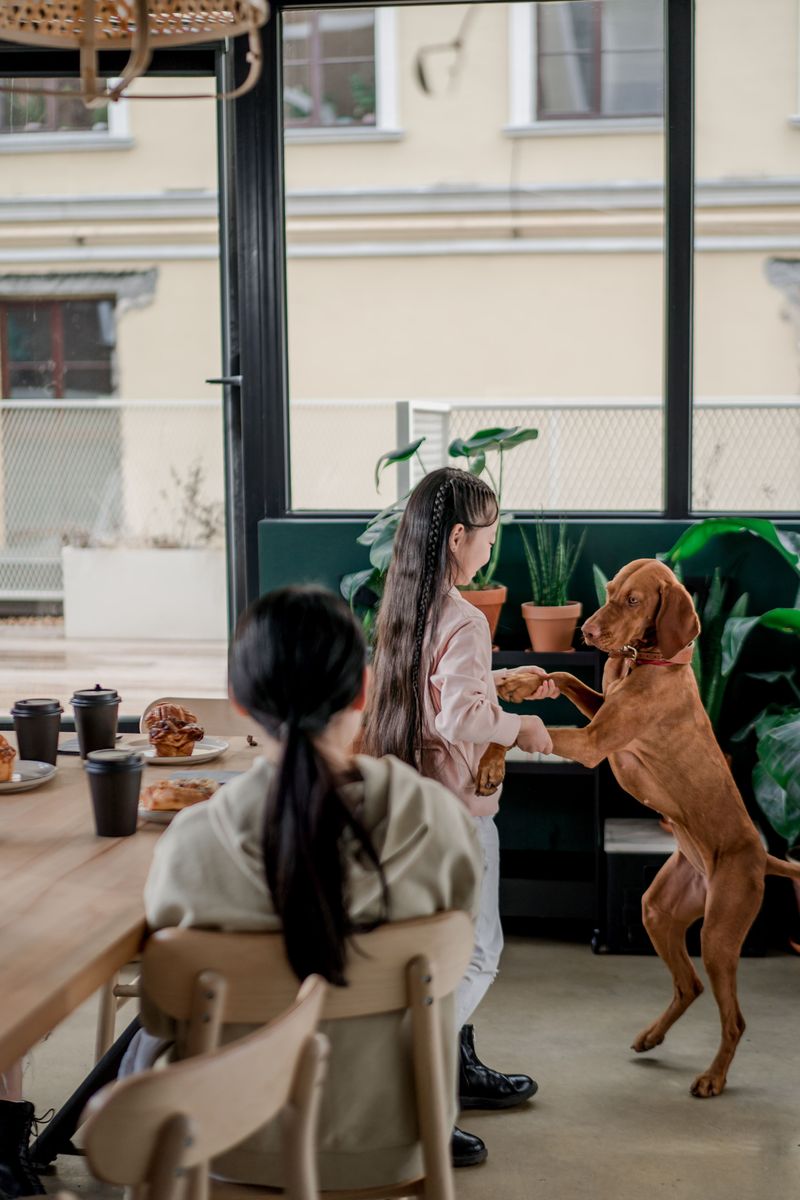
Hungarian hunters called them Velcro dogs for good reason. A Vizsla wants to be glued to your side, every single minute.
When left alone, this clingy breed may whine, chew, or pace. Build independence slowly by rewarding calm time in a crate or pen while you stay nearby.
Plenty of running helps too. A tired Vizsla is far more likely to stretch out and snooze than to follow you into the bathroom.
Australian Shepherd
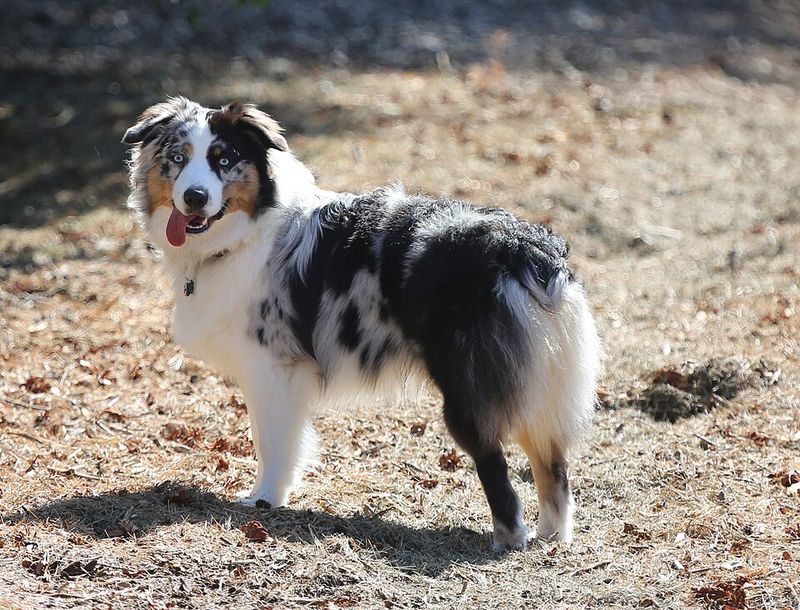
Ever watched a dog try to herd the kids into one room? Aussies do that when their busy minds have nothing better to do.
Restlessness in this breed often means boredom, not bad behavior. Try agility games, fetch, or learning new tricks together.
Clear rules help a lot. Aussies feel safer when they know exactly what you expect, so use the same words and signals every time.
Italian Greyhound
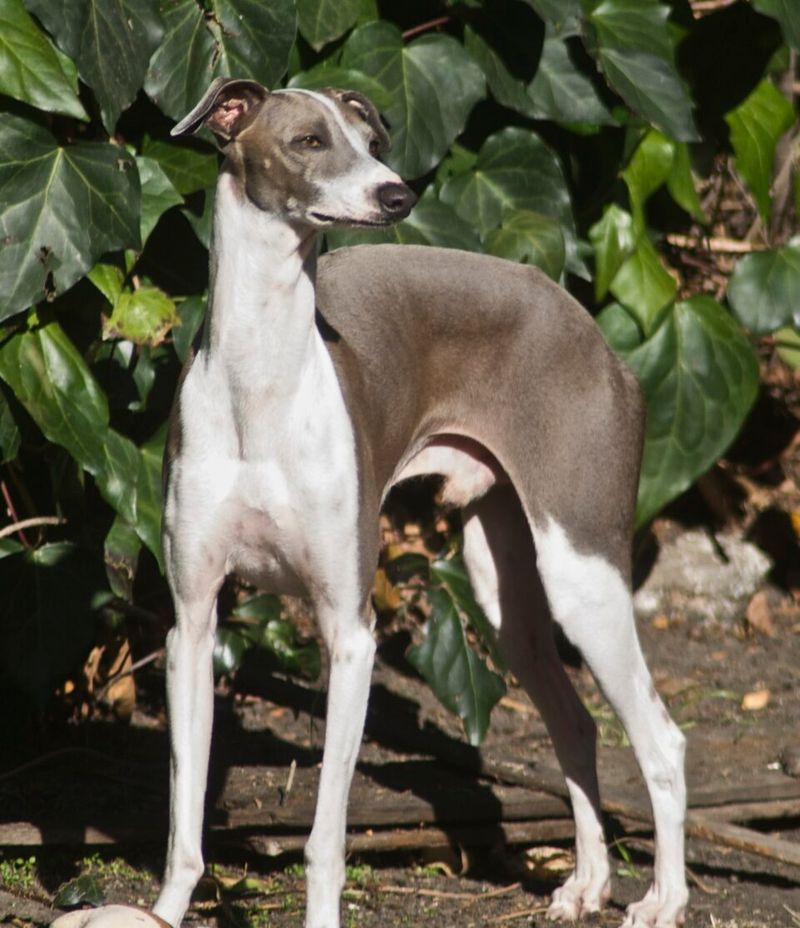
Delicate as a teacup and twice as sensitive, the Italian Greyhound feels every change in the air, including your mood.
Loud voices or rough play can rattle this tiny sighthound. Speak softly, keep the house warm, and provide plenty of cozy blankets to burrow into.
Potty training may take longer too, especially in cold or rainy weather. Patience and praise work much better than scolding with this tender breed.
Cocker Spaniel

Those soulful eyes hide a soft heart. Cocker Spaniels are cheerful, but sudden changes can make them nervous or even a bit snappy.
A predictable day really helps. Feed meals, walks, and bedtime at roughly the same times.
Grooming can also feel scary at first because of those long ears and coat. Handle paws and ears gently each day with treats, so brushing becomes a happy bonding moment instead of a battle.
Shiba Inu
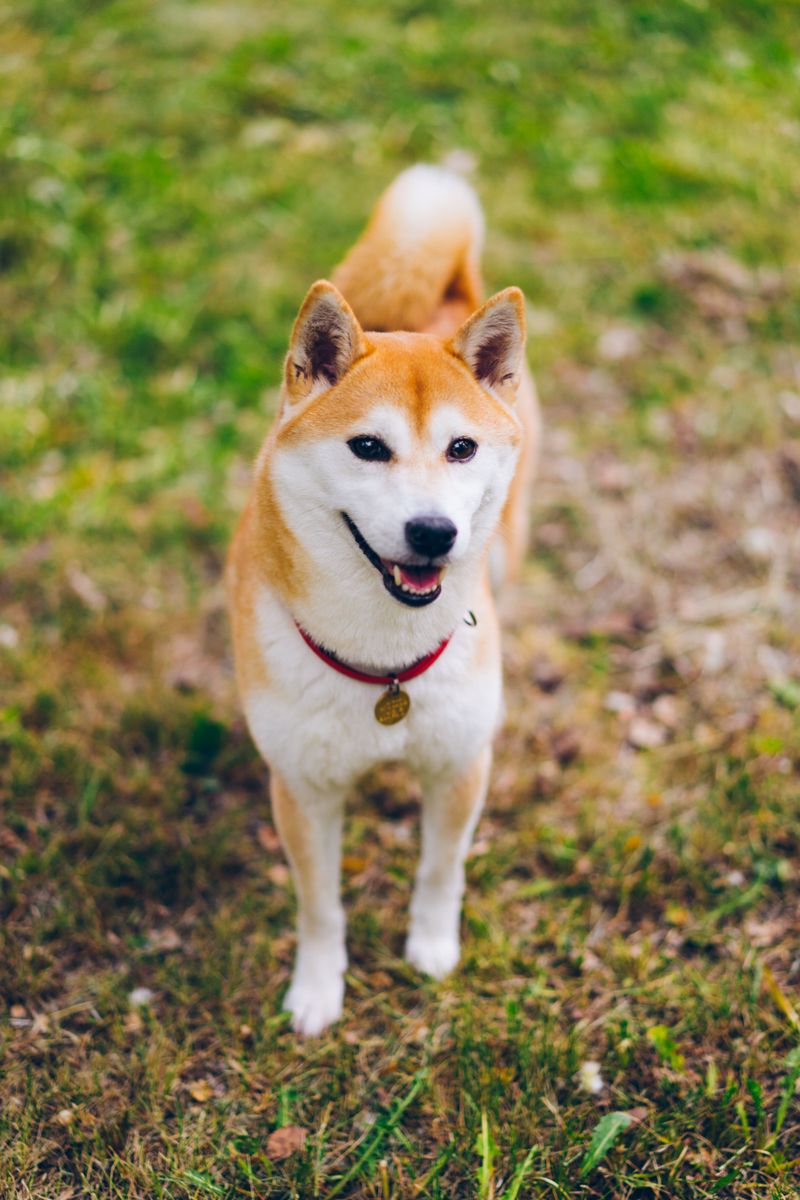
Think of a cat in a fox costume. Shiba Inus are independent and proud, so trust is something you earn, not something handed out on day one.
Forcing cuddles usually backfires. Let your Shiba decide when to approach, and reward each brave step with a tasty snack.
Did you know? This ancient Japanese breed nearly vanished after World War II.
Today its famous scream startles many new owners, so stay calm.
Labrador Retriever
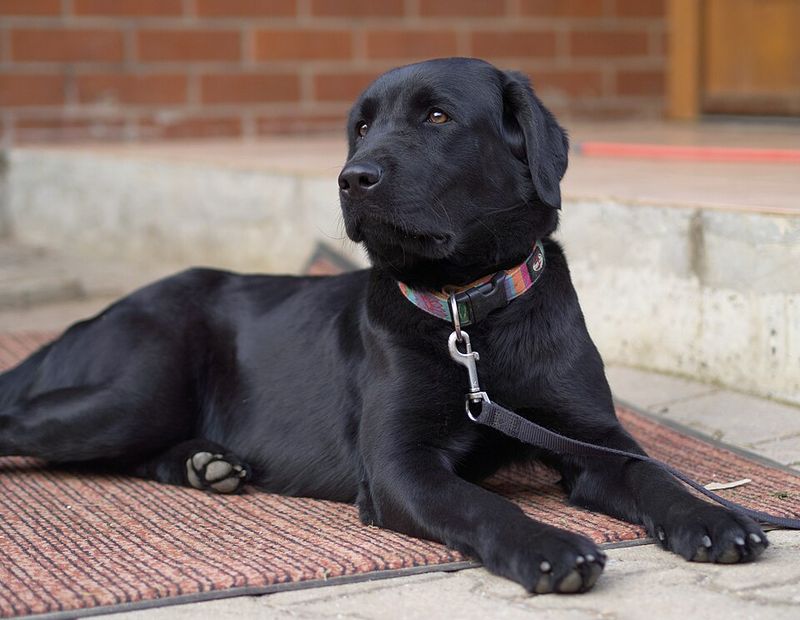
Surprised to see the friendly Lab here? Young Labradors are bursting with energy, and that bounce can look a lot like anxiety.
Chewed shoes and zoomies often mean your pup needs more exercise and structure. Long walks, swimming, and fetch work wonders.
Teach a settle command on a mat. Reward quiet moments with a chew toy, and soon your Lab will learn that lying down earns the best stuff.
Bichon Frise
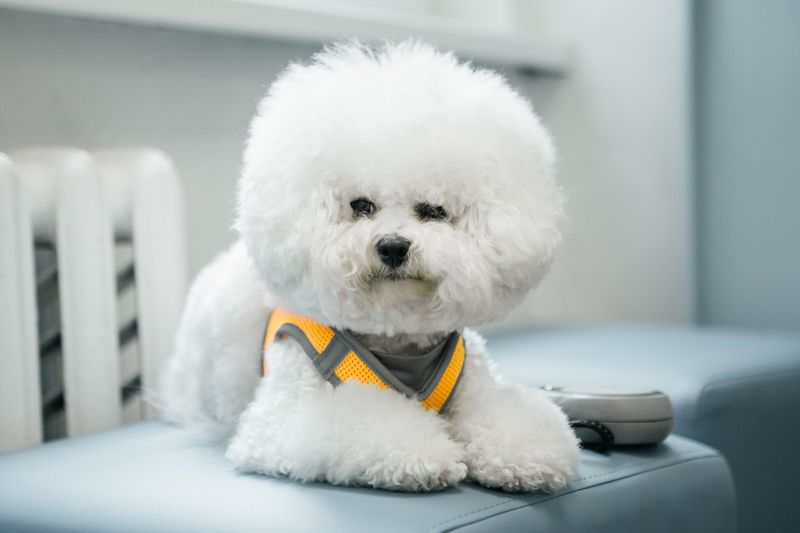
Fluffy, happy, and made for company, the Bichon Frise does not love being left out. Long hours alone can lead to barking and worried pacing.
Leave a worn T-shirt in its bed so your scent stays close. Calm music or a food puzzle can also ease lonely afternoons.
Centuries ago, sailors carried Bichons on ships as cheerful companions. That people-loving history explains why they crave your attention so much.