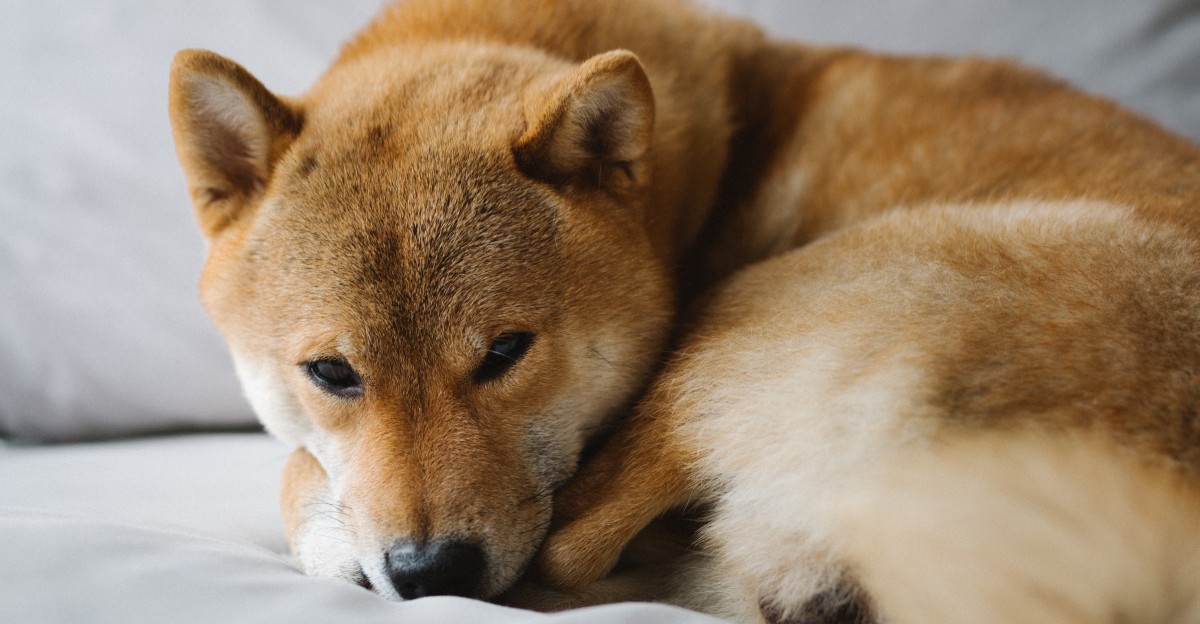
Some dogs bond quickly, while others need patience to feel safe. If your new buddy seems distant, it might be their breed’s normal style, not a lack of love.
Learning what your dog needs can turn awkward moments into real progress. With the right approach, you can help any pup feel at home.
Akita – quiet loyalty on a slow burn
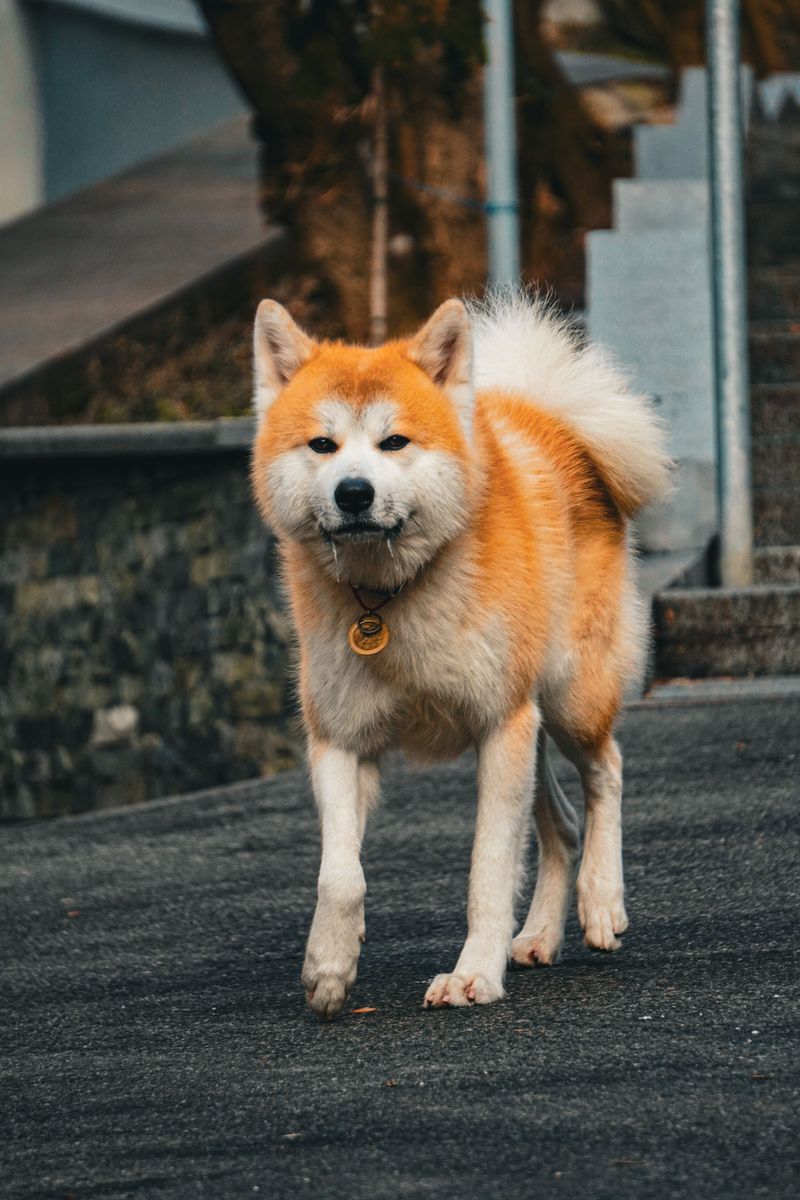
A steady gaze says plenty with an Akita. Many warm up one person at a time, preferring calm routines over constant cuddles.
Quiet spaces, slow introductions, and low-pressure touch build trust.
Use short training sessions with tasty rewards. Rotate sturdy chew toys to relieve stress.
Invite gentle friends one by one, and let the dog choose closeness. With steady structure and respectful space, devotion grows deep.
Shiba Inu – independent thinker with a soft side
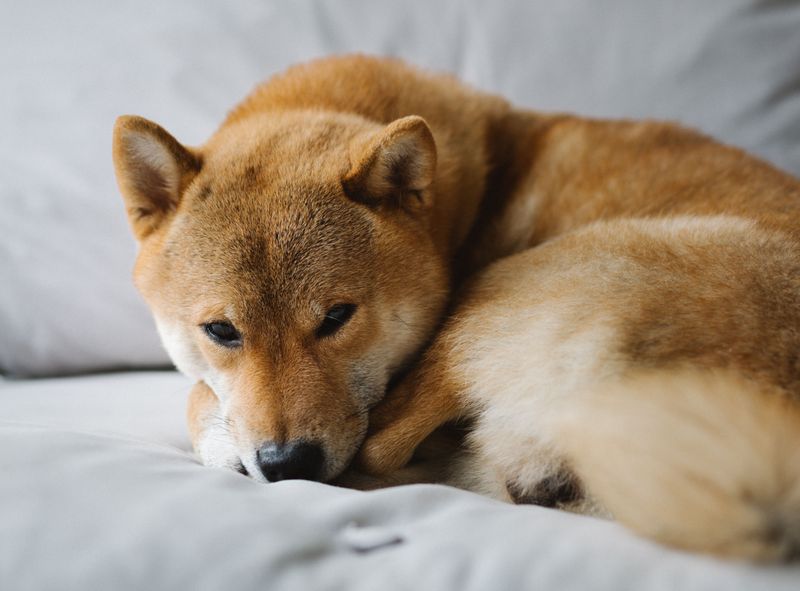
Catch a Shiba on a good day and you get side-eye approval, not clinginess. They value choice.
Let them approach you first, and reward calm curiosity. Avoid grabbing or crowding.
Play scent games to engage that clever mind. Clip short walks with sniff breaks.
Practice hand-targeting to make contact fun. Over time, they share affection in brief, bright flashes, like sunshine through clouds.
Basenji – the quiet puzzle
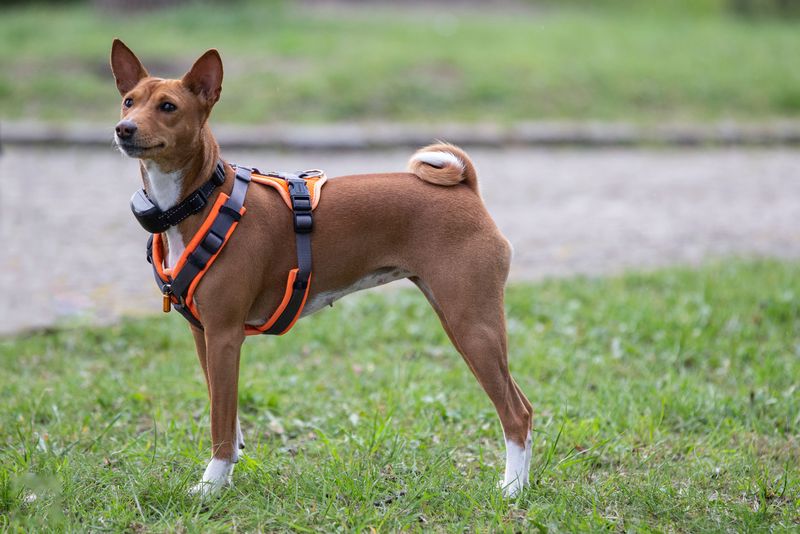
Nicknamed the barkless dog, a Basenji speaks with body language. Rushing hugs can push them away.
Instead, set up brain games that let them earn treats through clever choices.
Keep sessions short and upbeat. Walk briskly, then cool down together in a calm spot.
Gentle grooming with a soft glove becomes bonding time. Affection appears as leaning close, following you room to room, and tiny tail twitches.
Chow Chow – regal heart, careful pace
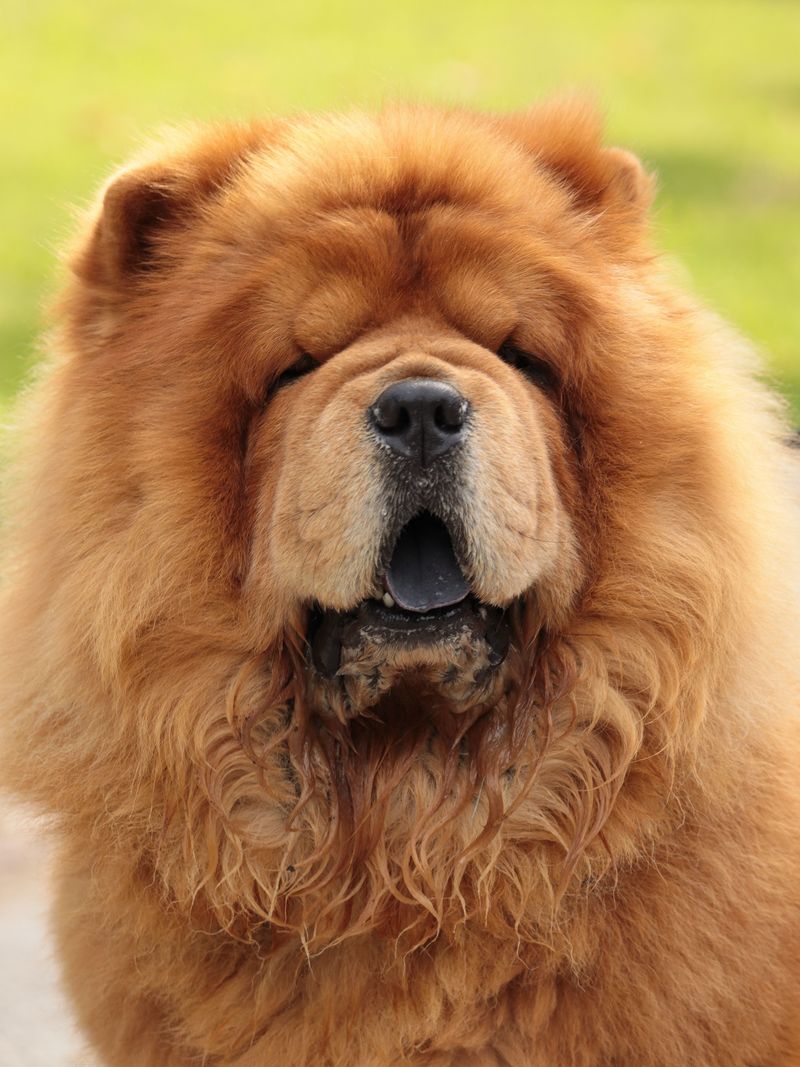
Royal manners come standard with a Chow. They respect calm, predictable people and dislike fuss.
Sit nearby, speak softly, and let the dog do the greeting. Short, sweet encounters work best.
Brush gently in small sessions to make grooming positive. Teach simple cues with high-value snacks.
Limit roughhousing and noisy crowds. Affection shows up in quiet companionship and steady watchfulness rather than clingy behavior.
Afghan Hound – elegance that warms slowly
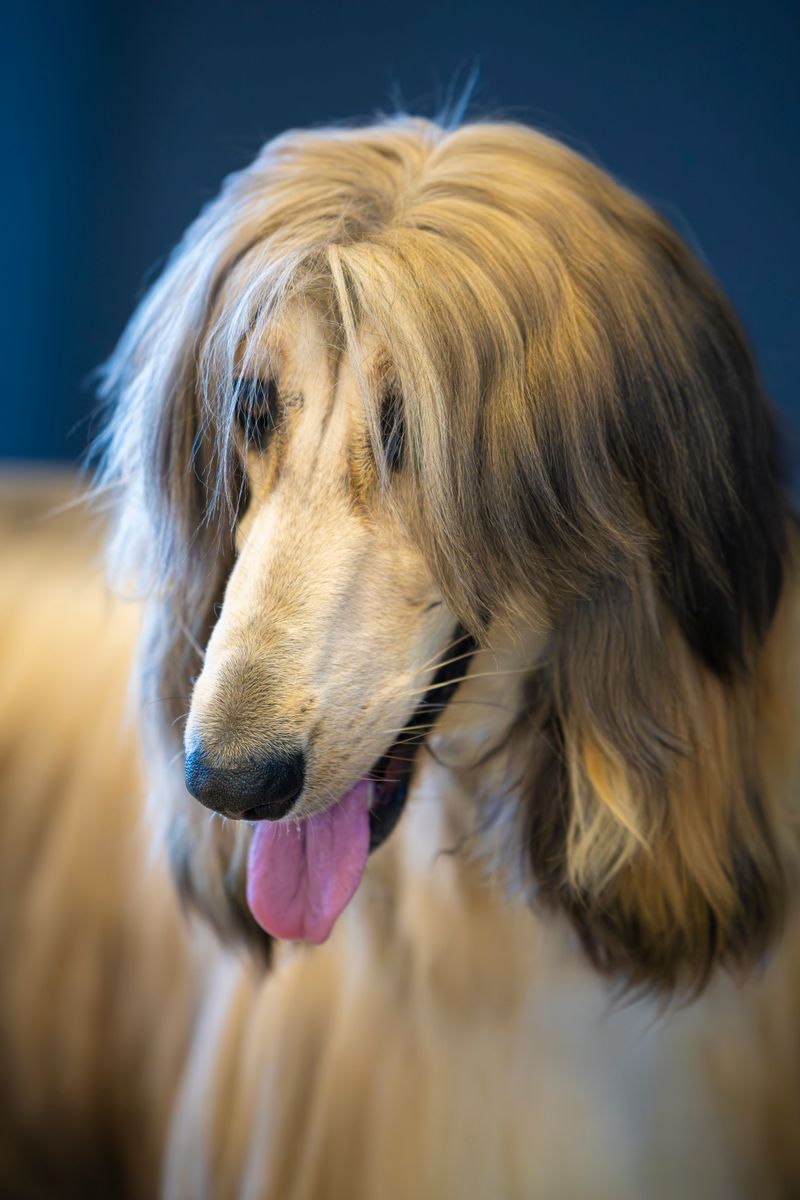
All flowing hair and gentle pride, the Afghan Hound often keeps feelings private. Keep greetings light and let eye contact be brief.
Use calm walks and relaxed brushing to form a routine.
Teach recall with long lines in safe areas. Celebrate small check-ins with quiet praise.
They show love by sharing space and mirroring your pace, like a dance you both learn over time.
Chinese Shar-Pei – thoughtful guardian vibes
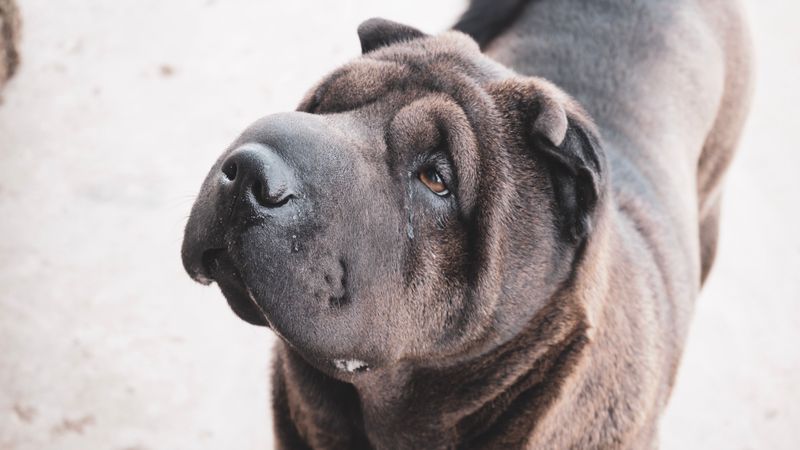
Those wrinkles hide a careful mind. A Shar-Pei often prefers a small circle of trusted people.
Keep visitors low-key, and avoid surprise petting. Structured days help them relax.
Introduce puzzle feeders to make mealtime rewarding. Train with soft voices and clear boundaries.
A short cuddle after exercise can become a treasured habit. Affection might look like following you to each room and settling nearby like a quiet shadow.
Tibetan Mastiff – mountain soul, steady bond

Centuries of guarding shape this dog’s careful style. They measure people by consistency.
Loud praise and pushy hugs do not impress, but calm presence earns trust.
Walk at quiet times. Teach a solid place cue with comfy mats.
Offer sturdy chews after training to cap sessions on a good note. When they choose to lean into your legs or rest at your feet, that is their version of a hug.
Anatolian Shepherd – watchful worker at heart
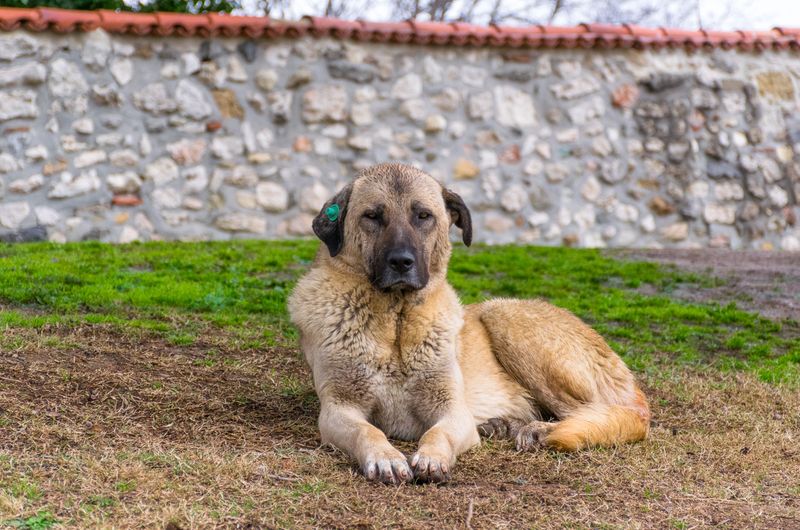
Job first, cuddles later defines many Anatolians. They scan the world before settling.
Give them purposeful tasks like boundary walks or carrying a light pack to channel instincts.
Train with clear cues and fair rules. Keep greetings simple and avoid crowding the head.
After exercise, invite closeness with calm petting on chest or shoulders. Their affection shows as steady companionship and reliable check-ins, not clingy behavior.
Saluki – gentle breeze, not a storm
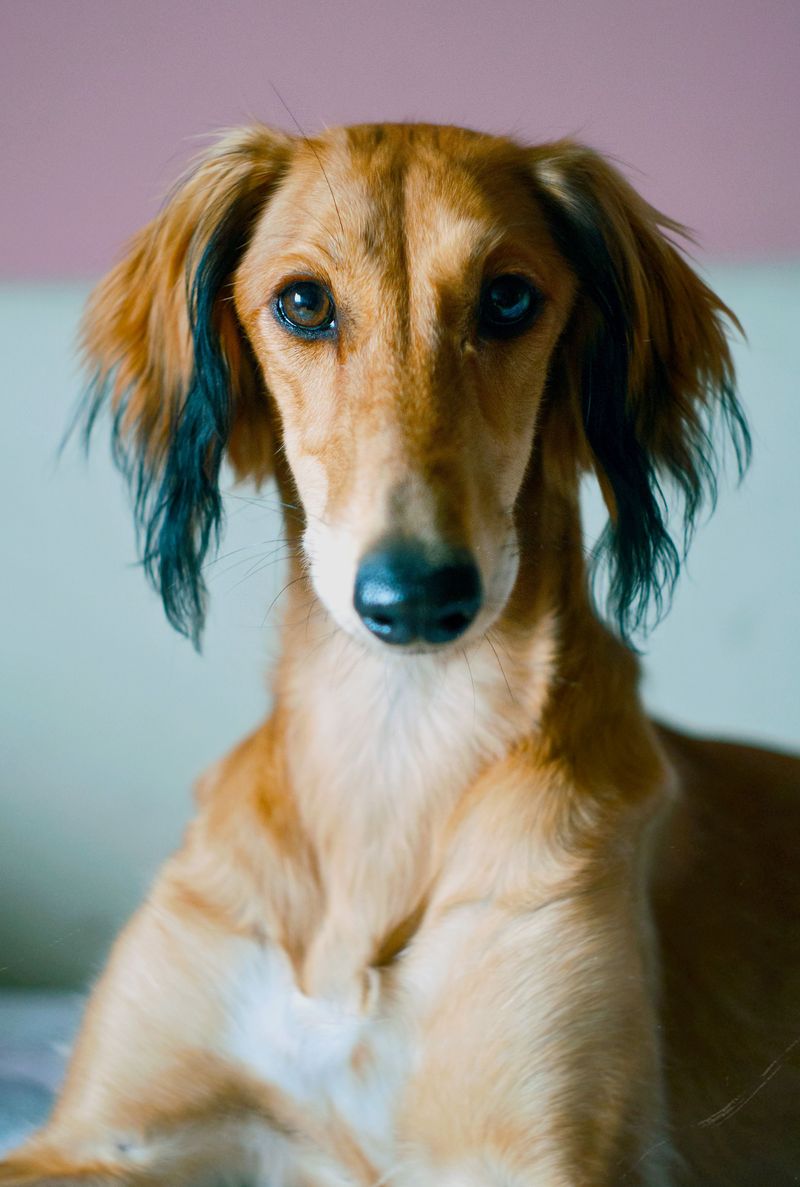
Like poetry on legs, the Saluki prefers quiet company. Sudden noises and rough play can shut them down.
Choose soft surfaces, gentle voices, and patient touch.
Lure into sits and downs with tiny treats, keeping sessions short. Provide cozy nooks and warm blankets for resting.
Look for affection in soft eye contact, brief nuzzles, and following you from room to room like a whisper.
Alaskan Malamute – big spirit, selective snuggles
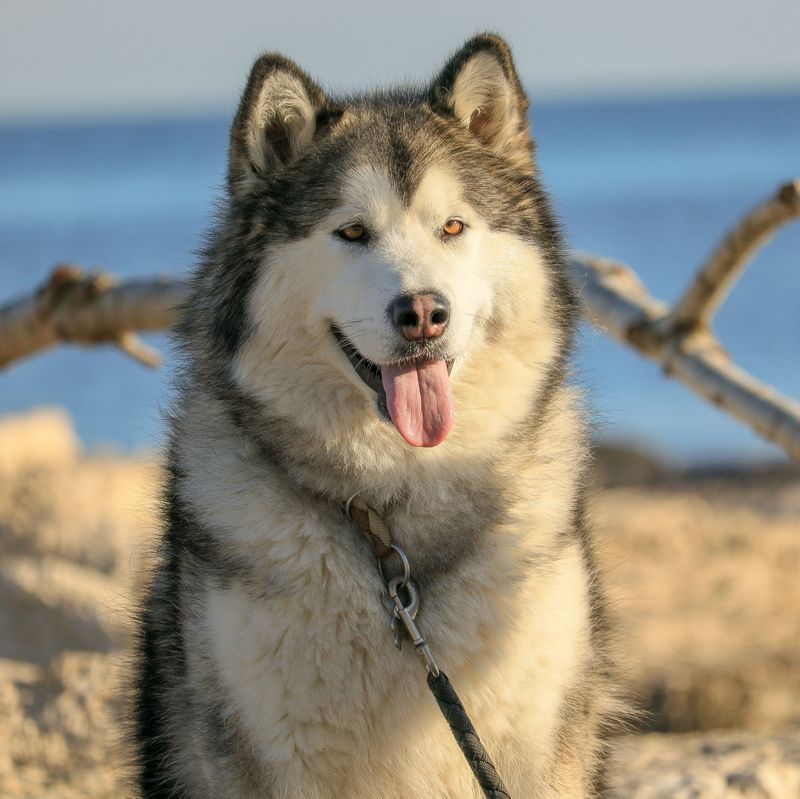
Built to work in teams, Malamutes enjoy action before affection. Burn energy with structured pulls, backpack walks, or nosework.
After a job well done, quiet time comes easier.
Teach calm greetings to avoid jumping. Use touch tags like “ready” before petting to build consent.
Affection often appears as leaning, goofy grins, and happy chatter after exercise. Routine turns that big personality into a warm companion.
Great Pyrenees – calm cloud with boundaries
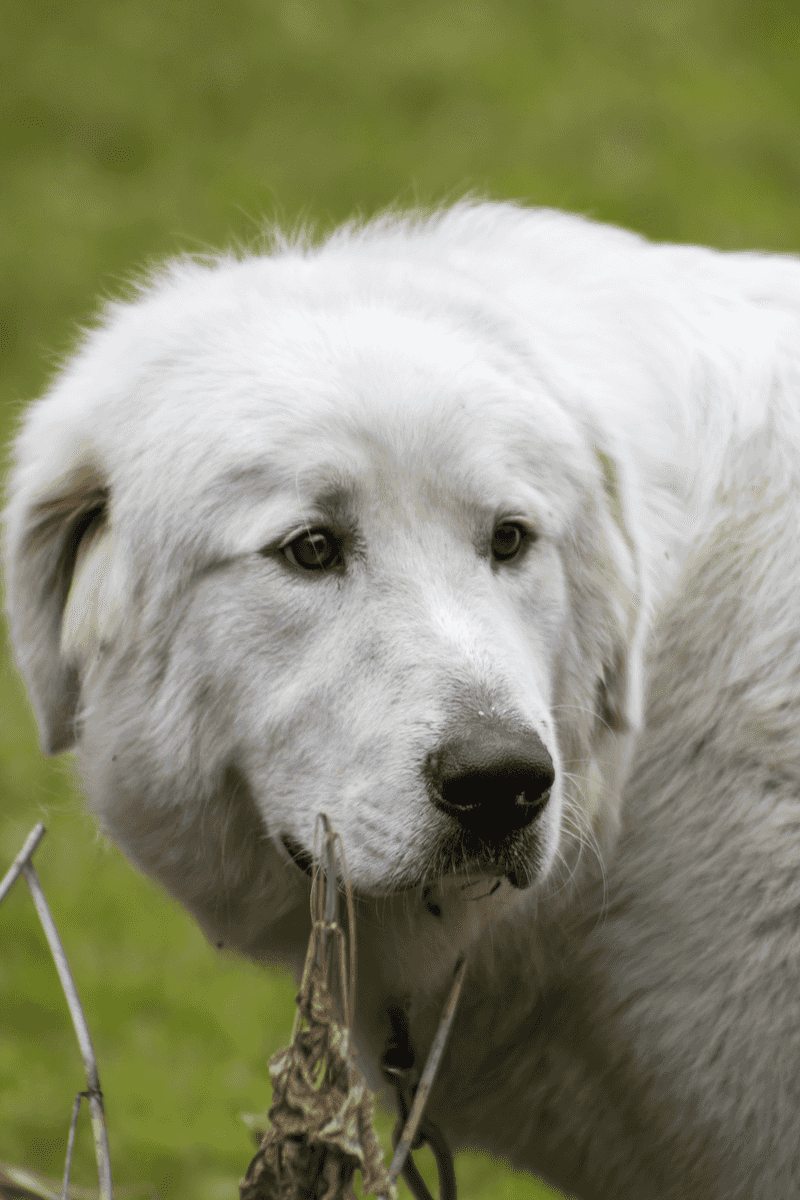
Soft as a cloud, the Great Pyrenees still thinks like a guardian. They may patrol before they cuddle.
Provide a quiet yard space and predictable schedules to reduce watchful stress.
Reinforce check-ins with calm praise. Keep training low pressure, focusing on recall and place cues.
Affection looks like lying near you, slow tail wags, and patient glances that say, I see you. Respect their calm to grow closeness.
Labrador Retriever – friendly cruise director
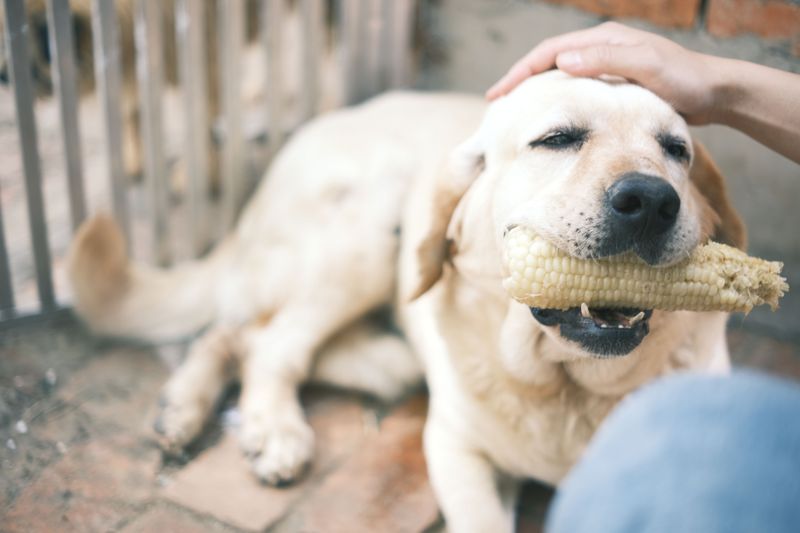
Labs often arrive ready to make friends. Their eager nature pairs well with families and active folks.
Toss a ball, practice a few cues, then share easy couch time for instant connection.
Channel that energy with fetch, swims, or food puzzles. Teach polite greetings to prevent jumping.
Affection overflows as wiggly bodies, soft eyes, and ready cuddles. Many bond fast, even in new homes.
Golden Retriever – sunshine wrapped in fur
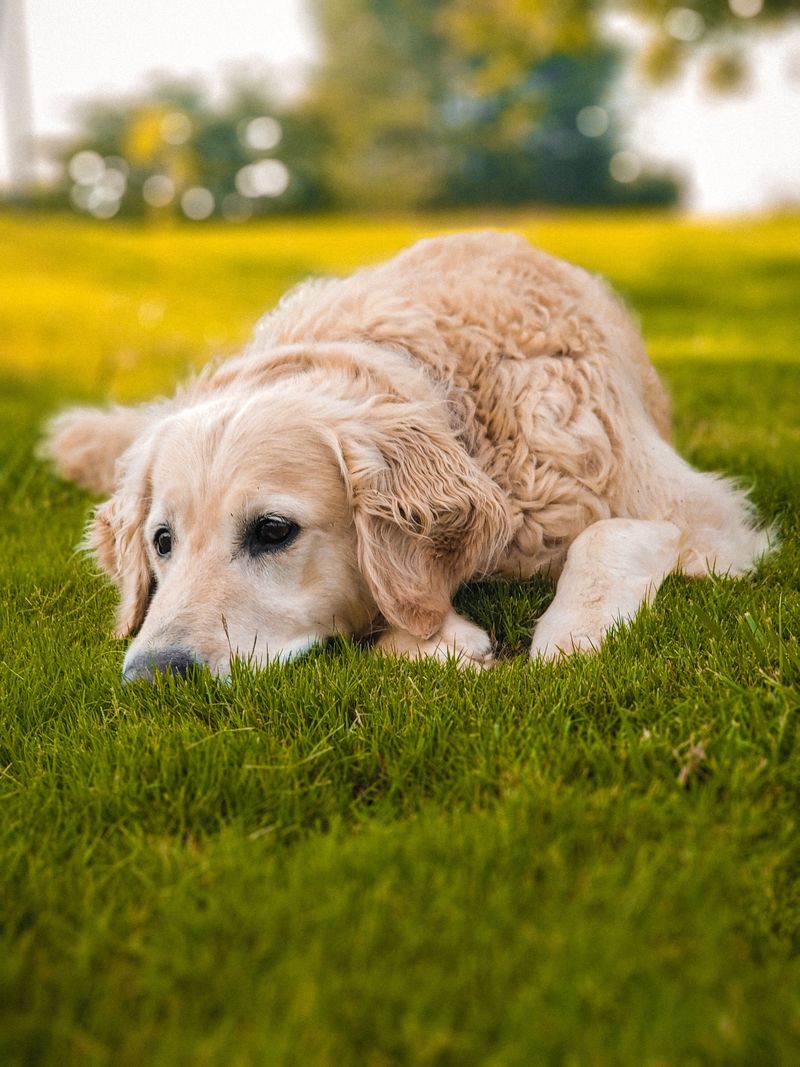
Goldens glow with social grace. Most are eager to please and love gentle touch.
Start with easy obedience, pair it with play, and you have friendship on speed dial.
Daily brushing becomes a sweet ritual. Practice chill time after play to teach off switches.
Expect soft nudges for pets, cuddly lean-ins, and lots of eye contact that feels like a warm hello every time.
Boxer – clown with a big heart
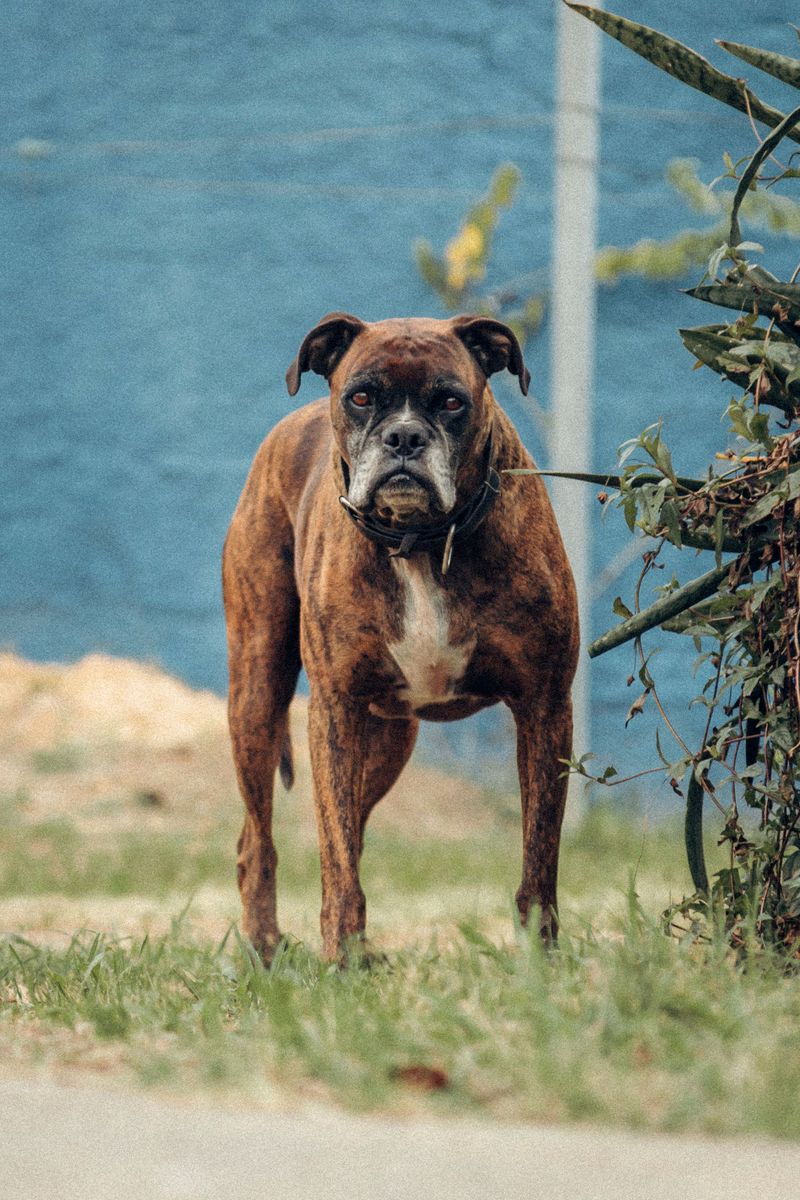
Boxers act like comedians who adore an audience. Many connect fast through play and training games.
Short bursts of exercise, then cuddle breaks, create a happy rhythm.
Teach impulse control with simple waits and stays. Provide durable toys to channel zoomies.
Expect affectionate head rests, goofy grins, and playful paw taps for attention. Their upbeat nature often melts stress in a new home.
Cavalier King Charles Spaniel – tender lap legend
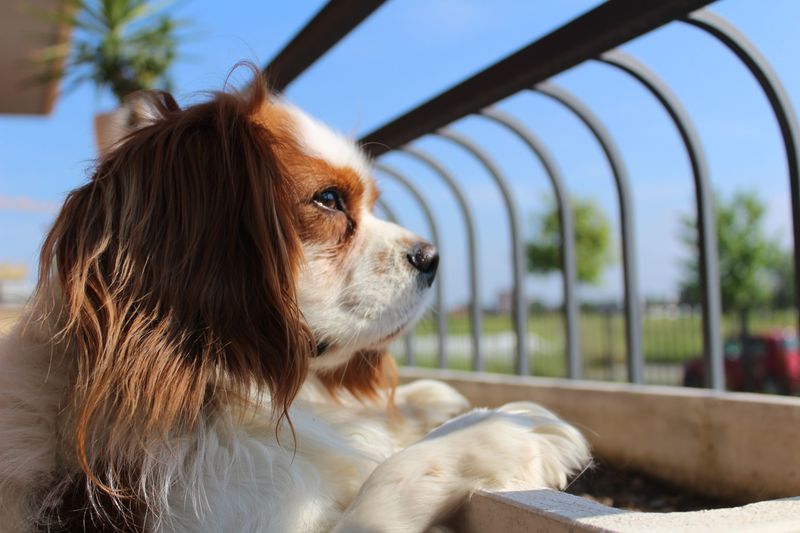
Cavaliers seem born for snuggles. Many settle beside you within days.
Keep greetings gentle and provide soft beds near where you work or relax, so closeness becomes normal.
Use tiny treats to teach easy cues. Short walks and light play suit their style.
Signs of affection include soft chirps, relaxed belly shows, and steady lap time. They often offer comfort without being asked.