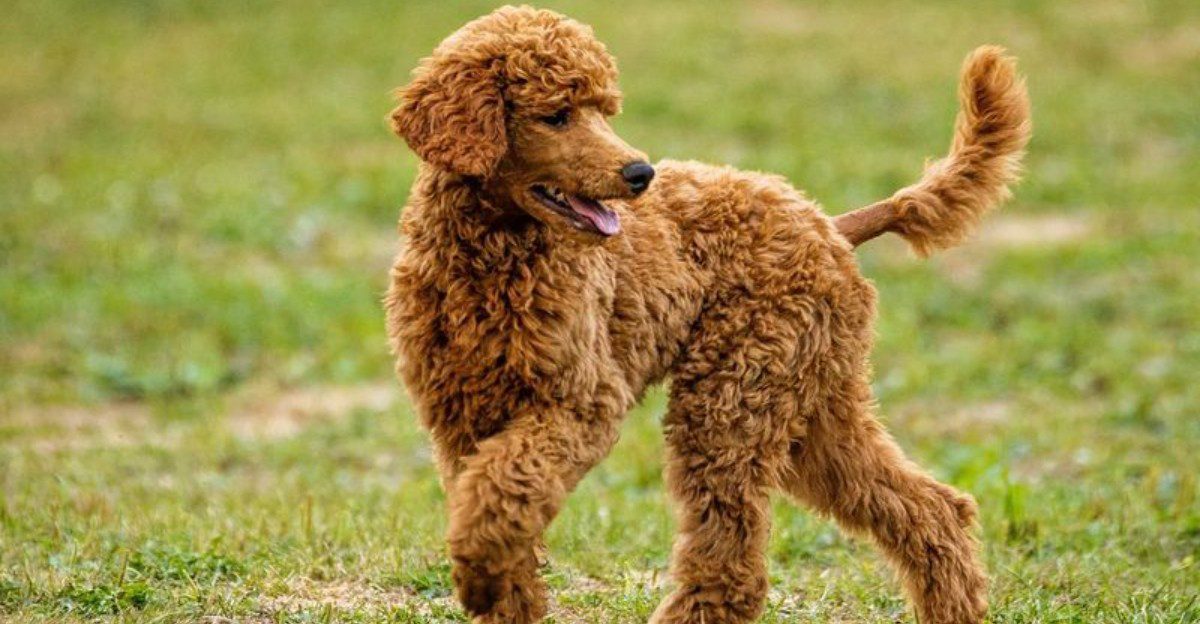
If you love dogs but not tumbleweeds of fur, you have great options. Some breeds drop far fewer hairs, which helps keep your home cleaner and your allergies calmer.
With the right grooming and a steady routine, these pups can be easy to live with. Here are breeds known for lighter shedding and happy households.
Poodle
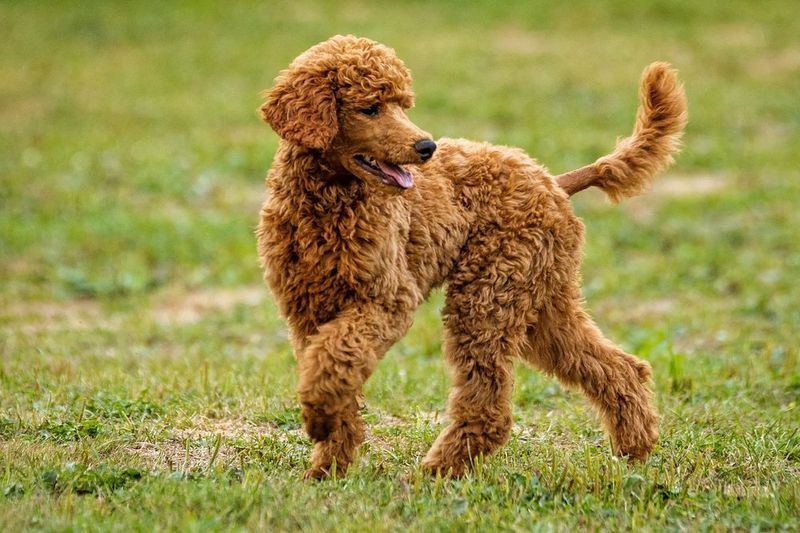
Groomers call the Poodle a sculptor’s dream, but allergy sufferers love it even more. Curly, dense hair traps loose strands so fewer end up on your clothes and couch.
Regular brushing prevents mats and keeps shedding minimal. Schedule professional grooming every 6 to 8 weeks, and clean ears after baths.
Teach a weekly comb-through, use a slicker brush, and feed balanced omega-rich food for healthy skin.
Daily walks also reduce shedding by lowering stress levels.
Miniature Schnauzer
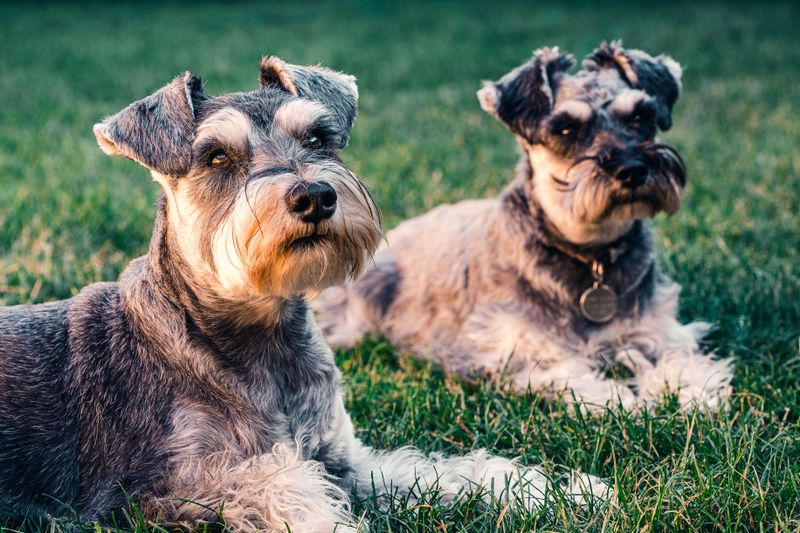
With eyebrows like a cartoon detective, the Miniature Schnauzer wins hearts fast. Its wiry double coat holds hair, so loose fur rarely drifts around.
Hand stripping or clipper grooming every couple months keeps things tidy. Brush the beard after meals to stop food tangles, and wipe whiskers dry.
A gentle de-shedding rake on the undercoat, plus omega fats, supports healthy skin.
Daily fetch sessions burn energy, reduce stress, and cut seasonal shedding to almost nothing.
Bichon Frise
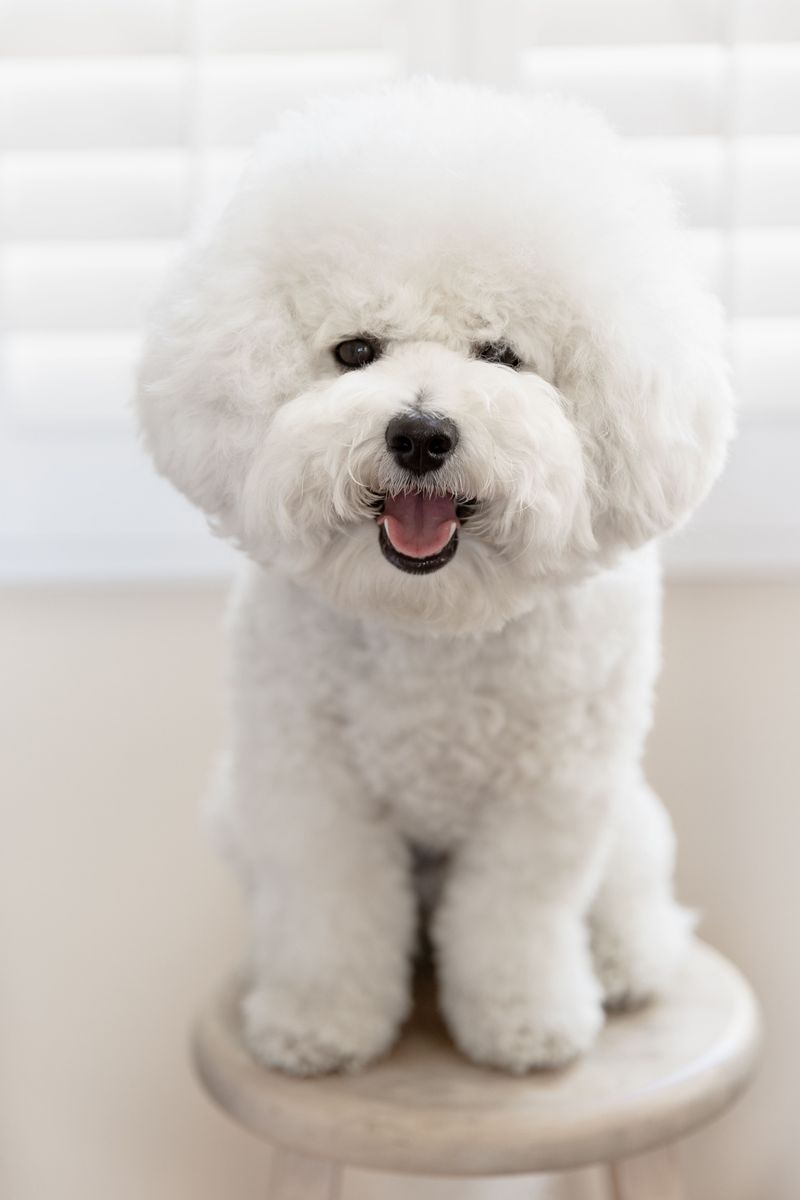
Cloud-like curls aside, the Bichon Frise is kind to your vacuum. Looser hairs stay caught in the coat until you brush them away.
Plan daily brushing and monthly baths with a gentle, fragrance-free shampoo. Professional grooming every 4 to 6 weeks prevents mats and keeps dander low.
Rinse thoroughly, then dry fully to avoid itchy skin that triggers extra shedding.
Short walks, fun tricks, and consistent diet changes support calm skin and steady coat health.
Maltese
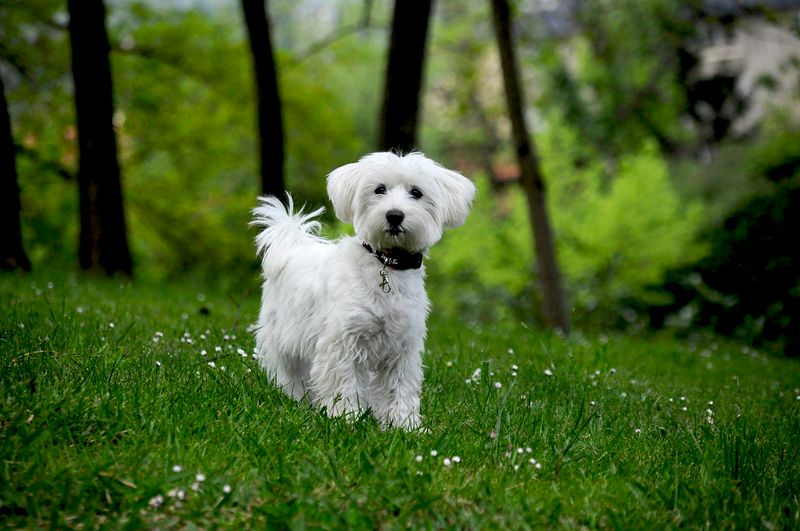
Silky hair grows like human hair, so the Maltese sheds far less than most. Strands fall mainly during brushing or bathing rather than onto your furniture.
Keep it trimmed to a manageable length, or tie the topknot to prevent eye stains. Use a metal comb after a soft brush to catch shed hairs hiding underneath.
Balanced meals, fresh water, and calm routines reduce stress-related coat loss.
Frequent gentle baths keep tangles down and shine up.
Yorkshire Terrier
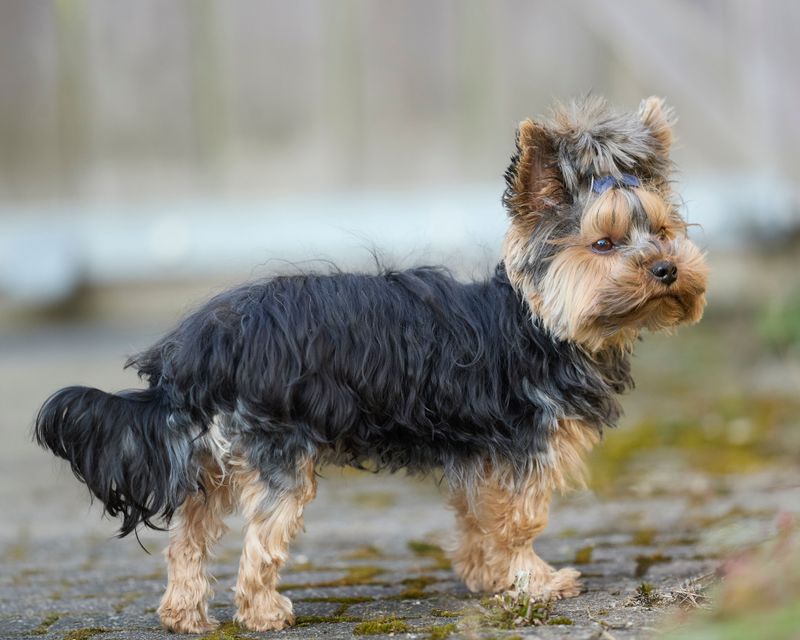
Tiny body, big confidence, and barely any fur tumble from a Yorkshire Terrier. Its fine, silky coat behaves more like hair, releasing fewer loose strands.
Daily gentle brushing prevents knots and gathers shed hairs before they spread. Trim around ears and paws, and keep the part line neat to reduce tangles.
A harness, not a collar, protects the coat during walks and training.
Fish oil, steady grooming, and low-stress play keep shedding minimal all year.
Shih Tzu
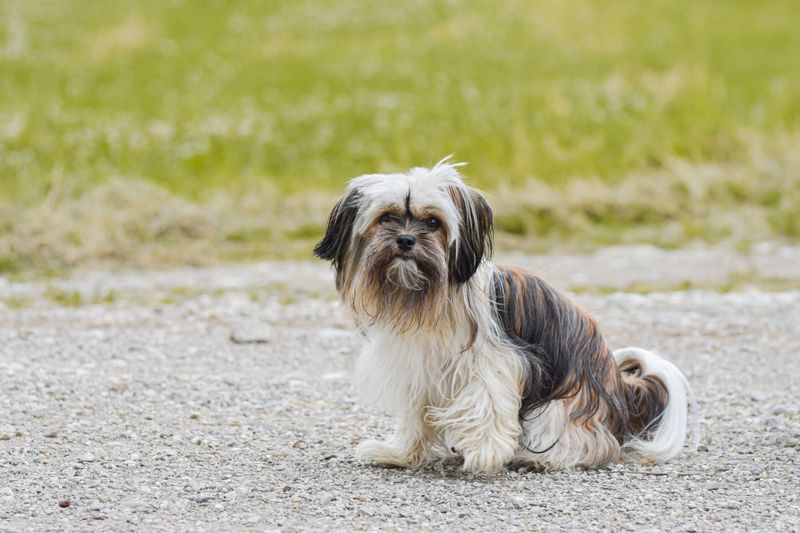
Century-old palace roots show in the Shih Tzu’s flowing locks and calm vibe. Loose hairs cling to the coat instead of floating through the house.
Brush in layers from skin outward to catch shed strands and prevent mats. Bathe every three to four weeks, dry fully, and clean around the eyes.
Short, comfortable trims make upkeep easier for busy families.
A humidifier, quality food, and gentle detangling spray support a healthy, low-shed coat at home.
Havanese
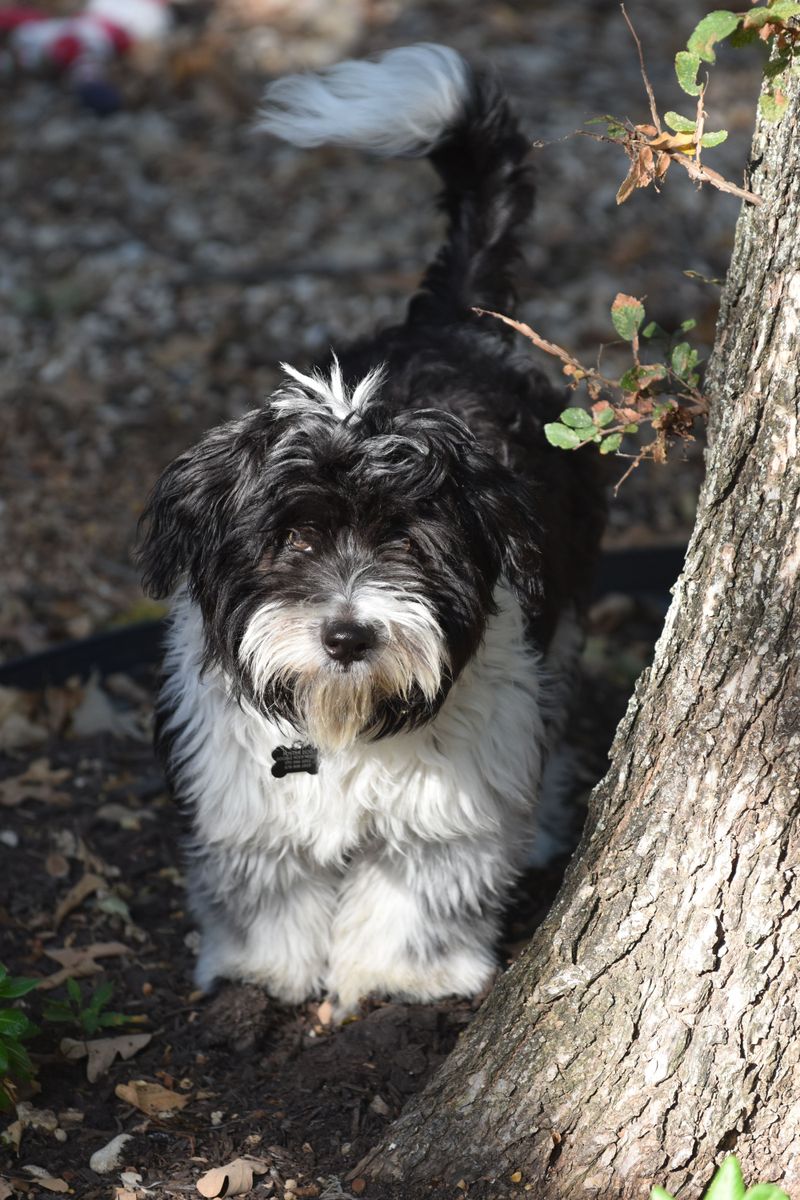
Lively and social, the Havanese keeps hair mostly on its own body. Shedding stays light because loose strands tangle within the wavy coat until brushed.
Use a pin brush first, then a comb to find sneaky knots and shed hairs. Keep ears dry after swimming, and trim feet to avoid debris mats.
Training games indoors limit stress, which often reduces coat drop.
Add probiotics and fish oil to support skin strength and shiny curls daily.
Portuguese Water Dog
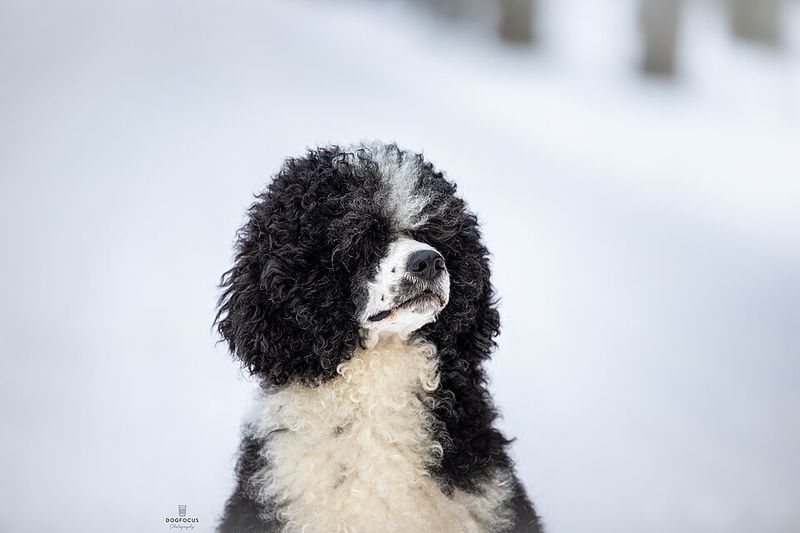
Born for boats, the Portuguese Water Dog sports tight curls that grab loose hairs. You will see minimal shedding if the coat stays clean and well maintained.
Choose a retriever clip for easier care, or keep a working-style coat for protection. Rinse after swims, dry to the skin, and brush thoroughly every few days.
High-protein meals and steady exercise keep the coat strong and shedding low.
Ear checks and nail care complete an grooming rhythm.
Soft Coated Wheaten Terrier
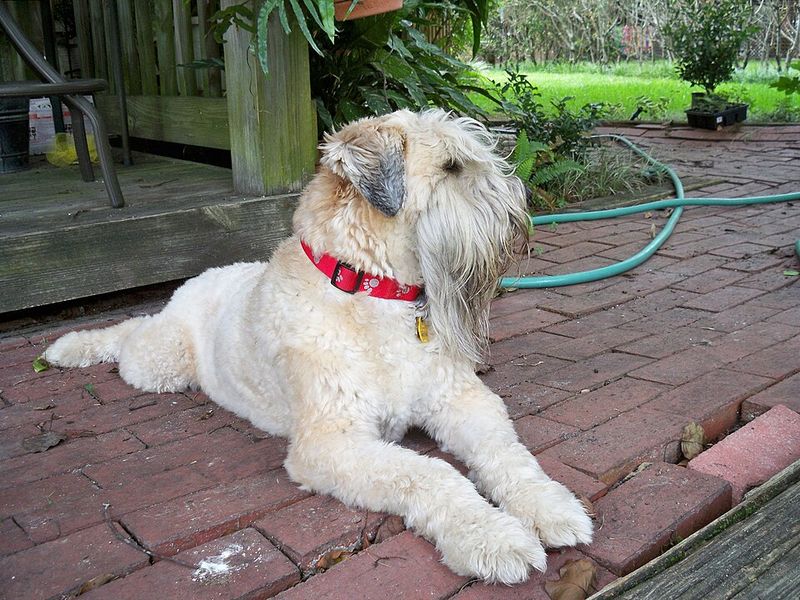
Bounce and charm define the Soft Coated Wheaten Terrier, along with modest shedding. Single, silky hair tends to hold onto loose strands until your brush collects them.
Daily quick brush-throughs stop velcro-like debris from causing tangles and excess coat loss. Bathe when dirty, condition well, and dry completely to the skin.
Consider a tidy puppy cut for easier upkeep without losing that signature bounce.
Calm routines and quality protein help maintain thicker, low-shed hair longer.
Giant Schnauzer
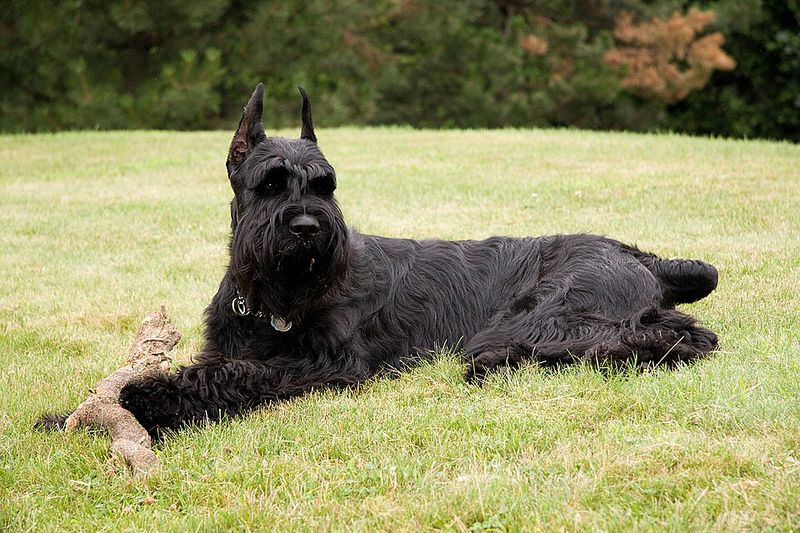
Powerhouse worker by day, the Giant Schnauzer leaves surprisingly little on furniture. A harsh outer coat and dense undercoat trap many loose hairs during grooming.
Commit to weekly brushing and regular hand stripping, or schedule professional care. Clean beards after meals, and towel-dry thoroughly after play in wet grass.
Lots of exercise reduces stress, which often means less coat drop indoors.
Feed joint-supporting omega fats and keep brushing tools handy by the door for convenience.
Irish Water Spaniel
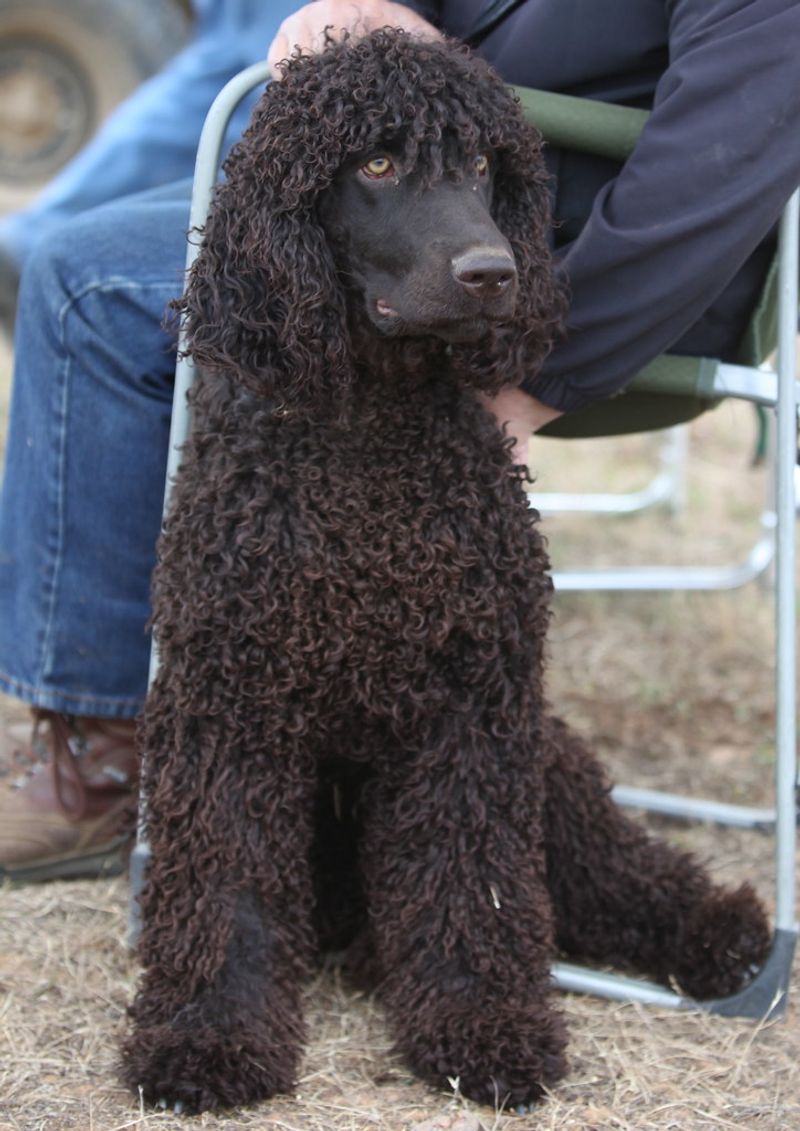
Corkscrew curls give the Irish Water Spaniel its clownish look and tidier shedding. Much of the loose hair stays within the coat until your brush pulls it free.
Clip in a practical pattern, or maintain the classic topknot if you like flair. Rinse after swims, dry carefully, and use a detangling spray before combing.
Weekly ear checks help prevent moisture issues that can irritate skin.
Steady exercise and balanced food keep curls healthy and controlled.