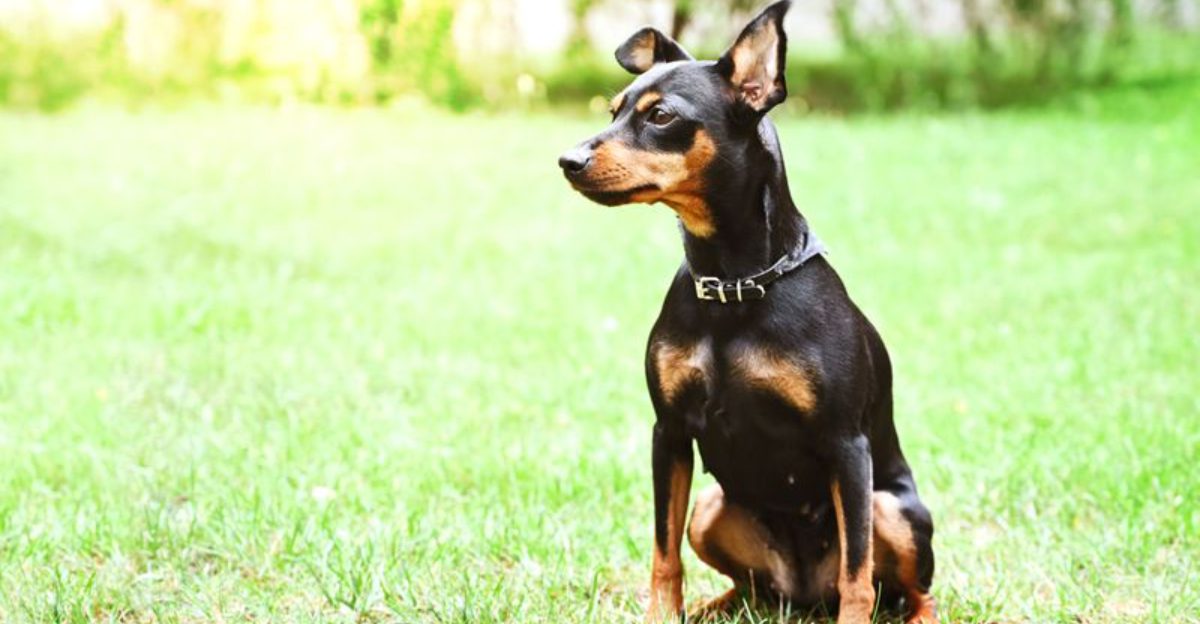
Small dogs often look friendly, but not all of them want to greet every person they see. Just like people, each breed has its own style and comfort level.
Knowing what your tiny dog prefers can prevent stress and help them feel safe. Here are helpful tips for reading the room and supporting your pup during meet and greets.
Chihuahua
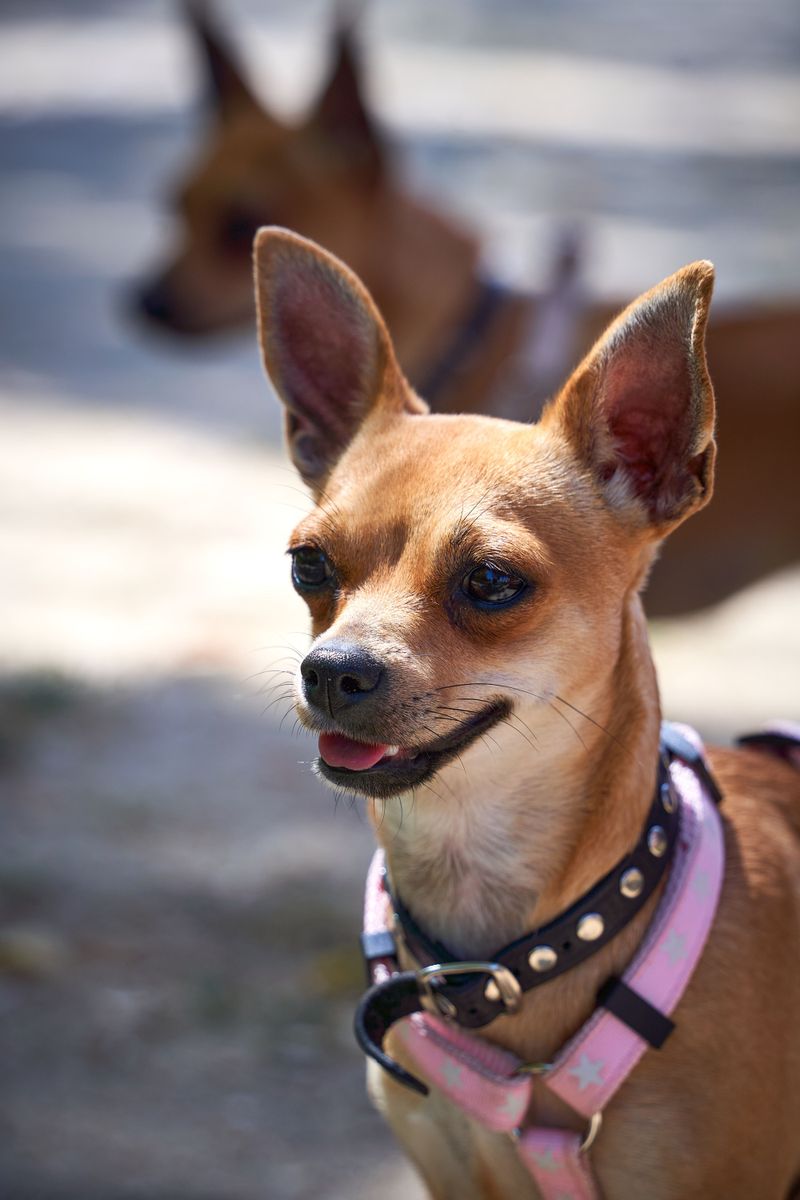
Big voice, tiny frame, and a careful heart sum up many Chihuahuas. They often warm up to one person first, then slowly decide who else is safe, especially in loud places or around fast hands.
Help them feel secure by giving choice and space. Invite friends to toss treats from a distance, skip sudden petting, and use a carrier as a safe zone.
Short, calm meetups beat crowded patios, and confidence grows when they lead the hello.
Pomeranian
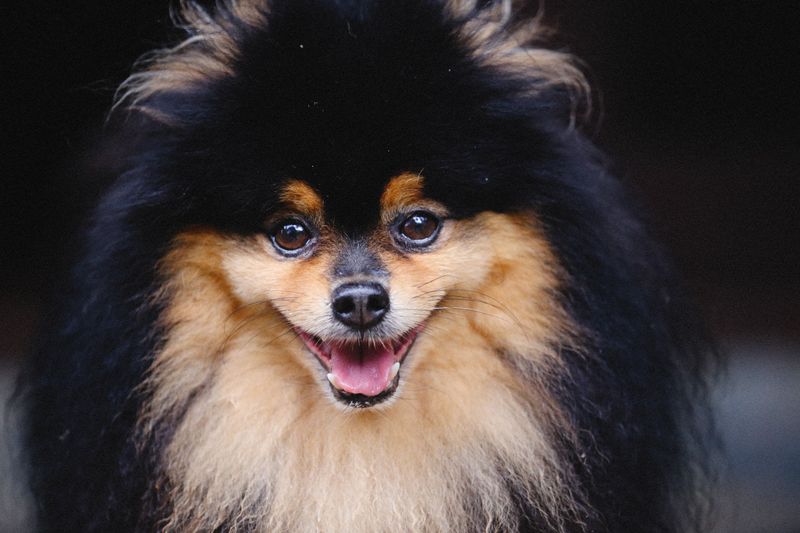
Like a cotton ball with opinions, many Pomeranians act like tiny hall monitors. They notice everything and may bark first, then think later, especially when strangers reach over their heads.
Turn that alert brain into a game. Ask guests to kneel sideways, offer a palmful of treats, and let your Pom approach.
Quiet sniffing earns rewards while noisy moments get a brief break, and daily sniff walks, trick training, plus a comfy backpack help manage busy sidewalks.
Yorkshire Terrier
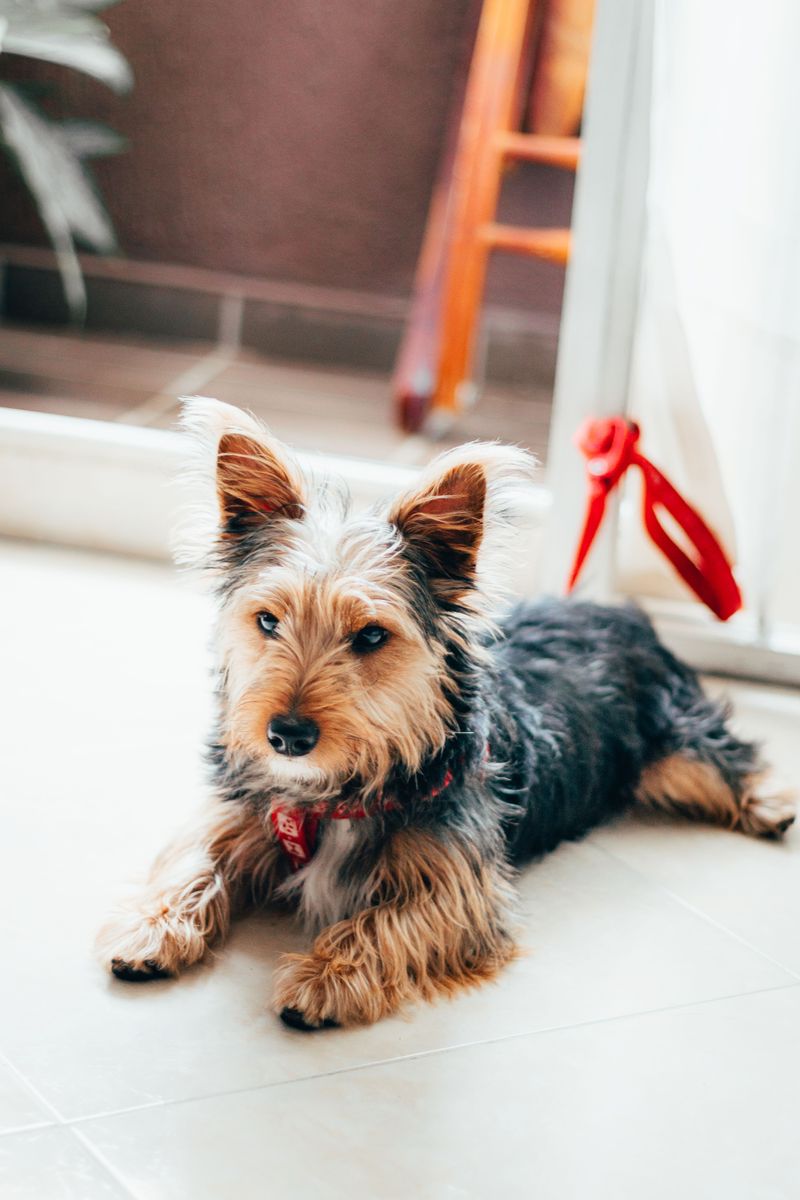
Feisty spirit in fancy hair, Yorkies often pick favorites and guard laps like prized seats. Sudden squeals or fast hugs can feel rude to them, so they might sidestep new people until things calm down.
Build trust with routine and clear cues. Teach a touch target, then let visitors ask for a gentle nose boop.
Reward curiosity, not pressure, and add short play with a soft tug toy to break the ice, followed by a peaceful settle on a mat.
Maltese
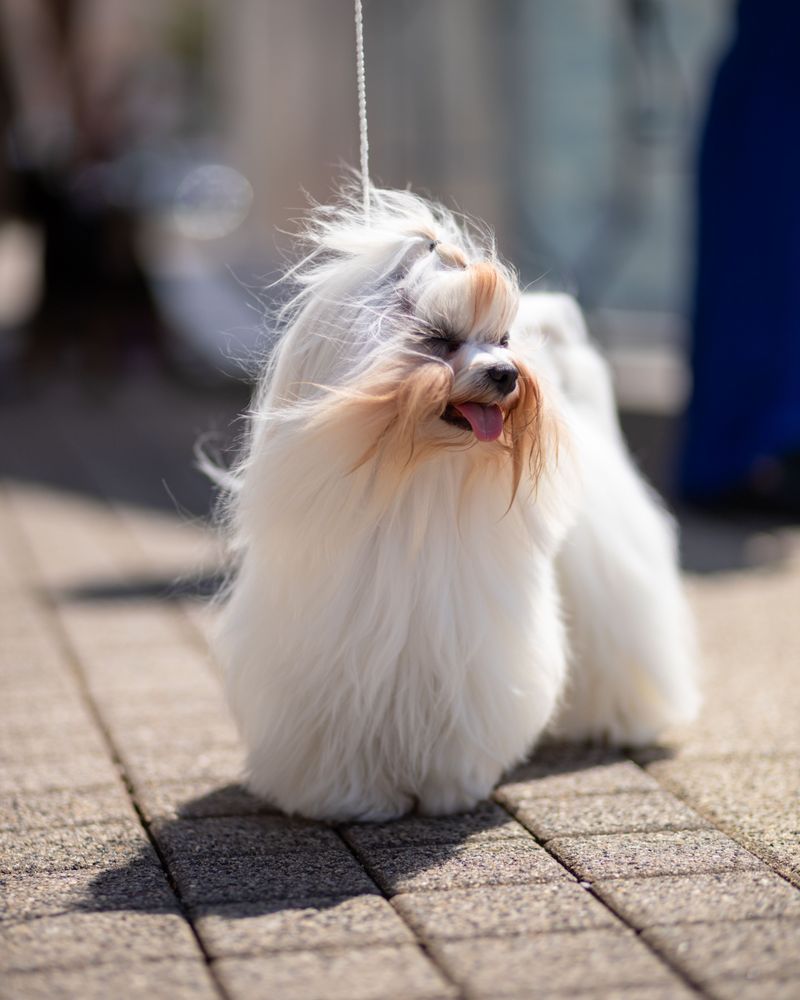
Snowy coat, sunny face, yet many Maltese prefer a quiet hello. Crowded hands can feel overwhelming, and they may hide behind your legs until voices soften and the room slows down.
Keep introductions calm and sweet. Ask people to sit, pat the couch beside them, and sprinkle a few treats on the fabric.
Gentle brushing can be a social bridge. Pair grooming with soft praise, then a short walk together so your Maltese links strangers with comfort.
Papillon
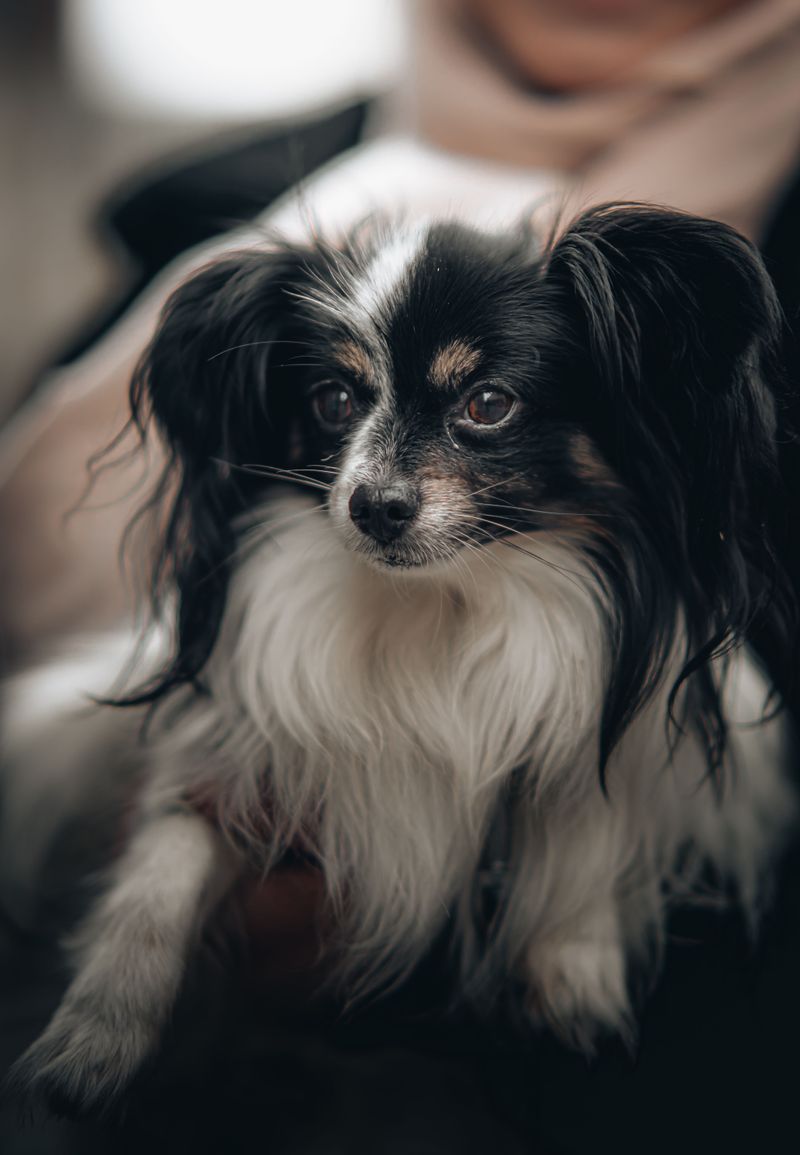
Butterfly ears may catch every sound, and that can make social choices tricky. Many Papillons are bright and sensitive, so they watch first and decide later, especially with tall strangers leaning in.
Channel their smarts into polite greetings. Teach a sit for hello and reward eye contact with tiny treats.
Ask visitors to crouch and turn slightly sideways, give sniff time before petting, and finish with a short flirt pole session so your Papillon ends on a happy note.
Toy Poodle
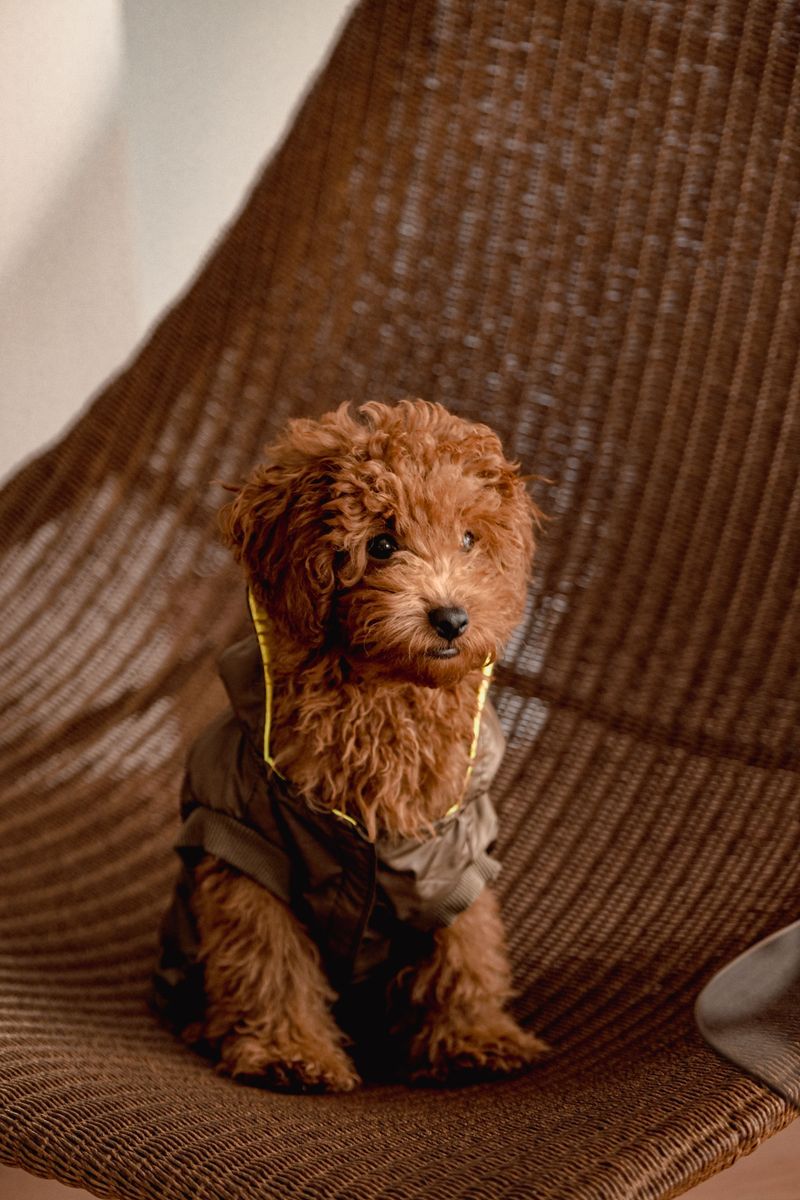
Brains wrapped in curls, many Toy Poodles read rooms like librarians. They may hang back with new people until expectations are clear, especially if voices are loud or movements feel chaotic.
Make social time predictable. Use a greeting mat at the door and cue a sit, then let guests toss tiny treats to the mat.
Quick trick routines, like spin or paw, help them relax, and a sniffy stroll together turns strangers into teammates.
Miniature Pinscher
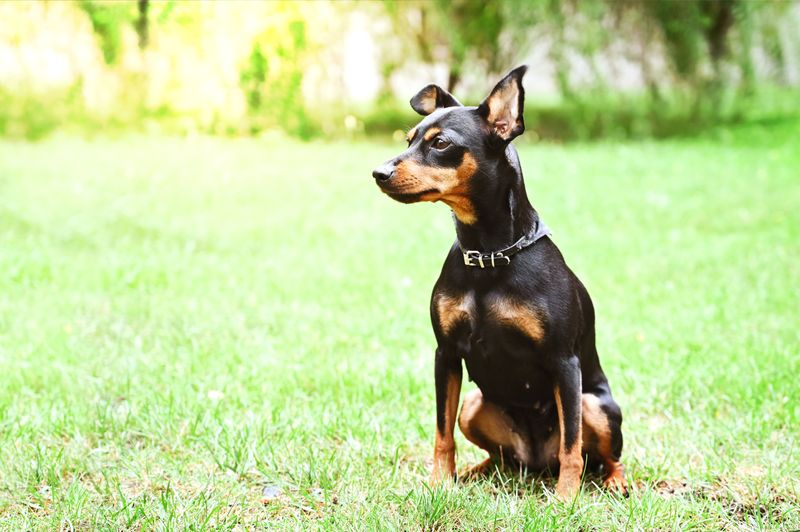
Think small athlete with big opinions. Many Min Pins prefer to check exits, scan feet, and choose their own moment to say hello, especially if someone looms overhead.
Confidence grows with structure. Clip a long line in quiet parks so they can explore while still feeling supported.
Ask visitors to ignore and drop tasty crumbs near you, then mark and reward any look-back, and run short scent games after greeting time to redirect leftover jitters and keep their quick minds busy.
Brussels Griffon
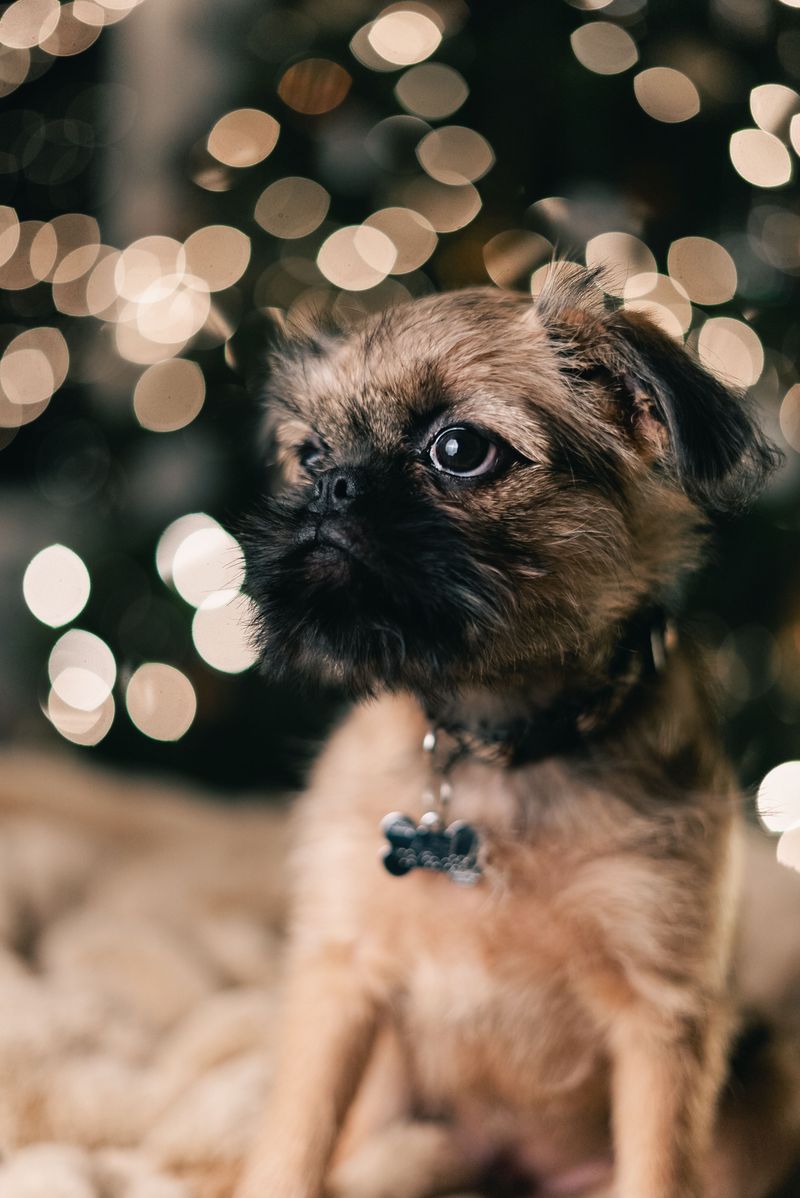
Those expressive brows tell the story. Many Griffons want a slow introduction and a soft voice, or they might cling to their person like a koala until things feel safe.
Set the stage with cozy choices. Offer a small bed behind your legs and let guests scatter tiny treats nearby without staring.
Teach a chin rest on your palm for reassurance, and after a minute, a gentle fetch with a squeaky toy can turn strangers into play buddies.
Japanese Chin
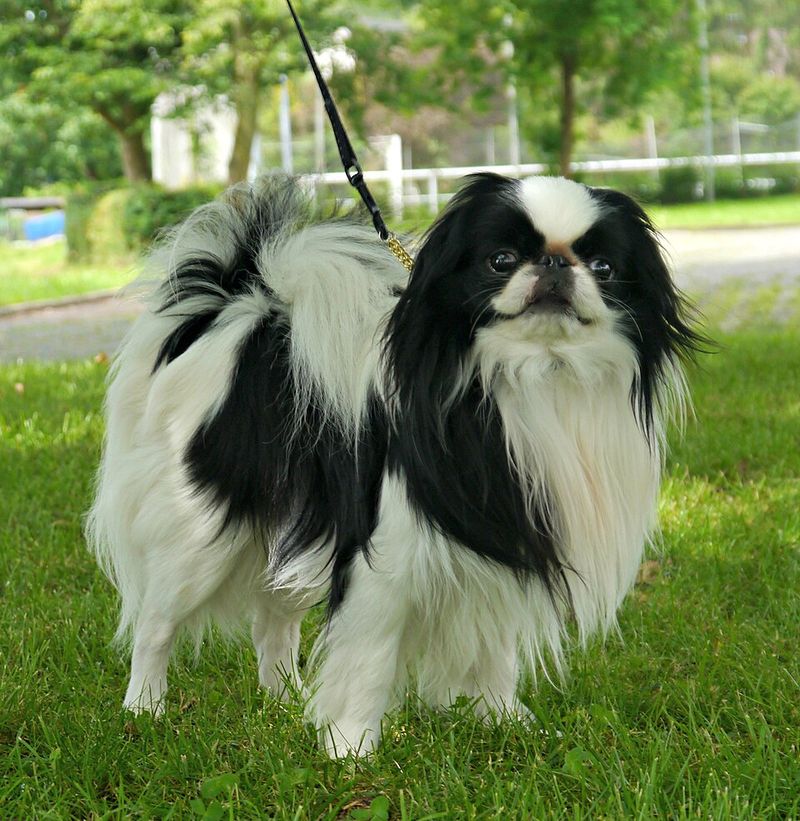
Graceful and catlike, the Japanese Chin often prefers to observe from a sofa perch before saying hello. Sudden noise or strong perfume can make them squint and step away.
Respect the royal vibe. Ask visitors to approach low and slow, offer the back of the hand, and speak softly.
Reward tiny tail flicks and brief sniffs, and a short hallway stroll together, followed by quiet petting under the chin, helps them connect without feeling crowded.
Shih Tzu
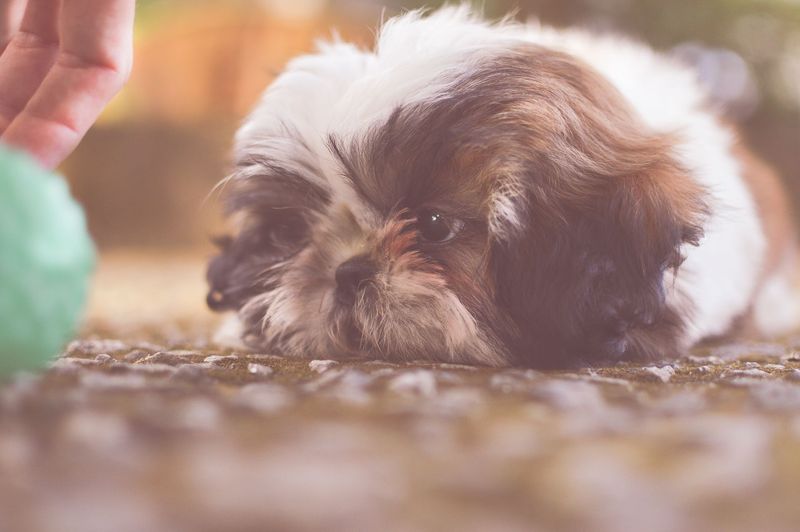
Friendliness lives behind that curtain of hair, yet many Shih Tzu prefer gentle starts. They often value steady routines and may ignore strangers until treats or toys make the choice easy.
Keep it comfortable and low pressure. Ask guests to sit on the floor with a puzzle feeder nearby.
Let your dog wander over, eat, and leave again. Soft brushing or a slow massage can follow.
End with a relaxed lap sit only if your dog asks.
Pekingese
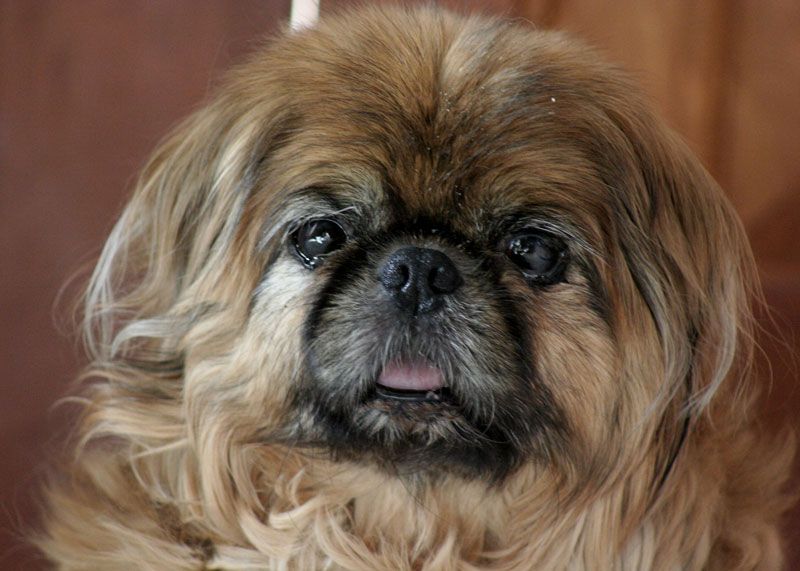
Royal confidence in a small body often comes with clear boundaries. Many Pekingese like to choose the timing and prefer respectful space, especially around their prized resting spots.
Honor their style with calm rituals. Ask guests to sit, keep paths open, and resist reaching over the head.
Reward any approach with quiet praise and a tasty snack placed on the floor, and a slow parallel walk outdoors can build trust without direct pressure or constant eye contact.
Italian Greyhound
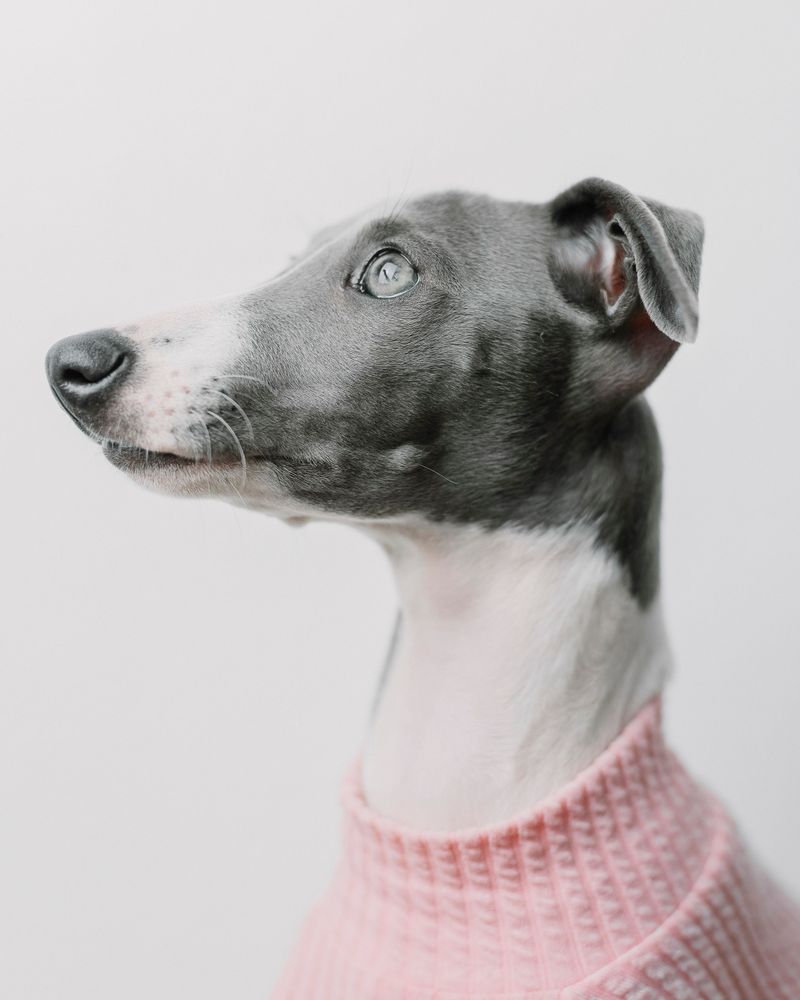
Like a porcelain fawn, the Italian Greyhound is delicate and thoughtful about new people. Cold hands, slick floors, or sudden laughter can spook them into a shy freeze.
Warmth and patience win here. Start indoors on carpet, offer a cozy sweater, and let guests sit quietly with treats on open palms.
Reward brief check-ins, then release for a break, and a short sunbeam nap near visitors often comes before petting, and that small choice builds lasting confidence.